
![[Day-Trip Onsen Guide] Recommended Ways to Enjoy Them & Special Experiences at Unique Facilities](https://static.gltjp.com/glt/data/article/22000/21083/20250729_154544_43c2a139_w1920.webp)
[Day-Trip Onsen Guide] Recommended Ways to Enjoy Them & Special Experiences at Unique Facilities
A “day-trip onsen” lets you enjoy hot springs without staying overnight at a ryokan or hotel.
Add one to your sightseeing plans, and you’ll discover even more ways to enjoy your trip to Japan.
This article covers the basics, including how to enjoy a day-trip onsen, bathing manners, and what to bring, and also introduces recommended day-trip onsen facilities across Japan.
Use it as a guide to make your trip to Japan even more rewarding.
Day-Trip Onsen: An Easy Way to Experience Hot Springs in a Short Time
A day-trip onsen means visiting a hot spring bath without staying overnight.
In addition to public bathhouses and drop-in baths at ryokan in hot spring towns, many different types of facilities can also be found in urban areas.
Many facilities offer rentals of bathing items such as towels and shampoo, which makes it nice and easy to visit empty-handed.
Many are also reasonably priced, making them budget-friendly.
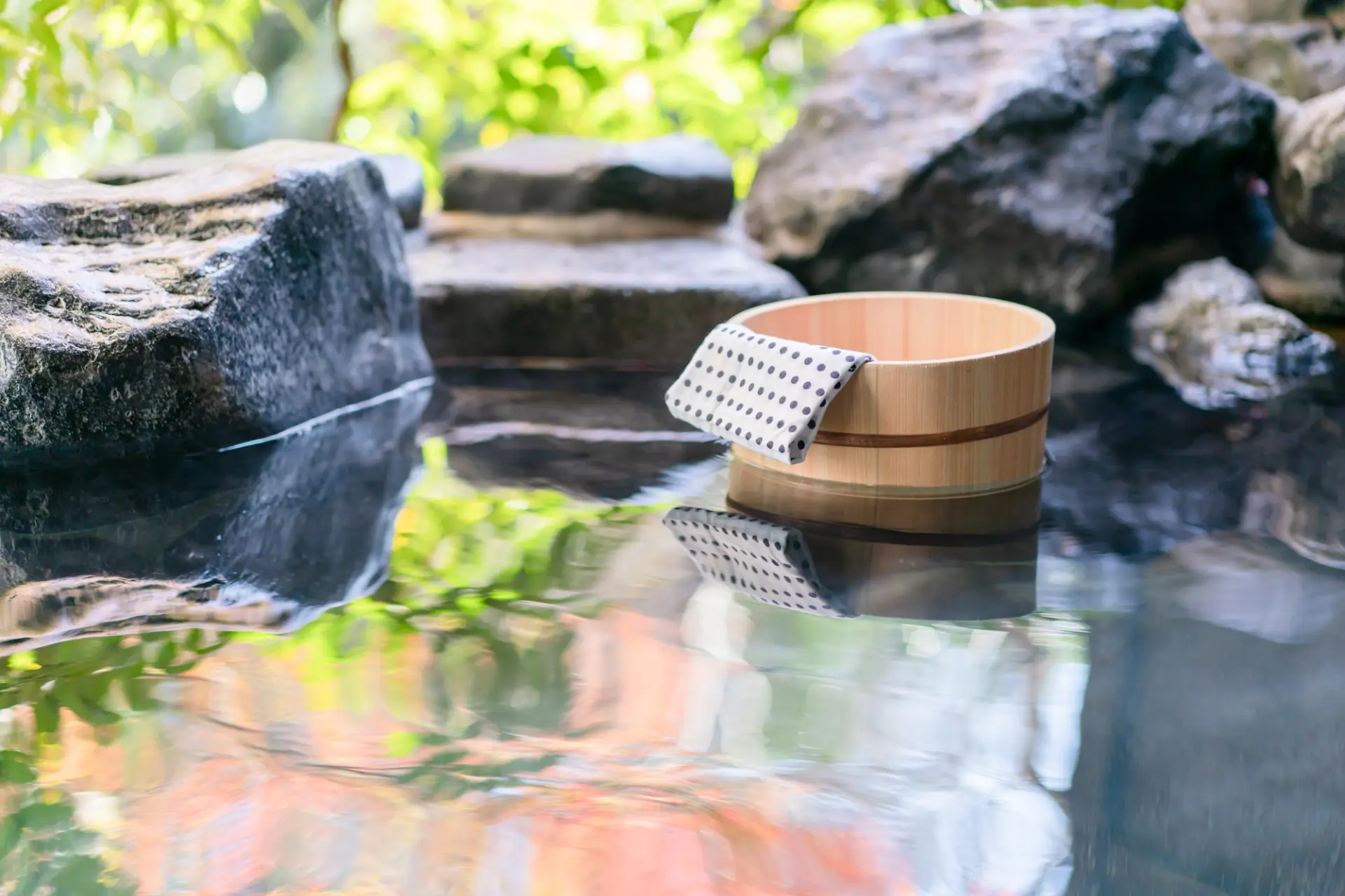
How to Enjoy a More Fulfilling Hot Spring Experience with a Day-Trip Onsen
If you’re planning to add a day-trip onsen to your itinerary, take inspiration from the ways Japanese people enjoy them.
That way, you can fully enjoy not only the hot spring itself, but also experiences unique to the area and the facility.
1. Enjoy a hot spring-hopping walk and local street food in a hot spring town
If you visit a hot spring town where ryokan and bath facilities are gathered together, try enjoying hot spring hopping.
This means bathing at multiple hot spring facilities in one day and enjoying the differences in water quality and atmosphere.
If you also enjoy sampling local food and shopping for souvenirs along the way, you’ll be able to appreciate the unique charm and ambiance of that hot spring town more deeply.
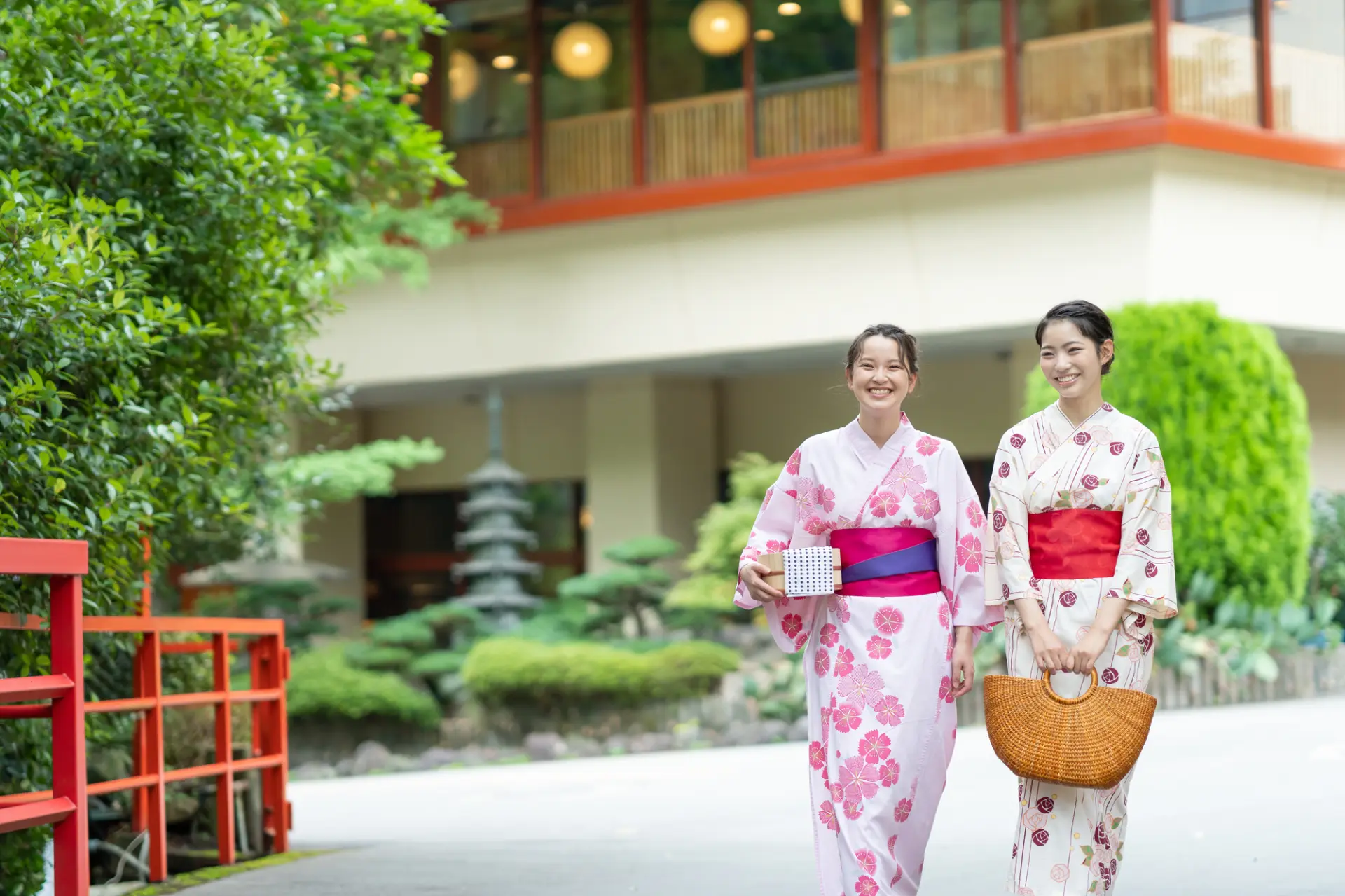
Renting a yukata at a hot spring facility and heading out for hot spring hopping will make the travel mood feel even more special.
2. Make the most of the excellent services and facilities beyond the baths
Many day-trip onsen facilities offer a wide range of services and amenities besides the hot springs themselves.
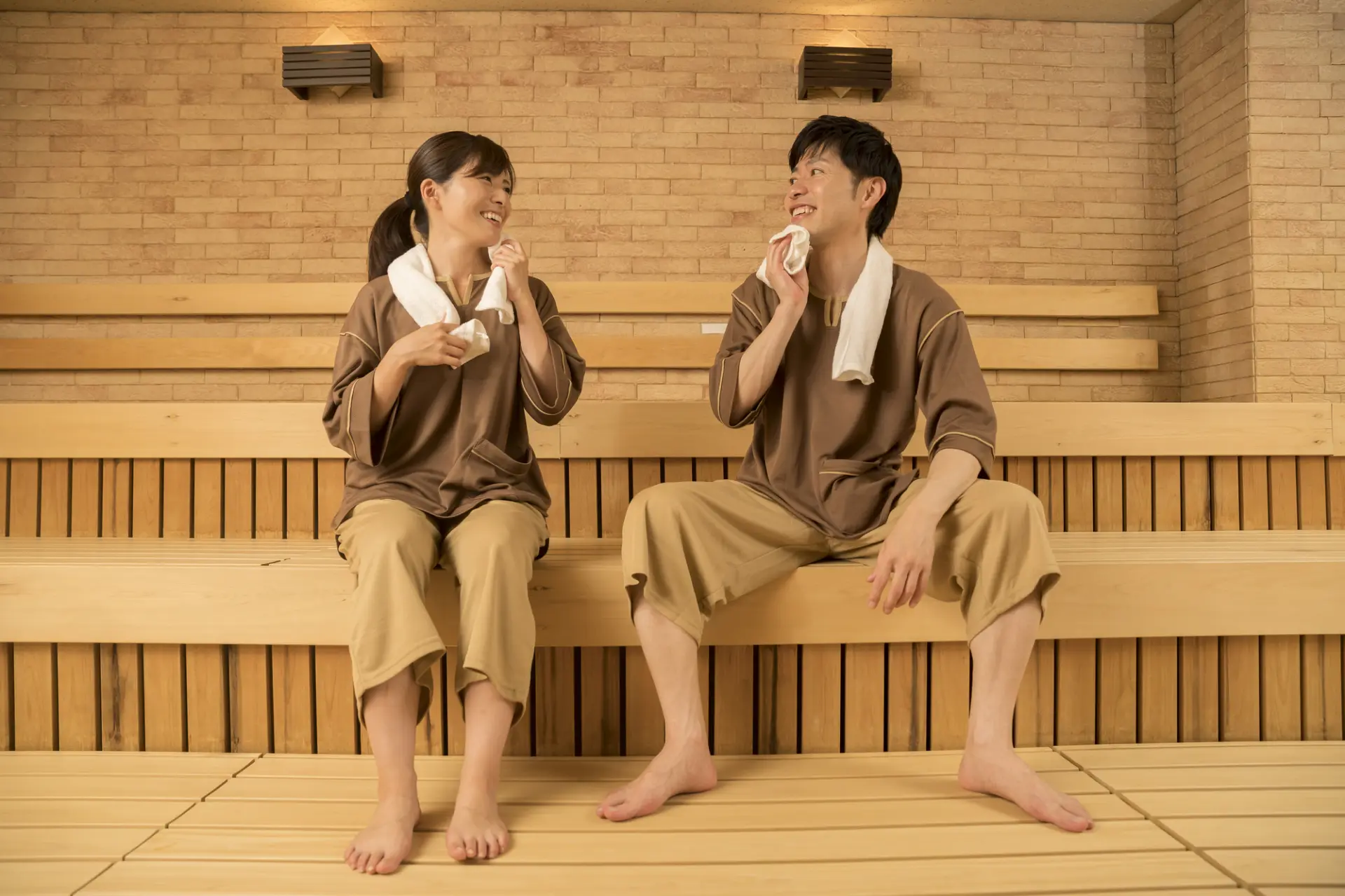
In addition to bedrock baths and saunas, some facilities offer massages and esthetic treatments, and many also have restaurants and cafes where you can enjoy local cuisine.
Spending a relaxing day off in this kind of well-equipped setting is a classic way for Japanese people to refresh themselves.
At a day-trip onsen on your travels, be sure to enjoy the non-bathing services and facilities as well.
3. Soothe your tired body with a day-trip onsen
In Japan, it’s a classic travel plan to add a day-trip onsen after a full day at a theme park, after a hike, or at the end of a long drive.
Its popularity comes from how easy it is to stop by without advance preparation, as well as the convenience of being able to eat at the facility’s restaurant afterward.
Another part of the appeal is that hot springs feel especially soothing when your body is tired.
Day-Trip Onsen Manners and Rules You Should Know
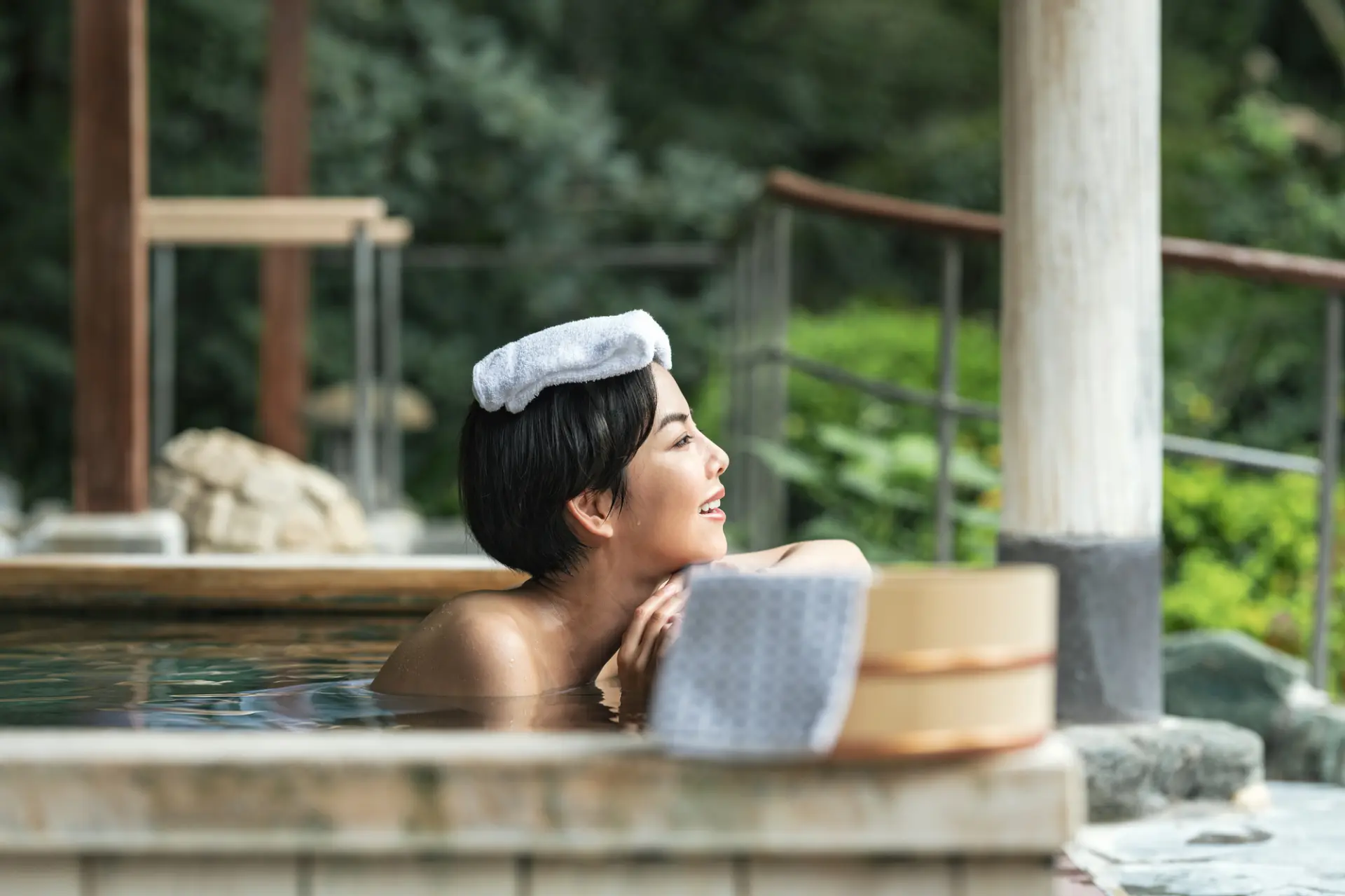
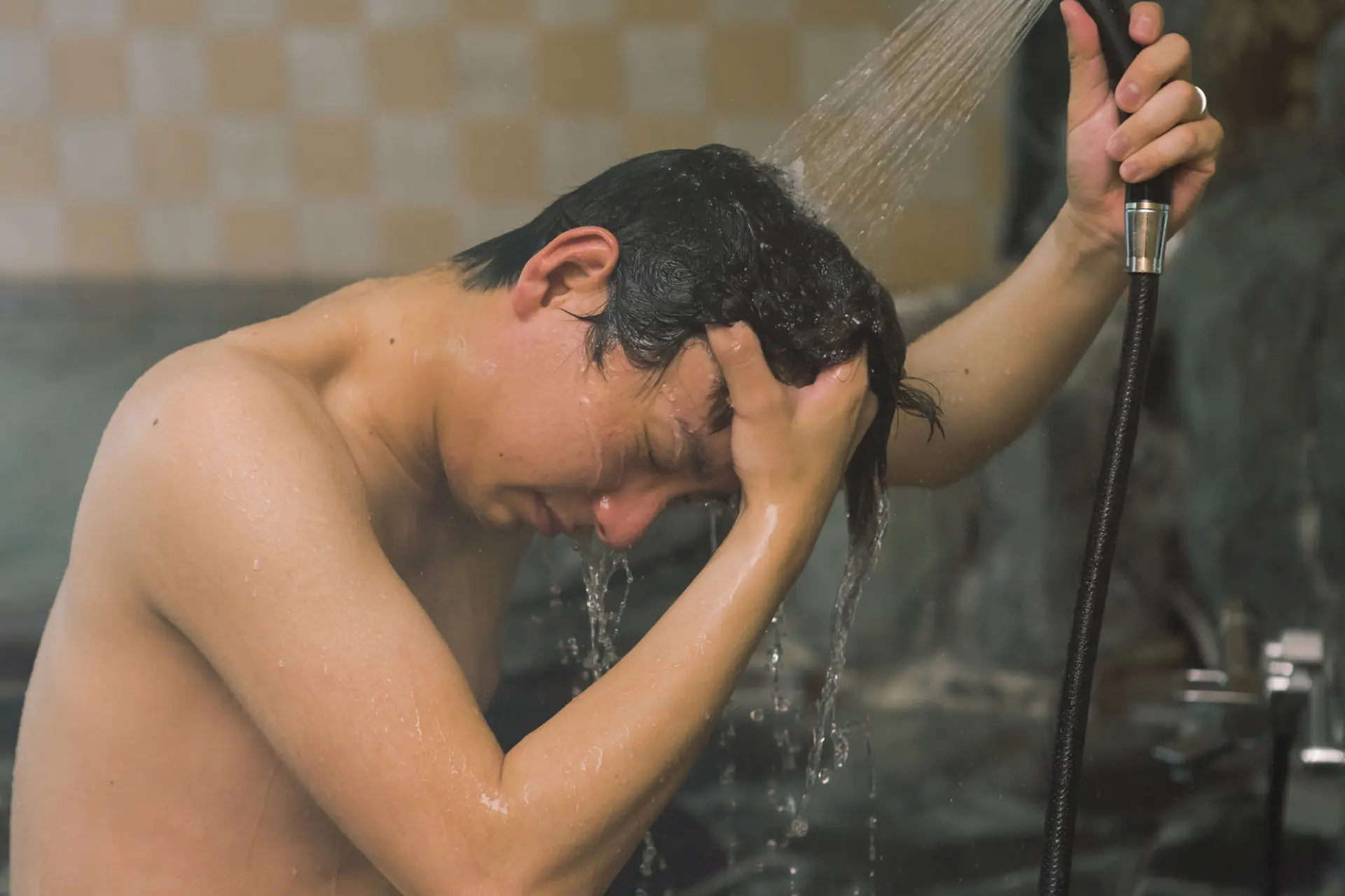
Here are the five basic manners and rules to follow when using a day-trip onsen.
- Bathe naked
- Do not put your towel in the bath
- Wash your body thoroughly before entering the bath
- Do not leave your belongings in the washing area to save a spot
- Wipe off the water on your body well before leaving the bathing area
Some hot spring facilities may have their own additional manners and rules, but as long as you follow these five basic ones, you likely won’t cause trouble for the facility or other guests.
If you want to learn more about hot spring manners and rules, please also refer to the article below.
What to Bring to a Day-Trip Onsen
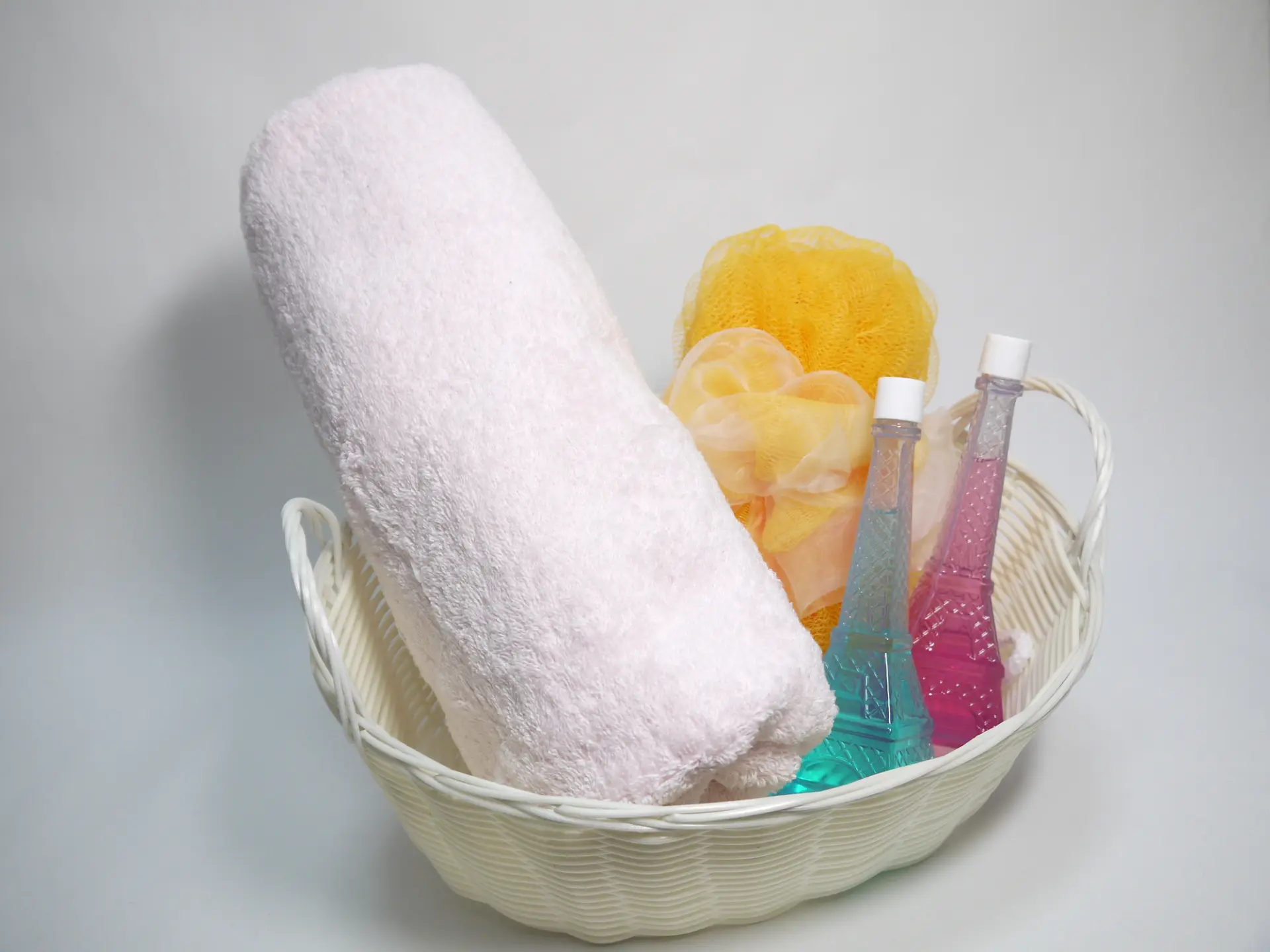
Many day-trip onsen facilities offer rentals for the items needed for bathing, but some facilities may not.
For that reason, check the facility’s official website in advance to see whether rentals are available.
If you’re visiting a facility that does not offer rentals, make sure to prepare at least the following items.
- Bath towel
- Face towel
- Shampoo
- Body soap
- A change of clothes
11 Popular Day-Trip Onsen Facilities in Japan That Are Easy to Add to Your Travel Plans
Day-trip onsen facilities can be found all across Japan, and here are some especially recommended ones.
Not only are they easy to stop by between sightseeing activities, but they also offer excellent locations, extensive services, and well-equipped facilities, allowing you to relax and soothe both body and mind.
Add one to your itinerary and enjoy a luxurious moment of refreshment.
1. [Hokkaido] Jozankei Tsuruga Resort Spa Mori no Uta
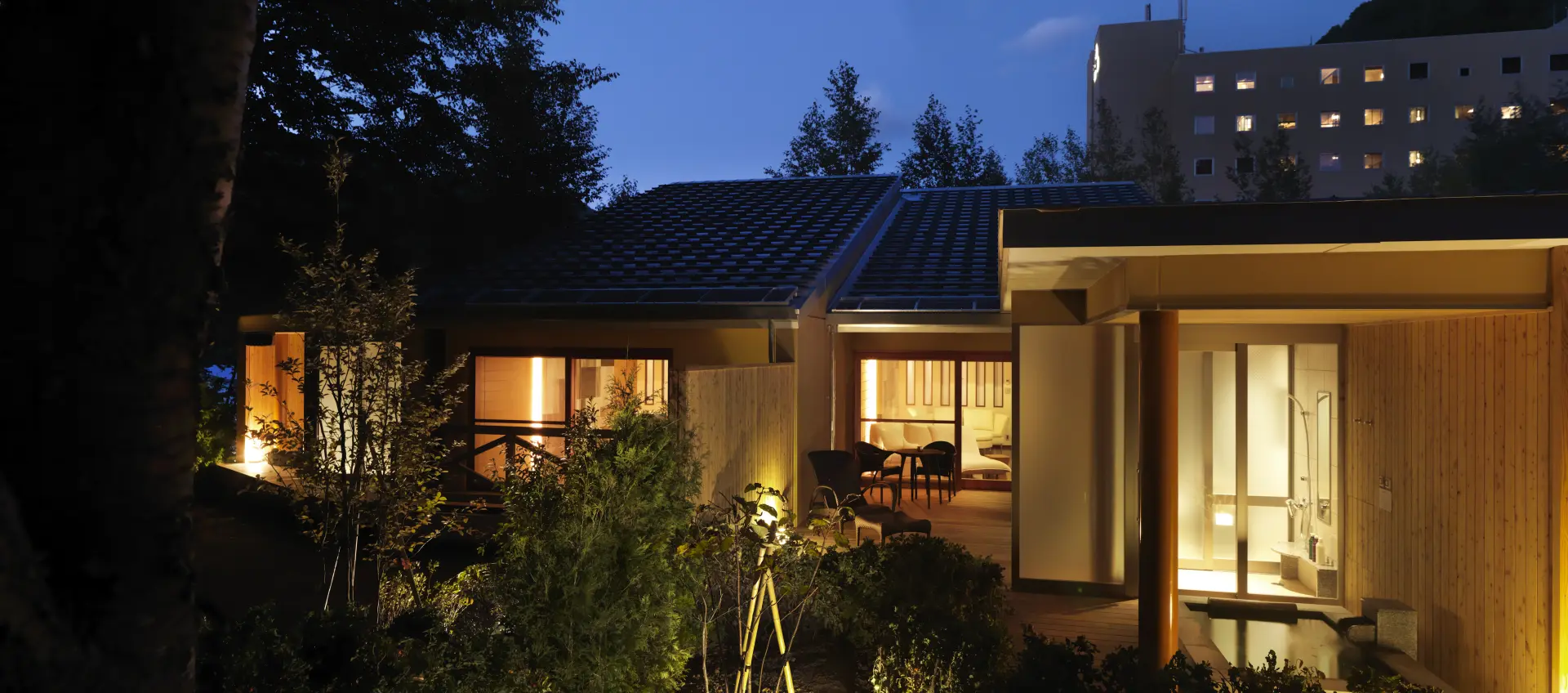
“Jozankei Tsuruga Resort Spa Mori no Uta” is a day-trip onsen facility located in Jozankei Onsen, Hokkaido, Approx. 40 minutes by car from Sapporo.
Set in a peaceful natural setting, it is popular for its day-use plan that includes hot spring bathing and a lunch buffet with Approx. 80 Japanese, Western, and Chinese dishes.
In winter, there is also a plan that includes snowshoe trekking, lunch, and hot springs. It is an ideal facility for refreshing yourself.

2. [Yamagata] Zao Onsen Dai Rotenburo
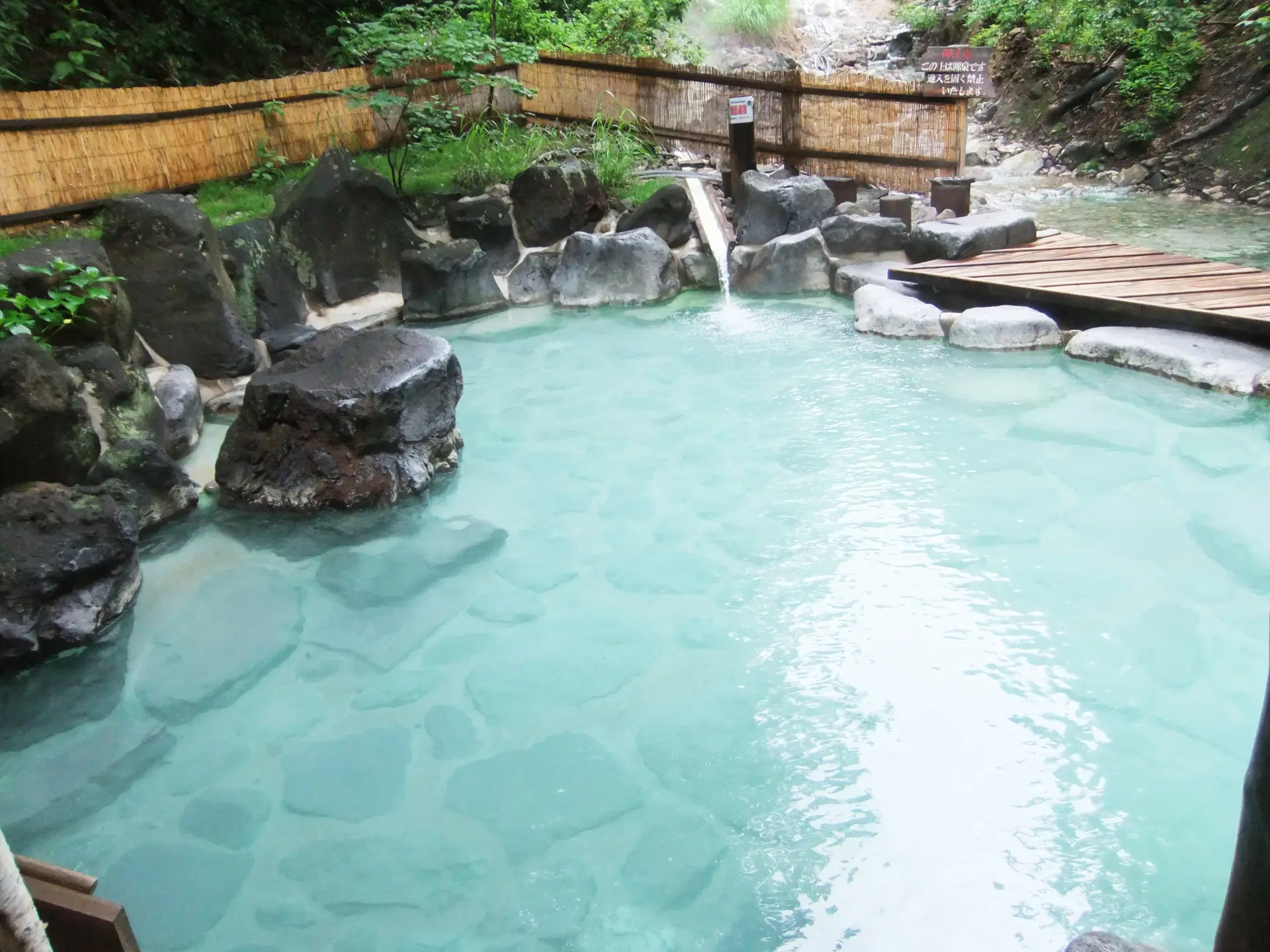
Zao Onsen is one of Japan’s leading ancient hot springs, with a history of over 1,900 years since its discovery.
This popular drop-in bath lets you casually enjoy Zao’s waters, known as one of Japan’s strongest acidic springs, said to remove oil from the skin without harsh scrubbing and leave it looking brighter, earning it the nickname “beauty bath.”
Pass through the charming gate and head down the stairs, and you’ll find an open-air bath made of natural stones along a mountain stream.
The bath is large enough for 200 people to enter at once, and soaking while listening to the stream and birdsong feels wonderfully open and relaxing.

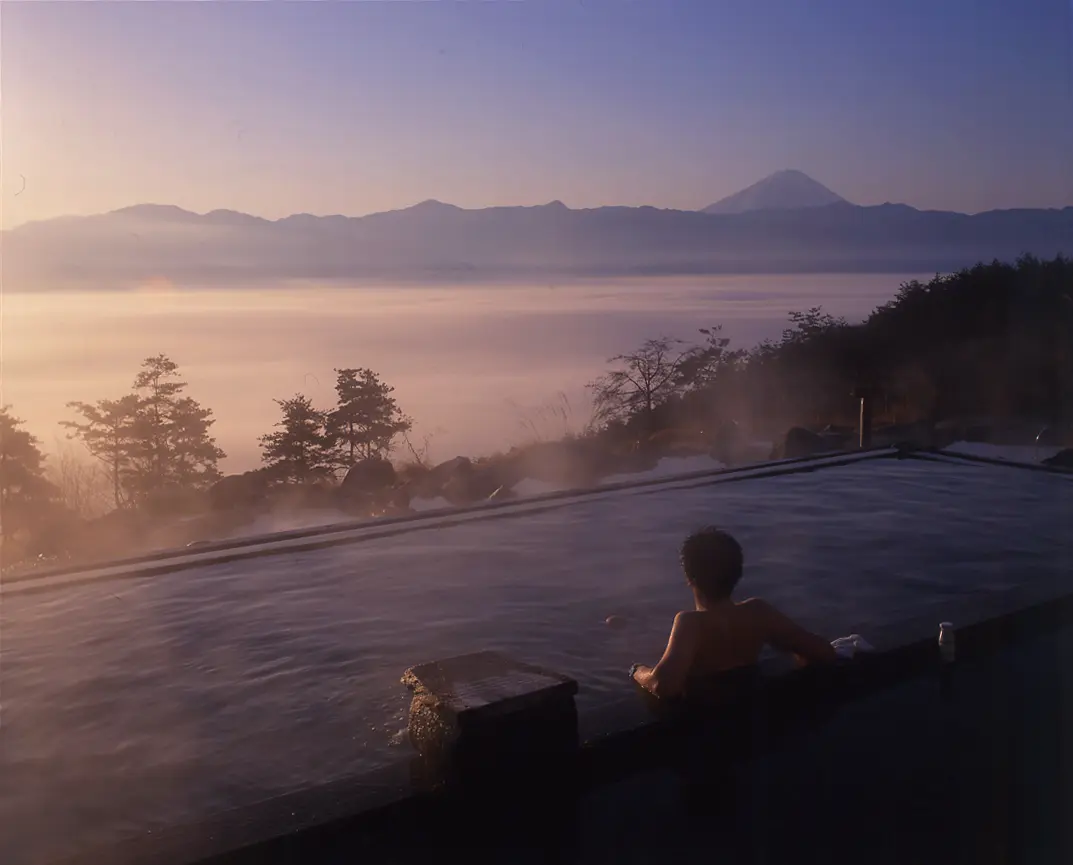
3. [Yamanashi] Hottarakashi Onsen
This natural hot spring is popular for its spectacular view from a mountaintop at an elevation of 700 m.
“Kocchi no Yu,” opened in 1999, has a simple and calm atmosphere and is especially popular with locals.
The grounds include indoor and open-air baths, where you can soak while enjoying sweeping views of Mt. Fuji and the Kofu Basin. The baths are also divided into lukewarm and hot baths, making it easy to relax at your preferred temperature.
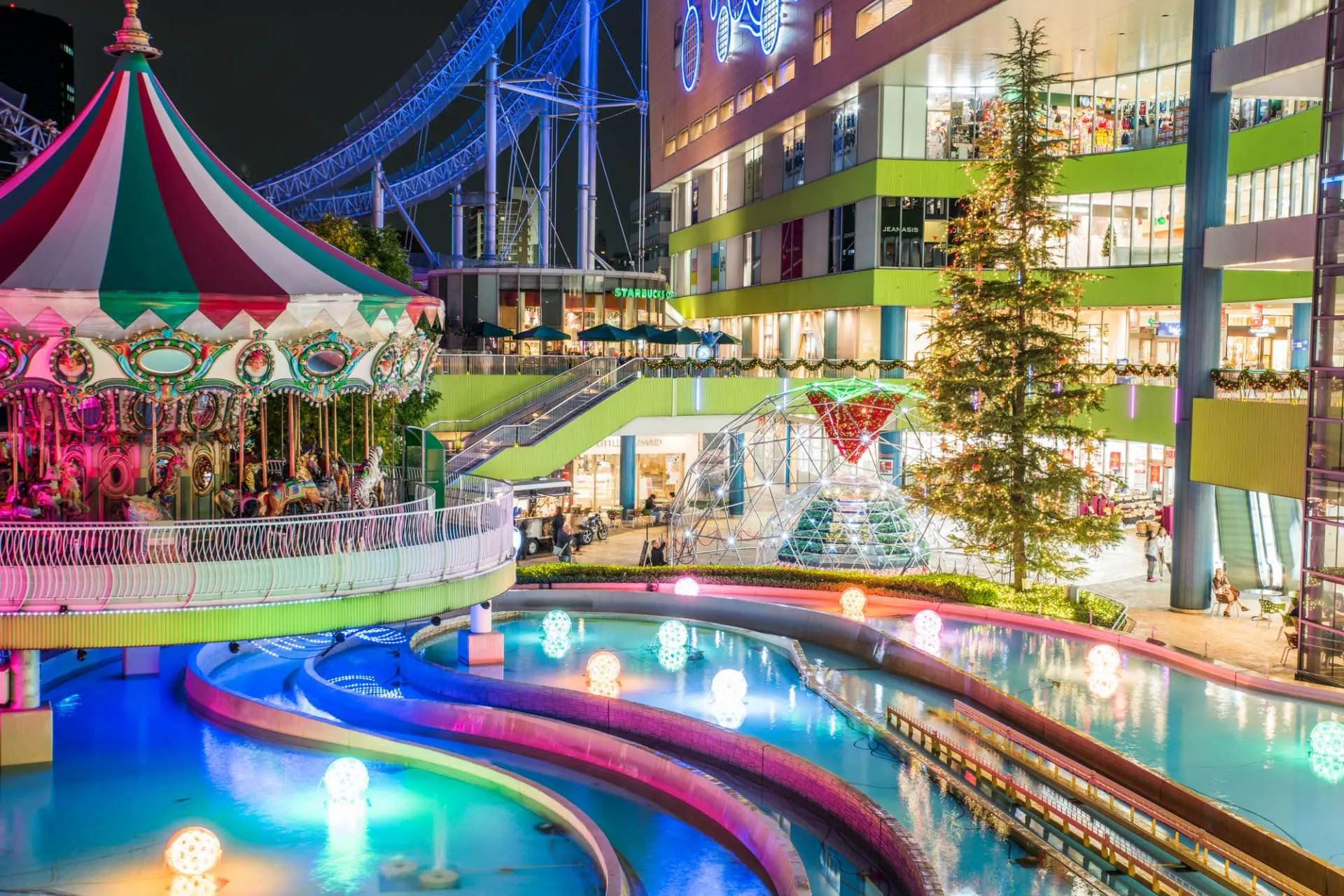
4. [Tokyo] Spa LaQua
A bathing facility located on the 5th to 9th floors of the LaQua Building attached to Tokyo Dome.
Despite being in the heart of the city, it offers natural hot spring water that wells up from 1,700 m underground.
Along with open-air baths and large communal baths using natural hot spring water, it also features a variety of beauty-focused baths, including carbonated baths and oxygen baths.
There are also low-temperature saunas, bedrock baths, open and airy relaxation spaces reminiscent of a tropical resort, body care salons, restaurants, and cafes, making it a place you can enjoy all day.
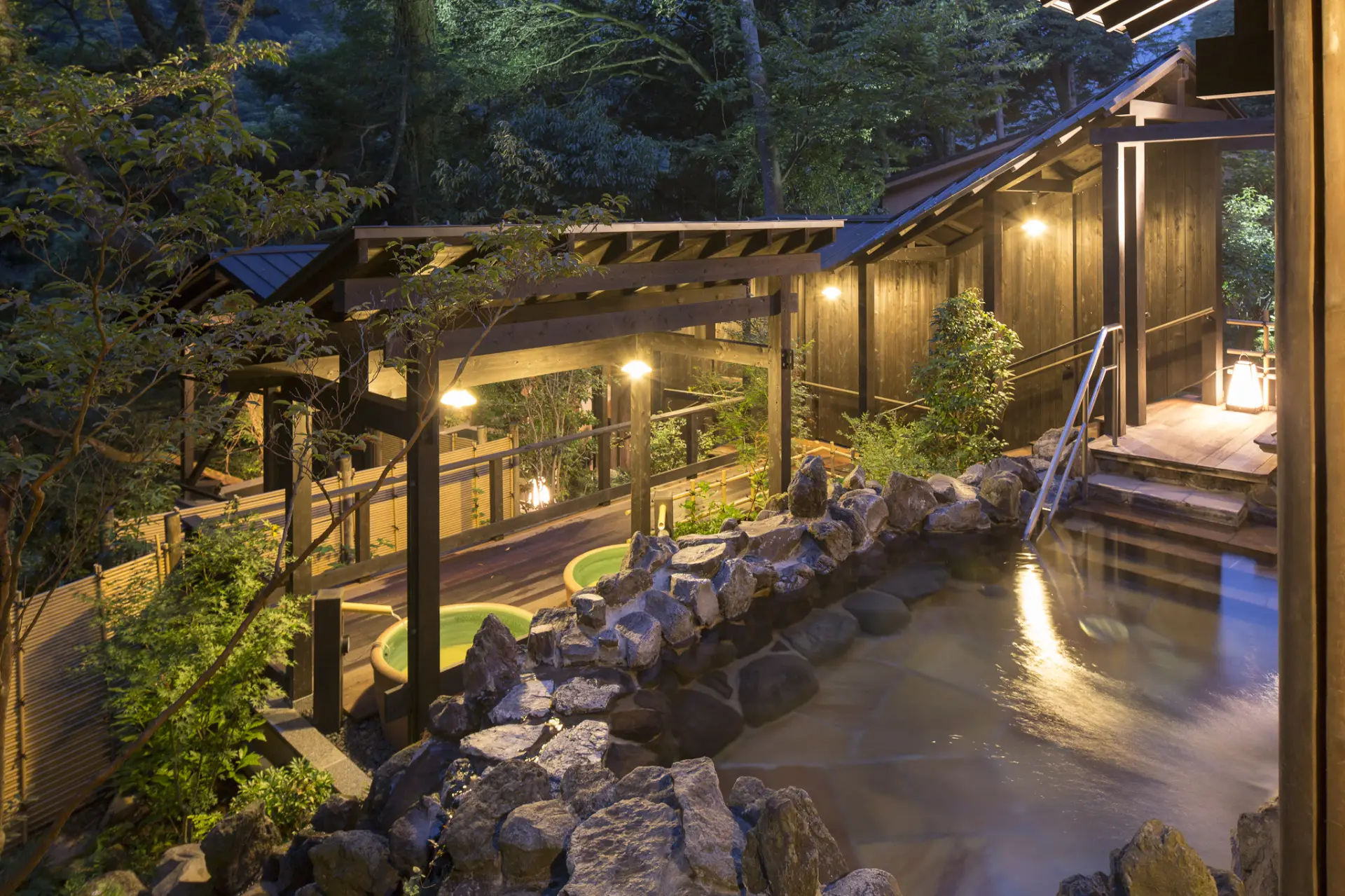
5. [Kanagawa] Hakone Yuryo
Approx. 3 minutes by free shuttle bus from Hakone-Yumoto, this day-trip onsen facility has a traditional Japanese house-style design and lets you enjoy Hakone’s abundant natural beauty. Its water comes from Tohnosawa Onsen, one of the Hakone Seven Hot Springs, and is a simple alkaline spring with a soft feel on the skin, also known as a “beauty bath.”
The large communal bath areas for men and women each offer a variety of baths, including open-air baths, indoor baths, Shigaraki ware baths, rock baths, and saunas. There is also a tatami-floored relaxation room where you can unwind barefoot after bathing.
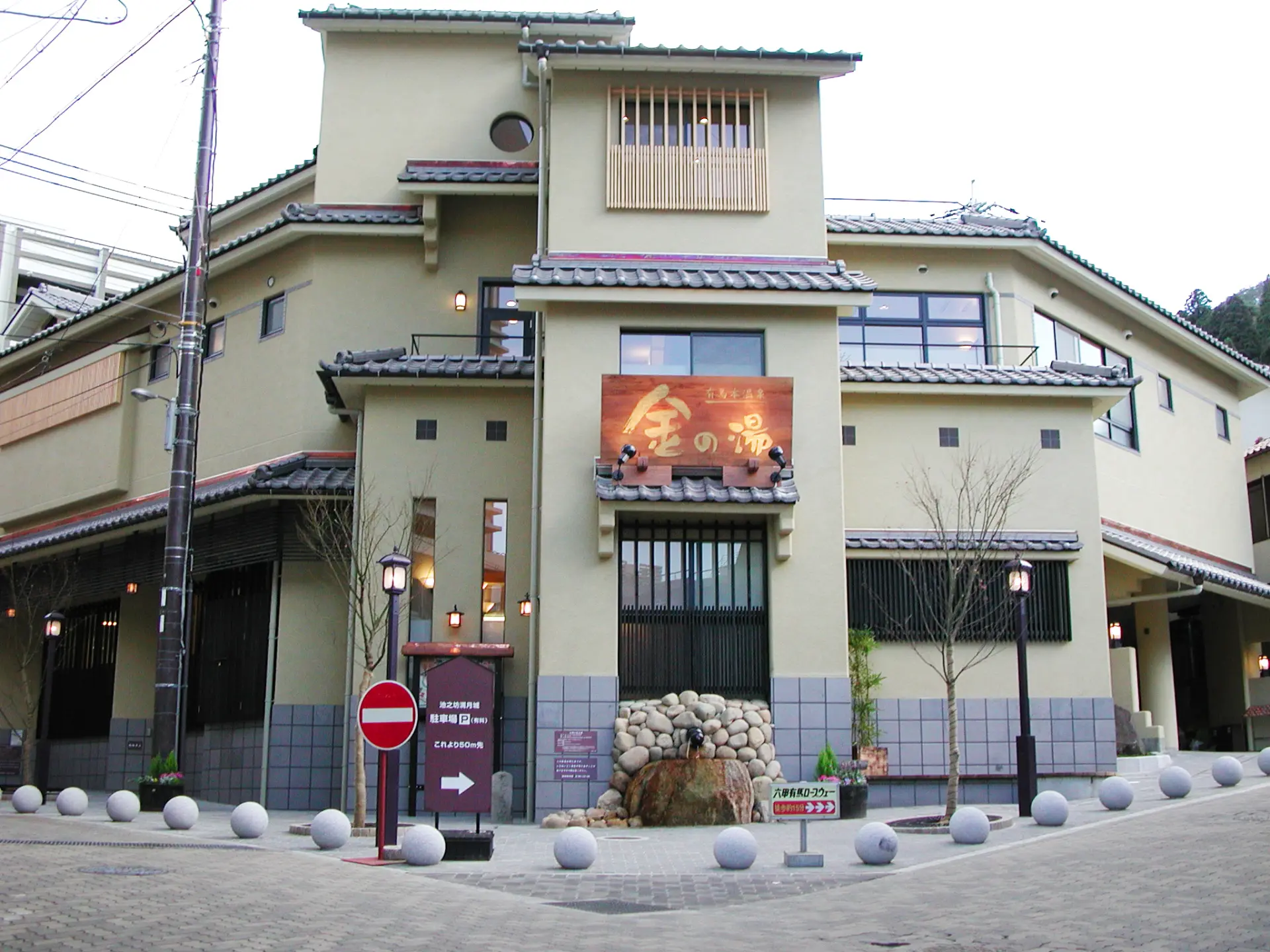
6. [Hyogo] Kin no Yu
Arima Onsen is one of Japan’s three oldest hot springs and a historic hot spring loved by Toyotomi Hideyoshi.
Among Arima’s two types of spring water, the reddish-brown “kinsen” and the colorless transparent “ginsen,” “Kin no Yu” is a day-use bathing facility where you can casually enjoy the “kinsen.”
Inside are two bath areas: “Ichi no Yu,” used as the men’s bath, and “Ni no Yu,” the women’s bath. “Ichi no Yu” is designed with an image inspired by bamboo, an essential material in Arima Onsen’s traditional crafts.
“Ni no Yu” has a theme based on the maple trees of Arima’s Zuihoji Park, a famous spot for autumn leaves.

7. [Kyoto] Kyoto Arashiyama Onsen Kadensho Fufu no Yu
The public bath of the Japanese-style inn “Kyoto Arashiyama Onsen Kadensho,” located in Kyoto’s popular Arashiyama area.
It has three types of baths, and the indoor bath features a mildly alkaline natural hot spring that is gentle on the skin.
The “Silky Bath,” whose bubbles help remove dirt and waste from pores and are expected to promote circulation, is also not to be missed.
At the “Open-Air Rock Bath,” you can enjoy a luxurious soak while gazing up at the starry sky of Arashiyama.
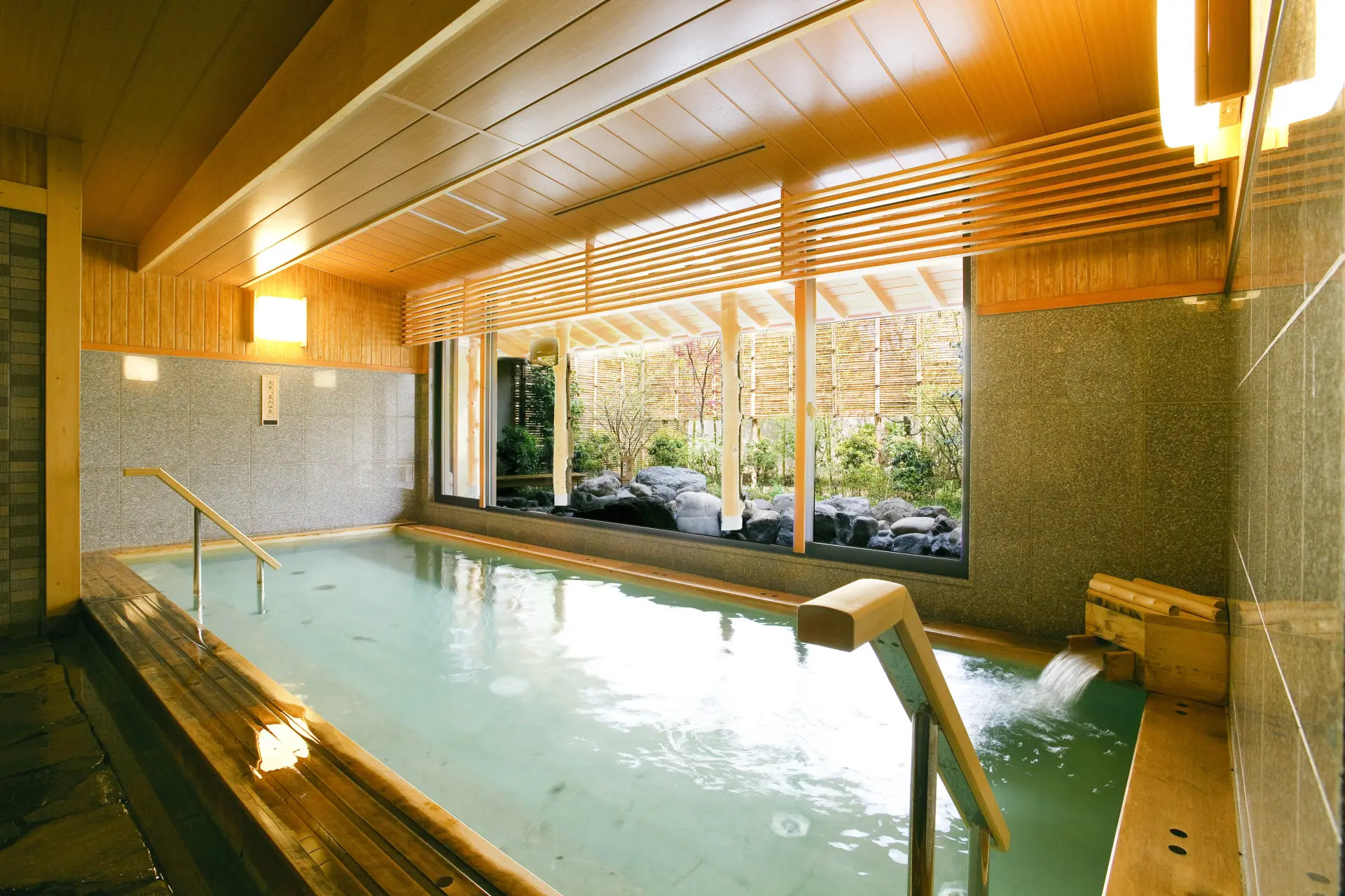

8. [Hiroshima] Asian Resort Spa Seare
A spa resort with natural hot springs that stays open 24 hours on weekends. The hot spring water, which wells up from 1,000 m underground, has a high salt content and excellent moisturizing effects, warming your body to the core and gently easing away travel fatigue. Towel rentals and other items are also available (extra fees apply), so you can come empty-handed.
The natural hot springs can be enjoyed in a main bath area with carefully designed Asian-style interiors, as well as in two open-air baths: the mystical Niodo, modeled after a cave, and the airy Kannonsen, inspired by Japanese design.
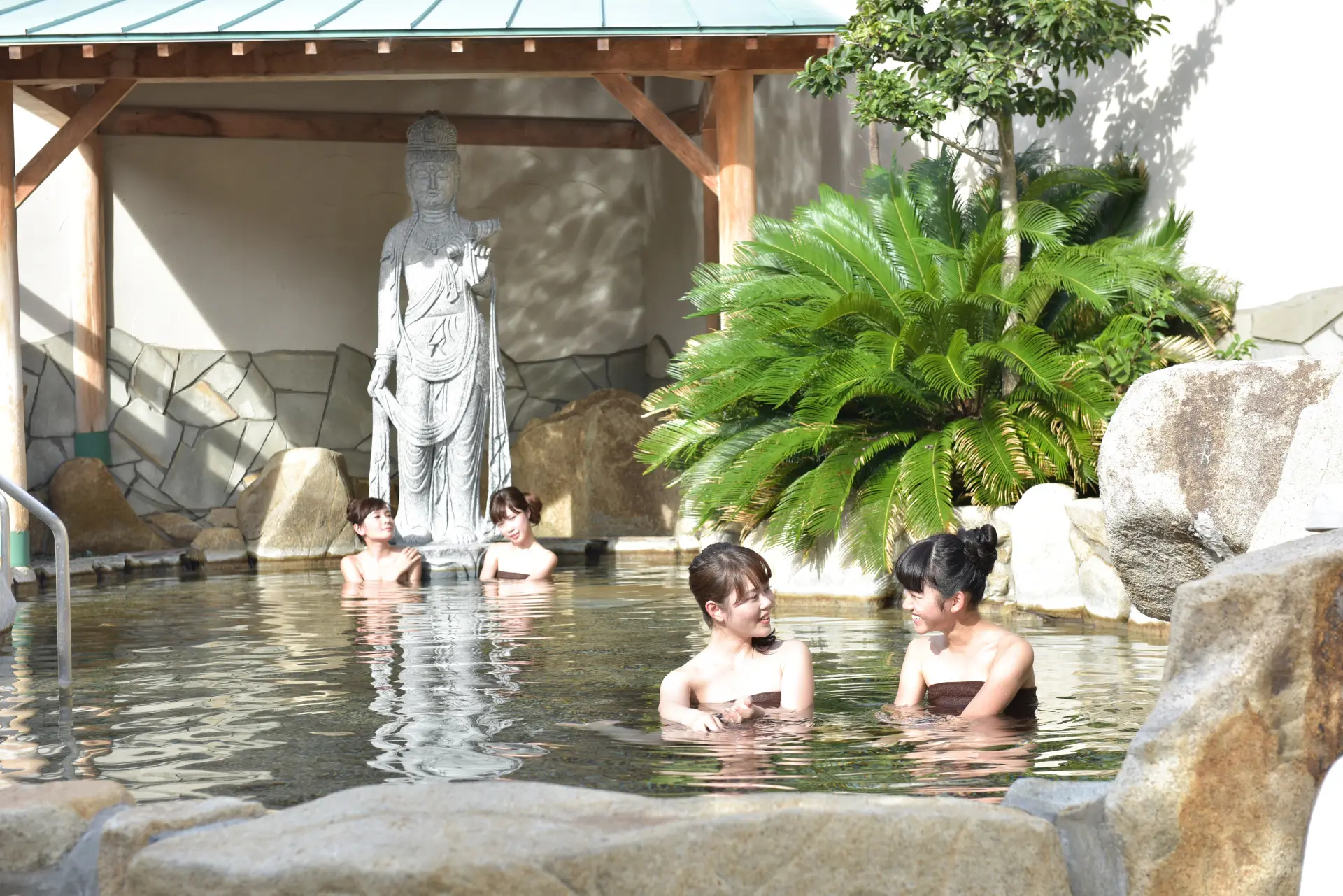
9. [Ehime] Dogo Onsen Honkan
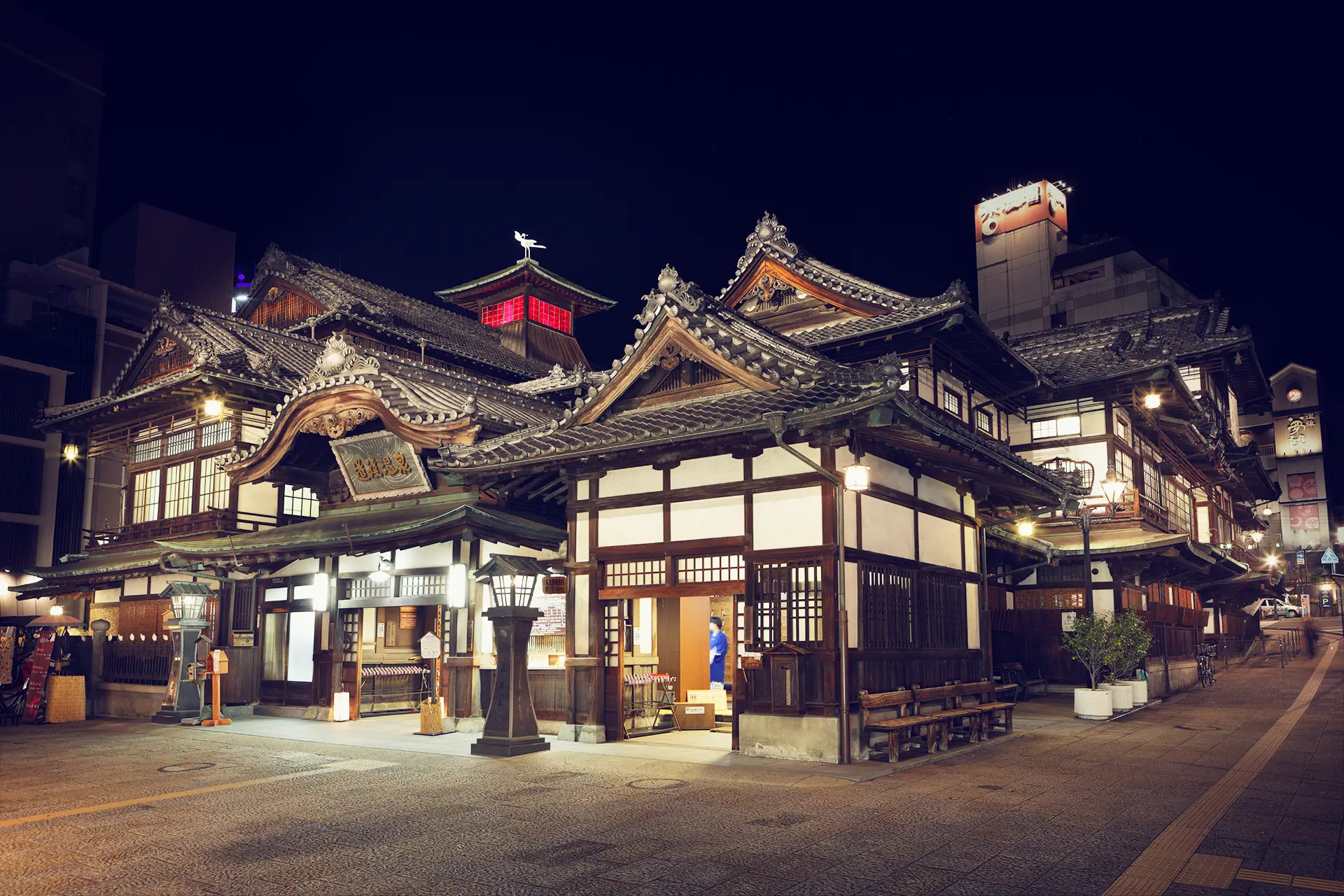
Mentioned in the Nihon Shoki, Dogo Onsen is said to be Japan’s oldest hot spring and is one of Ehime’s most popular sightseeing spots.
There is also a legend that a white heron healed its injured leg in the waters of Dogo Onsen.
The simple alkaline spring water is smooth and gentle on the skin, with low irritation, making it suitable for therapeutic bathing and beauty care.
Dogo Onsen Honkan is also designated as an Important Cultural Property of Japan and is a magnificent building that evokes a strong sense of history.

10. [Oita] Takegawara Onsen
In Beppu’s city area, hot springs bubble up all over town, and the area is loved as “Beppu Onsen,” one of the Beppu Hatto hot spring areas.
The town is home to many public bathhouses and hot spring inns, and locals enjoy hot springs as part of everyday life.
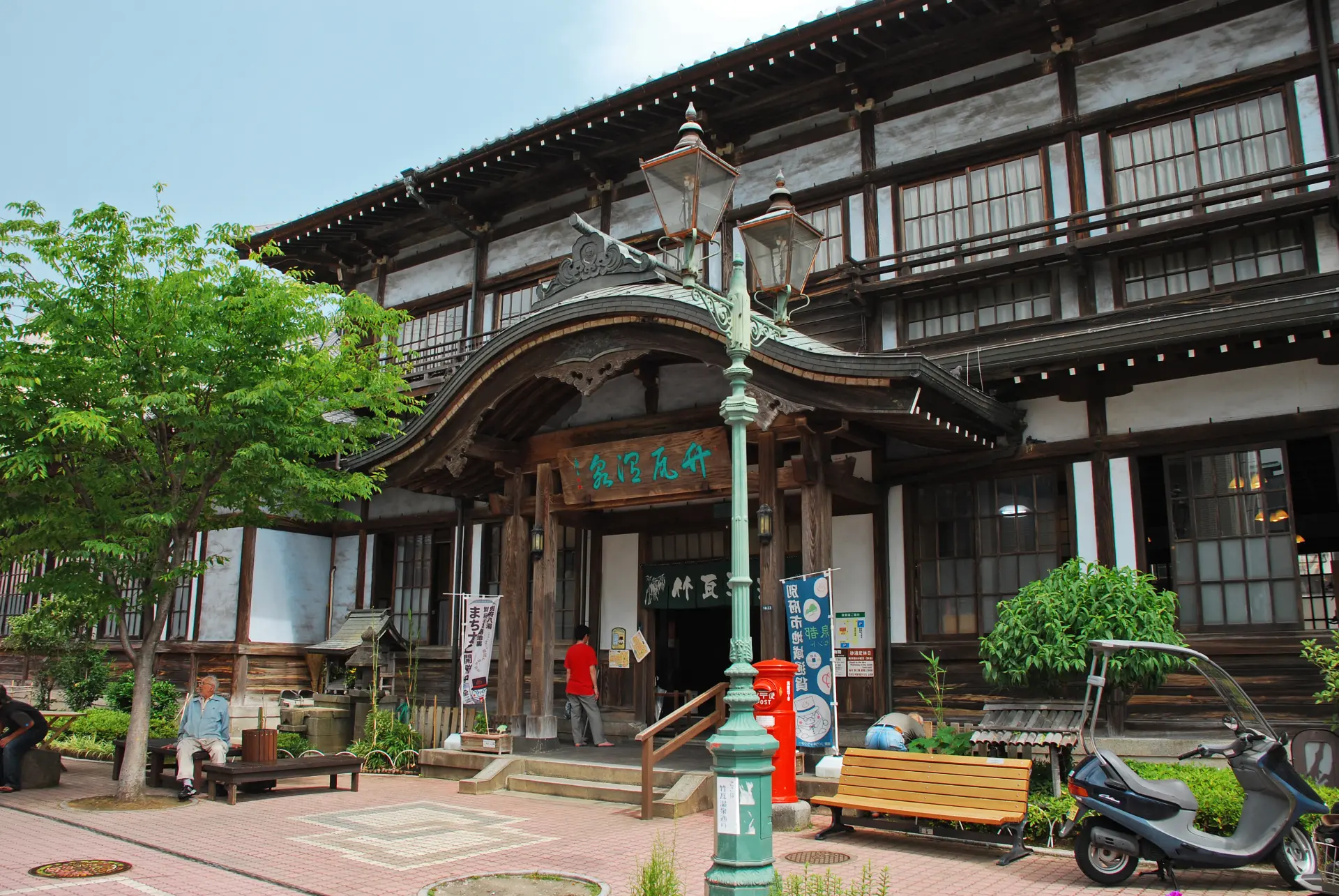
Among the many hot spring facilities, the especially famous symbol of Beppu Onsen is “Takegawara Onsen,” founded in 1879.
The bath area is an old-style semi-basement structure full of history and tradition. The men’s bath is a chloride spring, while the women’s bath is a bicarbonate spring. The regular bath area does not have showers, so use a bath bucket when washing your hair or face.

11. [Okinawa] Ryukyu Onsen Senagajima Hotel Ryujin no Yu
“Ryujin no Yu” at “Ryukyu Onsen Senagajima Hotel,” located on Senagajima in Okinawa, can also be enjoyed on a day trip.
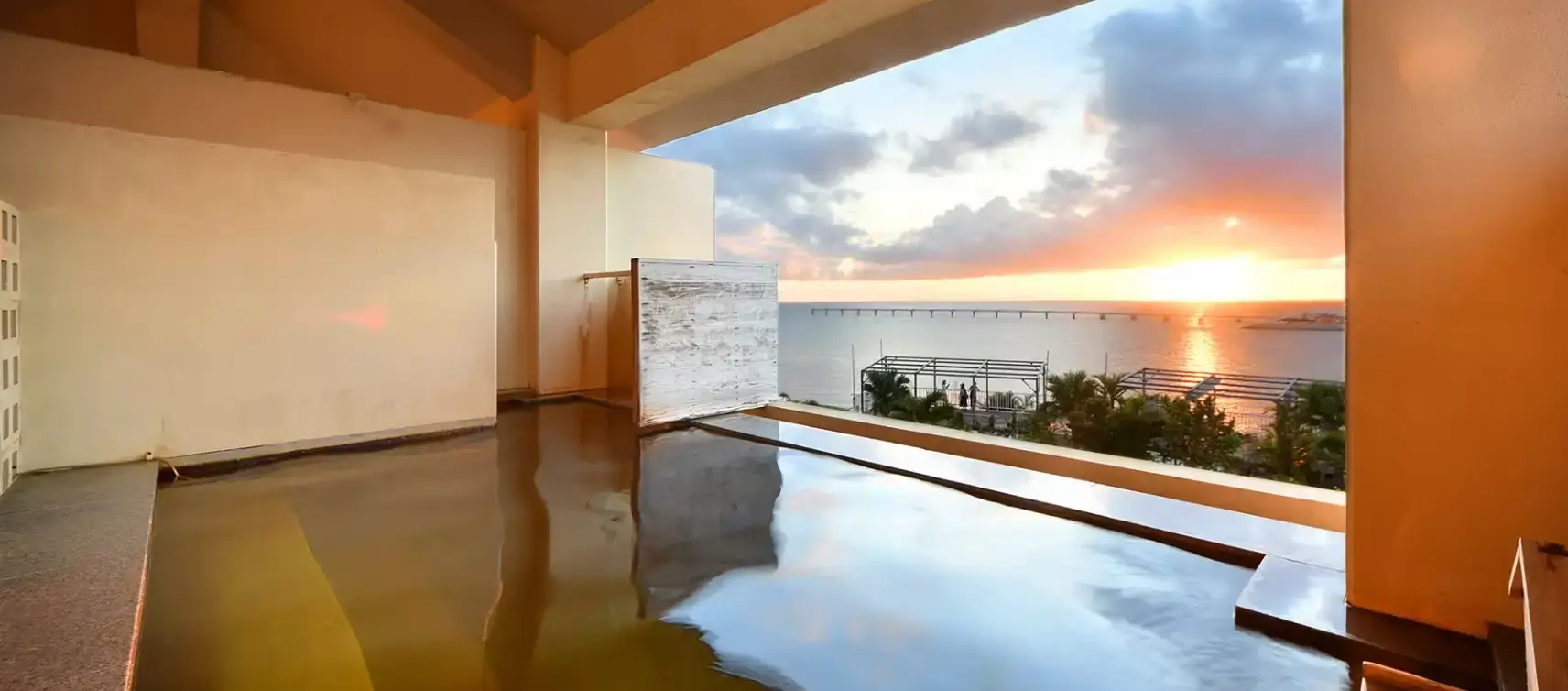
Its biggest attraction is the open-air bath, which offers sweeping views of the sun setting over the East China Sea and planes taking off and landing at the airport.
The open-air baths use free-flowing natural hot spring water from a source 1,000 m underground.
There is also a wide variety of baths, including a standing bath, a pot bath for soaking alone in comfort, and a lying bath where you can recline while soaking.
3 Hidden Hot Springs for Day Visits Where You Can Enjoy an Extraordinary Escape
If you’re looking for an even more special hot spring experience, a “hidden hot spring” is highly recommended.
A hidden hot spring refers to an onsen located in a remote place, such as in the mountains.
Because these places preserve traditional buildings and natural surroundings, one of their greatest charms is being able to soak in hot springs and spend “time doing nothing” amid Japan’s nostalgic landscapes.
Among the many hidden hot springs in Japan, here are three especially popular ones.
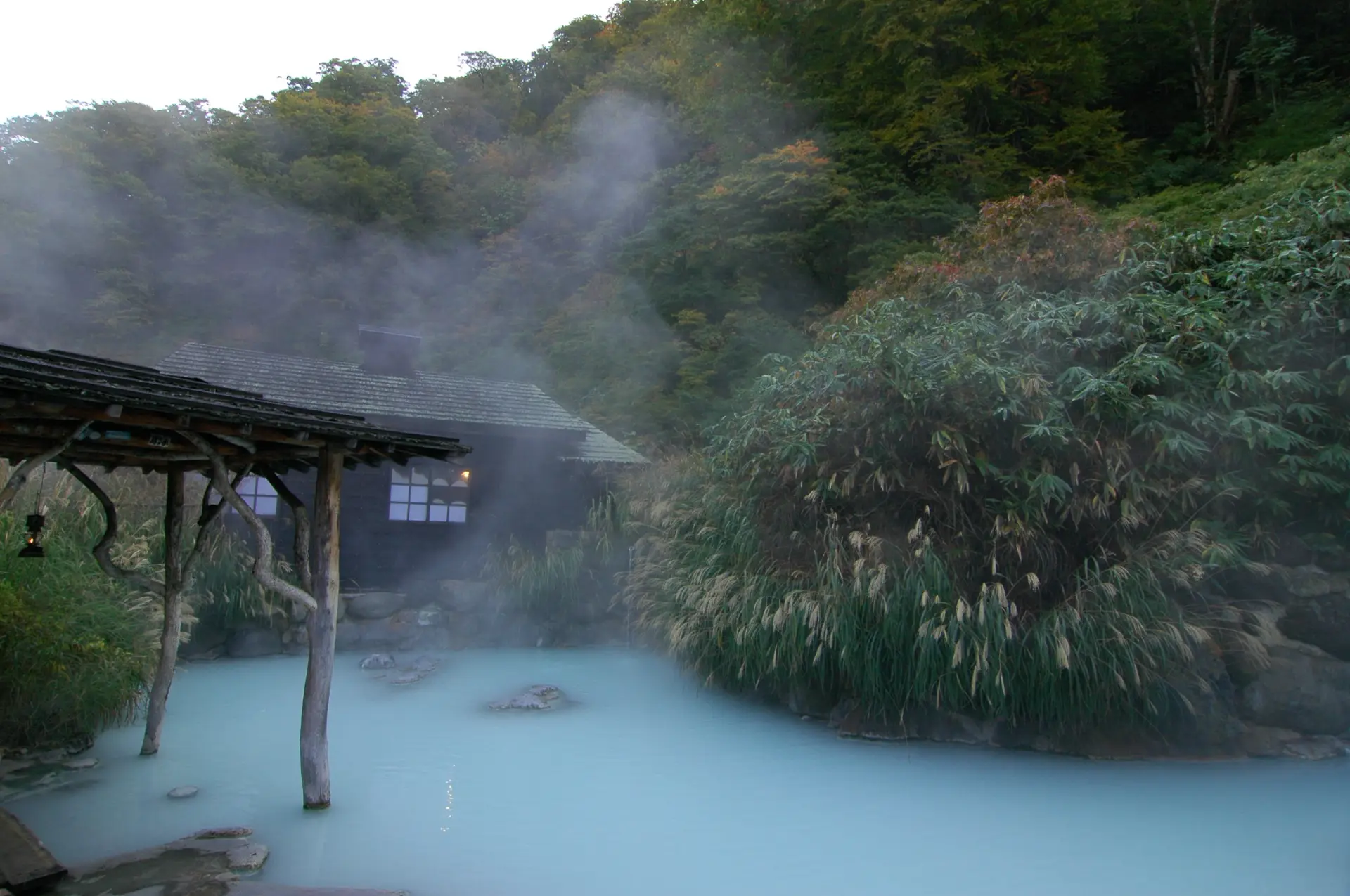
1. Tsurunoyu Onsen
One of Akita’s most famous hidden hot springs, this hot spring inn is especially popular even within Nyuto Onsenkyo. Deep in the mountains far from town, it has an atmosphere almost like a hidden village for samurai.
That is no surprise, as it was once a therapeutic retreat for the lords of the Akita domain, and the long row house with a thatched roof, now used as guest rooms, was once used as lodging for guards when the second lord, Satake Yoshitaka, visited for hot spring therapy.
The hot springs include four different sources, Shirayu, Kuroyu, Nakanoyu, and Takinoyu, each with different water qualities, and they can be enjoyed across eight baths. You can bathe in the inn’s hot springs even without staying overnight.
2. Yachi Onsen
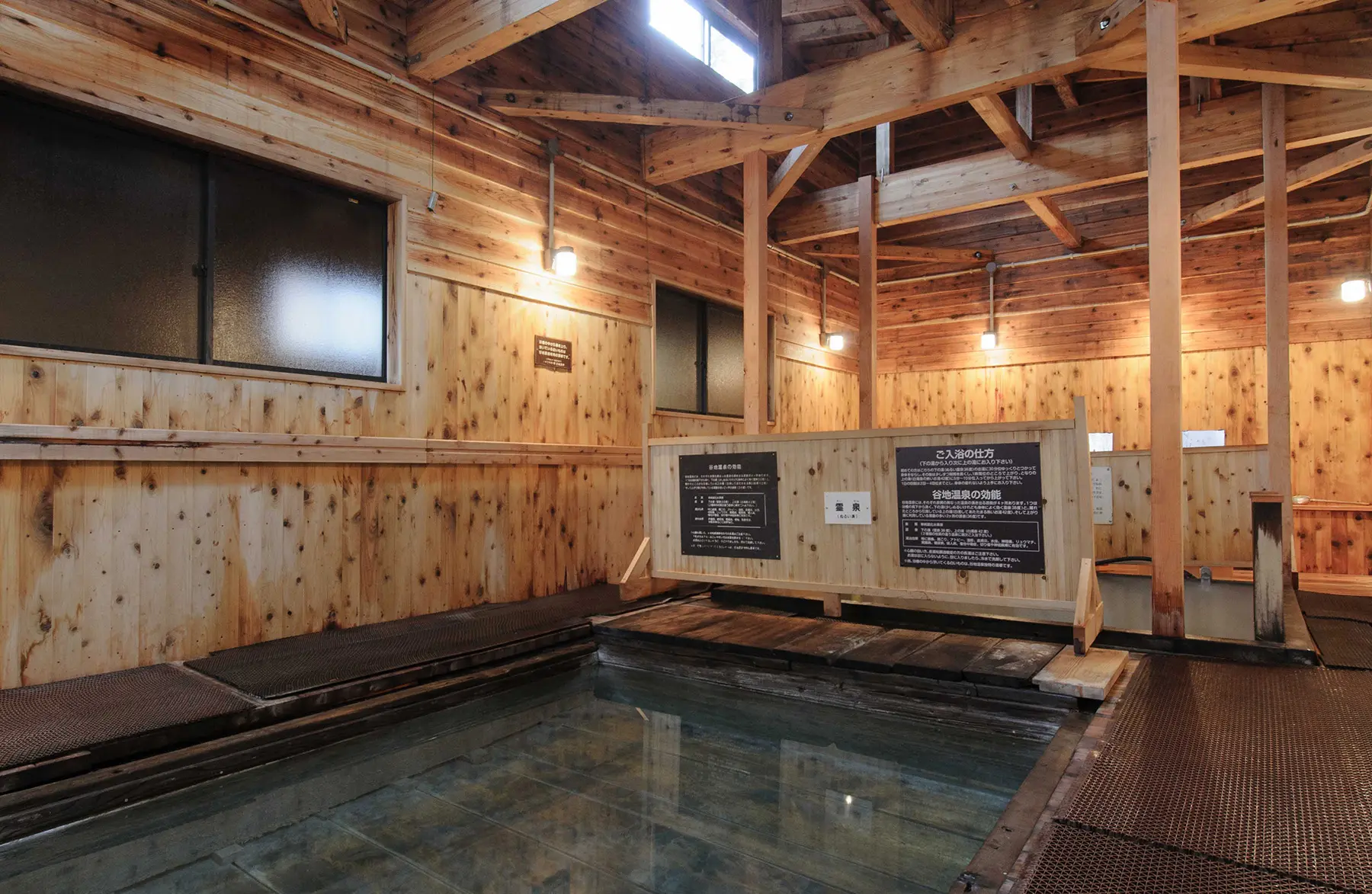
With a history of over 400 years, Yachi Onsen in Aomori is counted among Japan’s three great hidden hot springs, along with Iya Kei Onsen in Tokushima and Niseko Onsen in Hokkaido.
This hot spring inn preserves the atmosphere of a traditional therapeutic bathing retreat and stands at the foot of Mt. Hakkoda, one of Japan’s 100 famous mountains.
The baths feature water that naturally bubbles up directly from the bottom of the tub. You can enjoy two baths: the 38°C “Shita no Yu,” said to be effective for neuralgia, joint pain, and recovery from fatigue, and the 42°C “Ue no Yu,” said to be effective for insomnia, atopic dermatitis, and chronic illnesses. Day-use bathing is also available.
3. Hoshi Onsen Chojukan
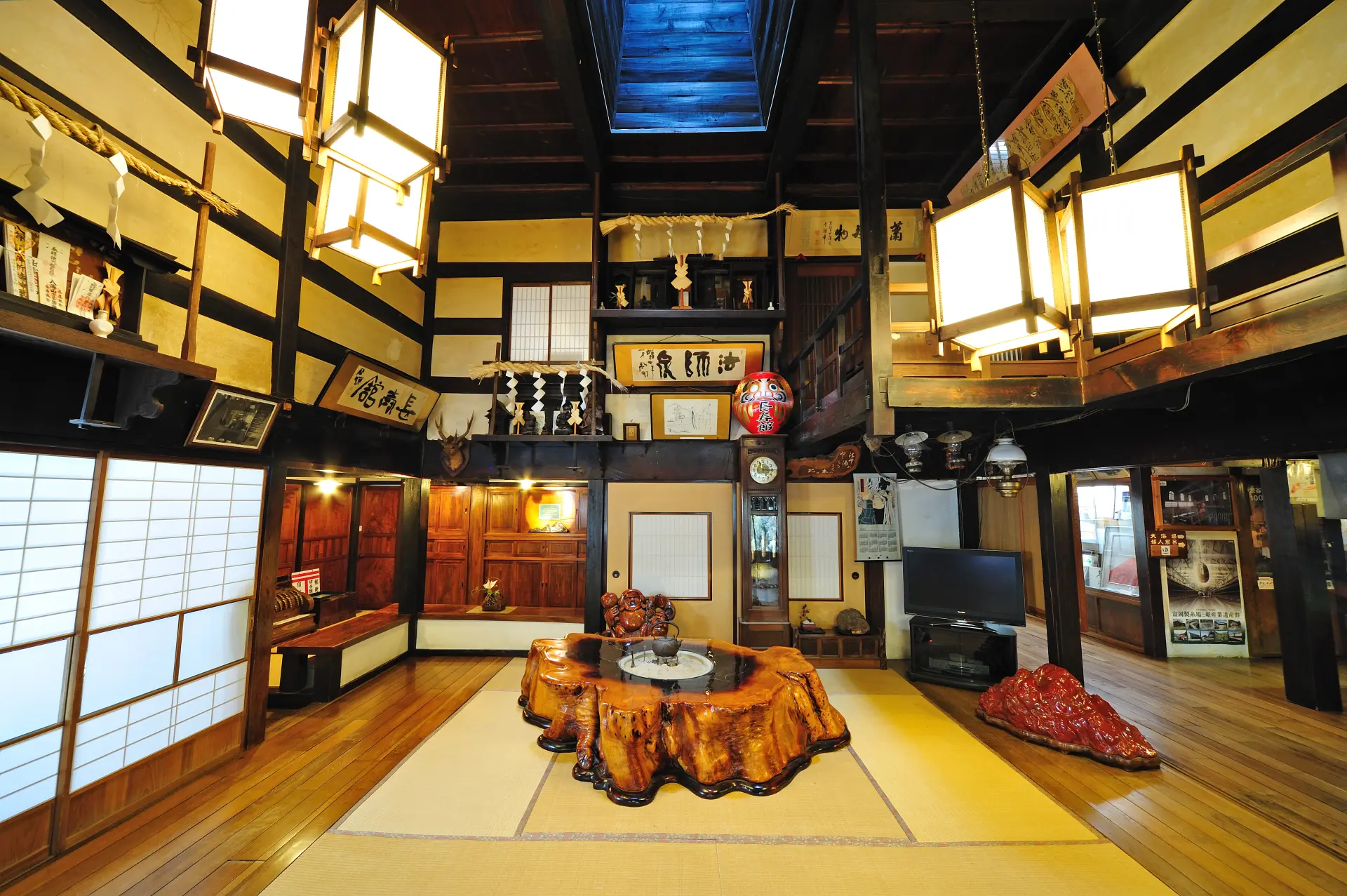
A lone hot spring inn in Joshin'etsukogen National Park, this hot spring is said to have been discovered by Kobo Daishi during his travels.
Founded in 1875, its main building still retains the atmosphere of the Meiji era, when many writers and artists stayed here, and its annex, built in 1940, is also registered as a Tangible Cultural Property of Japan.
There are three bath areas with naturally flowing hot spring water: the traditional mixed-gender “Hoshi no Yu,” housed in a Rokumeikan-style building that is over a century old, the gender-swapped “Tamaki no Yu,” in an all-hinoki cypress building with an open-air bath, and the gender-swapped “Choju no Yu,” quietly located near the Hoshi River.

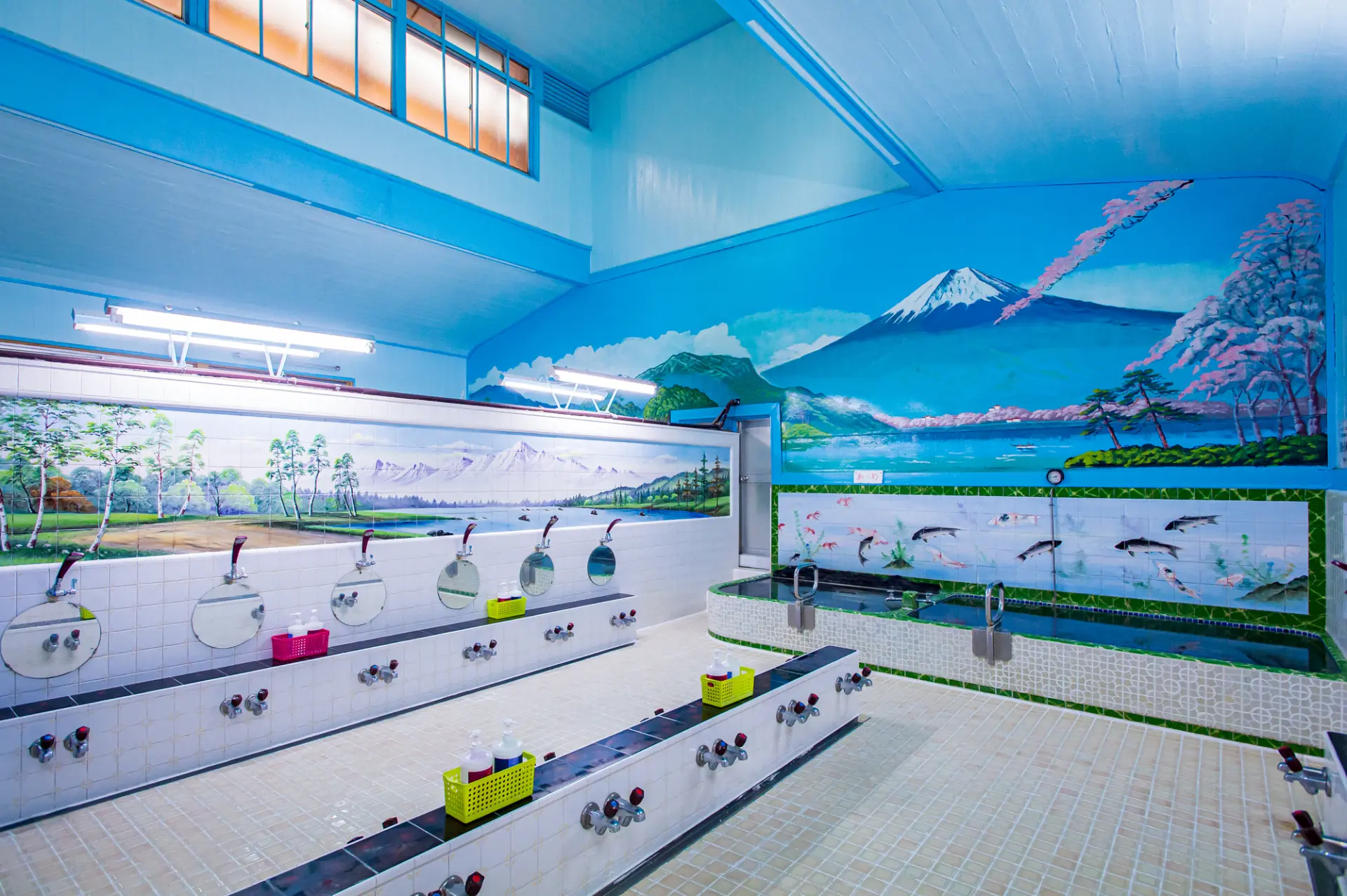
Try a Sento Too, an Even More Familiar Part of Daily Life for Japanese People than Onsen
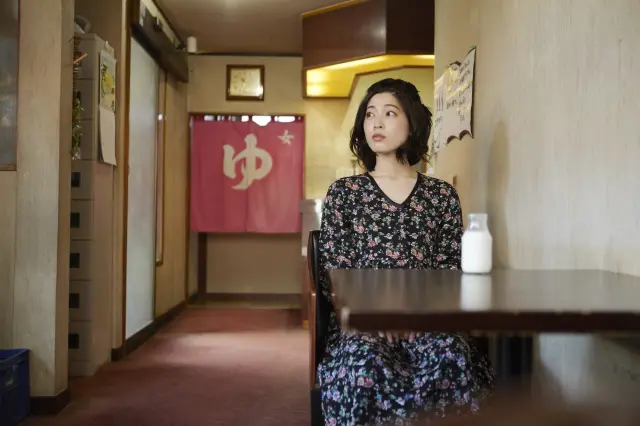
A “sento” is a public bathhouse that local residents can use casually.
It is a facility that has long been deeply rooted in everyday life in Japan. The main difference from an onsen facility is whether natural hot spring water is used. In many cases, sento use artificially heated water instead.
Also, while onsen facilities are often geared toward sightseeing and relaxation, sento are everyday places closely tied to local life.
In the past, many homes did not have baths, so sento were essential public infrastructure for local communities. Even today, many people visit to interact with locals or enjoy the retro atmosphere.
Bathing areas with murals of Mt. Fuji and traditional bandai attendant stands are also part of their charm, offering a distinctly Japanese atmosphere.
Because sento can be found all across Japan, stopping by one during your trip lets you experience the local culture and way of life up close.
It can be a chance to discover a simple side of Japan that you won’t find at ordinary tourist spots.
FAQ about Day-Trip Onsen
Q
What are the manners and rules for a day-trip onsen?
At a minimum, you should wash your body before soaking in the bath and bathe naked.
Q
Are tattoos not allowed at day-trip onsen facilities?
Some facilities may not allow guests with tattoos. Be sure to check the facility’s website.
Summary
In this article, we introduced a wide range of information, including the basics and appeal of day-trip onsen, bathing manners, what to bring, hot spring areas and hidden hot springs that are easy to access from Tokyo and Osaka, and even onsen and sento you can stop by between sightseeing activities.
Even with limited travel time, a day-trip onsen is an easy option to fit into your itinerary and experience Japan’s hot spring culture.
If you’d like to learn more about hot springs, be sure to check out the article below as well.