
![[Kamakura Transportation Guide] Getting to Kamakura from Tokyo, Plus How to Get Around the City and Reach Enoshima](https://static.gltjp.com/glt/data/article/22000/21143/20250924_114654_65f1ffe1_w1920.webp)
[Kamakura Transportation Guide] Getting to Kamakura from Tokyo, Plus How to Get Around the City and Reach Enoshima
Kamakura is a historic former samurai capital, home to many venerable shrines and temples.
It is also easy to reach, located Approx. 1 hour from central Tokyo and Haneda Airport, and Approx. 30 minutes from Yokohama.
This article explains in detail how to get to Kamakura Station from Tokyo’s major stations, as well as from Haneda and Narita airports, in a way that is easy to understand even for first-time visitors.
It also covers transportation for sightseeing in Kamakura and Enoshima, useful rail passes, and how to reach Kamakura’s most popular spots.
Read through to the end and use this guide as a reference to enjoy Kamakura sightseeing efficiently and at a great value.
How to Get to Kamakura from Central Tokyo and the Airports
Kamakura Station, the main gateway for sightseeing in Kamakura, is around 1 hour from central Tokyo. Depending on the station, you can get there without transfers.
Yokohama and Odawara are also relatively close, making Kamakura highly convenient for travelers who want to combine it with other destinations.
Below, we introduce detailed routes to Kamakura Station from Tokyo’s major stations and from Haneda and Narita airports.
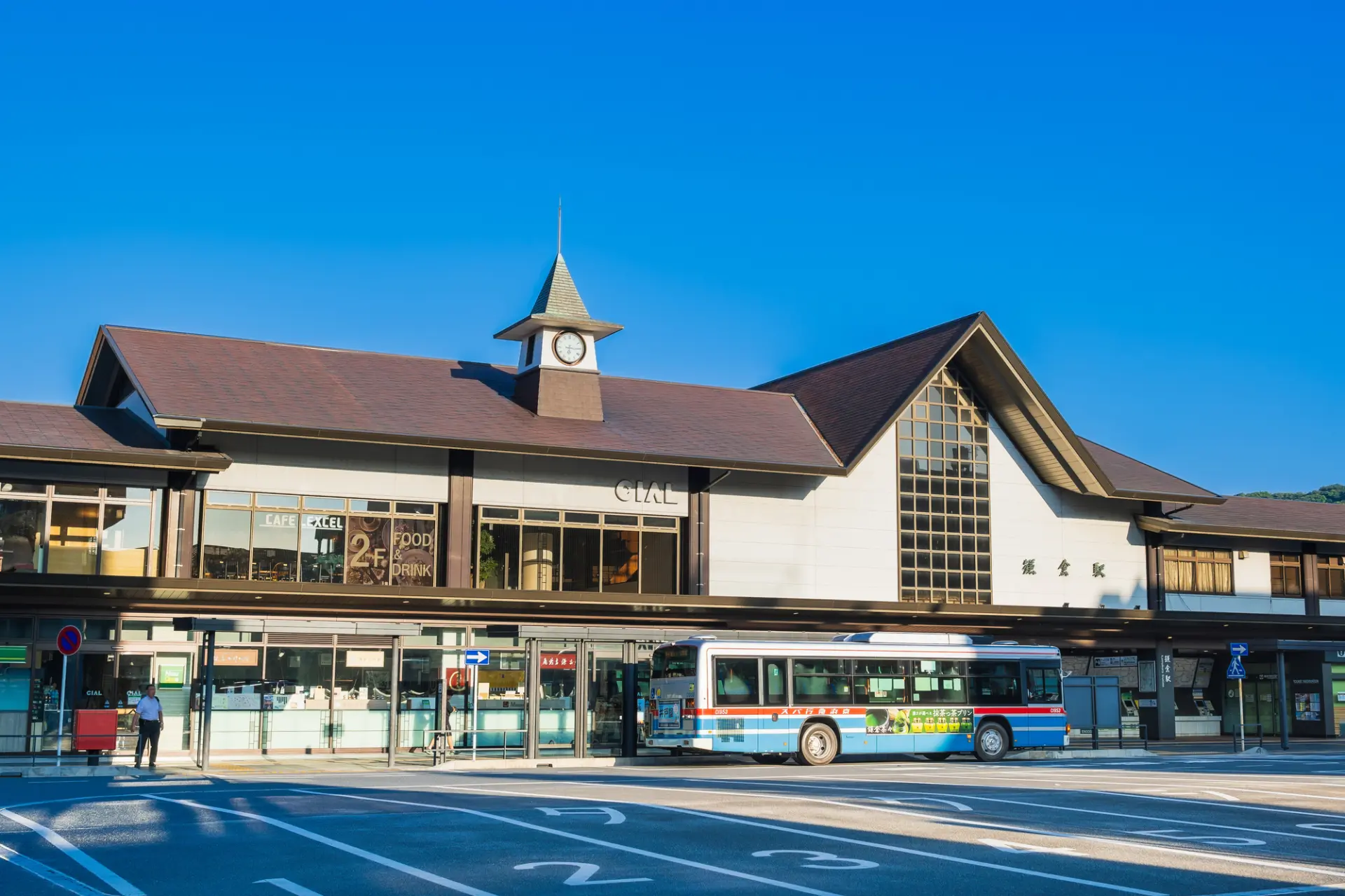
How to Get from Tokyo Station to Kamakura Station
You can get directly from Tokyo Station to Kamakura Station by taking the JR Yokosuka Line.
Trains run only once every 10 to 15 minutes, which is relatively infrequent for central Tokyo, so checking the timetable in advance and adjusting your schedule will help make your trip smoother.
- Route
- Take the JR Yokosuka Line from JR Tokyo Station and get off at Kamakura Station
- Travel Time
- Approx. 1 hour
- One-way Fare
- 945 yen
*Fare as of February 2026 when using a transportation IC card
How to Get from Shinagawa Station to Kamakura Station
The route from Shinagawa Station to Kamakura Station is basically the same as the one from Tokyo Station.
- Route
- Take the JR Yokosuka Line from JR Shinagawa Station and get off at Kamakura Station
- Travel Time
- Approx. 50 minutes
- One-way Fare
- 736 yen
*Fare as of February 2026 when using a transportation IC card
How to Get from Shinjuku Station to Kamakura Station
You can get directly from Shinjuku Station to Kamakura Station by taking the JR Shonan-Shinjuku Line bound for Zushi.
Trains bound for Odawara or Kozu instead of Zushi require a transfer at an intermediate station.
Also, service runs only from 8am to 9pm, and trains are limited to about one every 30 minutes.
- Route
- Take the JR Shonan-Shinjuku Line Rapid bound for Zushi from JR Shinjuku Station and get off at Kamakura Station
- Travel Time
- Approx. 1 hour
- One-way Fare
- 945 yen
*Fare as of February 2026 when using a transportation IC card
How to Get from Ueno Station to Kamakura Station
There are no direct trains between Ueno Station and Kamakura Station, so you will need at least one transfer.
There are several possible routes, but using the JR Ueno-Tokyo Line and the Yokosuka Line is the standard option and gets you there the fastest.
- Route
-
1. Take the JR Ueno-Tokyo Line from JR Ueno Station and get off at Totsuka Station
2. Transfer to the JR Yokosuka Line at Totsuka Station and get off at Kamakura Station - Travel Time
- Approx. 1 hour 5 minutes
- One-way Fare
- 945 yen
*Fare as of February 2026 when using a transportation IC card
How to Get from Asakusa Station to Kamakura Station
There are also no direct trains between Asakusa Station and Kamakura Station, so in most cases you will need to transfer twice as shown below.
The route is almost the same as the one from Ueno Station, passing through Totsuka Station or Yokohama Station.
However, depending on the time of day, taking the Toei Asakusa Line Limited Express may let you get there with just one transfer (Asakusa Station → Yokohama Station → Kamakura Station) for 975 yen one way.
With a travel time of Approx. 1 hour 20 minutes, it can be a good option in terms of both time and cost.
- Route
-
1. Take the Tokyo Metro Ginza Line from Tokyo Metro Asakusa Station, get off at Ueno Station, and transfer to the JR lines
2. Take the JR Ueno-Tokyo Line from JR Ueno Station and get off at Totsuka Station
3. Transfer to the JR Yokosuka Line at Totsuka Station and get off at Kamakura Station - Travel Time
- Approx. 1 hour 15 minutes
- One-way Fare
- 1,123 yen
*Fare as of February 2026 when using a transportation IC card
How to Get from Haneda Airport to Kamakura Station
From Haneda Airport, unless you have a special reason otherwise, the Keikyu Airport Line is your best option.
The route listed below, starting from Terminal 3, which handles many international flights, is the fastest and cheapest.
Trains run about once every 20 minutes, but some services, such as those bound for Inba-Nihon-Idai or Keisei-Takasago, require a transfer along the way, so be sure to check the destination carefully.
- Route
-
1. Walk from Haneda Airport to Haneda Airport Terminal 3 Station (4 to 5 minutes)
2. Take the Keikyu Airport Line Express bound for Zushi-Hayama or similar from Haneda Airport Terminal 3 Station, get off at Yokohama Station, and transfer to the JR lines
3. Take the JR Yokosuka Line from JR Yokohama Station and get off at Kamakura Station - Travel Time
- Approx. 55 minutes
- One-way Fare
- 719 yen
*Fare as of February 2026 when using a transportation IC card
How to Get from Narita Airport to Kamakura Station
From Narita Airport to Kamakura Station, the paid Narita Express limited express with reserved seating is the fastest and most comfortable option.
However, reserved-seat tickets must be purchased in advance, and trains run only once per hour, so depending on when you arrive at the airport, your wait may be long.
Fares are also relatively high, so if you have extra time in your schedule, the JR Narita Line Rapid is also recommended.
It also runs once per hour, but you can get there directly in Approx. 2 hours 45 minutes for 2,310 yen one way.
Since Airport Terminal 2 Station is the second stop from the line’s starting station, you also have a good chance of getting a seat, making the trip easier and more straightforward.
| Transportation Option | Route | Travel Time | One-way Fare |
|---|---|---|---|
| Fastest Option |
1. Walk from Narita Airport to Airport Terminal 2 Station (5 to 10 minutes) 2. Take the JR Narita Express limited express bound for Ofuna from Airport Terminal 2 Station and get off at Ofuna Station 3. Transfer to the JR Yokosuka Line at Ofuna Station and get off at Kamakura Station |
Approx. 2 hours |
4,700 yen (2,310 yen base fare + 2,390 yen reserved-seat fare) |
| Cheapest Option |
1. Walk from Narita Airport to Airport Terminal 2 Station (5 to 10 minutes) 2. Take the Keisei Main Line Rapid from Airport Terminal 2 Station and get off at Keisei Narita Station 3. Take the Keisei Main Line Rapid Limited Express from Keisei Narita Station, get off at Keisei Funabashi Station, and transfer to the JR lines 4. Take the JR Sobu Line Rapid from JR Funabashi Station and get off at Kamakura Station |
Approx. 2 hours 40 minutes | 2,033 yen |
*Fare as of February 2026 when using a transportation IC card
Main Ways to Get Around Kamakura
From here, we’ll introduce the main ways to get around Kamakura.
Whether you are visiting Kamakura’s popular sightseeing spots or heading onward to Enoshima, you will generally be using one of the transportation options below, so it’s worth knowing them in advance.
Depending on your destination and itinerary, you may also save money by sticking to one mode of transportation and using a value pass.
We’ll also introduce useful discount passes for each transportation option, so be sure to use this as a reference.
Enoshima Electric Railway (Enoden), a Must-Ride for Sightseeing in Kamakura
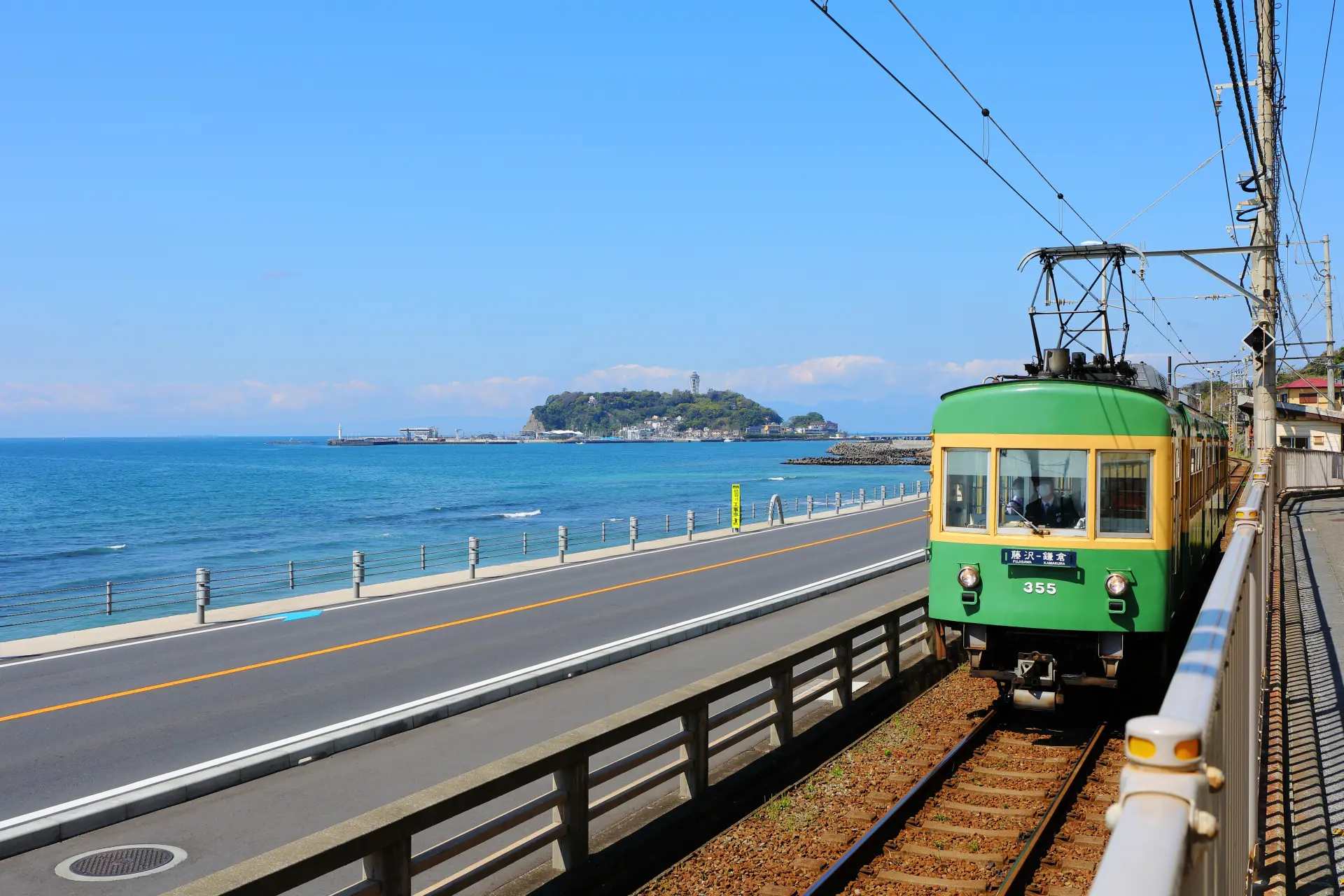
The Enoshima Electric Railway (commonly called Enoden) is a small local rail line, Approx. 10 km long, connecting 15 stations from Fujisawa Station to Kamakura Station.
The sight of its retro, friendly-looking trains rolling slowly through town is one of the iconic scenes of Shonan and Kamakura. It has also appeared many times in movies, TV dramas, and anime set in the Shonan area.
The railroad crossing modeled in the opening of the anime adaptation of the basketball manga Slam Dunk is also located right near Enoden’s Kamakurakokomae Station.
Another highlight is being able to enjoy beautiful views of the Shonan coast and old townscapes up close from the train windows.
On the other hand, because the stations are close together, it is not ideal for long-distance travel or when you are in a hurry.
Also, it gets extremely crowded on weekends and during holiday travel seasons, especially Golden Week, and may be even more packed than expected.
Despite these drawbacks depending on the situation, riding the Enoden is one of the signature Kamakura experiences, so it is well worth trying at least once during your trip.
Recommended for Those Who Want to Visit Many Sightseeing Spots: “Enoden 1-Day Pass Noriorikun”
The Enoden 1-Day Pass “Noriorikun” is a value ticket that gives you unlimited rides on the entire Enoshima Electric Railway line for one day, plus special perks at facilities along the line (55 locations).
You can buy it from ticket machines at all Enoden stations, major partner shops, or through the EMot smartphone app (digital version) for 800 yen for adults and 400 yen for children.
If you ride four times or more in one day, it pays for itself, making it a good choice for those planning to visit many spots around Kamakura or enjoy a flexible walk with frequent stopovers.
Because sales may be suspended during certain periods to ease congestion, be sure to check the official website in advance if you plan to use it.
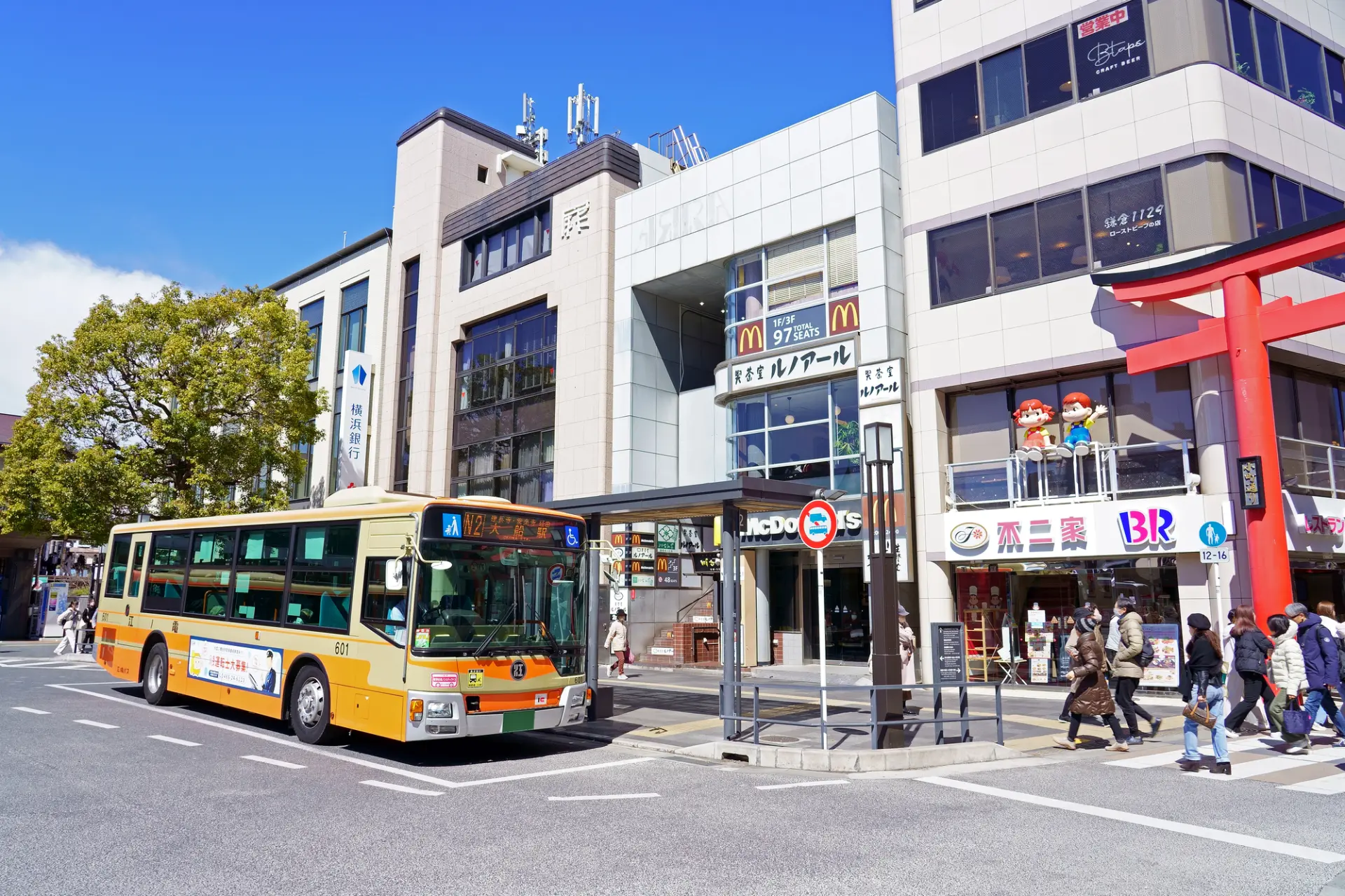
Enoden Bus, a Good Way to Reach Spots Far from Stations
Enoden Bus is a bus network in Kanagawa that operates widely across the Shonan area (including Fujisawa, Kamakura, and Ofuna) as well as the Yokohama area (including Totsuka and Kami-Ooka).
It complements the Enoden rail line by connecting stations with tourist sites and residential areas, making it a good option for places halfway up the hills that are hard to reach by train or for destinations that are too far to walk from the station.
For example, it is convenient for getting to Kamakura Daibutsu Kotoku-in Temple, Enoshima, and Yuigahama.
Because its routes are more detailed than the train network, it is also ideal for exploring lesser-known places and finding your own favorite spots.
However, there are many bus lines, so it can be confusing at first, making it important to check the bus stop names and destination signs carefully.
Another downside is that traffic congestion, especially on weekends and during peak travel periods, can cause significant delays.
Easy to Buy on Your Smartphone: “Enoden Bus Noritabi Pass (Enoden Bus 1-Day Pass)”
The “Enoden Bus Noritabi Pass” is a smartphone-only digital ticket that gives you unlimited rides for one day on all Enoden Bus routes, excluding the Haneda Airport line.
You can purchase it through the EMot app or the EMot Online Ticket website for 700 yen for adults and 350 yen for children. *Available for purchase from 7 days before the date of use, not sold at counters
If you plan to visit areas such as Kamakura, Enoshima, and around Ofuna in one day and expect to ride Enoden Bus four times or more, it is likely to save you money, so it is worth considering.
It is valid until 3am the day after use, but please note that late-night buses require a separate regular passenger fare.

Keihin Kyuko Bus, Covering a Wide Area of Kamakura
In Kamakura, the Keihin Kyuko Bus network covers a wide area centered around Kamakura Station and Ofuna Station, reaching the city center, coastal areas, and hillside neighborhoods.
From the Kamakura Station bus stop, you can access popular spots such as Hokokuji Temple, Jomyoji Temple, and Kamakurayama.
Its main use cases are basically the same as Enoden Bus, and it is convenient for reaching sightseeing spots that are hard to get to by train or places far from stations.
It shares the same disadvantages as well, with delays likely due to road congestion and crowds during peak sightseeing periods, making schedules harder to predict, and some routes have limited service frequency and operating hours.
For that reason, it is best to decide whether to make Enoden Bus or Keihin Kyuko Bus your main option based on your destination, the area you want to explore, and your sightseeing plan.
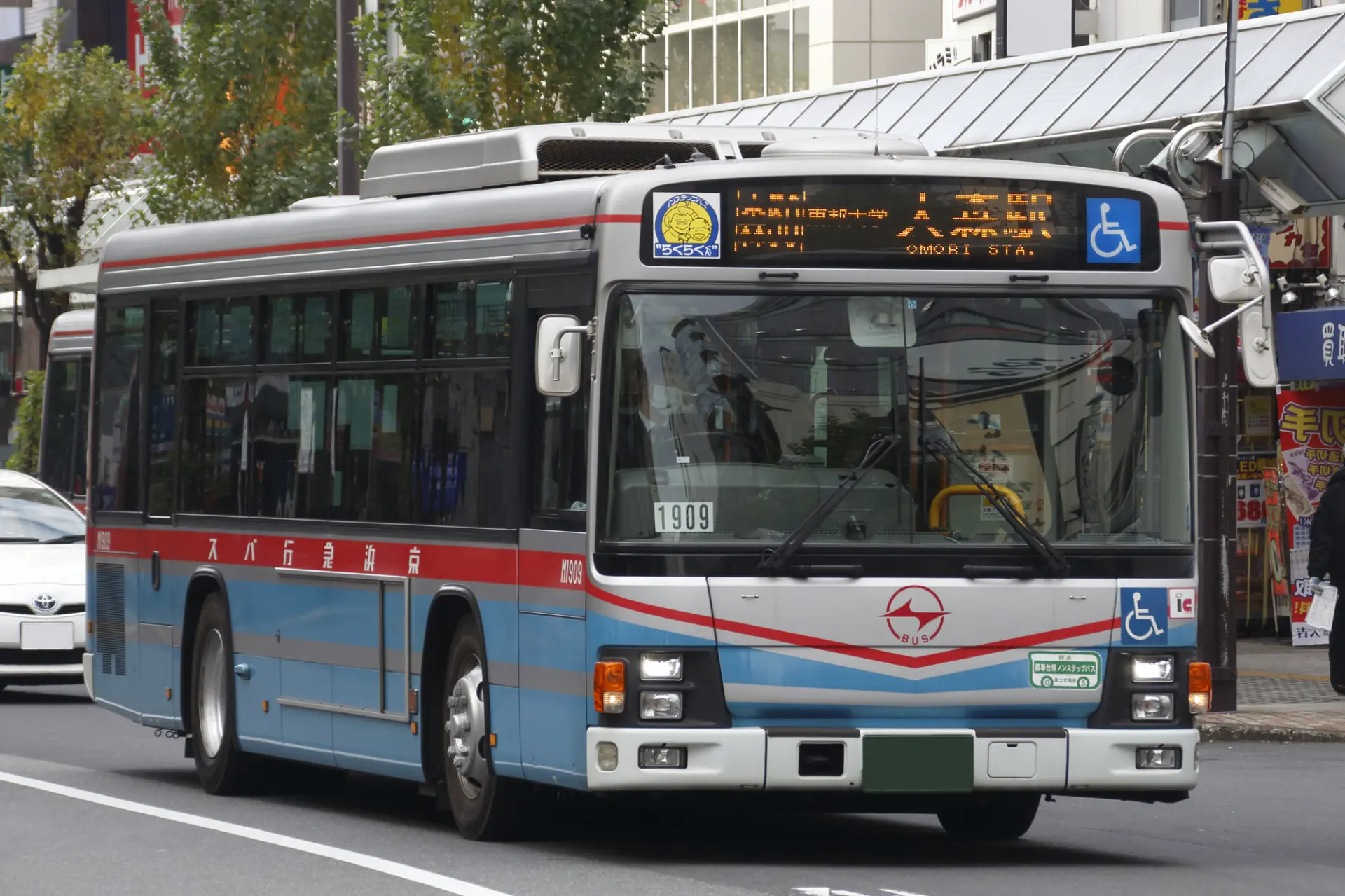
If You’re Sightseeing Around Kamakura Station, the “Kamakura Free Kankyo Tegata” Is Recommended
If you want to explore the area around Kamakura Station efficiently, the “Kamakura Free Kankyo Tegata” is a great option.
This free pass gives you unlimited rides within designated sections not only on Keihin Kyuko Bus, but also on Enoden and Enoden Bus.
If you plan to combine trains and buses while sightseeing, it is definitely worth considering.
- Admission
-
・Adult: 900 yen
・Child: 450 yen - Available Sections
-
[Train]
Enoshima Electric Railway Kamakura Station to Hase Station
[Bus]
The following sections from Kamakura Station East Exit
・Platform 2 to Kita-Kamakura Station
・Platform 4 to Jomyoji
・Platform 5 to Daitonomiya
・Platforms 1 and 6 to Daibutsu-mae
・Platform 3 to Nagoe - Where to Buy
-
・Enoshima Electric Railway Kamakura Station
・Enoshima Electric Railway Hase Station
・Keihin Kyuko Bus Kamakura Office
・Keihin Kyuko Bus Kamakura Station Information Center - Perks
- You can receive discounts on temple and shrine admission fees and other special services at Approx. 70 partner shops, temples, and shrines.
Shonan Monorail, for an Aerial Ride Through Kamakura
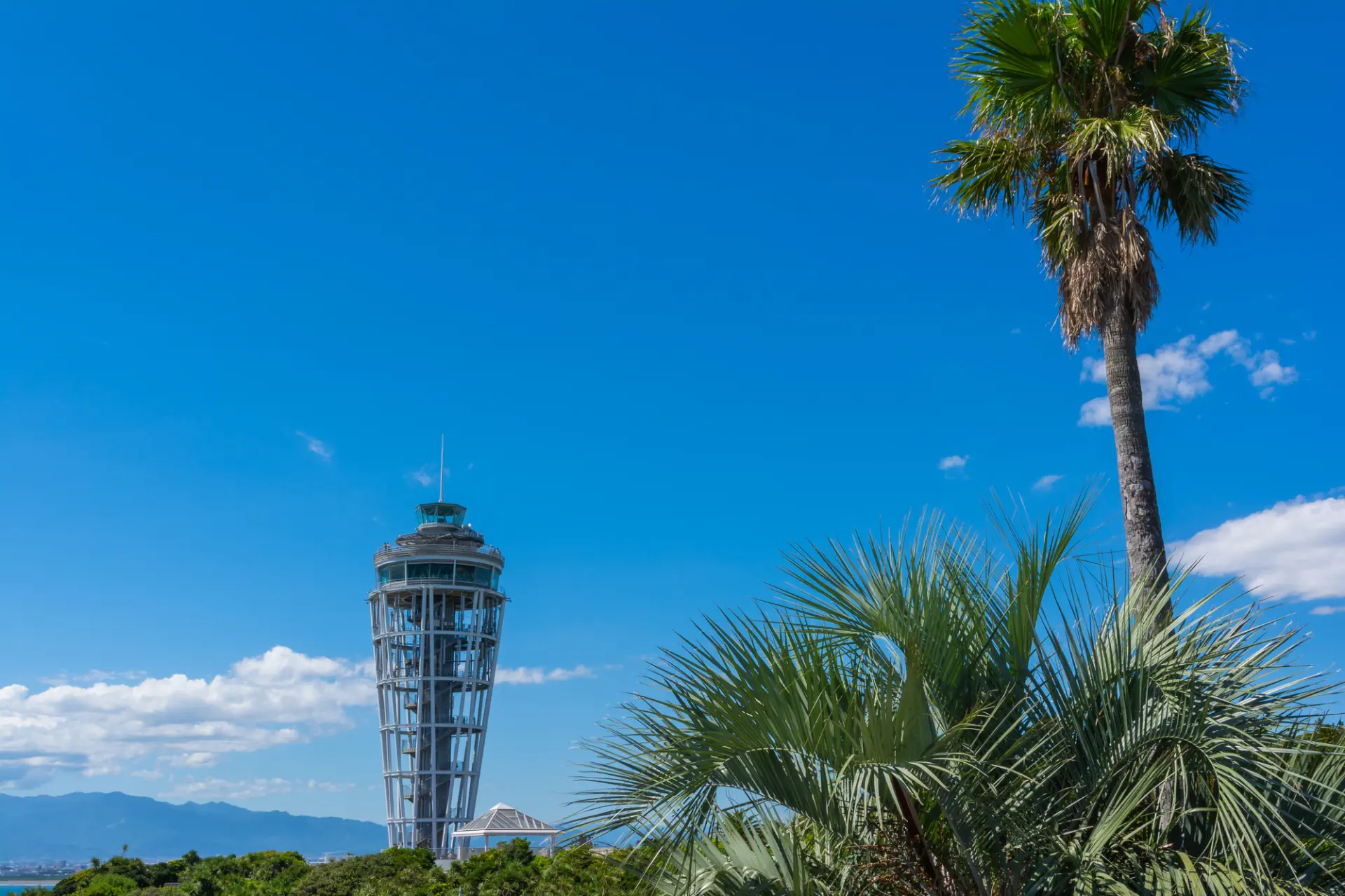
The Shonan Monorail is a suspended monorail line connecting all 8 stations between Ofuna Station and Shonan-Enoshima Station, covering Approx. 6.6 km in about 14 minutes.
From the windows, you can enjoy views of Fujisawa’s cityscape, satoyama scenery, and the sea while traveling.
Because it runs on elevated tracks with many ups, downs, and sharp curves, it also offers plenty of amusement-ride excitement.
Another advantage is its frequent service, with roughly eight trains per hour, and the fact that it is not affected by road traffic.
However, its route coverage is limited, and when heading to central Kamakura or the Hase area, Enoden or JR lines are often more convenient.
It is especially recommended for those who want to enjoy the local atmosphere of the Kataseyama and Shonan area, or for sightseeing around Enoshima starting from Ofuna.
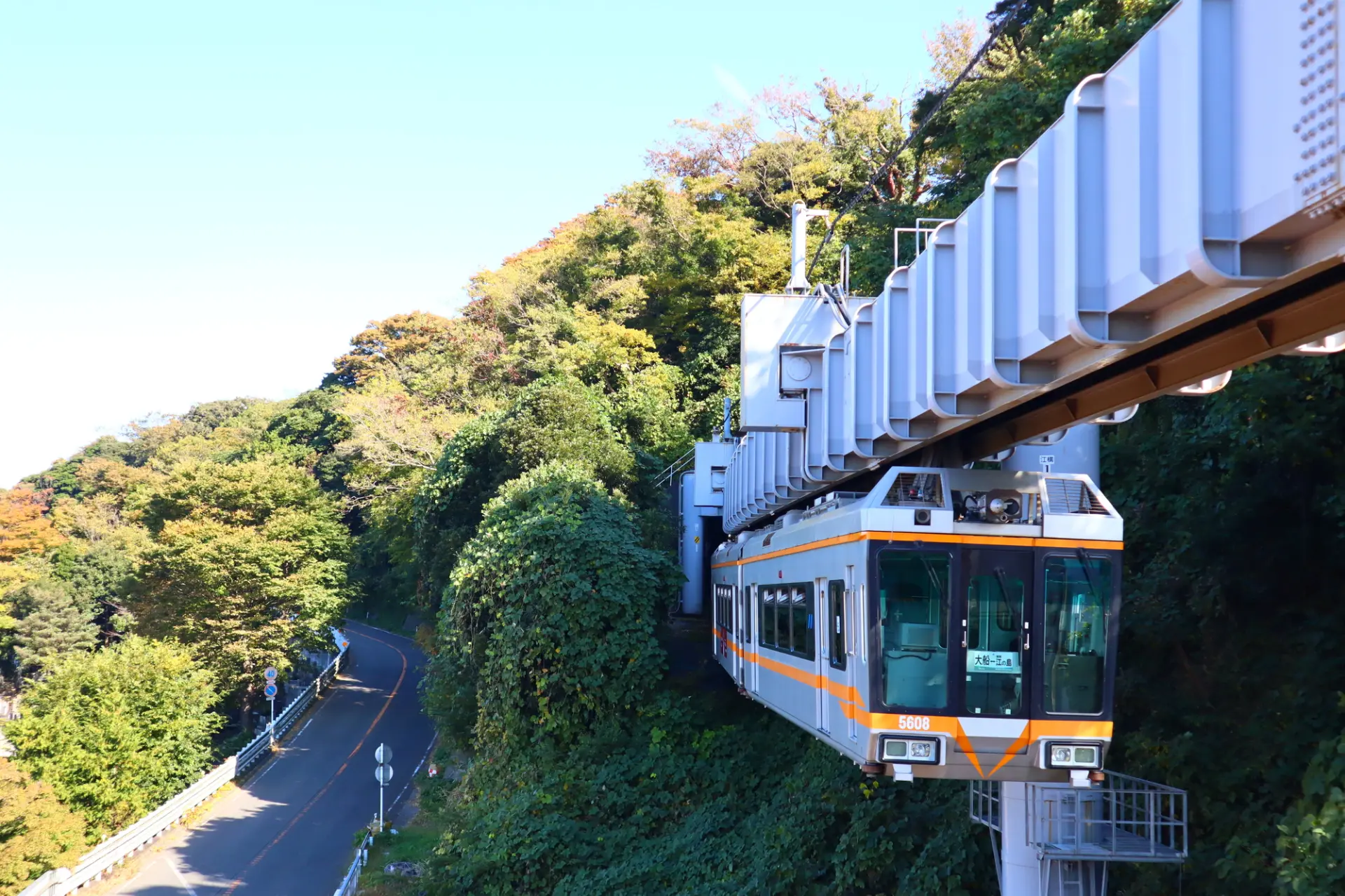
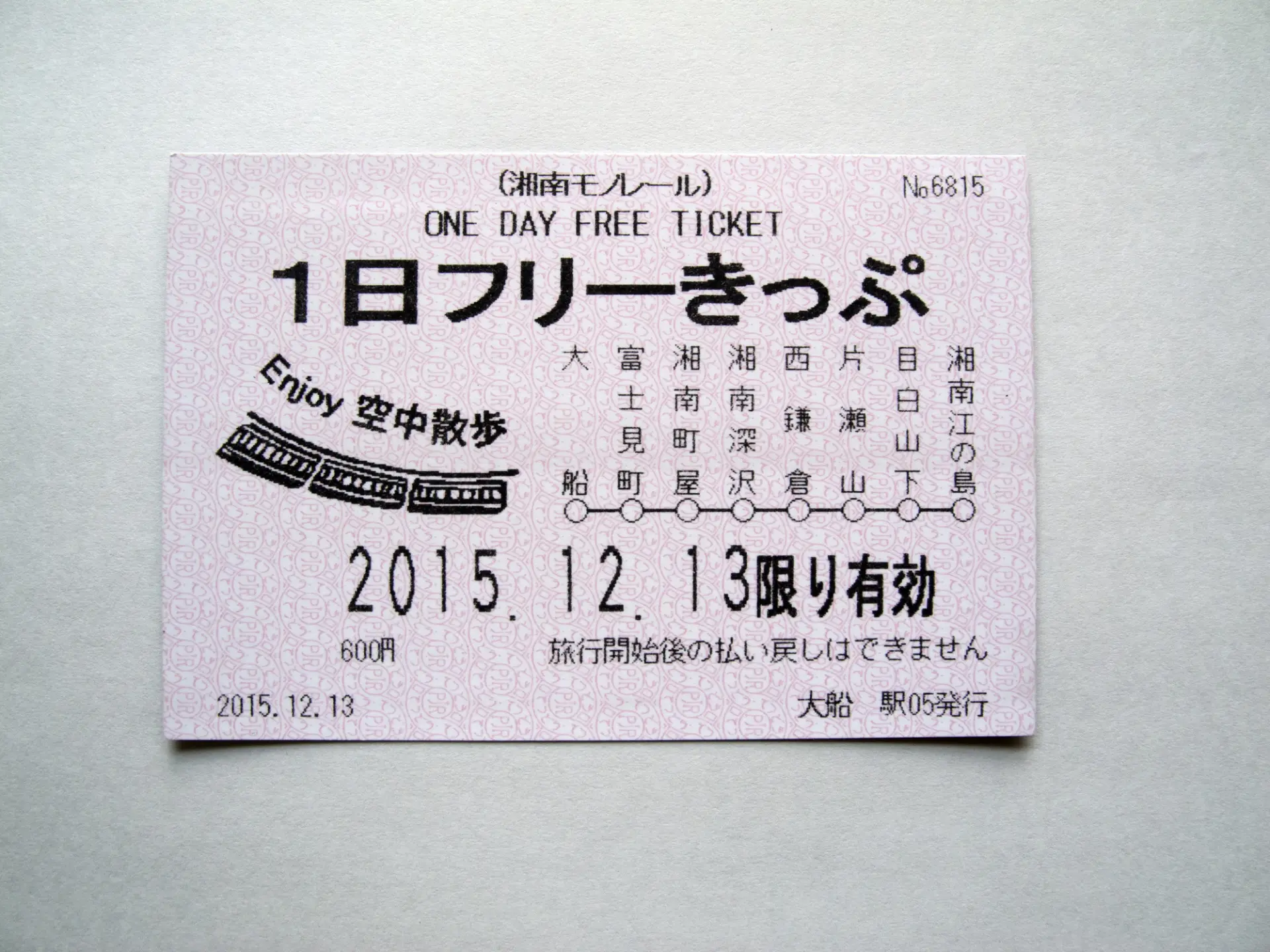
Recommended for Sightseeing in Ofuna, Kamakura, and Enoshima: “Shonan Monorail 1-Day Free Pass”
The Shonan Monorail “1-Day Free Pass” is a value pass that gives you unlimited rides on the entire Shonan Monorail line for one day.
You can buy it from ticket machines at each station, as well as from the official ticket website and partner reservation sites, for 610 yen for adults and 310 yen for children.
The one-way fare between Ofuna Station and Shonan-Enoshima Station is 320 yen, so the price is attractive because it pays for itself with just a round trip.
Another nice perk is that it comes with special offers at Approx. 80 facilities and restaurants along the line.
It is recommended for those who want to spend a day exploring the Enoshima to Ofuna area while getting on and off along the way, or for anyone who wants to fully enjoy the views from the monorail.
How to Get from Kamakura Station to Kamakura’s Popular Tourist Spots
Many popular sightseeing spots in Kamakura are within walking distance of Kamakura Station, but some are harder to reach without taking a train or bus.
Starting from Kamakura Station, here’s how to get to some of Kamakura’s best-known attractions.
How to Get from Kamakura Station to Komachi Street
Komachi Street, a shopping street about 360 m long and often considered the center of Kamakura sightseeing, is just a 1 to 2-minute walk from JR Kamakura Station.
Exit through the east exit ticket gate, turn left, and you should soon see the entrance to Komachi Street.
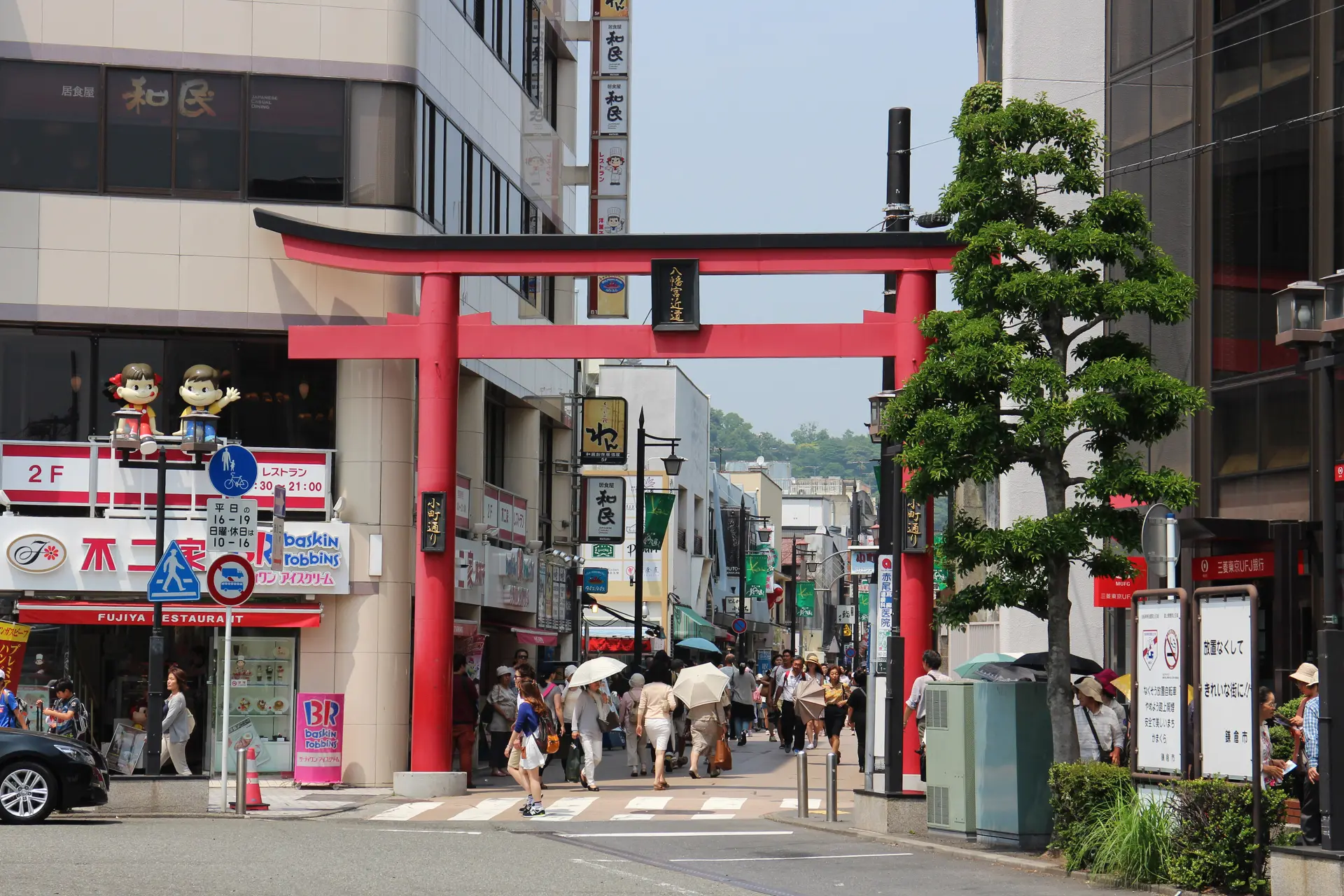
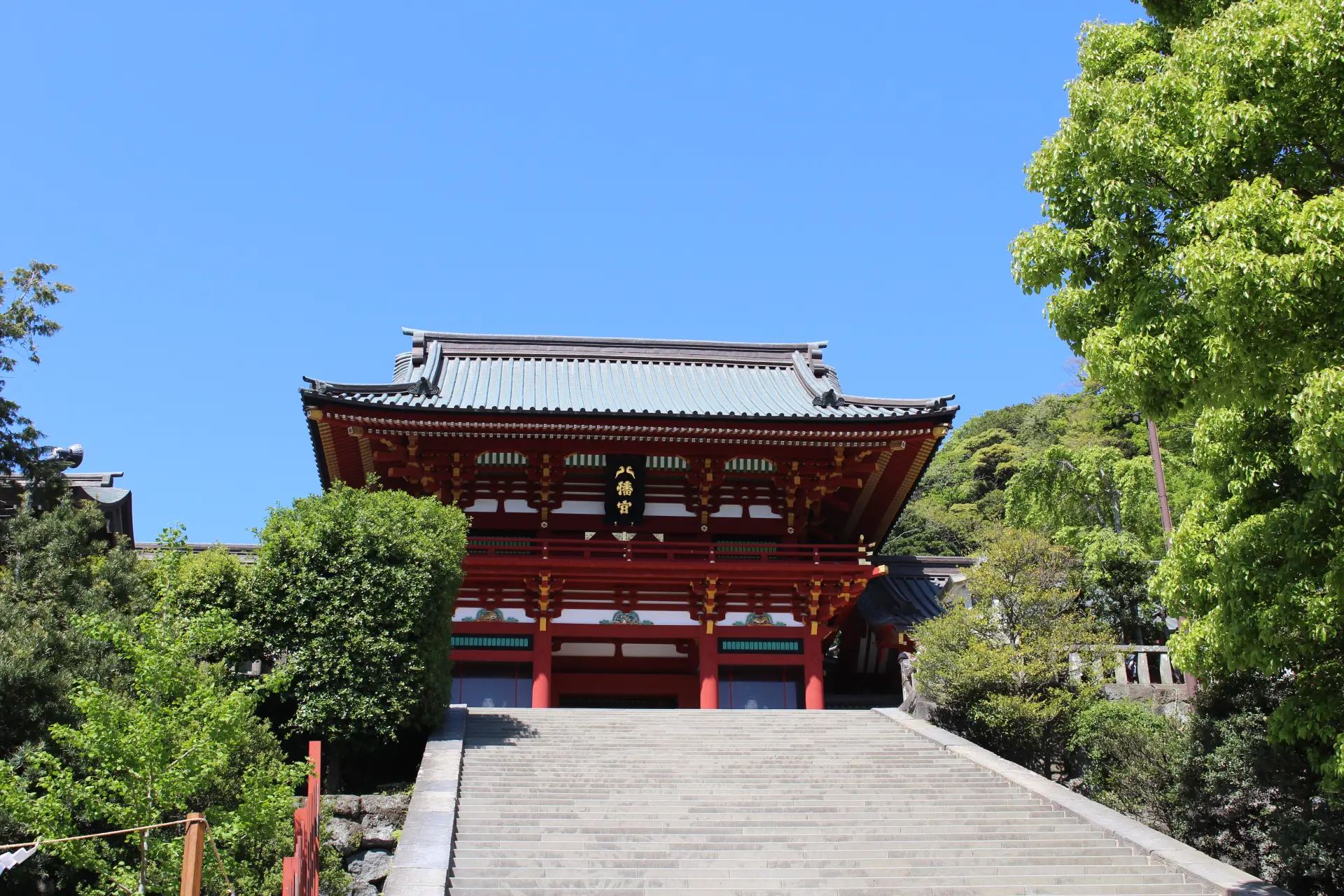
How to Get from Kamakura Station to Tsurugaoka Hachimangu Shrine
Walking is also the recommended way to get to Tsurugaoka Hachimangu Shrine, which is closely associated with Minamoto no Yoritomo, founder of the Kamakura shogunate.
From Kamakura Station’s east exit, head straight north toward Wakamiya Oji, and you can reach the entrance to the approach in around 10 minutes without getting lost.
Many visitors choose this route because it lets them experience Kamakura’s history and the atmosphere of the town.
You can also get there via Komachi Street, making it a nice option to visit after enjoying street food and shopping for souvenirs.
If taking the bus, board a Keihin Kyuko Bus such as Route 24 bound for Kanazawa-Hakkei from Platform 4 at the east exit bus terminal (Approx. 5 minutes, 2 stops), get off at Hachimangu, and walk a few minutes from there.
How to Get from Kamakura Station to Hasedera Temple
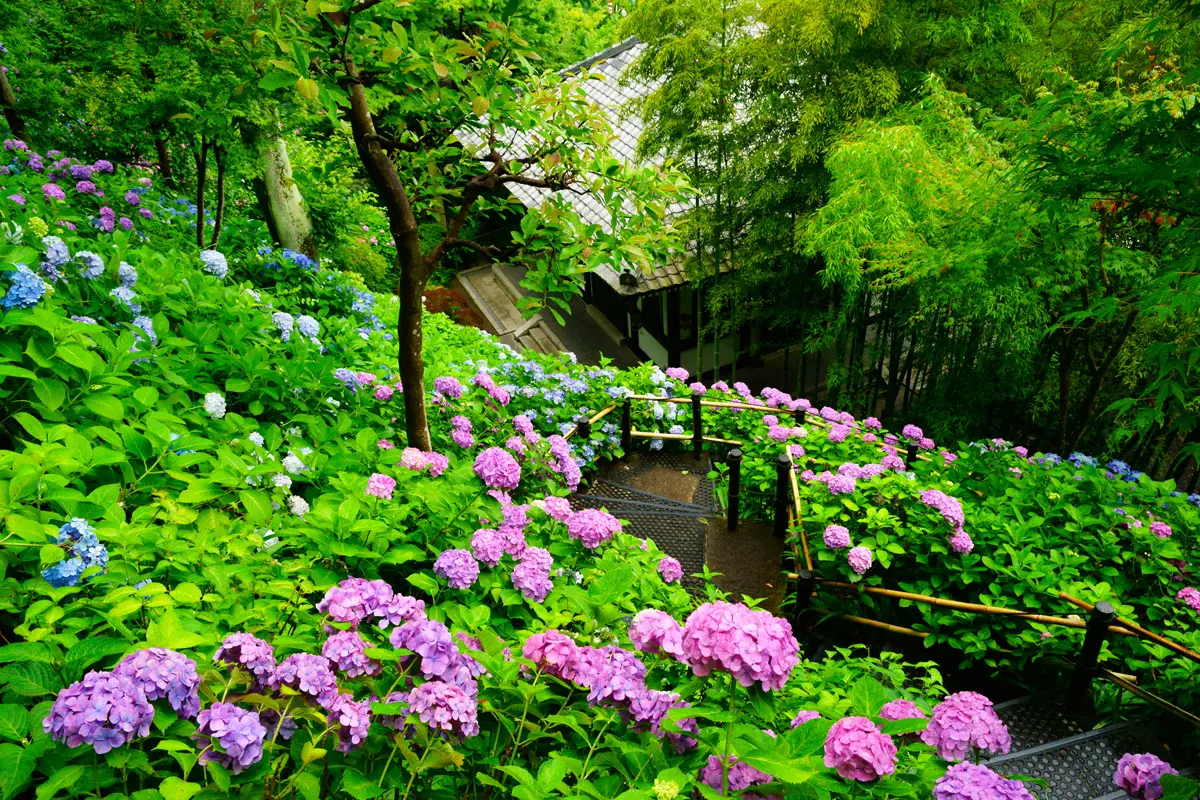
There are several ways to get to Hasedera Temple, one of Kamakura’s most famous temples, but traveling by train is the standard option.
From Enoden Kamakura Station, located at the west exit of JR Kamakura Station, take a train bound for Fujisawa (Approx. 5 minutes, 3 stops), get off at Hase Station, and walk about 5 minutes.
Enoden Bus takes almost the same amount of time (Approx. 6 minutes, 5 stops), but during peak sightseeing seasons it is more likely to be affected by traffic congestion.
For that reason, taking the Enoden, which also lets you enjoy the scenery of Kamakura and Enoshima, is the recommended way to get there.
How to Get from Kamakura to Enoshima
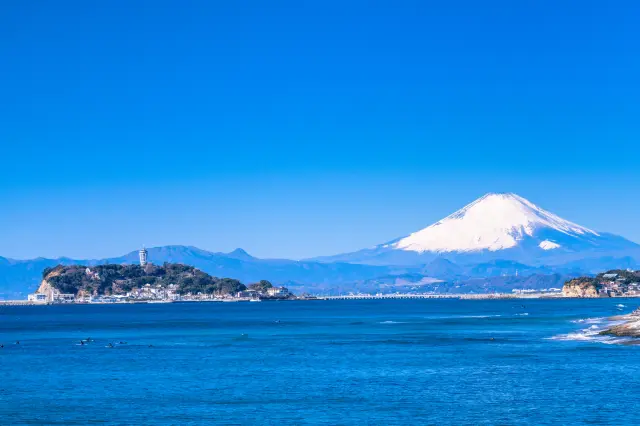
For those planning to visit Enoshima along with Kamakura, here is how to get from Kamakura Station to the nearest stations for Enoshima.
The three nearest stations to Enoshima are Katase-Enoshima Station on the Odakyu Line, Enoshima Station on the Enoden, and Shonan-Enoshima Station on the Shonan Monorail.
If you are leaving from Kamakura Station, the Enoden route listed below is the recommended option.
It is cost-effective, direct, easy to understand, and after getting off, you can simply walk straight along Subana Street to reach the island.
- Route
- Take the Enoden bound for Fujisawa from Kamakura Station, get off at Enoshima Station, and walk Approx. 15 to 20 minutes to arrive
- Travel Time
- Approx. 45 minutes
- One-way Fare
- 260 yen *when using a transportation IC card
Recommended for Day Trips from Tokyo: “Enoshima-Kamakura Free Pass”
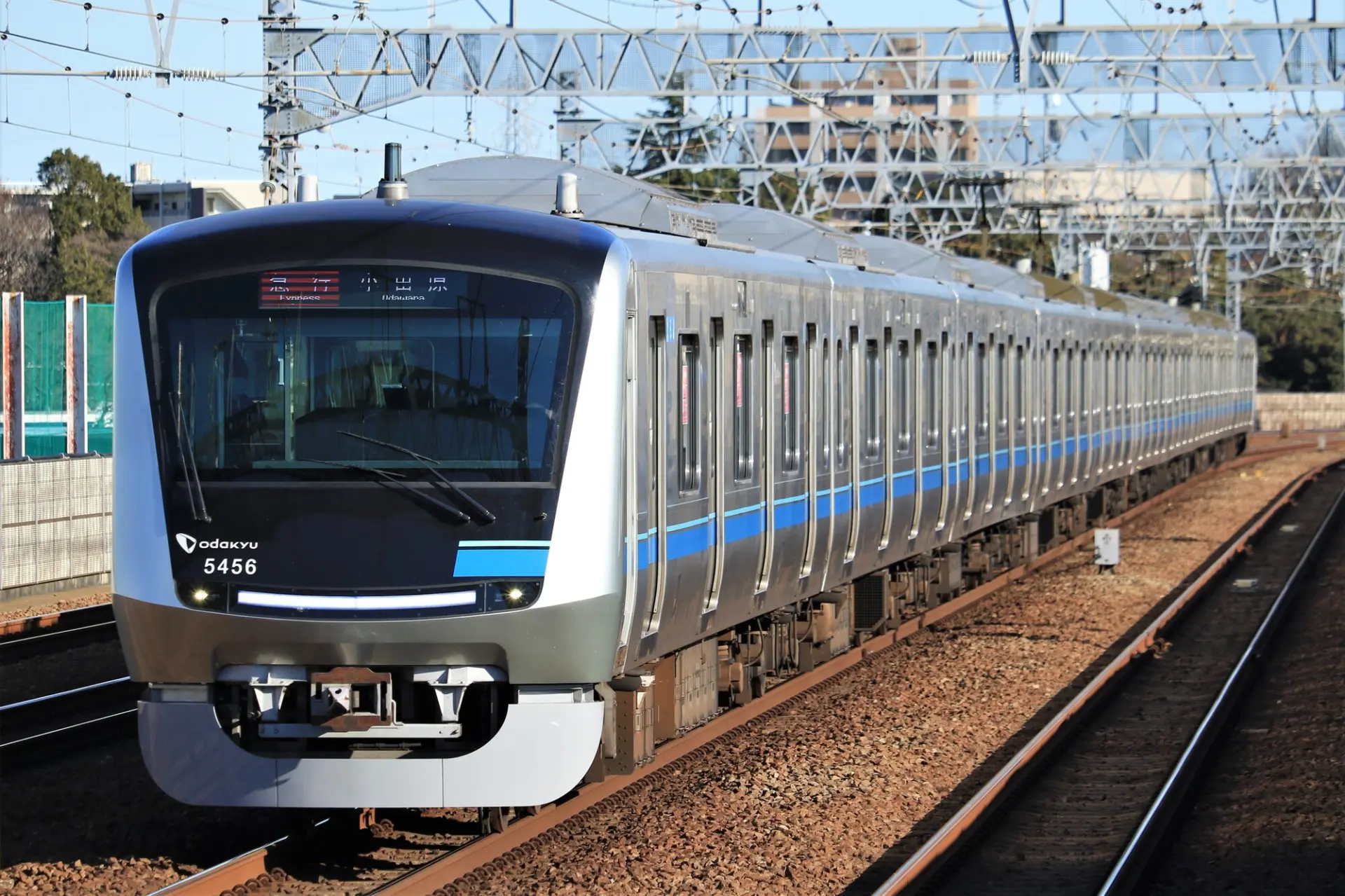
The “Enoshima-Kamakura Free Pass” is a free pass that gives you unlimited rides for one day on a designated section of the Odakyu Line (Fujisawa Station to Katase-Enoshima Station) and the entire Enoshima Electric Railway line.
You can purchase it from ticket machines at Odakyu Line stations, as well as at Odakyu Travel Centers, some travel agencies, and through the EMot smartphone app.
It uses a variable pricing system depending on your departure station (810 yen to 1,930 yen). For example, departing from Shinjuku costs 1,640 yen for adults and 430 yen for children.
It also comes with discounts and special offers at Approx. 23 spots and facilities.
It is recommended for those who want to explore the Enoshima and Kamakura area on a day trip from Tokyo at a good value.
FAQ about Transportation in Kamakura
Q
Can I use Suica on the Enoden?
You can use Suica and all 10 major transportation IC cards that support nationwide mutual use.
Q
How long does it take to get from Tokyo to Kamakura at the fastest?
The fastest direct routes from Tokyo Station, Shinagawa Station, and Shinjuku Station take from 50 minutes to 1 hour.
Q
Where is the railroad crossing that appears in the anime Slam Dunk?
It is Kamakurakokomae No. 1 Railroad Crossing, located right near Enoden’s Kamakurakokomae Station.
Summary
This guide has introduced how to get to Kamakura Station from Tokyo’s major stations and from Haneda and Narita airports, along with the main transportation options in the Kamakura and Enoshima area.
Kamakura is easy to visit at Approx. 1 hour from central Tokyo, and with many popular spots clustered around the station, it is also well suited for a day trip.
There are plenty of highlights to enjoy, including shrines, scenic views, and rich natural surroundings, so why not make the most of value passes as you explore?
Be sure to also check out this article, which brings together useful information for planning your Kamakura trip, including popular sightseeing spots, recommended places to eat, and shopping destinations.