
The Complete Guide to Mount Tsukuba: Everything You Need to Know for Hiking and Sightseeing
Long revered as a sacred mountain, Mount Tsukuba is one of the symbols of Ibaraki Prefecture and is considered a spiritual power spot in its own right.
In addition to spectacular views from the summit, the mountain is blessed with abundant nature, with more than 1,000 species of plants growing wild across its slopes. Massive boulders and unusual rock formations are also scattered throughout the mountain, offering plenty to discover along the way.
In this article, we’ll cover everything you need to know about Mount Tsukuba, from basic information and what to bring for a hike to recommended hiking trails, major attractions, and scenic spots for enjoying the night views.
We’ve gathered all the essential information first-time visitors need to make the most of Mount Tsukuba, so use this guide to help plan your visit.
What is Mount Tsukuba Like?
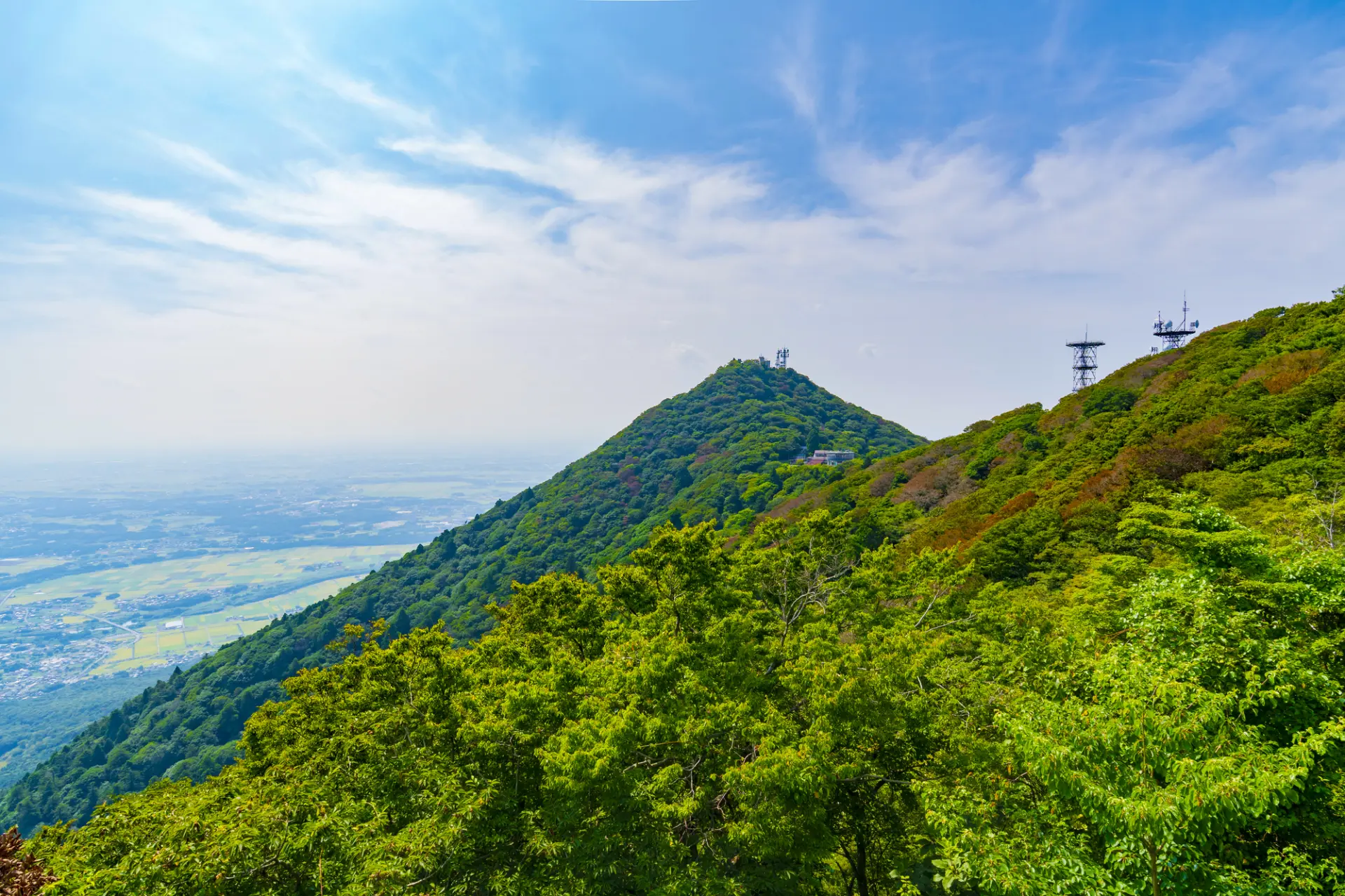
Rising at the northern edge of Tsukuba City in Ibaraki Prefecture, Mount Tsukuba is one of Japan’s 100 Famous Mountains and consists of two peaks: Nantai-san (871 m) and Nyotai-san (877 m).
The mountain itself has long been regarded as sacred and worshipped as a deity since ancient times.
During the Edo period (1603-1868), Mount Tsukuba was celebrated alongside Mount Fuji in the saying, “Fuji in the west, Tsukuba in the east.”
In recent years, it has also become popular as a spiritual power spot, attracting many visitors seeking its blessings.
One of Mount Tsukuba’s major attractions is its easy access from central Tokyo, making it an ideal destination for a day trip and an accessible place to enjoy hiking and mountain climbing.
Mount Tsukuba has the lowest elevation of Japan’s 100 Famous Mountains, and with both a cable car and ropeway available, visitors of all ages and experience levels can enjoy the beautiful views from its peaks.
The mountain is also home to a rich natural environment, with more than 1,000 species of plants growing wild across its slopes. Unusual rock formations and notable boulders are scattered along the trails as well, providing plenty to discover along the way.
History of Mount Tsukuba
Mount Tsukuba, which enshrines Izanagi and Izanami, the principal deities associated with Japan’s creation myth, is a sacred mountain that symbolizes Japan’s ancient religious traditions.
Emperor Jimmu and Yamato Takeru appear in legends associated with Mount Tsukuba, and the mountain has long been revered by members of the imperial family and powerful clans.
During the Edo period (1603-1868), Mount Tsukuba flourished as a popular destination for leisure excursions. It was also revered by Tokugawa Ieyasu, and the development of shrines, temples, and pilgrimage routes helped attract even more visitors to the mountain.
Mount Tsukuba’s religious traditions and cultural heritage continue to be preserved and passed down today through festivals centered around Tsukubasan Shrine and the many historic sites found throughout the mountain.
Access to Mount Tsukuba
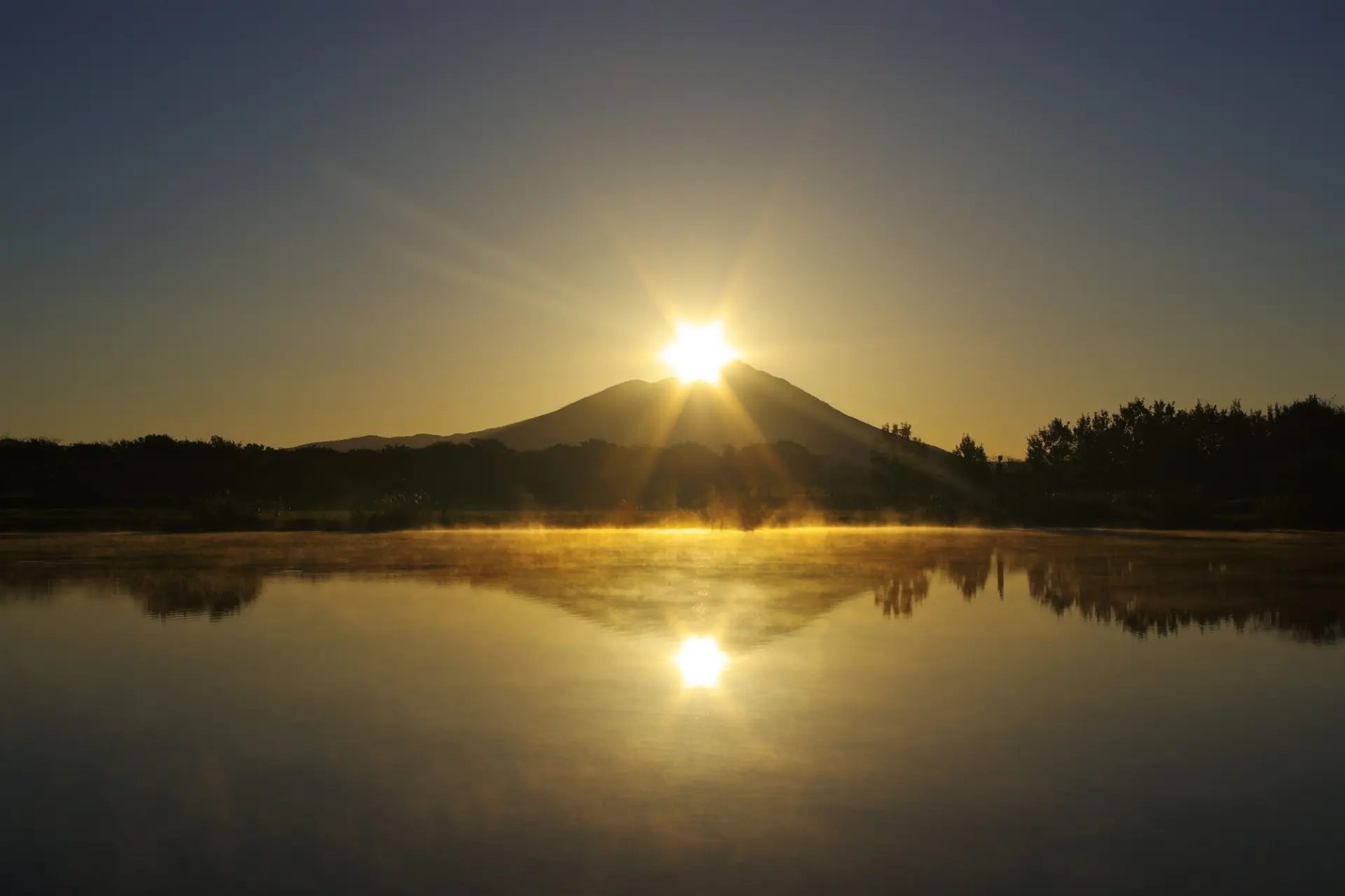
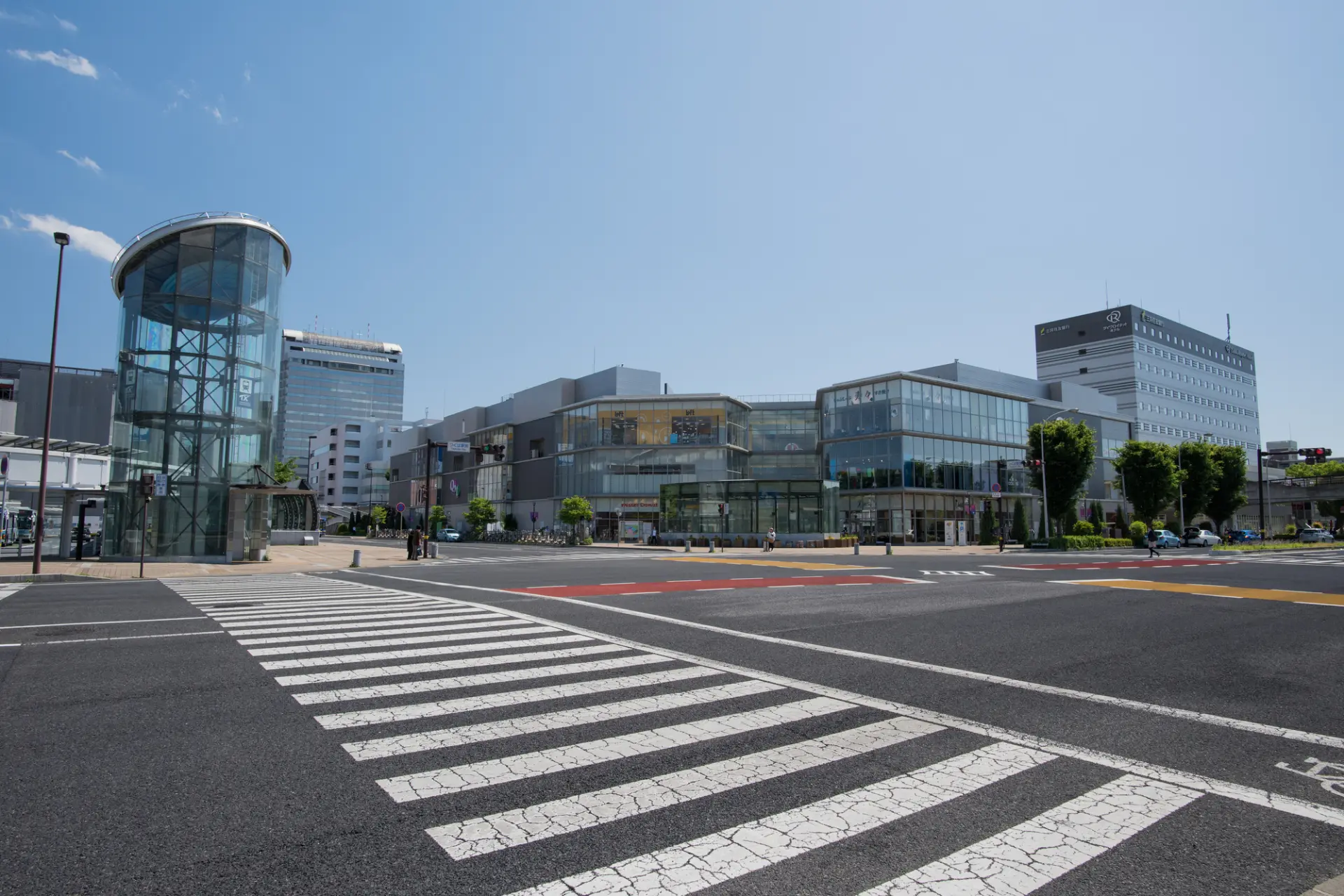
The main transportation hubs for accessing Mount Tsukuba are Tsukuba Station and the nearby Tsukuba Center bus terminal.
They are located almost next to each other, with Tsukuba Station serving rail passengers and Tsukuba Center serving as the bus terminal.
As shown below, both can be reached directly from central Tokyo in around one hour.
However, with only two to three services per hour, it is a good idea to check the timetable in advance.
| Starting Point | Route | Travel Time |
|---|---|---|
| Akihabara Station | Take the Tsukuba Express Rapid bound for Tsukuba, get off at Tsukuba Station | Approx. 45 min. |
| Tokyo Station Bus Terminal | From Bus Stop No. 2 at the Yaesu South Exit, take a highway bus bound for the University of Tsukuba or Tsukuba Center and get off at Tsukuba Center. | Approx. 1 hour 5 min. |
From Tsukuba Center, take the Mount Tsukuba Shuttle Bus bound for Tsutsujigaoka. The ride to Tsutsujigaoka takes about 50 minutes.
*On weekdays, only seven to eight buses operate per day.
Depending on where you plan to visit, you may want to get off earlier at Numata or Tsukubasan Shrine Entrance.
Enjoy Mount Tsukuba’s Seasonal Beauty Year-Round
Mount Tsukuba reveals a different side of its beauty with each season.
One of its greatest attractions is the chance to experience the changing seasons in a single mountain setting: katakuri flowers and azaleas in spring, lush greenery and refreshing breezes in summer, colorful foliage in autumn, and snow-covered landscapes in winter.
The mountain’s unusual rock formations and historic sites also take on a different appearance with the changing seasons, making Mount Tsukuba well worth visiting more than once at different times of the year.
Below, we’ll introduce the highlights of each season to help you choose the perfect time for your visit.
Spring on Mount Tsukuba: A Mountain in Bloom
Spring on Mount Tsukuba brings colorful flowers and fresh greenery, creating a refreshing atmosphere for visitors.
Around mid-April, some 30,000 katakuri plants come into bloom around the Nature Study Trail near the summit, at Katakuri no Sato, and along the cable car route. Their delicate flowers are a beautiful sign of spring’s arrival.
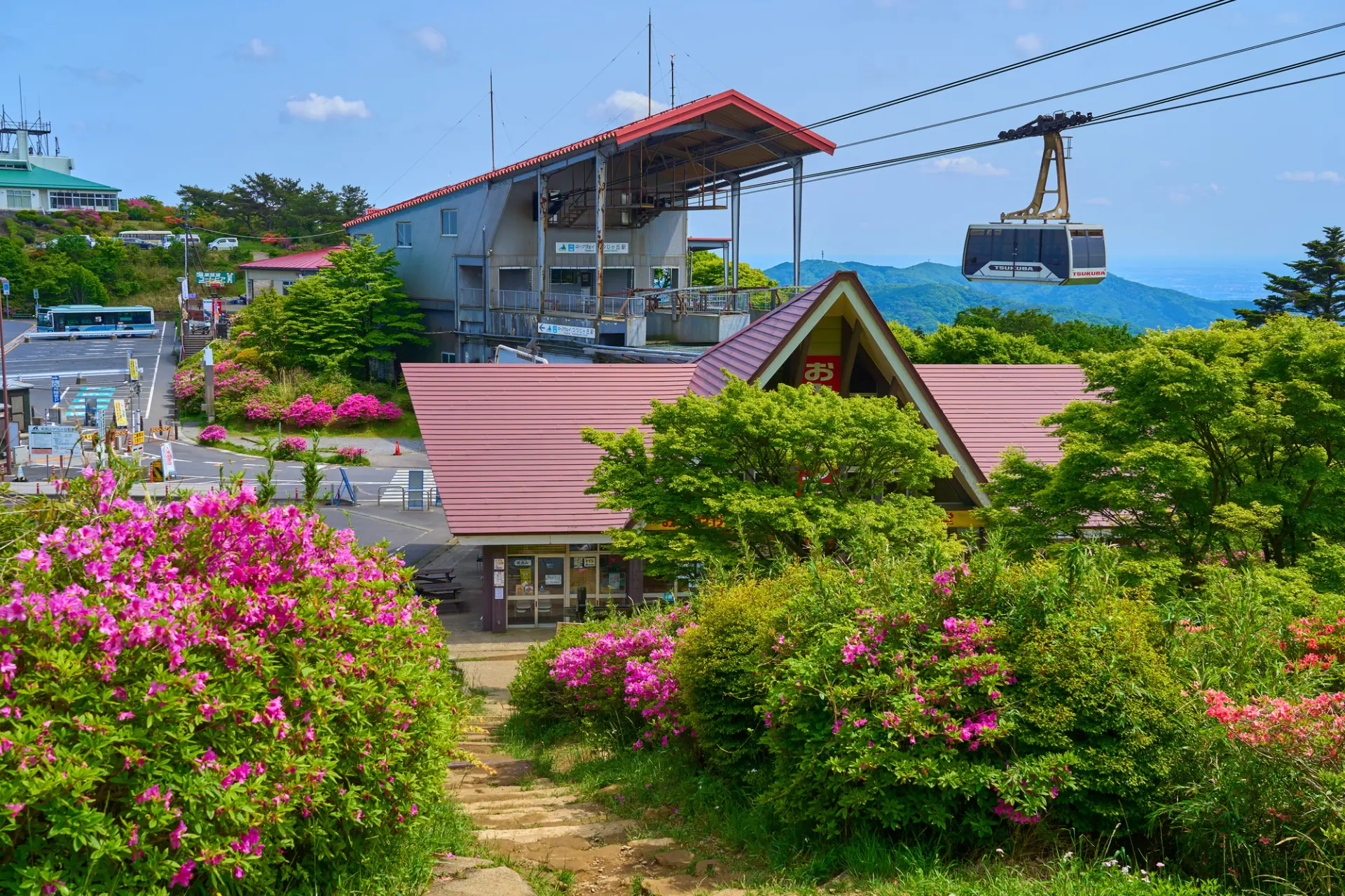
From late April to mid-May, around 3,000 azaleas bloom progressively at different elevations, covering the mountain in vibrant color.
This succession of blossoms reflects the gradual progression of spring, creating memorable scenes of soft purple and pink across the mountainside.
Another sight unique to Mount Tsukuba is the combination of seasonal flowers with ridge trails dotted with unusual rock formations and massive boulders. The scenery changes as you walk, offering something new to discover along the way.
Summer on Mount Tsukuba: Lush Greenery and Refreshing Views
Covered in lush greenery, Mount Tsukuba offers a refreshing escape into nature during the summer months.
With temperatures lower than in central Tokyo, the mountain is also a popular place to escape the summer heat. The cable car and ropeway offer views of the surrounding greenery on the way up, while refreshing breezes can be enjoyed near the summit.
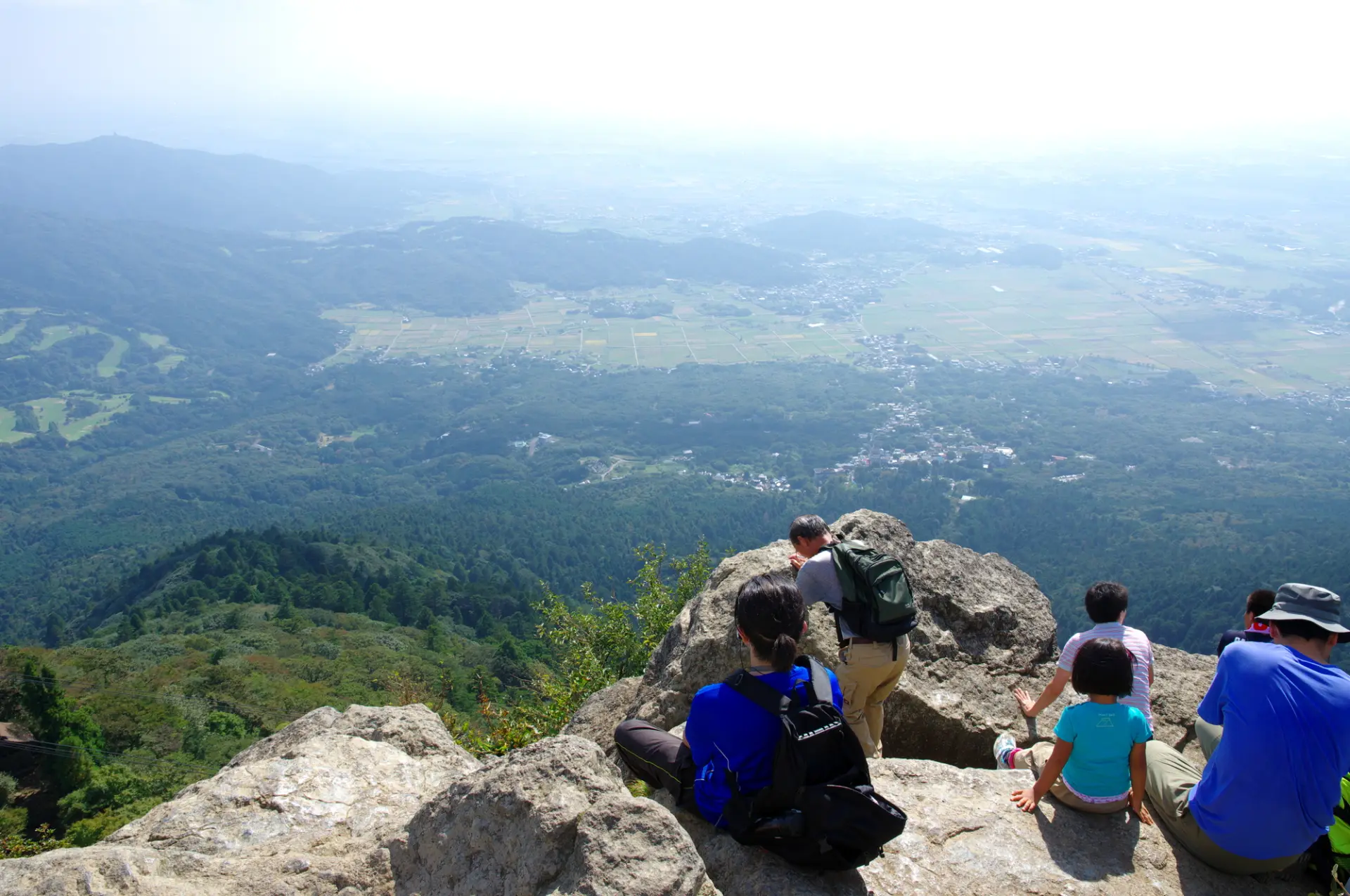
From the summit, sweeping panoramic views of the Kanto Plain stretch out below, creating an especially refreshing sight on clear summer days.
Summer flowers and wild plants, including hydrangeas, golden-rayed lilies, and tama-ajisai, bloom across the mountain. Visitors may also have the chance to spot insects such as Miyama stag beetles and great purple emperors.
With hot spring facilities and restaurants nearby, Mount Tsukuba is an accessible outdoor destination for families, couples, and first-time hikers alike.
Autumn on Mount Tsukuba: Brilliant Fall Colors
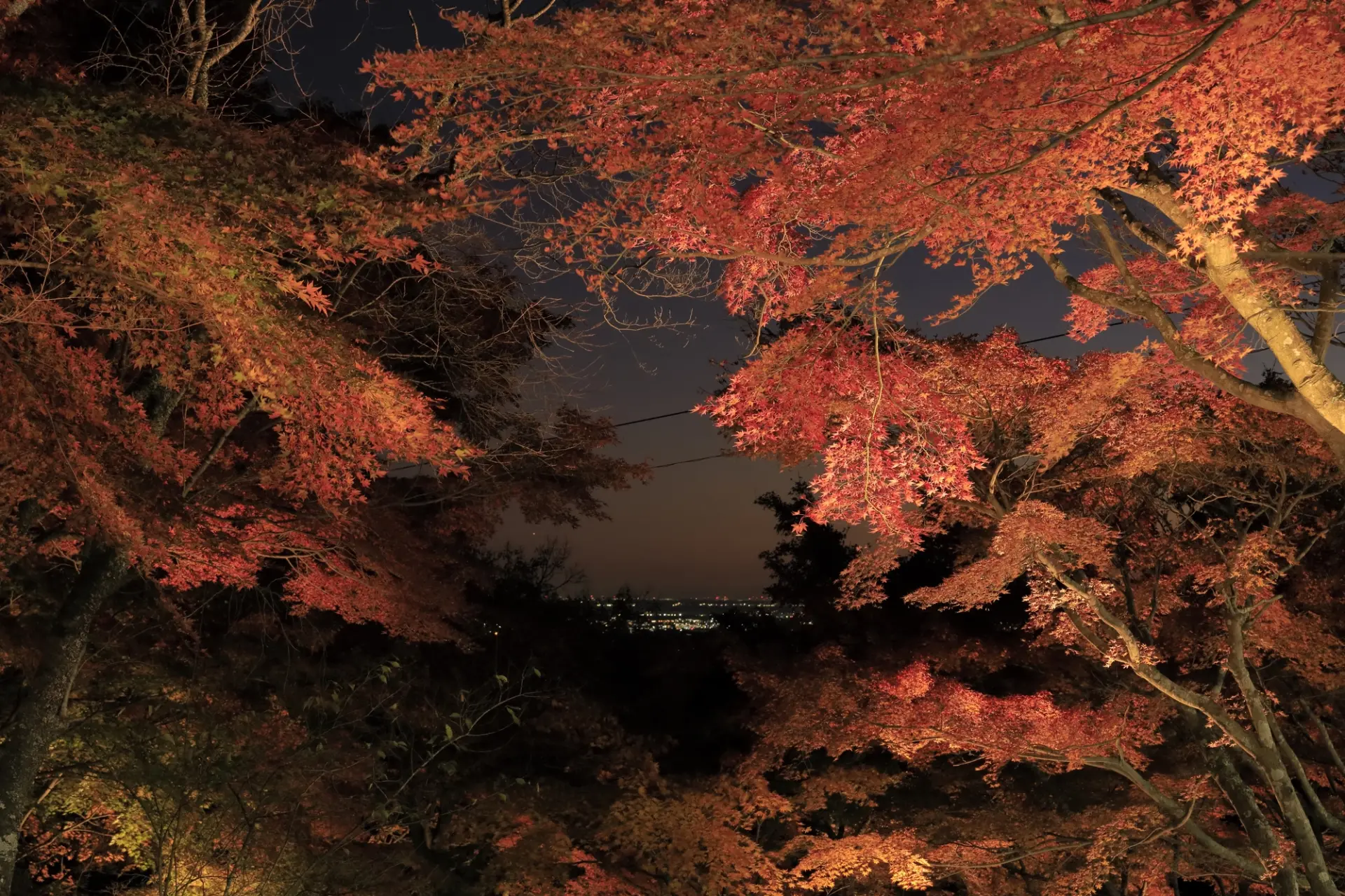
In autumn, Mount Tsukuba is transformed by colorful foliage, creating scenery that looks almost like a painting.
From the summit to the Miyukigahara area, beech and mizunara oak trees turn shades of yellow and gold, while vibrant red maples brighten the middle slopes and areas along the cable car route. The autumn foliage is typically at its best from early to late November.
With its abundance of broadleaf trees, the mountain offers a rich spectrum of autumn colors, and numerous scenic spots provide different views of the seasonal foliage.
During certain periods, special nighttime cable car rides are also available, offering spectacular views of illuminated autumn leaves against the night scenery below.
At the foot of the mountain, visitors can also stop by temples, shrines, and teahouses to enjoy seasonal specialties along with the beautiful autumn scenery.
Winter on Mount Tsukuba: A Mountain Dressed in Snow
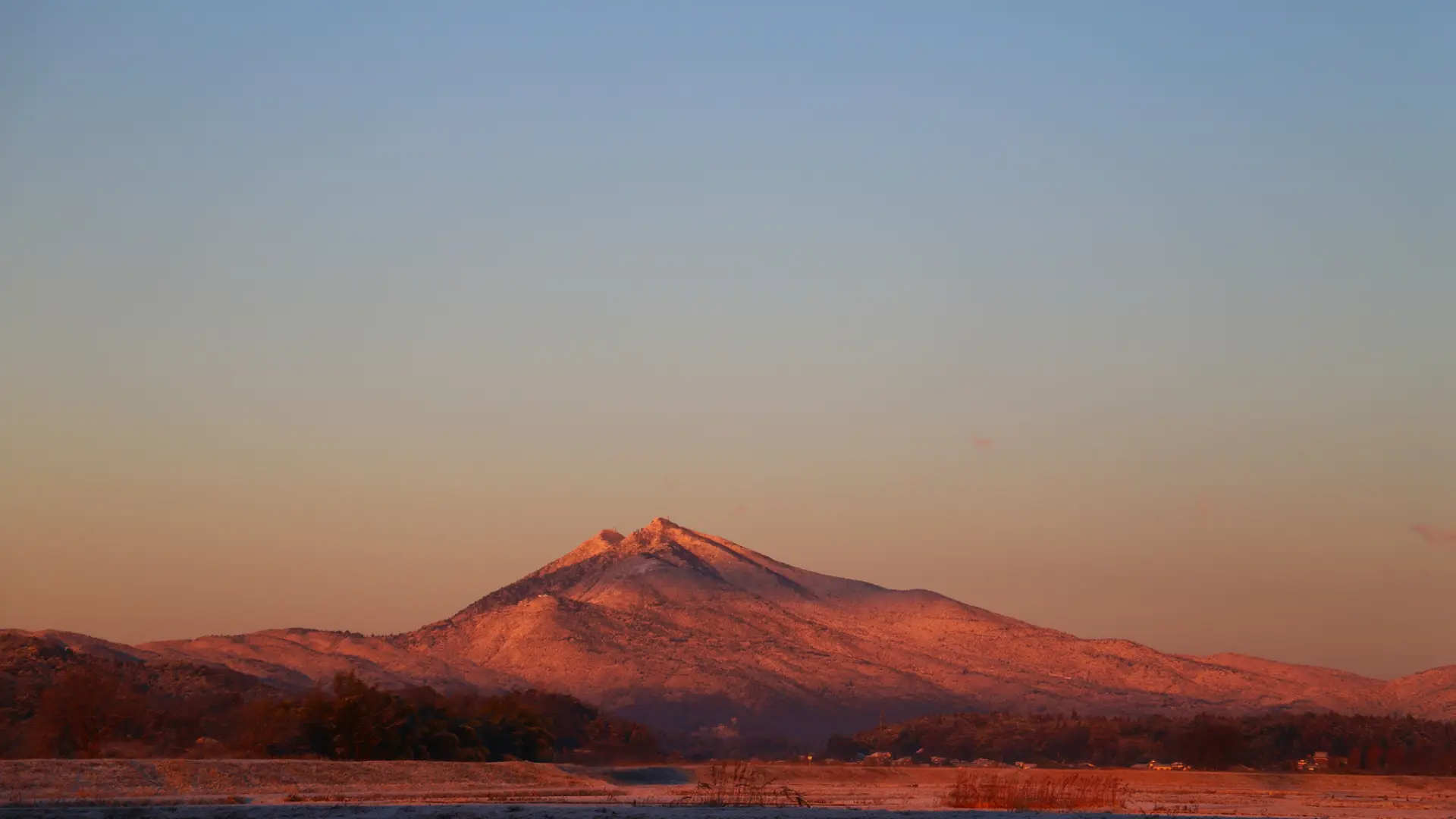
In winter, frost-covered trees and snow transform the area around the summit of Mount Tsukuba into a striking winter landscape.
The mountain takes on a beautiful monochrome appearance under a blanket of snow, and on clear days, sweeping views of the Kanto Plain and the silhouette of Mount Fuji can be seen beyond the snowy slopes.
Visitors may also encounter trees covered in rime ice or snow, creating an almost otherworldly scene against the pure white landscape.
The clear winter air also offers exceptionally crisp, far-reaching views from the mountain.
Illumination events and stargazing programs are held during the season, offering opportunities to enjoy everything from sunset and night views to a sky filled with stars.
At the foot of the mountain, visitors can also soak in the hot springs of Tsukubasan Onsen while admiring the snowy scenery-a perfect way to warm up after hiking or sightseeing.
Average Temperatures on Mount Tsukuba
The average monthly temperatures on Mount Tsukuba are shown below.
These figures are based on average temperatures near the summit, so temperatures at the foot of the mountain tend to be slightly warmer than those shown in the table.
Be sure to dress appropriately for the temperatures near the summit.
| Month | High | Low |
|---|---|---|
| January | 5.3°C | -6.3°C |
| February | 6.1°C | -6°C |
| March | 9.6°C | -1.6°C |
| April | 15.5°C | 3.7°C |
| May | 20.3°C | 9.7°C |
| June | 22.7°C | 1.4°C |
| July | 26.4°C | 18.0°C |
| August | 27.6°C | 19°C |
| September | 24.1°C | 15.6°C |
| October | 18.6°C | 8.8°C |
| November | 13.3°C | 1.9°C |
| December | 8.1°C | -3.4°C |
What Should You Wear on Mount Tsukuba?
For a seasonal guide to what to wear when hiking Mount Tsukuba, refer to the table below.
Temperatures can differ by 5 to 6°C between the summit and the foot of the mountain, so dressing in layers is important for adjusting to changing conditions.
Moisture-wicking, quick-drying synthetic fabrics or merino wool are recommended, as they help prevent you from getting chilled by sweat.
Regardless of the season, avoid hiking in unsuitable clothing or footwear such as jeans or sandals.
- Spring (March-May)
- Long-sleeve T-shirt, lightweight fleece, windbreaker, insulated jacket, trekking pants, neck warmer
- Summer (June-August)
- Short-sleeve T-shirt, lightweight long-sleeve shirt, windbreaker, trekking shorts
- Autumn (September-November)
- Long-sleeve T-shirt, lightweight fleece, windbreaker, lightweight down jacket, trekking pants, neck warmer, gloves
- Winter (December-February)
- Warm base layer, down jacket, winter trekking pants, windproof and waterproof shell, knit cap, insulated gloves, warm socks
What to Bring for Hiking Mount Tsukuba
Below is a list of essential items to bring when hiking Mount Tsukuba.
Although Mount Tsukuba is considered beginner-friendly, conditions in the mountains can be unpredictable, so make sure you are well prepared before setting out.
- Backpack
- A backpack that leaves both hands free is recommended
- Trekking Shoes
- High-cut trekking shoes that provide ankle support are recommended
- Rainwear
- Even a simple vinyl raincoat can be useful in case of sudden changes in the weather
- Gloves or Work Gloves
- Useful when navigating rocky sections or steep slopes
- Water (sports drinks)
- Bring around 1-2 liters as a general guideline, and purchase more locally if needed
- Trail Snacks
- Chocolate, dried fruit, and nuts are recommended as convenient sources of energy
- Towel
- Useful for wiping away sweat or rain and can also serve as a makeshift bandage in an emergency
- Plastic Bag
- For carrying your trash back with you
- Other
- A headlamp, first-aid kit, and wet wipes can be useful in an emergency
Main Hiking Trails on Mount Tsukuba
Mount Tsukuba has several hiking trails, each with its own characteristics, including different distances and elevation gains.
Some trails are ideal for beginners, while others feature more varied terrain that will appeal to experienced hikers, offering options for visitors of different ages and ability levels.
Nantai-san and Nyotai-san are connected by trails, and choosing different routes for the ascent and descent opens up even more possibilities.
Below, we introduce six of the main hiking trails on Mount Tsukuba. Use this overview to choose a route that suits your fitness level and what you hope to experience on your hike.
1. Miyukigahara Trail
The Miyukigahara Trail is a hiking route that starts at Tsukubasan Shrine and leads toward the summit of Nantai-san.
The trail is about 2 km long, with an elevation gain of approximately 610 m. It takes around 1 hour 30 minutes to ascend and 1 hour 20 minutes to descend.
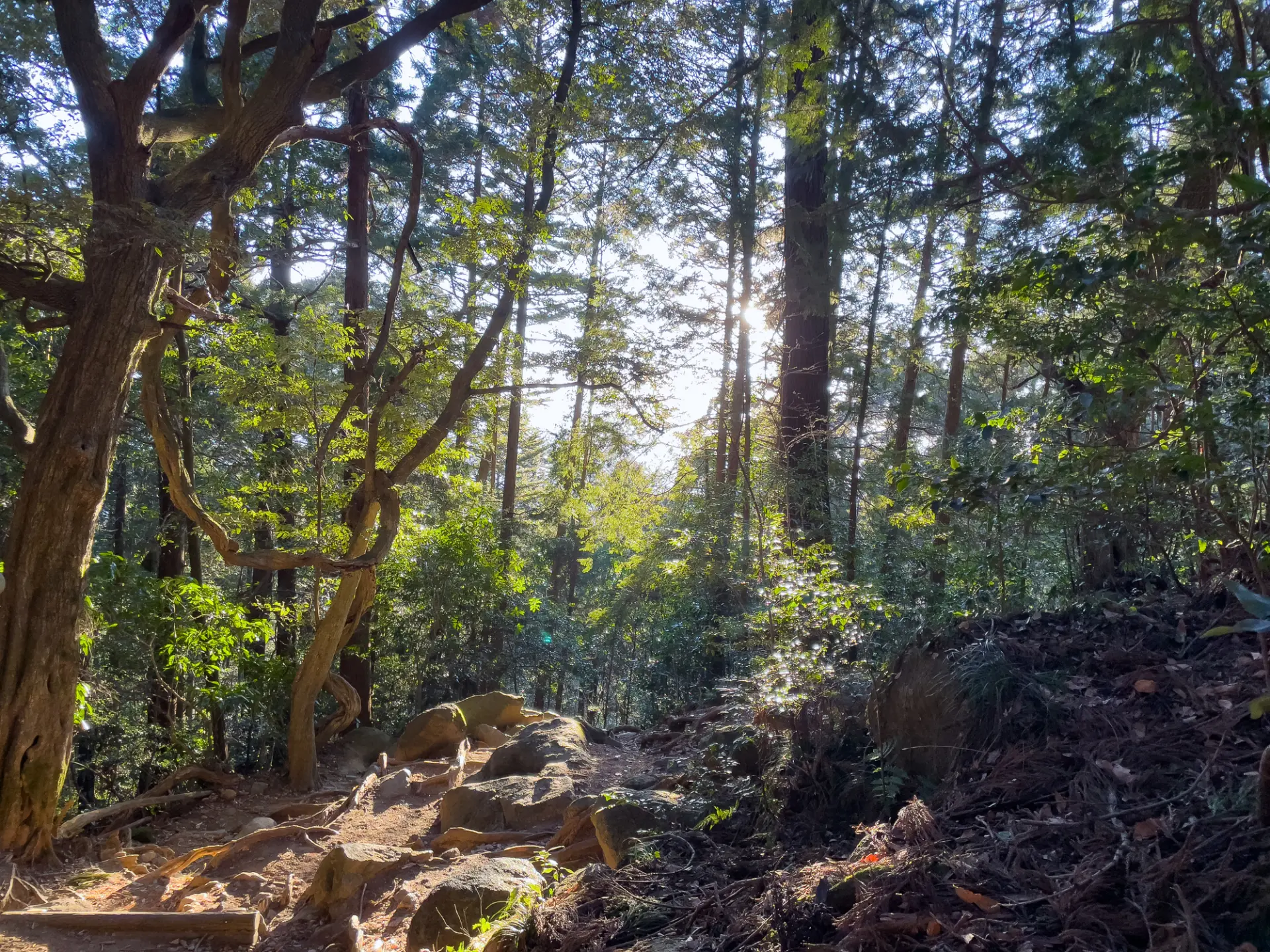
Although the trail follows the cable car route and is relatively well maintained, some sections feature steep slopes, exposed tree roots, and rocky terrain, making it best suited to beginner-to-intermediate hikers.
Highlights along the way include watching the cable cars pass each other, the upper reaches of the Minanogawa River, and an atmospheric landscape of towering cedar trees.
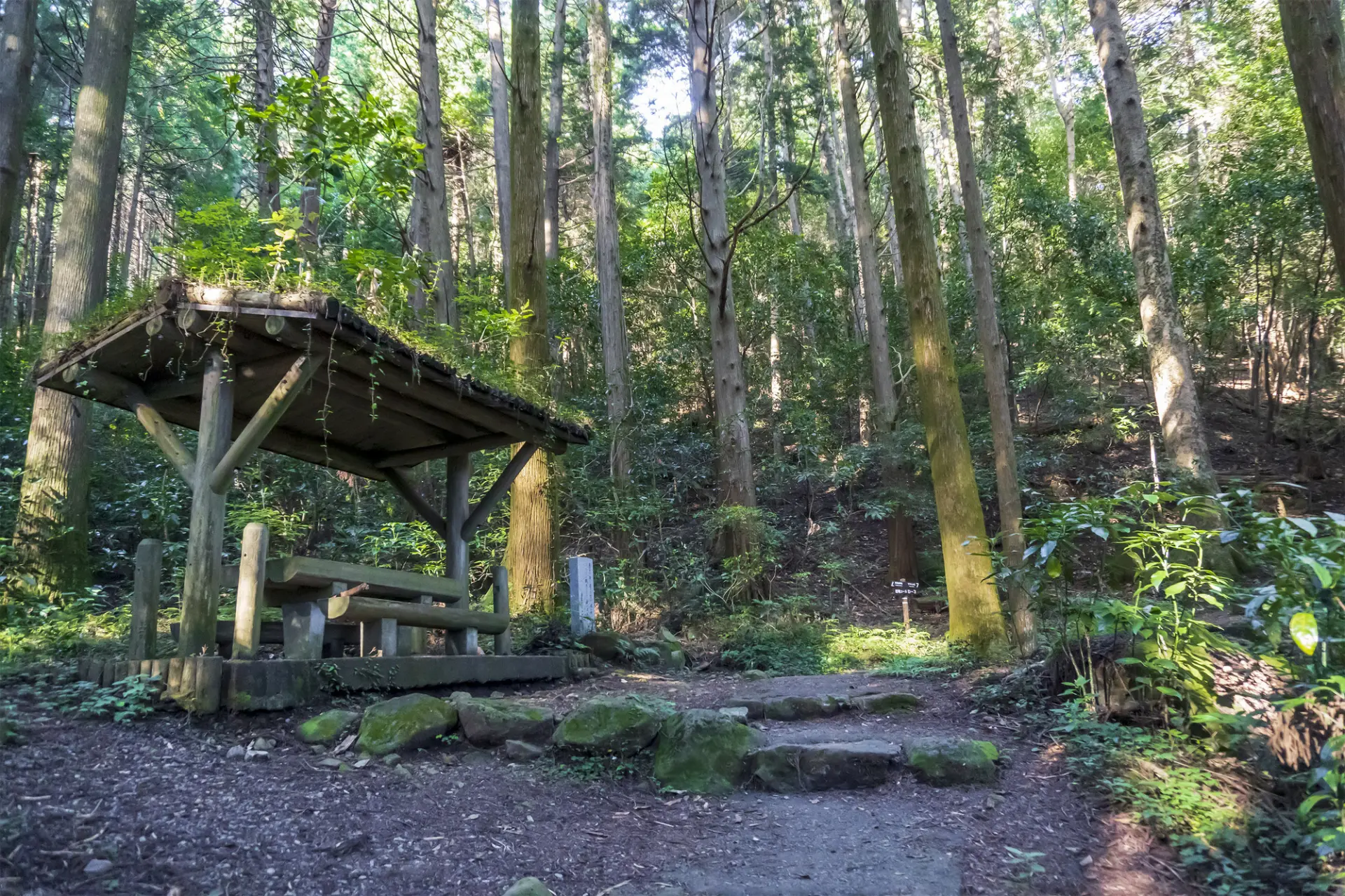
2. Mukaeba Trail
The Mukaeba Trail connects Tsutsujigaoka Station on the Mount Tsukuba Ropeway with the Sakamukaeba junction, where it meets the Shirakumobashi Trail.
Although the trail is relatively long at about 1.6 km, it takes only around 40 minutes to ascend and 35 minutes to descend.
With an elevation gain of only about 190 m, the trail is relatively gentle and has few rocky sections, making it a good choice for beginner hikers and first-time visitors to Mount Tsukuba.
Hikers can enjoy the sounds of birds and the surrounding forest as they walk at their own pace.
3. Shirakumobashi Trail
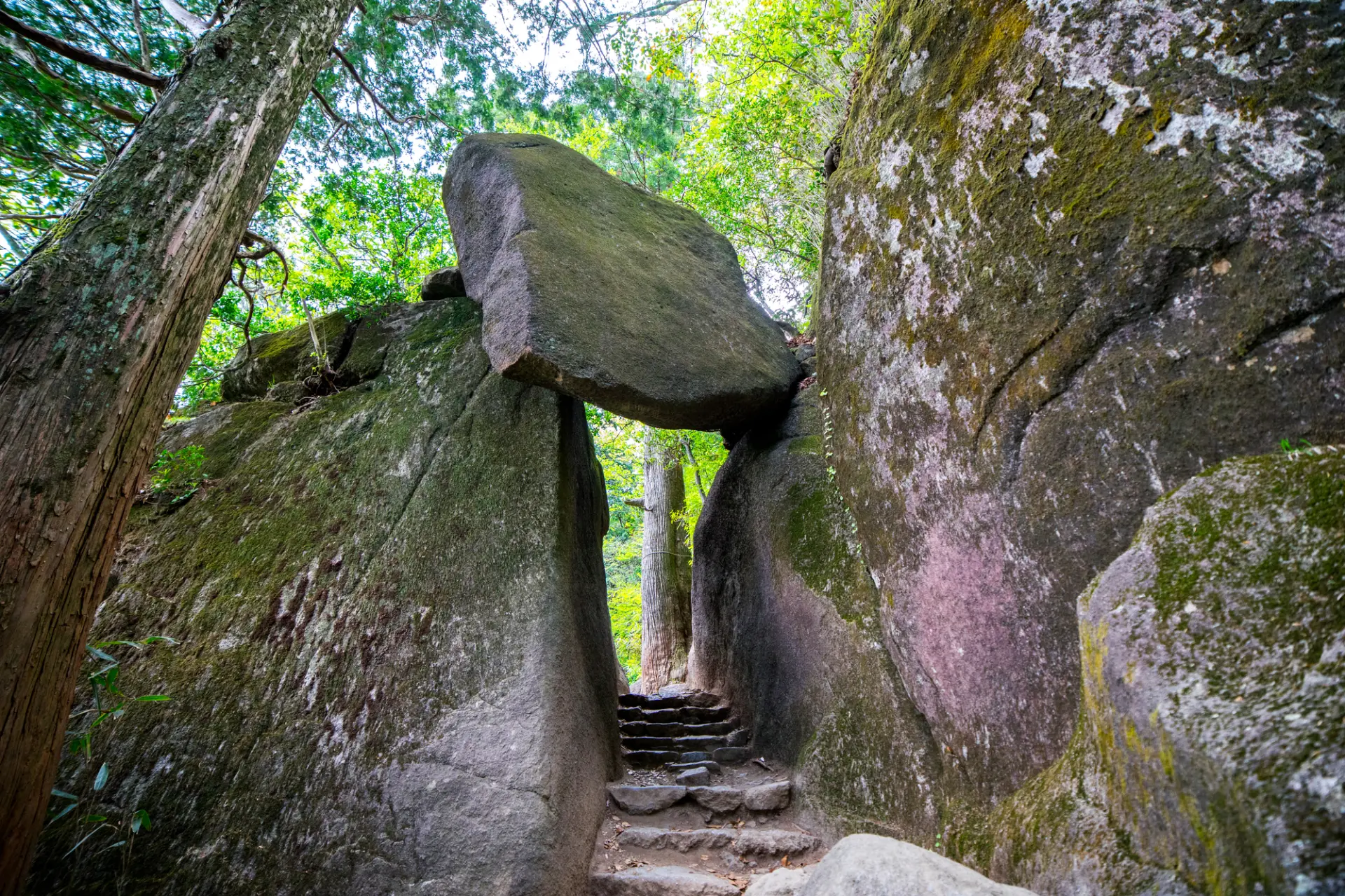
The Shirakumobashi Trail connects Tsukubasan Shrine with the summit of Nyotai-san.
At about 2.8 km, it is the longest of Mount Tsukuba’s main hiking trails, with an elevation gain of approximately 610 m. It takes around 1 hour 50 minutes to ascend and 1 hour 35 minutes to descend, making it a more challenging trail best suited to intermediate and experienced hikers.
Some sections are steep and rocky, and extra caution is needed in rainy conditions or when the rocks are wet and slippery.
The trail also offers plenty to see along the way, from varied forest scenery to unusual rock formations such as Benkei Nanamodori and Tainai Kuguri.
4. Otatsuishi Trail
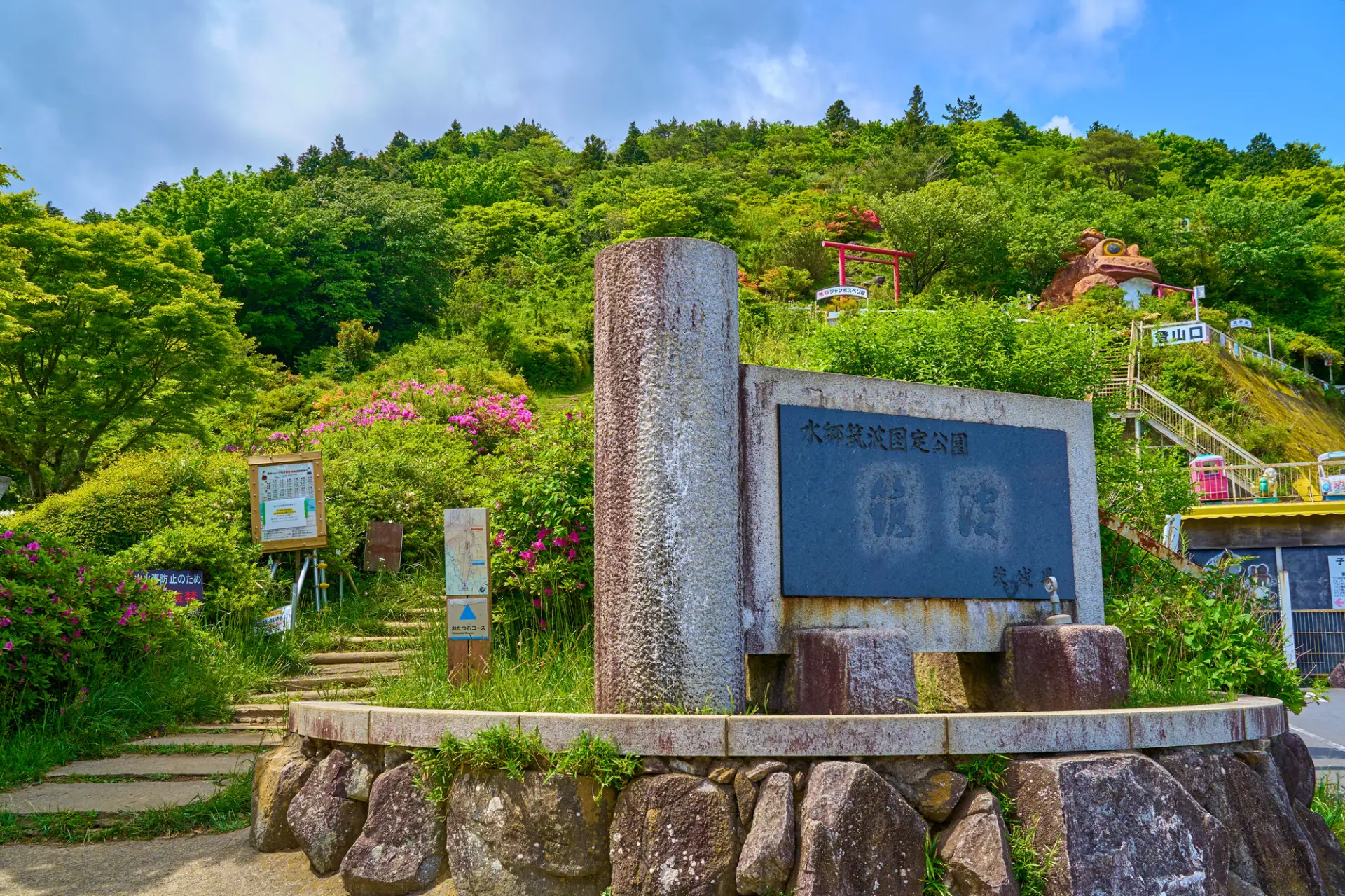
The Otatsuishi Trail connects Tsutsujigaoka Station on the Mount Tsukuba Ropeway with the former site of Benkei Chaya, where it joins the Shirakumobashi Trail.
The trail is about 1 km long, with an elevation gain of approximately 200 m. It takes around 40 minutes to ascend and 35 minutes to descend, making it a relatively short and easy hike.
With well-maintained stone steps and paved sections along much of the route, the trail is relatively easy and is a good choice for those looking for a less strenuous hike, as well as families with young children.
5. Nature Study Trail
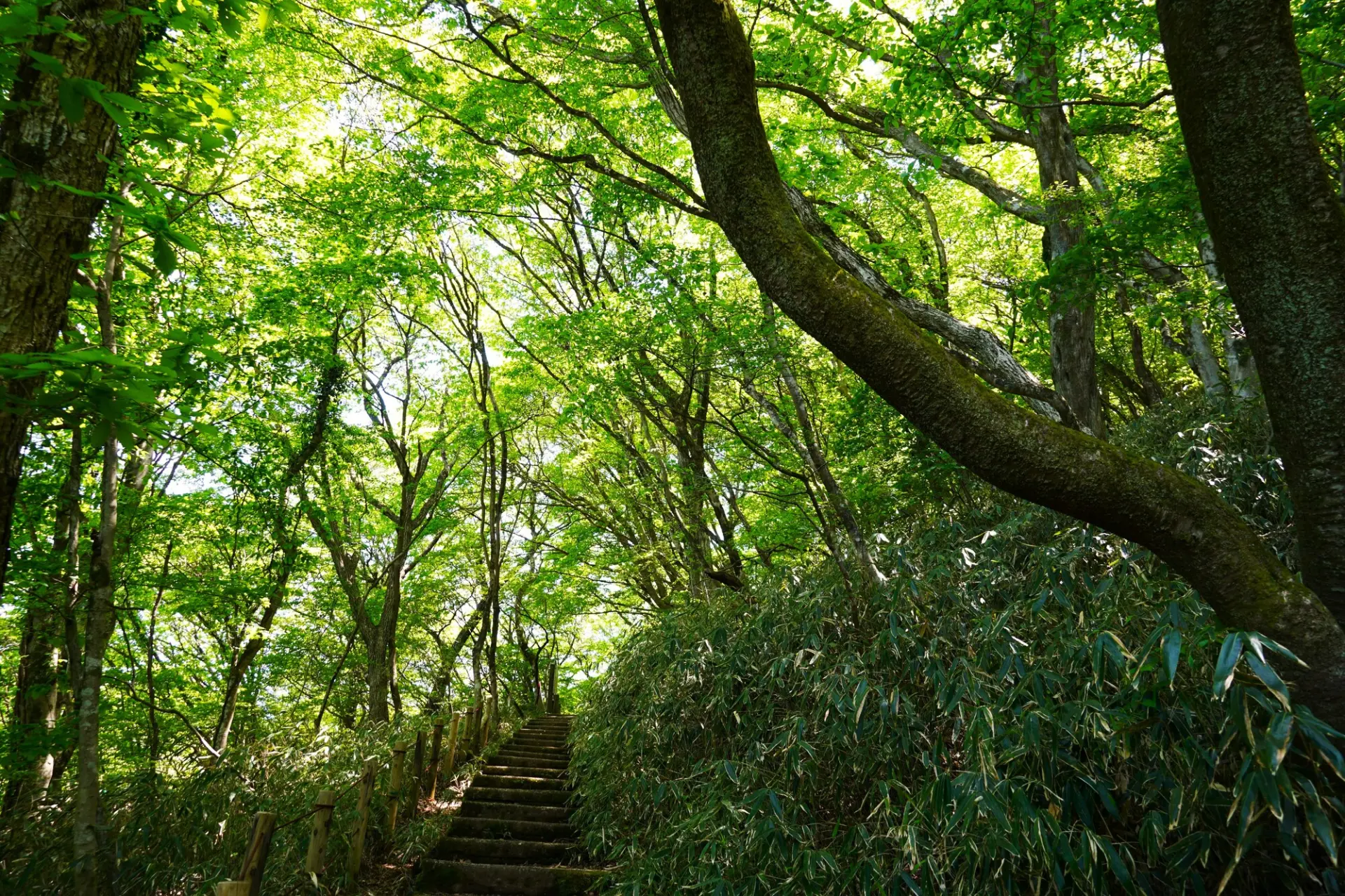
The Nature Study Trail is a loop trail around the summit area of Nantai-san. It is about 1.5 km long, with an elevation difference of approximately 70 m, and takes around one hour to complete.
Along the trail, visitors can observe changes in vegetation and a variety of plants and animals up close, including a beech forest within a Special Protection Zone of Suigo-Tsukuba Quasi-National Park. It is an ideal trail for discovering Mount Tsukuba’s rich natural environment.
With gentle changes in elevation, the trail is relatively easy to walk and is recommended for those who want to take their time and enjoy the mountain surroundings.
Another highlight is an observation deck along the trail offering views over the Kanto Plain.
6. Summit Link Trail
The Summit Link Trail is an approximately 850-meter hiking trail connecting the summits of Nyotai-san and Nantai-san.
From Miyukigahara, each summit is about a 15-minute walk one way, and visiting both takes only around 30 minutes in total. As most of the trail follows the ridgeline, it is relatively easy to walk.
Along the way, hikers can see areas where azaleas and katakuri flowers grow in clusters, while the summits offer sweeping 360-degree panoramic views.
Offering some of Mount Tsukuba’s most characteristic scenery, the trail is recommended for those who want to visit both summits or explore them efficiently.
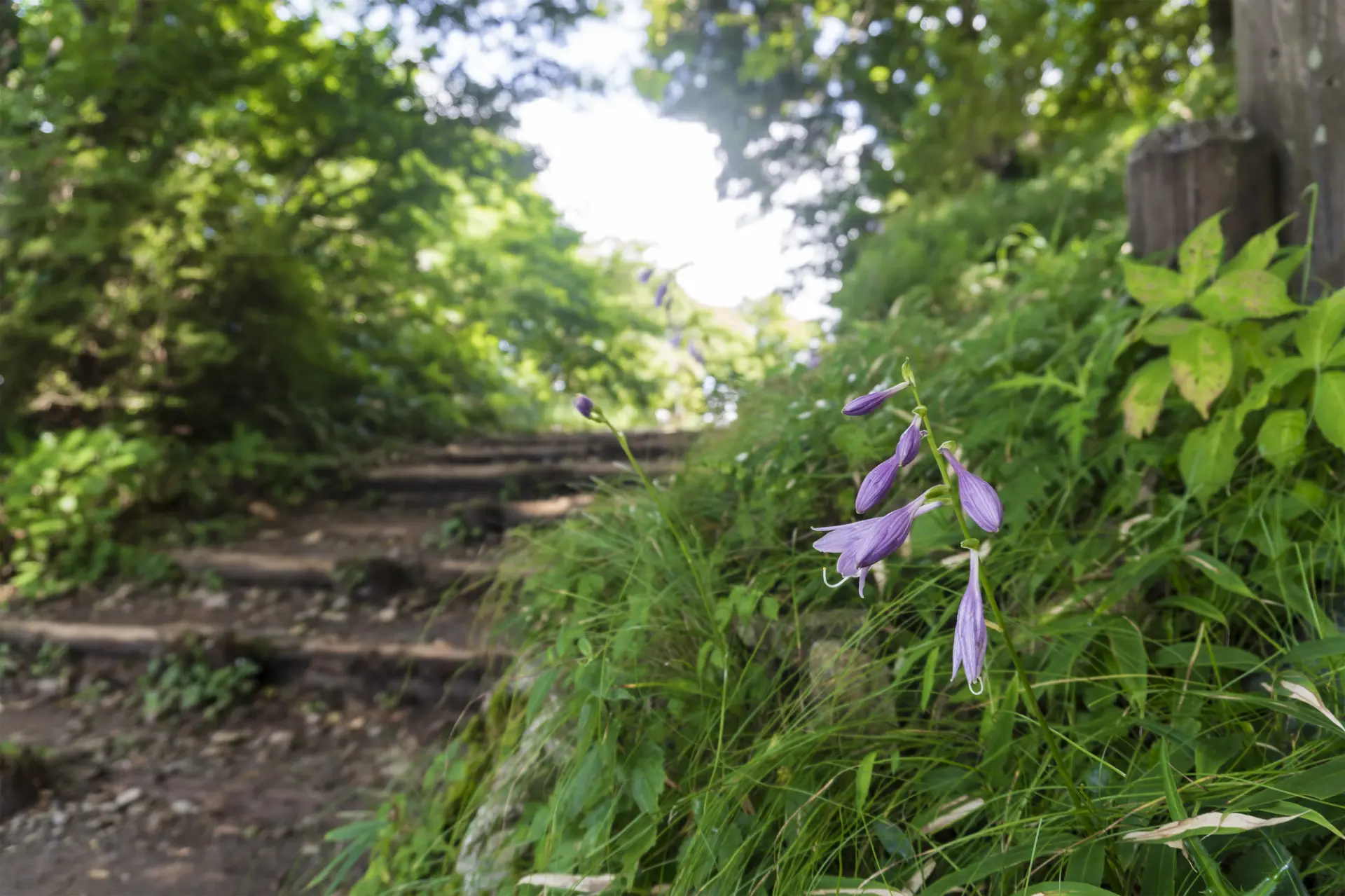
For Easy Access to the Summit, Take the Mount Tsukuba Ropeway or Cable Car
Hiking to the summit on foot is a rewarding experience, but the ropeway and cable car offer their own appeal, with spectacular views unfolding along the way.
They also make it possible to reach the upper areas of the mountain with less physical effort and in less time, making them a convenient option for families with young children and older visitors.
Use the information below to help you decide how to incorporate the ropeway or cable car into your sightseeing plans.
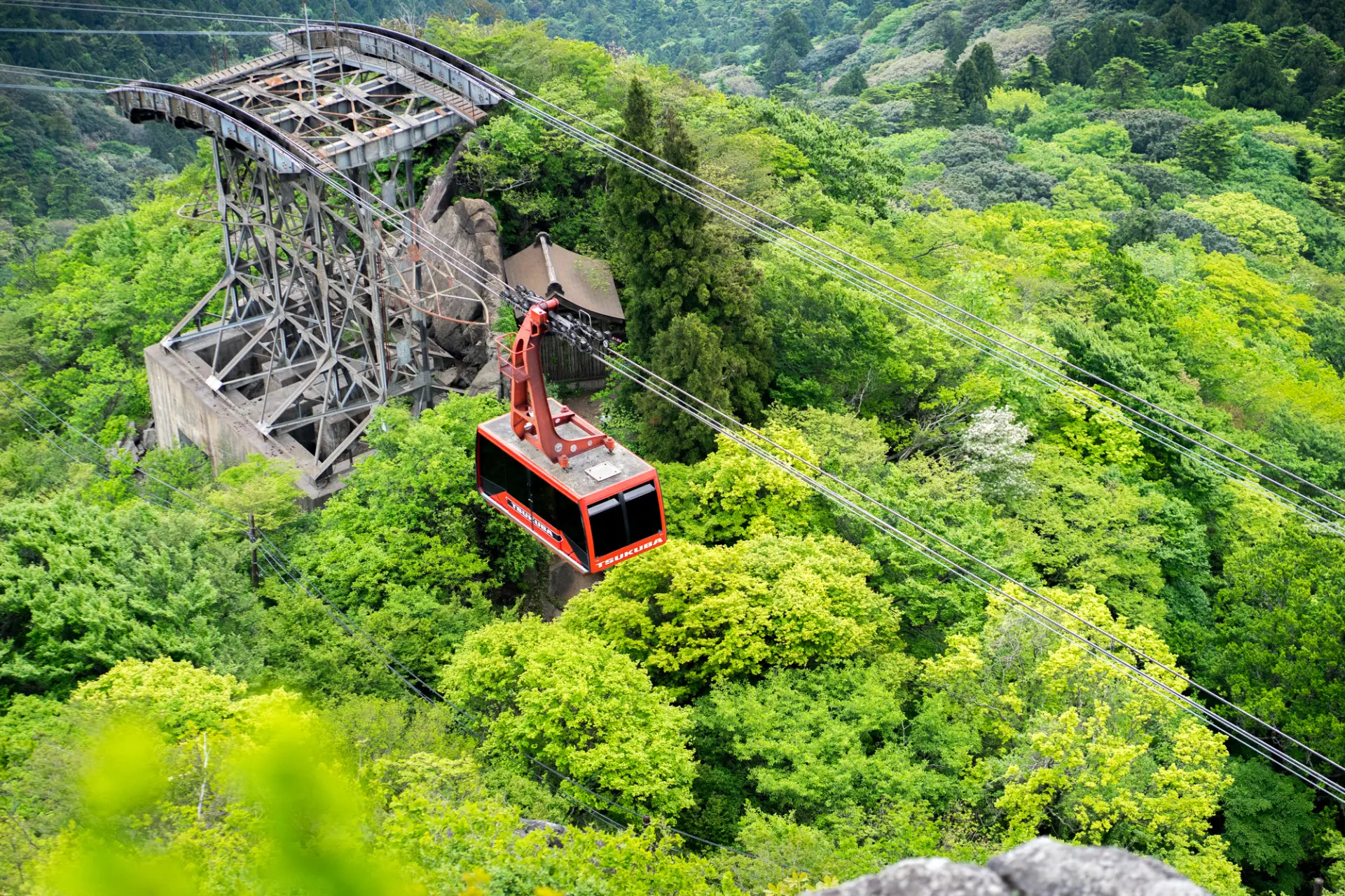
The Ropeway Connecting Tsutsujigaoka Station and Nyotai-san
The Mount Tsukuba Ropeway is a gondola lift that connects Tsutsujigaoka Station (542 m), the final stop of the Mount Tsukuba Shuttle Bus, with Nyotai-san Station (840 m). Covering a distance of 1,296 m, the ride takes about six minutes.
The ropeway operates two gondola cars, one red and one white, with services in both directions normally departing at 00, 20, and 40 minutes past each hour.
Through the gondola’s large windows, passengers can take in sweeping views over the Kanto Plain, beautiful scenery that changes with the seasons, and even Mount Fuji in the distance on clear days, making the ride itself a memorable part of the Mount Tsukuba experience.
The ropeway is a convenient option for visitors who want to enjoy the views from Nyotai-san without a long hike or explore Mount Tsukuba more efficiently.
The Cable Car Connecting Tsukubasan Shrine and Nantai-san
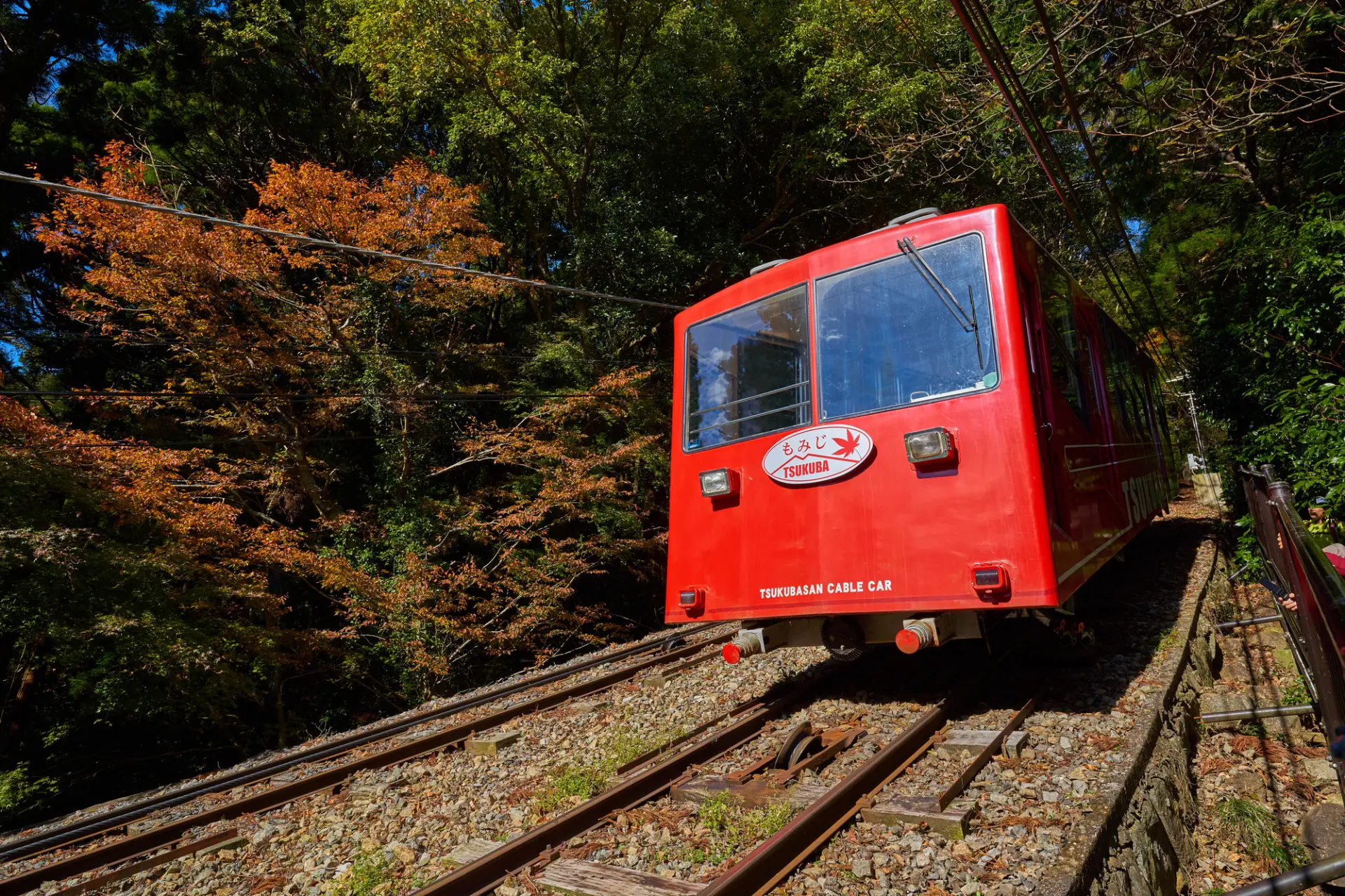
The Mount Tsukuba Cable Car connects Miyawaki Station (305 m), near Tsukubasan Shrine, with Tsukubasancho Station (800 m), near the summit of Nantai-san. Covering a distance of 1,634 m, the ride takes about eight minutes.
The cable car operates two cars, the red Momiji and the green Wakaba. Like the ropeway, services in both directions normally depart at 00, 20, and 40 minutes past each hour.
In addition to providing quick and convenient access to the area near the summit, the cable car offers changing views of the surrounding forest, massive boulders, and towering trees along the way.
Highlights of the ride include the 118-meter-long Nagamine Tunnel and the moment when the two cars pass each other, offering experiences unique to the cable car journey.
The cable car is a convenient option for visitors looking for a less physically demanding way to reach the upper areas of the mountain or those who want to save time.
5 Must-See Highlights of Mount Tsukuba
Below, we’ve selected some of the must-see spots from among Mount Tsukuba’s many attractions.
Located on the middle slopes and around the summit, these spots offer opportunities to experience the mountain’s natural beauty, spectacular views, history, and spiritual traditions.
Visit as many as you can to discover the many different sides of Mount Tsukuba.
1. Tsukubasan Shrine
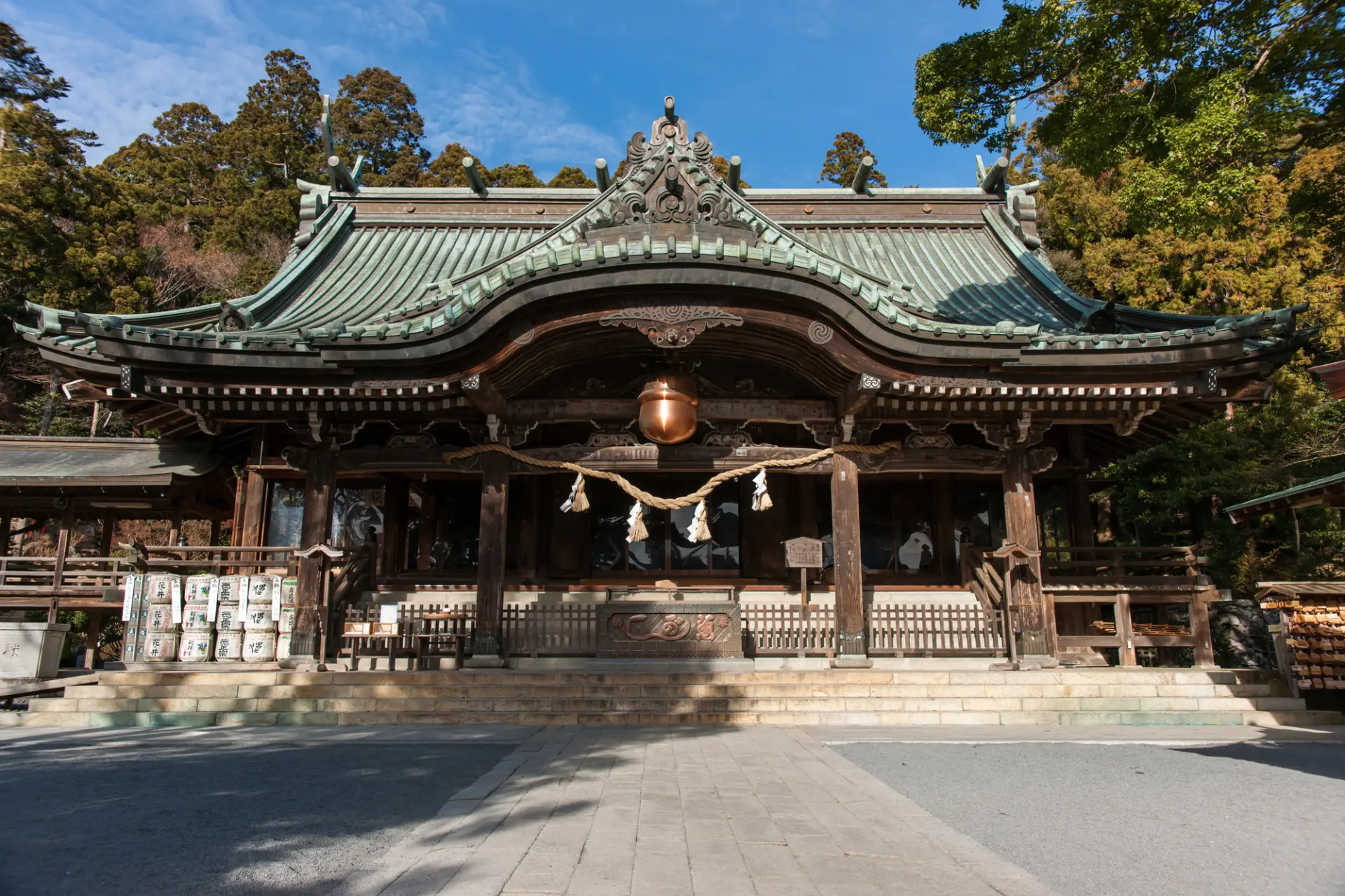
Located on the middle slopes of Mount Tsukuba, Tsukubasan Shrine is an ancient shrine dedicated to Mount Tsukuba itself, which has been revered as a sacred mountain for more than 3,000 years.
Centered around the worship hall and extending to the main sanctuaries on the mountain’s two summits, the shrine grounds cover approximately 370 hectares and serve as one of the main bases for sightseeing on Mount Tsukuba.
The shrine’s principal deities are Izanagi no Mikoto, enshrined on Nantai-san, and Izanami no Mikoto, enshrined on Nyotai-san. It is also known as a spiritual power spot associated with blessings for matchmaking, marital harmony, and safe childbirth.
There is plenty to see throughout the shrine grounds, including impressive shrine buildings and cultural properties that preserve the legacy of the Edo period, as well as the nationally designated Important Cultural Property Tachi Sword, Signed Yoshimune, donated by Tokugawa Iemitsu. The changing scenery throughout the seasons adds another layer to the shrine’s appeal.
2. Koma Observatory
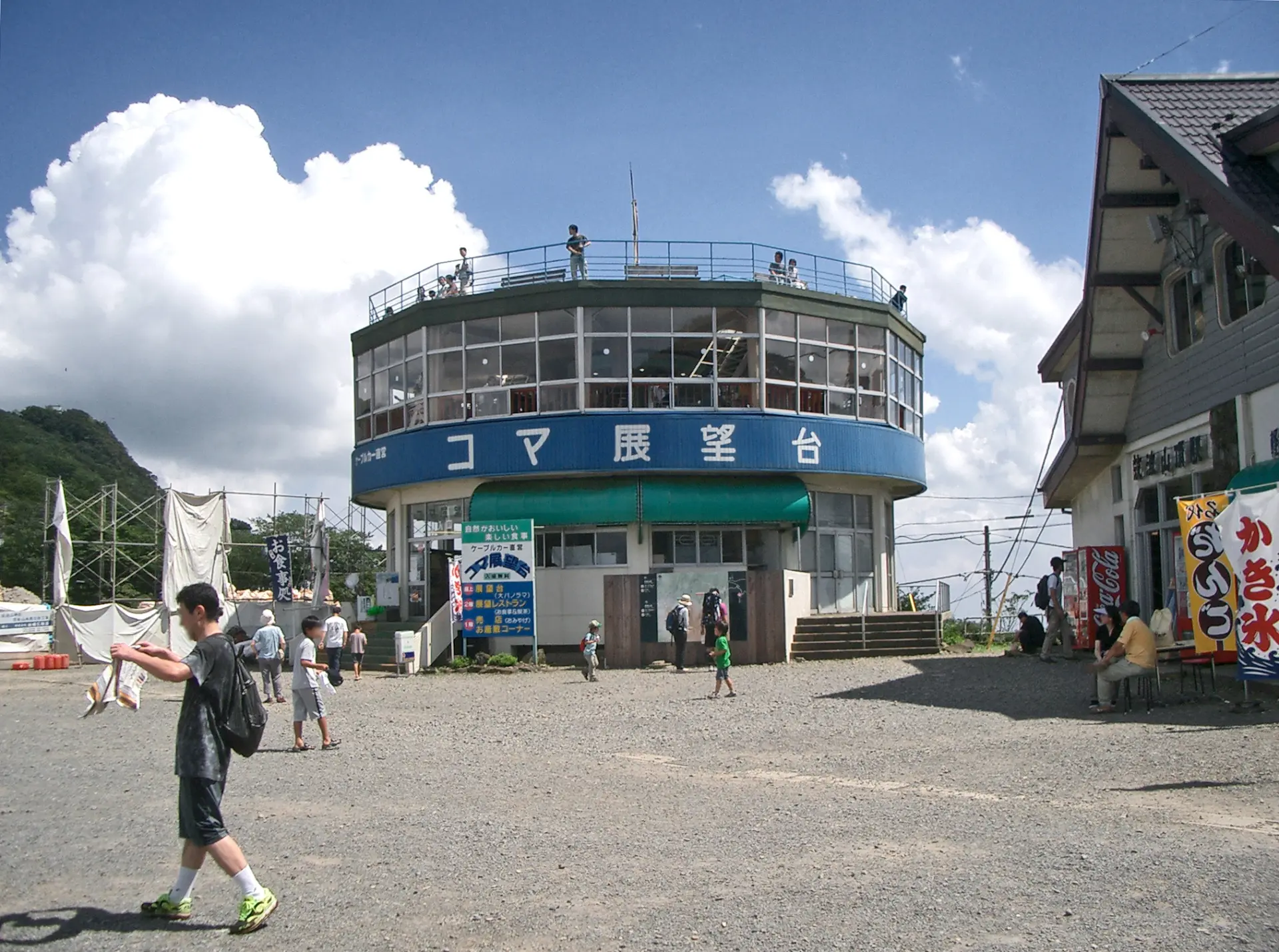
Koma Observatory is a three-story observation facility located next to Tsukubasancho Station on the Mount Tsukuba Cable Car.
The first floor houses a shop selling Mount Tsukuba-exclusive character merchandise and original sweets, while the second floor features a restaurant serving dishes made with local specialties from the Mount Tsukuba area. The third floor leads to a rooftop observation deck.
Admission is free, and from an elevation of about 794 m, visitors can enjoy sweeping 360-degree panoramic views across the Kanto Plain.
On clear days, the views extend across Tsukuba City and the surrounding mountains, and when conditions are favorable, even the Tokyo skyline can be seen in the distance.
3. Mount Tsukuba Plum Grove
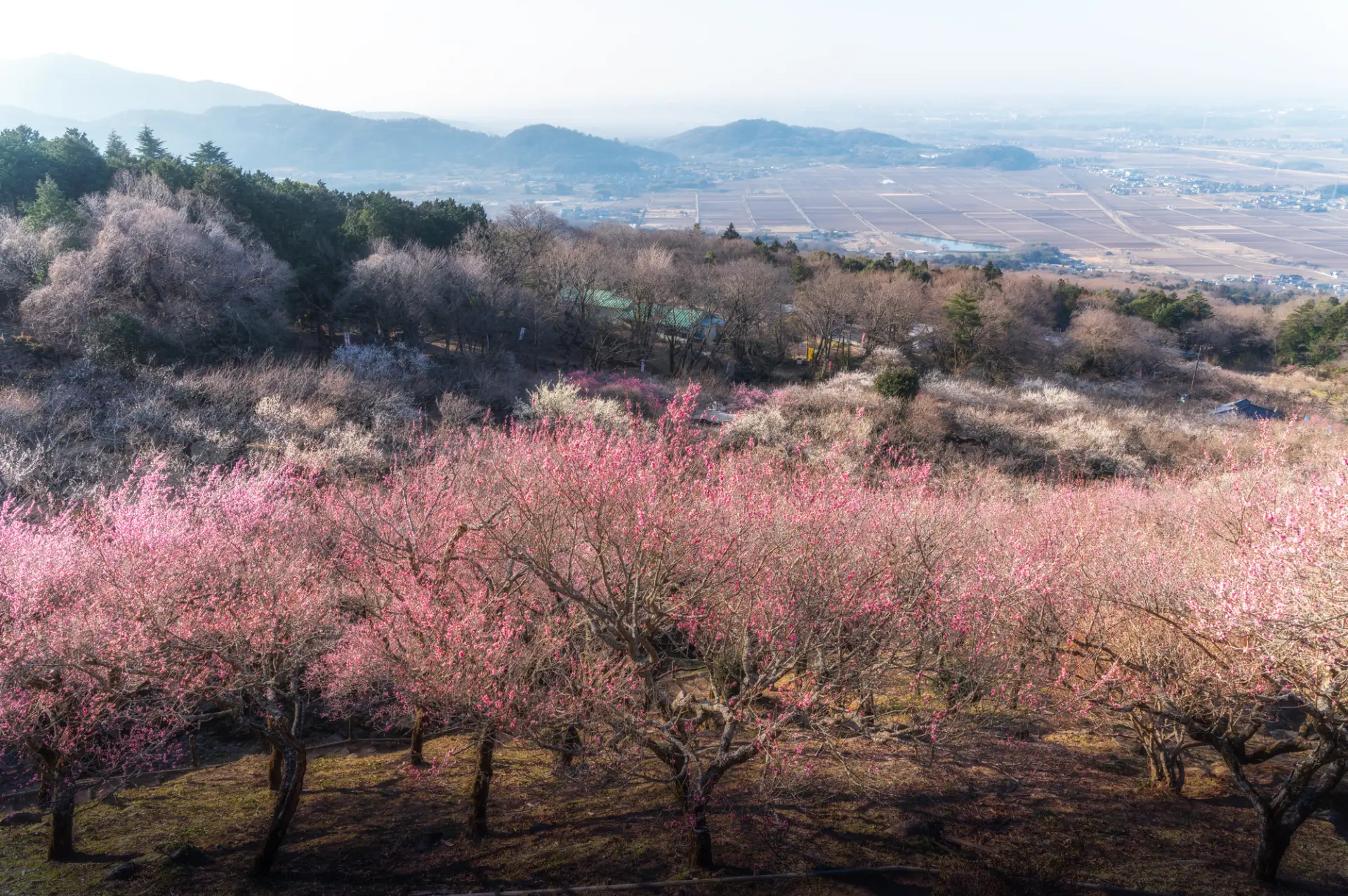
Mount Tsukuba Plum Grove is a municipally operated plum grove located on the middle slopes of Mount Tsukuba at an elevation of about 250 m.
Around 1,000 white and red plum trees of various varieties are planted across the 4.5-hectare hillside. Together with massive boulders of Tsukuba stone scattered throughout the grounds, they create scenery reminiscent of a traditional Japanese garden.
At the highest point of the grove is an observation pavilion offering views over the plum trees and the rural landscape at the foot of the mountain.
Early-blooming plum trees typically begin flowering in late January. From mid-February to early March, when the blossoms are usually at their best, the Mount Tsukuba Plum Festival is held, attracting large numbers of visitors.
Beyond the plum blossoms, seasonal flowers such as hydrangeas, wintersweet, and mountain cherry blossoms add color to the grove at different times of the year, making it a beautiful place to enjoy nature throughout the seasons.
4. Shiho Cedar
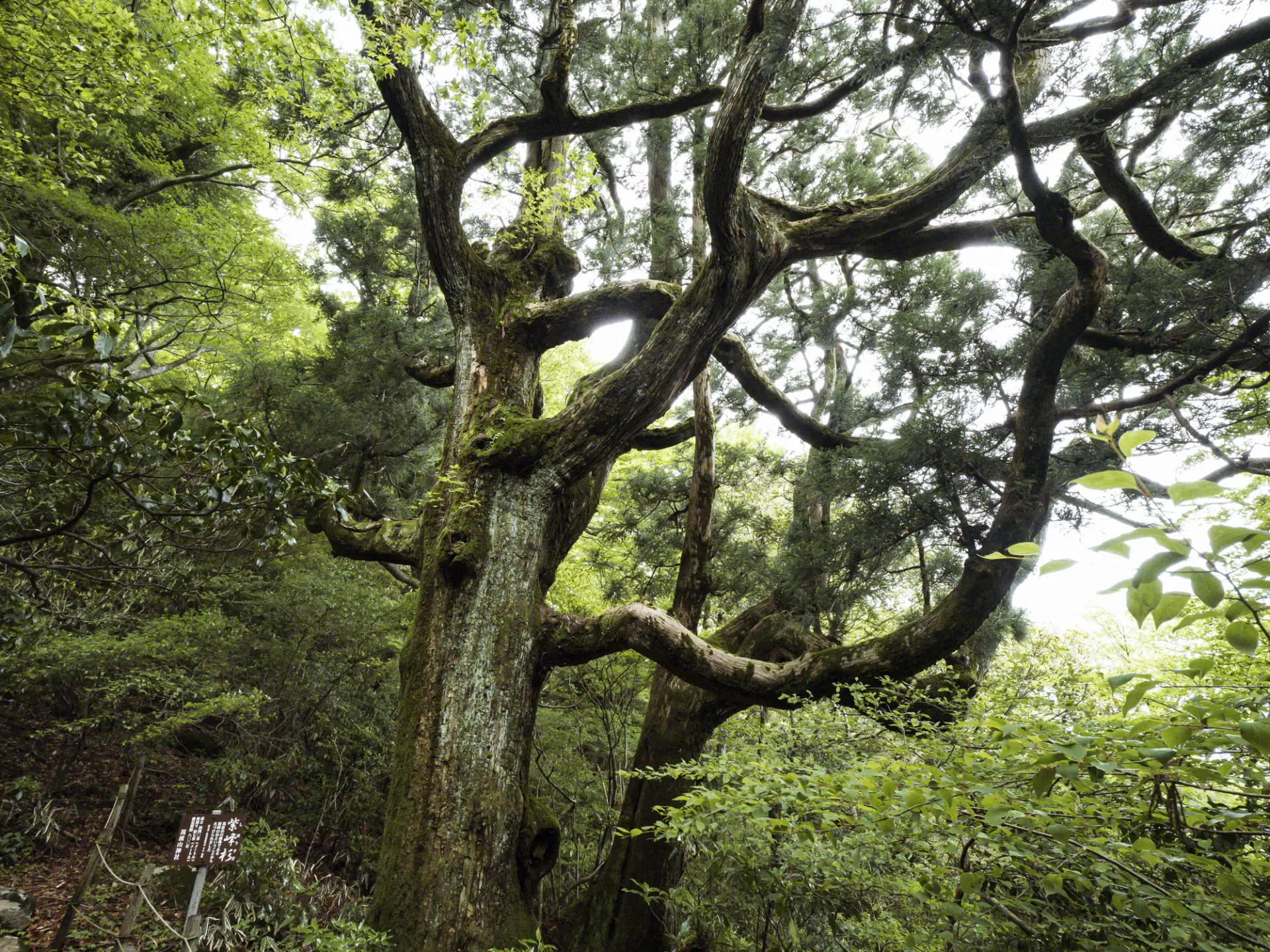
The Shiho Cedar is a giant cedar tree that towers near Miyukigahara, beside the headwaters of the Minanogawa River.
Standing about 40 m tall with a trunk circumference of approximately 7 m, the tree is estimated to be around 800 years old and is known as one of Mount Tsukuba’s most notable spiritual power spots.
Surrounded by a quiet forest, the ancient cedar has stood here for some 800 years, giving visitors a powerful sense of the long history it has witnessed.
Its majestic appearance has an almost sacred presence, while its thick, moss-covered trunk and branches spreading in all directions convey an extraordinary sense of vitality.
Seen up close, the sheer size of the tree is awe-inspiring, yet its peaceful natural surroundings also create a sense of calm, making it a popular stop for hikers exploring Mount Tsukuba.
5. Gama Rock
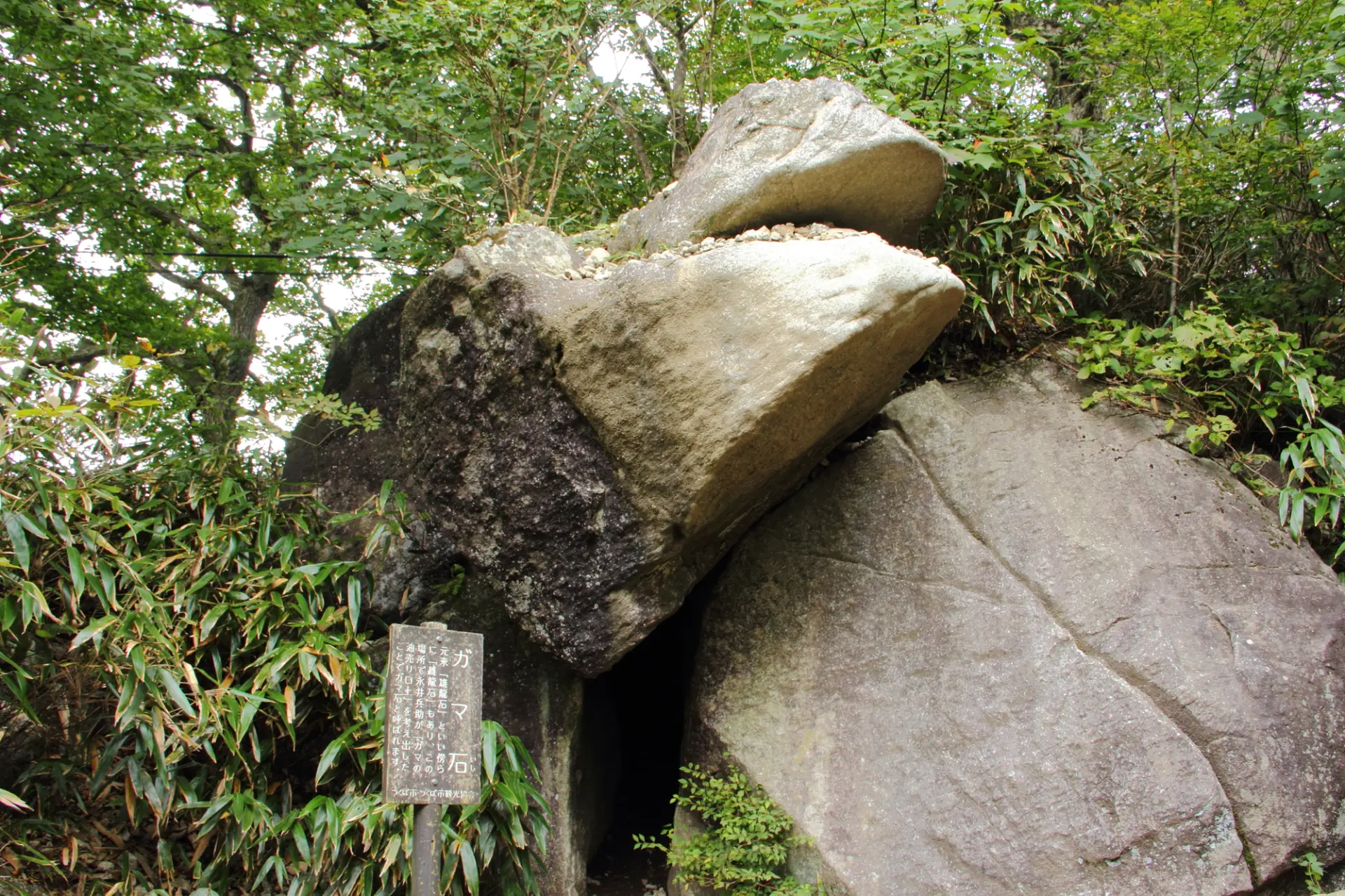
Gama Rock is an unusual gabbro rock formation located near Tsukubasancho Station on the cable car, along the hiking trail leading to the summit of Nyotai-san.
It takes its name from its distinctive shape, which resembles a toad with its mouth open.
During the Edo period (1603-1868), the rock was also known as Odatsuishi. According to legend, Nagai Hyosuke devised the famous “Gama no Abura” sales pitch, a traditional specialty of Mount Tsukuba, at this spot.
In connection with this legend, tossing a small stone into the toad’s mouth is said to bring good fortune with money, and many visitors try their luck.
Gama Stone is also one of the geological symbols of the Tsukuba Geopark and is a popular photo spot.
Don’t Miss Mount Tsukuba’s Night Views, Recognized as a Night View Heritage of Japan
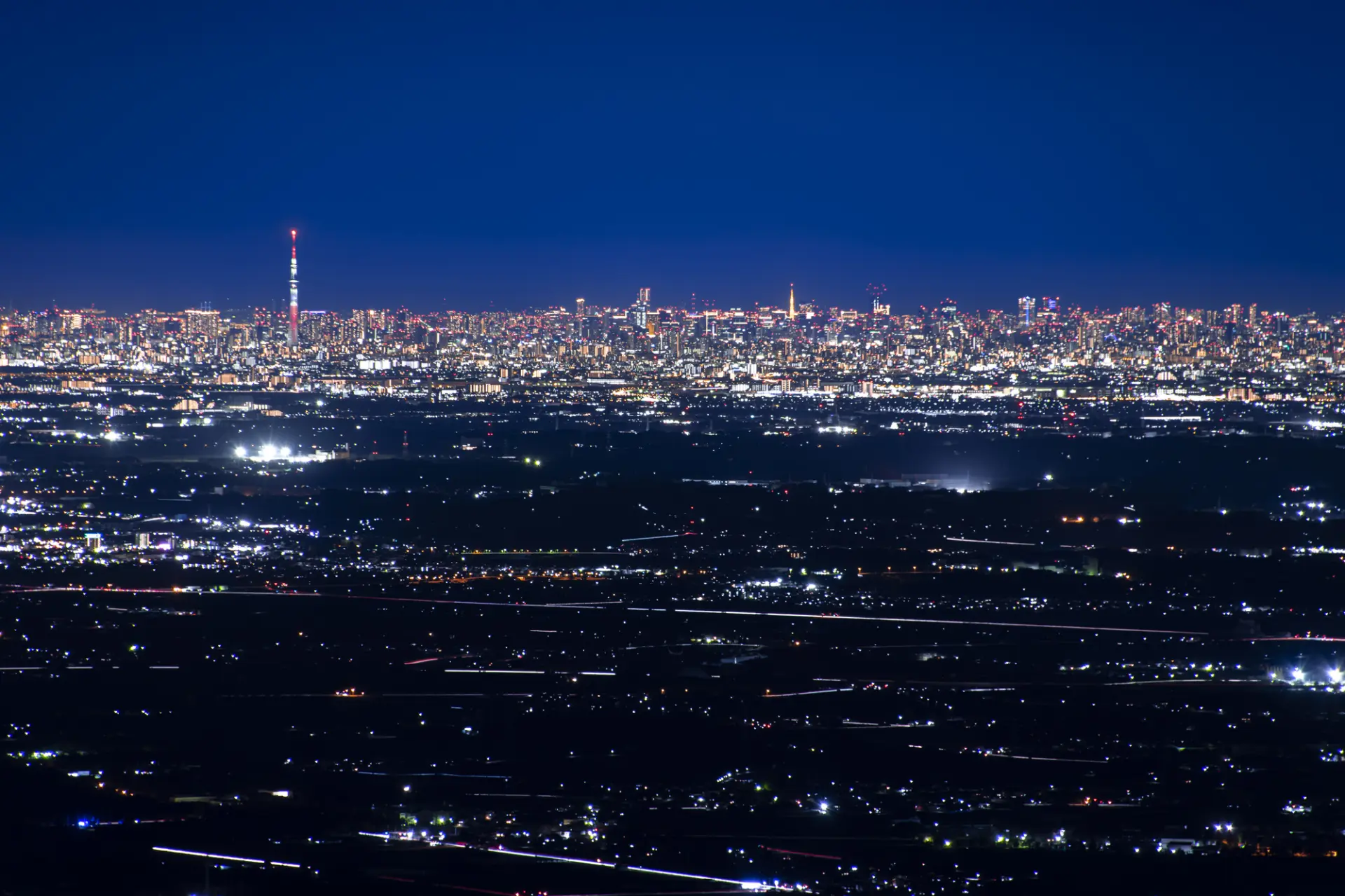
Mount Tsukuba also offers spectacular panoramic night views on an impressive scale.
From the 877-meter summit, visitors can look out over Tsukuba and Tsuchiura cities, as well as the skyline of central Tokyo and the silhouette of Mount Fuji at sunset.
With few obstructions, the city lights stretch far into the distance, creating a striking contrast with the natural scenery at the foot of the mountain and the clear night sky.
The enchanting beauty of the scenery has earned it recognition as a Night View Heritage of Japan, making Mount Tsukuba an ideal destination for a romantic evening or night photography.
In addition to the summit, there are numerous places around Mount Tsukuba to enjoy the night views, including Koma Observatory, the observation pavilion at Mount Tsukuba Plum Grove, and the area around the entrance to Tsukubasan Shrine. Each offers a different perspective and distance from which to enjoy the illuminated landscape below.
From autumn through winter, the ropeway and cable car also offer special nighttime services, giving visitors the chance to experience Mount Tsukuba after dark from above.
3 Recommended Places to Eat on Mount Tsukuba
Below, we introduce some recommended places to stop for a meal while hiking Mount Tsukuba.
Each is set in a scenic location, allowing you to enjoy your meal while taking in beautiful views of the surrounding landscape.
Many of the dishes feature locally sourced ingredients, making these restaurants great places to sample the flavors of the region.
1. Tsutsujigaoka Rest House
Located next to Tsutsujigaoka Station on the Mount Tsukuba Ropeway, Tsutsujigaoka Rest House combines a spacious restaurant with a well-stocked souvenir shop.
The restaurant offers sweeping views over the Kanto Plain and serves a wide variety of dishes, including set meals, noodles such as soba and ramen, and seasonal specialties.
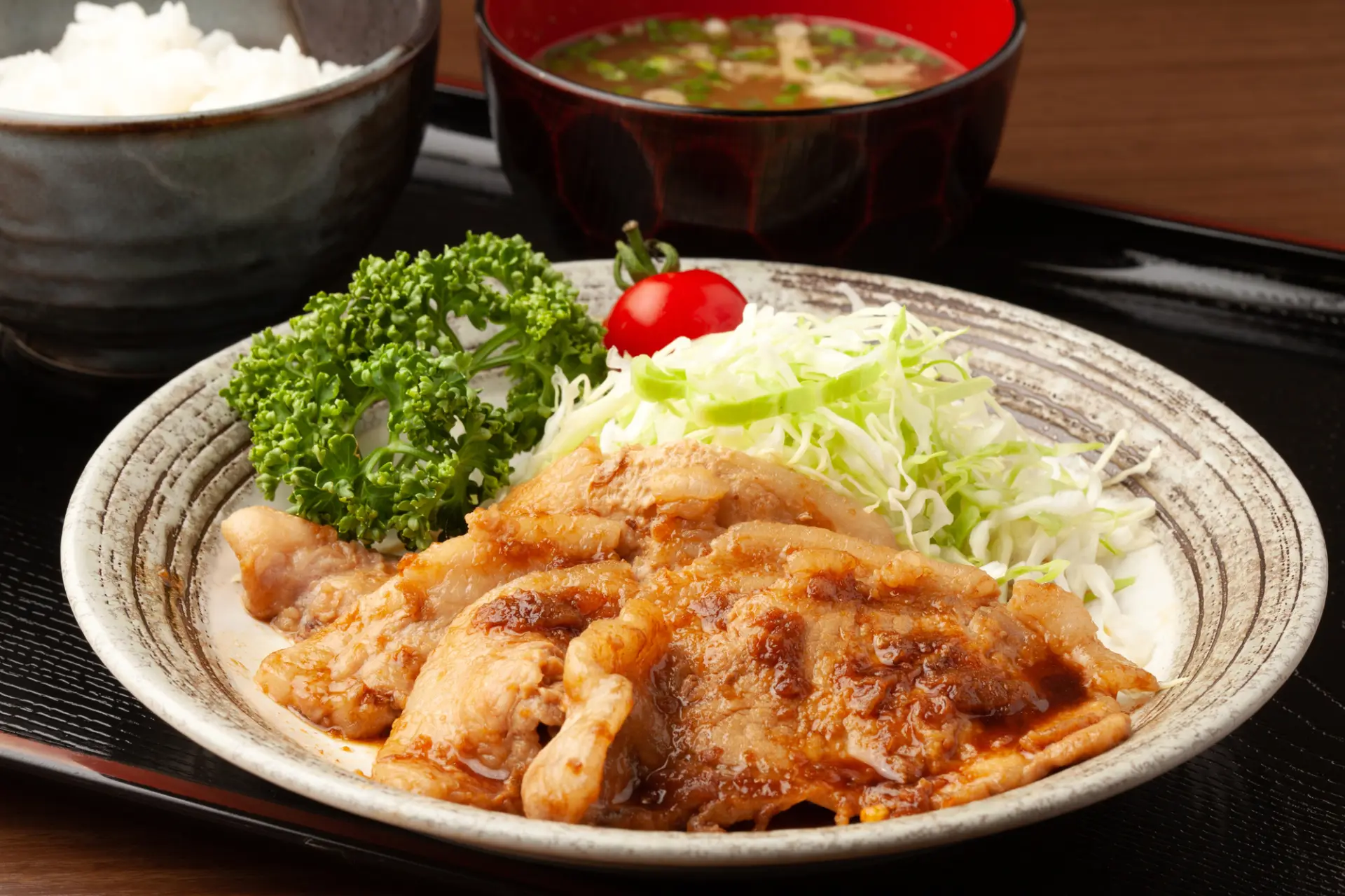
Among the most popular choices are the Tsukuba Chicken Sanzoku-yaki Set Meal and the Tsukuba Bihiton Ginger Pork Set Meal, both featuring locally sourced ingredients.
The shop offers not only souvenirs but also snacks and sweets such as monaka wafers and rice-flour baumkuchen.
2. Tsukubasan Sugimotoya
Located along the approach to Tsukubasan Shrine, Tsukubasan Sugimotoya is a long-established traditional teahouse dating back to the late Edo period.
Inside, both table and tatami seating are available, with views of the surrounding trees through the windows creating a peaceful atmosphere. Visitors can also dine outside and enjoy the nostalgic charm of the traditional setting.
The extensive menu includes full meals, light bites, sweets, and drinks, making Sugimotoya a convenient place to stop for lunch or simply take a break.
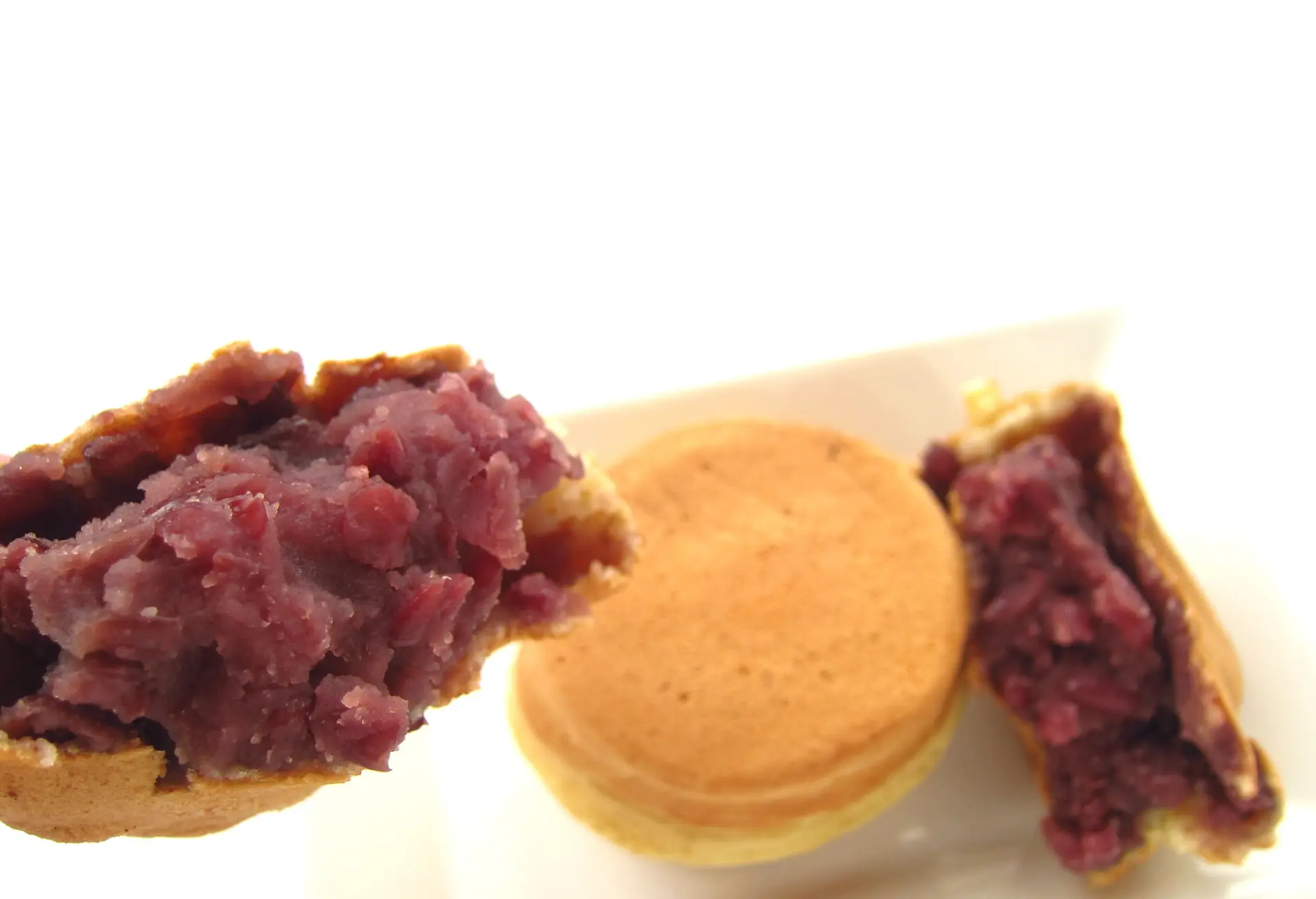
A particular highlight is the shop’s original Tsukubasanyaki, an obanyaki-style sweet shaped like Mount Tsukuba and made with rice flour from locally grown Oda rice.
It is available in two or three flavors, including smooth red bean paste and Fukure Mikan citrus, all of which are popular with visitors.
3. cafè cielo blu
cafè cielo blu is a cafe and restaurant located next to Nyotai-san Station on the Mount Tsukuba Ropeway.
Its greatest attraction is the spectacular view from inside, overlooking Lake Kasumigaura and the Kanto Plain. Surrounded by the mountain scenery, visitors can relax and enjoy a meal while taking in the views.
The varied menu includes hamburger steak plates, soy sauce ramen, arrabbiata pasta, and other dishes catering to a wide range of tastes.
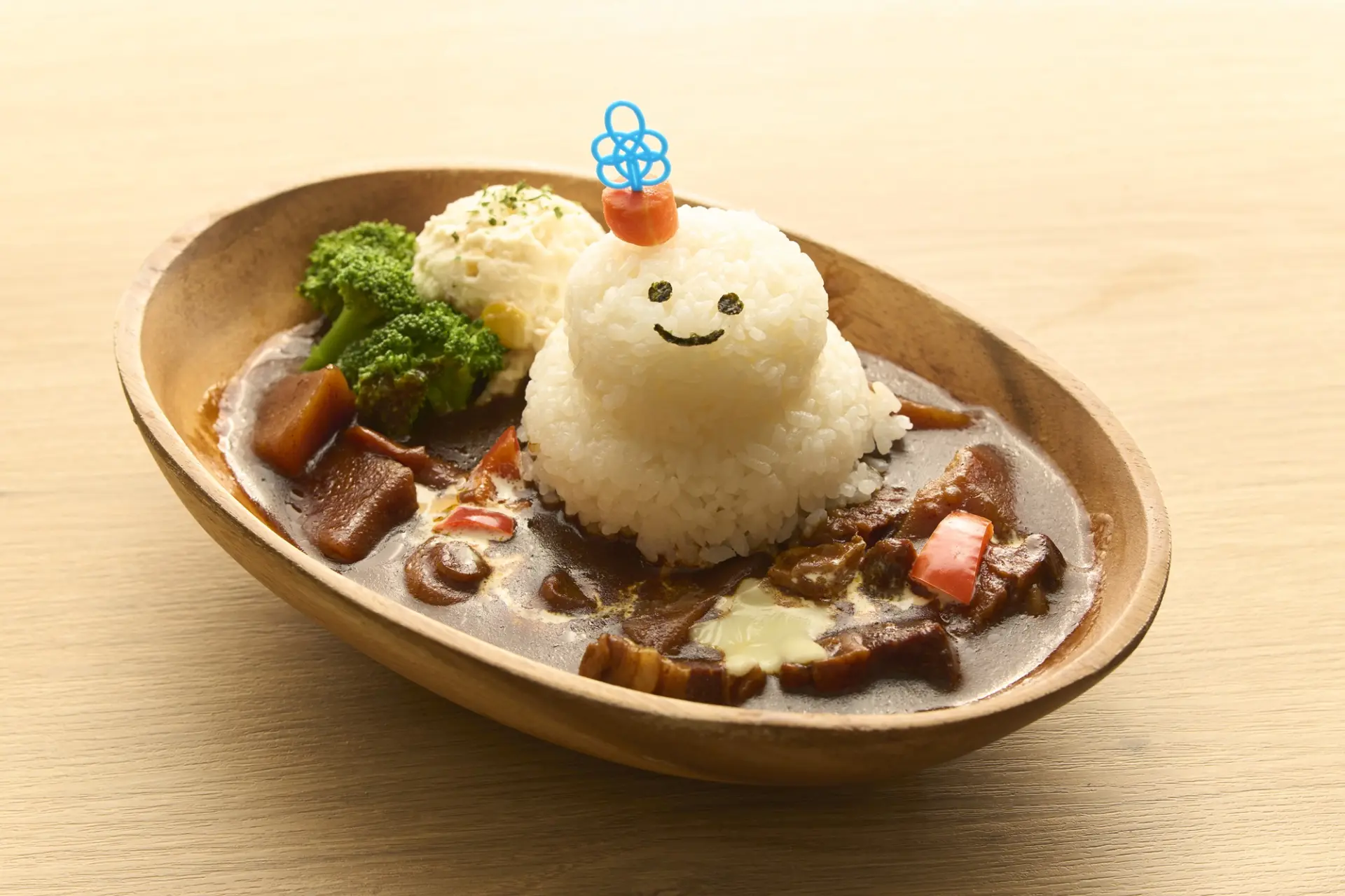
Among the highlights are seasonal sweets such as the Heart Zenzai Monaka, Koi no Yama Soft Serve, and Tsukuba Sanroku Melon Cider Float, with the selection changing depending on the season.
Unique and highly photogenic, these treats are a fun way to make your Mount Tsukuba hike even more memorable.
Recommended Places to Take a Break and Shop for Souvenirs on Mount Tsukuba
Below, we introduce some convenient shops to stop by while hiking Mount Tsukuba.
Each is located either inside or next to a cable car or ropeway station, making them easy to access along the way.
With a good selection of food and souvenirs, these shops are also ideal places to take a break during your hike.
Miyawaki Station Shop / Tsukubasancho Station Shop
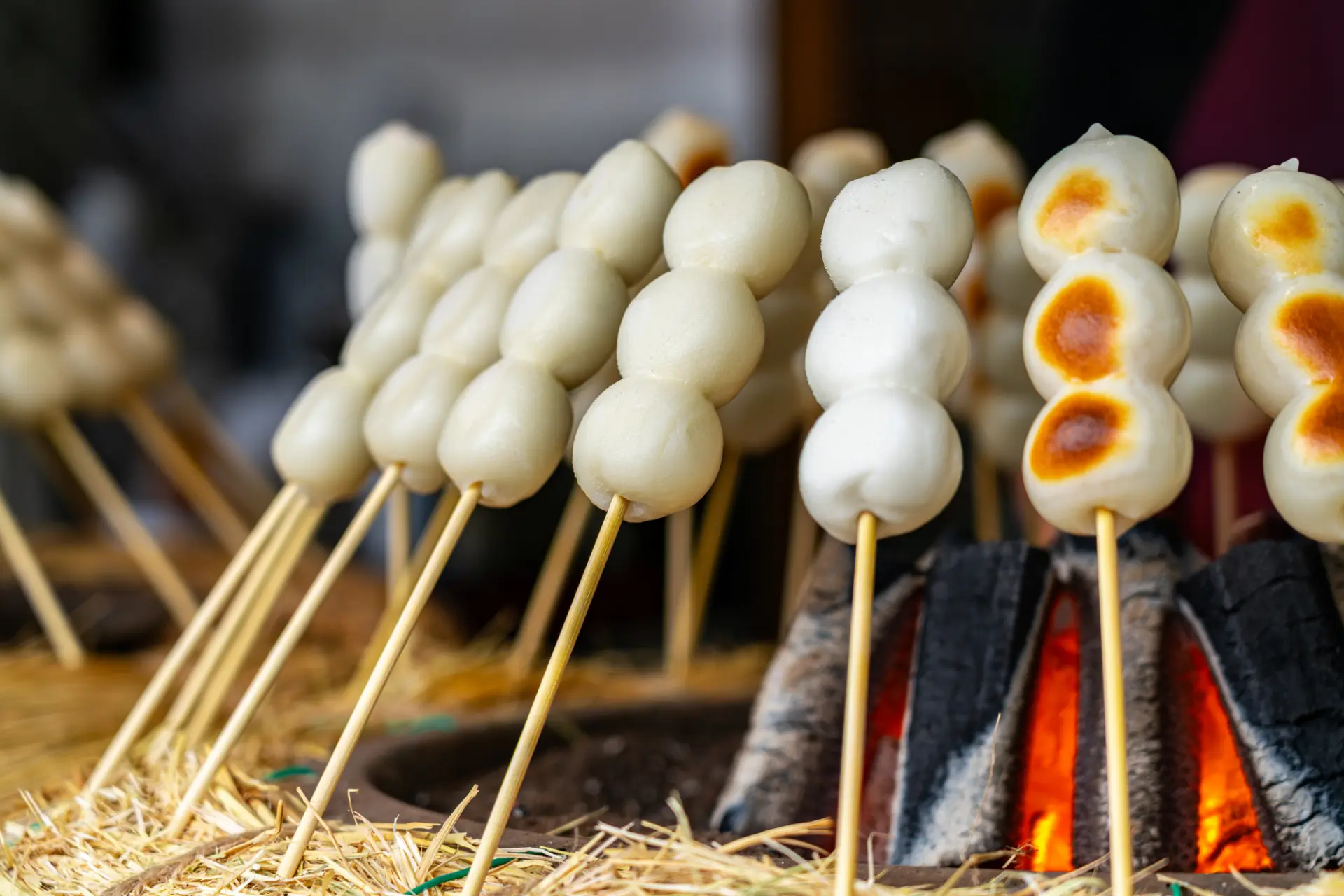
Located just outside Miyawaki Station on the Mount Tsukuba Cable Car, the Miyawaki Station Shop mainly sells drinks, soft serve ice cream, and grilled dango.
In autumn, visitors can enjoy colorful foliage around the shop, while a traditional-style souvenir shop nearby offers another convenient place to browse for gifts. Restrooms and a smoking area are also available, making this a popular place for hikers and cable car passengers to take a break.
Meanwhile, the Tsukubasancho Station Shop is located inside Tsukubasancho Station, close to the trailhead for Nantai-san.
The adjoining snack stand is a convenient place to refuel and rest after a hike. One of its most popular specialties is Kofuku Dango, freshly grilled dango coated in a sweet-and-savory walnut miso sauce.
Served piping hot, the dango tastes especially satisfying after completing a hike up Mount Tsukuba.
3 Classic Mount Tsukuba Souvenirs That Reflect Its History and Culture
Mount Tsukuba is home to a number of distinctive souvenirs, including products that have been enjoyed for generations. Here, we’ve selected three classic choices that are especially worth considering.
Made by long-established businesses with deep roots in the region, these carefully crafted products reflect Mount Tsukuba’s history, culture, and traditions.
With distinctive flavors and characteristics unique to Mount Tsukuba, they also make excellent gifts and memorable keepsakes from your visit.
1. Tsukuba Kanko Railway “Gama no Abura”
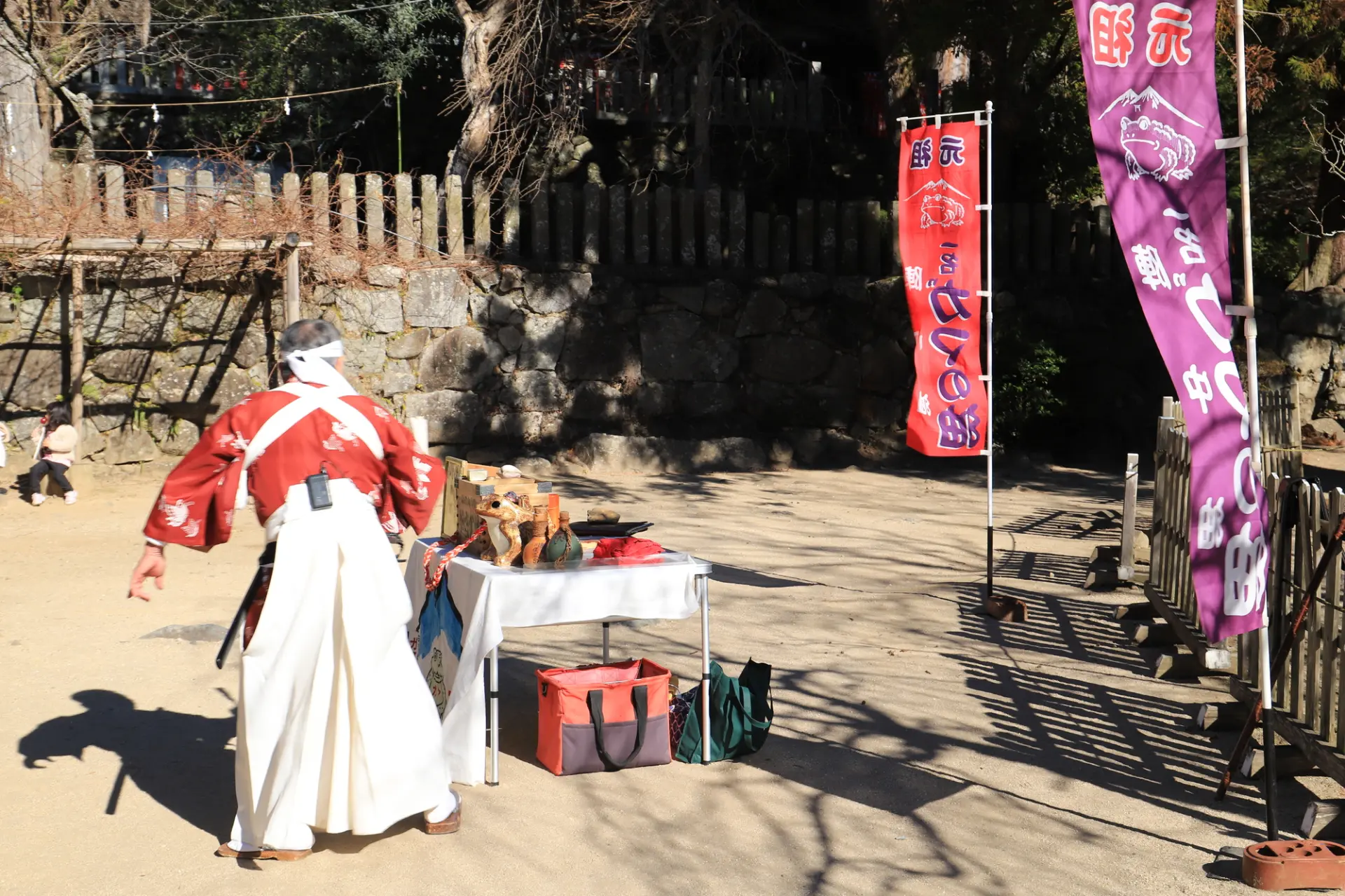
Gama no Abura is a traditional ointment that has been used to treat wounds since the Edo period (1603-1868).
It began to be sold on Mount Tsukuba in the late Edo period and became famous through the “Gama no Abura Uri Kojo,” a lively sales performance combining skillful storytelling with a demonstration in which the seller appeared to cut his arm with a sword before applying the ointment to stop the bleeding.
After gaining popularity on Mount Tsukuba, Gama no Abura sellers later began performing in places such as Asakusa in Edo, eventually becoming known throughout Japan.
The traditional “Mount Tsukuba Gama no Abura Uri Kojo” continues to be passed down as a local performing art and is recognized by Tsukuba City as a Regional Intangible Folk Cultural Property.
Performances are still held on various occasions, including during the Mount Tsukuba Plum Festival, so if you have the opportunity, be sure to see this unique piece of Mount Tsukuba culture for yourself.
2. Numataya Honten “Karinto Manju”
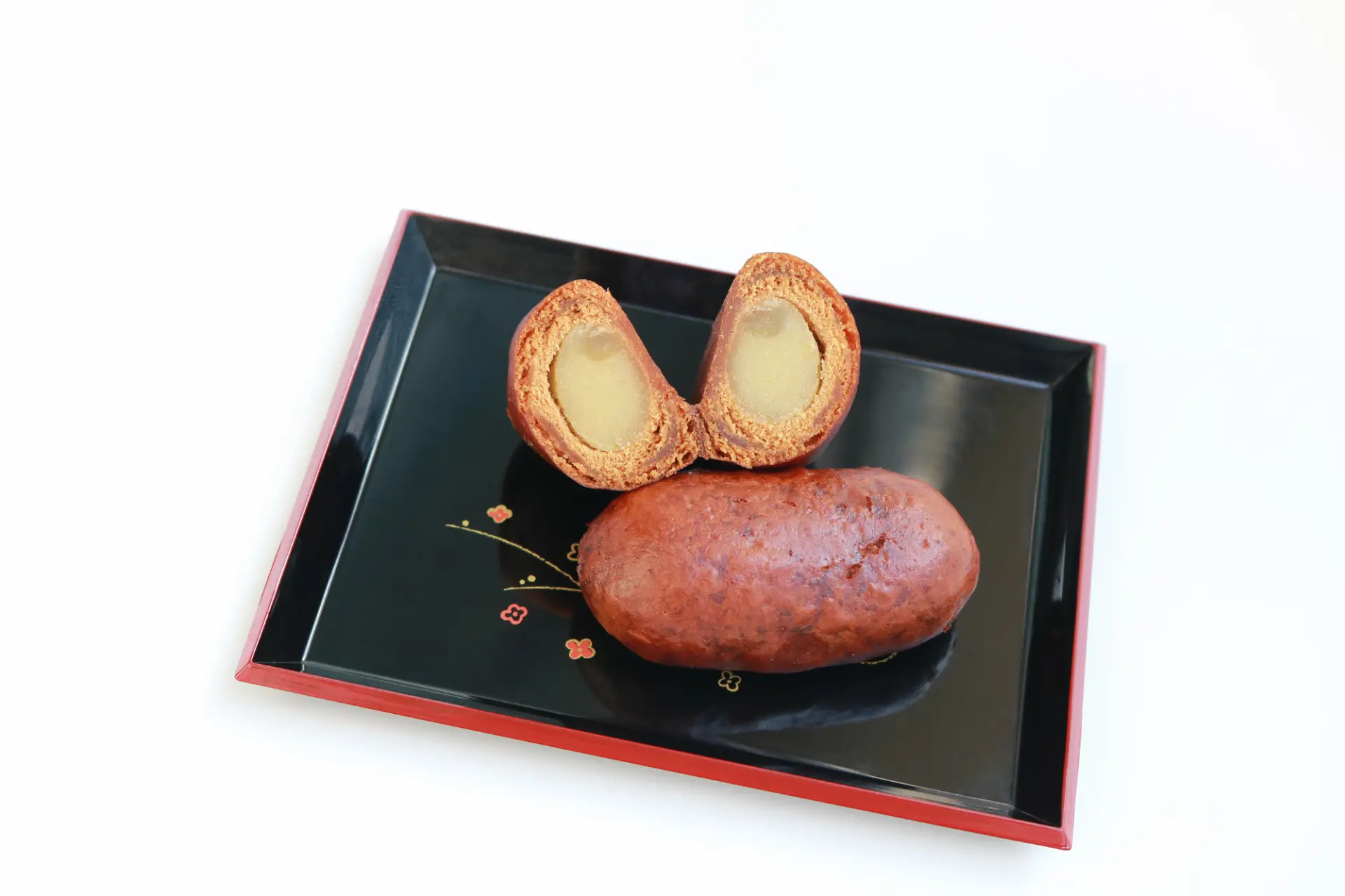
Karinto Manju is a signature souvenir from Numataya Honten, a long-established Japanese confectionery with a history of more than 100 years.
The shop’s most popular sweet, it has a distinctive rounded, elongated shape and a slightly thick, fried outer layer made with brown sugar.
The outside is crisp and fragrant with the rich aroma of brown sugar, while the inside is filled with smooth homemade koshi-an (strained red bean paste). Despite its rich flavor, the sweetness is pleasantly restrained, making it easy to enjoy without being overly heavy.
Its flavor is somewhat reminiscent of an an-donut, a Japanese-style doughnut filled with red bean paste, while its crisp outer layer gives it a distinctive texture of its own.
Karinto Manju is available only at the shop, located about a 35-minute walk from Tsukubasan Shrine or about a 30-minute drive from Tsukuba Station. It can be purchased individually or in boxed sets.
3. Shinbashitei “Miyoko’s Shichimi”
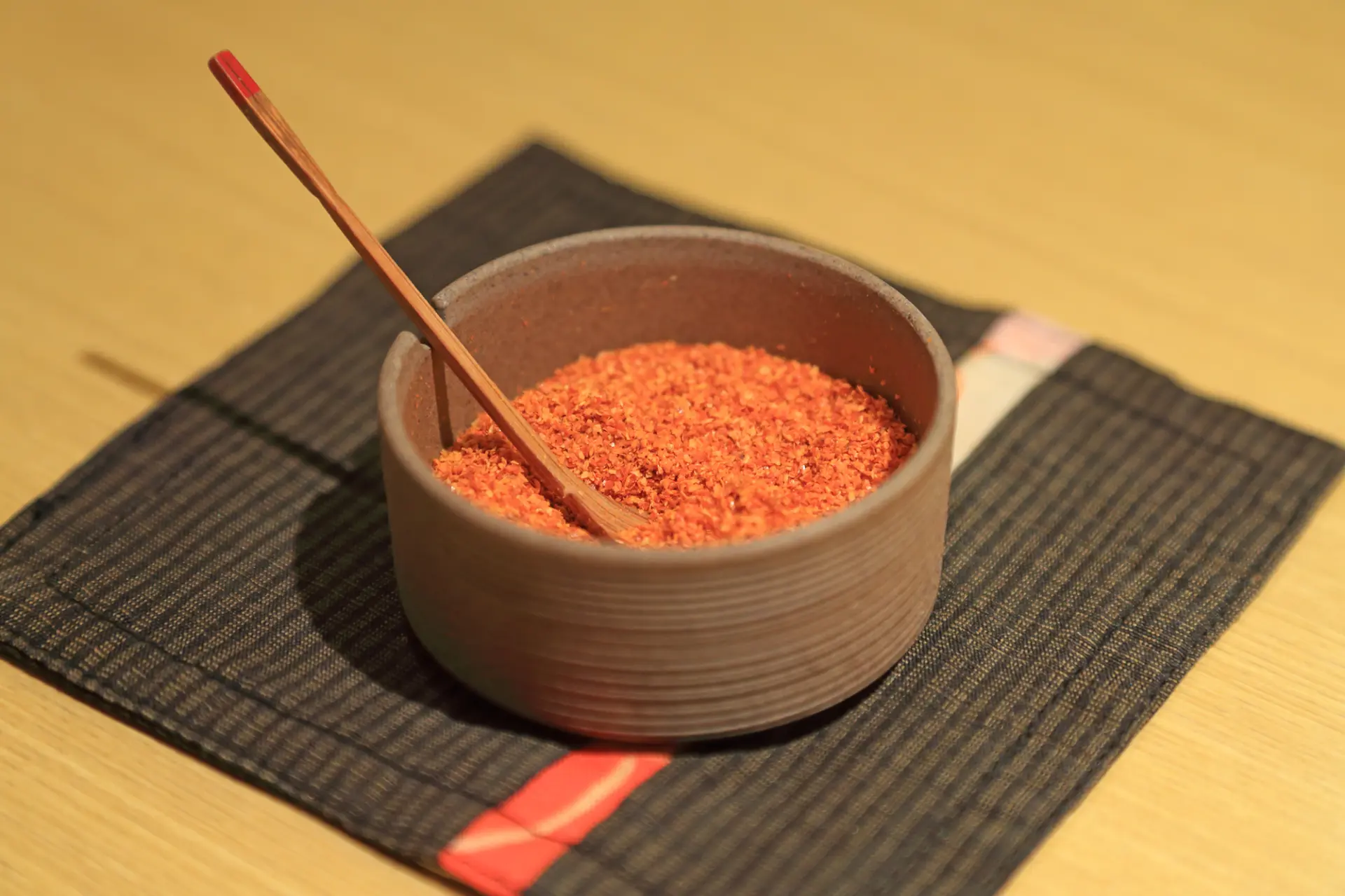
Miyoko’s Shichimi is an original seven-spice chili blend handmade by Miyoko Watanabe, owner of Shinbashitei, a long-established souvenir shop founded in 1894.
What sets it apart from ordinary shichimi is the use of dried peel from fukure mikan, a citrus fruit that is a specialty of the Mount Tsukuba area. The citrus peel adds a refreshing aroma that complements the chili’s heat, giving the blend its distinctive flavor.
Versatile enough to pair with everything from soba and pickles to fried eggs, just a sprinkle adds an extra layer of flavor to everyday meals.
It is available at Shinbashitei, located beside the sacred bridge near Tsukubasan Shrine. The warm and friendly service is another reason the shop is so popular with visitors.
3 Places to Stay with Spectacular Views of Mount Tsukuba
Here are three recommended places to stay that make convenient bases for exploring Mount Tsukuba.
All are located on the mountain’s lower slopes or near its foot, offering the chance to relax in hot springs while taking in spectacular views over the Kanto Plain.
With convenient access to both Mount Tsukuba’s hiking trails and nearby attractions, these accommodations are ideal for making the most of your time in the area. Choose the one that best suits your travel style and enjoy a relaxing stay surrounded by the mountain scenery.
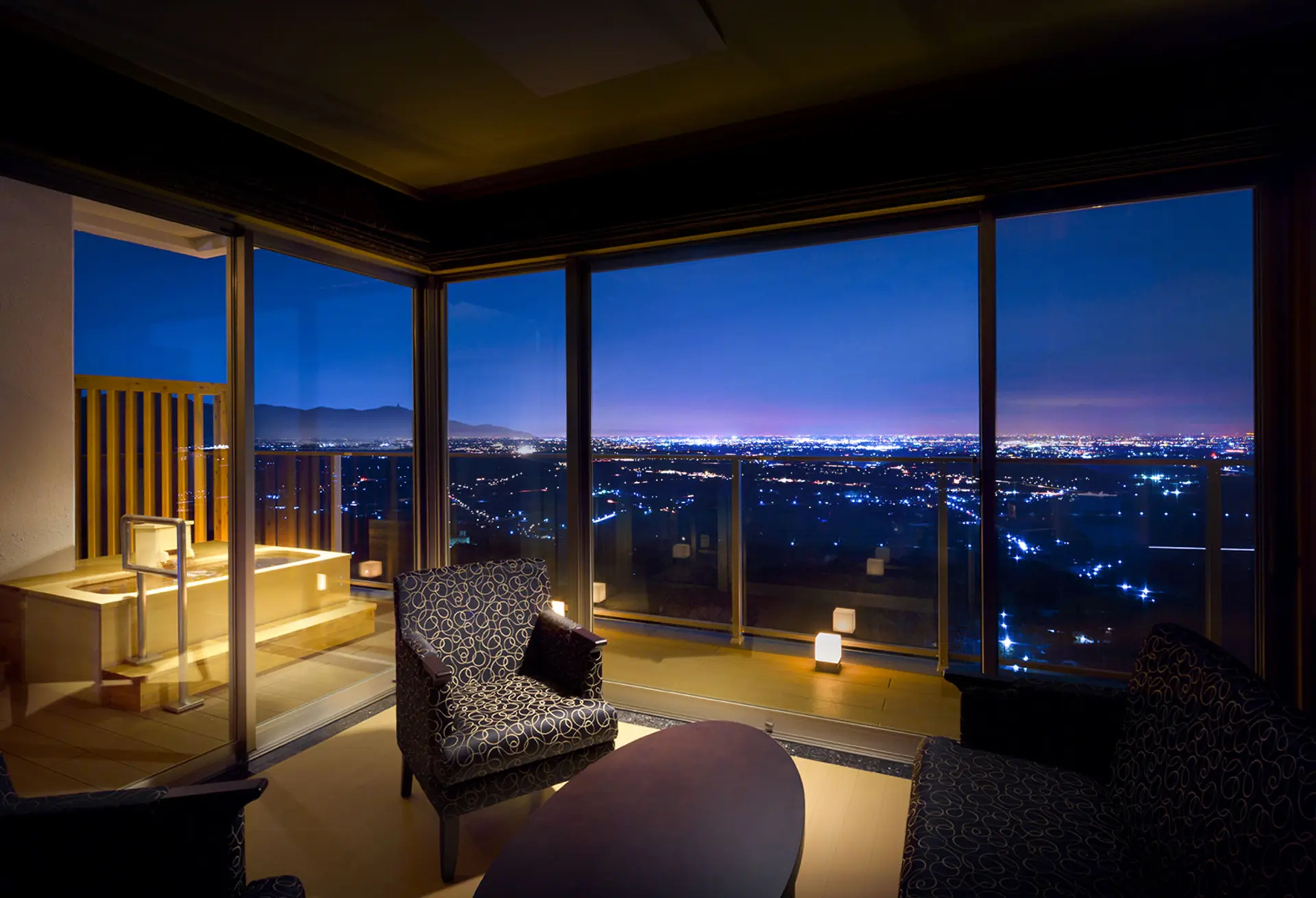
1. Tsukubasan Hotel Aokiya
This hot spring ryokan is located on the slopes of Mount Tsukuba, which rises to an elevation of 877 m. With a cable car station nearby, guests can also easily access Koma Observatory and enjoy its panoramic views.
Thanks to its elevated location, the ryokan offers spectacular views. Step into the lobby lounge, and sweeping vistas of the Kanto Plain unfold before you.
The rooftop open-air bath offers an even more impressive 180-degree panorama, overlooking the rural landscapes of the Kanto Plain during the day and a sky filled with stars at night. Guests can also enjoy the glittering night views of Tsukuba Science City from the indoor public bath.
2. Tsukubasan Keisei Hotel
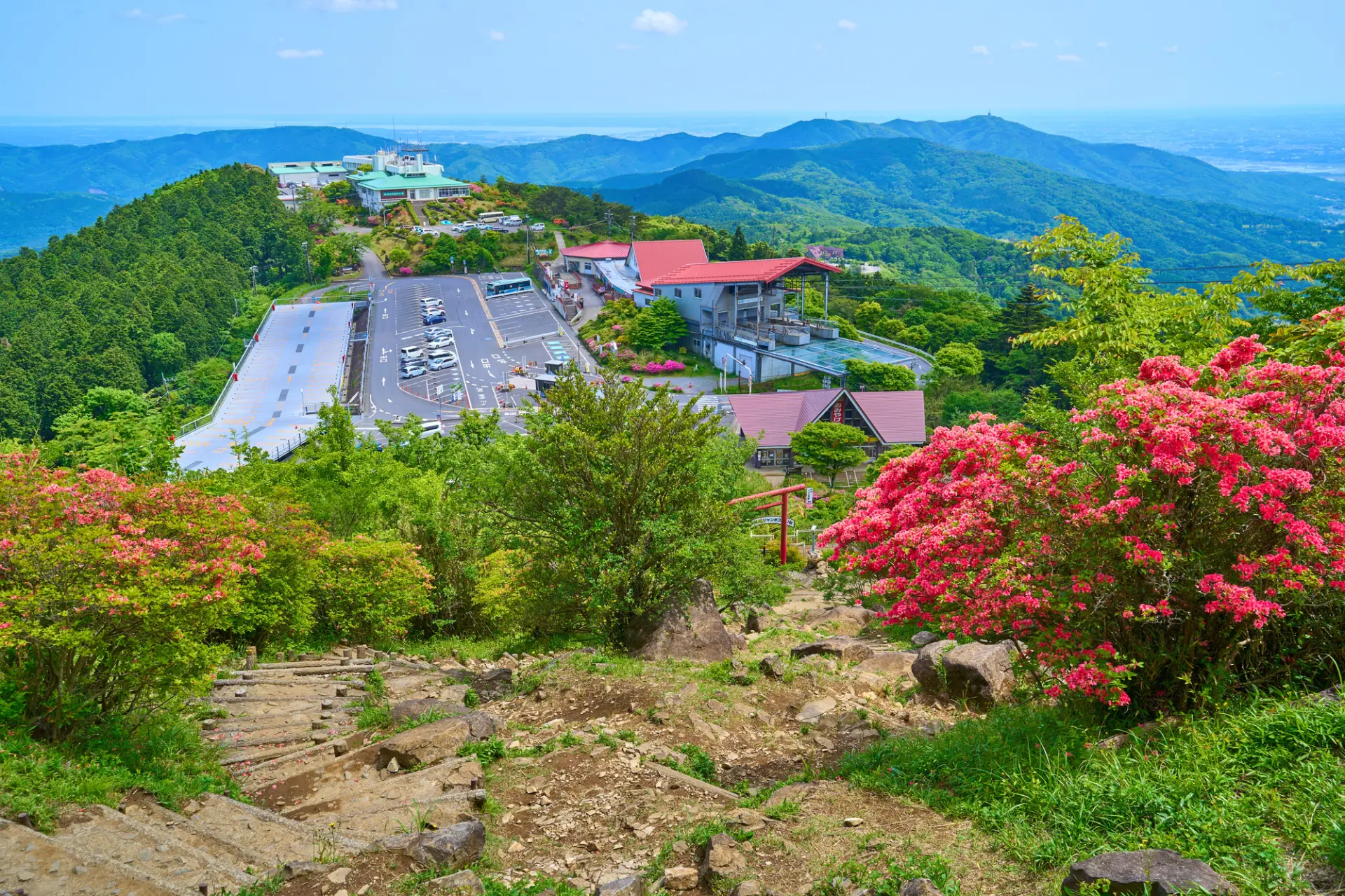
Located on the slopes of Mount Tsukuba at an elevation of about 550 m, this scenic hotel stands just steps from Tsutsujigaoka Station on the Mount Tsukuba Ropeway.
As the closest accommodation to the summit of Mount Tsukuba, the hotel boasts an exceptional location, with every guest room offering views over the Kanto Plain.
On clear days, guests can enjoy sweeping panoramic views extending as far as the skyline of central Tokyo, the Boso Peninsula, and even Mount Fuji. After dark, the scenery transforms into a glittering display of city lights beneath a star-filled sky.
Another highlight is Tenku no Yu, a bath filled with the naturally alkaline waters of Tsukubasan Onsen. The smooth, gentle water is known for leaving the skin feeling soft and is also traditionally associated with relief from muscle aches and neuralgia.
3. Hotel Ichibo
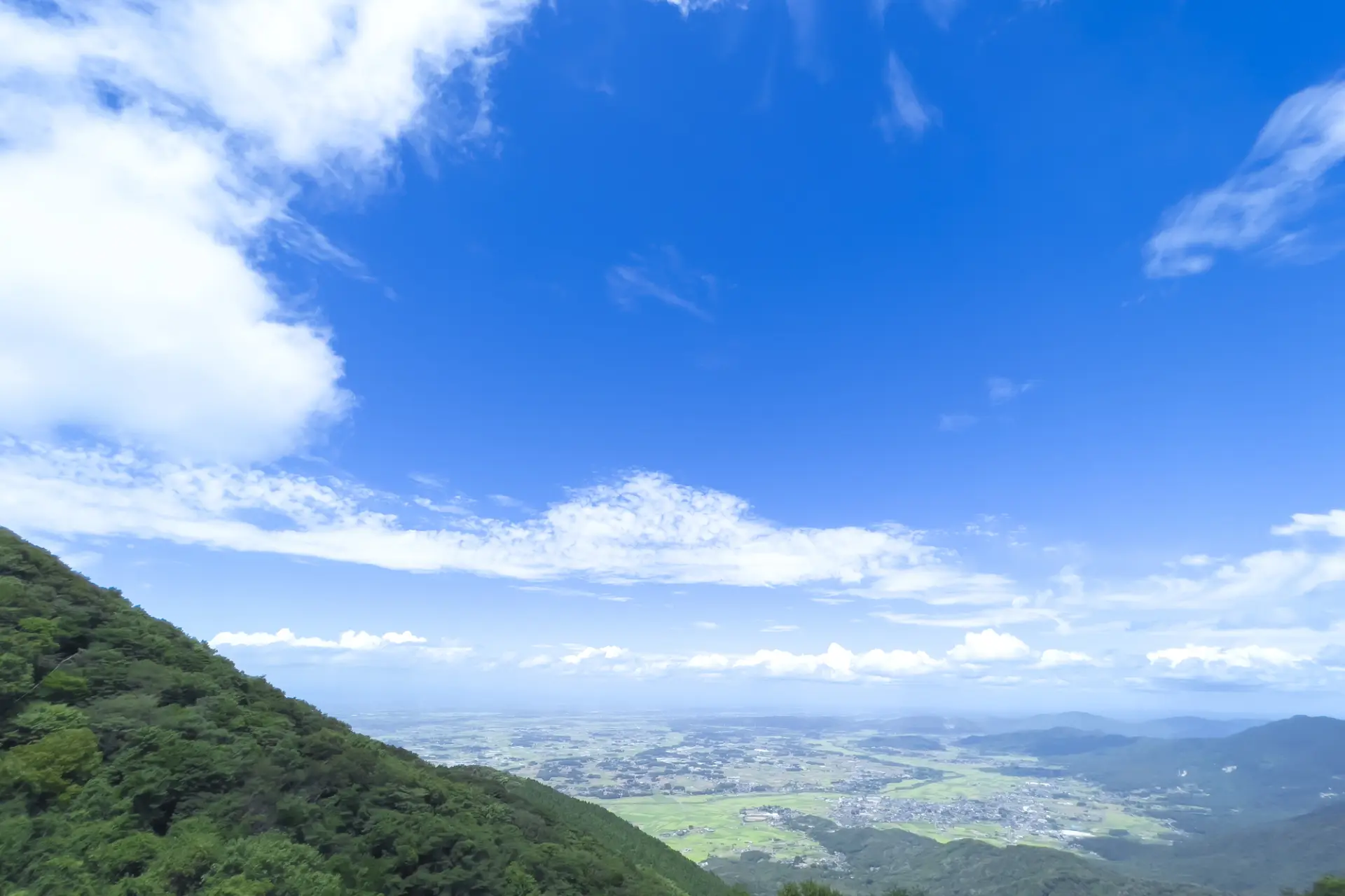
Located about a 15-minute walk from Miyawaki Station on the Mount Tsukuba Cable Car and the entrance to Tsukubasan Shrine, Hotel Ichibo is surrounded by beautiful natural scenery that changes with the seasons.
As its name suggests, one of the hotel’s greatest attractions is the spectacular views of the Kanto Plain and Mount Tsukuba through the large windows in its guest rooms.
Guests can also enjoy complimentary access to the adjacent Tsukuba no Yu day-use hot spring facility.
Tsukuba no Yu features an open-air bath, a löyly sauna, and a cold-water bath, as well as a manga corner and karaoke room, offering plenty of ways to unwind and soothe tired muscles after a day of hiking.
3 Things to Know Before Visiting Mount Tsukuba
Here are three important things to know to help you enjoy Mount Tsukuba safely.
Keeping these points in mind will help you choose the right hiking trail, plan your visit, and get a better overall understanding of Mount Tsukuba before you go.
Decide Which Summit to Aim for: Nantai-san or Nyotai-san
When hiking Mount Tsukuba, one of the first things to decide is whether to head for the summit of Nantai-san or Nyotai-san.
As mentioned earlier, the Summit Link Trail makes it relatively easy to travel between the two summits, so it is also possible to visit both in a single hike.
The table below summarizes the main advantages and disadvantages of each to help you decide which summit best suits your plans.
| Item | Nantai-san (West Peak, 871 m) | Nyotai-san (East Peak, 877 m) |
|---|---|---|
| Advantages |
• Rewarding to hike, with a strong sense of accomplishment • You can enjoy a historic atmosphere |
• Easy access by ropeway makes it suitable even for those less confident in their fitness • You can enjoy giant rocks and historic sites |
| Disadvantages |
• Many rocky sections, steep slopes, and roots, and it becomes slippery in rainy weather • The narrow sections can become congested when crowded |
• The summit is narrow and tends to get crowded • Route options are more limited when the ropeway is not operating |
| Applicable Courses |
• Miyukigahara Trail • Nature Study Trail • Summit Link Trail |
• Mukaeba Trail • Shirakumobashi Trail • Otatsuishi Trail • Summit Link Trail |
Know Where Mount Tsukuba’s Main Attractions Are Located
Mount Tsukuba’s main attractions are concentrated in three key areas.
Keeping the information covered so far in mind will make it easier to understand how these areas relate to one another and give you a clearer picture of Mount Tsukuba as a whole.
Miyukigahara, Between Nantai-san and Nyotai-san
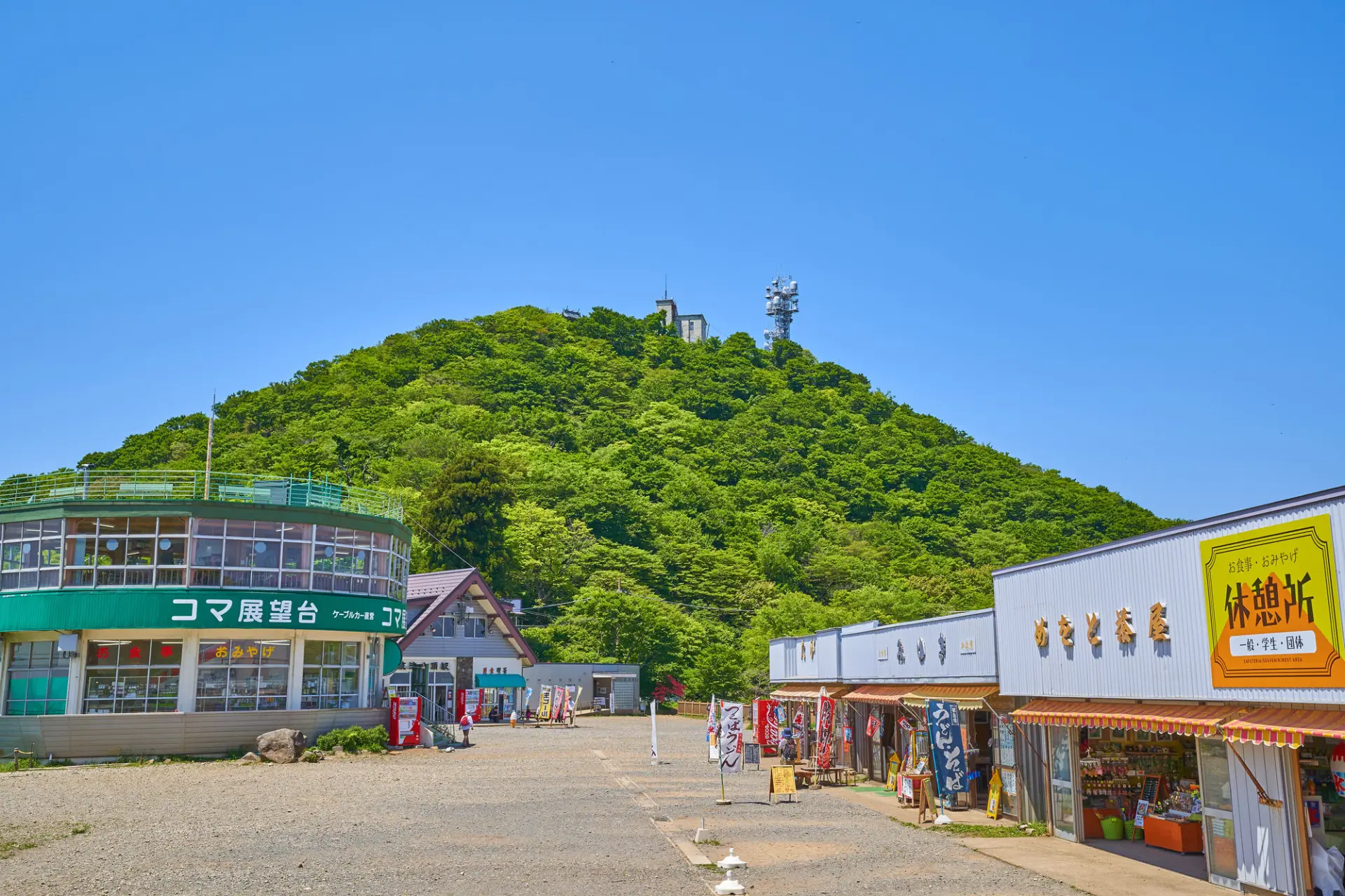
Miyukigahara is an open area near the summit of Mount Tsukuba, located at an elevation of about 800 m between Nantai-san and Nyotai-san.
With Tsukubasancho Station on the Mount Tsukuba Cable Car nearby, it serves as one of the main sightseeing hubs on the mountain. It is also conveniently located along the Miyukigahara Trail and between the two peaks on the Summit Link Trail.
In addition to Koma Observatory mentioned earlier, the area is home to several popular places to eat and drink, including the coffee stand 877Stand and the restaurants Meoto Chaya and Kountei.
Whether you want to take a break, stop for lunch, or shop for souvenirs, Miyukigahara is a convenient place to spend some time while enjoying the scenery and atmosphere near the summit of Mount Tsukuba.
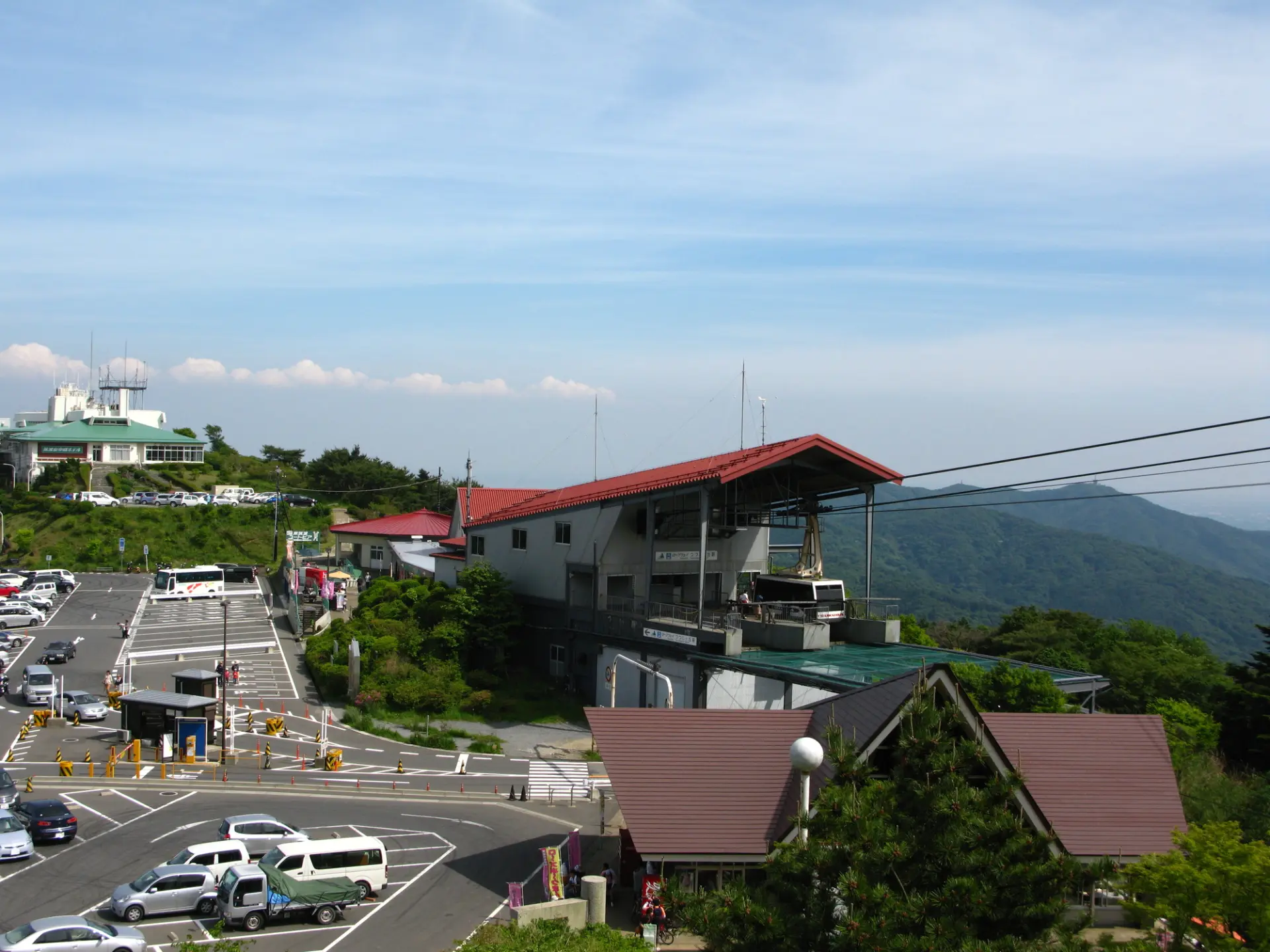
Tsutsujigaoka, a Gateway to Exploring Mount Tsukuba
Tsutsujigaoka is an open, plateau-like area located at an elevation of 542 m on the eastern slopes of Mount Tsukuba.
Home to Tsutsujigaoka Station on the Mount Tsukuba Ropeway and a large parking area, it is also the final stop of the Mount Tsukuba Shuttle Bus, making it a popular starting point for hiking and sightseeing.
Shops and restaurants, including Tsutsujigaoka Rest House and Tsutsujigaoka Garden House mentioned earlier, are located nearby, providing convenient places to stop for a meal or take a break while enjoying the surrounding scenery.
From late April to mid-May, clusters of azaleas cover the slopes in shades of red and pink, making the area particularly beautiful for a leisurely walk.
Tsukubasan Shrine and Monzen Street, the Spiritual Heart of Mount Tsukuba
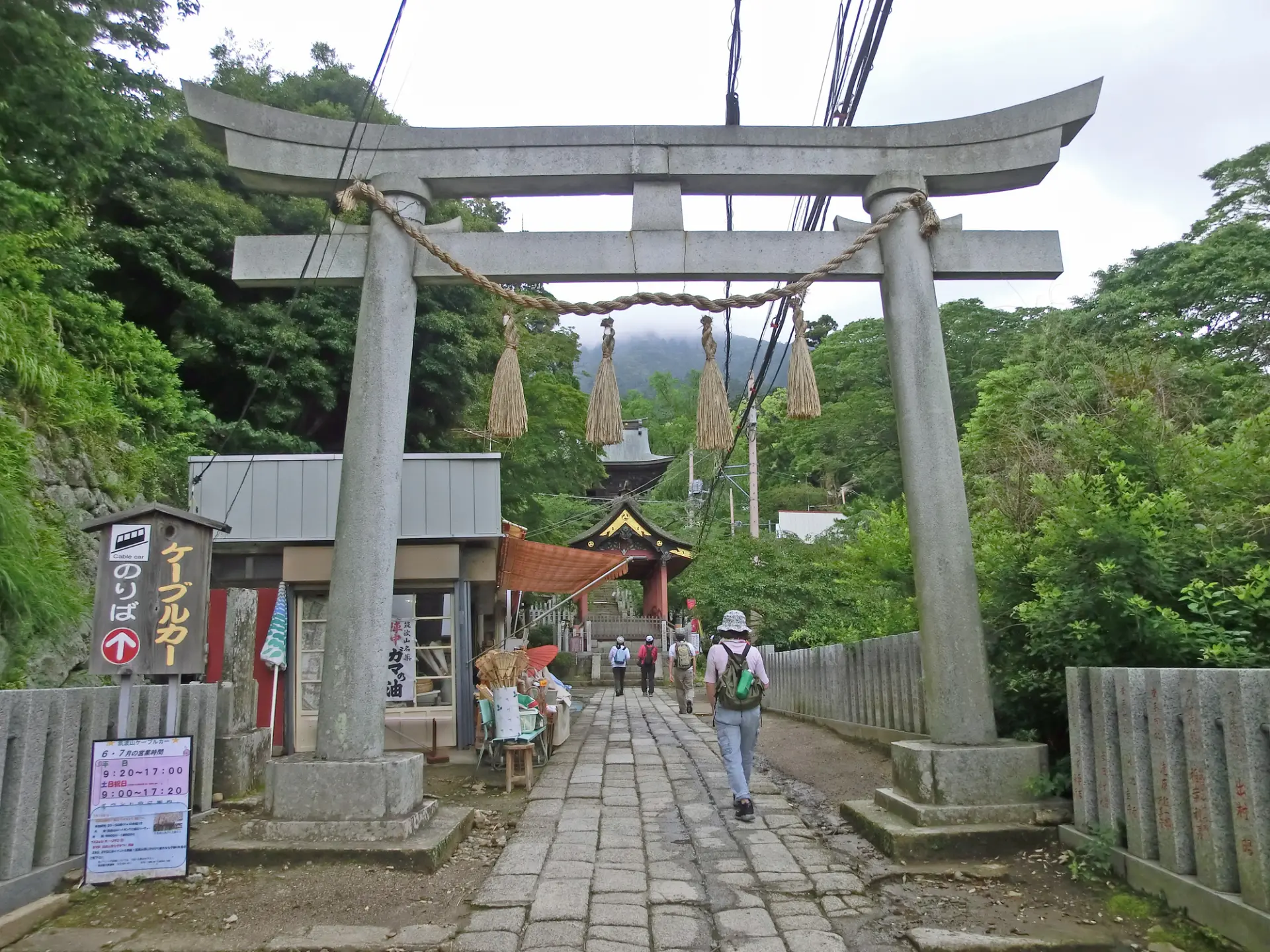
The area around Tsukubasan Shrine and Monzen Street extends along the approach to the shrine, near its worship hall.
The historic shrine town has developed over centuries, with roots dating back to the Edo period. Stone steps, the sacred bridge, and historic buildings blending Japanese and Western architectural styles still remain today, creating a warm and nostalgic atmosphere.
The area also provides access to Miyawaki Station on the Mount Tsukuba Cable Car. Monzen Street is lined with souvenir shops, restaurants, and traditional inns, including Sugimotoya, Hotel Ichibo, and Shinbashitei mentioned earlier, and is often bustling with worshippers and hikers.
Visitors can also find shops selling Mount Tsukuba’s famous Gama no Abura and restaurants serving local specialties, making the area a popular place to stroll while experiencing the mountain’s history and traditions.
Follow Hiking Etiquette and Rules on Mount Tsukuba
The following are some basic hiking rules and etiquette to keep in mind on Mount Tsukuba and other mountains in Japan.
Respect for the natural environment and consideration for other hikers are essential, so avoid behavior that could cause damage, inconvenience, or danger.
Following these guidelines will help ensure a safe and enjoyable experience for everyone.
- Stay on Designated Trails
- Stay on designated hiking trails and do not enter areas with vegetation or protected zones
- Greet Other Hikers
- Exchange a friendly greeting with hikers you pass on the trail
- Take Your Trash with You
- Always take your trash home to help protect the natural environment
- Be Considerate of Other Hikers
- As a general rule, hikers going uphill have the right of way. Be courteous to others, and let them know before passing
- Protect Plants and Wildlife
- Do not collect insects, plants, rocks, or minerals, as doing so can damage the natural environment
- Use Fire Only in Designated Areas
-
Do not use open flames except in designated areas. Smoking is also prohibited
*On Mount Tsukuba, portable burners may only be used in the designated “Tsukuba Burner Area” at Miyukigahara. - Hike Safely
- Know your limits, take breaks as needed, and turn back if you feel unwell or if weather conditions worsen
- Submit a Hiking Plan
- Submit a hiking plan through the official website so that the necessary information is available in case of an emergency.
3 Popular Attractions to Visit Near Mount Tsukuba
The area around Mount Tsukuba is also home to several attractions that showcase Tsukuba’s identity as a leading center for science and research.
These popular facilities feature a wide range of hands-on activities, interactive programs, and engaging exhibits that can be enjoyed by visitors of all ages, from children to adults.
Combining fun with educational experiences, they are well worth adding to your itinerary after exploring Mount Tsukuba.
1. Tsukuba Wanwan Land
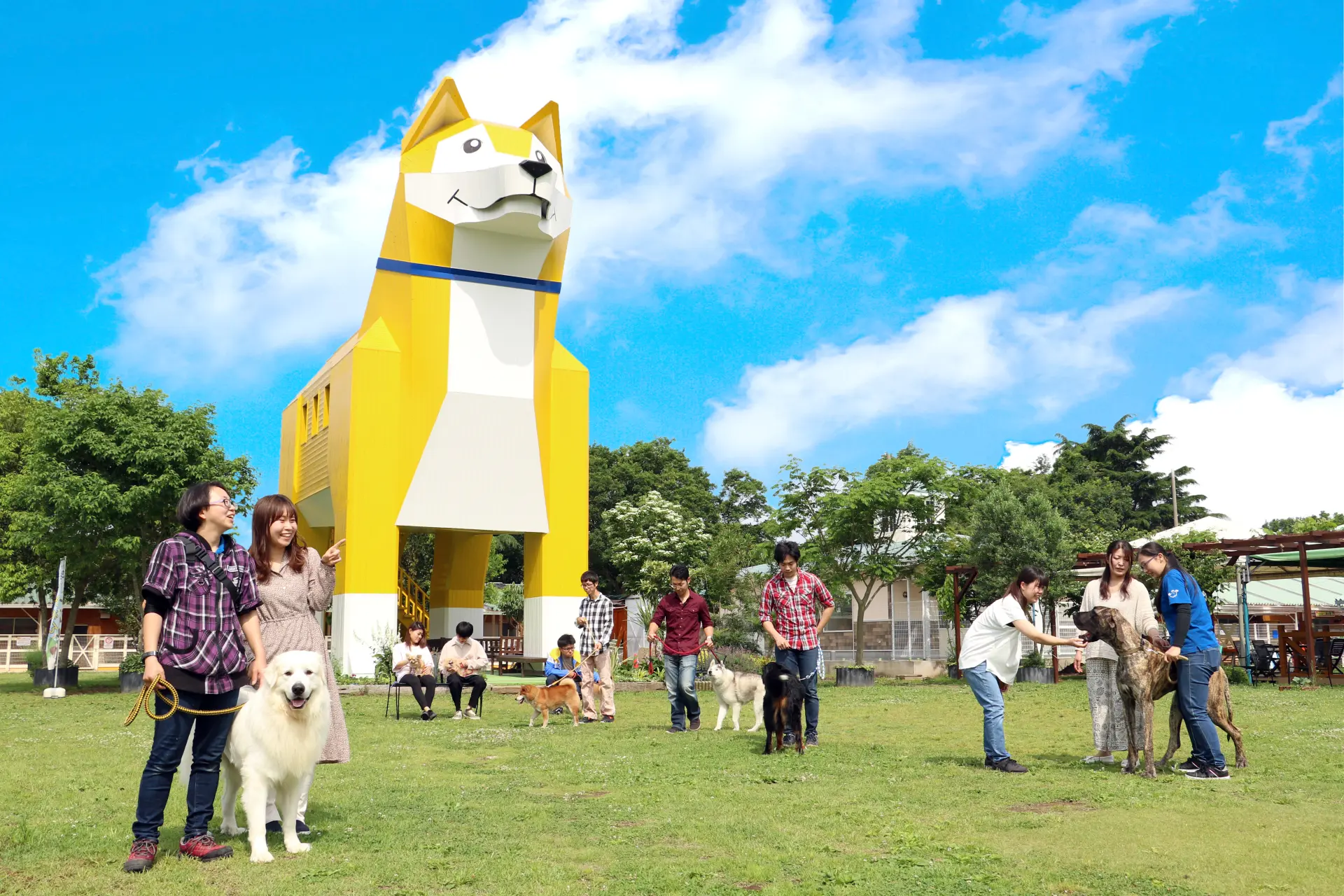
This theme park is packed with dog-themed attractions, with Mokkun, one of the world’s largest wooden dog-shaped observation towers, serving as its iconic landmark.
The park is home to more than 500 dogs of various breeds from around the world, ranging from small breeds such as Chihuahuas and Toy Poodles to the enormous Great Dane, a breed originating in Germany.
Many of the dogs are well trained and friendly, and visitors can meet and interact with them up close at the Fureai Hiroba interaction area.
2. Tsukuba Expo Center
This science museum aims not only to share information about science and technology but also to make science accessible and enjoyable for visitors of all ages.
Its biggest highlight is the large dome planetarium. Measuring 25.6 m in diameter and seating 210 people, it is one of the largest planetariums of its kind in the world.
The combination of a sky filled with stars and immersive full-dome imagery creates a spectacular experience, while the museum staff’s clear and engaging live commentary is another popular feature.

3. Japan Aerospace Exploration Agency (JAXA) Tsukuba Space Center
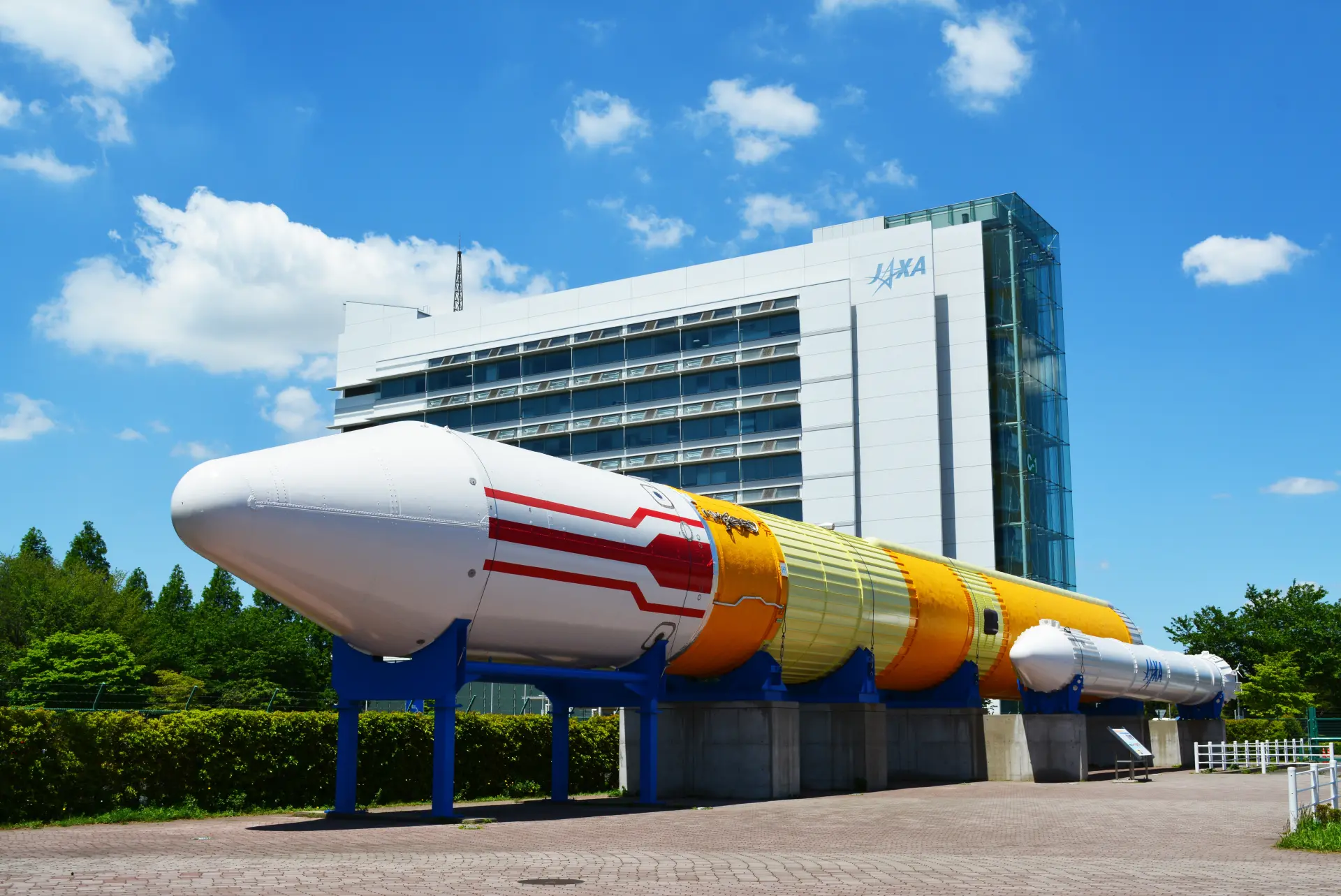
The JAXA Tsukuba Space Center is one of Japan’s largest centers for space development, carrying out a wide range of projects including the development and operation of satellites, research and development of rockets and space transportation systems, and astronaut training.
Its expansive, green grounds cover an area equivalent to about 12 Tokyo Domes and are home to numerous research and development facilities.
Near the center’s main gate, visitors can see an H-II rocket developed entirely in Japan on display.
3 Popular Restaurants Near Mount Tsukuba to Visit Before or After Your Hike
Finally, here are some popular restaurants around Mount Tsukuba.
Each offers a different style of cuisine, but all share the appeal of serving delicious food made with local ingredients in settings where you can feel history and nature.
Before or after your hike on Mount Tsukuba, enjoy a meal at the place that suits your taste.
1. Matsuya Seimenjo
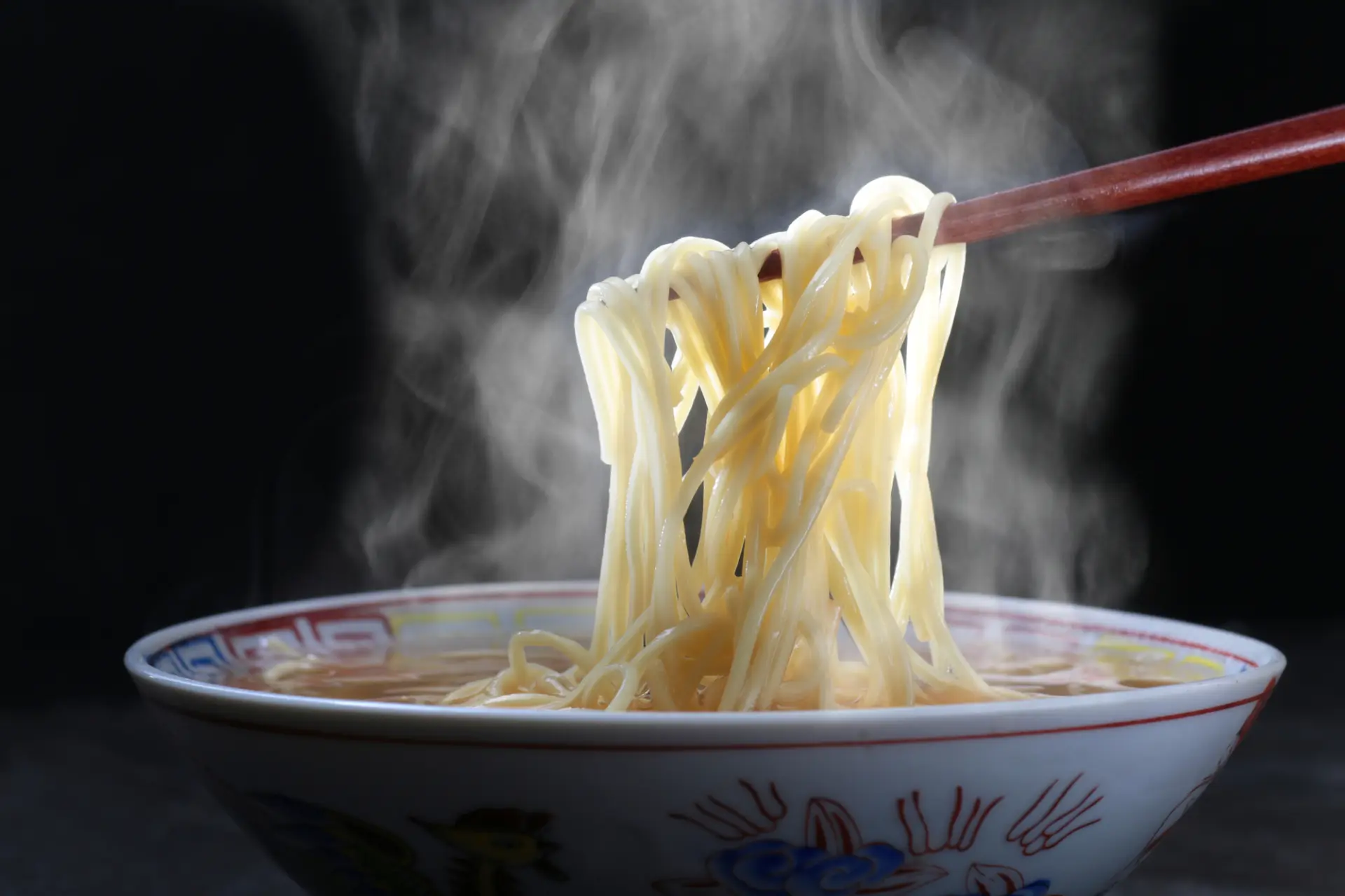
Located at the southern foot of Mount Tsukuba, directly in front of the Tsukubasan-guchi Bus Terminal, Matsuya Seimenjo is a noodle factory and ramen shop popular with both locals and hikers.
Although primarily a noodle manufacturer, it also serves ramen on-site from 7:00 am, making it a great place to enjoy a bowl of ramen for breakfast.
The shop uses 100% locally grown Yumeshihou wheat to make its thick, curly noodles, carefully prepared in-house by the owner and known for their firm, satisfyingly chewy texture.
The soup is made without chemical seasonings to bring out the natural flavors of the ingredients and pairs perfectly with the noodles. The signature Matsuya Ramen is known for its mild, comforting flavor.
The shop is open until 5:00 pm, but dine-in service ends once the soup runs out, so arriving earlier in the day is recommended.
2. Hitachi Beef Cuisine Hitachino
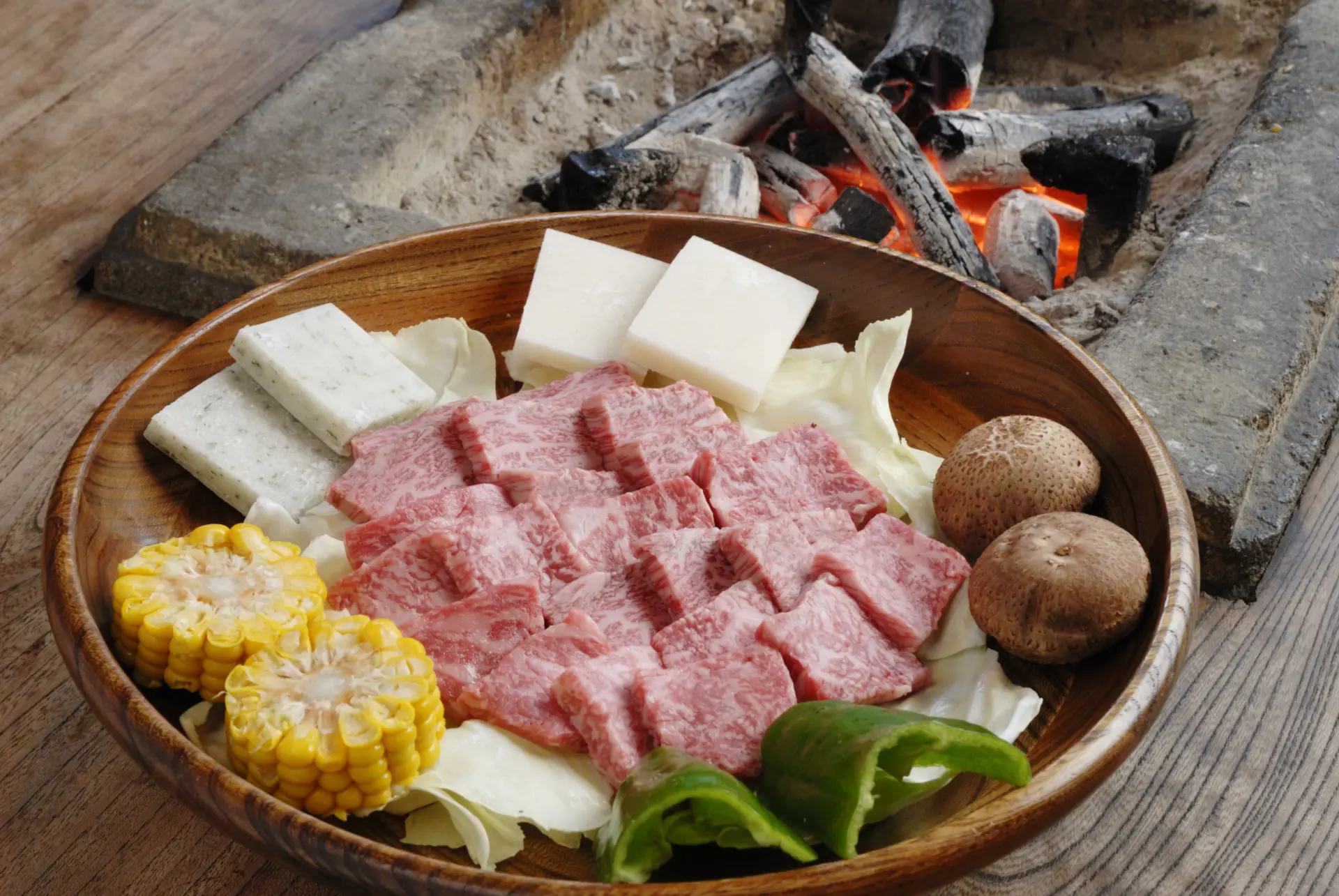
Hitachi Beef Cuisine Hitachino is a restaurant overlooking Mount Tsukuba that has been serving premium Hitachi beef since 1969.
The restaurant occupies a distinctive building reconstructed using three approximately 200-year-old gassho-style houses relocated from Shirakawa-go in the Hida region. Its impressive interior, with massive wooden beams and pillars that reflect the building’s long history, is an attraction in itself.
The signature dish is charcoal-grilled Hitachi beef, slowly cooked over charcoal on an irori, a traditional sunken hearth, built into each table.
3. Japanese Cuisine Tsukuzen
Located in a peaceful natural setting near the trailhead of Mount Tsukuba, Japanese Cuisine Tsukuzen is an atmospheric restaurant housed in a relocated traditional Japanese home built around 100 years ago.
Inside, an irori hearth, traditional Japanese chests, and seasonal decorations create a calm and inviting Japanese atmosphere.
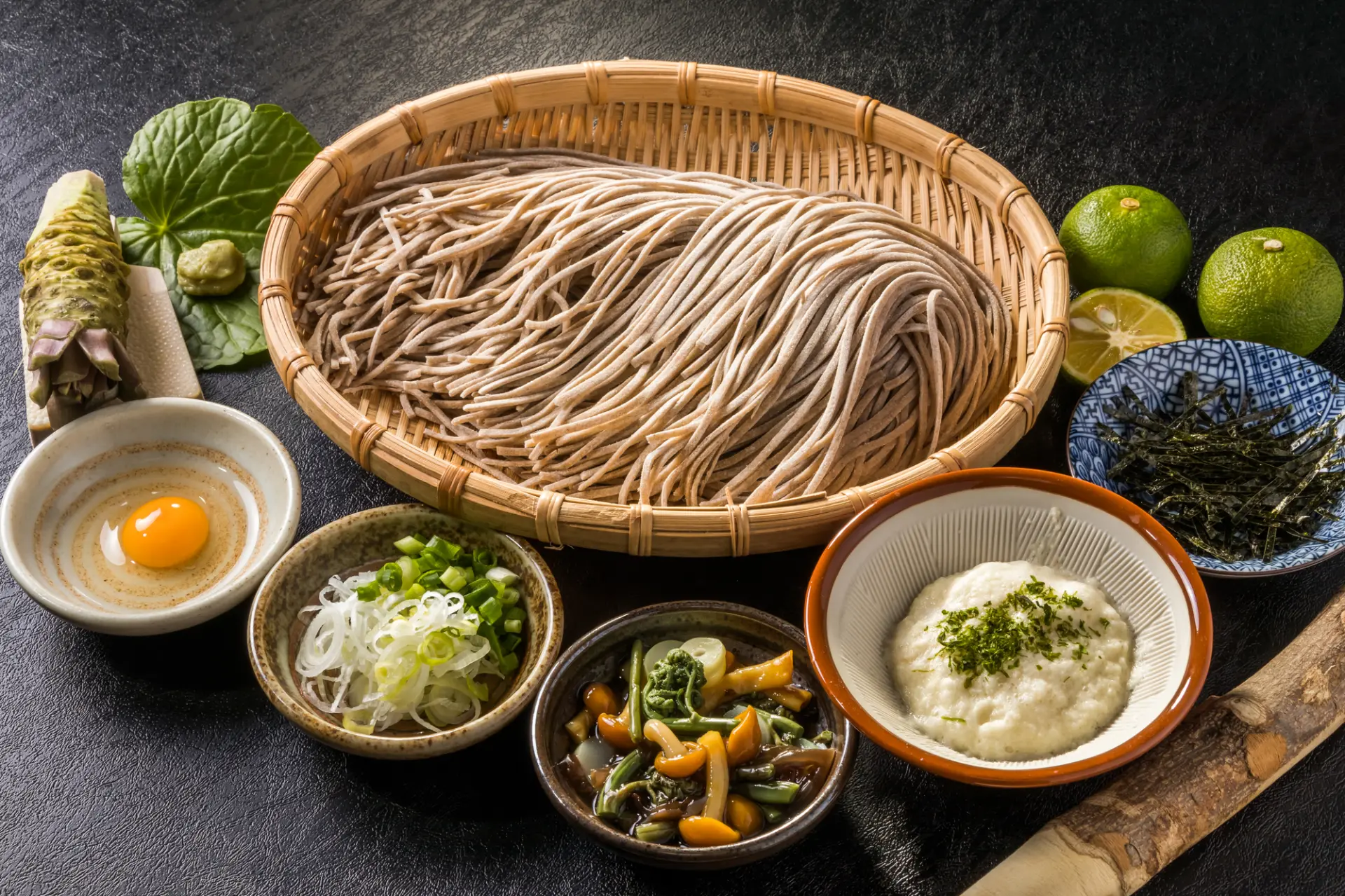
The restaurant is also known for its carefully prepared dishes featuring fresh local ingredients such as lotus root from Tsuchiura, jinenjo (Japanese wild yam), and mountain vegetables. Each dish is prepared with care by a chef with 40 years of experience specializing in Japanese cuisine.
A particularly recommended choice is the Jinenjo Tororo Gozen, a set meal that includes grated jinenjo, tofu, and a half portion of soba.
The restaurant is open until 7:00 pm, with last orders at 6:30 pm. Dining after 7:00 pm is available by reservation only.
FAQ about Mount Tsukuba
Q
When is Mount Tsukuba less crowded?
The rainy season in June, the typhoon season around September, and the first half of December tend to be less crowded. If you want to avoid the crowds, early weekday mornings (6:00 am-9:00 am) and the evening are also recommended.
Q
When is the fall foliage season on Mount Tsukuba?
The timing varies slightly depending on the area, but the leaves usually begin to change color in late October and reach their peak from early to late November.
Q
How long does it take to get to Mount Tsukuba from Tokyo?
From Tokyo Station or Akihabara Station, it takes about two hours one way to reach Tsutsujigaoka on the eastern side of Mount Tsukuba.
Summary
This article has covered everything from the basics of Mount Tsukuba and its seasonal highlights to recommended hiking trails and must-see attractions.
Blending beautiful natural scenery with a rich cultural heritage, Mount Tsukuba offers something different in every season, while its cable car and ropeway make the summit easily accessible to a wide range of visitors.
With multiple hiking trails to choose from, the mountain can be enjoyed by everyone from first-time hikers to more experienced climbers.
Mount Tsukuba is also known as a spiritual power spot, with blessings associated with matchmaking, marital harmony, and safe childbirth, adding another reason to visit this sacred mountain.