
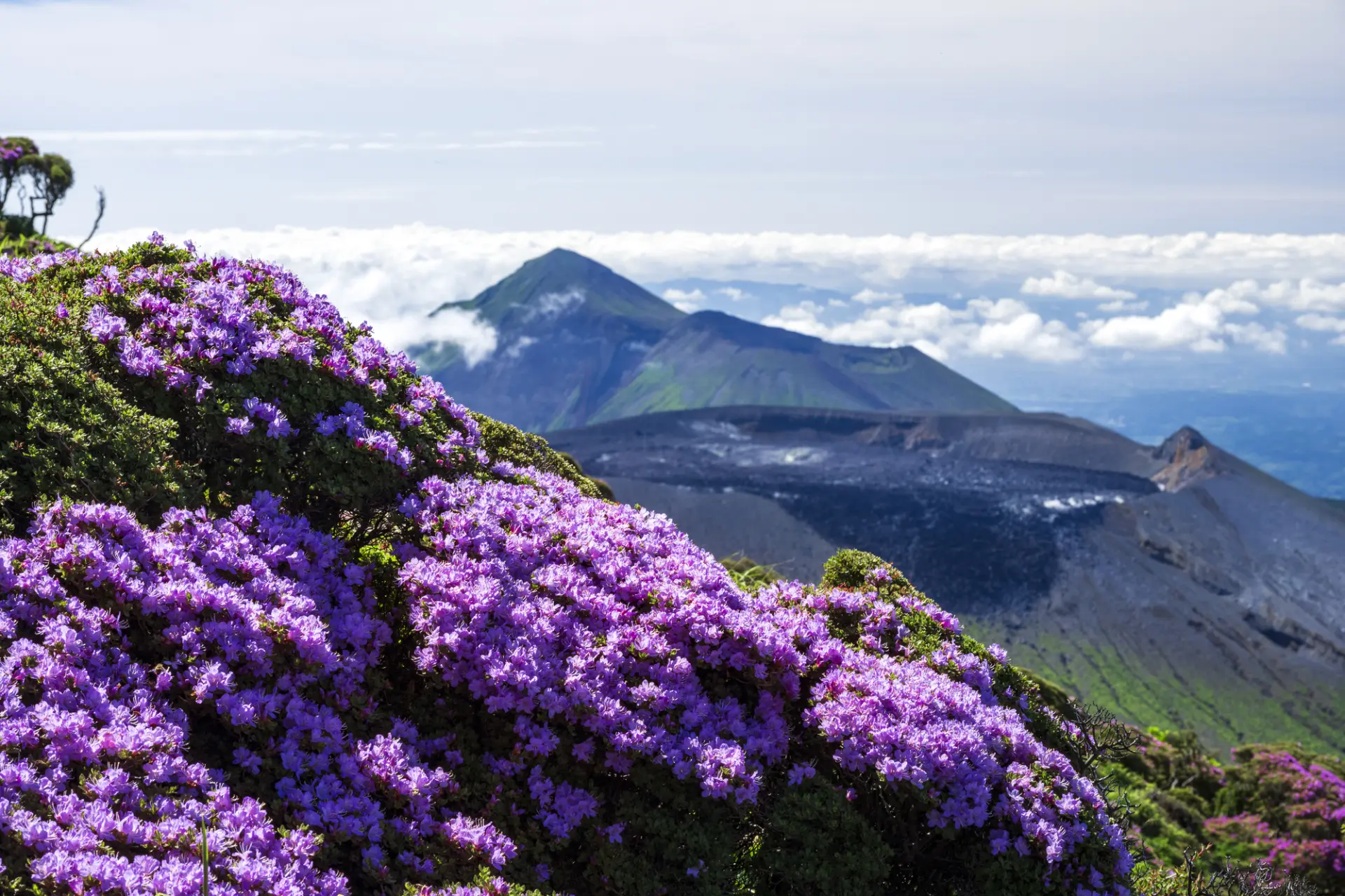
Kirishima Travel Guide: From Mystical Kirishima Jingu Shrine to Scenic Hot Springs—Explore Southern Kyushu’s Great Outdoors
Known as the setting of Japanese mythology, Kirishima is a travel destination with many attractions, including dramatic volcanic scenery, famous hot springs, and historic shrines.
This article introduces Kirishima’s highlights, from scenic spots and hot springs to spiritual sites.
Surrounded by nature, you can also experience the area’s history and culture for a memorable trip away from the everyday.
Use this article as a guide and set out to explore the charms of Kirishima.
What Is Kirishima Like?
Kirishima is a nature-rich travel area located in the central part of mainland Kagoshima Prefecture.
It is easy to access from Kagoshima Airport, and its highlights are spread throughout the area, including the Kirishima mountain range, hot spring resorts, and shrines connected to Japanese mythology.
Its main draws include Kirishima Jingu Shrine, known as the setting of the Tenson Korin myth of the descent of the heavenly grandson, as well as dynamic landscapes shaped by volcanic activity and renowned hot springs.
It is a popular destination where nature and history come together, offering trekking, hot spring hopping, and local cuisine.
When Is the Best Season to Visit Kirishima?
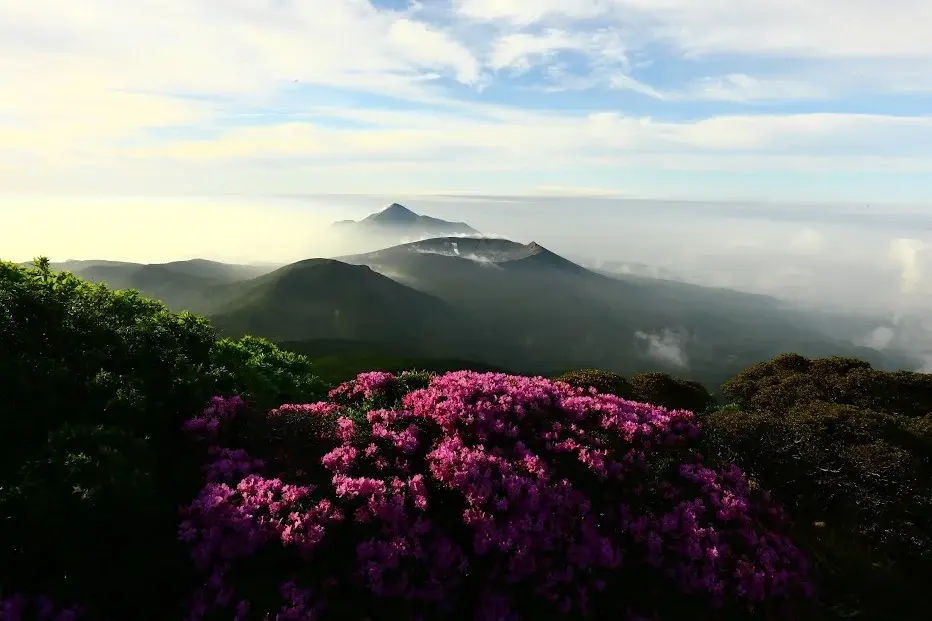
If you are visiting Kirishima, fall (October to November), when the landscape turns vivid colors, and early summer (May to July), when the fresh greenery is at its best, are especially recommended.
In fall, the foliage around Mt. Karakuni and Onami Pond reaches its peak, creating a striking contrast with the volcanic scenery.
In early summer, the highland greenery is lush, making it an ideal season for trekking and visiting open-air baths.
What to Wear in Kirishima by Season
● Spring (March - May): A light jacket or cardigan (bring an extra layer for mornings and evenings)
● Summer (June - August): Light clothing and short sleeves (long sleeves in higher elevations)
● Fall (September - November): A light jacket or coat
● Winter (December - February): A coat, thick sweater, or down jacket
How Do You Get to Kirishima?
The main station for sightseeing in Kirishima is Kirishima-Jingu Station on the JR Nippo Main Line.
From Tokyo or Osaka, flying into Kagoshima Airport, which has many domestic flights, is convenient.
From the airport to the area around Kirishima Jingu Shrine takes about 30 to 40 minutes by car.
Using an airport shuttle bus or rental car makes it easy to reach the hot spring areas and sightseeing spots.
Main Transportation Options for Sightseeing in Kirishima
Kirishima’s sightseeing spots are spread over a wide area, so renting a car is recommended if you want to get around efficiently.
It also makes it easier to reach Mt. Takachiho, Kirishima Onsenkyo, and the Ebino Plateau area.
There are route buses to major sightseeing spots, but services are limited, so checking the timetable in advance will give you peace of mind.
9 Popular Sightseeing Spots Around Kirishima
Kirishima is dotted with destinations full of natural and cultural appeal, including shrines where mythology feels alive, sweeping volcanic landscapes, famous hot springs, and art spots.
Another appeal is the wide variety of ways to enjoy the area, from scenic trekking and hot spring hopping to walks through mysterious spiritual sites.
Visit Kirishima to experience its expansive nature and history.
1. Kirishima Jingu Shrine
Founded in the 6th century, Kirishima Jingu Shrine is one of southern Kyushu’s leading historic shrines.
After repeatedly being destroyed by eruptions of Mt. Kirishima and rebuilt, it was moved to its current location.
It enshrines the central figure of Japan’s founding mythology and has a mystical atmosphere.
The grounds also offer many things to see, including a sacred tree about 800 years old and sazare-ishi, or “pebble stones” that have transformed over many years into a single large rock mass and are mentioned in Japan’s national anthem, “Kimigayo.”
Cherry blossoms in spring and autumn leaves in fall add seasonal beauty throughout the year.
2. Mt. Takachiho
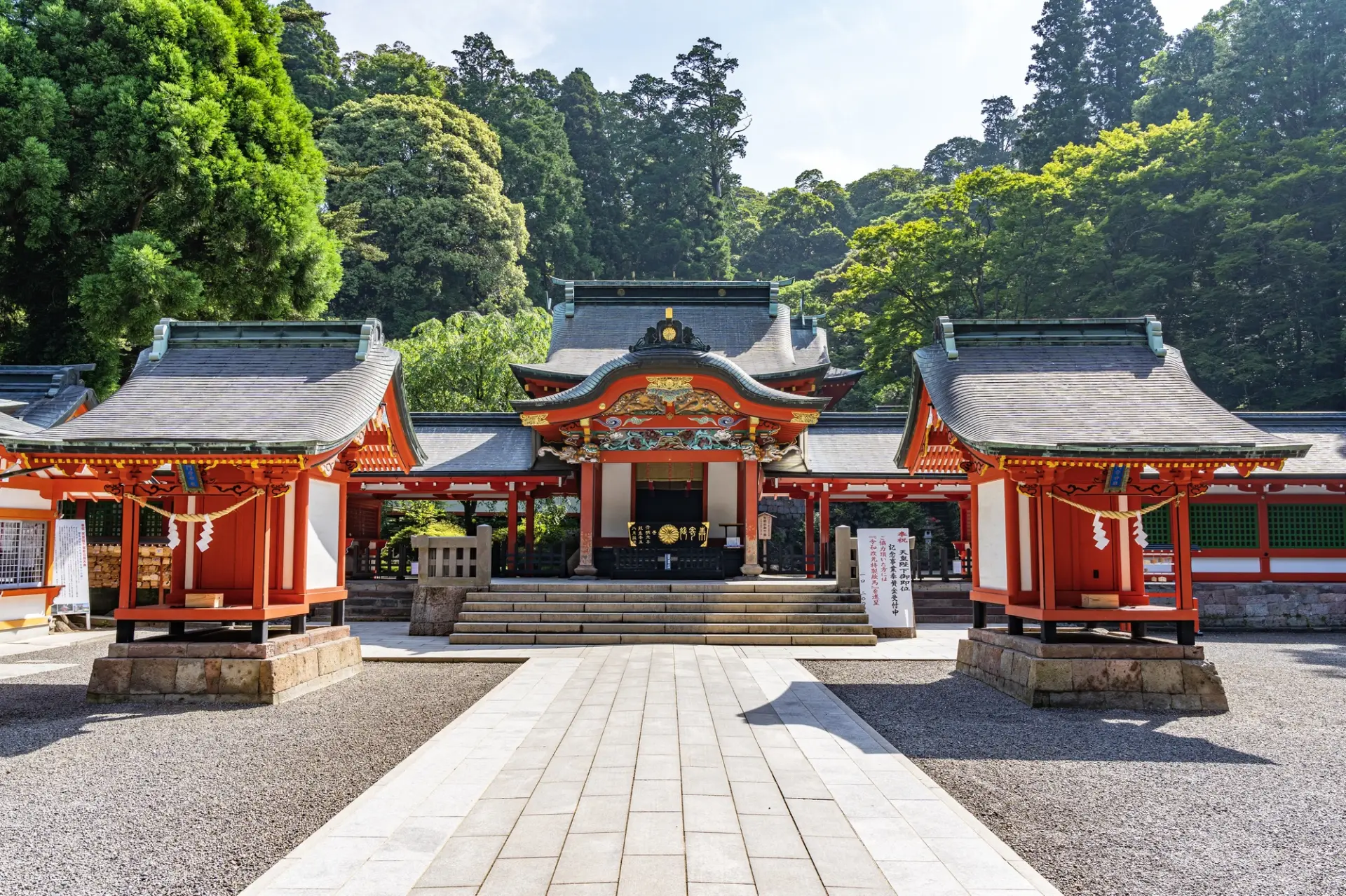
Known as the setting of the Tenson Korin myth, Mt. Takachiho is a sacred peak that represents the Kirishima mountain range.
From the summit at 1,574 meters (5,164 feet), sweeping views extend across the Kirishima mountains and as far as Sakurajima.
It is also famous for the Amanosakahoko spear, which is said to have been pulled out by Sakamoto Ryoma, making it a popular spot for serious trekking while experiencing both mythology and history.
3. Kirishima Onsenkyo
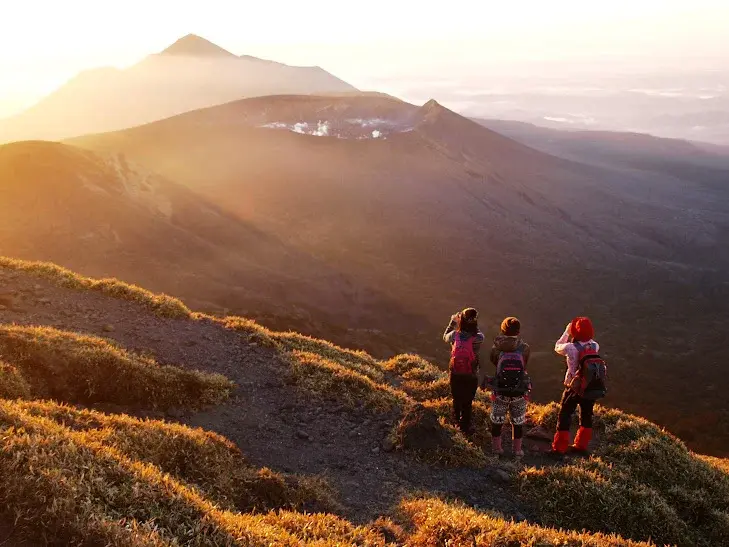
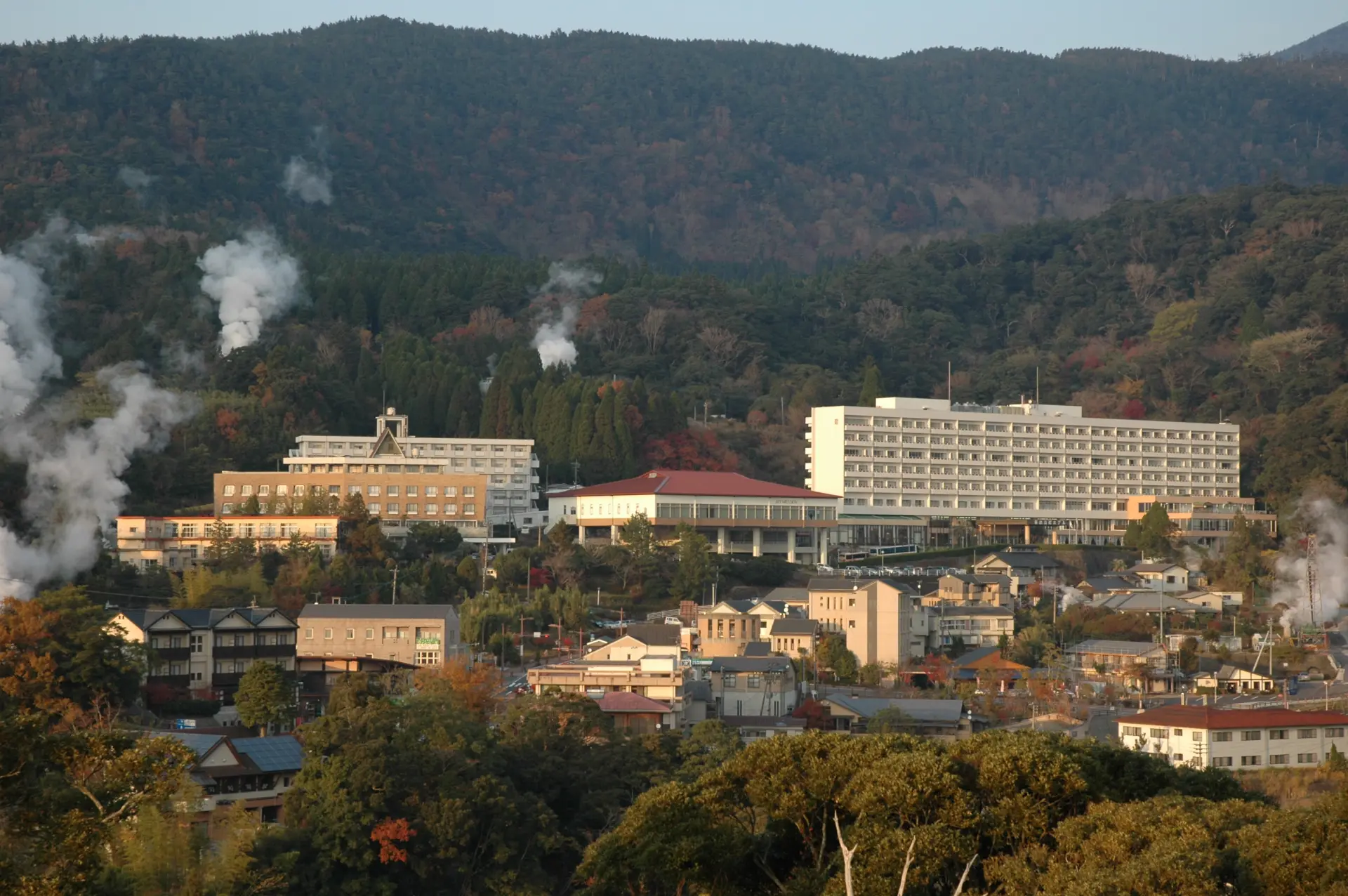
Kirishima Onsenkyo is the collective name for hot springs scattered across the southwestern part of the Kirishima mountain range at elevations of 600 to 850 meters (1,969 to 2,789 feet), where visitors can experience different spring qualities and benefits at each hot spring.
Maruo Onsen, lined with large hotels and ryokan inns, serves as the central area of Kirishima Onsenkyo.
Steam rising from here and there around town creates the unmistakable atmosphere of a hot spring resort.
With its developed hot spring town, it is also a popular base for sightseeing in Kirishima, including Kirishima Jingu Shrine and Takachiho Farm.
4. Kirishima Open-Air Museum
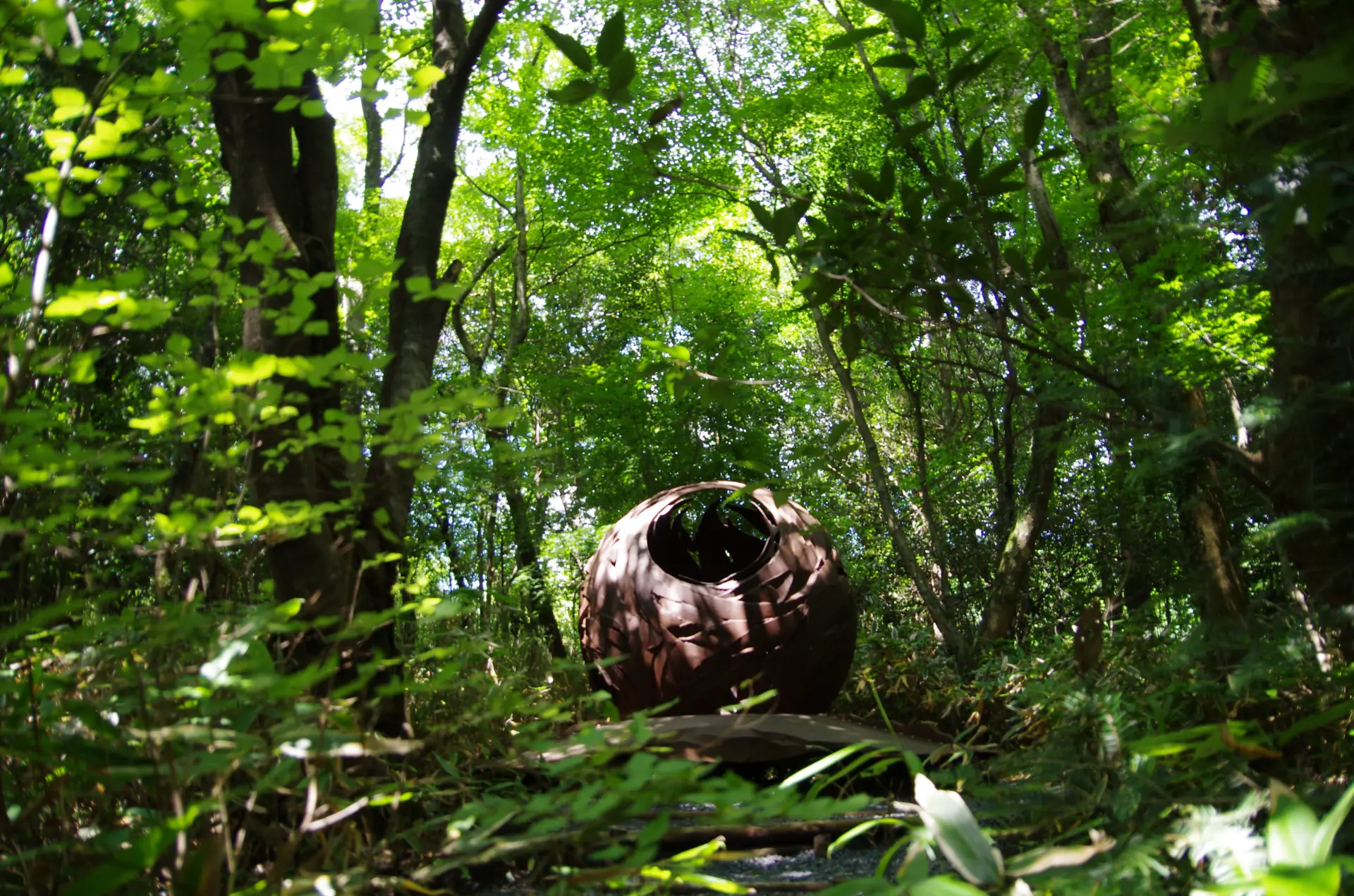
Located halfway up Mt. Kurino at the foot of the Kirishima mountains, this open-air museum focuses on contemporary art and also has indoor exhibitions.
Highly artistic sculptures that harmonize with Kirishima’s natural surroundings are placed throughout the green forest, creating a place to appreciate both art and nature.
Original works by artists from Japan and abroad, inspired by the area’s abundant nature, history, and culture, are displayed in the great outdoors.
5. Maruo Falls
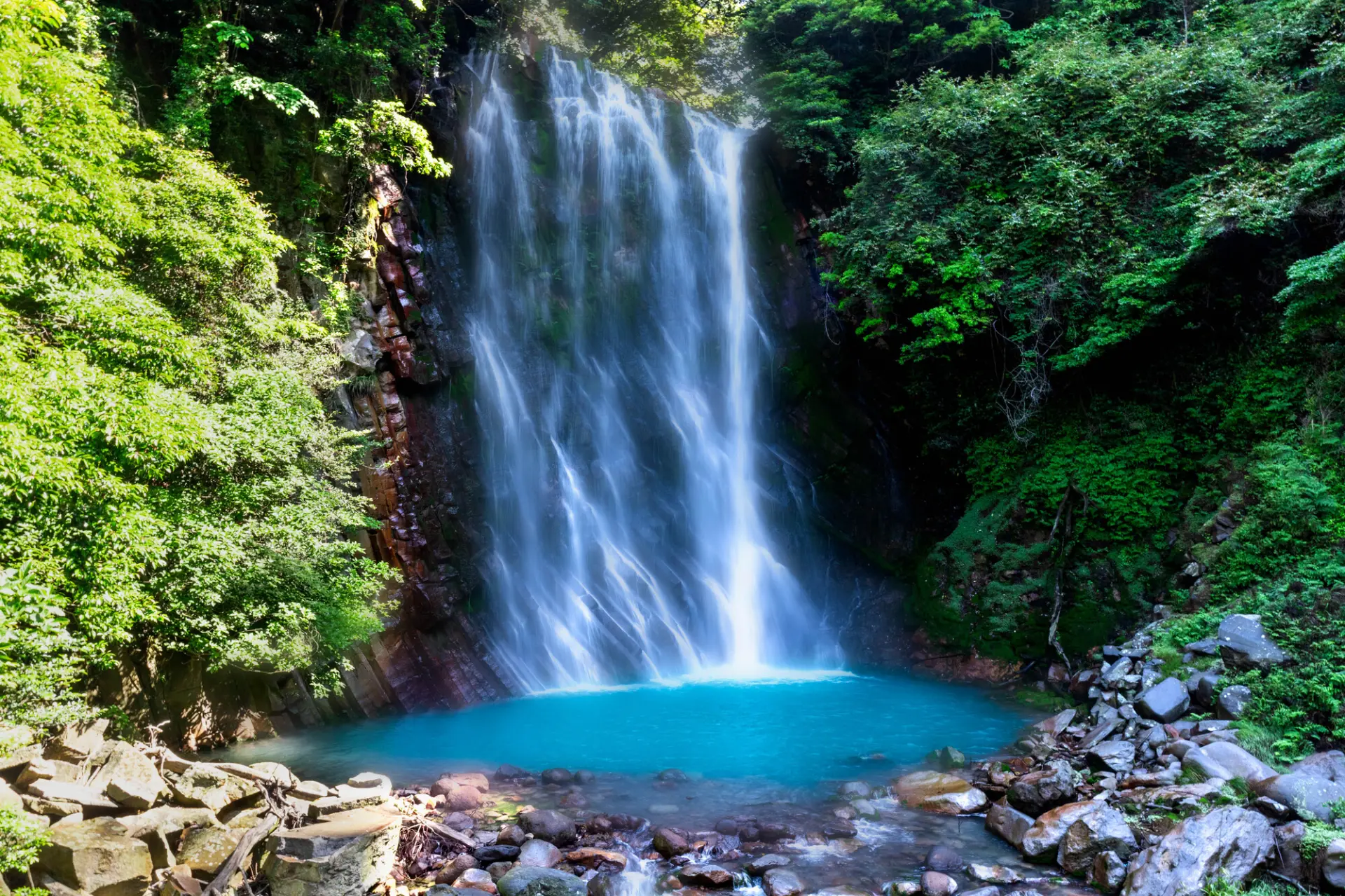
Maruo Falls, located along the road from Maruo Onsen to Kirishima Jingu Shrine, is one of the area’s sightseeing highlights.
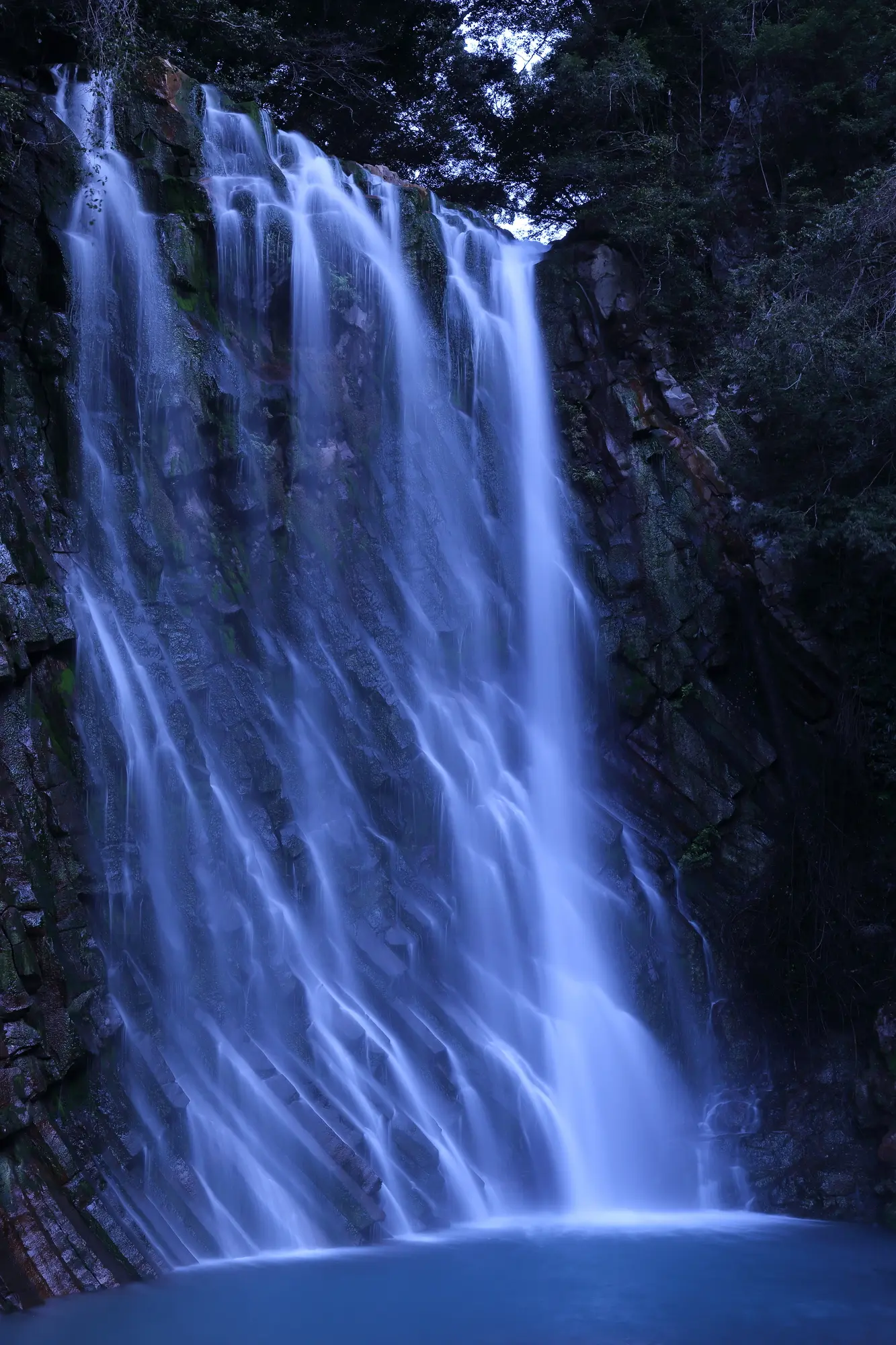
The waterfall drops 23 meters (75 feet) and spreads 16 meters (52 feet) wide in a curtain-like flow, combining power and beauty in a truly impressive scene.
The water flowing over the falls is a mixture of waters from four hot springs upstream, including Enoo Onsen and Iodani Onsen.
It is a rare “hot spring waterfall” in Japan, and in winter, steam rises from the falls.
The sulfur components in the hot spring water sometimes make the basin appear emerald green, creating a very attractive sight.
6. Kirishima Shinwanosato Park
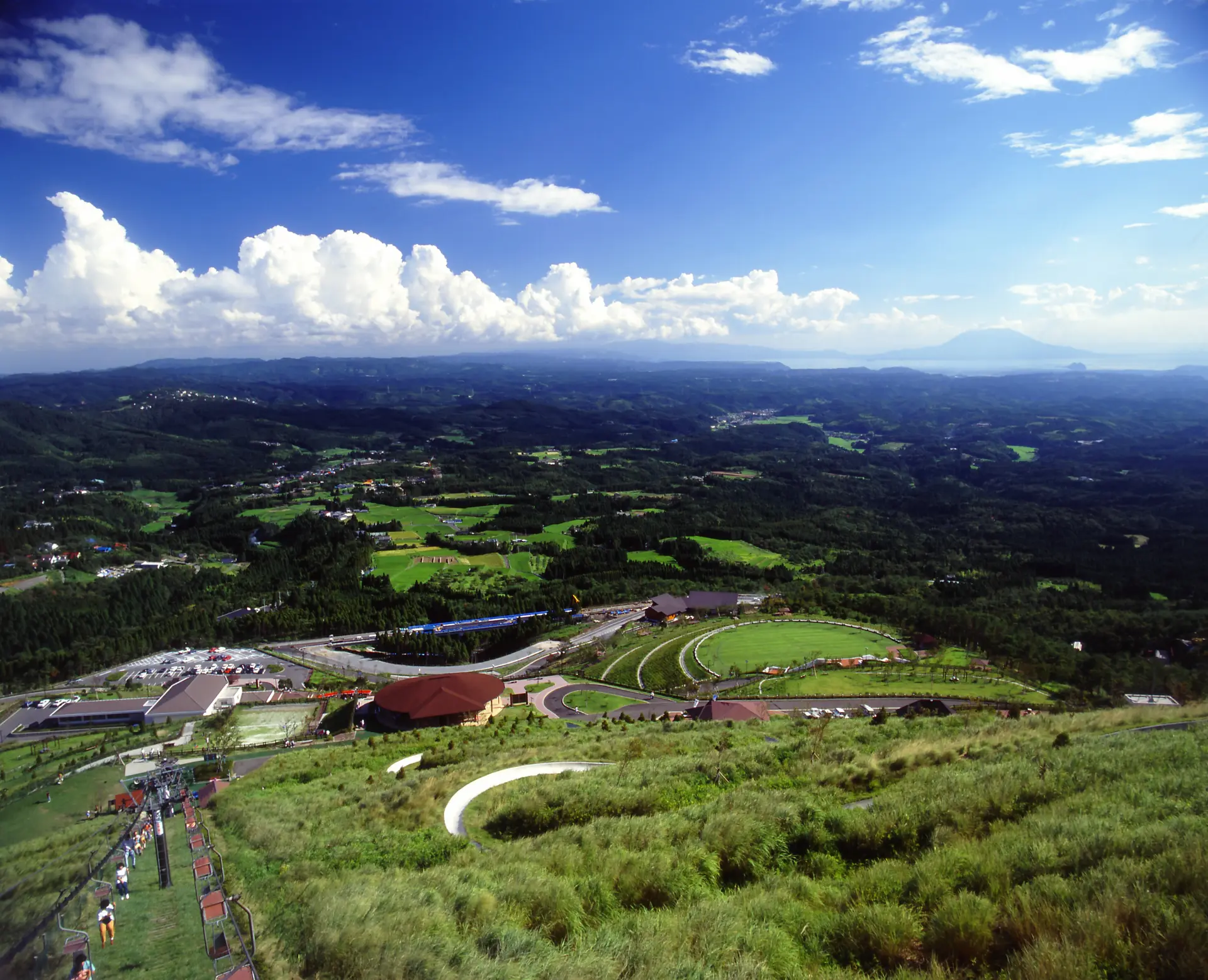
Located within Kirishima-Kinkowan National Park, this park is also known as Roadside Station Kirishima.
Admission and parking are free.
In addition to a restaurant and specialty product shop, it has a variety of fun facilities, including a putting golf course, an animal village with goats and rabbits, and a children’s plaza with playground equipment.
The view from the observation plaza is especially lovely, and on clear days you can see Kinko Bay, Sakurajima, and Mt. Kaimon.
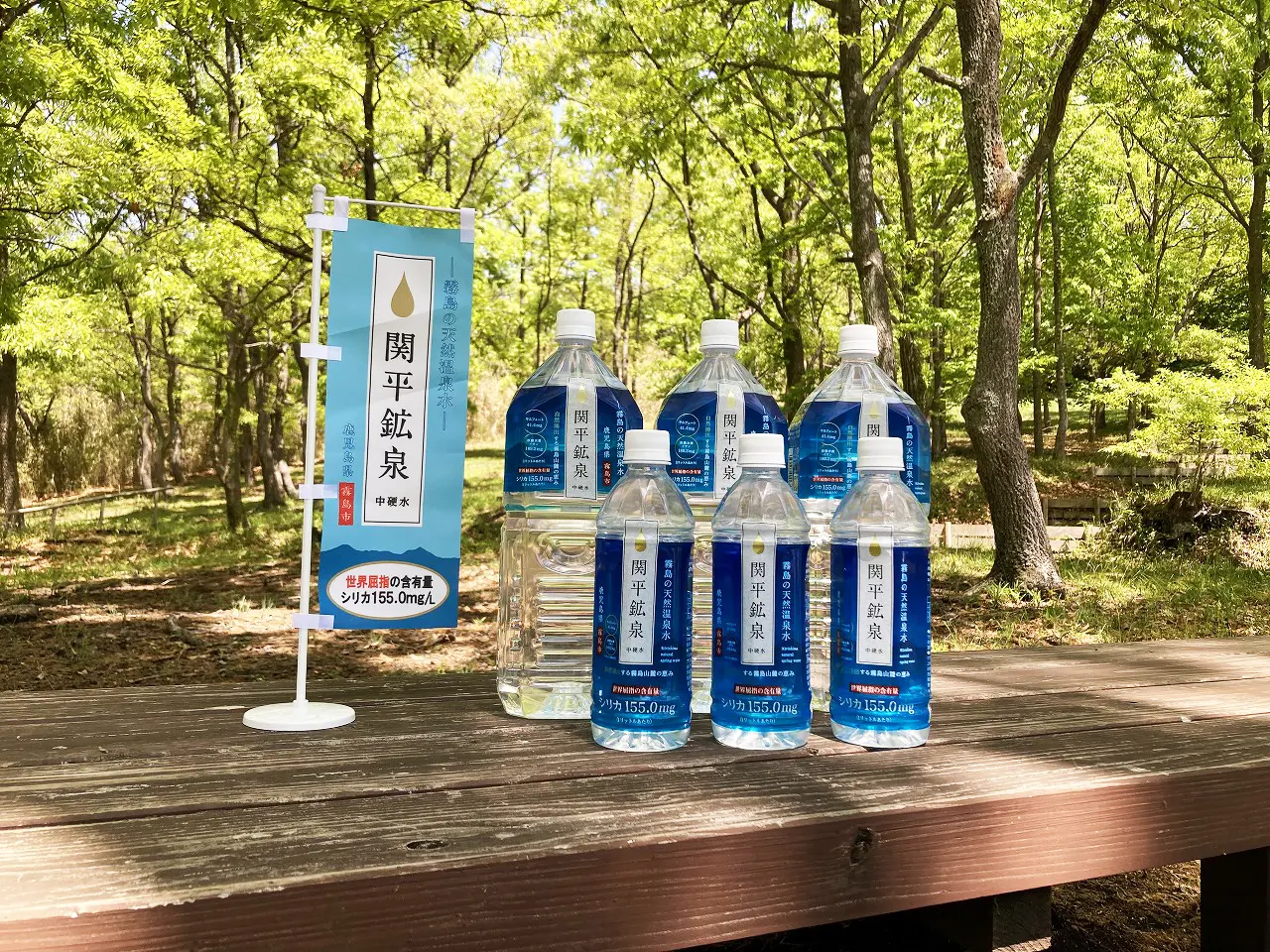
7. Kirishima Municipal Sekihira Onsen and Sekihira Mineral Spring Facility
Sekihira Onsen opened more than 200 years ago and has long served as a therapeutic hot spring retreat for residents of Kagoshima Prefecture.
The source springs emerge at the foot of the volcanically active Kirishima mountains, one of Japan’s 100 Famous Mountains, and the day-use public bath lets visitors enjoy its beneficial waters.
One distinctive feature is that the hot spring water is valued not only for bathing but also for drinking.
The hot spring water is packaged in plastic bottles at a state-of-the-art factory near the mountain and can be purchased at the Sekihira Mineral Spring Facility.
8. Kagoshima Jingu Shrine
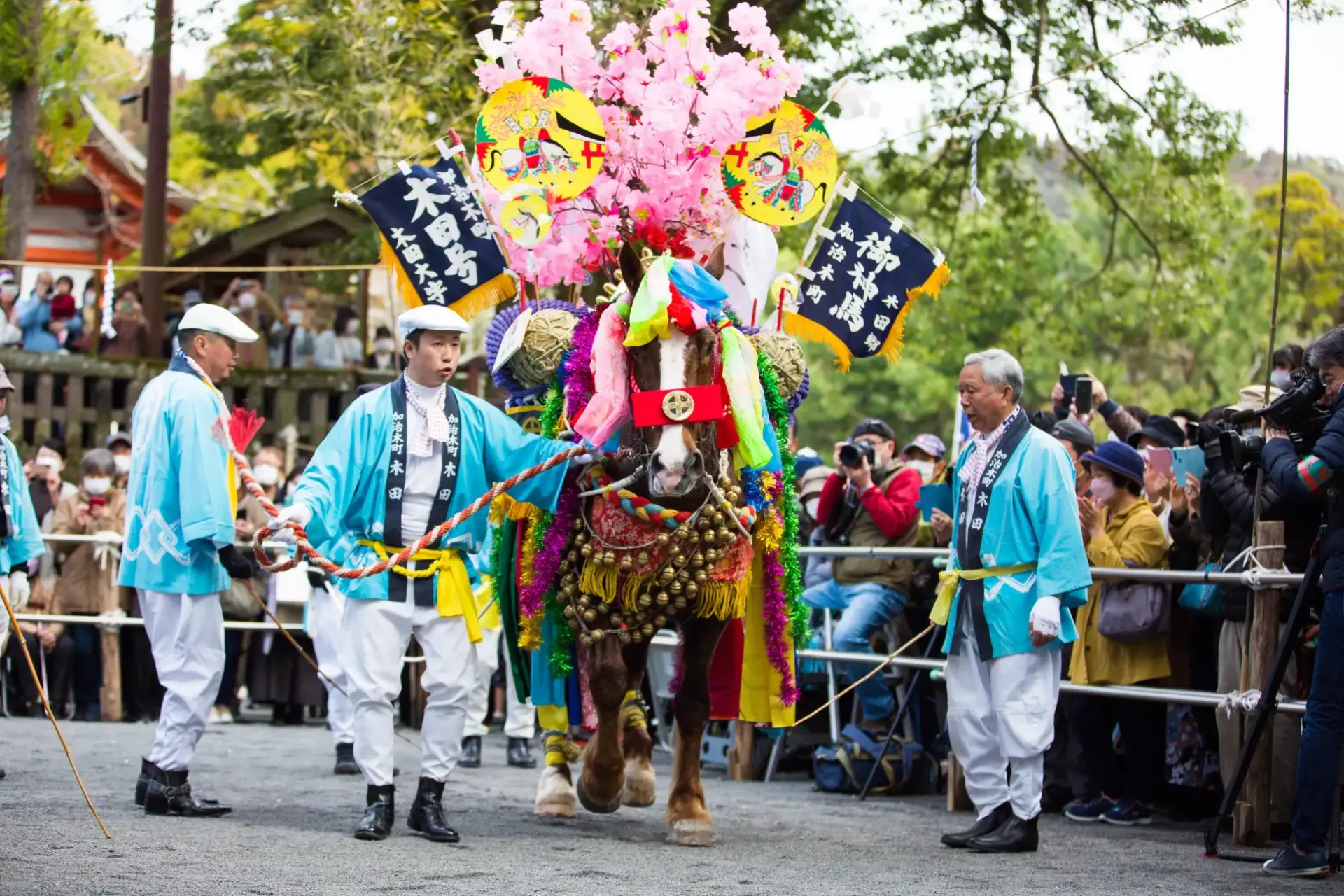
Located in Kirishima City, Kagoshima Prefecture, this historic shrine is known as one of southern Kyushu’s most important ancient shrines.
Its beautifully vermilion-lacquered shrine buildings and lush approach are appealing, and many worshippers visit to pray for protection from misfortune and better luck.
The annual Hatsuuma Festival is especially famous and is loved as a traditional event in which ornately decorated bell-wearing horses parade through the town.
9. Onami Pond
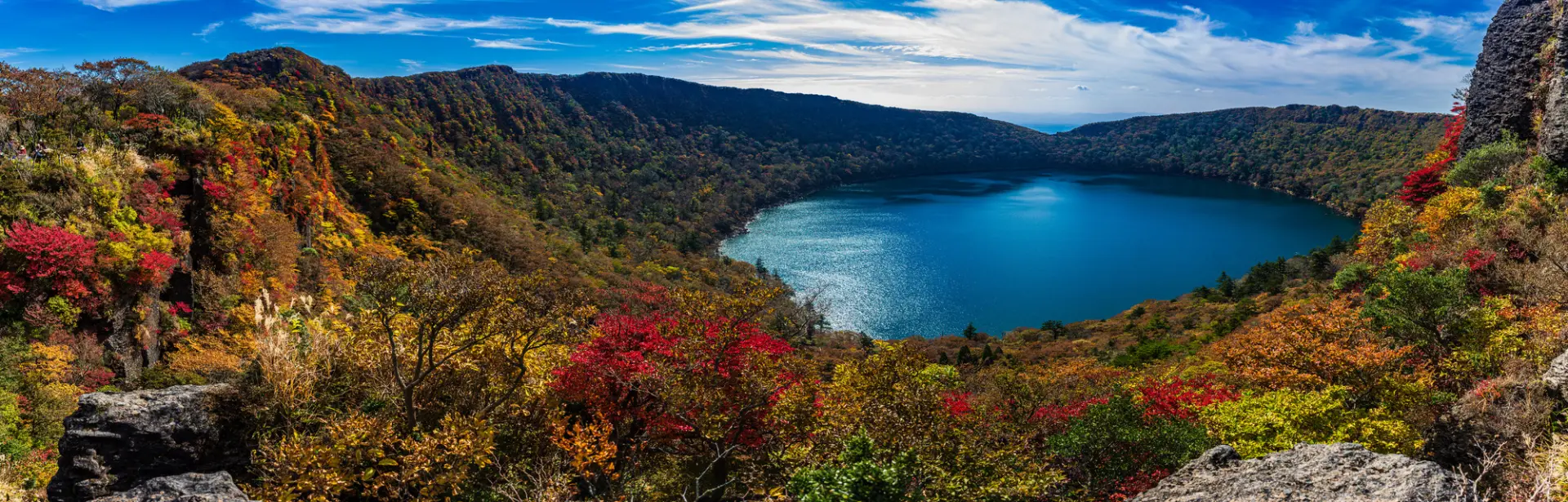
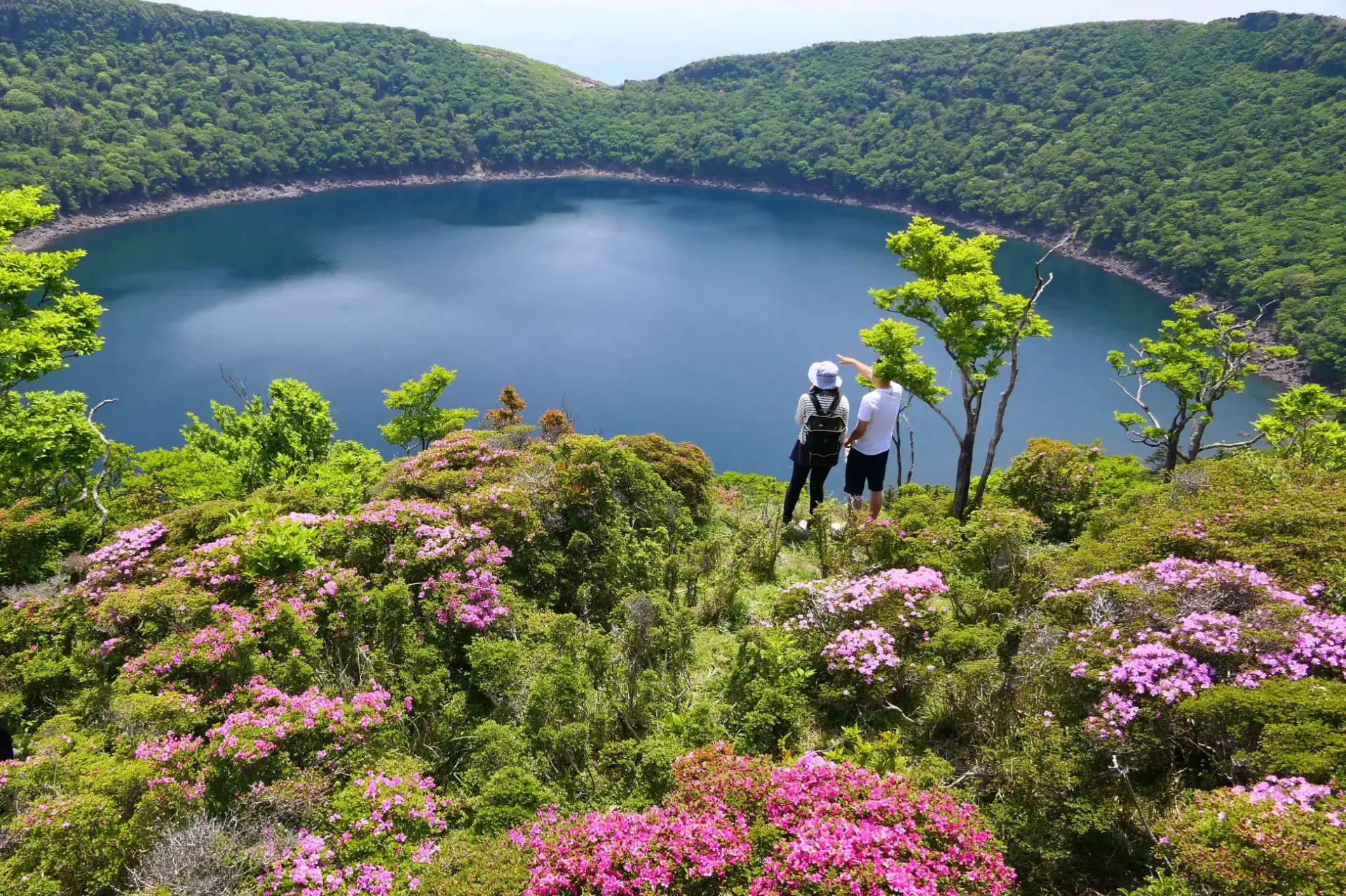
Located in the Kirishima mountain range, Onami Pond is one of Japan’s notable crater lakes and a scenic spot at an elevation of about 1,400 meters (4,593 feet).
A walking trail of about 2 kilometers (1.2 miles) circles the area, letting visitors stroll while enjoying views of the emerald-colored lake surface and the surrounding mountains. It is also popular for autumn foliage, and visitors can take in the natural beauty of each season.
5 Things to Do in Kirishima
Kirishima offers many experiences that are distinctive to the area, including shrines tied to mythology, grand volcanic scenery, famous hot springs, and local cuisine.
There are also many ways to enjoy it, from trekking in nature to visiting hot springs and taking in atmospheric views.
Here are recommended ways to spend your time while experiencing Kirishima’s culture and natural surroundings.
1. Experience the World of Mythology at Kirishima Jingu Shrine
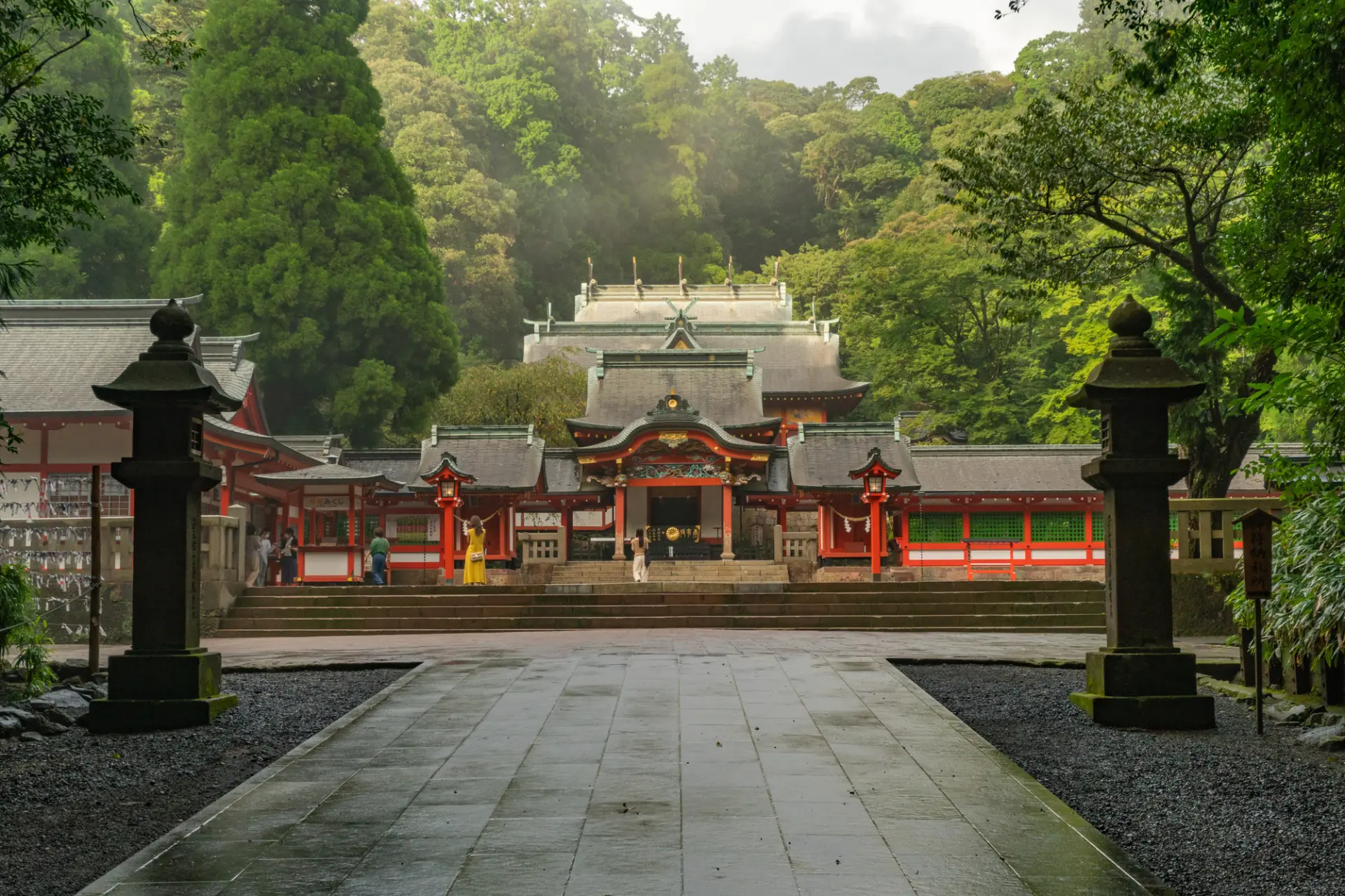
Known as the place of Tenson Korin, Kirishima Jingu Shrine is one of Kyushu’s most important spiritual sites, with a history of more than 1,500 years.
As you walk along the approach surrounded by deep forest, the beautiful vermilion shrine buildings come into view, and you are enveloped in a mystical atmosphere that feels like stepping into the age of mythology.
It is also known as a place visited by Sakamoto Ryoma and Oryo on their honeymoon, making it a symbolic Kirishima sightseeing spot where you can experience history, mythology, and Japanese culture.
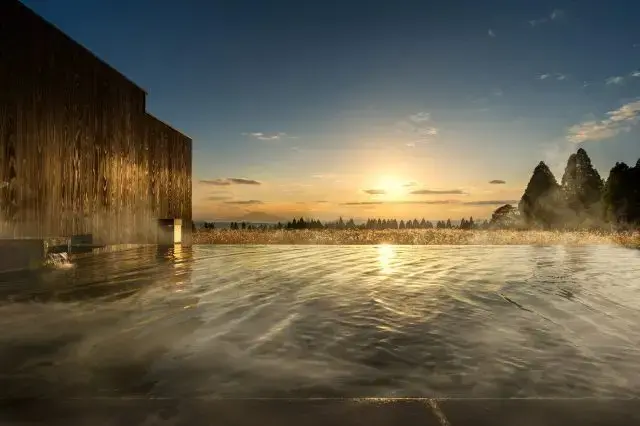
2. Soak in a Free-Flowing Open-Air Hot Spring Bath
Kirishima Onsenkyo is a historic hot spring area that Sakamoto Ryoma also visited for therapeutic bathing.
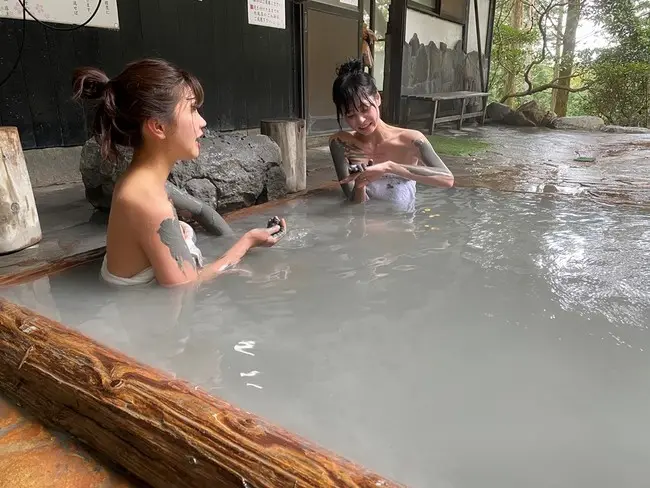
Each inn offers different waters, from milky hot springs with the scent of sulfur to open-air baths surrounded by nature.
Soaking in a hot spring while looking out over the Kirishima mountain range is a special experience that lets you feel the blessings of the volcano with all five senses. Take your time and enjoy visiting different baths.
3. Trek Mt. Takachiho or Onami Pond
Mt. Takachiho is a sacred peak known as the setting of the Tenson Korin myth, and its summit offers panoramic views of magnificent volcanic scenery.
Onami Pond, meanwhile, is a popular scenic spot and one of Japan’s notable crater lakes.
It is relatively easy to walk even for beginners, and visitors can enjoy the emerald-colored lake surface and views of the Kirishima mountain range.
This is an experience not to miss if you want to fully enjoy Kirishima’s great outdoors.
4. Try Charcoal-Grilled Local Chicken and Kurobuta Pork Dishes
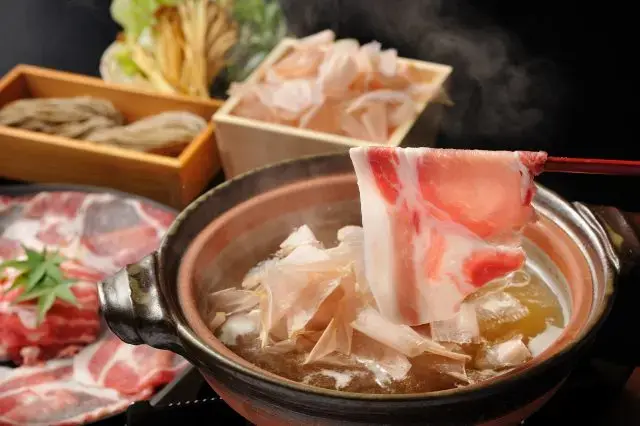
Kagoshima specialties such as Kurobuta pork and local chicken dishes are regional foods you will want to try while sightseeing in Kirishima.
Charcoal-grilled local chicken is cooked boldly over charcoal, with an appealing aroma and springy texture.
Kurobuta pork can be enjoyed in many dishes, including shabu-shabu, tonkatsu, and seiro-mushi steamed dishes, filling your mouth with the sweetness and umami of its fat.
Along with hot springs and nature, food is another way to experience what makes Kirishima special.
5. See Maruo Falls Lit Up at Night
Maruo Falls is a rare waterfall in Japan where hot spring water flows into the falls.
During the day, its powerful waterscape is impressive, while at night it is illuminated and wrapped in an atmospheric glow.
The surrounding area is a hot spring town, making it easy to stop by after a bath.
Because the falls look different by day and night, it is also worth visiting at different times.
3 Recommended Shopping Spots in Kirishima
Kirishima has appealing shopping spots where you can find local foods, specialty products, and Kagoshima-style sweets.
Stop by between sightseeing stops to look for Kirishima souvenirs or enjoy snacks as you walk around.
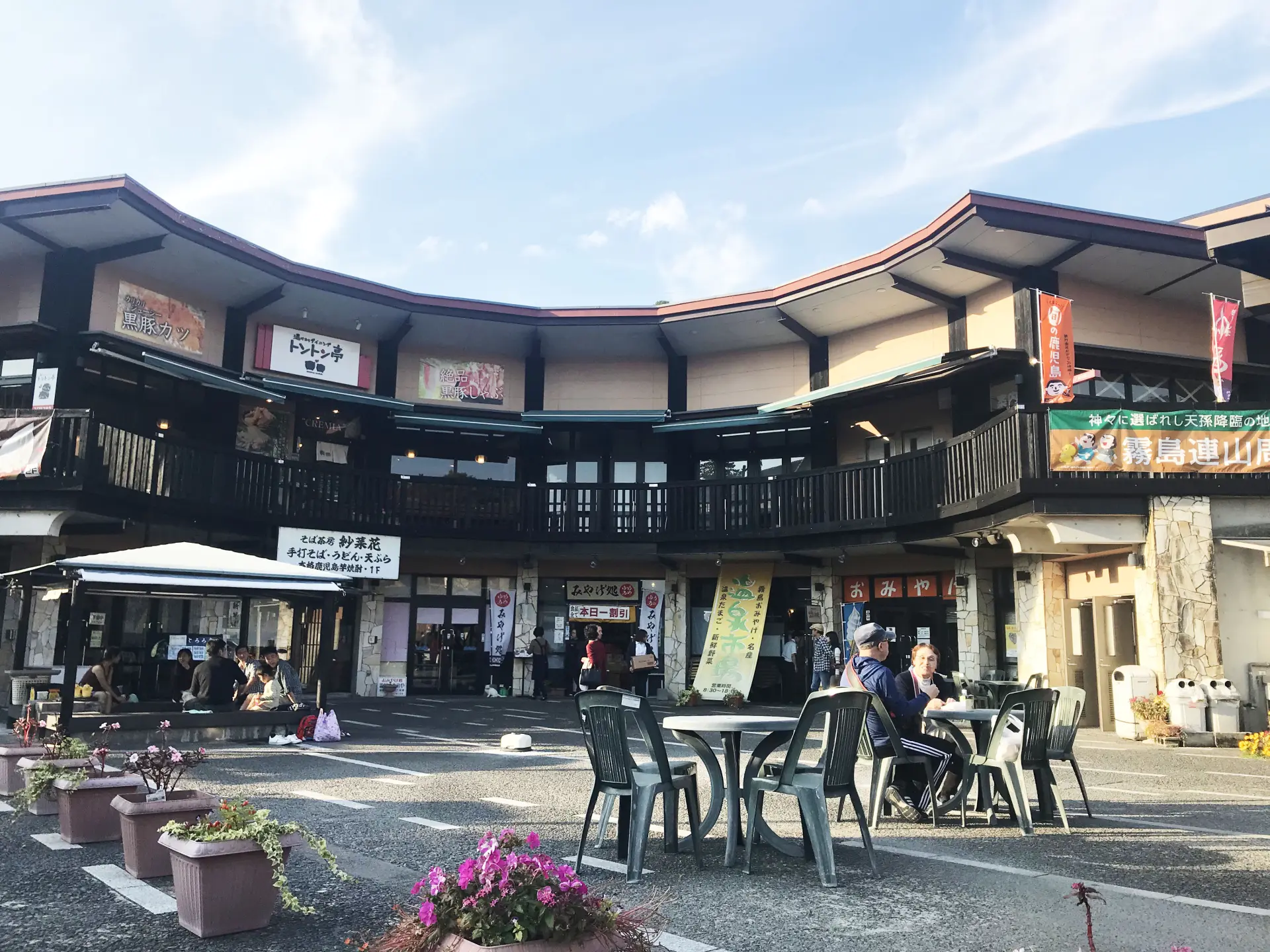
1. Kirishima Onsen Market
Kirishima Onsenkyo is the collective name for nine hot springs at the foot of Mt. Kirishima in Kagoshima Prefecture, and it attracts visitors from Japan and abroad with its variety of spring qualities.
This multi-purpose facility is located at its center and includes a tourist information center, souvenir shops, and restaurants.
Its footbath is also a welcome feature, letting visitors casually enjoy simple sulfur spring water that gently soothes tired feet during a trip.
2. Shochu no Sato Kirishima Factory Garden
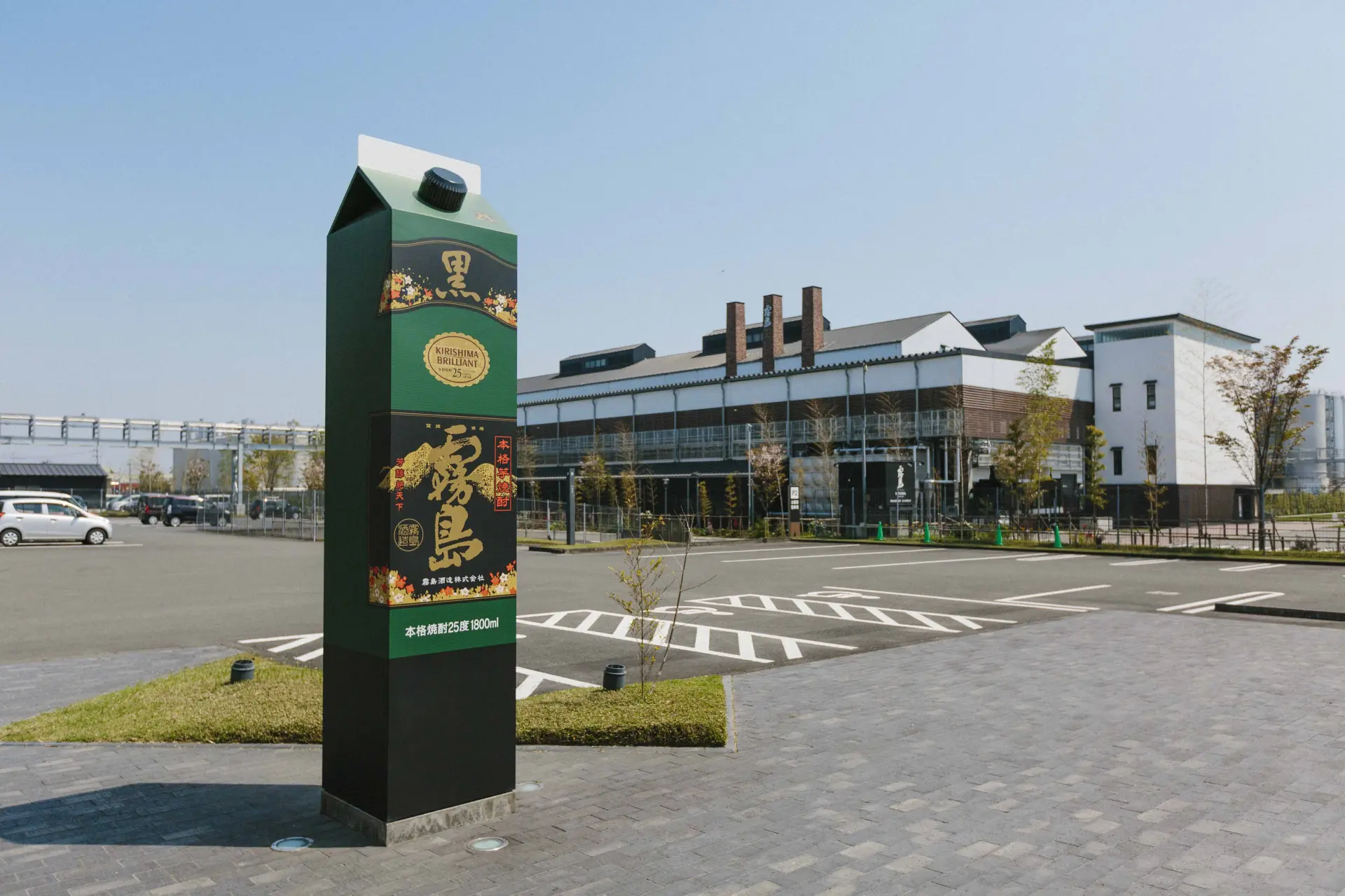
This multi-purpose facility is directly operated by Kirishima Shuzo, famous for its authentic sweet potato shochu Kuro Kirishima.
Its spacious grounds include a restaurant, shop, bakery, museum, brewery, and various other facilities.
There is plenty to see, including a spring where visitors can draw Kirishima Rekka water, essential for making shochu, for free, as well as a ground golf course and the Kirishima Shochu Shrine.

3. Satsuma Jokiya Kirishima Mingeimura Shop
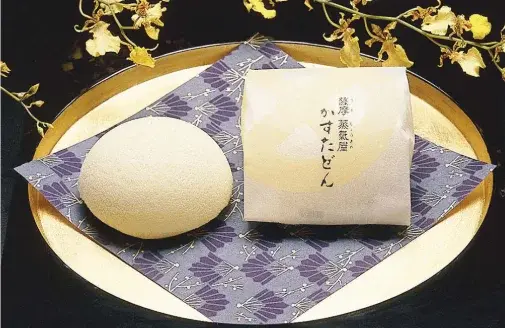
This popular confectionery shop is known for Kagoshima sweets such as Kasutadon.
In addition to Japanese sweets and baked goods, visitors can shop in a calm interior with a Kirishima-like atmosphere.
There is also a space for light meals and sweets, making it a popular place to take a break while sightseeing.
It is recommended for anyone looking for Kagoshima souvenirs.
3 Recommended Places to Stay in Kirishima
Kirishima has a range of high-quality accommodations where visitors can enjoy magnificent nature and renowned hot springs.
Each offers its own appeal, from open-air baths with great views to cuisine made with local ingredients, allowing for a stay that feels removed from everyday life.
If you want to fully enjoy sightseeing in Kirishima, spend a special time at an inn with thoughtful details.
1. KAI Kirishima
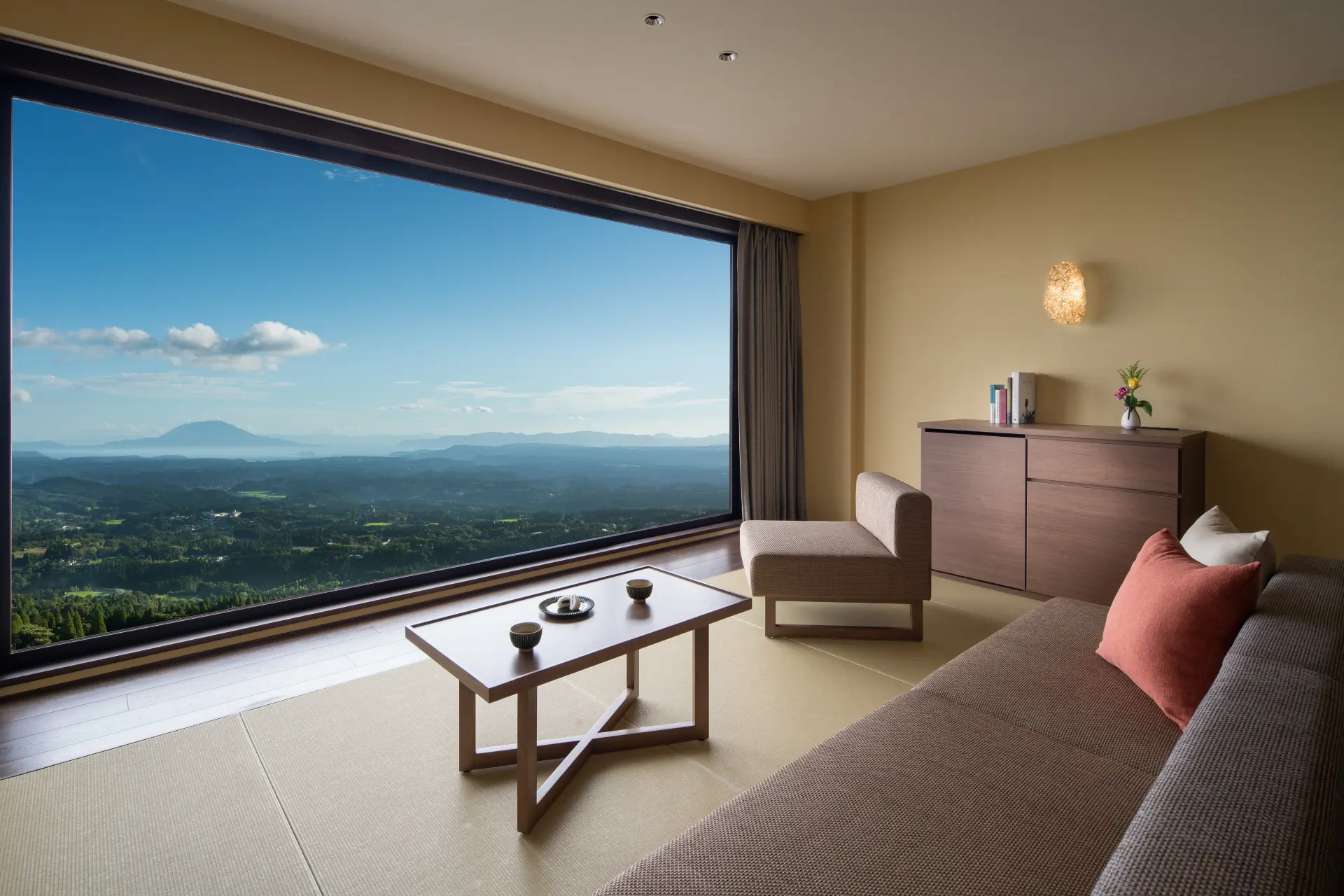
This hot spring ryokan is located halfway up Mt. Takachiho on the border between Kagoshima and Miyazaki prefectures.
Every room offers views overlooking Sakurajima and the Kirishima Highlands, letting guests experience the grandeur of nature.
From the guest room building, a slope car takes you to the bathing hut.
Standing alone amid a vast field of Japanese pampas grass, the open-air bath has nothing blocking the view in front of it, giving it a remarkable sense of openness.
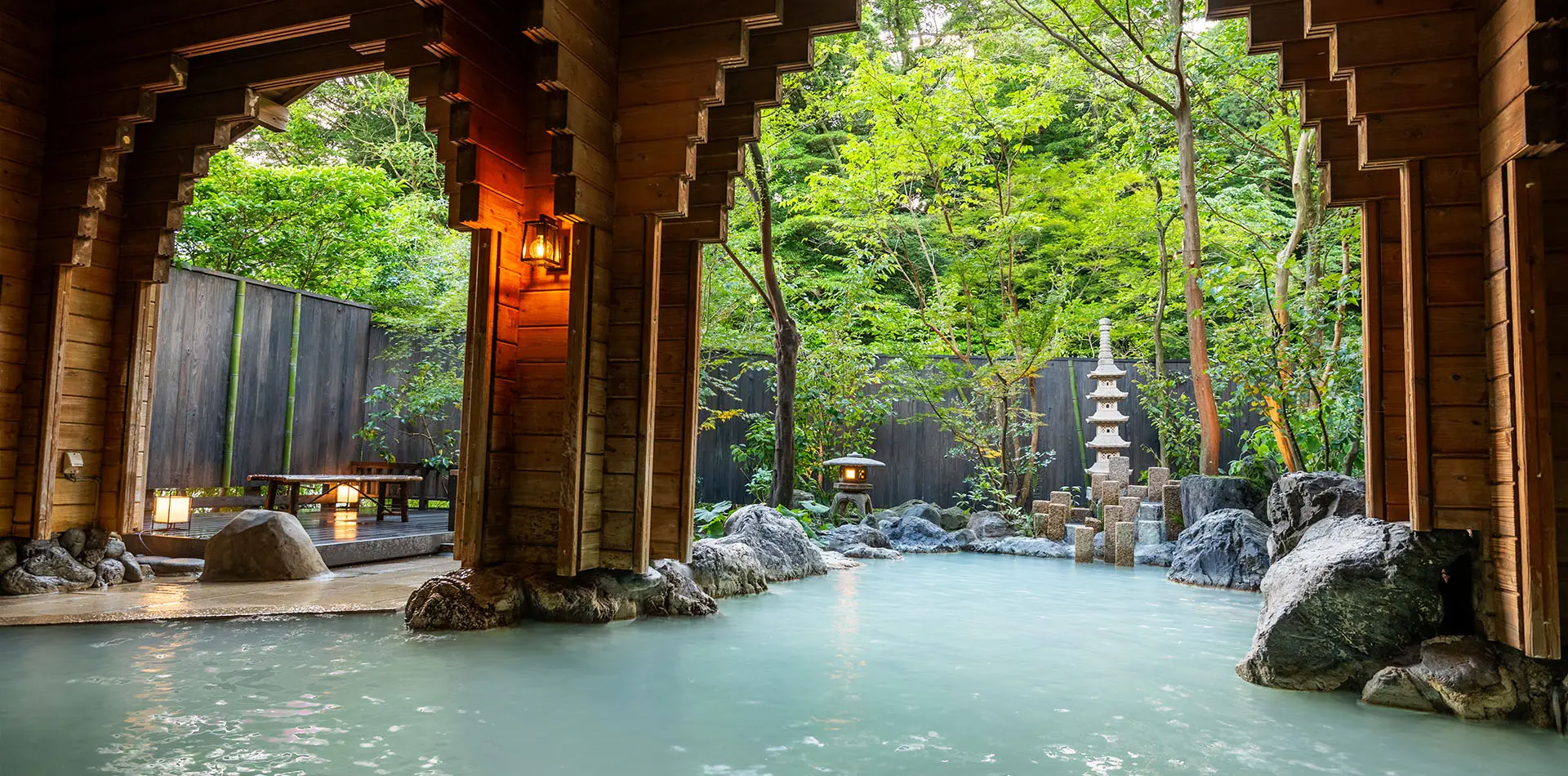
2. Kirishima Kokusai Hotel
Located in the center of Kirishima Onsenkyo, one of Kyushu’s popular hot spring areas, this hotel is about 30 minutes by car from Kagoshima Airport.
The open-air bath, where guests can enjoy naturally cloudy hot spring water flowing directly from the source, was renovated in 2024.
The space evokes a Japanese garden with the forest greenery as a borrowed landscape, letting guests appreciate the beauty of the four seasons.
3. Myoken Ishiharaso
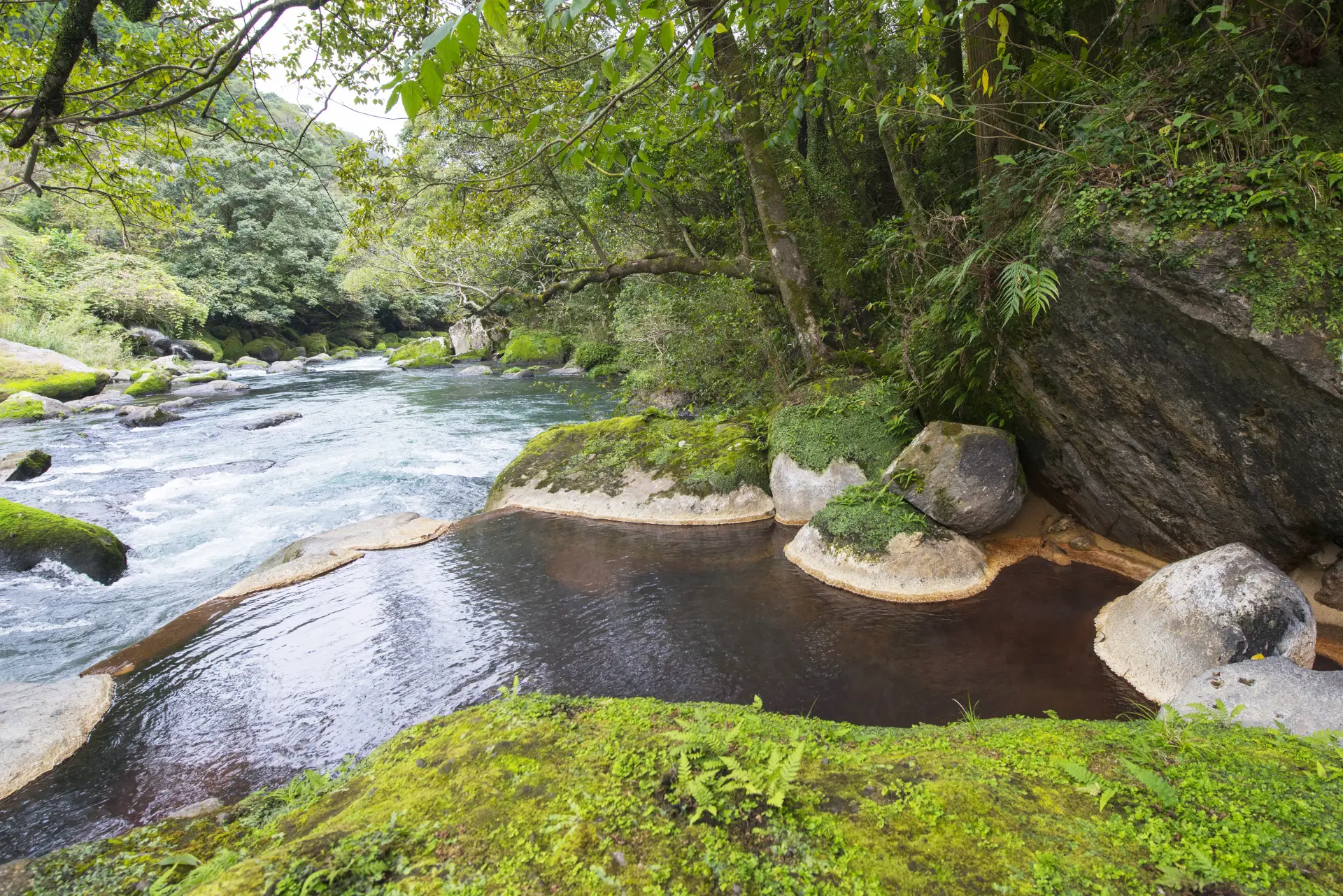
This luxury hot spring ryokan stands along the clear Amori River, home to wild birds, ayu sweetfish, and carp. Seasonal flowers on its roughly 33,000-square-meter (8-acre) grounds welcome guests.
Guest rooms are located in both the eye-catching, stately stone-built Ishigura building and the elegant main building. Rooms with open-air baths, sukiya-style rooms, and contemporary design rooms all feature carefully designed, refined interiors.
3 Things to Keep in Mind in Kirishima
Because Kirishima is a nature-rich travel destination, there are a few things to know in advance to enjoy your trip comfortably.
It is important to understand the area’s local characteristics, such as the distances between sightseeing spots, weather changes typical of volcanic areas, and the qualities of its hot spring waters.
Here are key points to keep in mind so you can enjoy sightseeing in Kirishima with confidence.
1. Sightseeing Spots Are Spread Out, So Traveling by Car Is the Standard
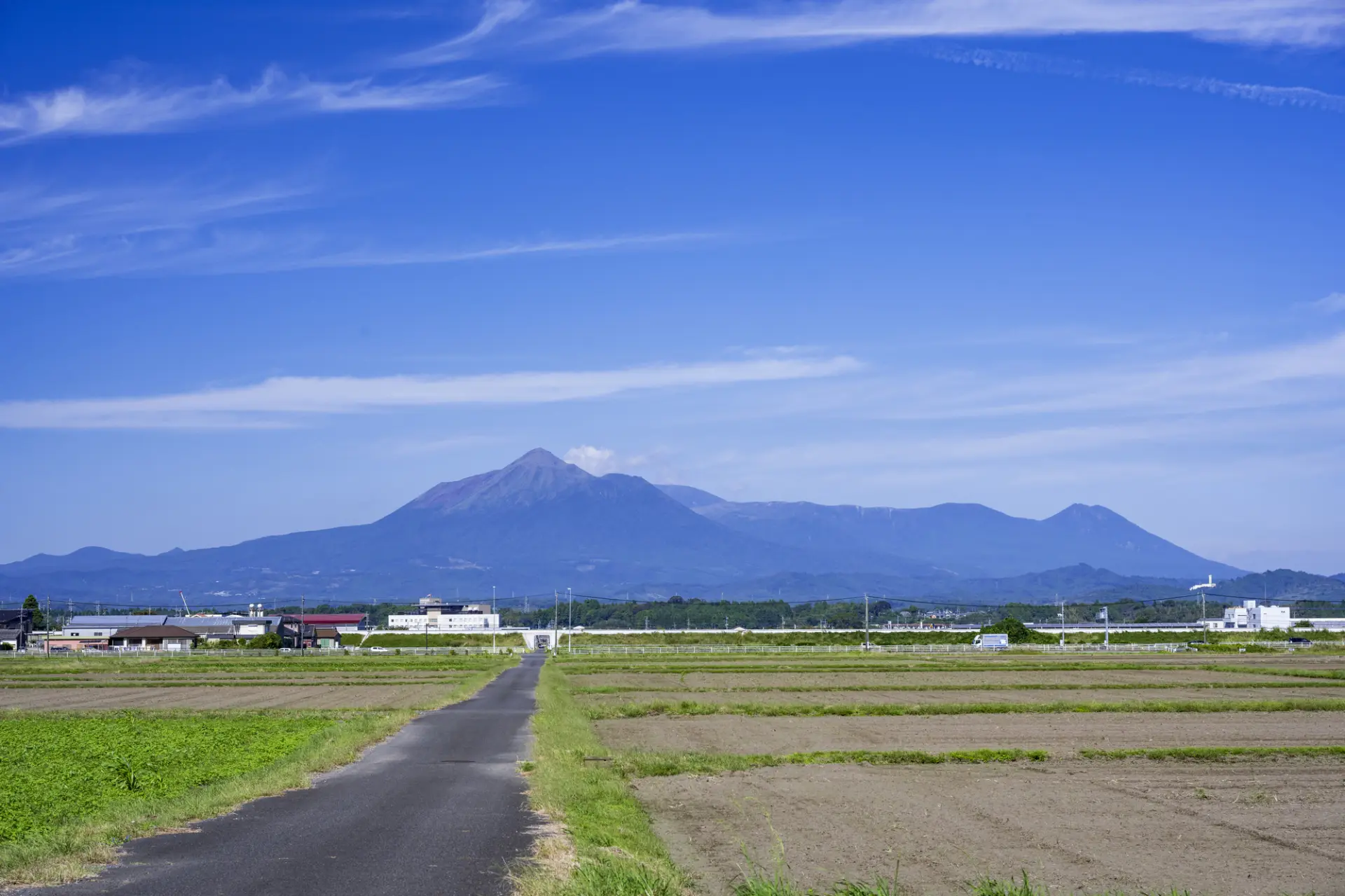
In the Kirishima area, major sightseeing spots such as Kirishima Jingu Shrine, Kirishima Onsenkyo, and Ebino Plateau are spread over a wide area.
Many places take time to reach by public transportation alone, so renting a car is recommended if you want to visit efficiently.
Some roads are mountainous and have many curves, so plan your schedule with plenty of extra time.
2. Be Prepared for Volcanic Activity, Weather Changes, and Trail Conditions
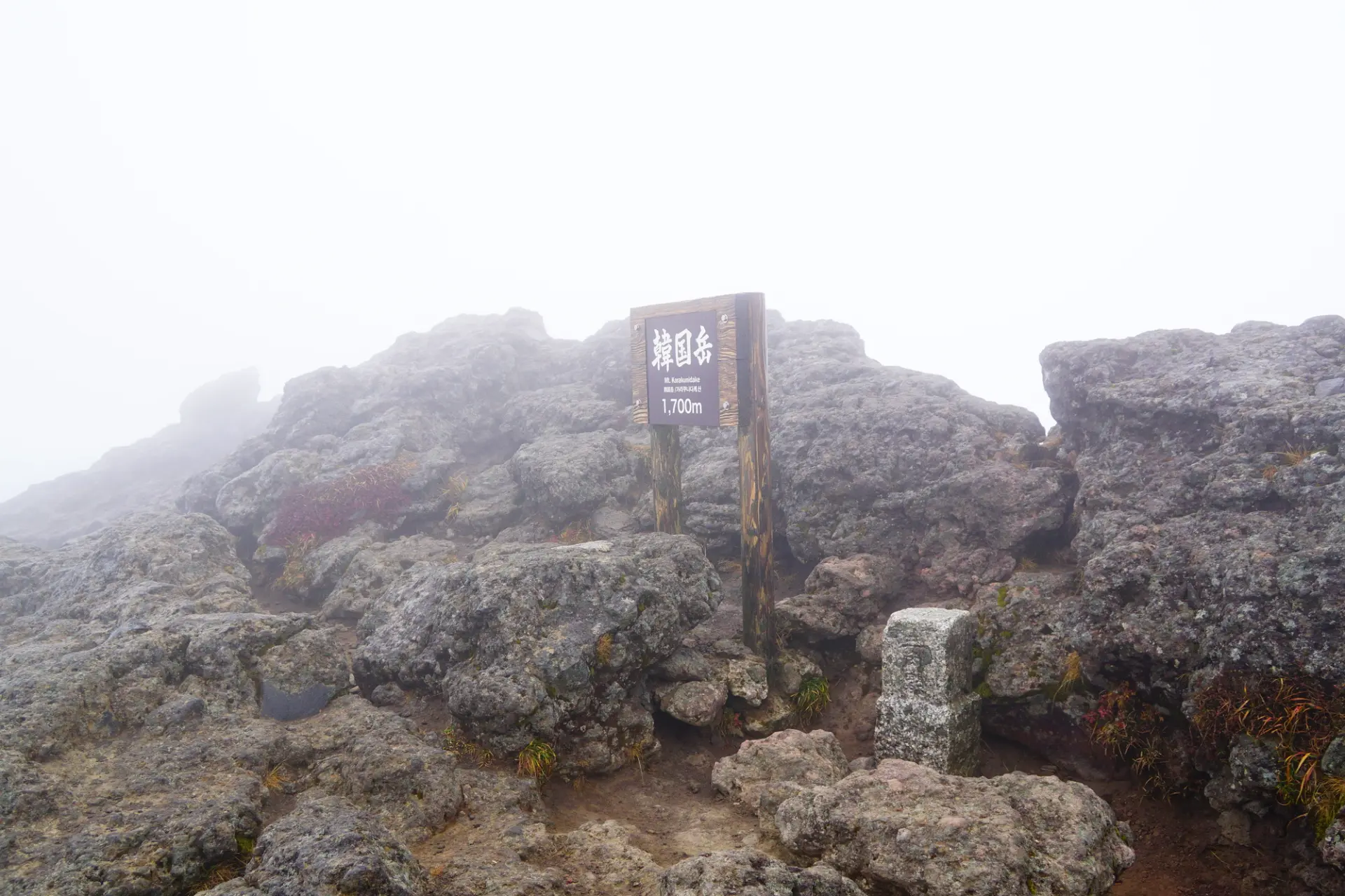
Kirishima is an active volcanic area, so hiking trails and roads may be restricted depending on volcanic activity.
Especially around Mt. Takachiho and Mt. Karakuni, sudden rain and fog are not uncommon.
Some walking paths and hiking trails have slippery volcanic rock, so it is a good idea to prepare comfortable walking shoes, a layer you can put on, and rain gear.
3. Some Hot Springs Have Strong Mineral Qualities
Kirishima Onsenkyo has many distinctive hot springs, mainly sulfur springs, and some locations have water that may feel quite stimulating.
Long baths can sometimes cause hot spring fatigue, so enjoy them at a comfortable pace while drinking water regularly.
Sulfur components can also discolor accessories, so it is best to remove them before bathing.
Enjoy the hot springs while understanding these characteristics of a hot spring area.
Frequently Asked Questions About Kirishima Travel
Q
How many nights are recommended for sightseeing in Kirishima?
If you want to visit the main spots at a relaxed pace, 2 days and 1 night to 3 days and 2 nights is recommended.
Q
Can I take a day-use bath in Kirishima Onsenkyo?
Many ryokan inns and facilities accept day-use bathers, so you can easily enjoy the famous hot springs.
Q
Can beginners enjoy climbing Mt. Takachiho?
There are maintained routes, so beginners can give it a try, but be sure to wear comfortable clothing and shoes.
Summary
Kirishima is dotted with a wide variety of sightseeing spots, including shrines connected to mythology, grand volcanic scenery, famous hot springs, and museums.
This article has introduced Kirishima highlights where you can fully enjoy nature, history, and culture.
Through scenic trekking and hot spring hopping, you can experience a special trip that soothes the mind.
If you are unsure about your travel plans, be sure to check the article below as well.