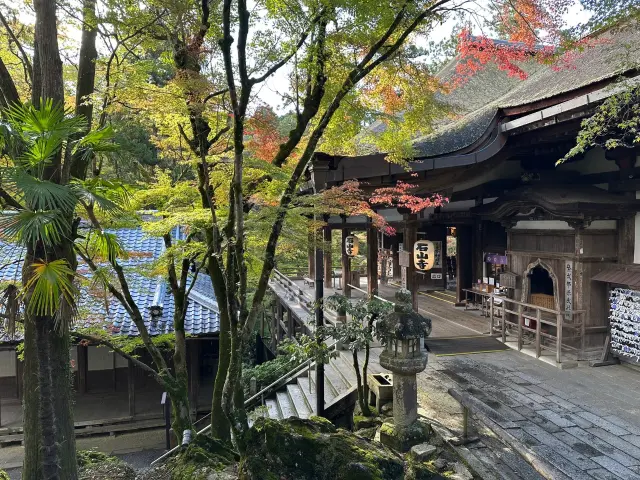
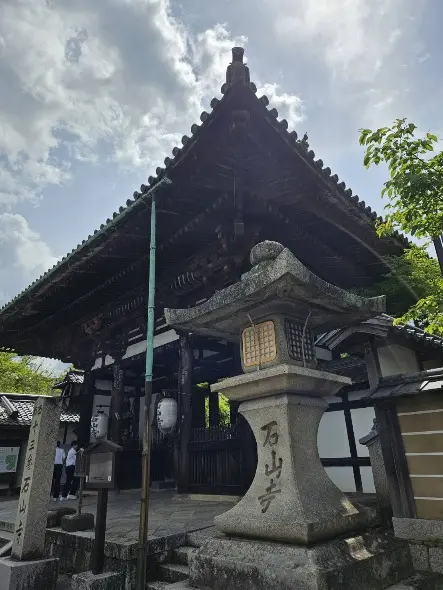
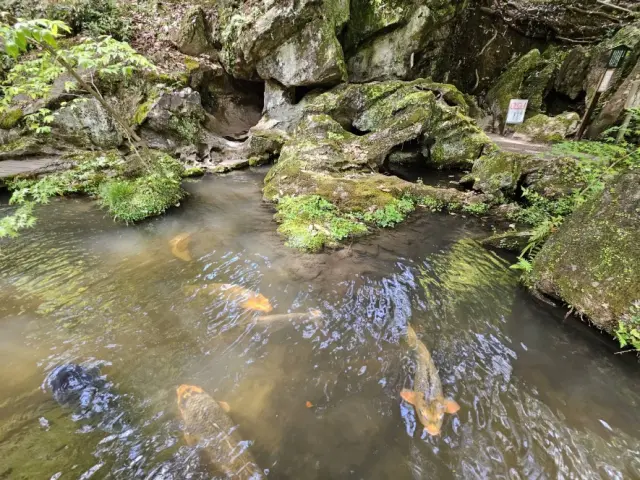
A head temple of Shingon Buddhism standing on the banks of the Seta River, which flows from Lake Biwa, Japan’s largest lake by surface area. Unusual rock formations rise throughout the temple grounds, including the massive outcrop towering in front of the Main Hall. The rock is wollastonite, a Natural Monument rarely found anywhere in the world. The temple was named Ishiyamadera, meaning “Stone Mountain Temple,” because it stands on this rocky hill. It was founded in 747 during the Nara period (710–794) and is said to have been established by High Priest Roben under the orders of Emperor Shomu.
The temple’s principal image is the Nyoirin Kannon Bodhisattva, Japan’s only sacred Buddhist image sealed from public view by imperial order. The Main Hall, where the statue is enshrined, is the oldest surviving wooden structure in Shiga Prefecture, while the Tahoto Pagoda is Japan’s oldest and is said to have been donated by Minamoto no Yoritomo. Both are designated National Treasures. Other valuable buildings are scattered throughout the grounds, including Important Cultural Properties such as the Tsukimi-tei Moon-Viewing Pavilion, which served as an imperial seat for successive emperors beginning with Emperor Go-Shirakawa, the East Gate, and Miei-do Hall.
During the Heian period (794–1185), pilgrimages to Ishiyama became popular among the aristocracy, and many female writers visited the temple. Murasaki Shikibu was one of them, and she is said to have conceived the idea for The Tale of Genji while staying at Ishiyamadera for prayer and reflection. The Main Hall contains the Genji Room, where an inkstone said to have been used by Murasaki Shikibu and a painting of her are preserved.
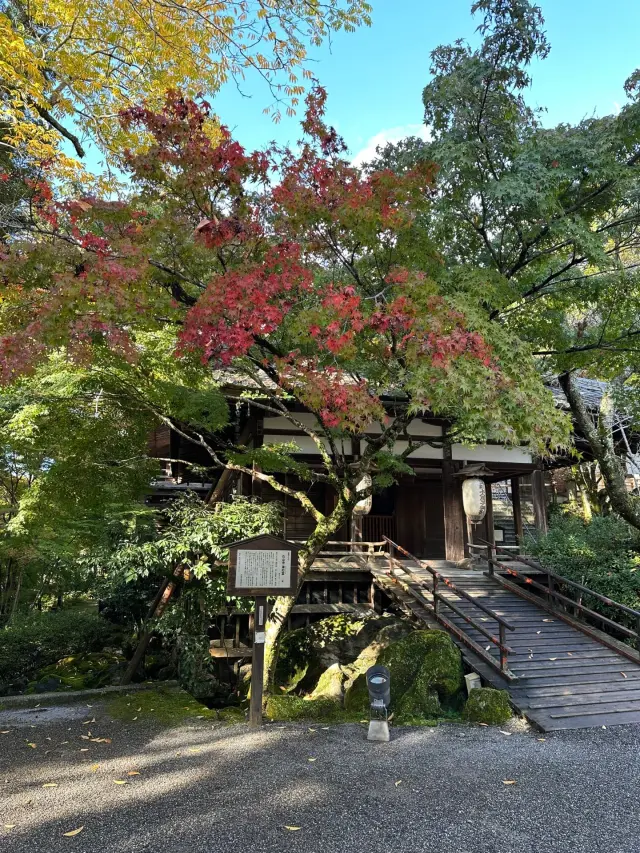
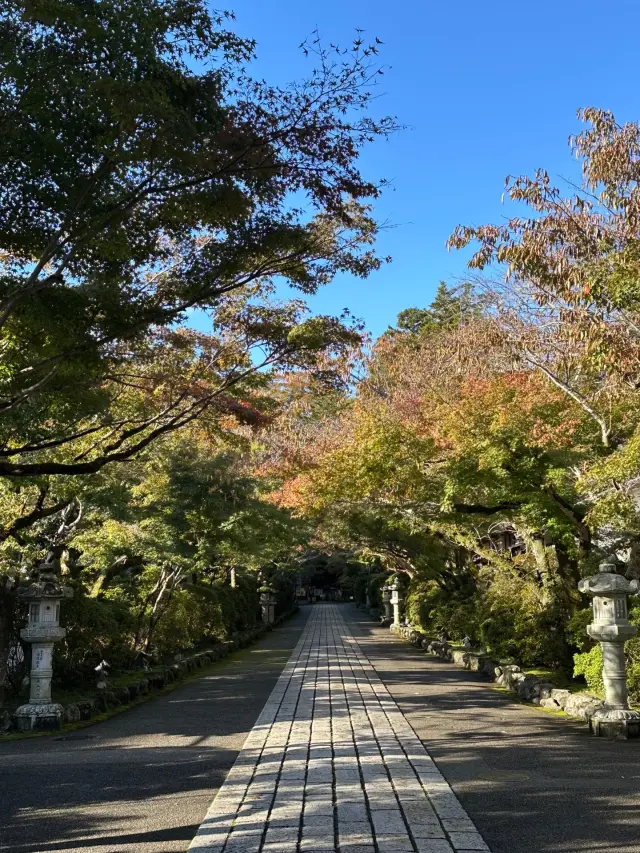
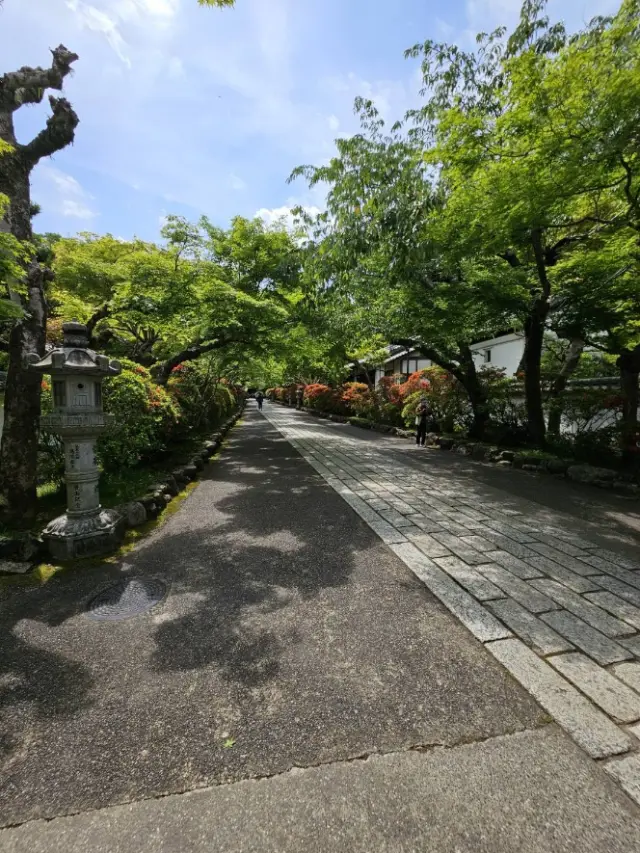
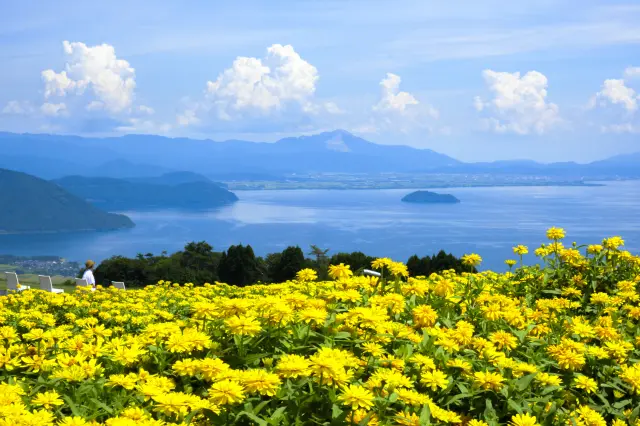
The temple is also recognized as part of the Japan Heritage site “Lake Biwa and Its Waterfront Landscape: A Heritage of Water Linking Prayers and Daily Life.” The Autumn Moon at Ishiyama is one of the Eight Views of Omi, and the temple offers picturesque seasonal scenery, including colorful fall foliage.
Along the approach to Ishiyamadera Temple are restaurants serving local ingredients and specialties such as Seta freshwater clams, funazushi fermented sushi, and Omi beef, as well as souvenir shops selling regional products and a hot spring inn.
Highlights
-
A rare temple built atop wollastonite designated as a Natural Monument.
-
The place where Murasaki Shikibu is said to have conceived the idea for The Tale of Genji.
-
Numerous National Treasures and Important Cultural Properties are found throughout the grounds.
-
The Autumn Moon at Ishiyama is one of the Eight Views of Omi.
-
Its principal image is Japan’s only Nyoirin Kannon Bodhisattva sealed from public view by imperial order.