

For this day trip to Nagatoro and Chichibu, I chose a different mode of transportation from most travelers. I set out from Kumagaya aboard the SL Paleo Express steam train instead of taking the Seibu Limited Express Laview from Ikebukuro to Chichibu. Besides enjoying the natural scenery along the Chichibu Railway, I specifically set aside the afternoon for downtown Chichibu, hoping to visit some of the area’s famous power spots and try the distinctive Chichibu Pilgrimage Circuit.
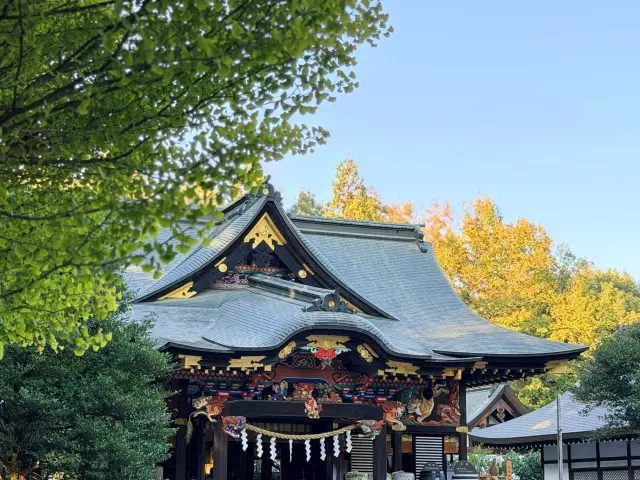
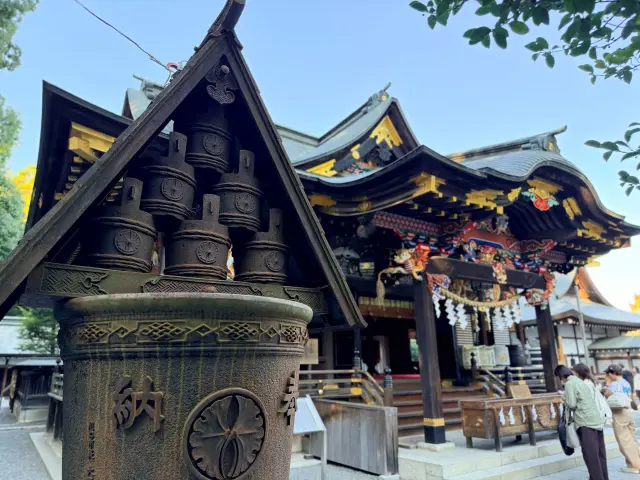
My first stop was the historic Chichibu Shrine. The carvings decorating the shrine’s main hall are quite ornate, and the intricate carvings throughout the grounds are well worth slowing down to appreciate in detail.
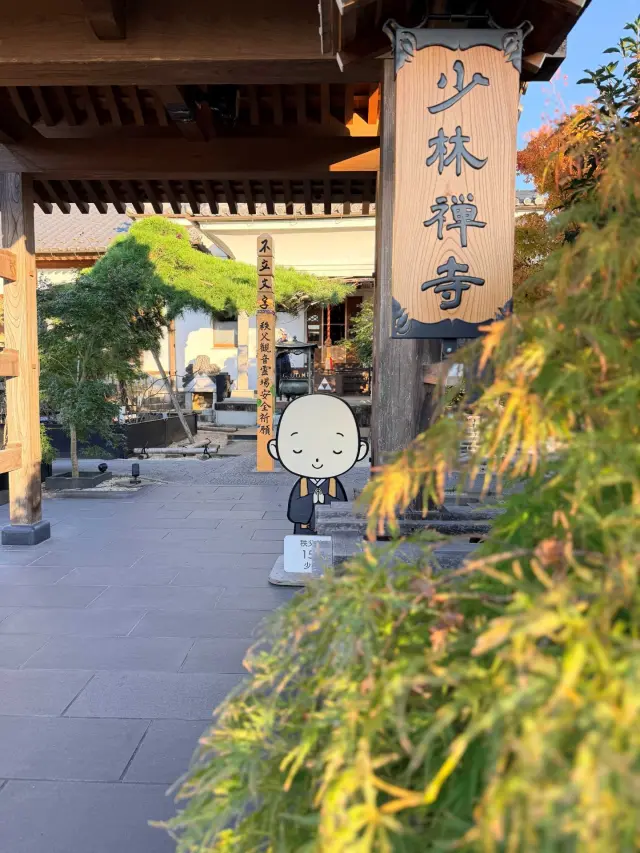
As for the Chichibu Pilgrimage Circuit, after considering the departure time of my return train and how far I could walk, I decided to visit just Temple No. 15, Shorinji, which I felt a special connection with. Before setting out, I read other travelers’ accounts of their pilgrimages and always wondered what kind of appeal could make people willing to spend the time visiting these temples one by one. It wasn’t until I personally set foot on the pilgrimage route that I gradually came to understand the unique attraction of traveling through Chichibu’s mountains, forests, and communities while enjoying the local scenery and experiencing its traditional religious culture. Chichibu has 34 pilgrimage temples in total, so it looks like I’ll need to plan a separate trip dedicated to the pilgrimage if I want to visit them all.
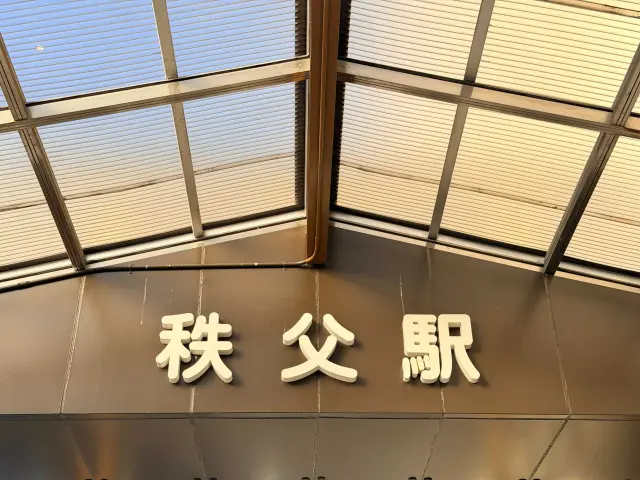
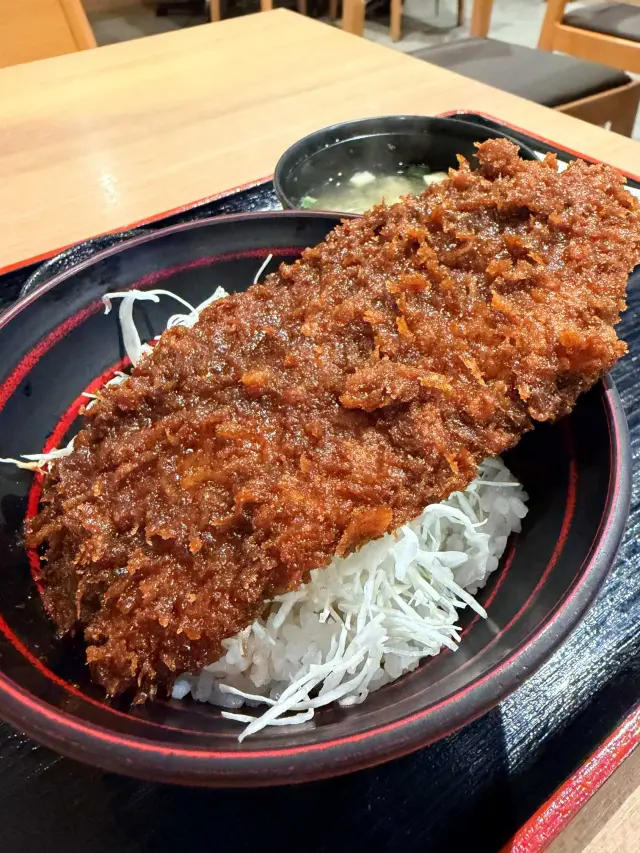
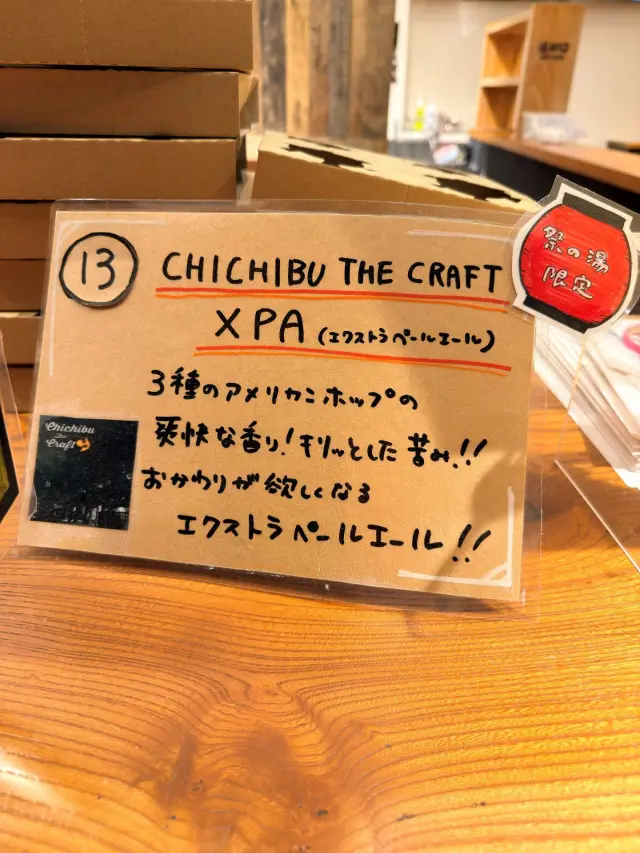
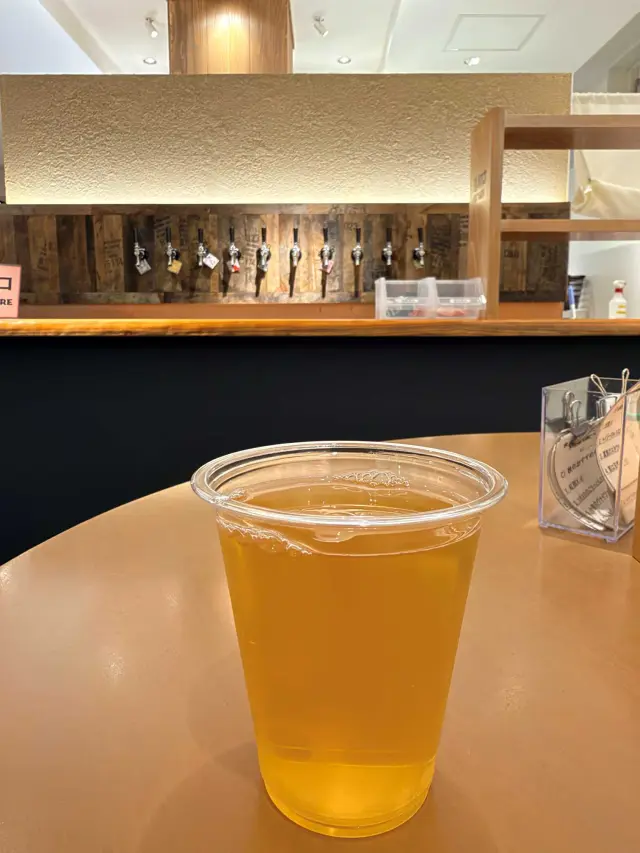
At the end of the trip, I arrived at Seibu-Chichibu Station, where Matsuri no Yu, connected directly to the station, was the perfect place to recharge and enjoy local food. Of course, my first choice was Chichibu’s specialty, waraji katsudon! The pork cutlets were fried until golden and crispy, coated in the restaurant’s special sweet-and-savory sauce, and served with steaming white rice. It was a very satisfying meal. I had already sampled local beer aboard the SL Paleo Express through a Chichibu Nishiki event, but before leaving, I naturally wanted to seize one last opportunity to try more beer brewed in Chichibu. As I enjoyed the food and drinks, most of the fatigue built up from walking all day seemed to disappear in an instant.
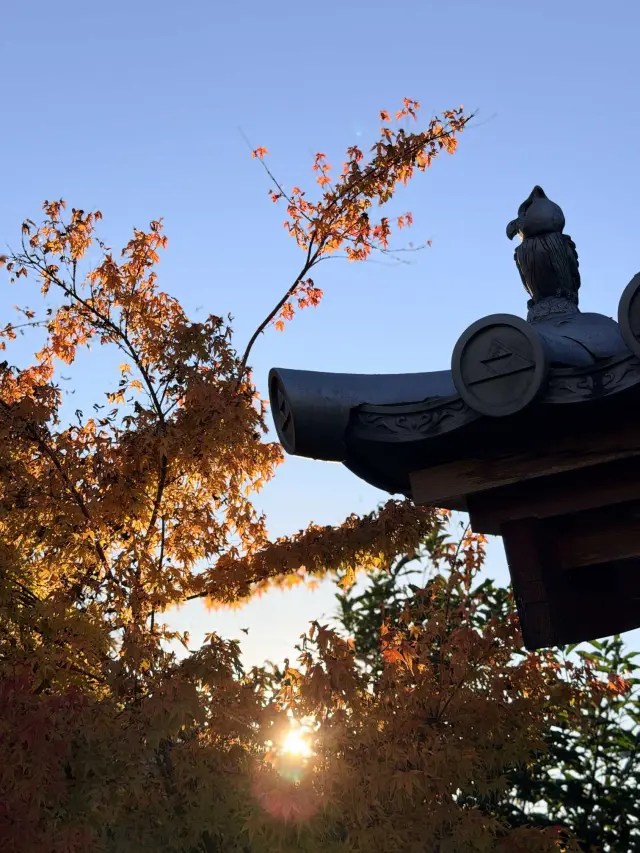
Another delightful surprise on this trip to Nagatoro and Chichibu was the beautiful fall scenery along the way. Although the maple leaves had not yet completely turned red, they happened to look exactly the way I like them best. The intermingling shades of red, yellow, and green made the forests appear even more vivid and layered. Together with the ginkgo trees that had quietly begun turning yellow, there were beautiful views everywhere that made me stop and admire them.
Looking back on the day, from the nostalgic steam train and Nagatoro’s natural scenery to Chichibu’s shrines, pilgrimage, and local food, every experience left me with different memories. My only slight regret is probably that I discovered so late just how captivating the scenery and charm of Nagatoro and Chichibu are. It also made me start looking forward to my next visit.

Verified [Verified] denotes information that has been published with confirmation of its owing parties.
Chichibu Pilgrimage Circuit
A pilgrimage route connecting 34 temples scattered throughout the nature-rich Chichibu area.
The 34 Kannon Sacred Sites (temples enshrining Kannon Bodhisattva ) scattered in Chichibu City, Yokoze machi, Ogano machi and Minano machi are called “Chichibu Fudasho”(Chichibu Pilgrimage Circuit )”, and are included in the Japan 100 Kannon Pilgrimage along with 33 sites in Saigoku and 33 sites in Bando.
Chichibu Pilgrimage Circuit was started in the Muromachi period (1336-1573) and it became popular among ordinary people in the Edo period (1603-1868). People visited there for their faith as well as for their sightseeing tour.
The pilgrimage route from Shimabuji Temple, the first temple on the list, to Suisenji Temple, the 34th, is about 100 km (about 62.14 miles) long. There is no rule to follow the numbered temples in order, so many pilgrims start from the easiest temple to reach. In the past, it was customary to dedicated ofuda (paper talismans) with one’s profile on it as a token of one’s visit to a temple, but nowadays, Pilgrimage can have the name of the temple and its Shuin (red seal) on their Nokyo-cho (honorable seal book).
Pilgrimage supplies such as Nokyo-cho, walking sticks and Oizuru (the pilgrim's traditional white clothing) are sold at many temples, including the 1st Shimabuji Temple and the 13th Jigenji Temple.
One of the major attractions of the pilgrimage is the opportunity to walk through the natural beauty of Chichibu. In particular, the route from the 20th Iwanoue-do to the 25th Kyusho-ji Temple, called "Nagaone-michi," is very popular.
Highlights
-
The tour will visit 34 Kannon Bodhisattvas scattered throughout the Chichibu area that are highly revered for their sacredness.
-
The "Nagaone-michi" route from the 20th to the 25th is a popular route walking along the paths of the Nagaone Hills, which are rich in nature.
-
To visit the temple, first take off your hat and bow at the temple gate, then bow with your hands in prayer to the principal idol. Finally, you will receive a red seal at the Nokyo-sho (a building where pilgrims pay a fee to receive a seal).
-
You can go around not only on foot but also by private car, bus, or cab.
-
The walking pilgrimage from the 21st to the 34th may be closed due to heavy rain etc.
Photos
-

The first temple, Shimabuji.
-

A picture frame of the "Kannon Reigenki" displayed in the main hall of each temple.
-

Two huge straw sandals are dedicated at the main gate of the 4th temple, Kinshoji, which is famous for stone Buddhist statues.
-

The statue of Jibo-Kannon in Kinshoji is called Kosodate-Kannon (Kannon for child-raising).
-

The 3rd temple, Josenji. Many temples on the route are located in natural settings, such as in the countryside or in the mountains.
-

After the worship, you can receive the Goshuin red seal on your Nokyo-cho.
Reviews
Some reviews are AI-translated.
-
-
Over the past two years, we’ve started planning our trips around Japan’s sightseeing trains and then arranging the rest of the itinerary around them. For those of us who don’t drive, it’s an especially convenient and comfortable way to travel.
We were lucky enough to book the only sightseeing train that runs from Chichibu to Tokyo, the "52 Seats of Happiness," for Sunday, 2026/06/07 at 4:00 PM, departing Chichibu for Shinjuku. Since we wanted to make it a day trip and also choose the French dinner service with live onboard music, this is the itinerary we ended up with:
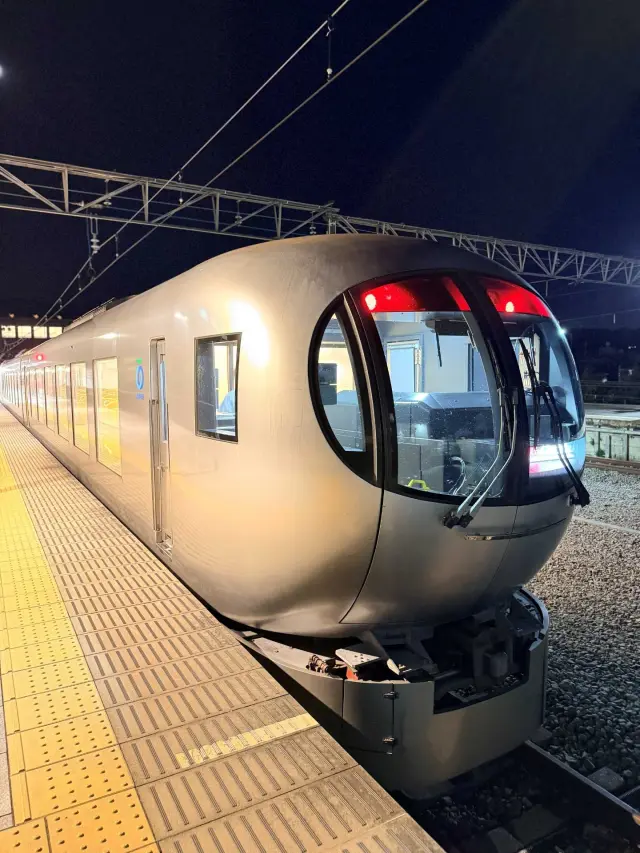
At 9:00 in the morning, we took the Laview train from Ikebukuro Station, which first launched in March 2019. The ride took about 70 minutes. As soon as we arrived in Chichibu and exited the station, we saw the hot spring festival collaboration with Beitou in Taiwan. Right next to it was an area filled with all kinds of souvenirs and food.
About a five-minute walk away is Chichibu’s most famous ramen shop, and my personal number one, "Chindatsu." After a satisfying meal, we strolled through the thoughtfully designed streets. The shops along the way were all decorated in such a warm and charming style. In about 15 minutes, we reached Chichibu Shrine. It shares the cultural motif of the three cute monkeys with Nikko Toshogu Shrine, but its traditional shrine architecture paired with brighter colors gives it a very different feel.
After soaking in the spiritual atmosphere, we passed a supermarket that was amazing for shopping, then headed to the hot spring facility next to the station. The large public bath overlooks the mountains, and there are also stone slabs where you can lie down and relax, which was perfect for easing the fatigue from walking 20,000 steps a day over the past few days.
The "52 Seats of Happiness" train is arranged like a French restaurant, and the meal was made with fresh, delicious ingredients. The authentic French sauces were impressively well done, and the live violin performance by a highly skilled musician was the perfect finishing touch to this trip.
-





Details
- Name in Japanese
- 秩父札所巡り
- Address
- Chichibu city, Yokoze machi, Ogano machi, Minano machi and others.
- Telephone
- 0494-25-1170 (Chichibu Fudasyo Union)
- Holiday
- Open every day
- Hours
- 8:00 am-noon, 12:30pm - 5:00pm (November-February 4:00pm)
- Admission Fee
- Free (Goshuin red seal: 500 yen)
- Direction
-
Depends on the temple (e.g., by bus from Seibu Chichibu Station of Seibu Railway)
*To Seibu-Chichibu station : 1 hour and 17 minutes by express train from Seibu-Ikebukuro station on Seibu railway. - Credit Cards
- Not accepted
- Official Website
- Official Website (Japanese)