
Verified [Verified] denotes information that has been published with confirmation of its owing parties.
Heirinji Temple
A historic temple preserving the character of Musashino, surrounded by woodland designated a National Natural Monument.
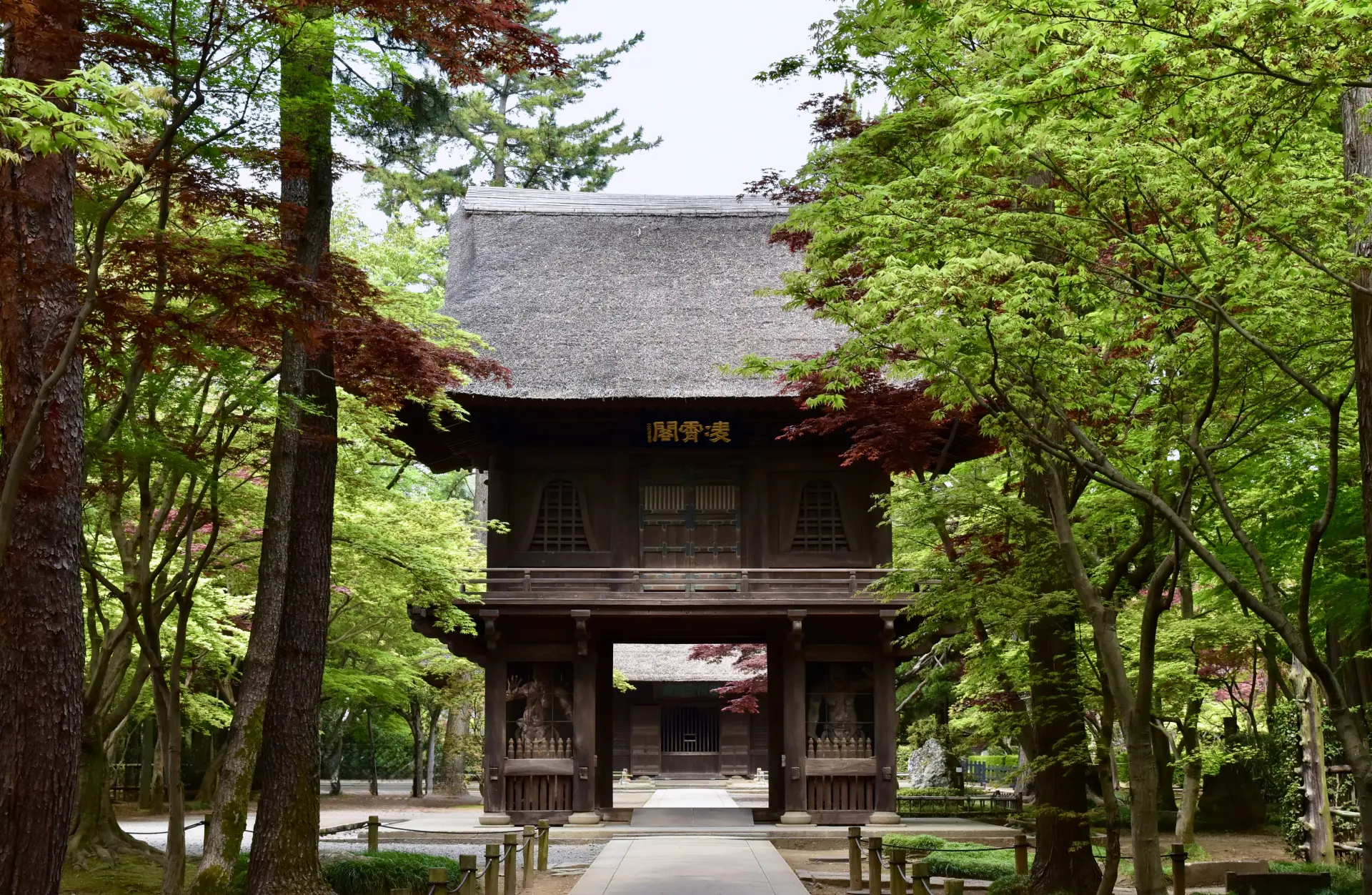
This historic temple is surrounded by the rich natural environment of Musashino in Niiza City, Saitama Prefecture. Heirinji Temple, a Rinzai Zen temple, was founded in 1375 in what is now Iwatsuki, Saitama City. It was later relocated to Nobitome in 1663 in accordance with the dying wishes of Matsudaira Nobutsuna, a senior councilor of the Edo shogunate.
The Nobidome Canal, which branches off from the Tamagawa Aqueduct, flows through the temple grounds, creating scenery where history and nature exist in harmony. Notable structures include the Main Gate with its distinctive thatched roof, the 350-year-old Sanmon Gate relocated here in the early Edo period, and the Buddha Hall, which houses a seated statue of Shakyamuni Buddha.
One of the main attractions is the expansive Heirinji Temple Forest, covering approximately 106 acres. Designated a National Natural Monument as a valuable cultural property preserving the character of Musashino’s woodlands, the forest offers walking paths surrounded by konara oaks, sawtooth oaks, and other trees. The scenery changes with the seasons, from fresh spring foliage to deep summer greenery and colorful autumn leaves. Along the paths through the woodland are sites such as Hōjō Pond and Nobidome-zuka Mound, allowing visitors to experience the characteristic landscapes of Musashino alongside the flowing Nobidome Canal.
The peaceful grounds offer a sense of Zen and the natural beauty of Musashino. Walk among the historic temple buildings and lush woodland to experience a landscape of Musashino that has survived into the present day.
Highlights
-
A Rinzai Zen temple in Niiza City, Saitama Prefecture.
-
The approximately 106-acre Heirinji Temple Forest is designated a National Natural Monument.
-
Walk through woodlands that preserve the character of Musashino and take in scenery that changes with the seasons.
-
Explore the Nobidome Canal, Hōjō Pond, Nobidome-zuka Mound, and other sites throughout the grounds.
-
Historic temple buildings include the thatched-roof Main Gate, the 350-year-old Sanmon Gate, and the Buddha Hall.
Photos
-
The Sanmon Gate, a symbol of Heirinji Temple and a Prefecturally Designated Tangible Cultural Property
-
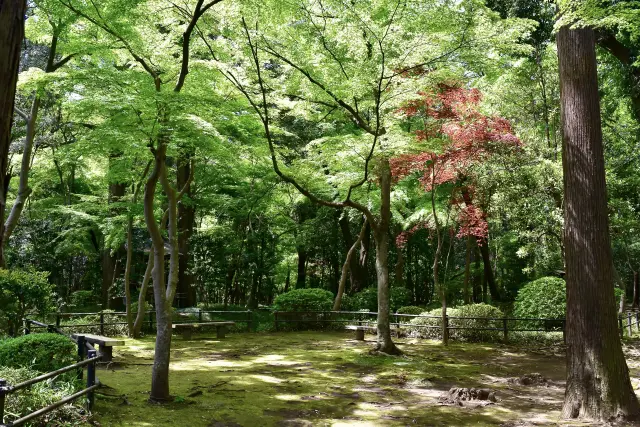
Heirinji Temple Forest, designated a National Natural Monument
-
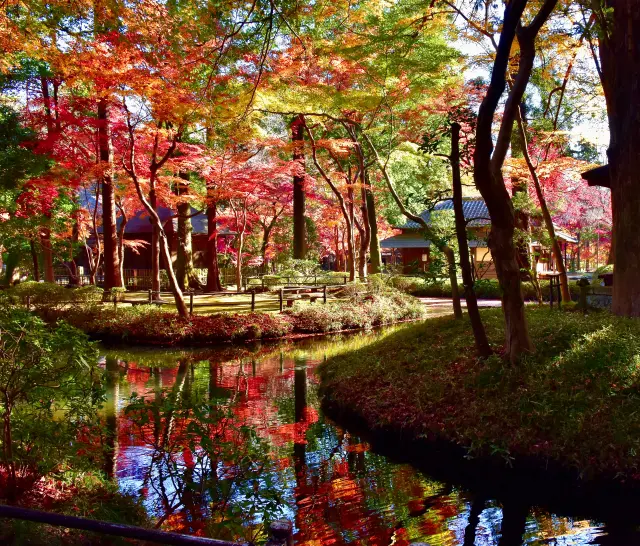
Hōjō Pond, a peaceful place to rest while exploring the temple grounds
Official FAQs
Frequently Asked Questions have been vetted and answered directly by each listing.
Q
Are brochures or other materials available in foreign languages? If so, which languages are supported?
No, they are not available.
Q
Are goshuin temple stamps available?
Yes. However, they may occasionally be unavailable.
Q
Is parking available?
No, parking is not available.
Q
Are coin-operated lockers available?
No, they are not available.
Reviews
Details
- Name in Japanese
- 平林寺
- Postal Code
- 352-0011
- Address
- 3-1-1 Nobitome, Niiza City, Saitama Prefecture
- Phone
- None
- Closed on
-
February 1 through the end of February for maintenance throughout the temple grounds, and December 31
The grounds may be closed without prior notice if severe weather, strong winds, or other conditions pose a safety risk. - Hours
- Admission: 9:00 a.m.-3:30 p.m. (grounds must be vacated by 3:50 p.m.; gates close at 4:00 p.m.)
- Admission
- Junior high school students and older: JPY 500; elementary school students: JPY 200
- Access
-
1) From Shiki Station on the Tobu Tojo Line, take a bus for 15-20 minutes and get off at the Heirinji Monzen bus stop; the temple is immediately nearby.
2) From Hibarigaoka Station on the Seibu Ikebukuro Line, take a bus for 15-20 minutes and get off at the Heirinji Monzen bus stop; the temple is immediately nearby. - Credit Cards
- Not accepted
- Official website
- Official website (Japanese)