
Verified [Verified] denotes information that has been published with confirmation of its owing parties.
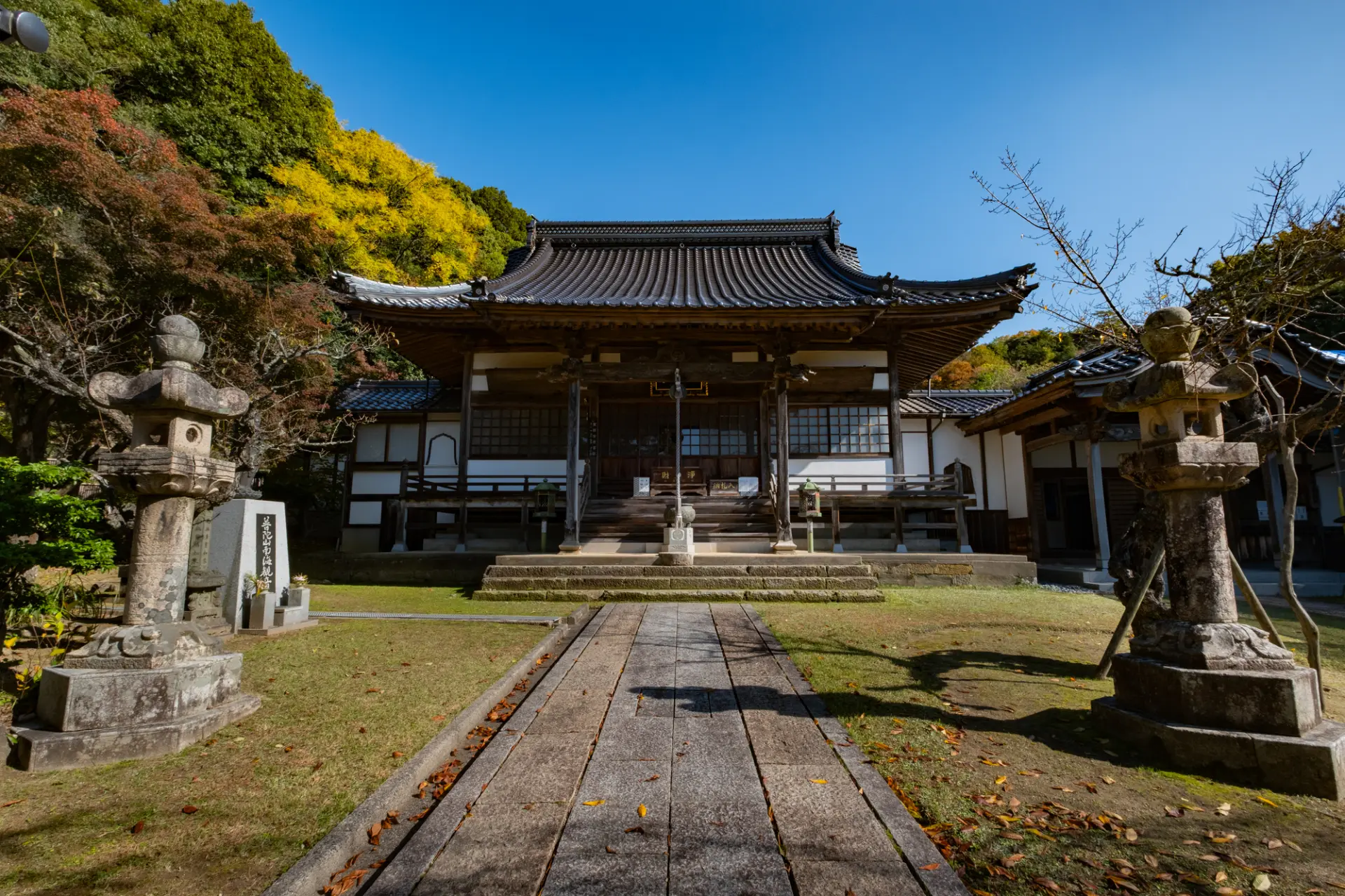
Fudarakusan Kannon-in Temple
Admire this picturesque garden at a leisurely pace from the shoin reception hall.
This Tendai Buddhist temple is said to have been founded in Kan’ei 9 (1632), when Ikeda Mitsunaka, the lord of the Tottori Domain at the time, was transferred to the area. Its main attraction is Kannon-in Garden, which is designated a National Place of Scenic Beauty. Believed to have taken approximately 10 years to complete beginning in Keian 3 (1650), it is considered an outstanding example of an early Edo-period pond garden designed for viewing.
One of the garden’s key features is that it was designed to be viewed from the shoin reception hall. It skillfully incorporates the natural slope and uses the surrounding landscape as borrowed scenery, making the garden appear to extend toward the distant mountains. In the large pond in front of the shoin, the shapes of the islands and stone arrangements symbolically depict Turtle Island and Crane Island, both representing wishes for longevity. The garden also features stone arrangements representing a waterfall’s source and cascades, with the suggestion of flowing water creating a mountain-and-water landscape.
Sitting in the shoin’s tatami room and gazing out over the garden while leisurely enjoying matcha and a sweet offers a refreshing escape from everyday life. The garden takes on a different character with each season: delicate cherry blossoms in spring, lush lawns and trees in summer, vivid foliage adding depth to the scenery in fall, and a quiet, almost monochrome landscape in winter.
Highlights
-
A historic temple said to have been founded in Kan’ei 9 (1632), when Ikeda Mitsunaka was transferred to the area.
-
The garden was designed specifically to be viewed from the shoin reception hall.
-
Its scenery changes with the seasons, from cherry blossoms in spring and vibrant greenery in summer to fall foliage and the tranquility of winter.
Photos
-
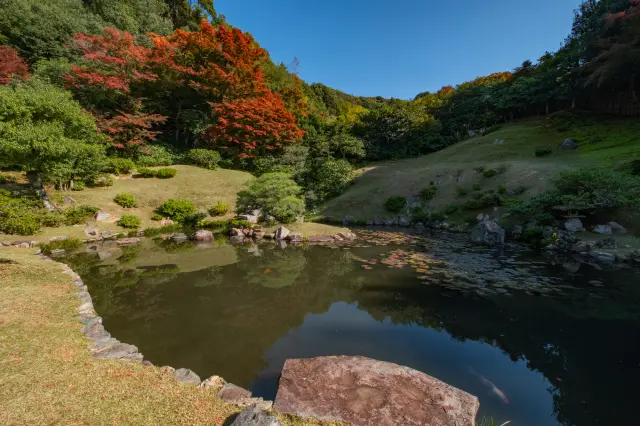
An expansive garden that incorporates the mountains behind it as borrowed scenery
-
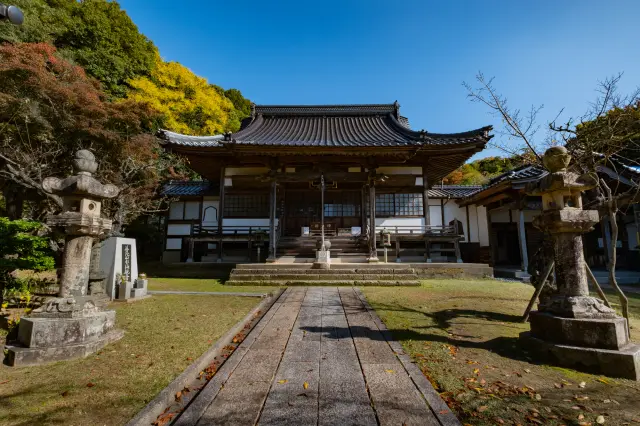
A historic temple said to have been founded in Kan’ei 9 (1632)
Official FAQs
Frequently Asked Questions have been vetted and answered directly by each listing.
Q
Are brochures or other materials available in foreign languages? If so, which languages?
They are available in English, Chinese (Taiwan), and Korean.
Q
Are goshuin temple stamps available?
Yes. They cost ¥500.
Q
Is parking available?
Yes.
Q
Are coin-operated lockers available?
No.
Q
Are there any sightseeing attractions nearby?
Nearby attractions include Yamabikokan (Tottori City Historical Museum), the Tottori Castle Ruins, and the Tottori Prefectural Museum.
Reviews
Details
- Name in Japanese
- 補陀落山 観音院
- Postal Code
- 680-0015
- Address
- 162 Uemachi, Tottori City, Tottori Prefecture
- Phone
- 0857-24-5641
- Closed on
- Open year-round
- Hours
- 9:00 a.m.–5:00 p.m.
- Admission
- Adults: ¥750, including matcha
- Access
- Approximately 20 minutes from JR Tottori Station on the Red Route of the ¥100 Loop Bus, followed by an approximately 3-minute walk from the Uemachi bus stop
- Credit Cards
- Not accepted