• See More

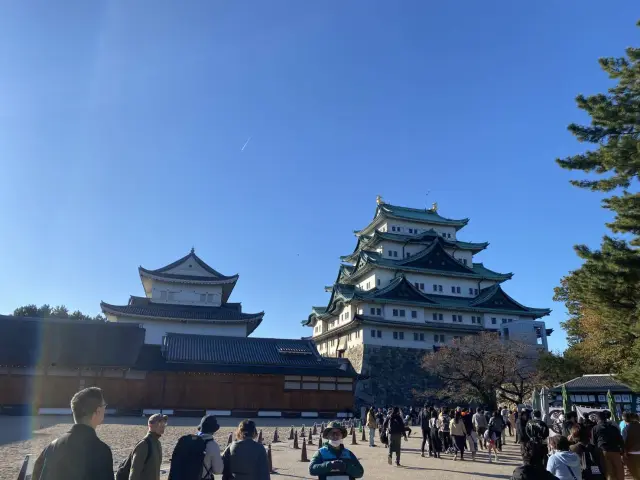
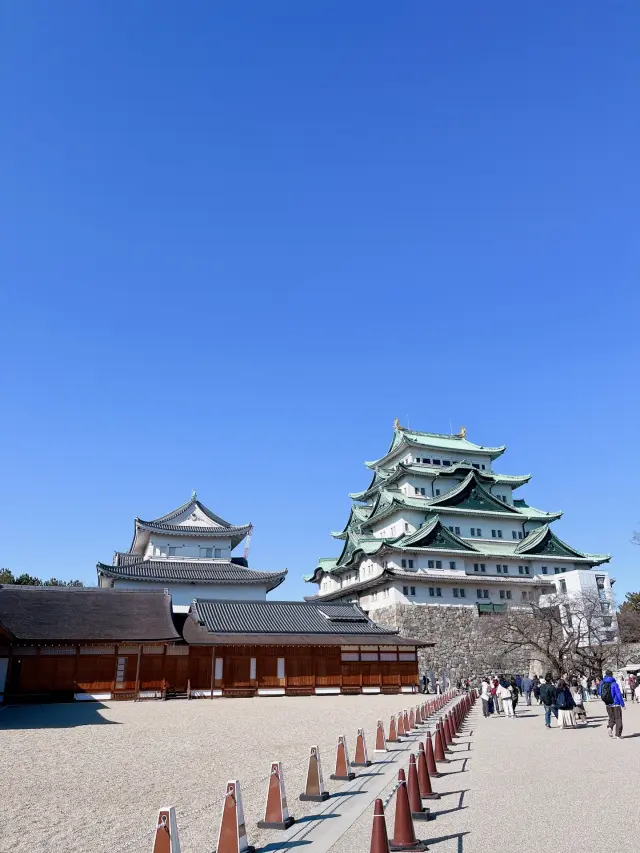
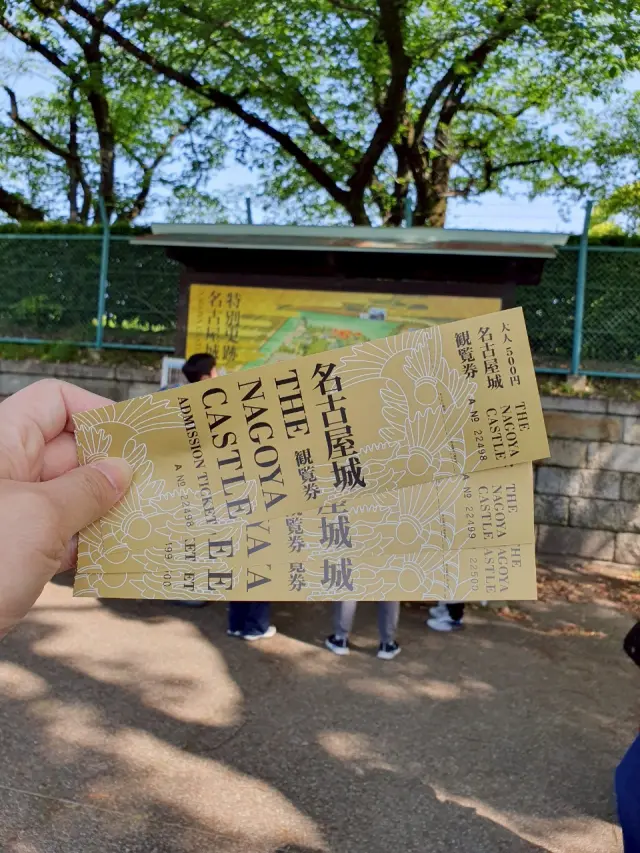
    Nagoya Castle is a must-see when visiting Nagoya! Admission is only JPY 500, and if you have a one-day subway pass, you can get an additional JPY 100 discount. It's a very good value.

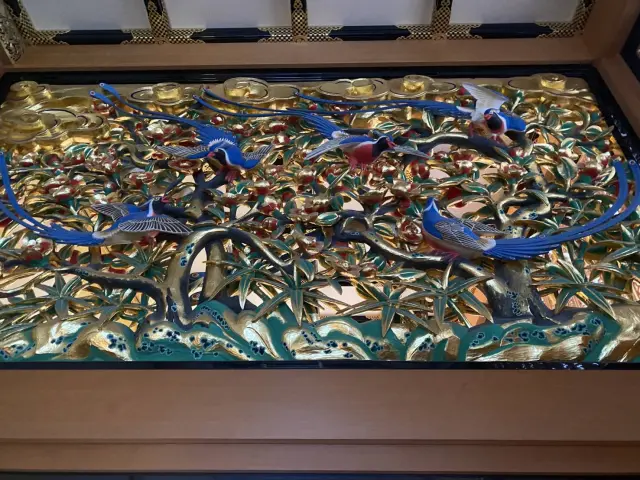
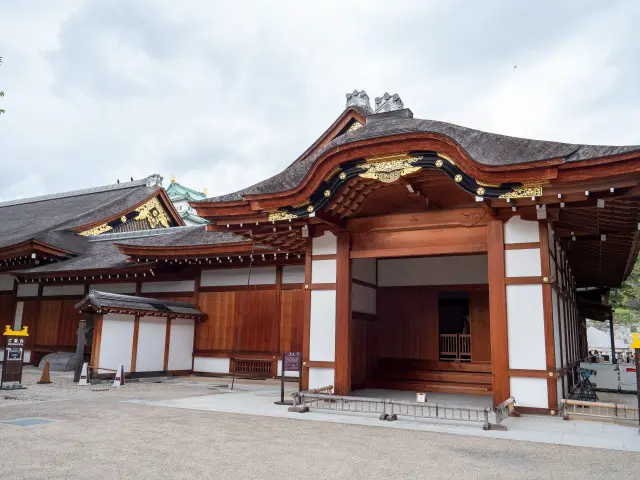
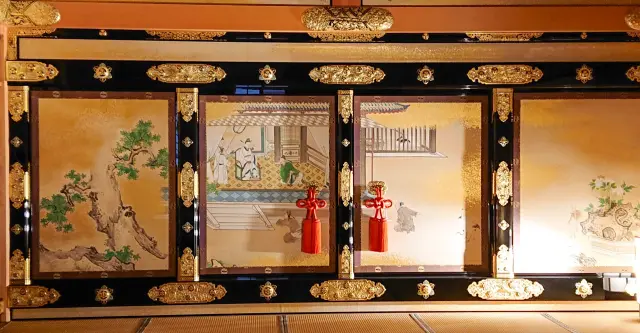
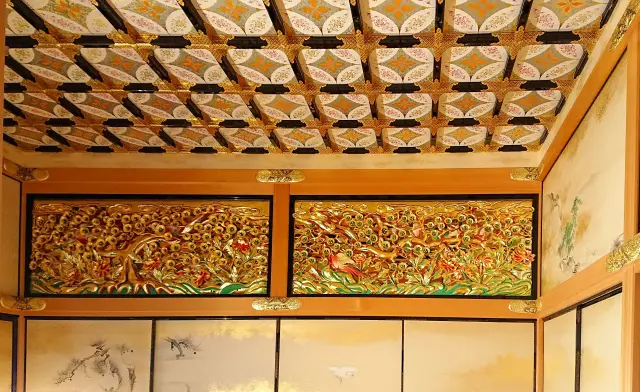
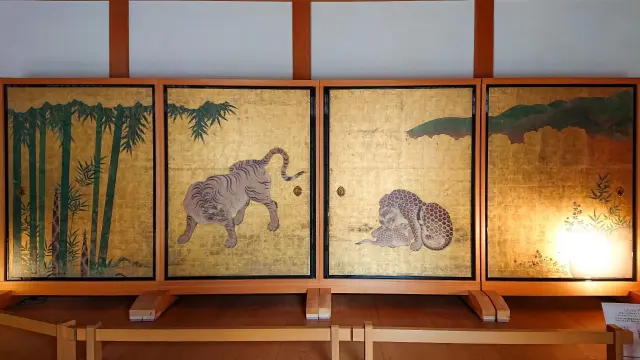
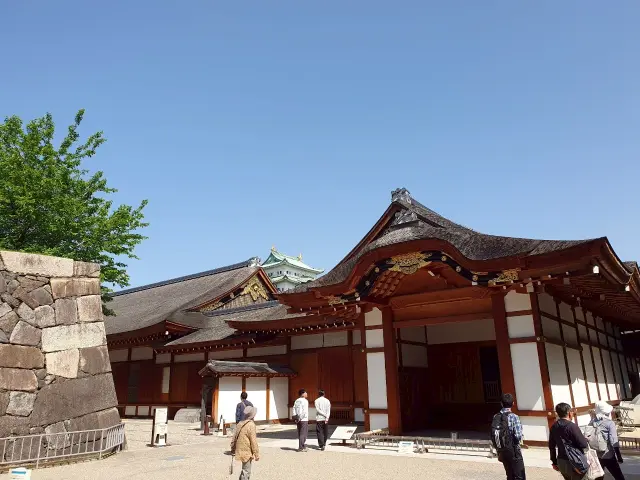
    Besides admiring the majestic castle keep and historic scenery, I especially recommend going inside Honmaru Palace! The dazzling gold wall paintings, intricate wooden architecture, and rich sense of history are truly worth seeing. The grounds are quite large, making it pleasant to stroll around and take photos at your own pace. It's definitely worth including on a trip to Nagoya!

  • See More

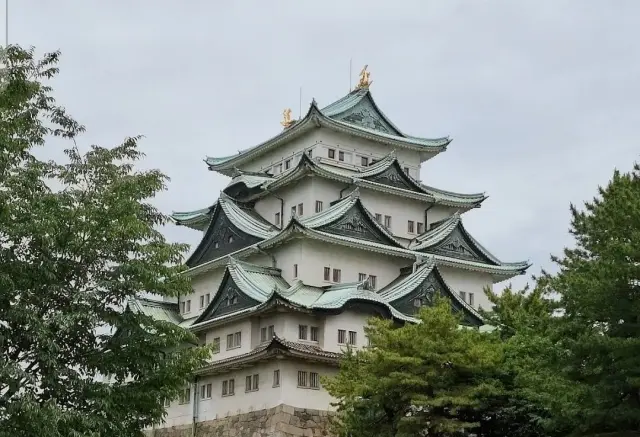
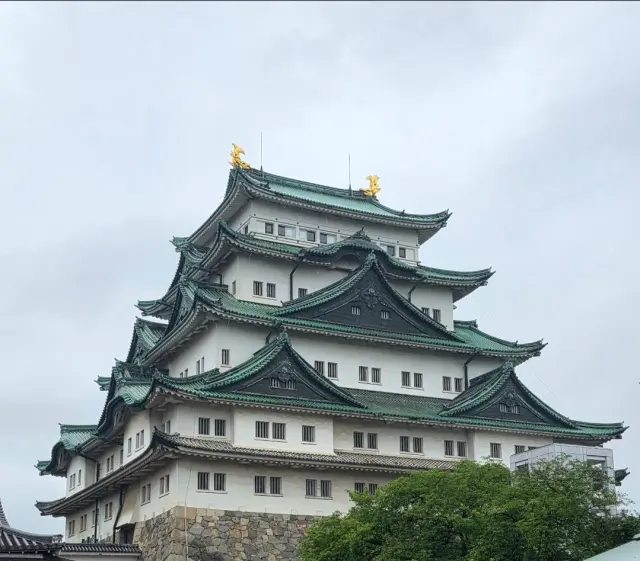
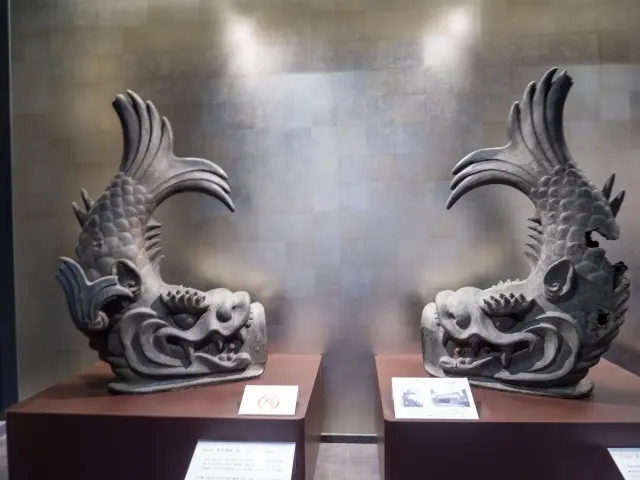
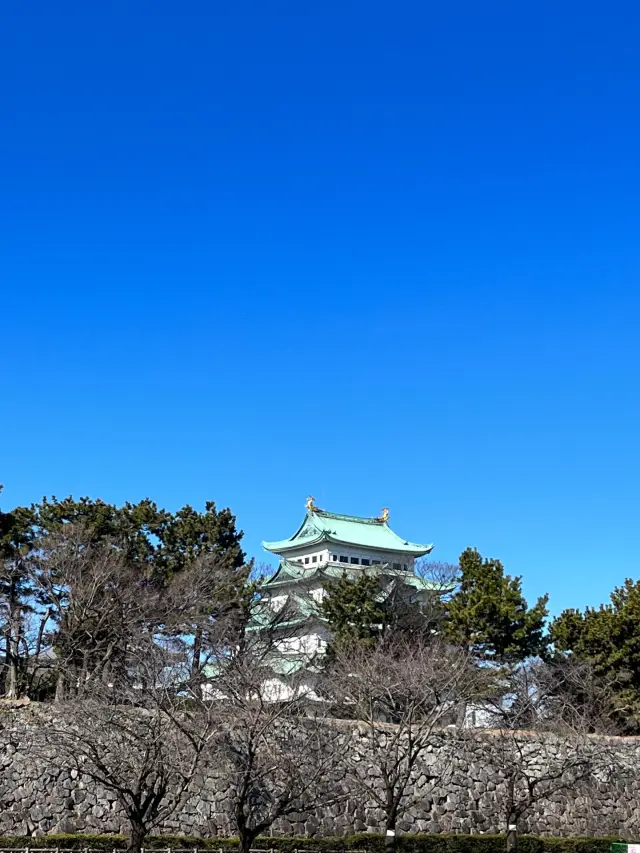
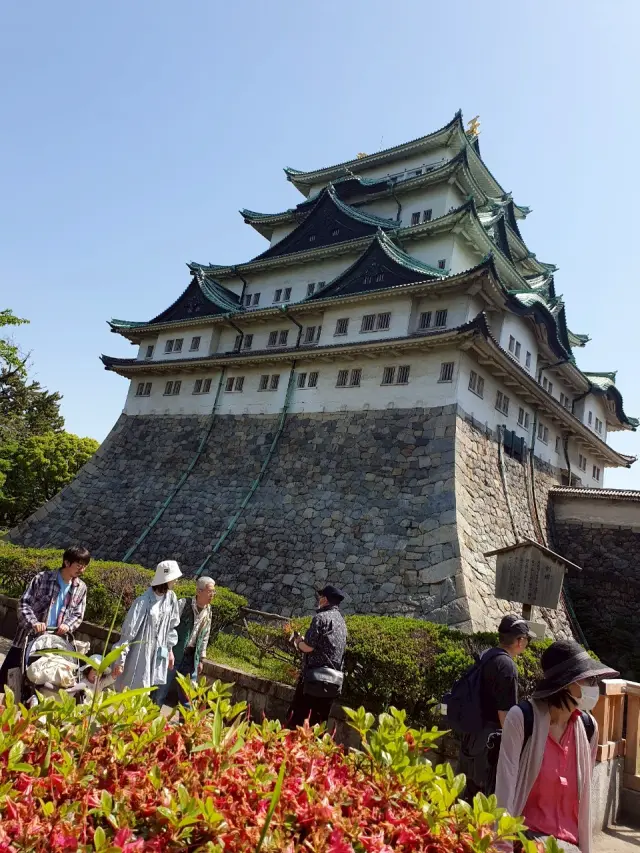
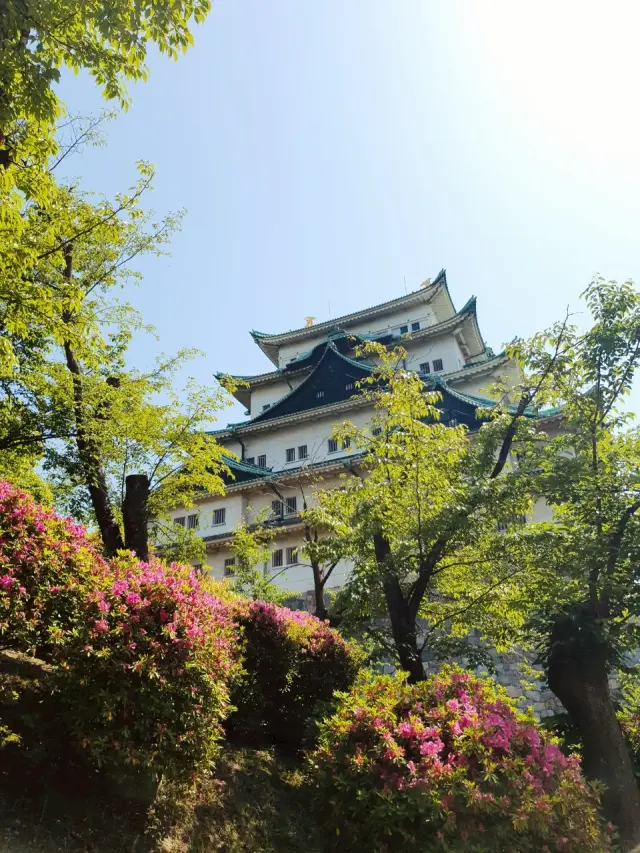
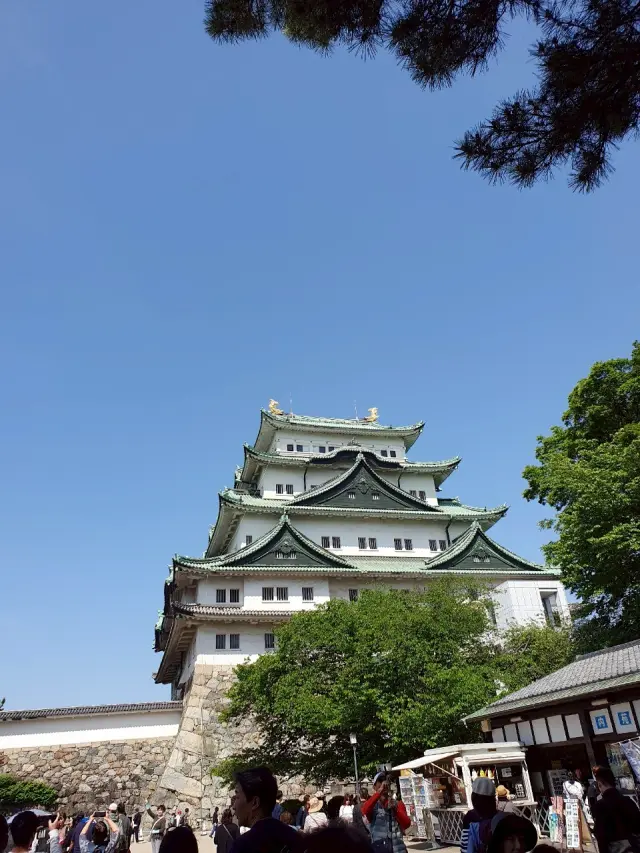
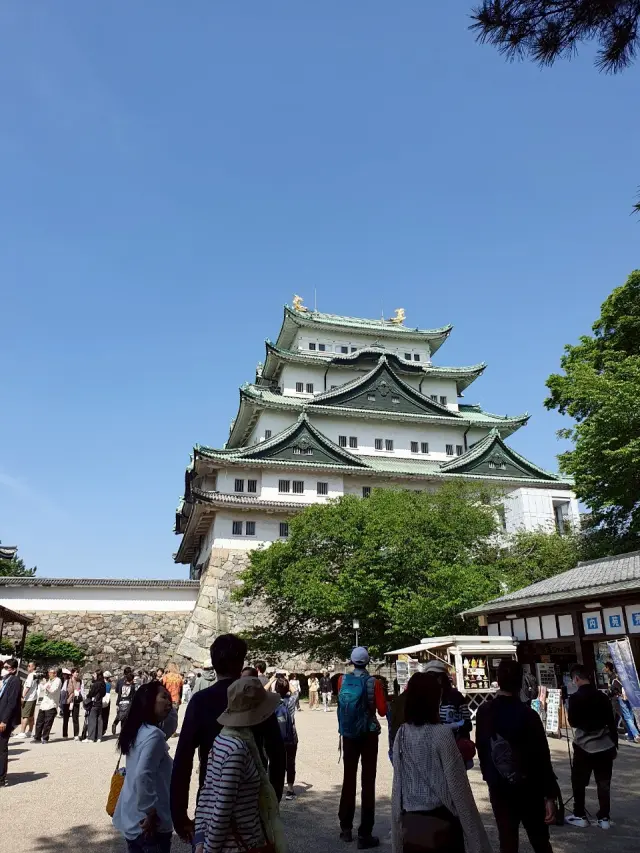
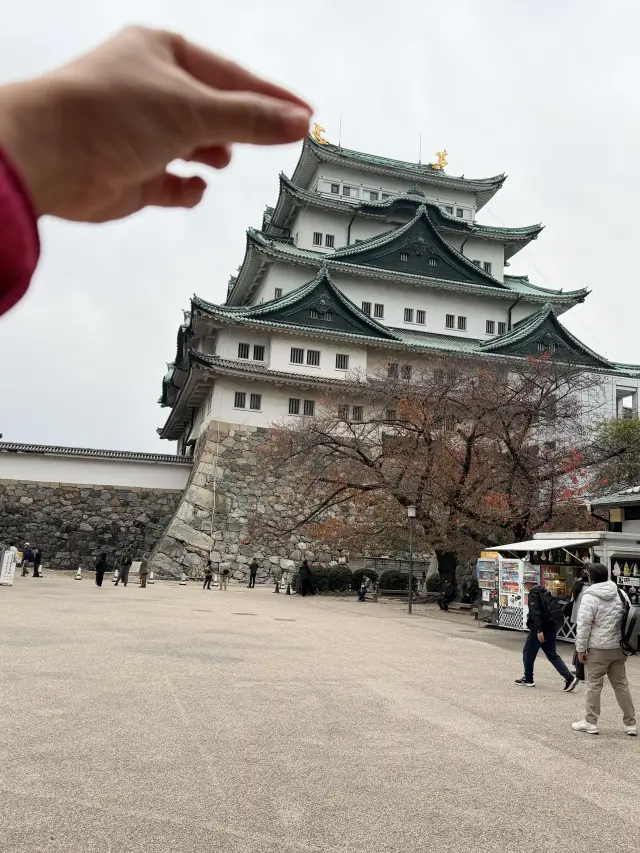
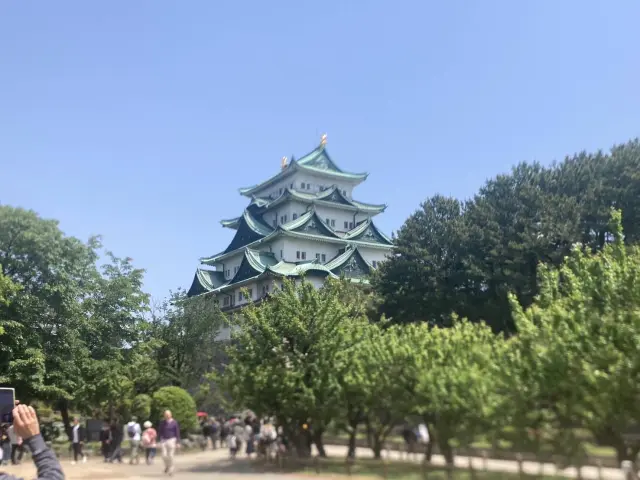
    Nagoya Castle is one of Nagoya's most iconic historic attractions. Its most eye-catching feature is the gleaming golden shachihoko on the roof, which can be seen from far away and makes the entire castle look magnificent and imposing.

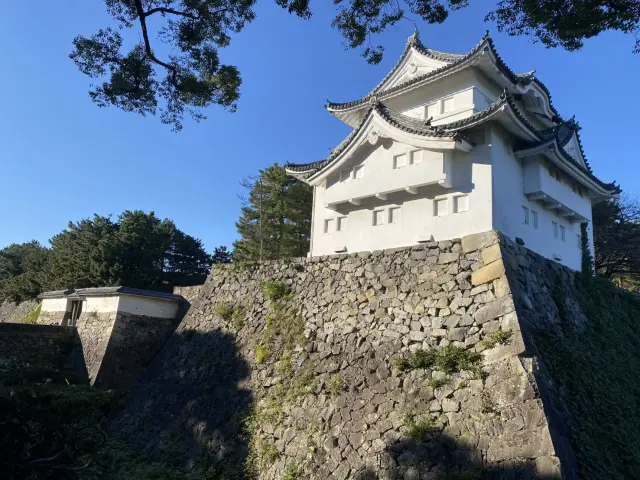
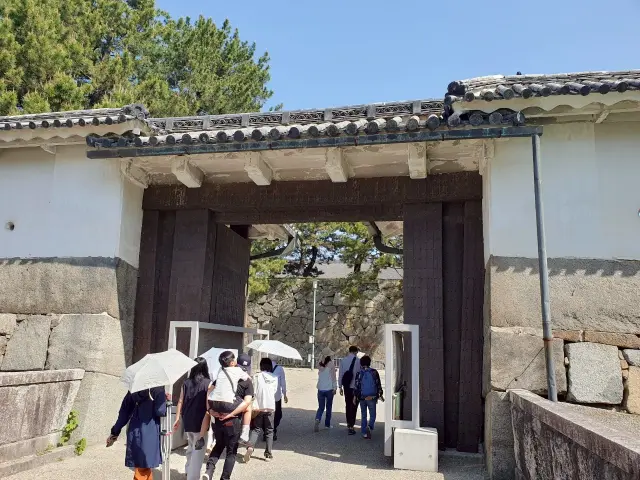
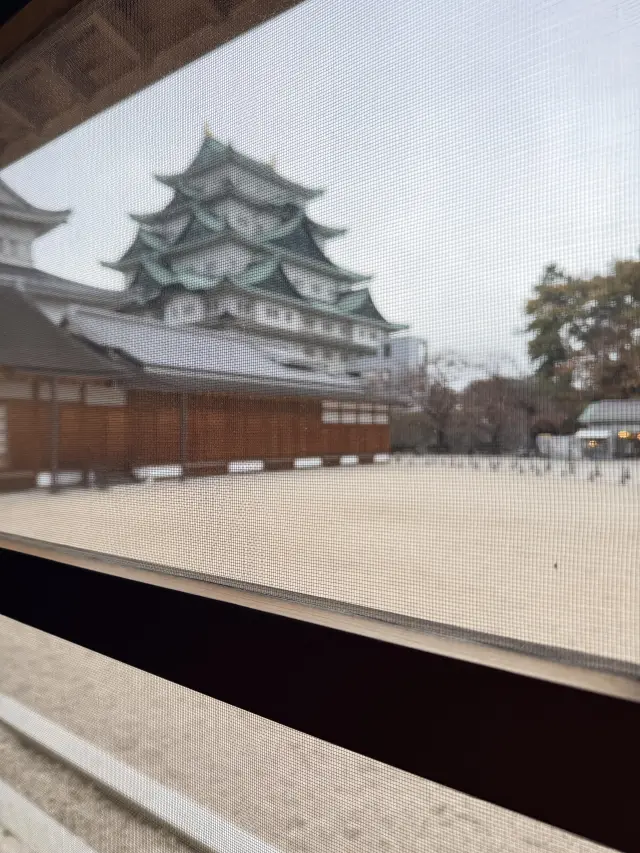
    During this visit to Nagoya Castle, I took a leisurely walk around the grounds, admiring the tall stone walls, castle gates, and traditional architecture, and soaking up the atmosphere of an old Japanese castle. The grounds are also very spacious, making it comfortable to walk around and take pictures. The exhibits also provide information about the history of Tokugawa Ieyasu and Nagoya Castle.

  • See More

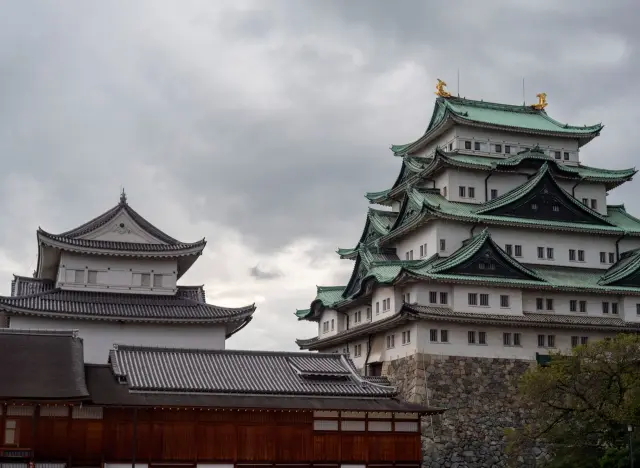
    It was drizzling when I visited Nagoya Castle. I thought there might be fewer people, but I was way off—it’s a popular attraction, so it was still packed with tourists!

    Nagoya Castle truly deserves its reputation as one of Japan’s three great castles. The most eye-catching feature is the pair of gleaming golden shachihoko atop the castle tower. They stood out even more against the gray sky and looked incredibly majestic. As I slowly explored the grounds, every corner felt steeped in history, and the rain added a unique atmosphere. This is definitely worth including in your Nagoya itinerary. It’s not only beautiful for photos, but also offers a wonderful glimpse into the Edo period.

  • See More

    I wasn't particularly interested in Nagoya Castle until I learned that the city had faithfully reconstructed Honmaru Palace—including spaces such as Jorakuden Hall and Yudono Shoin—using surviving prewar plans, photographs, measurements, and wall paintings. In other words, Nagoya Castle offers more than just a castle keep; you can also visit the shogun's residence. Once I learned that, I was determined to go.

    Honmaru Palace was what I looked forward to most, and it was every bit as breathtaking as I expected. From the entrance and Omote Shoin to Jorakuden Hall, there was a succession of gold-leaf wall paintings, carved transoms, decorative metalwork, and elaborately designed ceilings. It was so lavish that my neck started to ache from constantly looking up. I could also hear other visitors gasping in amazement.

    Yudono Shoin was equally fascinating. This was the shogun's private bathing and relaxation area. Rather than a bathtub, it featured a steam bath. The craftsmanship of the woodwork was exquisite, and even the bathing area had the refinement expected of a facility reserved for the shogun.

    Because the palace contains almost no furniture or household items, some rooms can look similar, making it difficult to immediately imagine how they were used. However, by closely observing differences in floor height, the subjects of the wall paintings, ceilings, transoms, and seating arrangements, you can still see how each space reflected status and hierarchy.

    If time allows, I highly recommend visiting Nagoya Castle and the Tokugawa Art Museum together. Honmaru Palace showcases the architectural spaces and formal order of the samurai class, while the museum preserves armor, tea utensils, paintings, calligraphy, and everyday objects from the Owari Tokugawa family. Together, they provide a much clearer understanding of daimyo culture and daily life at the time.

    I used to have low expectations for Nagoya Castle, but now I feel that simply being able to walk through such a meticulously reconstructed palace makes the visit worthwhile—even without access to the castle keep.

  • See More

    Nagoya Castle is grand and impressive, and the golden shachihoko on the roof really stand out. It’s one of Nagoya’s iconic landmarks. Inside, there are plenty of historical artifacts on display, along with beautiful garden views. It’s worth taking your time to explore.

  • See More

    Nagoya Castle is one of the must-visit attractions when traveling to Nagoya. It’s very easy to get to, with convenient subway access. Even on a weekday, there were still many tourists, and the area felt lively.

    Unfortunately, the castle tower was under renovation during my visit, so I couldn’t go inside. Still, the impressive architecture, golden shachihoko decorations, and garden scenery were well worth seeing. It made for a wonderful travel memory.

  • See More

    Meiji Mura is a fun place with a great sense of history.

  • See More

    It was under renovation, so we couldn’t go up. Looking forward to seeing its new look after the work is finished.

  • See More

    There were a lot of tourists, but it never felt too crowded. The flow was well organized, and most of the signs had both Chinese and English, so even if you can't read Japanese, it's totally fine.

Hokkaido Tohoku Kanto Chubu Hokuriku Kansai Chugoku Shikoku Kyushu Okinawa