In Japan, roadside stations are a great way to get to know the local food.
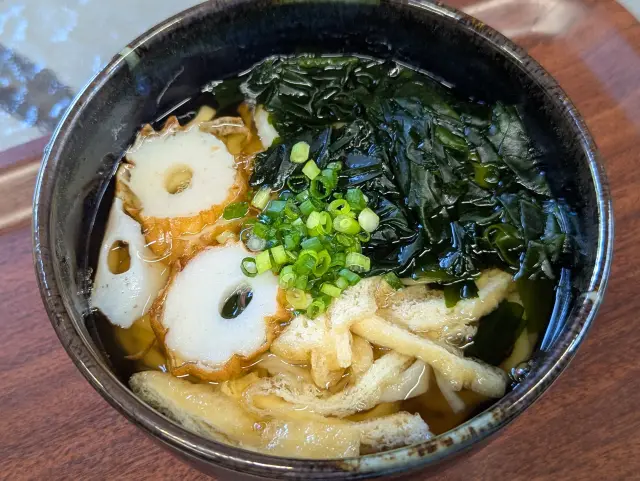
While doing the Tokushima pilgrimage, I took a little detour to Michi-no-eki Daiku-no-sato and tried a bowl of Naruto udon. Unlike Sanuki udon, the noodles are flat and irregular, more like plain wheat noodles. With a light, refreshing broth and local specialties like chikuwa fish cake and wakame, it was easy to keep taking bite after bite—even in the summer heat.
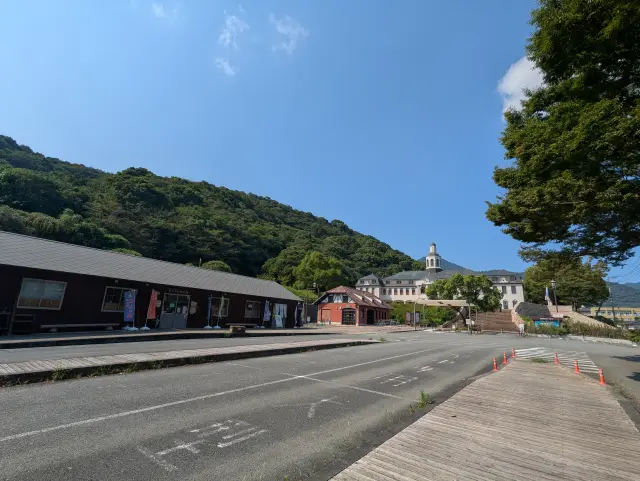
Michi-no-eki Daiku-no-sato | Review by 金己田
Other Reviews by 金己田
-
Tsu Station
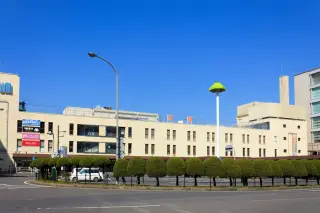
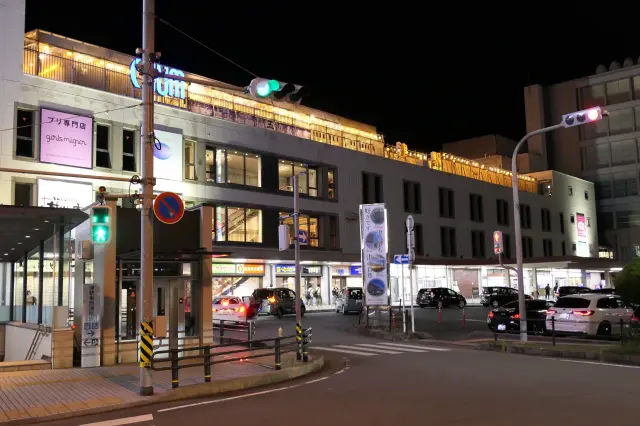
A major station on the JR Central Kisei Main Line, located in the center of Tsu City, the capital of Mie Prefecture. In addition to JR, it is also a transportation hub served by the Kintetsu Nagoya Line and the Ise Railway Ise Line. With multiple rail lines converging here, it plays an important role in supporting efficient travel within the prefecture and beyond.
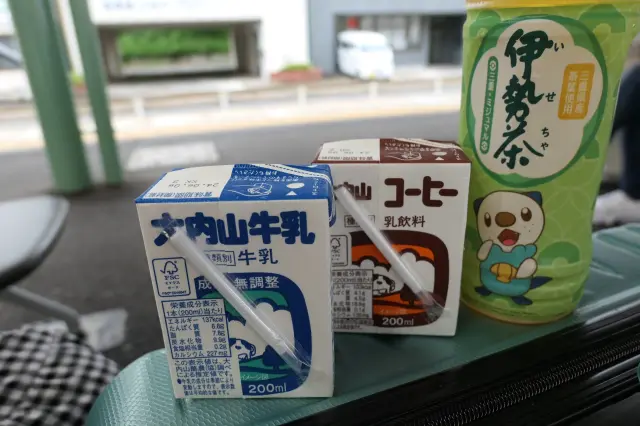
Since I was visiting Ise Jingu, I decided to stay near Tsu Station and used the station several times over a few days. Tsu Station serves both Kintetsu and JR and is medium-sized. Most of the shops inside are restaurants, but there’s also a drugstore and a 100-yen shop. The convenience store near the Kintetsu ticket gates sells milk and tea drinks exclusive to Mie, so don’t forget to grab a bottle before heading to the platform!
-
-
“KochiKame” Statues & Manhole Covers in Kameari
In Kameari, located in Katsushika Ward, Tokyo, bronze statues and manhole covers featuring characters from the popular manga “Kochira Katsushika-ku Kameari Koen-mae Hashutsujo” (commonly known as KochiKame) are installed throughout the town. They are scattered across both the north and south sides of JR Kameari Station on the JR Joban Line. In total, there are 15 statues and six design manhole covers.
My original impression of Kameari was basically just KochiKame.
But the moment I stepped out of the station, Ryo-san and his friends were right there at the exit, warmly welcoming every visitor. As I walked along the streets, I realized these characters weren’t only around the station. You can spot them throughout the neighborhood. You don’t even have to go out of your way to look for them—you’ll eventually run into a familiar character around some corner. That unexpected feeling made the walk a little more exciting. -
-
Chidorigafuchi Green Way (Chidorigafuchi Moat)
A 700-meter promenade along the moat of the Imperial Palace. Surrounded by nature so rich that it is hard to believe it is in the heart of Tokyo, it is the perfect spot for a leisurely stroll.
Chidorigafuchi Green Way is one of Tokyo’s classic cherry blossom spots. When the sakura are in full bloom on both sides, walking along the moat feels like watching cherry blossoms cascade down like a waterfall. During the day, the sight of small boats gently drifting on the water is incredibly relaxing.
However, once night falls and the cherry blossoms are lit up, that peaceful feeling seems to belong only to the people out on the water. On the shore, the real photography battle is just getting started. The nighttime sakura were beautiful, but the competition for photo spots along the bank was so intense that after quickly pressing the shutter a few times, I decided to leave the battlefield early and head home! -