• See More

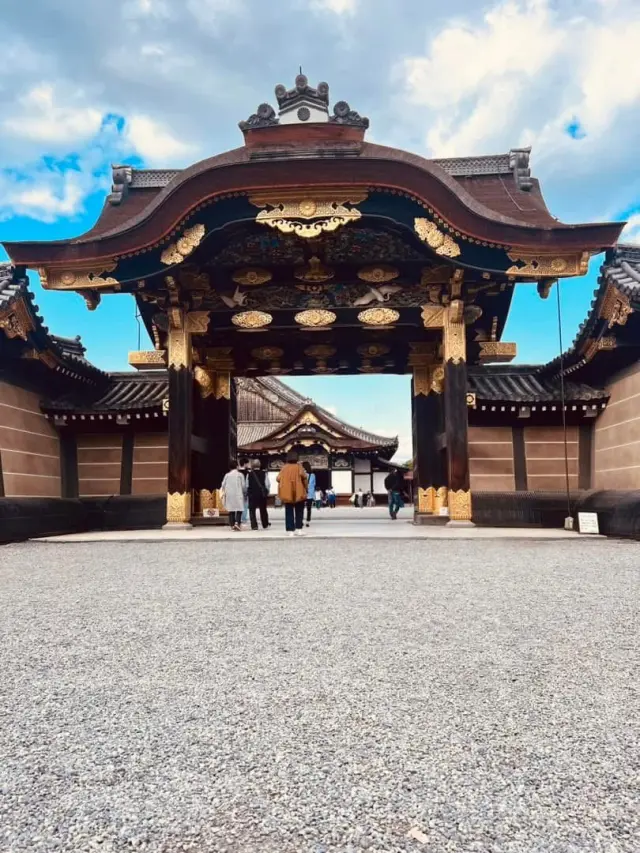
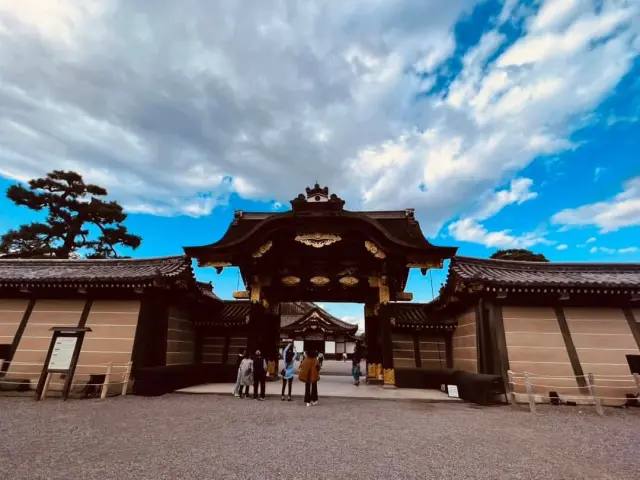
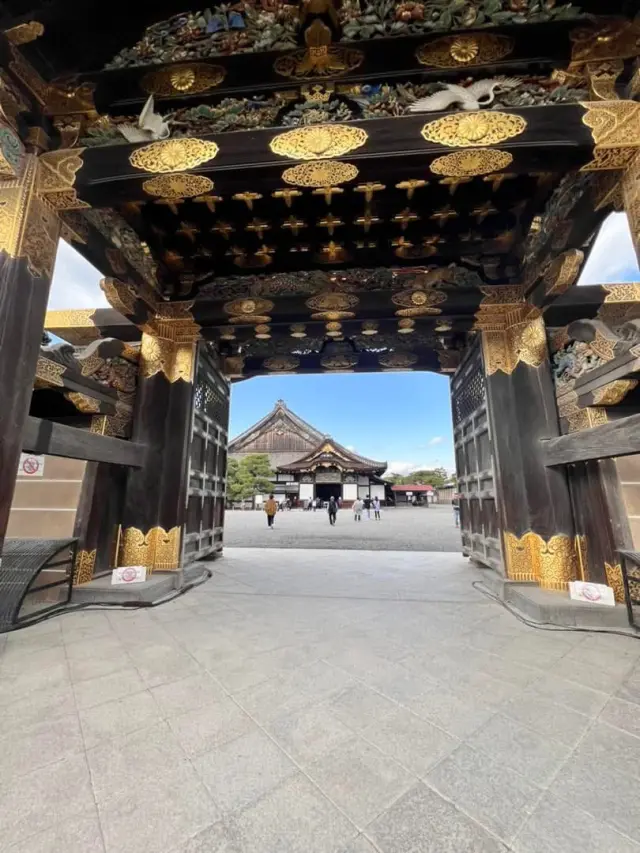
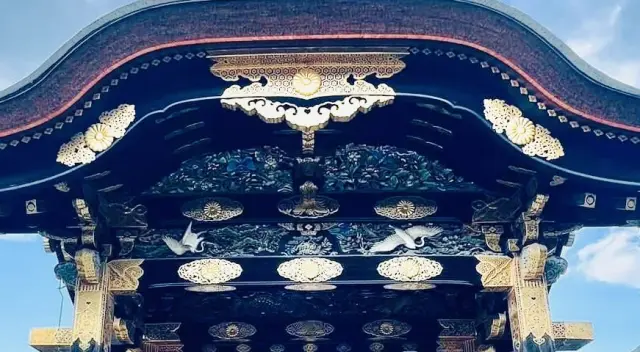
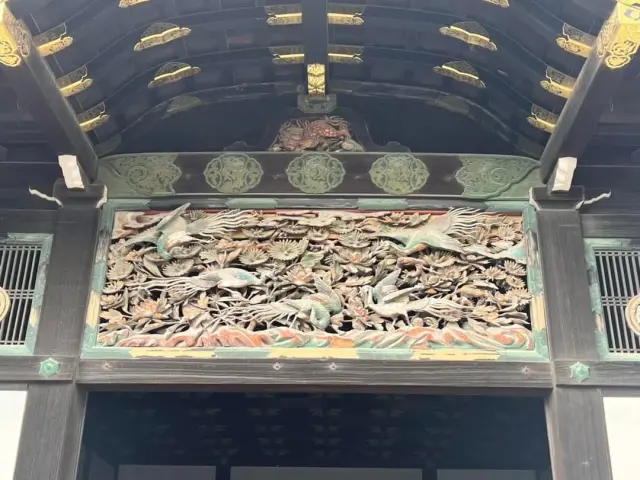
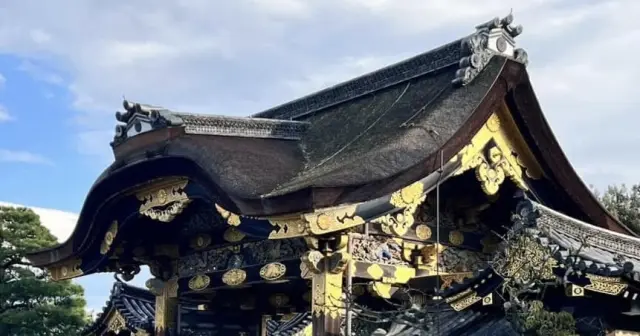
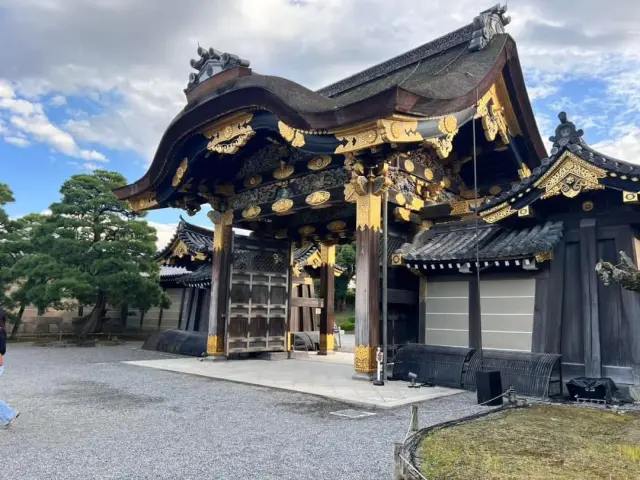
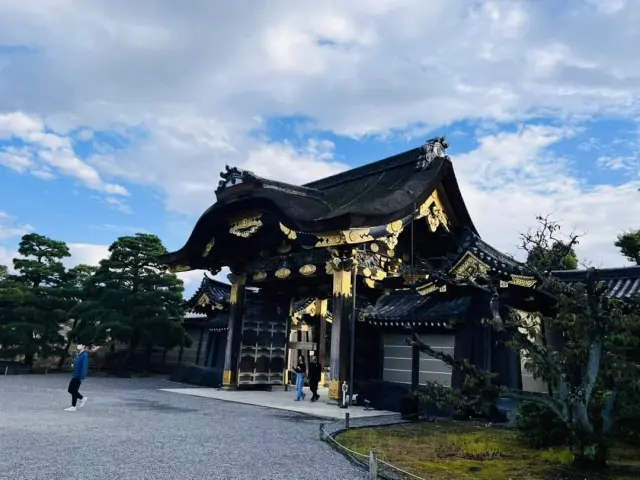
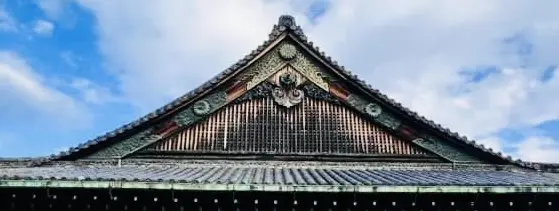
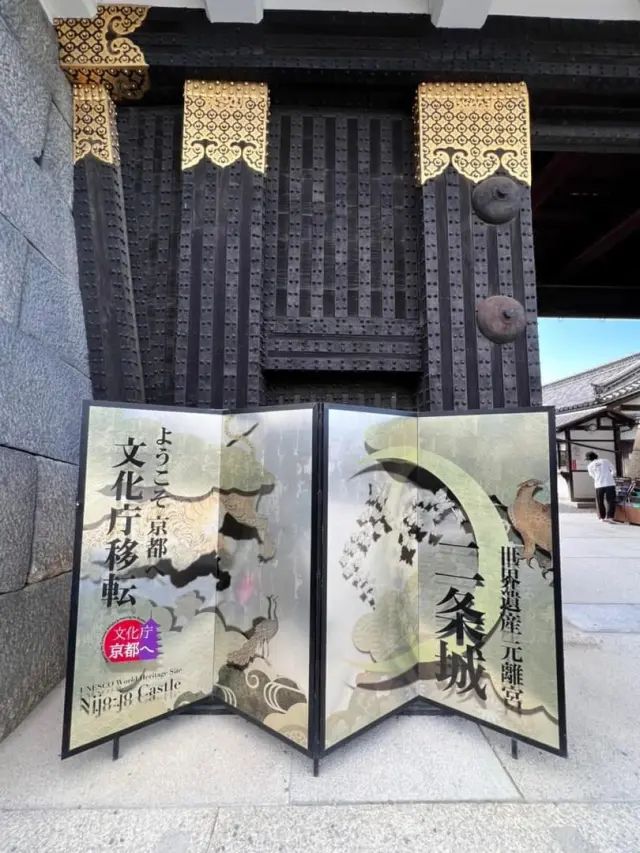
    A peak example of the "shoin-zukuri" style from the early Edo period in Japan.

    The Kano school sliding-door and wall paintings feature extensive gold-leaf landscapes, pine trees, and birds of prey on the interior walls and screens, expressing the authority and power of the Tokugawa family.

Other Reviews by Norton Liang

  • Meguro River

    The Meguro River flows through the Setagaya, Meguro, and Shinagawa wards of Tokyo until it reaches Tokyo Bay.

    • Nakameguro, Daikanyama
    • Nature Spots
    See More

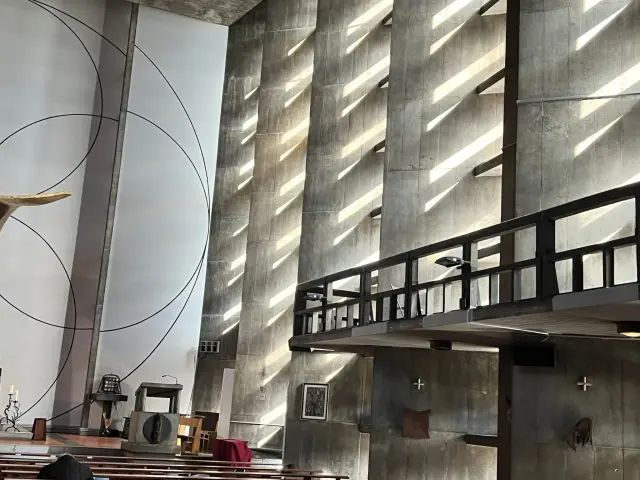
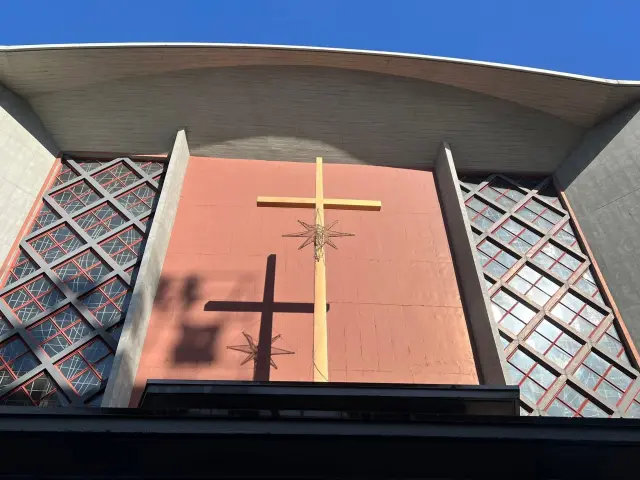
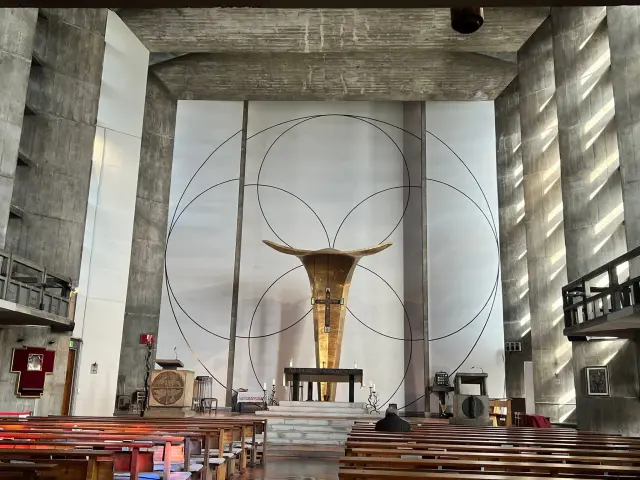
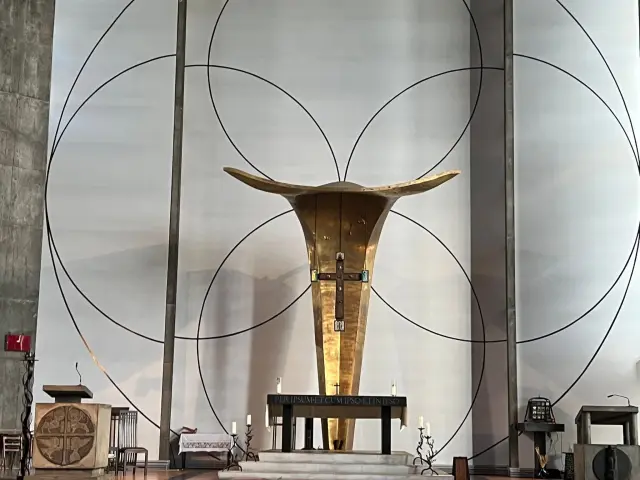
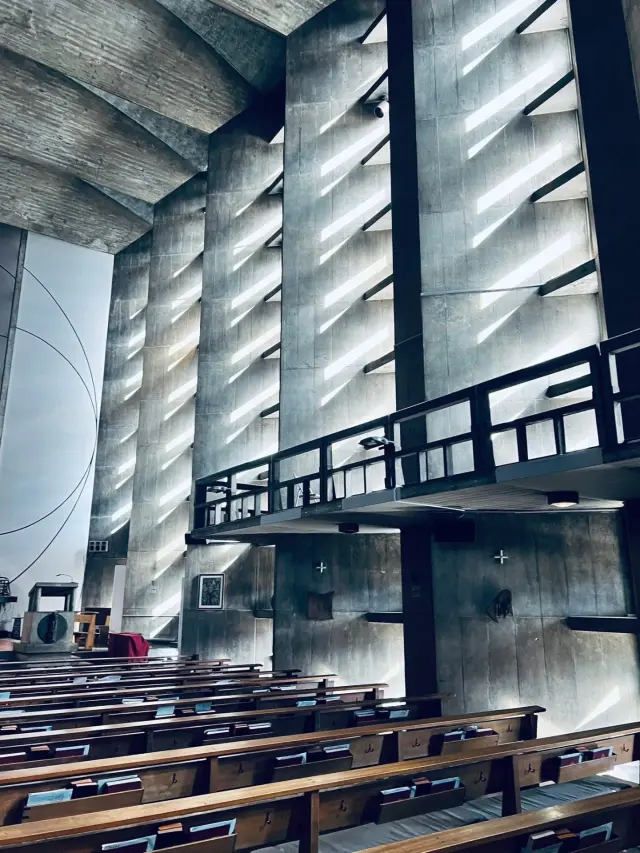
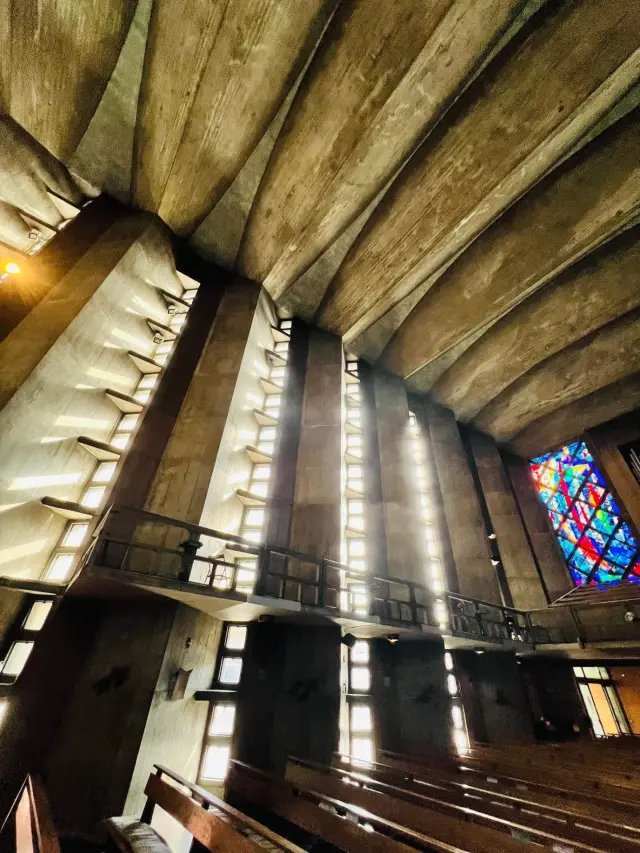
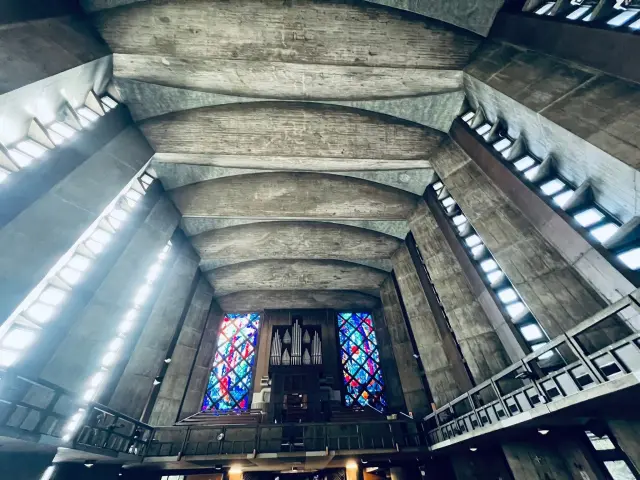
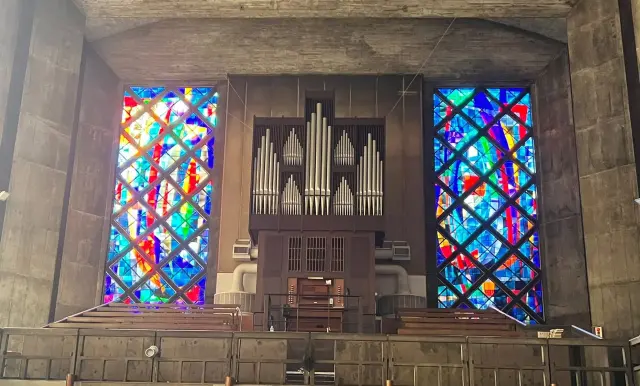
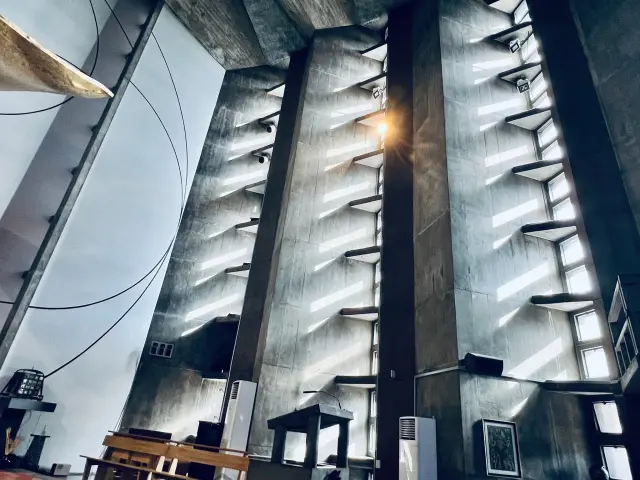
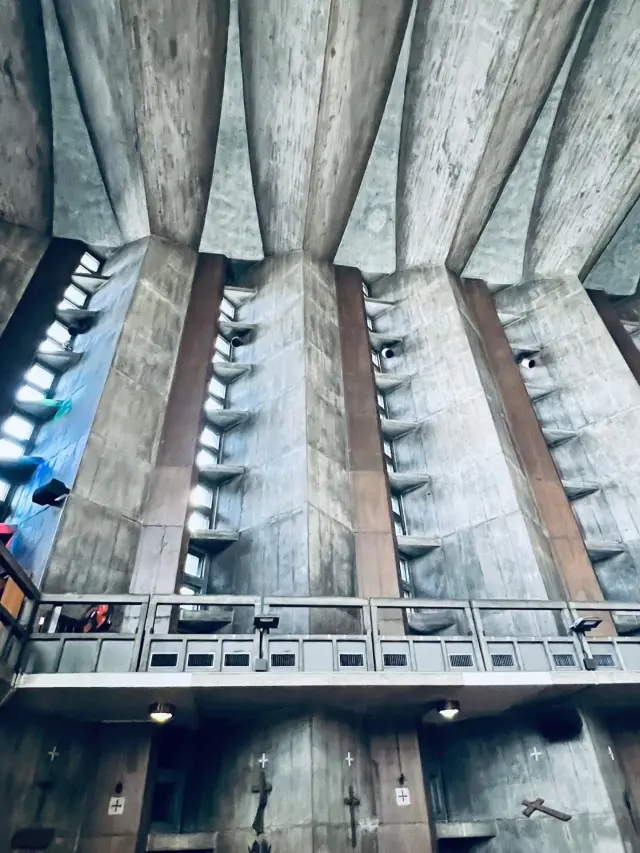
    The architectural style of Meguro Catholic Church (St. Anselm's Church) is an outstanding example of postwar modernist architecture in Japan, and it was also selected as one of the “250 Selections of Modern Movement Architecture in Japan.” Its defining feature is its revolutionary use of materials and structure:
    1. Folded-Plate Construction
    This is the church’s most distinctive feature. Architect Antonin Raymond dispensed with traditional beams and columns, instead using nine pairs of exposed-concrete folded plates bent at 45-degree angles to support the roof and walls. This structure not only strengthens the building but also gives the interior a geometric rhythm resembling an accordion.

  • Nihonbashi

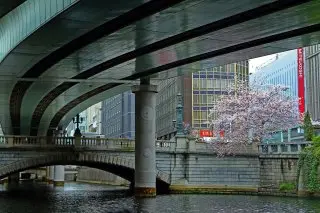
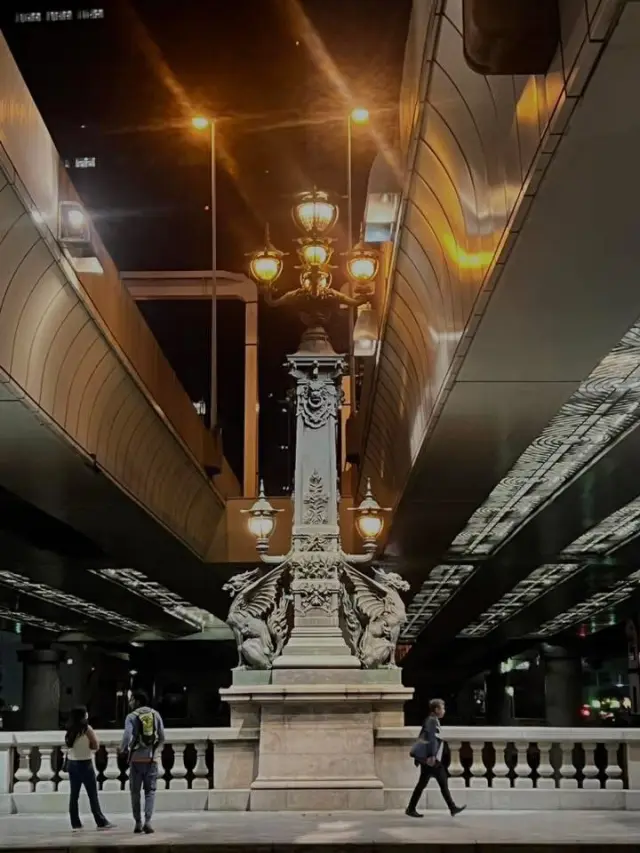
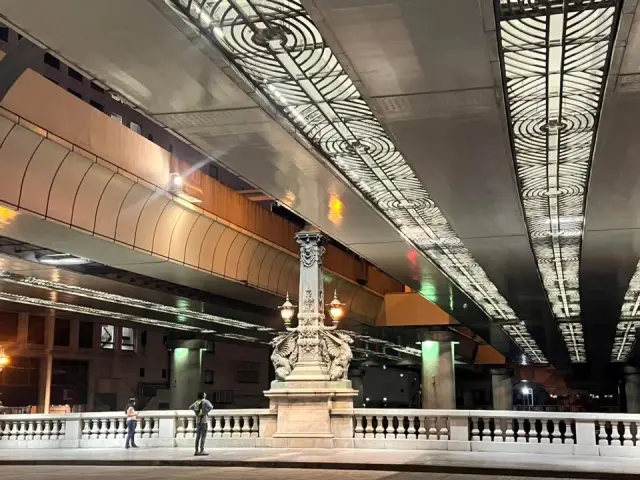
    Nihonbashi is located in the northern part of Chuo-ku, Tokyo. The name "Nihonbashi" comes from the bridge built across a canal in 1603, and the year Tokugawa Ieyasu established the Edo shogunate.

    • Tokyo Station, Nihonbashi, Marunouchi
    • Tourist Attractions
    See More

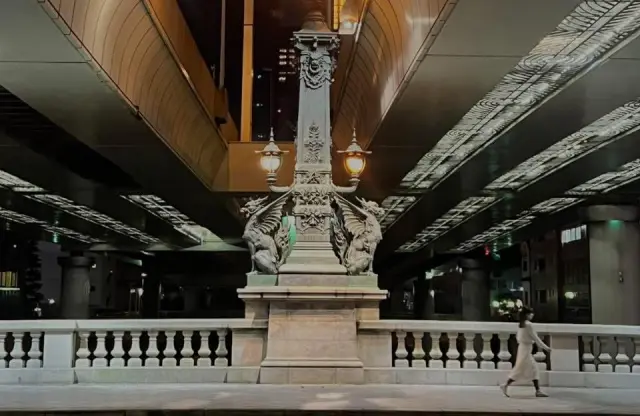
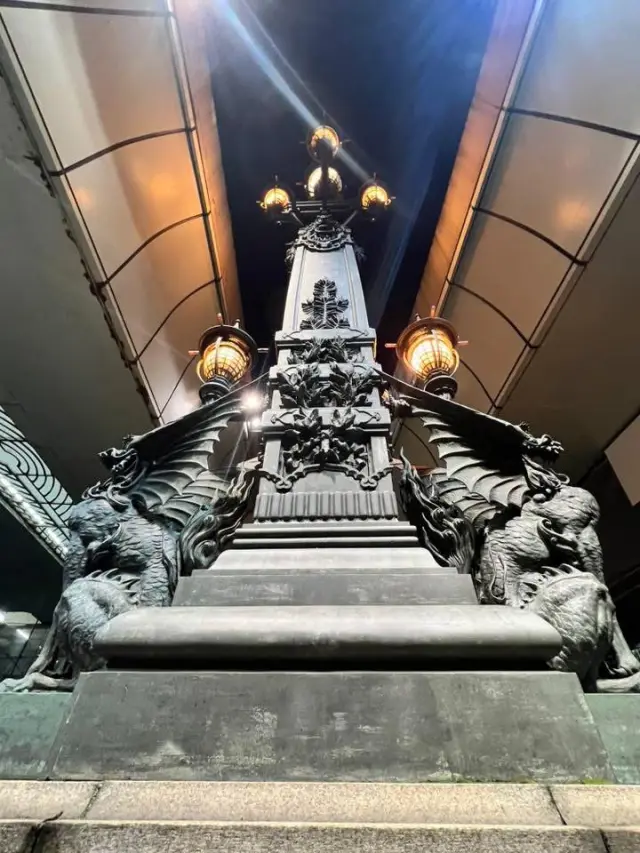
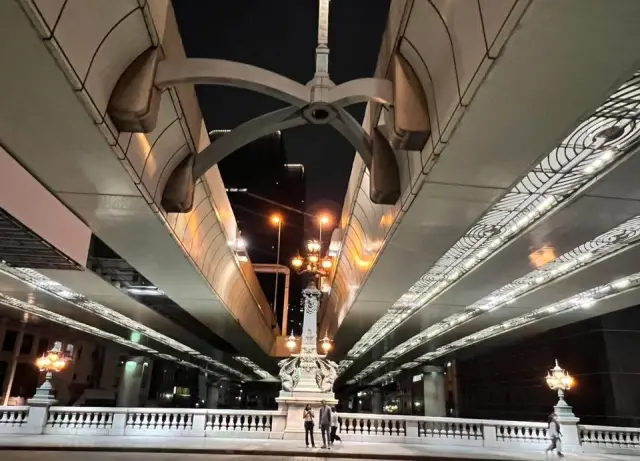
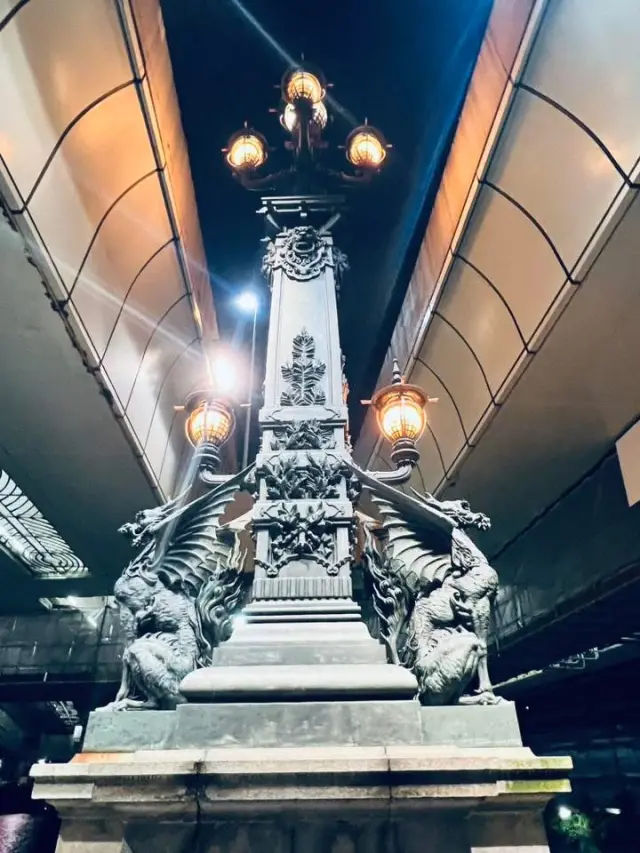
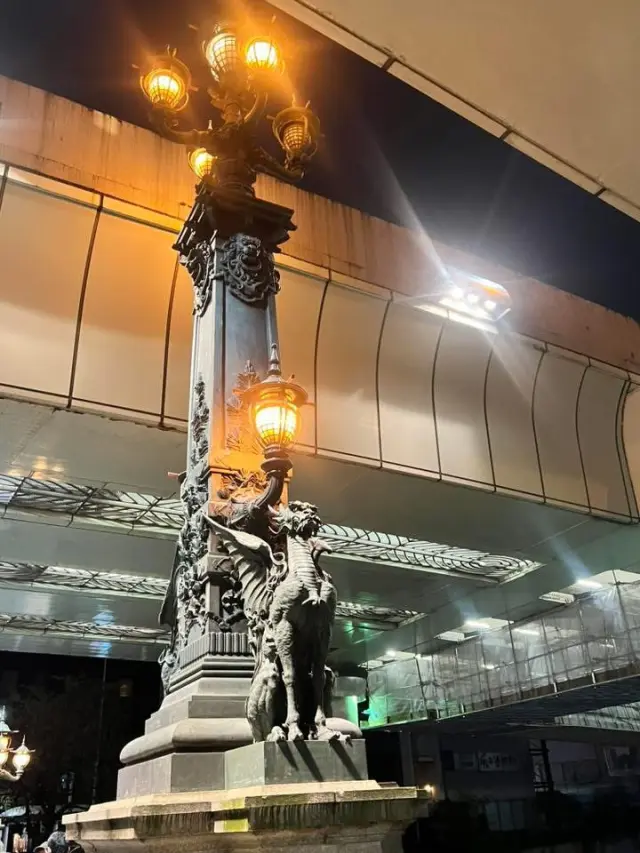
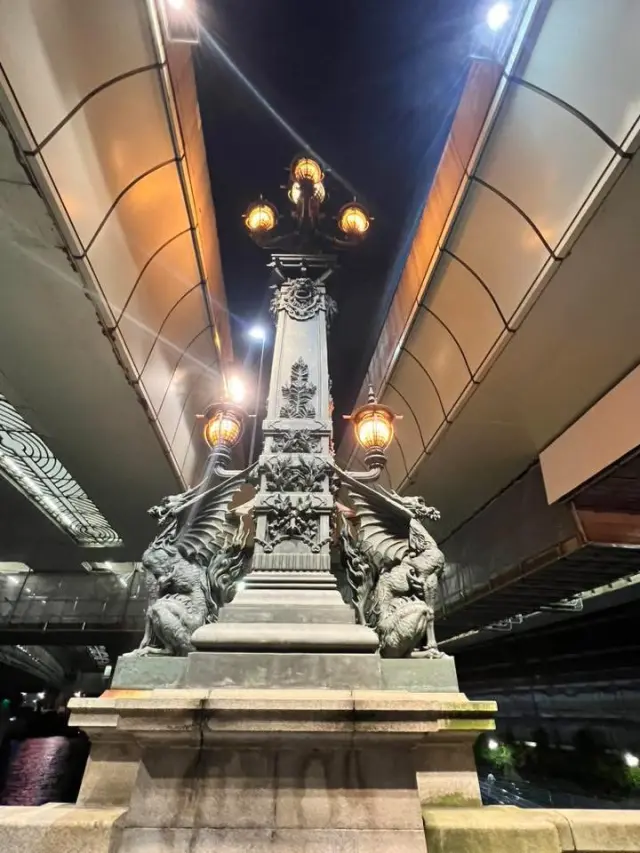
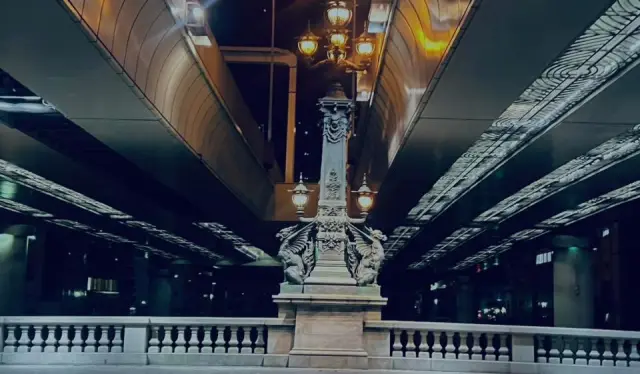
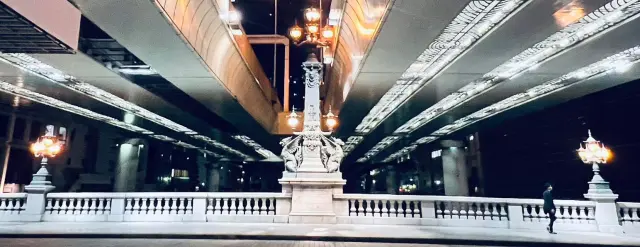
    “The Wings of the Kirin at Nihonbashi” has significance on two main levels: first, the bronze kirin statue standing in the center of Nihonbashi Bridge in Tokyo; and second, the classic novel and film adaptation of the same name created by renowned Japanese mystery writer Keigo Higashino, using this statue as a symbol.

    Historical and Cultural Background

    1. The starting point of Japan’s roads: During the Edo period, Tokugawa Ieyasu designated Nihonbashi as the starting point of the “Five Routes” (including the Tokaido and Nakasendo). Today, the “Japan National Road Origin Marker” monument still stands at the bridge, symbolizing the starting point of Japan’s entire highway network.
    2. Why does the kirin have wings?: The legendary kirin originally had no wings. However, when Nihonbashi was rebuilt as a stone bridge in 1911, the architect and sculptor specially added a pair of wings to the bronze kirin statues in the center of the bridge (strictly speaking, the design combines fins and wings), expressing the prosperous hope of “taking flight from the starting point of Japan’s roads and spreading throughout the country.”

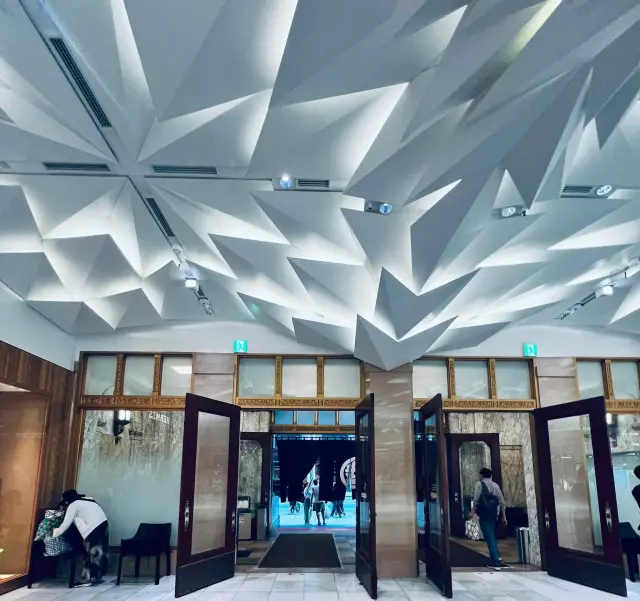
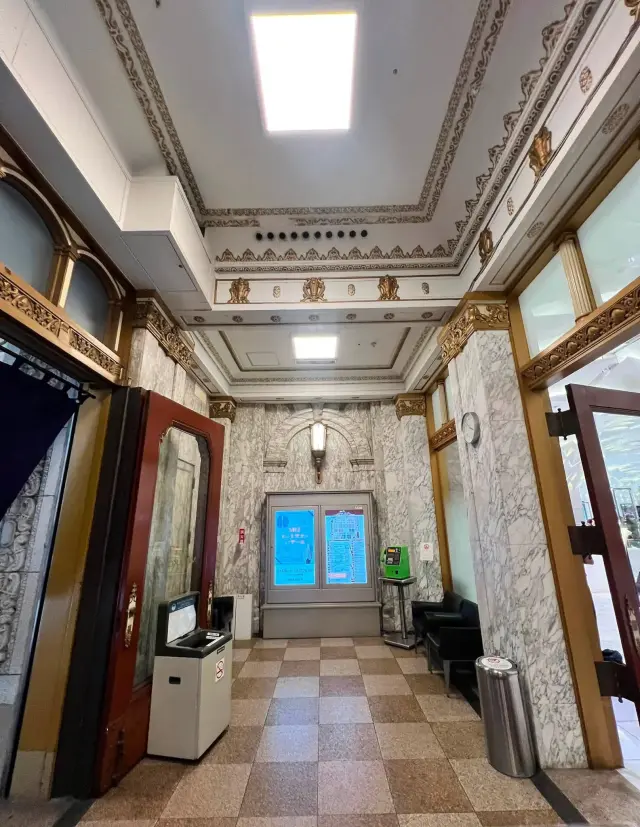
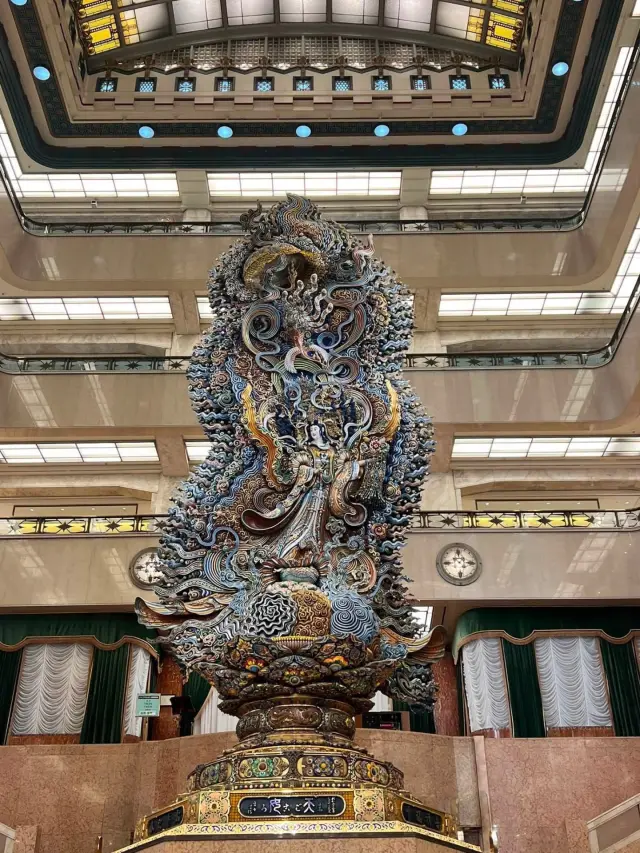
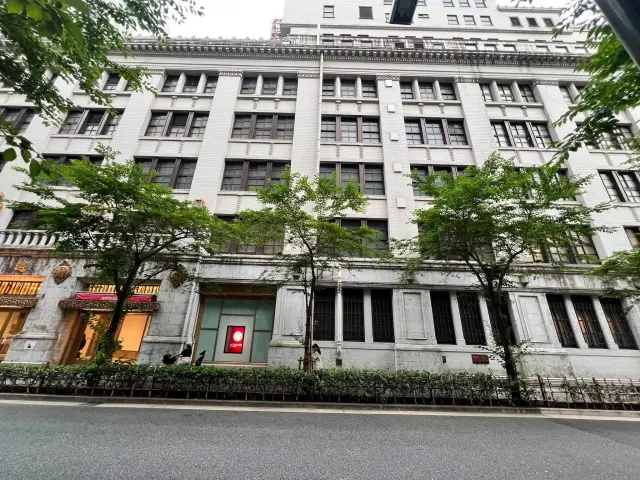
  • Nihombashi Mitsukoshi Main Store

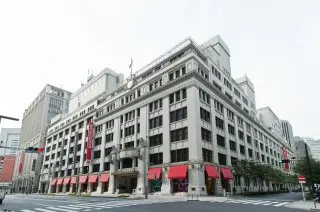
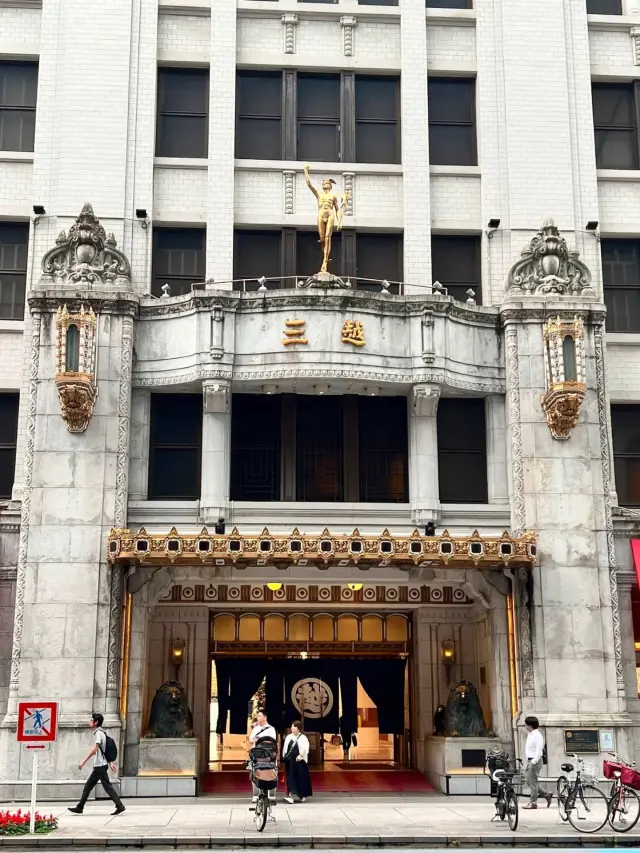
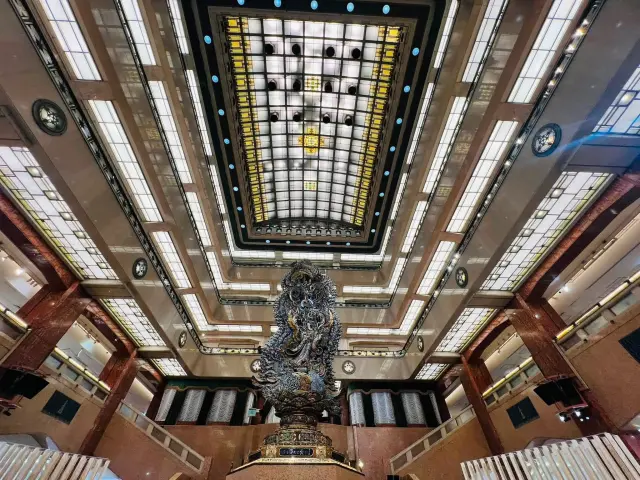
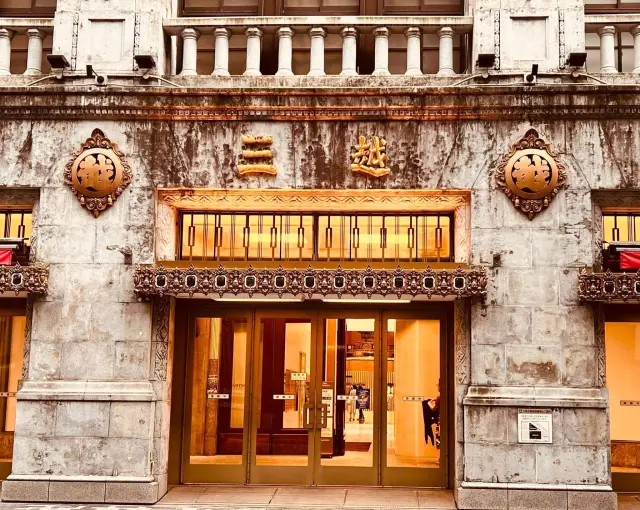
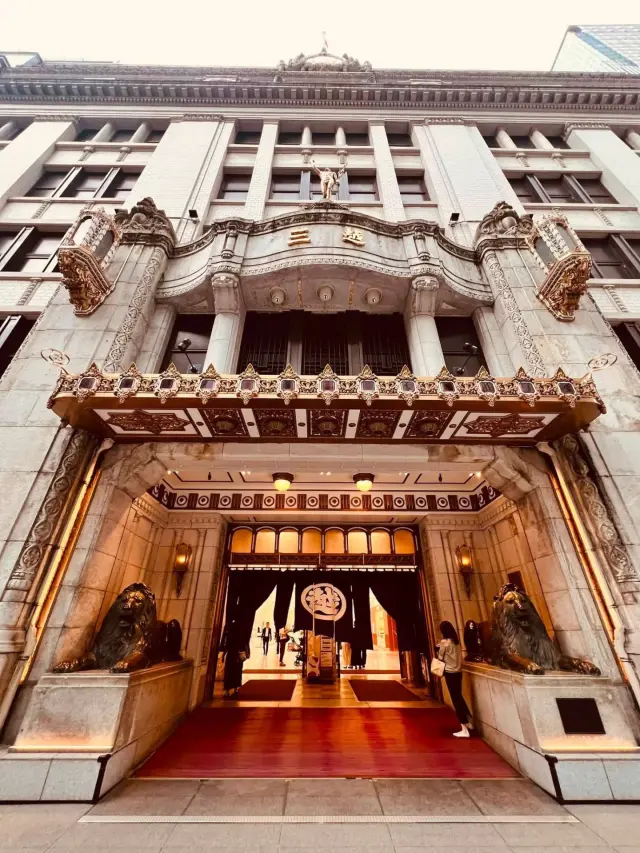
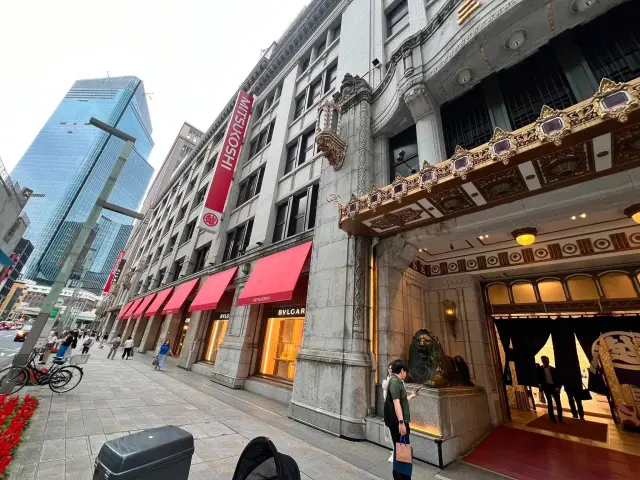
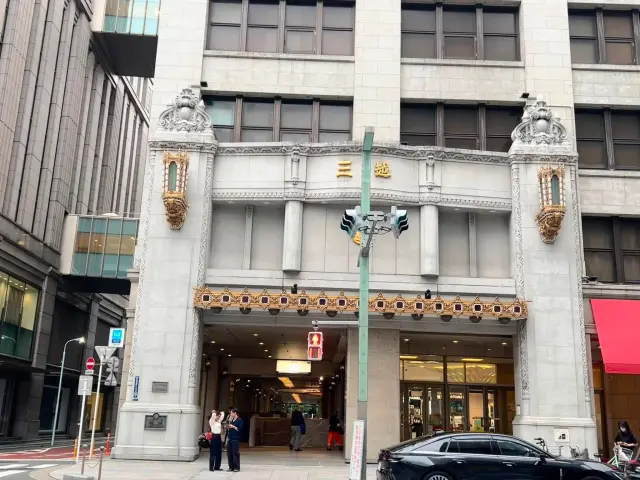
    Since its beginning in 1673 as a kimono store, Echigoya, Nihombashi Mitsukoshi Main Store has built its history for 350 years as the face of Nihombashi area. It was announced to become a department store in 1904 as the first in Japan.

    • Tokyo Station, Nihonbashi, Marunouchi
    • Commercial Buildings
    See More

    The golden Western deity sculpture above the front main entrance (Lion Entrance) of the Nihombashi Mitsukoshi Main Store is a statue of **Mercury (Roman mythology)**, also known as **Hermes** in Greek mythology.
    Below is a detailed explanation of its meaning and the background of its designer:
    ### 1. What does this statue represent?
    * **Guardian deity of commerce and wealth:** In mythology, Mercury is the god who presides over **commerce, trade, travel, luck, and wealth**. As one of Japan’s premier temples of commerce, Mitsukoshi Department Store placed him above its main entrance primarily to pray for **“prosperous business” (commercial prosperity and thriving trade)**.
    * **Depiction of mythological features:** If you look closely at the statue, you will notice that he has Mercury’s three classic attributes:
    1. **Winged hat (Petasos):** He wears a round traveler’s hat with wings on his head.
    2. **Winged sandals (Talaria):** The sandals on his ankles have golden wings, representing great speed.
    3. **Caduceus:** In his left hand, he holds a winged staff entwined by two snakes, a symbol of commerce and peace.
    ### 2. Who designed it?
    * **Original artist:** **Giovanni da Bologna (also known as Giambologna)**, a master court sculptor of the late Italian Renaissance (Mannerist period).
    * **Origin of the statue:** This statue is an **official, finely crafted, full-scale replica** modeled after Bologna’s classic bronze Mercury statue created in **1598**, which is now housed in the Bargello Museum in Florence, Italy.
    * **Year installed:** In **1923 (Taisho 12)**, when construction and renovation of the Mitsukoshi Main Building was completed, the department store placed this iconic Western god of commerce above the front entrance. Together with the bronze lion statues on either side of the entrance, it became a classic landmark guarding Nihombashi Mitsukoshi.

Hokkaido Tohoku Kanto Chubu Hokuriku Kansai Chugoku Shikoku Kyushu Okinawa