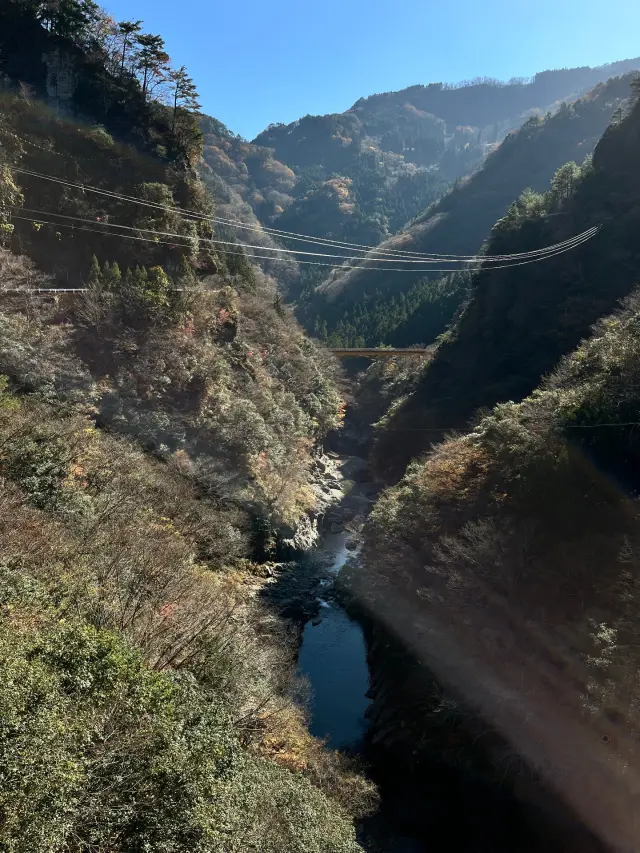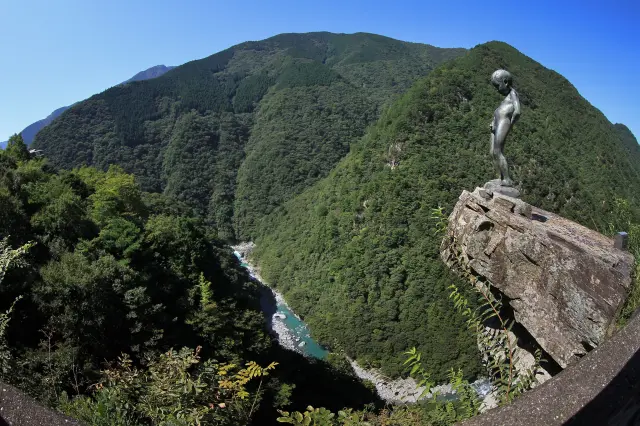
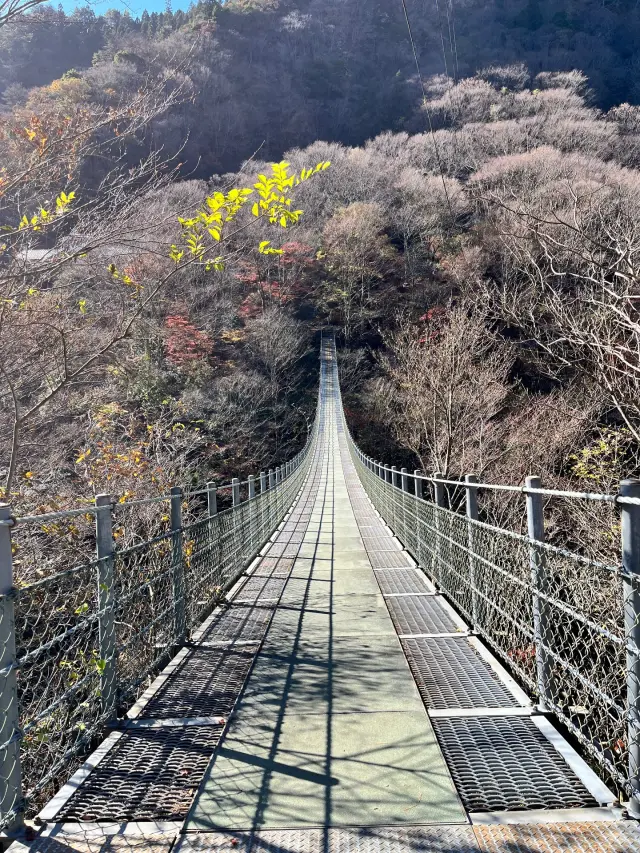
When you visit Tokushima, Ryugu Cliff Park is about a 35-minute drive from the scenic Oboke Gorge. There’s a suspension bridge about 70 meters high, and from the bridge you can look out over the beautiful valley below.
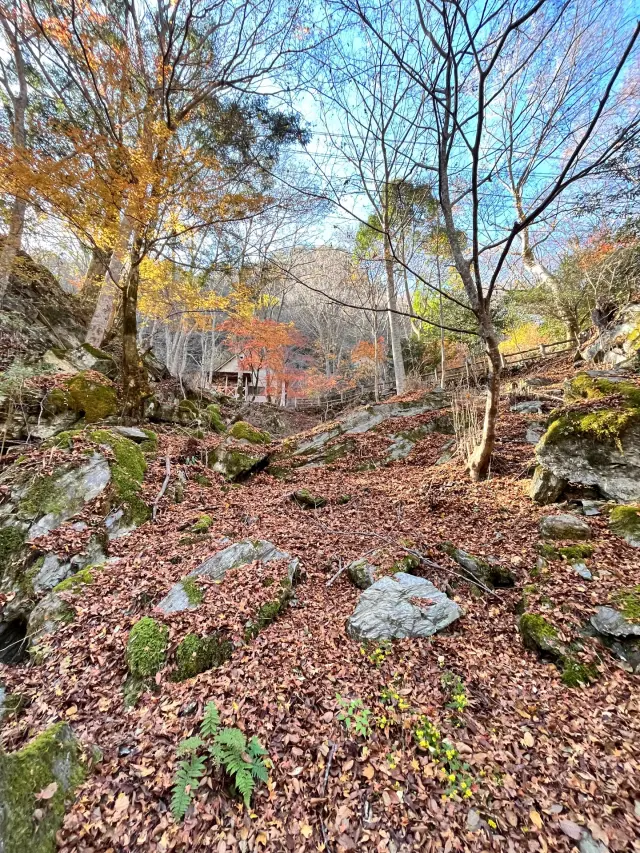
After crossing the bridge and walking into the woods, there’s a nature center, though it seemed to be deserted. Surrounded by lush greenery, the view from the bridge makes for dreamy photos. It’s a nice spot to visit in Tokushima.
Iya Valley | Review by 周黛西
Other Reviews by 周黛西
-
Mt. Otowa Kiyomizu-dera Temple
Opened in the year 778, the temple was registered as a UNESCO World Cultural Heritage Site in 1994. In the 130, 000 m2 area of the precincts spread out on the hillside of Mt. Otowa, there are more than 30 cathedrals and monuments, including national treasures and important cultural properties.
Kiyomizu-dera is huge, and the famous “Kiyomizu Stage” is absolutely magnificent. Photos can only capture so much—you really have to see it in person to feel how awe-inspiring it is.
Nestled in the lush green mountains, I couldn’t help thinking how beautiful the autumn leaves must be here.
The water at “Otowa Waterfall” is divided into three streams, and each one has a different meaning and blessing.
The first is for health and longevity. The second is for lasting and happy love. The third is for good fortune and wisdom, especially for success in school. -
-
Chion-in / Yuzen-en
Chion-in, the head temple of Jodo Sect, was built on land related to the founder, Reverend Honen. Yuzen-en on the premises was remodeled in 1954 on the 300th anniversary of the birth of Yuzen textile’s founder and a painter in mid Edo Period, Miyazaki Yuzen. It is made up of the stroll-style pond garden with the spring water from Higashiyama drawn in and also a Japanese rock garden Rokuyaen.
When you arrive at the entrance to Chion-in, the first thing you have to tackle is a staircase as tall as a one-story building. As you make your way up, the magnificent Sanmon Gate rises right in front of you. So impressive!
Directly above the gate hangs a black plaque with gold lettering, “Kachozan,” bestowed by Emperor Reigen. It feels बेहद solemn and grand. -
-
Tower of Osaka Castle
Toyotomi Hideyoshi, who unified the country during the Azuchi-Momoyama period (1568-1600), began construction of the tower of Osaka Castle in 1583 and completed it in 1585. The castle was later destroyed during the Osaka Natsu no Jin(summer campaign of Osaka) in 1615, but was rebuilt by the Tokugawa Shogunate in 1626. However, the castle keep was destroyed by lightning in 1665. In 1931, the castle tower of the Toyotomi period was reconstructed with donations from Osaka citizens.
Osaka’s iconic landmark, Osaka Castle, looks especially dazzling in the early summer sunshine. The surrounding park is lush and green, but it gets really hot in areas without shade.
There’s a steady stream of tourists heading to Osaka Castle, which stands on the hill. From the observatory at the top of the main tower, you can take in the full view of the vibrant cityscape. -