Yanagawa: The Boatman’s Song
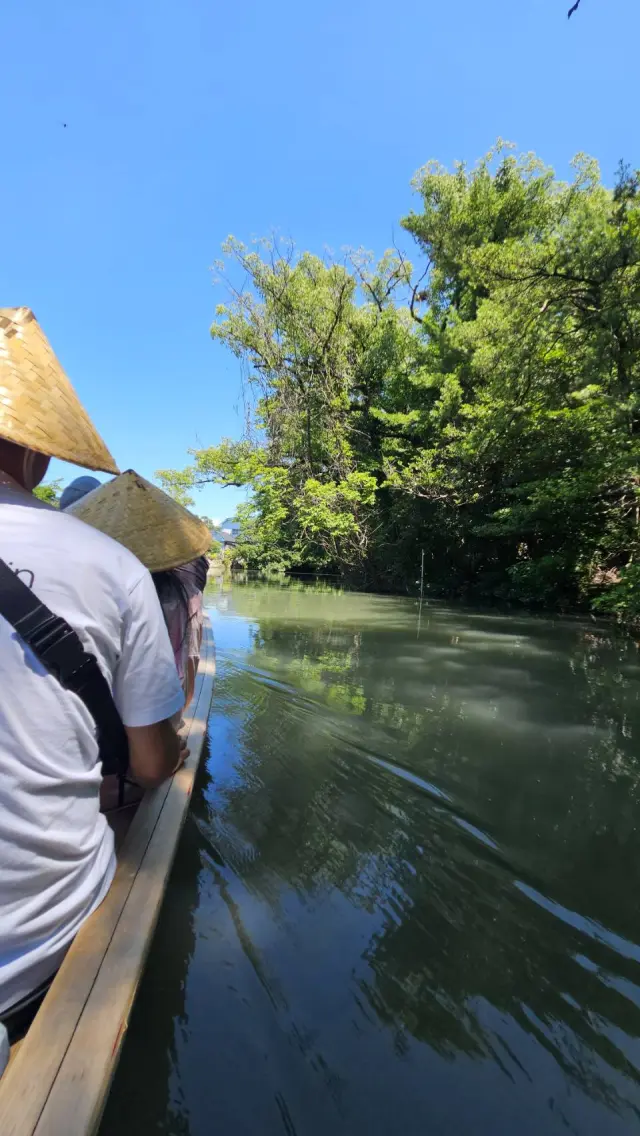
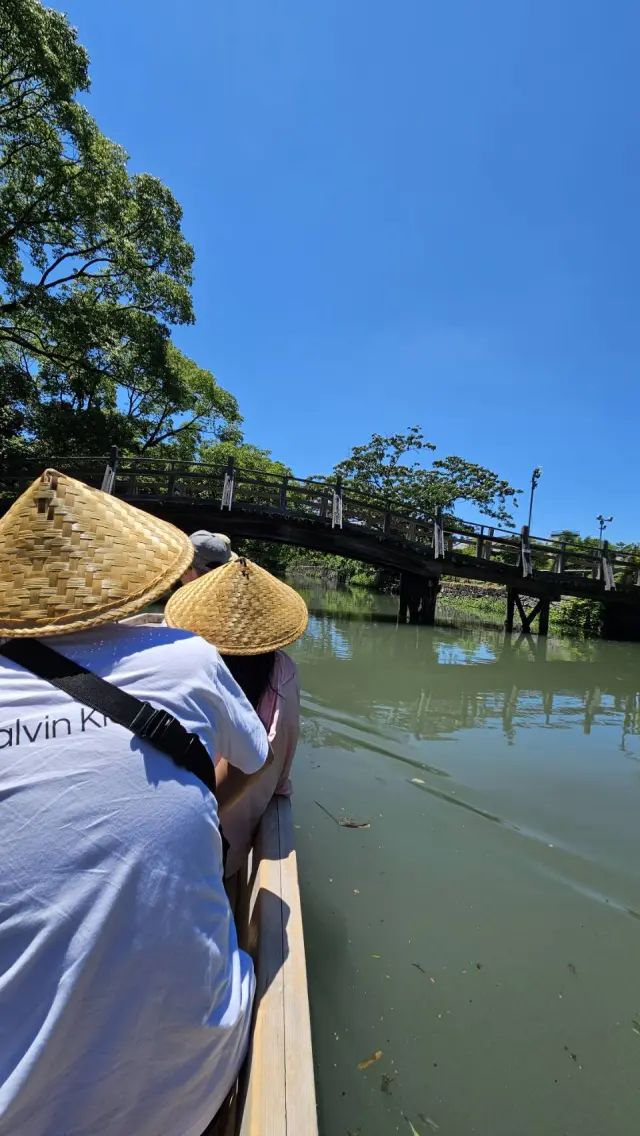
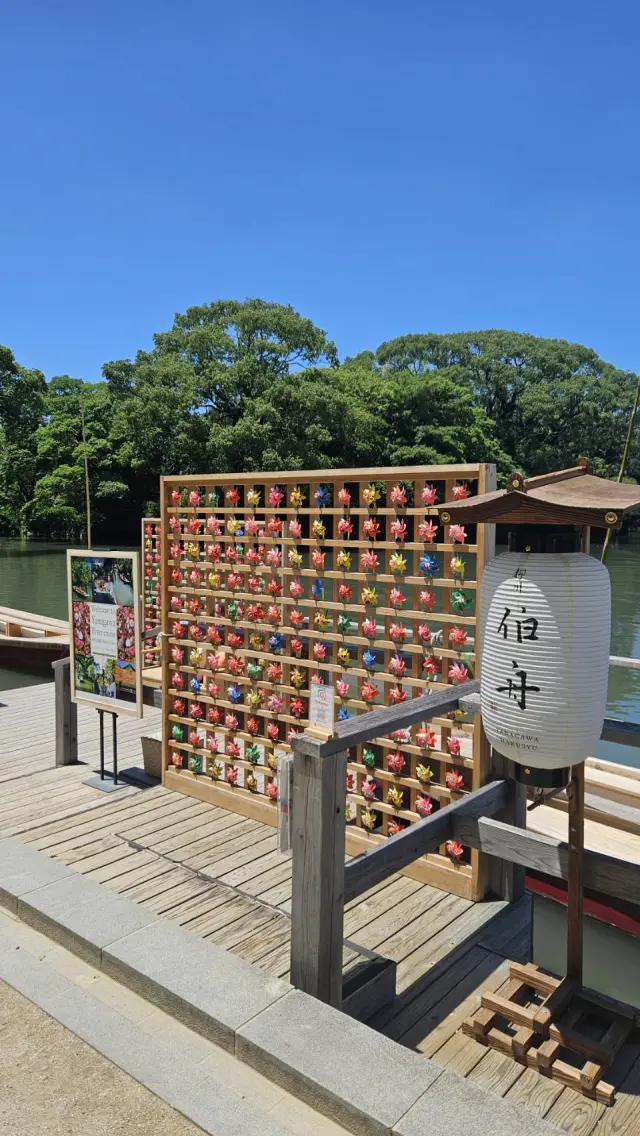
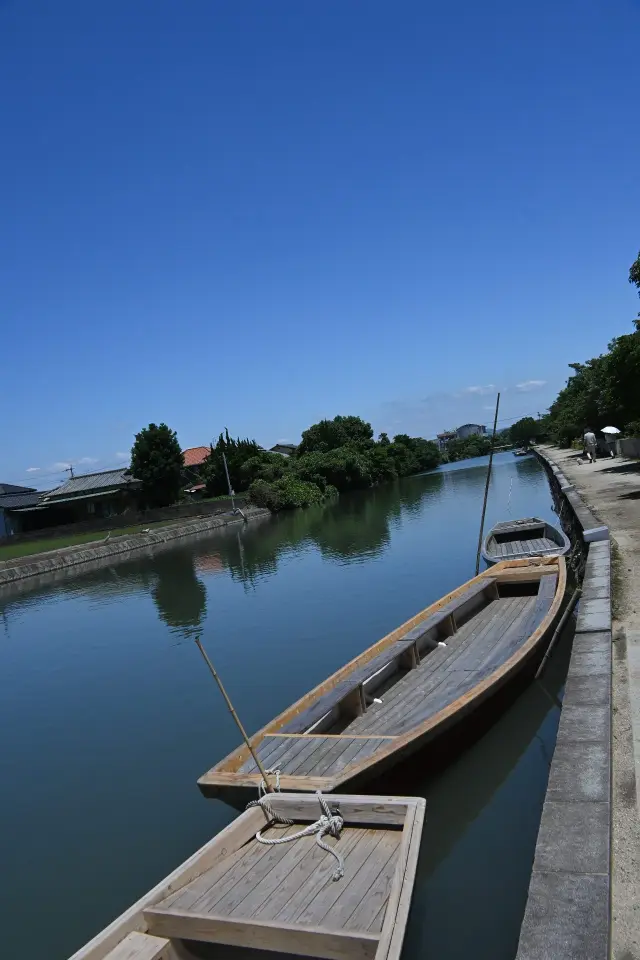
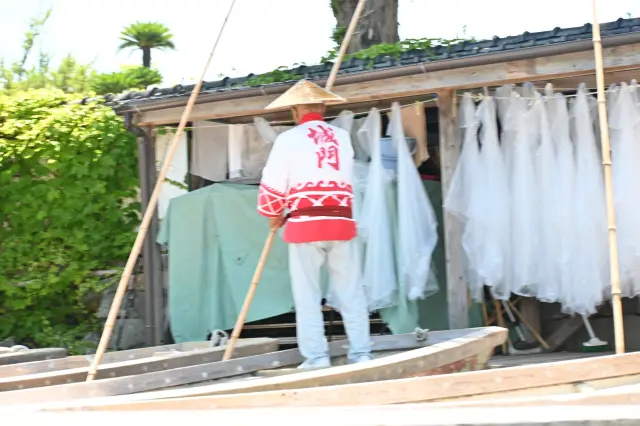
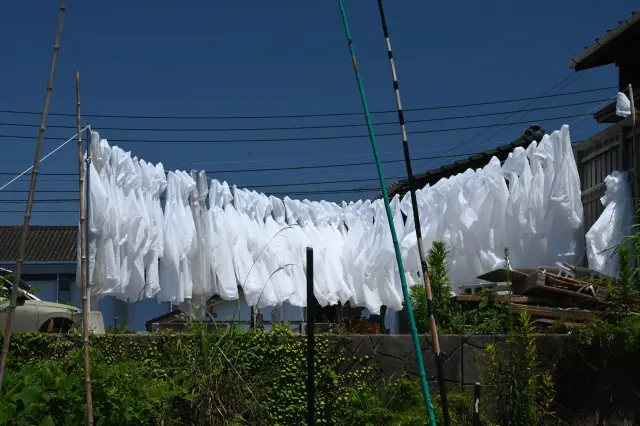
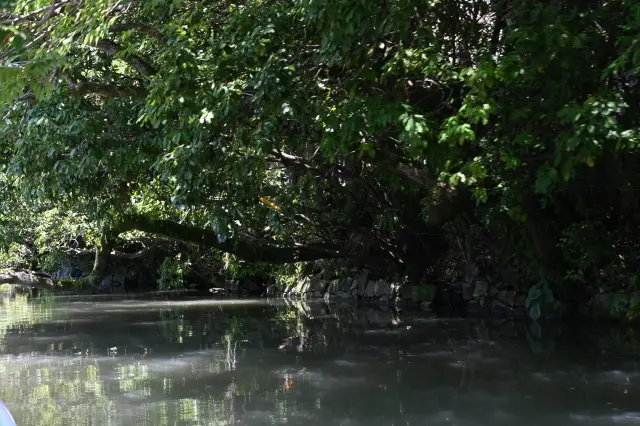
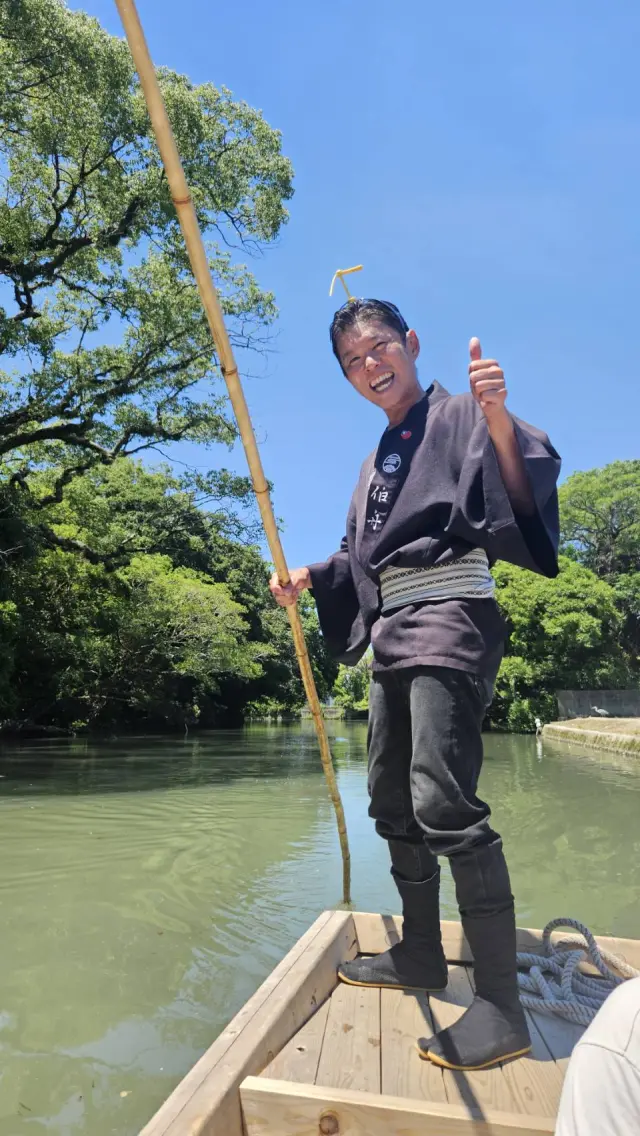
After enjoying authentic grilled eel rice and shrimp tempura in Yanagawa, Fukuoka, we boarded a flat-bottomed boat for the famous river cruise. Using only a bamboo pole, the boatman skillfully navigated the old waterways and stone bridges, showing remarkable expertise. The intense summer heat quietly faded amid the shade along the banks, the breeze over the water, and the tranquil scenery.
Most memorable was the boatman’s warm, resonant voice. He sang everything from “Nada Soso” and classic Teresa Teng songs to tunes from “My Neighbor Totoro” and “Doraemon.” As our boat drifted along, his singing filled the journey with joy and emotion. Yanagawa’s beauty lies not only in its picturesque waterways, but also in how the boatman transformed an ordinary cruise into a treasured travel memory with his songs and smile. It became one of the most unforgettable moments of our trip to Kyushu.
Yanagawa River Boating | Review by 陳泰任
Other Reviews by 陳泰任
-
TENJIN CHIKAGAI
Tenjin area is located in Fukuoka City Chuo-ward, Kyushu’s largest downtown district. Going through the street is Watanabe Street, and to the north, Showa street. To the south is Tenjin Chikagai, an underground street, 600m in length running under Kokutai Street. There are 12 districts, with 150 shops such as apparel, gourmet food, sundries, and books.
Fukuoka Tenjin: Finding genuine warmth in the heart of the city
After saying goodbye to the mountain scenery of Mount Aso and Yufuin, we arrived in lively Fukuoka Tenjin. Walking through Tenjin Chikagai, the rows of shops, food spots, and stylish urban scenery showed off the energy of a modern city. My wife bought a Fukuoka-exclusive tote bag, my daughter picked out a Kuromi charm, and we enjoyed a crispy Ringo apple pie and the familiar Chun Shui Tang. Every moment became a precious travel memory.
What I’ll remember most, though, was the yatai food stall culture at night. Using phone translation, we chatted with an elderly couple who ran the stall. Surrounded by the aroma of hot pan-fried dumplings and charcoal-grilled dishes, we felt a kind of human warmth that language can’t replace. Their sincerity and smiles made me realize that a city’s most moving scenery isn’t its high-rises or shopping malls, but the pure kindness between people.
Fukuoka is both bustling and warm. Tenjin Chikagai showed us the city’s charm, while the yatai let us experience its most genuine human touch. It left us with some of the deepest and most unforgettable memories of this Kyushu trip. -
-
Michi-no-Eki Yufuin
Located at the gateway to Yufuin-one of Japan’s leading summer resorts known for its hot springs and natural beauty-Michi-no-Eki Yufuin is a popular stop for tourists using it as a base for exploring the area.
Yufuin’s famous Shunsai Roman Restaurant—
It was impossible to resist the delicious aromas drifting all along Yunotsubo Street. We had just finished a leisurely stroll, and before we knew it, it was already time for lunch. This time, we visited Yufuin’s well-known Shunsai Roman Restaurant to try jigoku-mushi, or “hell-steamed” cuisine, a specialty with a strong Kyushu character. Instead of cooking with oil, this method uses high-temperature steam. Fresh ingredients are placed in a steamer and slowly cooked by the heat, preserving their natural sweetness, texture, and nutrition as much as possible. It’s a food experience you shouldn’t miss in Yufuin.
Since it was midsummer, we chose a window seat so we could enjoy Yufuin’s natural scenery while waiting for the steamer to be opened. When the hot steam slowly rose, the aromas of meat, fish cakes, and seafood blended together beautifully. The ingredients revealed their purest flavors through the steaming process. The sweetness of the seafood and the richness of the meat stood out even more after cooking, and every bite highlighted the freshness of the ingredients.
That said, enjoying such a piping-hot meal in midsummer was also a fun challenge. The heat rising from the steamer felt like it was cooking both the food and our excitement. We were sweating nonstop, but still wanted more. This lunch was more than just a treat for the taste buds. It became an unforgettable Yufuin memory: sweating through the meal, yet smiling with total satisfaction. -
-
Kinrin Lake
Kinrin Lake is one of many popular tourist spots in the hot springs town of Yufuin. The lake sits under Mt. Yufu and as such was called takemoto-no-ike (lit. “lake under the mountain”) for years. However, it was renamed to Kinrin, or “golden scales”, by Mori Kuso in 1884 when he saw the golden glimmering scales of fish as they swam at sunset.
Spirit Lake?? Kinrin Lake
When I first heard the name “Kinrin Lake,” I couldn’t help imagining a mysterious, fantasy-like lake where kappa spirits might live. It wasn’t until I saw it in person that I understood “golden scales” refers to the golden shimmer on the lake’s surface when the sunlight hits it, like fish scales. Kinrin Lake in June doesn’t have the romance of spring cherry blossoms and morning mist, the colorful mix of autumn maples and ginkgo leaves, or the dreamy white of the first winter snow. Instead, it shows off a fresh, refined beauty that feels unique to summer.
After a light rain, the lake looked especially clear and peaceful, like a naturally formed mirror reflecting the surrounding greenery and sky. The mysterious torii gate in the lake adds an even deeper, more enigmatic atmosphere to the scenery. Setting aside its religious meaning, purely from a photography perspective, the torii gate, lake surface, distant mountains, and reflections all come together to create a beautifully layered focal point. The moment I stood by the lake and pressed the shutter, it felt like more than just scenery. It was a natural painting that changes constantly with the seasons, the rain, and the light. The beauty of Kinrin Lake isn’t about one season standing above the rest, but about how every visit offers a unique view that belongs only to that moment and can never be repeated. -