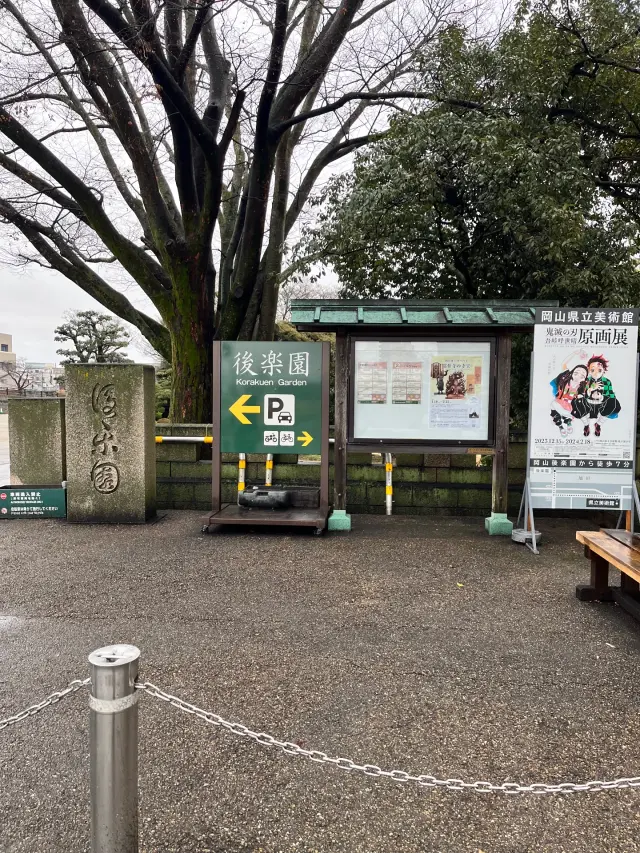
Okayama Korakuen is one of Japan's three great gardens, with beautiful scenery and a different charm in every season. Strolling among the lush lawns, ponds, and traditional gardens gives you a sense of peace and relaxation. The carefully designed landscape complements Okayama Castle in the distance, creating a beautiful view.
Okayama Korakuen | Review by BobbyJenny
Other Reviews by BobbyJenny
-
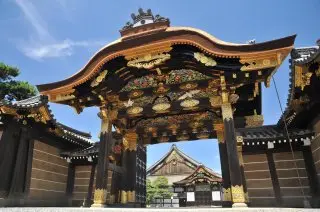
Nijo-jo Castle
After winning the Battle of Sekigahara in 1600 and unifying the country, Tokugawa Ieyasu had Nijo-jo Castle built as his base in Kyoto. It is a historical monument with a history of over 410 years as a castle in the heart of the capital. It was designated a UNESCO world heritage site as a part of the “Historic Monuments of Ancient Kyoto” in 1994.
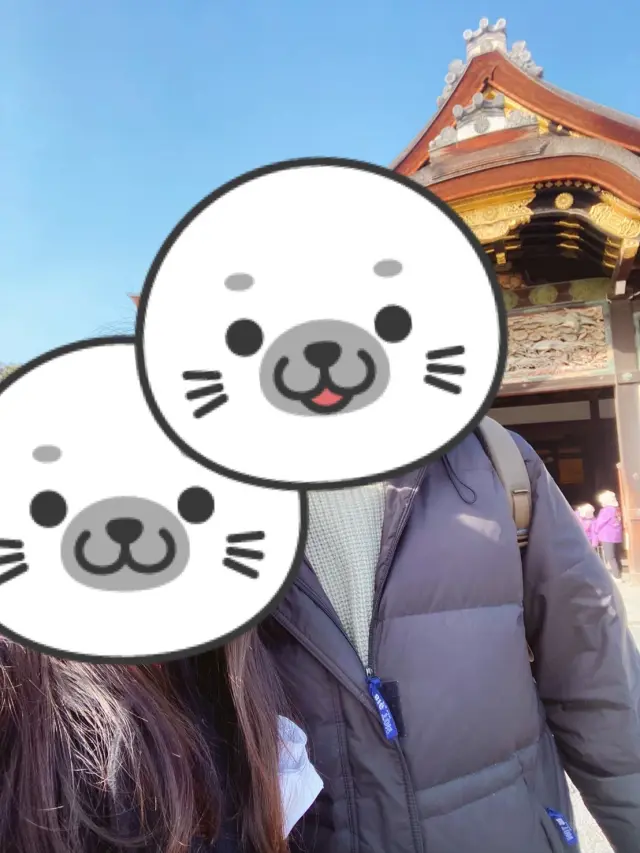
The most impressive thing when entering Nijo-jo Castle is the magnificent gold wall paintings inside Ninomaru Palace. Large golden backgrounds are paired with intricate designs of flowers, birds, and pine trees, making them especially dazzling in the light. Each one is so exquisite that you can't help but stop and take a closer look.
The old wooden building is filled with such lavish colors, and the contrast between the gold and dark wood creates an even more dignified and elegant atmosphere. Walking through the palace feels like stepping into a historical scroll painting.
Nijo-jo Castle is not only a place to experience Japanese history; these preserved wall paintings also reveal the splendor of the imperial court and samurai culture of the time. Seeing those golden wall paintings in person feels completely different from seeing them in photos.
-
-
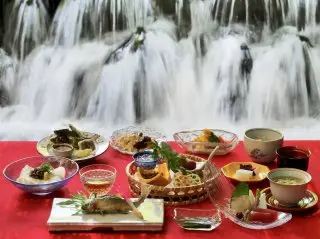
Kifune Ugenta
Kifune Ugenta is a long-established inn and restaurant that opened in 1962, following generations of service as a hereditary household (shake) of Kifune Shrine. Set along the Kibune River, one of the headwaters of the Kamo River, it is widely regarded as one of Kibune’s most representative riverside dining spots and a favorite summer retreat.
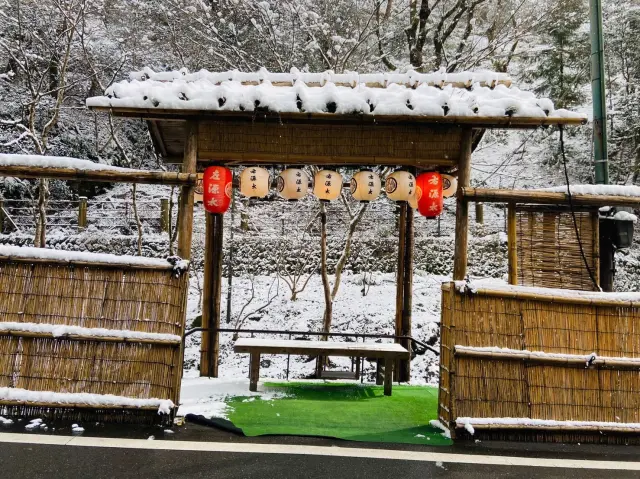
Passing by Kifune Ugenta in winter, the forest was completely peaceful. Looking along the stream, the traditional buildings were tucked away among the trees, and the winter scenery had a crisp, tranquil beauty. Without the lush greenery and bustle of summer, it instead had a subtle serenity that made me want to stay a little longer.
I hope I'll have the chance to try the summer kawadoko dining next time. I imagine sitting above the stream, feeling the cool mountain breeze, listening to the flowing water, and enjoying a meal would be a very special experience.
-
-
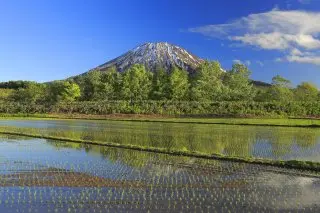
Mount Yotei
In the southern Shiribeshi Region, Mt. Yotei stands 1898m above sea level. Its beautiful cone shape like Mt. Fuji’s has brought the name Ezo Fuji since ancient times. Located at the western edge of Shikotsu-Toya National Park, the perfectly cone-shaped figure is counted in Japan’s 100 best mountains and serves as a symbol of the Niseko Area itself.
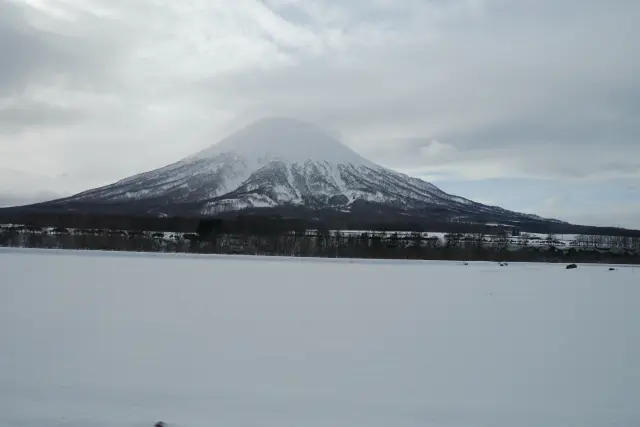
The first time I saw Mount Yotei, I thought it looked a lot like Mount Fuji. Its summit is gently rounded and symmetrical, and the entire mountain rises alone from the land, creating a familiar sense of déjà vu when viewed from a distance.
Mount Yotei is also known as “Ezo Fuji.” Like Mount Fuji, it has a beautiful shape, but the surrounding scenery is completely different. There are no Tokyo skyscrapers or city noise—just endless fields and a vast sky, making the mountain’s outline stand out even more.
As we traveled along and viewed it from different angles, we could always see Mount Yotei standing quietly in the distance. When white clouds drifted over the summit, they added even more depth to the view. I never knew Hokkaido had a mountain that looked so much like Mount Fuji. After seeing it in person, I finally understood why it is called “Ezo Fuji.”
-