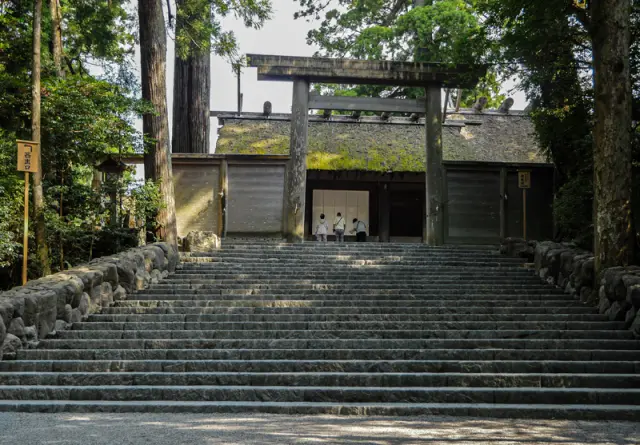
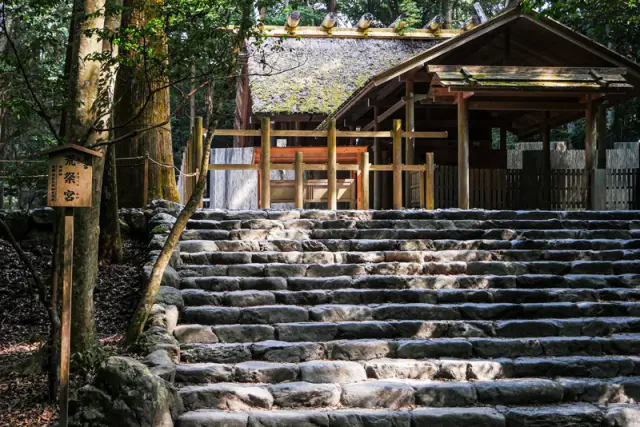
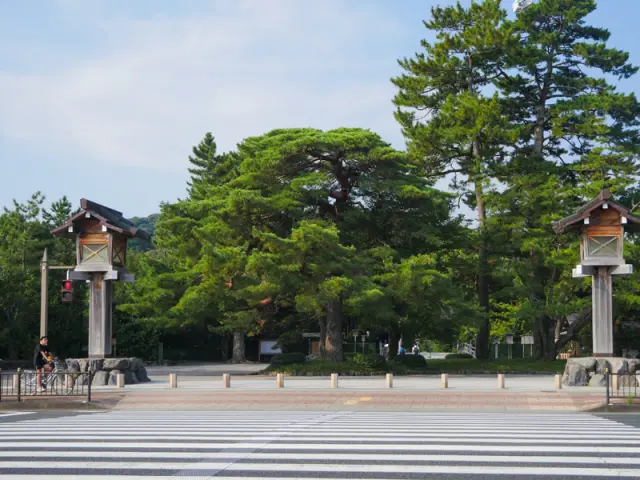
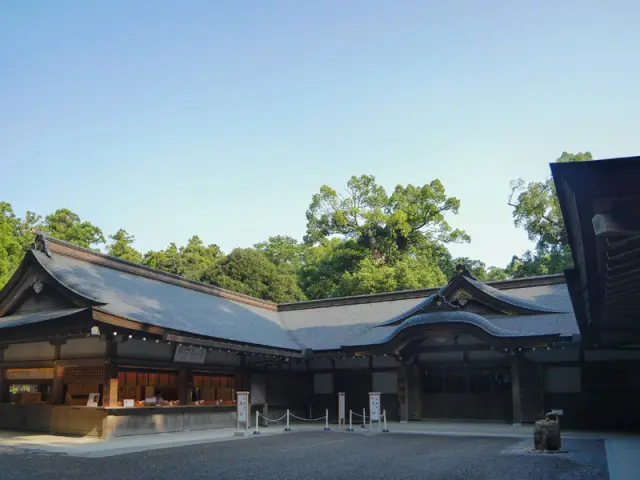
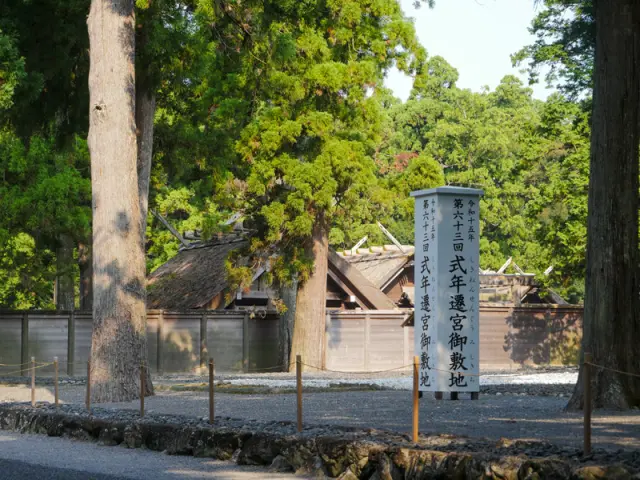
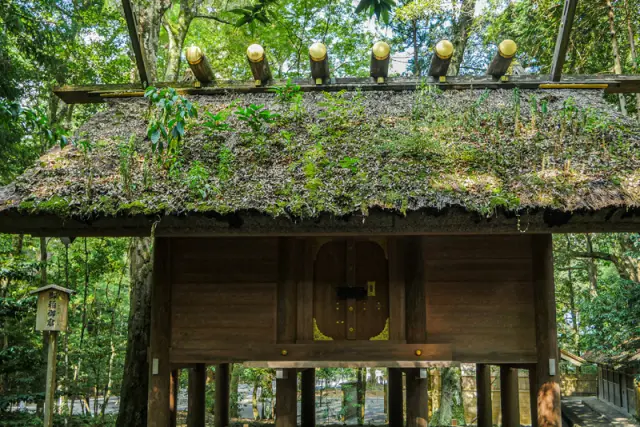
Ise Jingu is mainly divided into the Outer Shrine and Inner Shrine. The traditional order of worship is “Outer Shrine first, then Inner Shrine,” but if you only have time for a day trip, most travelers usually prioritize the livelier Inner Shrine, since afterward they can go straight to Okage Yokocho. However, the Outer Shrine is closer to Iseshi Station and can be reached on foot. Since there are fewer visitors, walking among the tall trees in the sacred grounds is very relaxing. Compared with the liveliness of the Inner Shrine, the Outer Shrine feels quieter and more serene, allowing you to better sense the gentleness of the deities.
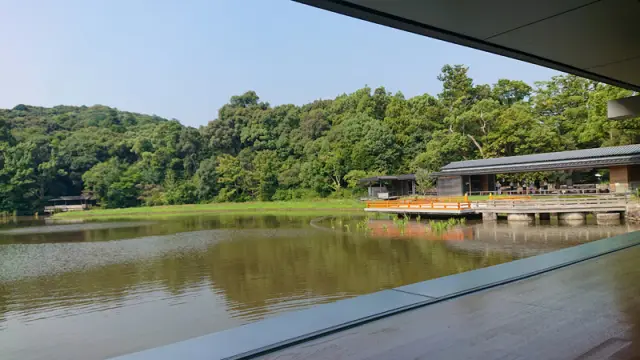
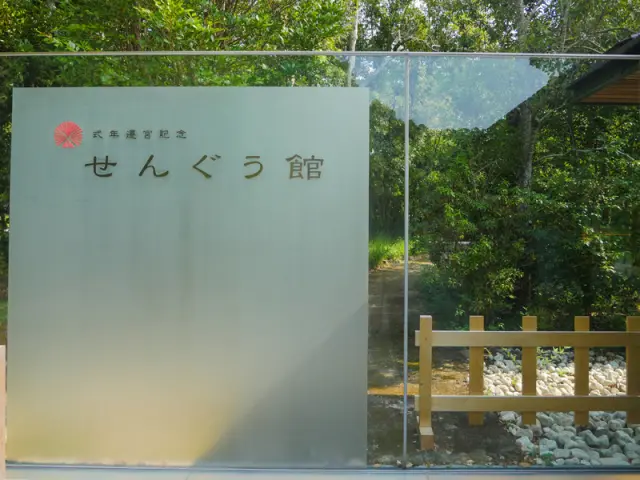
I also highly recommend the Sengukan Museum next to the Outer Shrine. It explains the Shikinen Sengu ceremony, which takes place every 20 years. What makes it especially interesting is the full-scale model of the Outer Shrine’s main sanctuary. Since visitors cannot approach the innermost area of the main sanctuary during an actual visit, seeing the model in the museum helped me better understand the true scale and architectural details of the deities’ dwelling. There are also many exhibits on the tools and craftsmanship used during the rebuilding ceremony. If you are not in a hurry, there are videos to watch as well. I really recommend it.
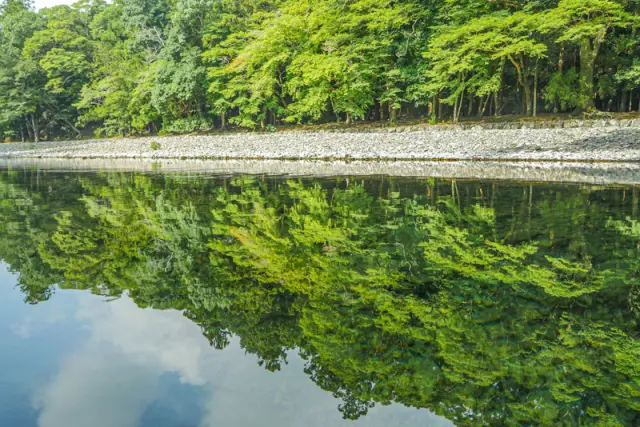
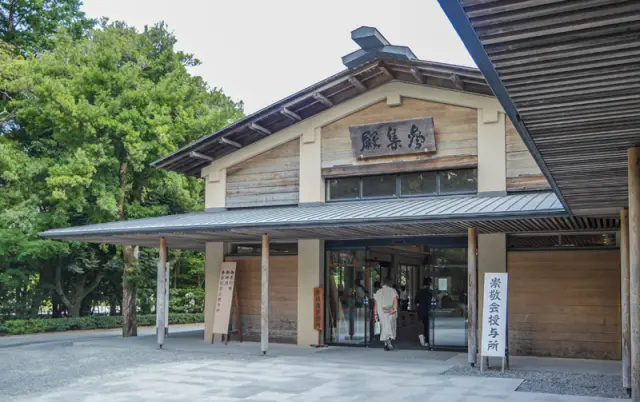
The Inner Shrine is larger and draws more worshippers than the Outer Shrine. After crossing Uji Bridge, you walk along the Isuzu River toward the main sanctuary, and the entire experience feels more ceremonial. The routes going in and coming back are separated, mainly because the worship route at the Inner Shrine is quite long. Getting there is not a problem, but on the way back I was truly grateful for the Sanshuden rest area. When you get tired, you can sit down and rest, and free drinking water is available inside. There are vending machines if you want another drink, and you can also purchase amulets and other shrine items here.
If your schedule allows, I still highly recommend visiting both the Outer Shrine and Inner Shrine in the traditional order. The Inner Shrine is more impressive and lively, with Okage Yokocho nearby to explore, while the Outer Shrine is much quieter. I actually preferred its forest atmosphere and feeling of worship. The two have completely different atmospheres and character, and only after visiting both can you get a fuller sense of Ise Jingu.
One reminder: the Inner Shrine has coin-operated luggage lockers, but the Outer Shrine does not, so keep that in mind if you have luggage. When I visited, I saw a traveler who had no way to store their luggage and had to drag it along. Since the sacred grounds are covered with gravel, it looked quite difficult.