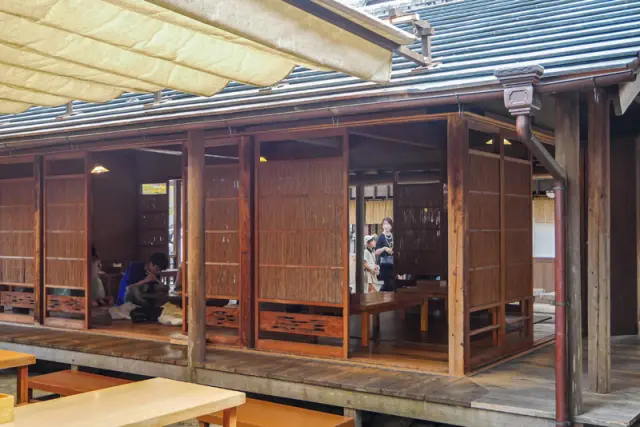
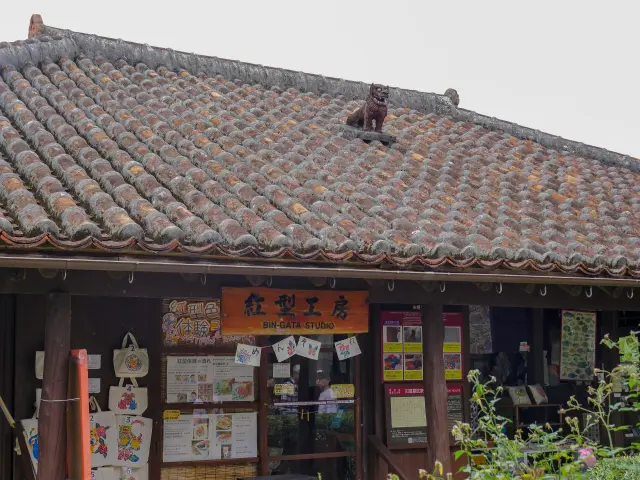
I actually came this time entirely for Gyokusendo Cave. I originally thought I could leave after seeing the limestone cave and checking out some traditional Okinawan buildings, but once I went in, I realized the layout of Okinawa World is incredibly well designed. There's basically no way to pick and choose only what you want to see.
The route through the park starts with Gyokusendo Cave. After exiting the cave, it naturally leads to the tropical fruit garden, traditional craft experiences, the Ryukyu Kingdom Castle Town, shops, performance areas, and other facilities, one after another. You basically follow the route through the entire park. I thought three hours would be enough, but everything flowed so smoothly that I ended up staying for the performance too. I arrived a little after 1 p.m., and by the time I left, it was almost closing time.
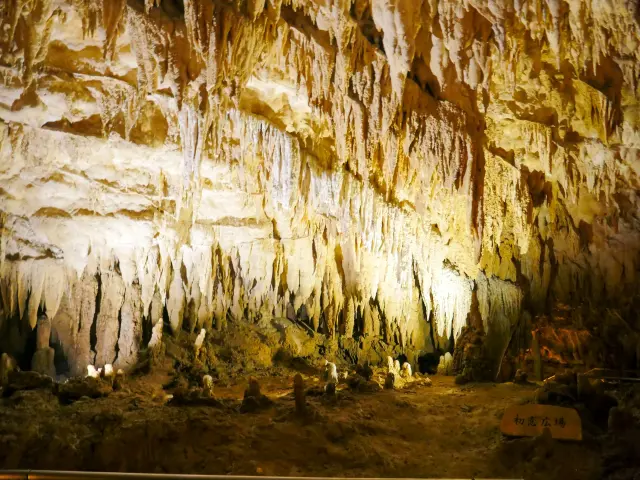
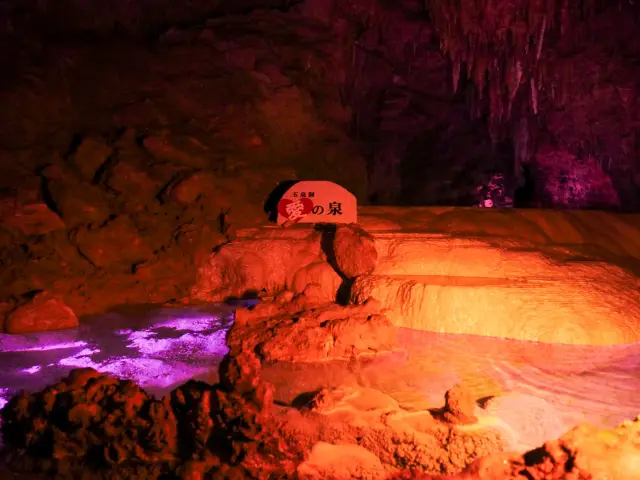
That said, Gyokusendo Cave itself is definitely worth making a special trip for. The cave is about 5 kilometers long, with around 890 meters currently open to visitors, and it contains over one million stalactites. Walking through it is truly spectacular. Along the way, you can see the many different forms created by the stalactites, and even small stalagmites slowly forming where water has been dripping near the walkway for years.
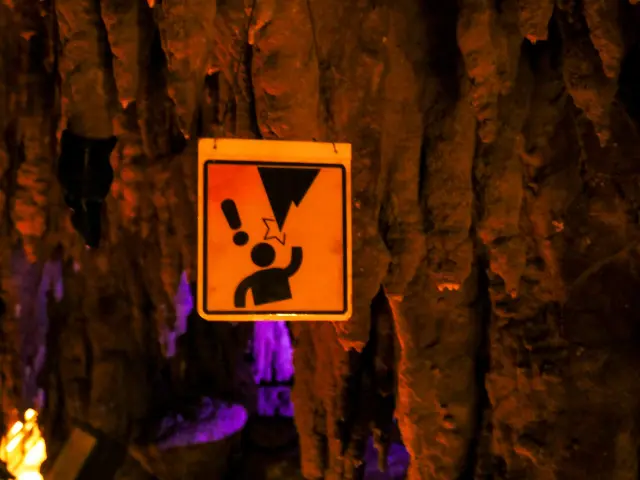
I really liked the lighting inside. It illuminates the cave clearly without giving it that cheap tourist-attraction feel from excessive lighting. Instead, it beautifully brings out the layers and shapes of the different stalactites. There are a few things to keep in mind when visiting, though. The cave has plenty of ups and downs, and the ground can get wet. Some stalactites hang so low over the walkway that protective padding has been installed. Taller visitors really need to watch their heads, because if you hit one, people might be more worried about the stalactite than your head.
Also, Gyokusendo Cave is not wheelchair accessible, and the public route is nearly 900 meters long. If you're traveling with seniors or children, or if you have difficulty with stairs and wet, slippery surfaces, it's best to consider your stamina beforehand.
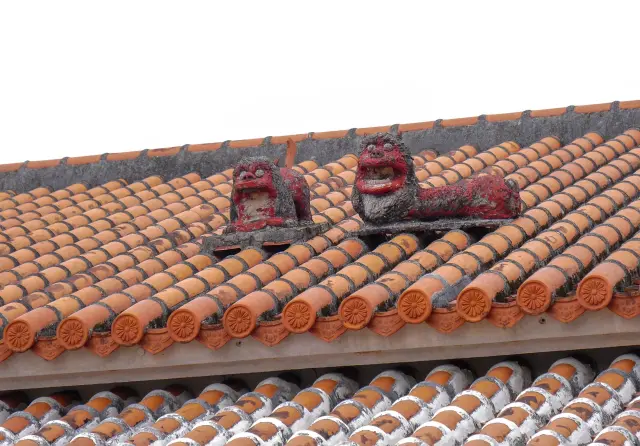
Overall, the admission isn't exactly cheap, but the scale and scenery of Gyokusendo Cave are impressive. Along with the traditional Ryukyu buildings, craft experiences, tropical plants, and live performances afterward, I still recommend setting aside half a day if it's your first time in Okinawa. The overall atmosphere really doesn't feel like Japan.
Okinawa World | Review by Holly
Other Reviews by Holly
-
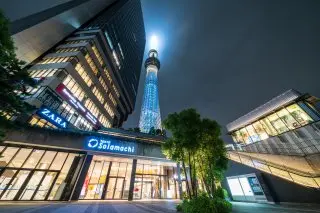
TOKYO Solamachi
With a wide variety of over 300 shops gathered in this retail complex, you can feel the liveliness of Tokyo’s shitamachi downtown.
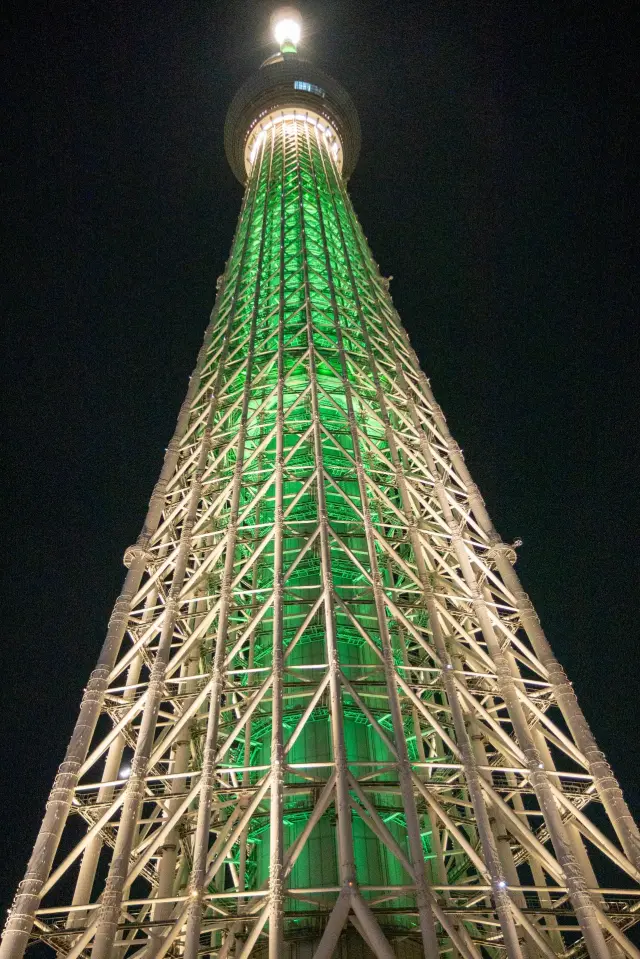
This time, after visiting the Christmas market at Tokyo Skytree, I stopped by Tokyo Solamachi to look around. My main reason for coming was to eat the famous Ebisoba Ichigen shrimp ramen from Hokkaido, but once I walked in, I was surprised by the sheer number of stores here! I really liked the Japanese-style atmosphere created on the fourth floor. You can find plenty of Japanese crafts, Japanese-style goods, and all kinds of small items featuring Japanese culture here. I almost got so caught up browsing that I forgot to go eat ramen.
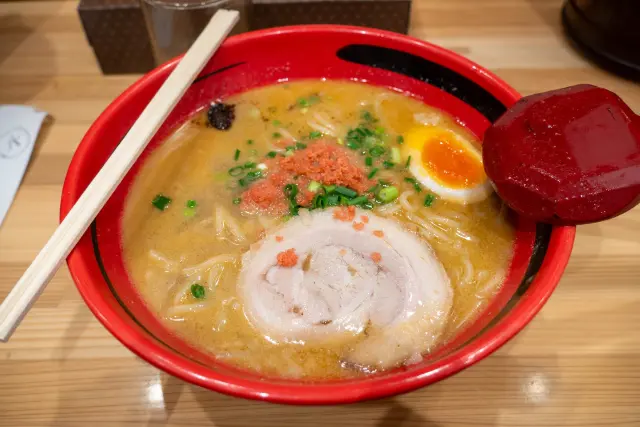
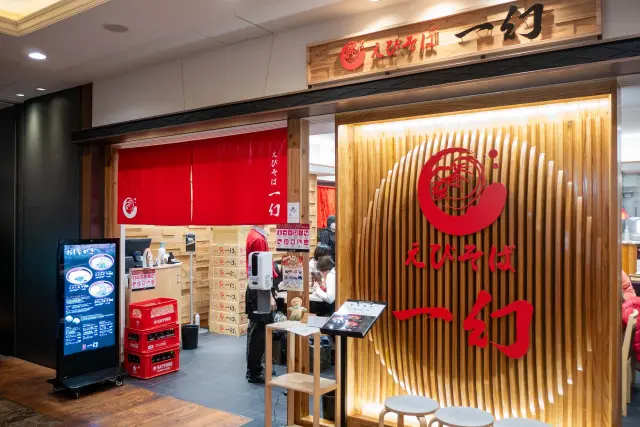
Fortunately, I still remembered that the main reason for this visit was to eat Ebisoba Ichigen's famous Hokkaido shrimp ramen. In addition to its locations in Hokkaido, Ichigen has three locations in Tokyo: Shinjuku, Yaesu Underground Shopping Mall near Tokyo Station, and Tokyo Solamachi. The Shinjuku location often has a line, while the Yaesu Underground Shopping Mall location is relatively small, so I ultimately chose the one on the sixth floor of Solamachi. You don't need to buy a meal ticket in advance at this location. You can order directly from the menu, and a Chinese menu is also available, which is very convenient for tourists who aren't familiar with Japanese. More importantly, there is seating suitable for groups. Unlike some ramen restaurants that mainly have counter seating, it's easier for larger parties to be seated and eat together.
I think Tokyo Solamachi is a good shopping destination to pair with a visit to Tokyo Skytree, especially for independent travelers. Not only is it conveniently located, but it also has a very wide variety of stores. Whether you want to buy Japanese souvenirs, look for unique goods, or simply find a restaurant for a meal, you can take care of it all in one place. However, since my main purpose this time was to eat ramen and I had already visited the Christmas market beforehand, I didn't spend much time exploring the other floors, which felt like a bit of a shame. -
-
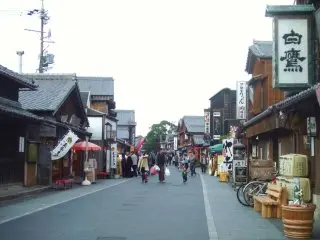
Oharai Machi, Okage Yokocho
In front of the Inner Shrine of Ise Jingu Shrine, there's a street called Oharai Machi that bustles with numerous worshippers every year. From the Edo Period to early Meiji Period, many people called Onshi lived here and performed Shinto dance and music for their worshippers (Oharai), thus, the name Oharai Machi is believed to have come about.
On this visit to Oharai Machi and Okage Yokocho near the Inner Shrine of Ise Jingu, I originally thought that setting aside two hours after visiting the shrine would be enough time to browse the shops and get something to eat. But once I actually started exploring, I realized that this area had far more to offer than I had imagined.
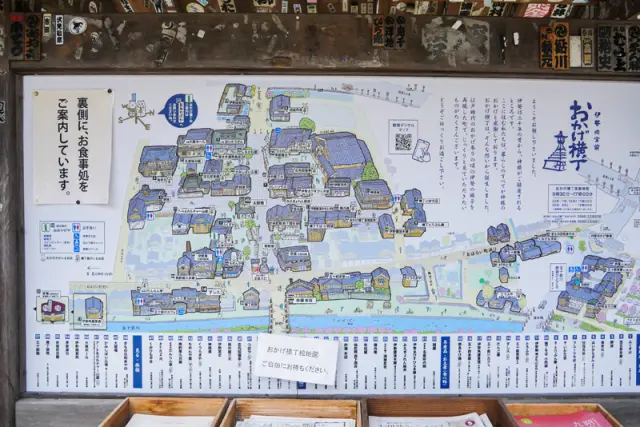
Although Oharai Machi and Okage Yokocho are right next to each other and it is almost impossible to notice the boundary between them while walking around, they actually have different backgrounds. Oharai Machi is a historic street that gradually developed alongside the culture of visiting Ise Jingu, and many long-established shops and local businesses remain along the way. Okage Yokocho, meanwhile, is a neighborhood revitalization project led by Akafuku that combines traditional architecture with local culture to recreate the lively atmosphere of the old town outside Ise Jingu. The former has a sense of history and everyday life built up over many years, while the latter feels more like an area that brings together Ise's culture, food, and traditional crafts. Each has its own character, yet they blend together naturally, making the entire walking route more varied.
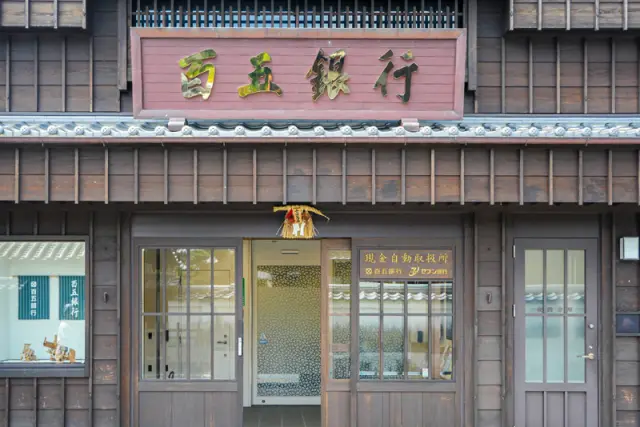
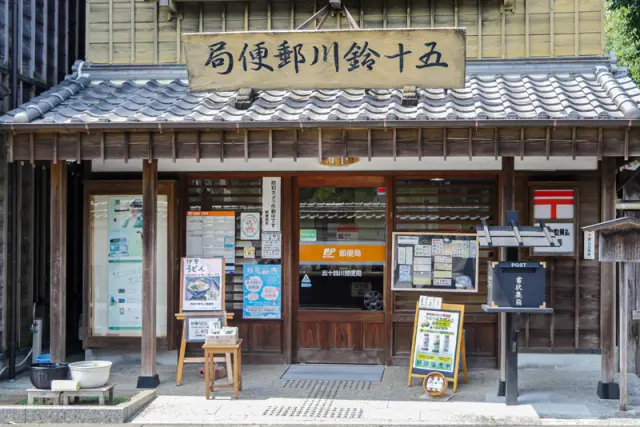
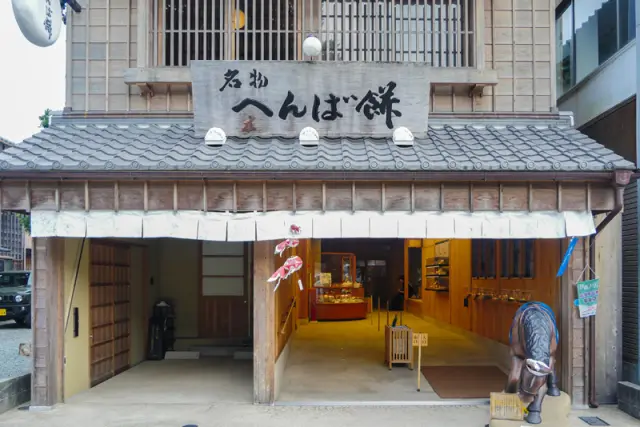
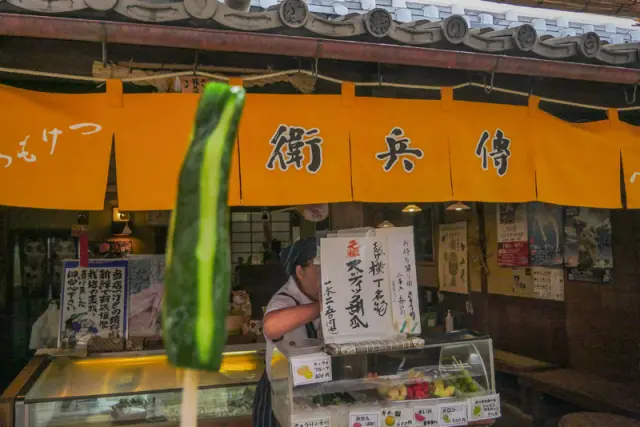
I especially liked that even though this is already a well-established tourist shopping area, it does not feel overly uniform. In addition to historic shops such as Akafuku and Henba Mochi, there are all kinds of local brands, distinctive goods, traditional crafts, and restaurants along the way. Even banks, post offices, and modern brand-name stores try to blend into the overall Japanese streetscape. I really appreciated this because it is not simply a matter of remodeling a few buildings in a retro style. Even the everyday functions of the street are designed to maintain a consistent atmosphere.
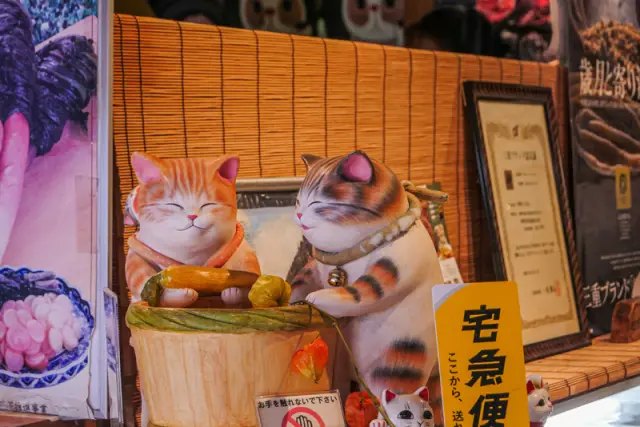
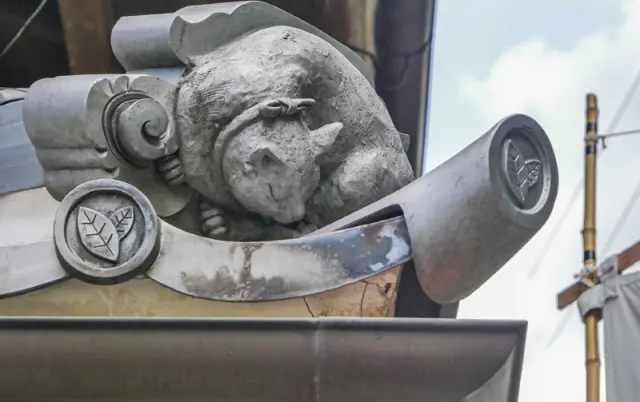
Another thing I found interesting about Okage Yokocho was the shop cat statues scattered throughout the area. Each cat has a different pose and personality, and some even reflect the character of the shop where they are located. Although I did not specifically try to find all 18 shop cats on this visit, occasionally spotting one while browsing still made me want to stop and take a picture. This small sense of discovery also made what would otherwise have been a simple shopping trip more fun.
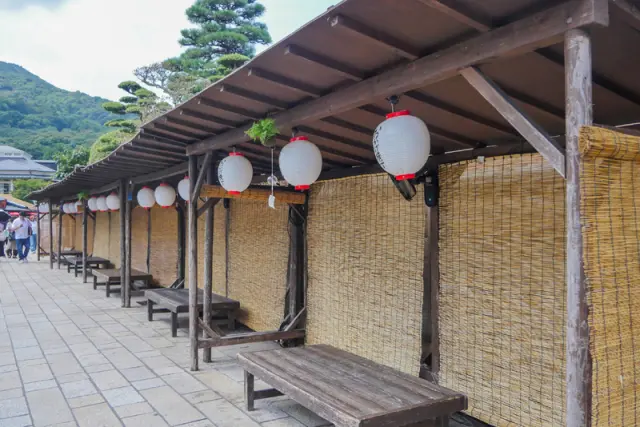
I visited in August, and summer in Ise really is quite hot. However, some areas had reed screens for shade, and there were also plenty of seats where visitors could rest. After buying snacks, you can find somewhere to sit down and enjoy them slowly instead of having to stand by the roadside while eating. That was a big plus for me. The streetscape of Okage Yokocho itself is especially distinctive, so even just sitting and resting while looking at the surrounding buildings and passing crowds lets you experience an atmosphere unlike that of an ordinary shopping street.
The unfortunate part was that I seriously underestimated how much there was to explore in this area. I had originally scheduled only two hours, but visiting shops, taking pictures, and sampling food already took quite a bit of time. After eating at two or three wagashi shops and trying some fried foods, I simply had no room left and did not even get to try the Ise udon I had planned on eating. By the end, I almost resented my stomach for not being bigger. There were still so many shops I wanted to visit and foods I wanted to try, but I had no choice but to save them for my next visit. -
-
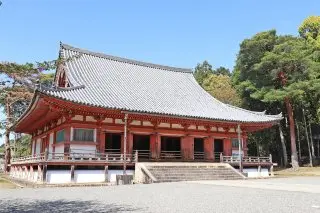
Daigoji Temple
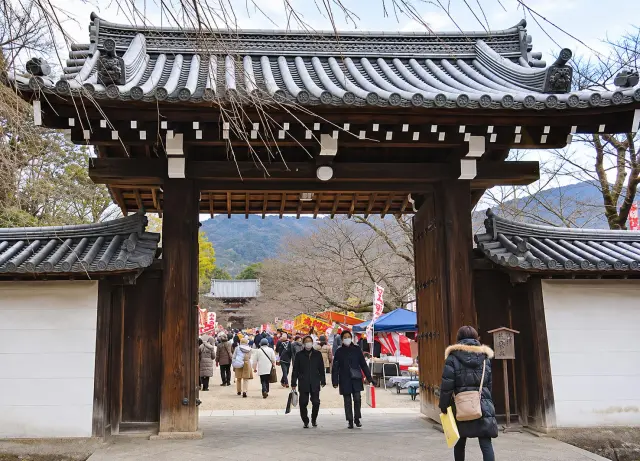
Daigoji Temple was founded in 874 (Jogan 16), during the early Heian period, by Shobo, also known as Rigen Daishi. A grand-disciple of Kobo Daishi Kukai, he is regarded as a key figure in the revival of Shugendo. Daigoji is the head temple of the Daigo school of Shingon Buddhism. Its grounds cover approximately 1,630 acres across Mount Daigo, making it one of the largest temple complexes in Kyoto. The grounds are divided into Kami-Daigo at the top of the mountain and Shimo-Daigo at its foot, with more than 80 halls and pagodas scattered throughout. The temple initially developed around Kami-Daigo. It later received the strong patronage of Emperor Daigo as an imperial temple, and an extensive temple complex was established at the foot of the mountain.
This time, I happened to catch Daigoji Temple’s annual “Godairiki-san” festival (Godairiki Son Ninno-e), so even though it wasn’t cherry blossom season, I made a special trip to attend. This festival has continued for over a thousand years and is also one of Daigoji Temple’s most important annual events. When traveling in Japan, most traditional festivals you encounter are Shinto rituals held at shrines, so having the chance to personally experience a large-scale Buddhist prayer ceremony at a temple was quite rare.
The Godairiki Son Ninno-e mainly offers prayers for peace throughout the country, the happiness of its people, and protection from misfortune. Before the main festival, Daigoji Temple holds seven consecutive days of preliminary services, during which monks chant sutras and offer prayers. On the day of the festival, visitors receive blessed “Godairiki Son sacred images,” which are talismans believed to protect against disasters and theft. They can be seen posted at the entrances of many long-established shops and private homes in Kyoto. Many people were also lined up to receive one that day, and seeing the long line, I almost wanted to join it too.
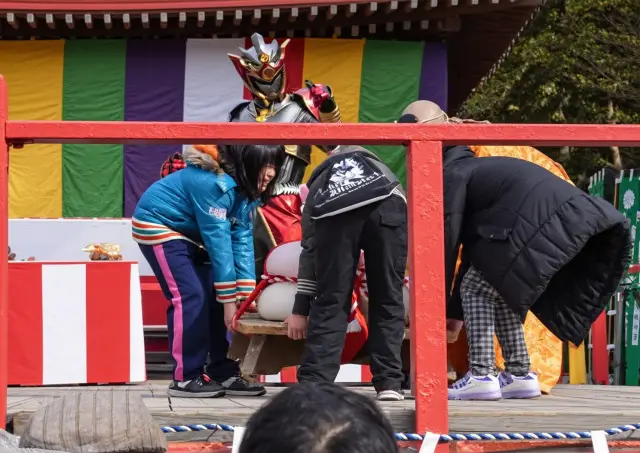
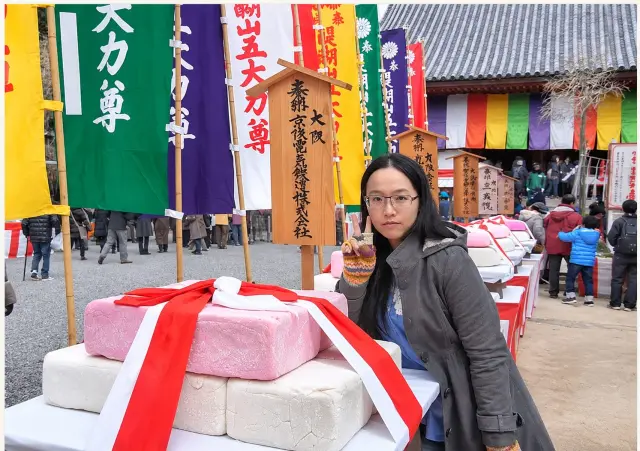
One of the festival’s most distinctive events is the “Mochi-Lifting Strength Offering” held in front of the Kondo Hall. Participants must lift and hold enormous red-and-white kagami mochi, offering their strength to the Five Great Wisdom Kings and praying for good health and protection from misfortune. The competition has divisions for elementary school students, men, and women. I looked it up afterward, and the kagami mochi used at the event are truly heavy: 150 kilograms for the men’s division and 90 kilograms for the women’s division. They certainly aren’t easy to lift, though I’m not sure whether advance registration is required.
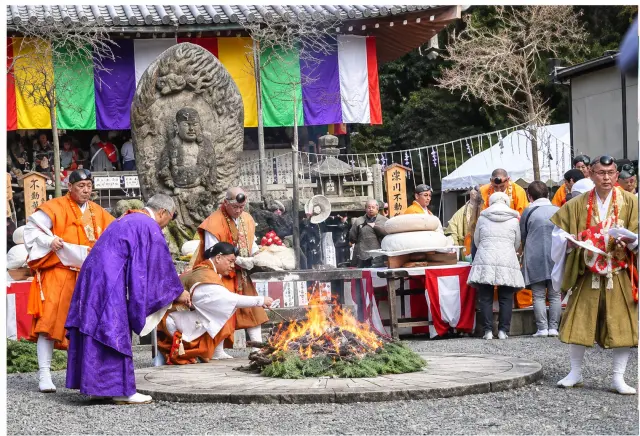
There were also many large kagami mochi specially offered by worshippers in front of the Kondo Hall. The sight of them neatly lined up was quite impressive. These were all offerings made by worshippers specifically for the Godairiki Son Ninno-e. Seeing the astonishingly large kagami mochi arranged one after another in front of the hall really showed how important this festival is to local worshippers.
In front of Fudodo Hall on the other side, a Saito Goma prayer ceremony is held, with monks offering prayers through a ritual in which wooden goma prayer sticks are burned. From sutra-chanting services and the goma ritual to the lively mochi-lifting event, being able to see several different forms of Buddhist prayer ceremonies all at once is one of the things that makes this festival so special.
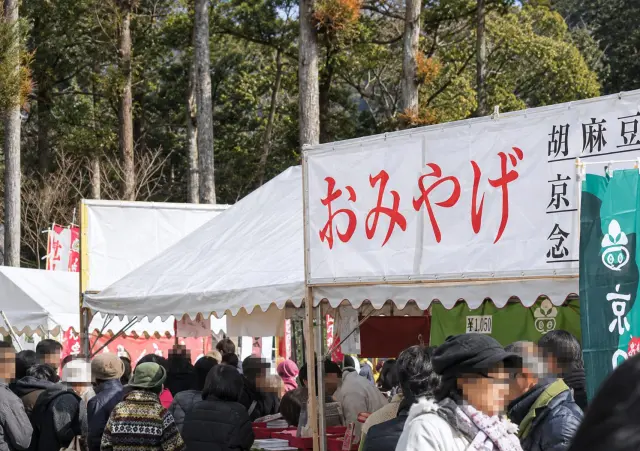
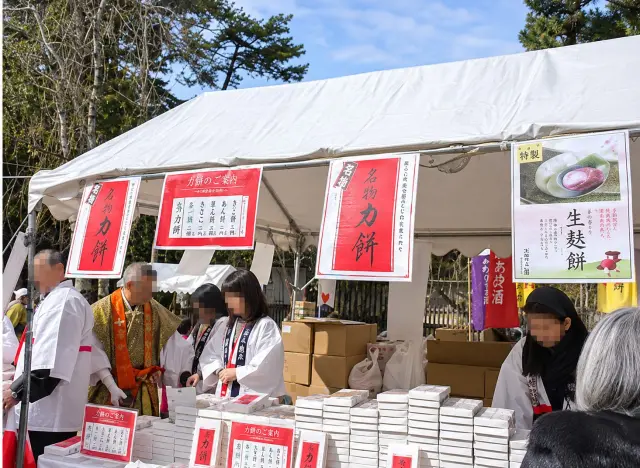
Besides the religious events, the temple grounds also had plenty of seasonal products and food stalls, including five-colored sweets, limited-edition brown rice tea created in collaboration between Daigoji Temple and Ito En, and Heian porridge offered free to worshippers. These added an extra sense of lively festivity to the event. The item most worth noting was the Godairiki mochi sold only during the festival. It’s actually a type of mochi. I bought two bags at the time, planning to take them back to Taiwan and grill them little by little. I even went out of my way to buy a special grilling rack for mochi, but unexpectedly, they were all moldy the day after I got home! If I’d known, I would have grilled and eaten them in the hotel kitchenette while I was still in Japan. The grilling rack ended up being a wasted purchase too, which was really frustrating QQ.
Overall, the Godairiki Son Ninno-e is a large-scale event that combines religious culture, traditional rituals, and the character of a local festival. It offers an experience different from the Japanese shrine festivals that most tourists are more familiar with. If you have the chance to catch it, it’s well worth making a special trip to Daigoji Temple to experience this traditional festival that has continued for a thousand years.
-