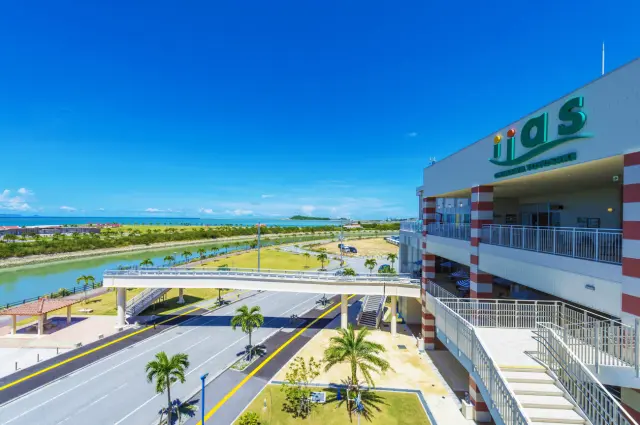
iias Toyosaki combines shopping with spectacular ocean views. The mall has a diverse range of brands and is a compact but enjoyable place to browse, with the DMM Kariyushi Aquarium as an added highlight. The food court brings together many local and popular dishes, offering plenty of dining options. You can even enjoy Okinawa soba here in the air conditioning. Best of all, the mall is right next to a beautiful beach, so whenever you get tired of shopping, you can head outside and wade in the water. In the evening, you can also admire a magnificent sunset that turns the entire sea red. It has shopping, food, and romantic ocean views all in one!
iias Okinawa Toyosaki | Review by 一個漸漸喜歡上慢旅的人




Other Reviews by 一個漸漸喜歡上慢旅的人
-
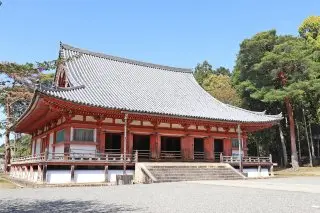
DAIGOJI Temple
In 874, Reverend Kobo Taishi’s disciple, Rigen Taishi founded this head temple of the Shingon sect. The entire 2.6 square miles of Mt. Daigo is the premise of the temple, the largest in Kyoto City.
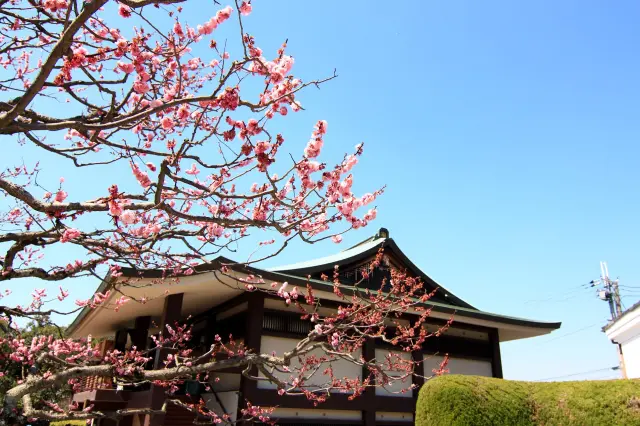
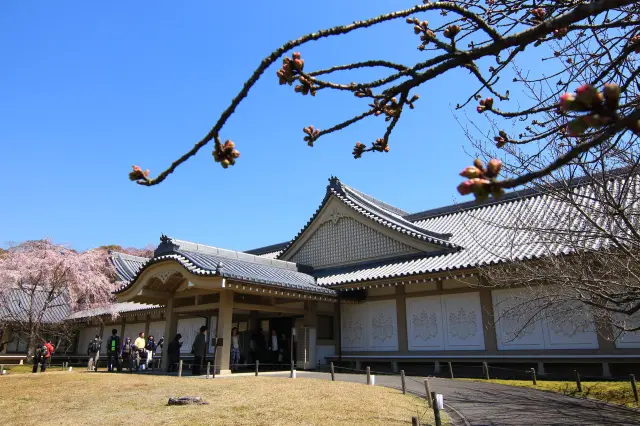
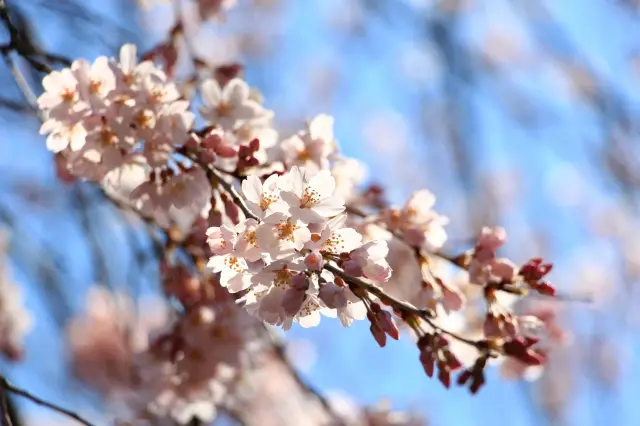
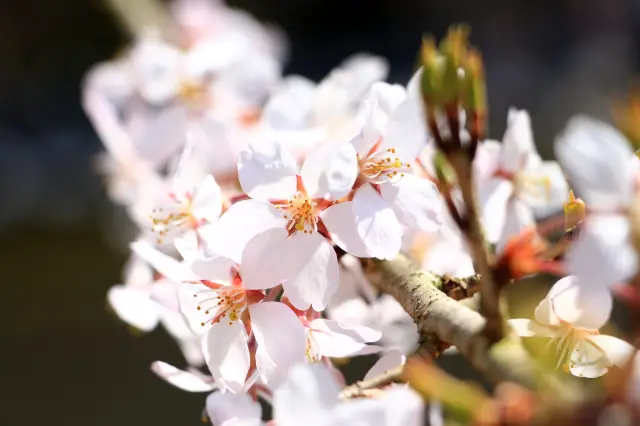
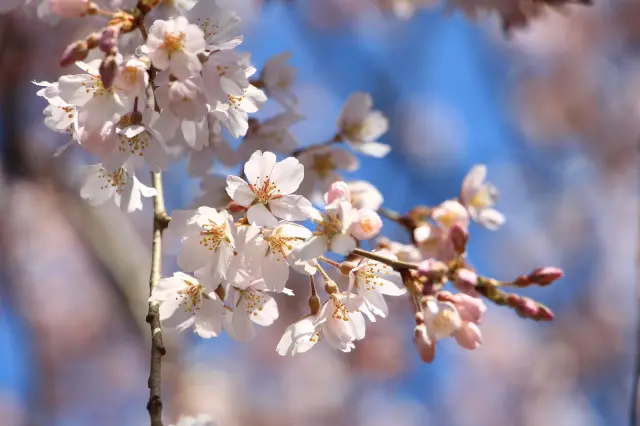
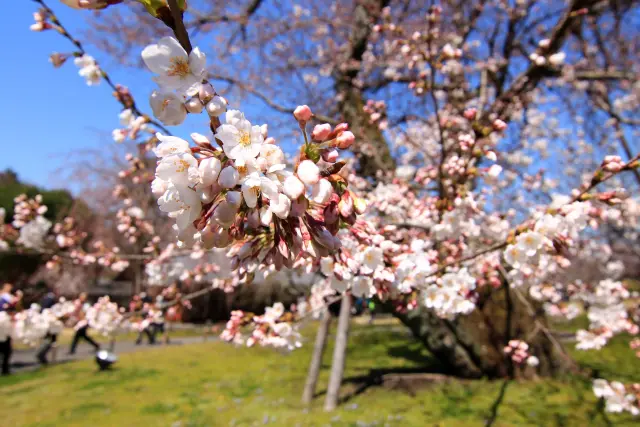
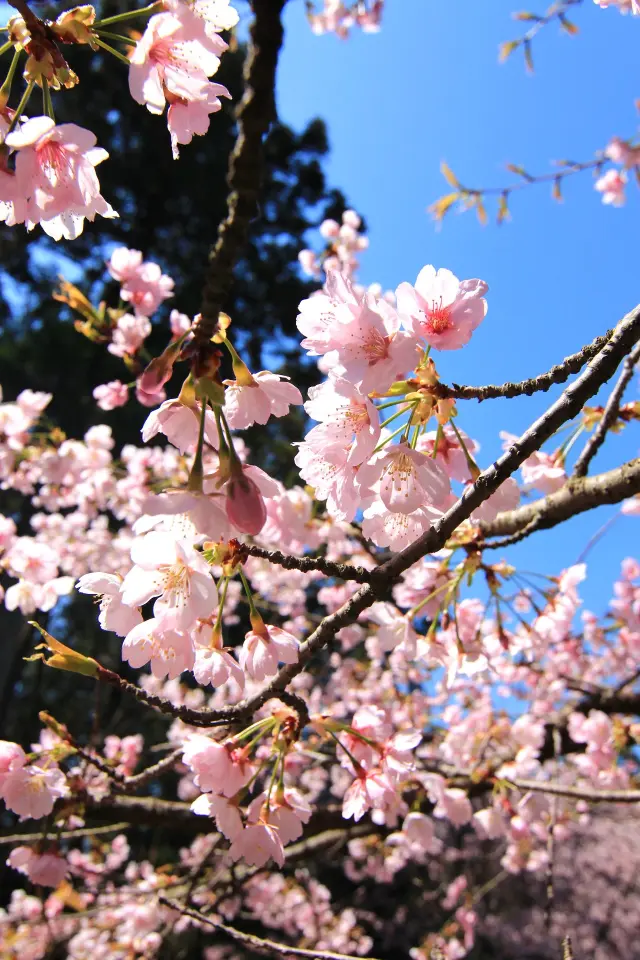
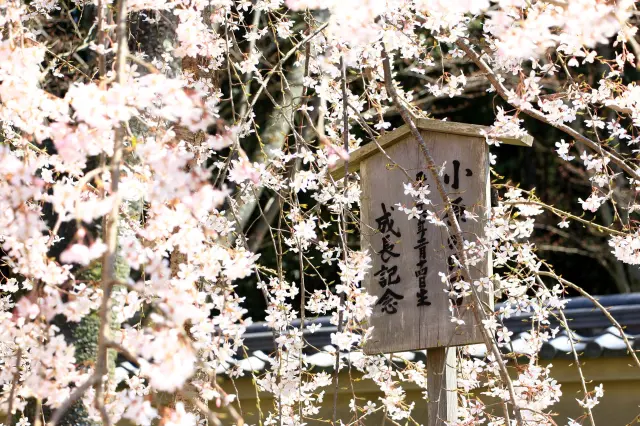
The place that surprised me the most and left the deepest impression on this trip to Kyoto was definitely Daigoji Temple. The moment I entered the expansive temple grounds, I was captivated by the many tall, lush cherry trees before me. As a gentle breeze blew, petals from different varieties of cherry blossoms looked especially delicate and beautiful against the blue sky, white clouds, and green lawns. When the wind picked up, it even created a shower of cherry blossoms—it was incredibly dreamy.
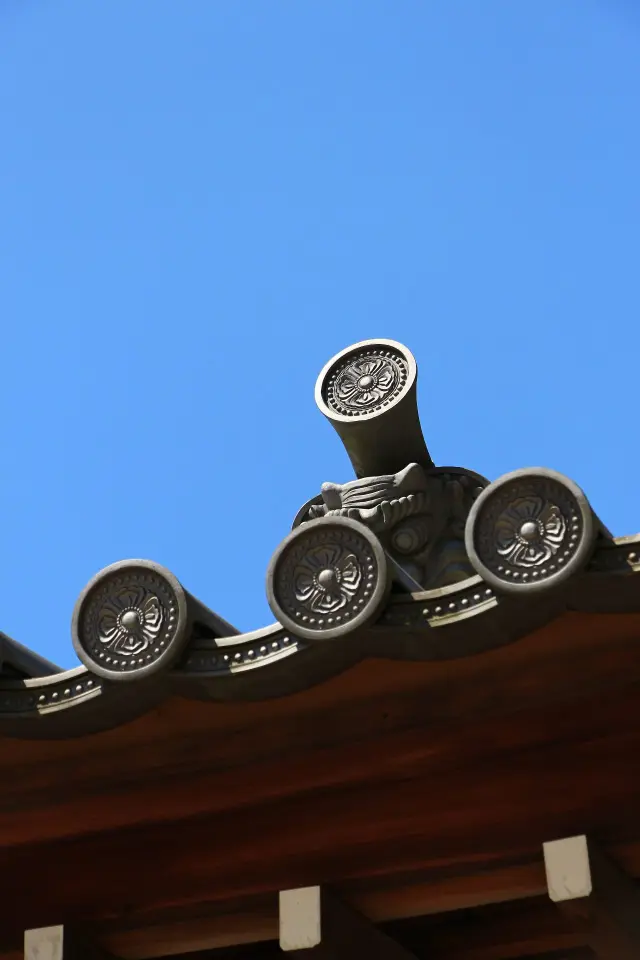
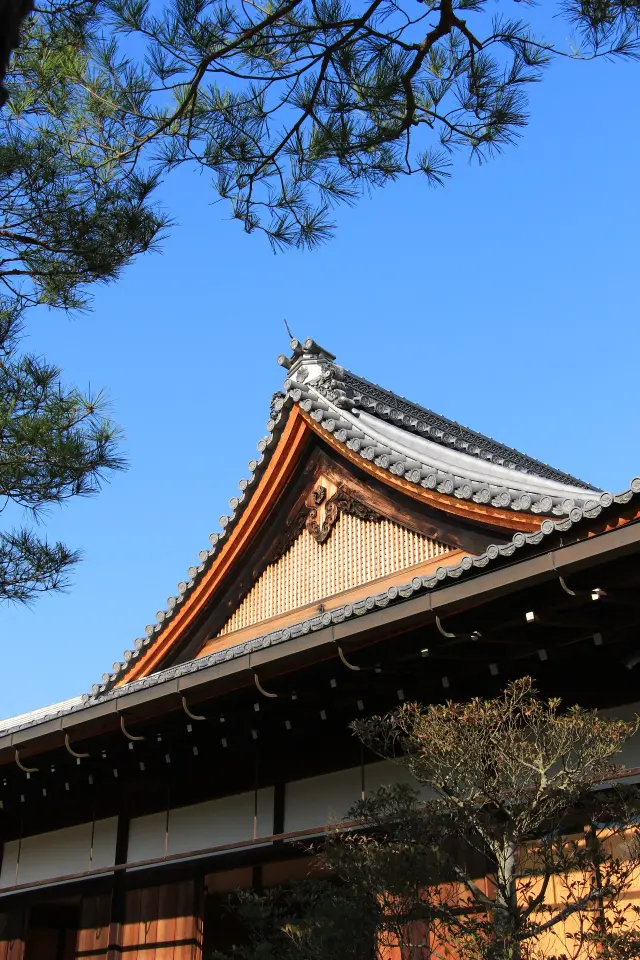
While strolling around, I unexpectedly came across a charming outdoor tea area where visitors could sit beneath the romantic cherry trees, sip tea, and enjoy the annual cherry blossom viewing season. It felt like stepping into a Japanese TV drama. As for Daigoji Temple's history, it has deep ties to the famous Japanese historical figure Toyotomi Hideyoshi. He once held the grand and renowned Daigo cherry blossom viewing banquet here, and thousands of precious cherry blossom varieties have been passed down at the temple. If you look closely, you can even find the hidden Toyotomi family crest on the roof tiles of the old buildings. Traces of its rich history are everywhere.
Daigoji Temple covers a vast area, combining magnificent natural scenery with historically and culturally significant architecture. It is well worth setting aside an entire day to stroll around at a leisurely pace, fully appreciate the cherry blossoms throughout the grounds, and enjoy an incredibly relaxing spring day in Kyoto filled with cultural heritage.
-
-
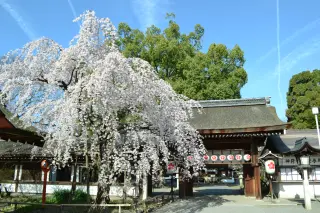
Hirano Shrine (Kyoto)
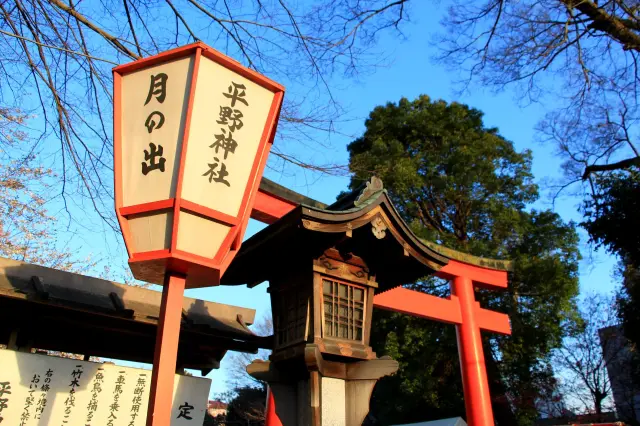
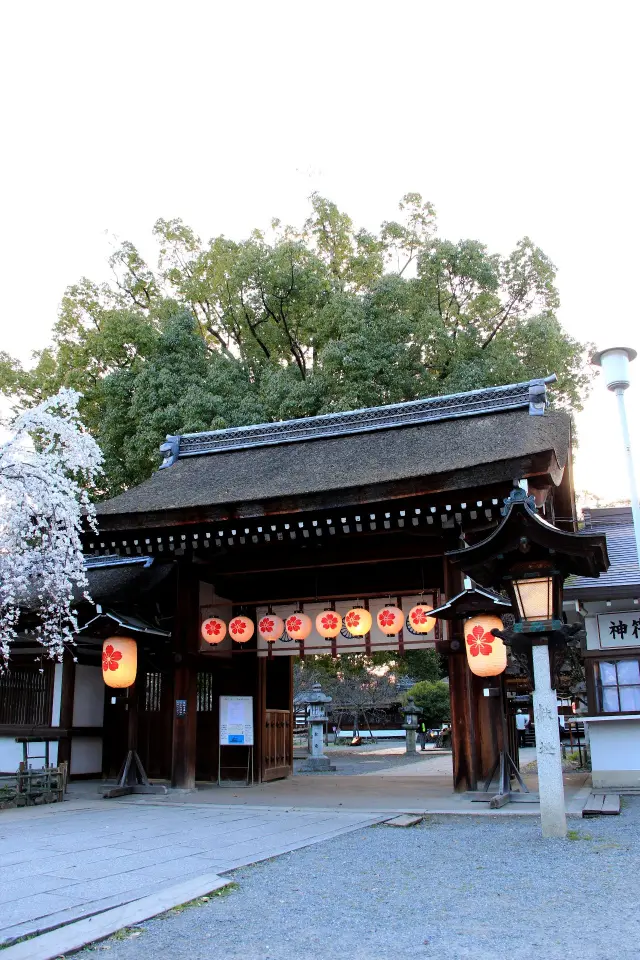
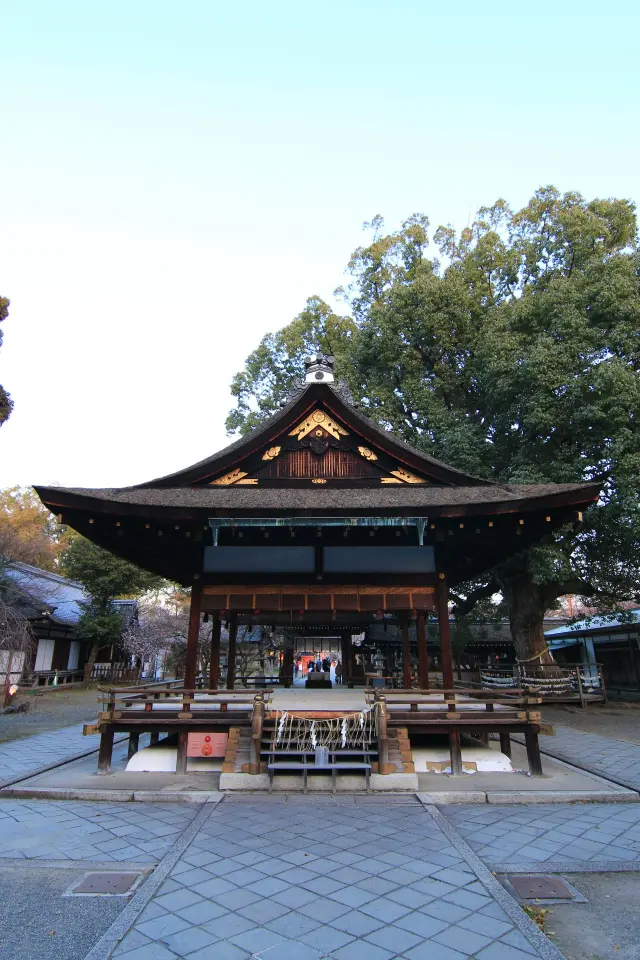
Located in the Kitano area of Kyoto, Hirano Shrine is a historic old shrine founded in the late Nara period and moved to its current location when the capital was transferred to Heian-kyo. Since the Heian period, cherry trees have been planted within the shrine grounds as a symbol of enhanced vitality. Today, around 60 varieties and 400 cherry trees bloom in splendor, with diverse varieties flowering one after another over Approx. one and a half months.
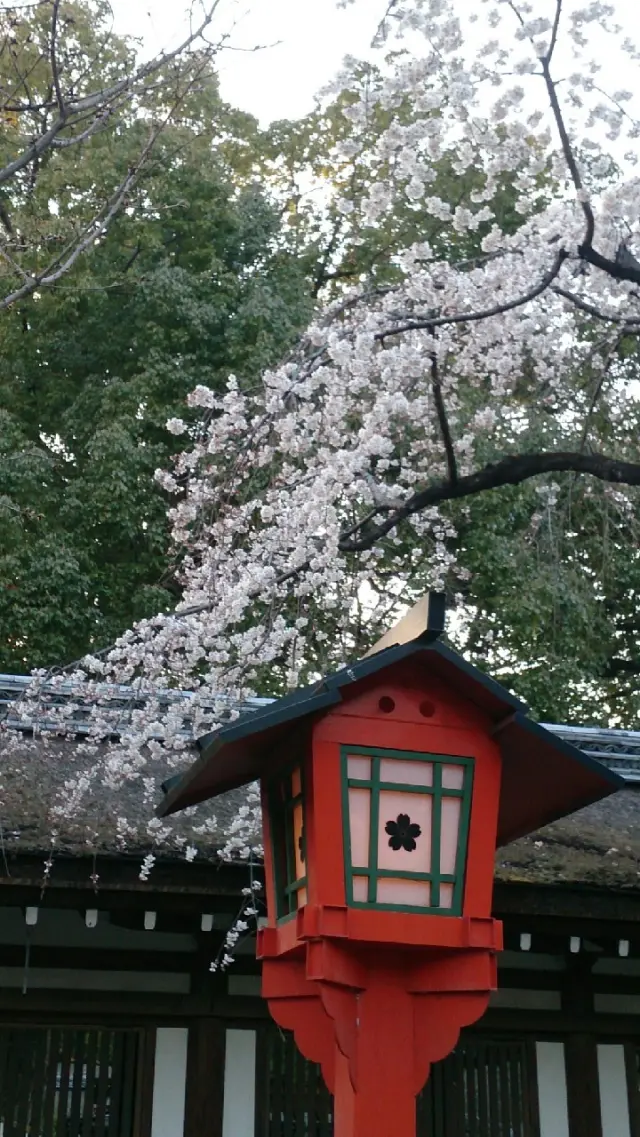
Hirano Shrine, famous for cherry blossom viewing, is definitely a dream destination that no flower lover should miss during cherry blossom season. This time, I happened to arrive around dusk. Although the sky was gradually darkening and the light was no longer as bright, the atmosphere felt even more mysterious and peaceful.
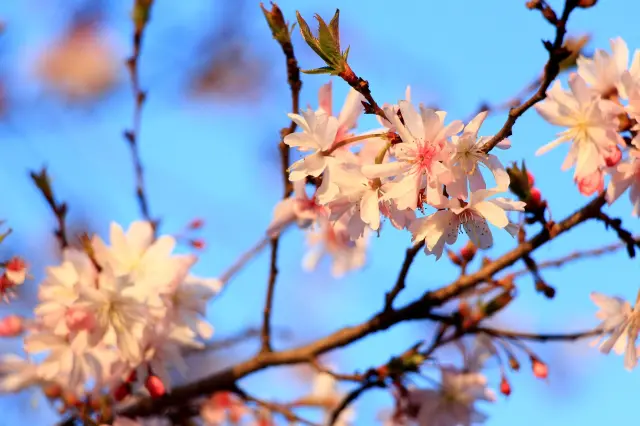
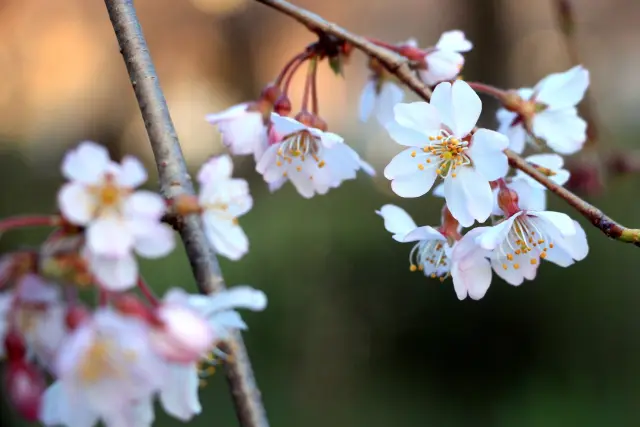
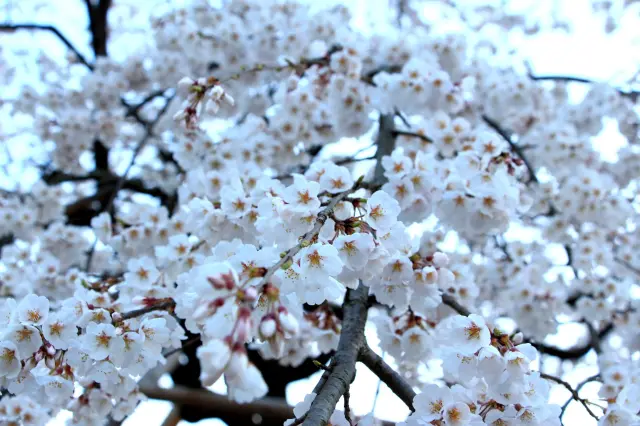
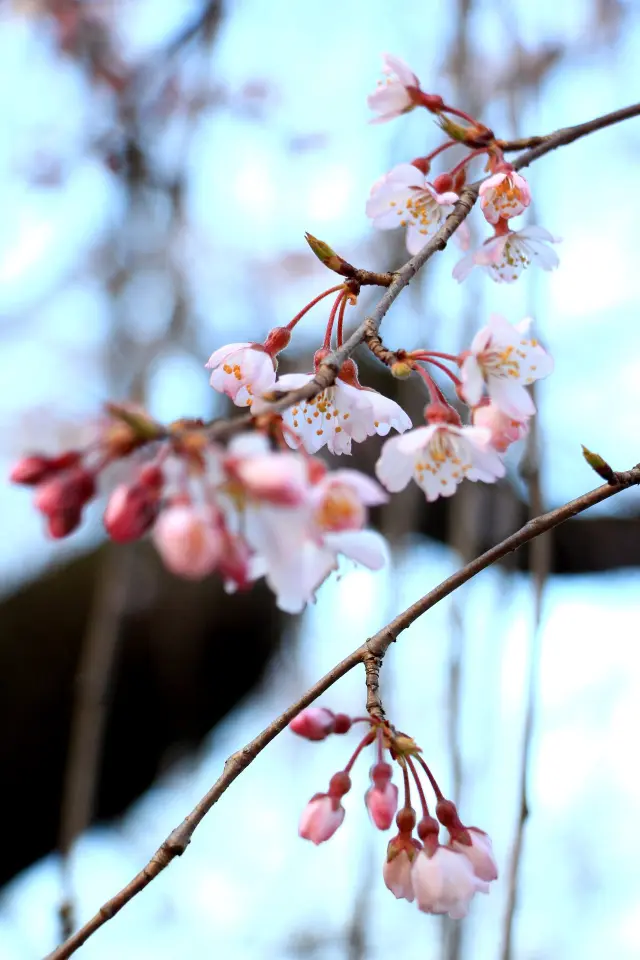
Entering this historic shrine, I found all kinds of cherry trees throughout the grounds, with so many varieties that it was almost impossible to name them all. The vast sea of pale pink and white blossoms was truly eye-opening, with so much to take in. A faint floral fragrance drifted through the air, complementing the traditional shrine and its tranquil atmosphere. Although the grounds aren't especially large, the entire shrine feels particularly intimate and refined. Strolling through it in the slightly cool evening air, surrounded by cherry blossoms in full bloom, was such a wonderful feeling. It truly is a perfect place to enjoy the flowers, feast your eyes, and completely relax. An understated gem that I highly recommend.
-
-
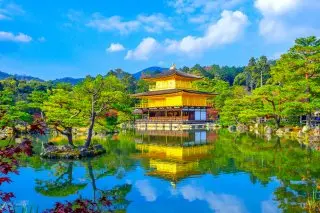
Kinkaku-ji
During the Muromachi Period, the 3rd Ashikaga shogun, Yoshimitsu, made an abode in this temple called Kitayamadono. It was named as Rokuon-ji after the posthumous name of Yoshimitsu. He had also built Shokoku-ji Temple, and Rokuon-ji, his retirement home, was turned into a branch temple of Shokoku-ji.
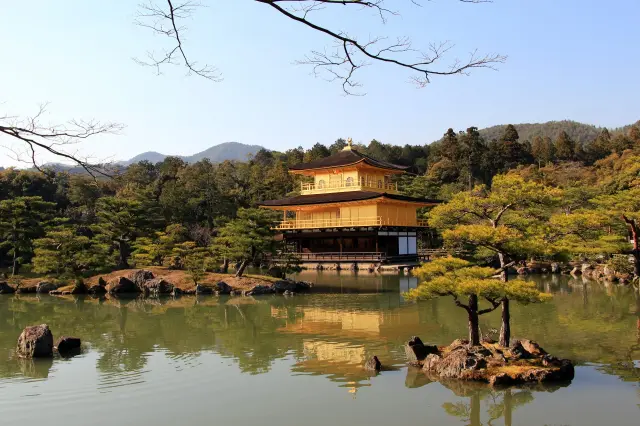
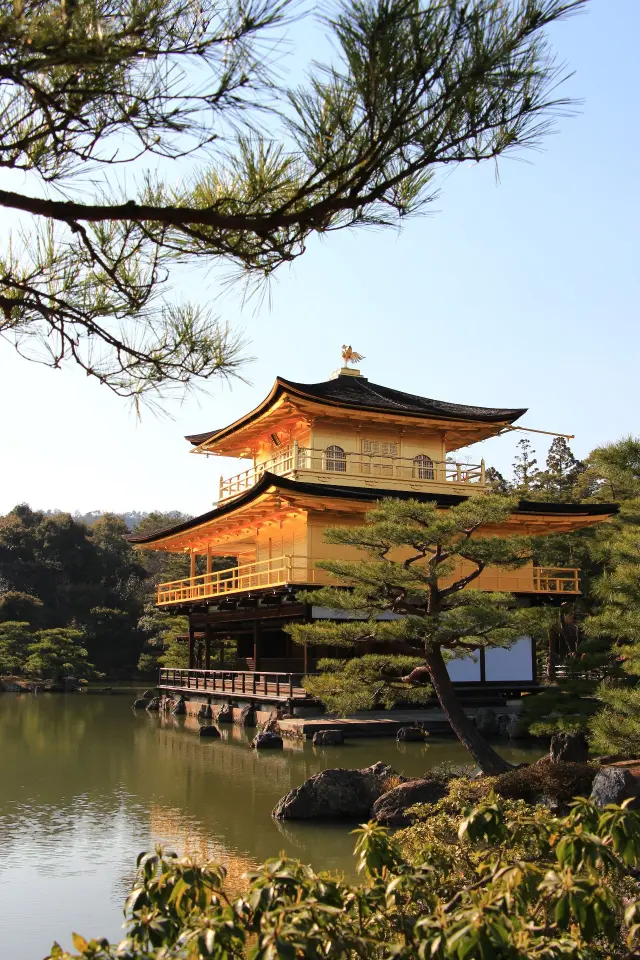
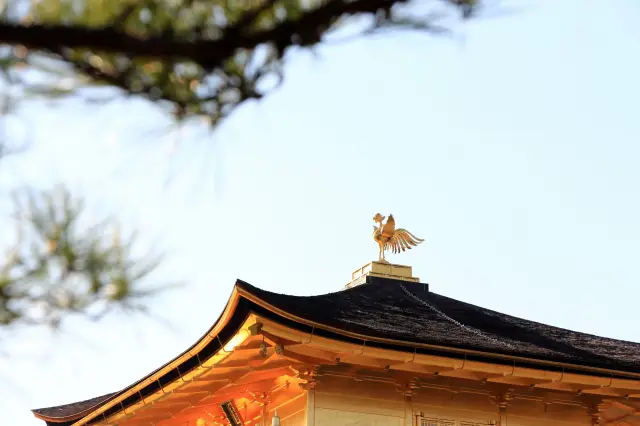
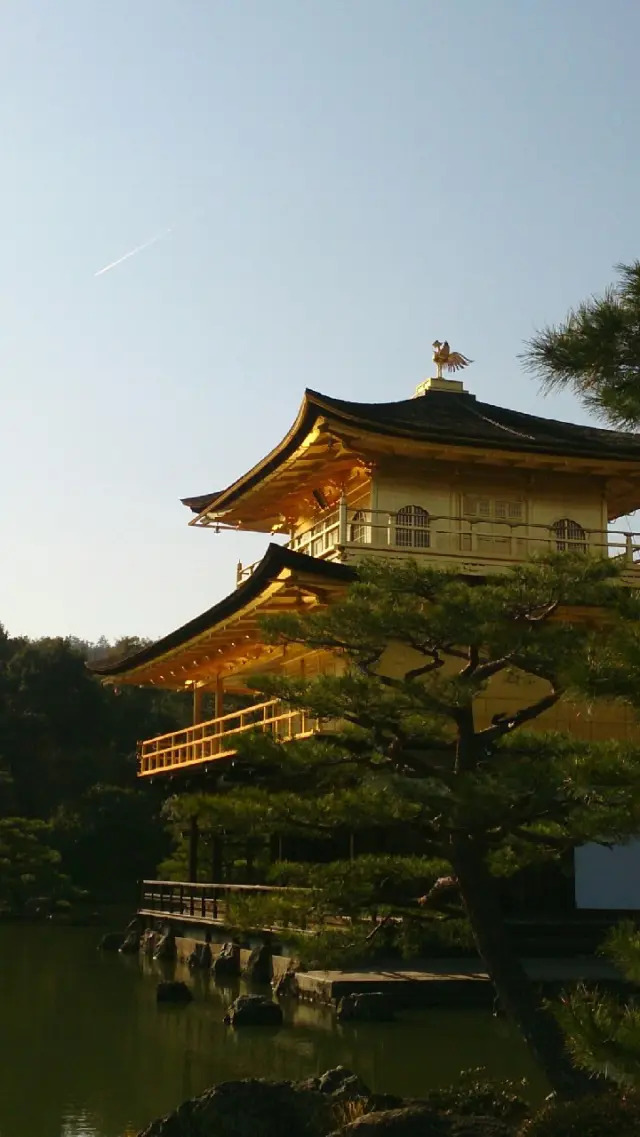
Compared with the understated simplicity of Ginkaku-ji, the famous Kinkaku-ji is at the top of many people’s lists when visiting Kyoto, so we made a special trip there this time as well. When I saw the dazzling golden Shariden in person, I honestly was quite impressed. Although it was slightly smaller than I had imagined, its brilliant, exquisite appearance was completely different from Ginkaku-ji’s wabi-sabi charm—two entirely different aesthetic extremes. And if you look closely, there really is a gleaming golden phoenix spreading its wings on the roof.
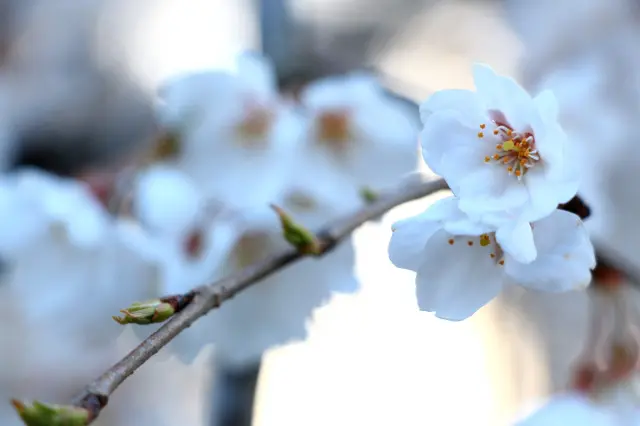
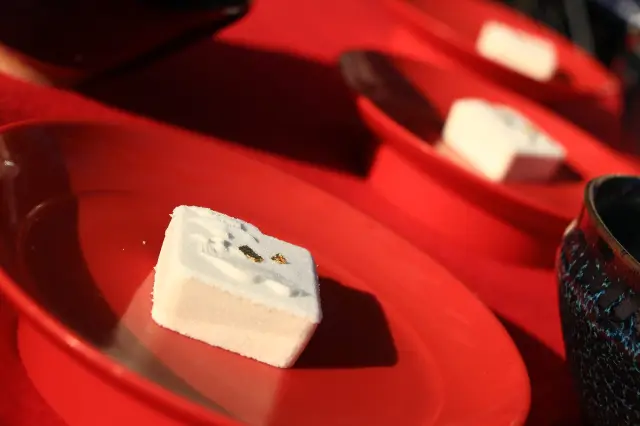
We were very lucky that day to capture Kinkaku-ji’s clear, enchanting, and beautiful reflection on the pond, like a finely crafted work of art standing quietly by the water. After walking around for a while, our feet were getting a little sore, so I took the older members of our group to rest at the tea area inside the temple. In the slightly cool weather, we admired the cherry blossoms dotting the branches and the garden scenery while enjoying hot Japanese matcha and delicate sweets, which warmed us right up. That afternoon spent slowing down and quietly enjoying the traditional Japanese atmosphere was truly a very comfortable, wonderful, and precious memory.
-