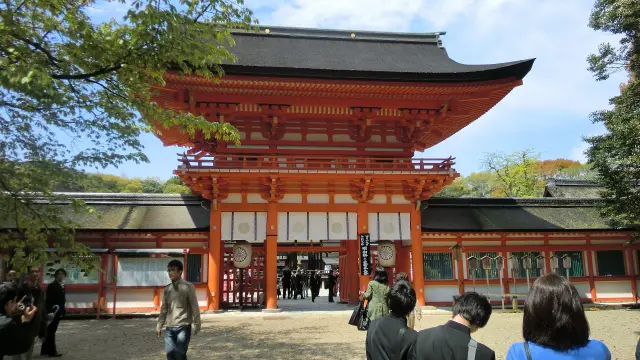
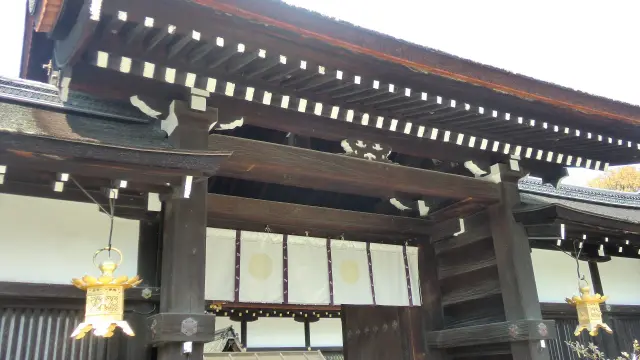
I decided to visit Shimogamo Shrine because I had originally planned to visit Kamigamo Shrine that day, and since I still had time on the way back, I stopped by Shimogamo Shrine as well, which is also closely associated with the Aoi Festival. I walked through Tadasu no Mori to the shrine, and the imposing vermilion tower gate was one of my strongest first impressions of Shimogamo Shrine.
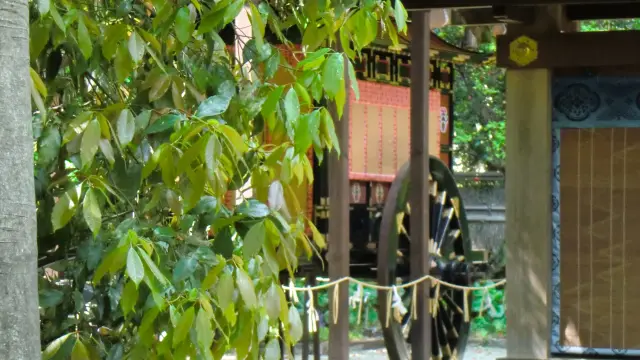
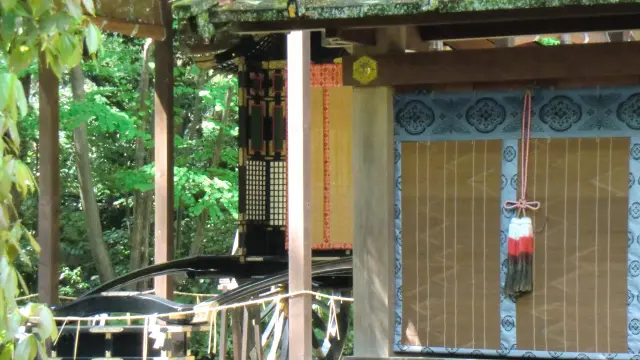
I was also lucky enough to see a Shinto wedding that day. The bride in her colorful uchikake kimono fit perfectly with the shrine's historic atmosphere. Another thing that left a deep impression on me was the ox-drawn carriage. I'd often seen them in manga and works set in the Heian period, but it was still fascinating to see an actual vehicle associated with imperial court culture.
Overall, Shimogamo Shrine is quite lively on holidays. If you want to quietly take in the atmosphere of Tadasu no Mori and the shrine itself, visiting on a weekday or arriving earlier would probably be better.
Shimogamo Shrine (Kamomioya-jinja) | Review by Holly
Other Reviews by Holly
-
Mt. Otowa Kiyomizu-dera Temple
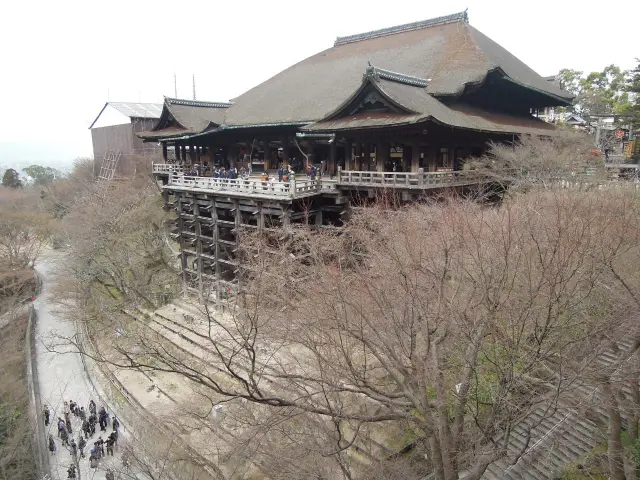
Opened in the year 778, the temple was registered as a UNESCO World Cultural Heritage Site in 1994. In the 130, 000 m2 area of the precincts spread out on the hillside of Mt. Otowa, there are more than 30 cathedrals and monuments, including national treasures and important cultural properties.
清水寺的人潮一直都很多,但即使如此,還是很推薦第一次來京都的人至少來這裡一次,畢竟清水寺的建築本身真的很有特色,尤其是依山勢而建的本堂與清水舞台,光是實際站在現場感受它的規模,就和單純看照片完全不同。
不過如果同行有長輩,我會建議稍微考慮一下體力,清水寺畢竟位在音羽山山麓,從一般參拜入口進去,還是要走一段上坡路。清水寺本身其實已經相當努力做無障礙設施,輪椅可以從茶碗坂上方的防災道路進入,靠近本堂後也有無階差的參拜路線,這部分在我去過的寺院中算是做得相當完整,只是受限於寺院本身的山坡地形與歷史建築,要達到完整無障礙還是有困難。
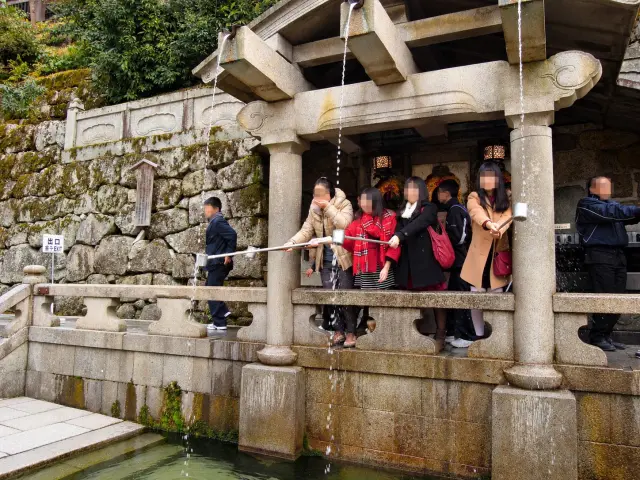
而且清水寺的境內其實比想像中大,加上本身就是京都超熱門景點,很多地方都可能需要排隊,像是音羽の滝就是相當熱門的景點,三道水流都有各自的祈願意義,來到這裡通常都會看到排隊的人潮。 如果想盡可能避開人潮,早一點或晚一點或許可以避開一些人潮,不過清水寺實在太熱門,早上八點左右都還是可能遇到不少遊客,只是相較於白天最熱鬧的時段,體驗通常會好一些。
交通方面,我自己不太建議自駕。清水寺境內本身沒有停車場,雖然周邊有京都市營停車場及其他民營停車場,但熱門時段很容易遇到停車位不足的問題,而且就算順利停到車,最後還是得走一段路上山,是沒辦法直接在山門前進入的。 -
-
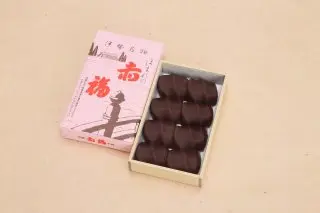
Akafuku-Main store
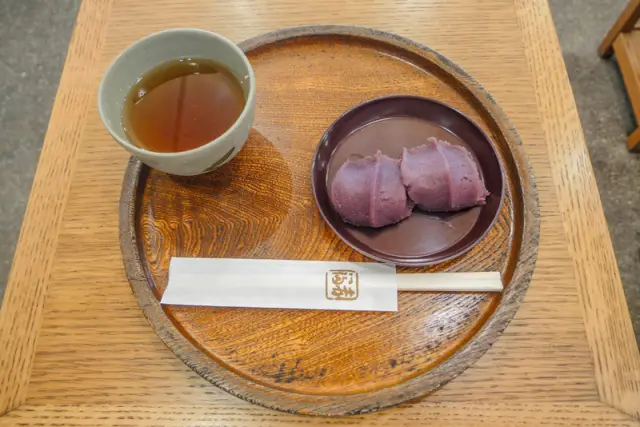
Founded in 1707, during the early Edo period, this long-established store has been welcoming visitors to Ise Jingu shrine for centuries with its famous "Akafuku Mochi." This traditional Japanese sweet consists of a mochi rice cake topped with smooth sweet bean paste, and its shape is distinctive. The three lines on the bean paste represent the pure flow of the Isuzu River that runs through the sacred grounds of Ise Jingu, while the white mochi symbolizes the pebbles at the riverbed.
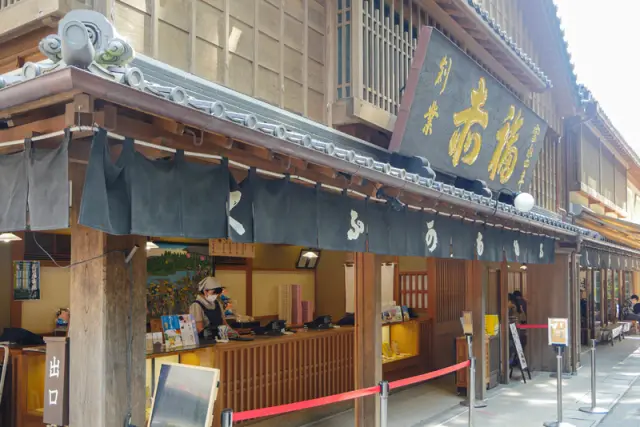
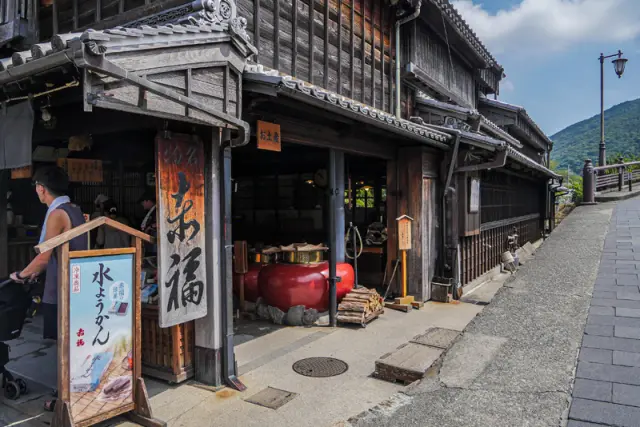
After entering Oharai-machi, turn right and you'll see it. The Akafuku Main Store is actually very easy to find. This is Akafuku's flagship location, and the timing of my visit was pretty good, so the line wasn't too outrageous. However, if it's very crowded and you're not set on eating at the main store, I don't think you need to spend all your time waiting here. There are other Akafuku shops nearby to choose from.
As for the Akafuku Mochi itself, I think its strongest point is actually the red bean paste. If the bean paste is strained too finely, it's easy to lose the aroma of the beans along with it. But if you try to preserve that aroma, it's difficult to make the paste this smooth. Akafuku balances the two very well. The texture is extremely delicate, but it doesn't just taste sweet—you can still taste the aroma of the azuki beans themselves. This seemingly simple wagashi actually requires a great deal of skill in handling red beans, and I think Akafuku is truly impressive in that regard.
What surprised me most was that it wasn't as sweet as I'd imagined. It's still sweet, but when paired with the hot tea provided, the sweetness is softened and everything comes back into balance. I really admire how Akafuku gets the level of sweetness just right.
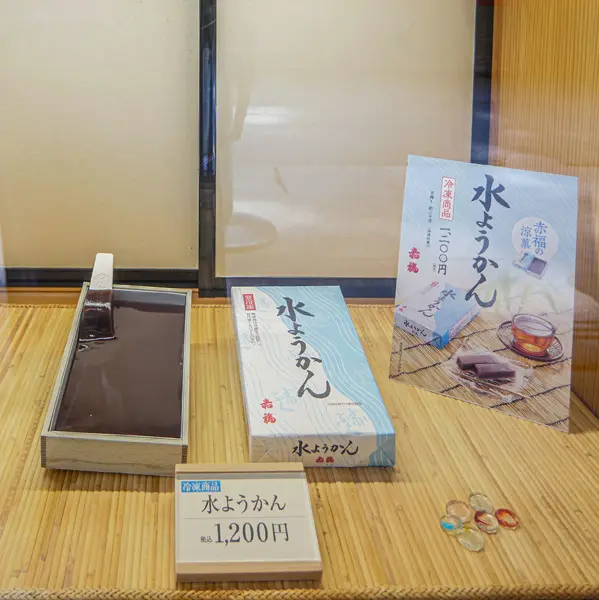
When I visited, they also happened to have the seasonal summer Akafuku Mizu-Yokan. Akafuku Mizu-Yokan is made with azuki beans from Hokkaido and prepared as a whole slab poured into a single box, and it has very good reviews. I really wanted to buy it, but it's a frozen product that has to be kept cold. The problem was that I visited in August and still had a full itinerary after making the purchase, eventually heading all the way to Osaka. A frozen product was simply not practical to buy. If it had come in a smaller box, I could have found a place to sit after walking around Okage Yokocho and finished it right there. But it was a large 320g box, and no matter how much I can handle sweets, there was no way I could finish it all at once. In the end, I had to tearfully give up on it. -
-
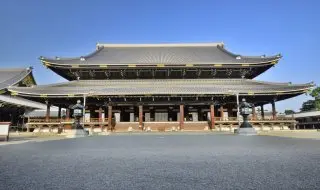
Higashi Honganji Temple, Kyoto
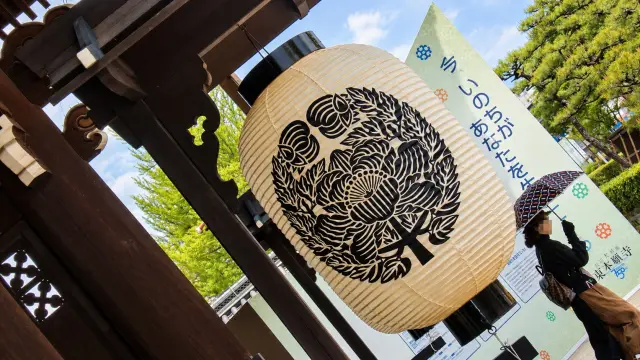
Higashi Honganji Temple is located in Karasuma Rokujo, near Kyoto Station. Officially called "Shinshu Hongyo", Higashi Honganji Temple is the head temple of the Otani sect of Shinshu Buddhism, built in the 7th year of Keichō era (1602) on land donated by Tokugawa Ieyasu to Kyōnyo Shonin.
Kyoto has both an eastern and western Honganji Temple, but originally there was only one Honganji Temple. After Kennyo Shonin passed away, his eldest son Kyonyo succeeded him as head of Honganji, but Toyotomi Hideyoshi later ordered him to retire, and the position passed to his third son, Junnyo. This became the foundation for the lineage that would later develop into Nishi Honganji. Later still, Tokugawa Ieyasu granted Kyonyo land around Karasuma Rokujo and Shichijo in Kyoto, where Kyonyo reestablished Honganji, resulting in the present-day Higashi and Nishi Honganji temples.
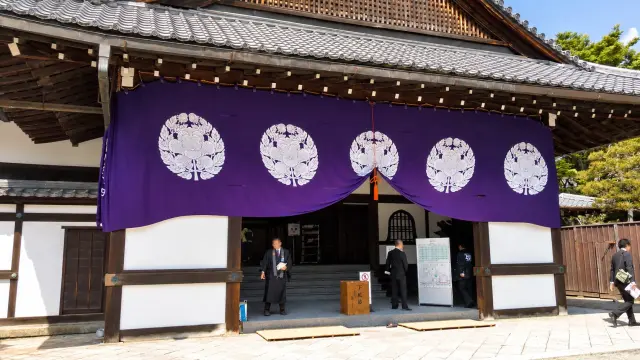
Higashi Honganji is closer to Kyoto Station than Nishi Honganji. It is about a 7-minute walk from JR Kyoto Station, so if you happen to be nearby, I highly recommend stopping by. The first time I entered Higashi Honganji, I was genuinely taken aback because the grounds were far larger than I had expected. The Founder’s Hall in particular is one of the largest wooden structures in the world, and its interior contains 927 tatami mats. Compared with the other temples I had visited over the past few days, the ones I had previously thought were huge suddenly seemed like nothing.
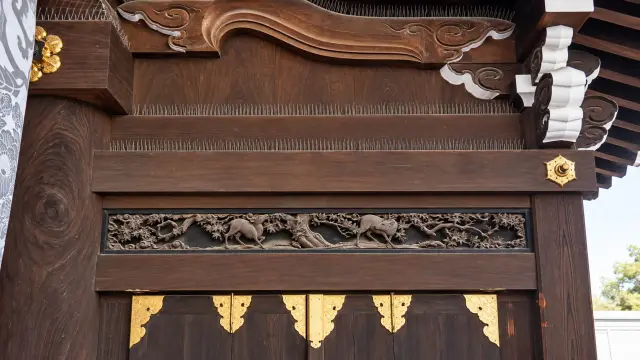
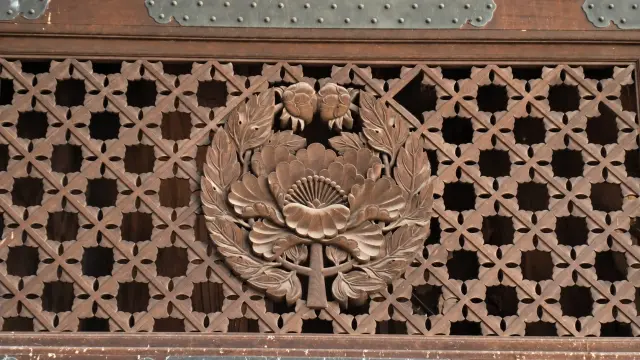
And Higashi Honganji is not just “big.” If you look closely at the buildings, you will find many interesting details. Although the main buildings you see today have been reconstructed, the architecture still has plenty of details worth taking the time to examine. On this visit, for example, I saw quite a few wooden carvings featuring animals. The rabbit in the photo is one of them, and deer, dragons, lions, and other animals can be found elsewhere on the grounds. When visiting a large temple like this, it is easy to miss these small details if you only keep staring at the main hall. Instead, slowly looking up and down will reveal quite a few interesting things.
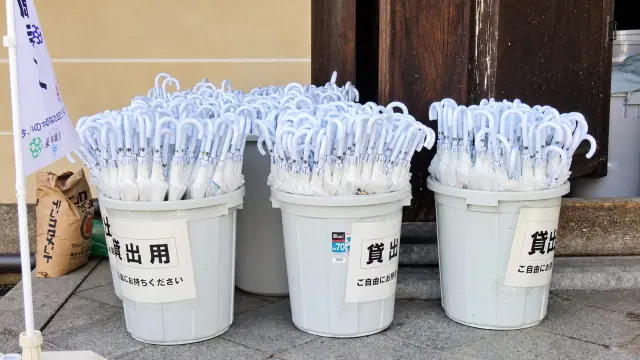
Also, it happened to be raining when I visited, and there seemed to be some kind of temple event going on. I saw the temple staff taking out a huge number of umbrellas to organize and dry them. From a distance, the sight of so many open umbrellas was actually quite impressive. This is not something an ordinary tourist would particularly expect to see, but it ended up becoming one of my strongest memories of Higashi Honganji.
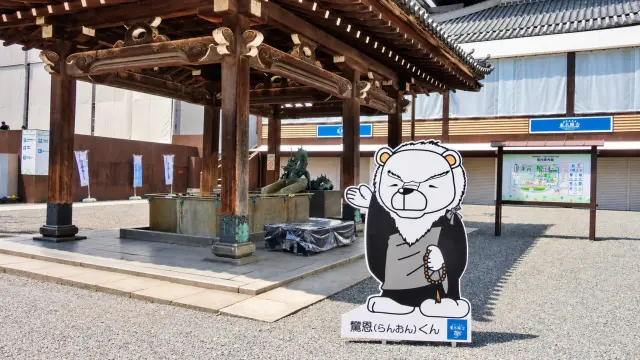
I also never expected such a solemn temple to have its own mascot. On this visit, I saw a standee of “Ran’on-kun” on the grounds. It is a lion wearing Buddhist robes and holding prayer beads, which felt like quite a contrast at first glance. I later looked it up and found that it is an official character created for events related to the 750th memorial anniversary of Shinran Shonin in 2011. It made me feel that Japanese Buddhism is really quite modern.
And honestly, I personally think Higashi Honganji is quite luxurious. It feels very different from the style of Buddhist temples I commonly see in Taiwan, especially because the halls are decorated with many gold elements, making the overall appearance quite ornate. I even felt that it had the same kind of glittering golden visual effect as Nijo Castle, -