• See More

    Honestly, walking all the way up through Ninenzaka and Sannenzaka made my calves incredibly sore 😂 Those slopes are no joke, and you really start to feel tired on the way up.

    But once I passed through the red Niomon Gate and saw the Kiyomizu Stage, half the exhaustion from the climb immediately disappeared.

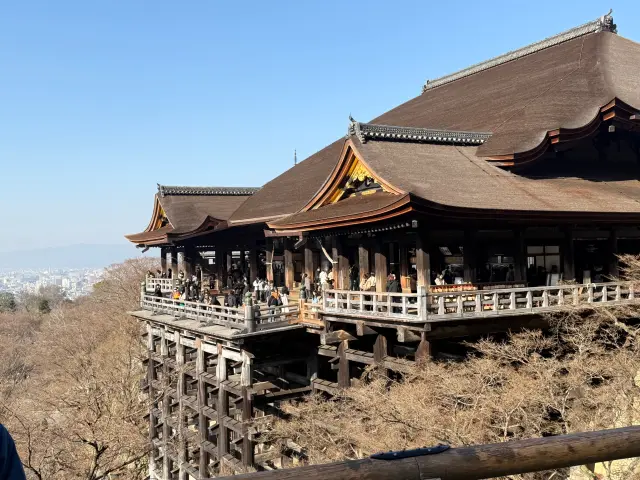
    I'd seen Kiyomizu-dera online many times before, so I thought that after seeing so many photos, it probably wouldn't be that impressive in person. But actually standing there was still quite breathtaking. The entirely wooden platform of the Kiyomizu Stage extends straight out, and looking down from it really made the soles of my feet tingle a little.

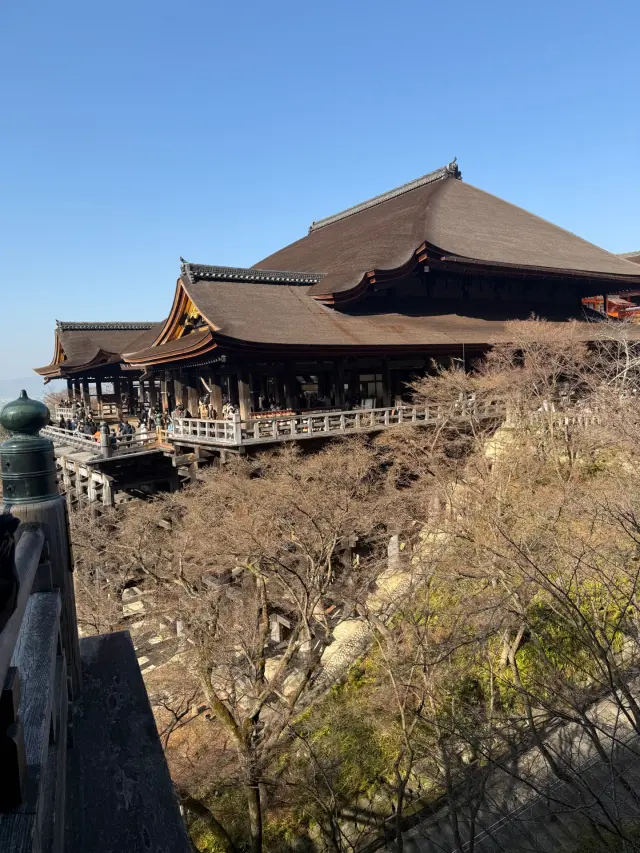
    When I visited in January, most of the trees on the mountain were bare, which looked completely different from the cherry blossom or fall foliage seasons that people usually see. But because of that, I could actually see the scenery around the Kiyomizu Stage more clearly. There were also fewer people in winter than during peak seasons, so it was quite pleasant to stand on the stage and take in the view at a leisurely pace.

    Later, when I followed the route to Okunoin, I realized this was the classic spot for photographing the Kiyomizu Stage. Looking back, the wooden stage stood against the hillside, surrounded by the bare January trees, creating a very peaceful feeling. I kept taking photos and enjoying the scenery there, and before I knew it, I'd spent almost half an hour.

    After walking down, I happened to get in line at Otowa Waterfall and used one of the long ladles to catch and drink the water. After walking for so long and climbing all those slopes, the water felt really refreshing. At least it made those climbs feel worthwhile 😂

    After leaving Kiyomizu-dera, I walked down toward Sannenzaka, browsing the small shops and buying some food along the way. My feet were really sore by the end, but the whole walk still felt very worthwhile.

    If you're visiting Kiyomizu-dera, I definitely recommend starting earlier. It's much more pleasant when there are fewer people. Otherwise, once it gets crowded, you constantly have to dodge people and say “excuse me,” and your photos can easily end up packed with people.
Other Reviews by Eddie

  • Chubu Electric Power MIRAI TOWER 

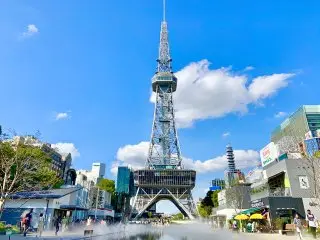
    The tower is Nagoya’s symbol, built as Nagoya TV Tower for tourism and TV broadcast and completed in 1954. In 2011, TV signals were switched from analog to digital and its function as a consolidated radio tower was ended.

    • Sakae, Fushimi, Osu
    • Observatories
    See More

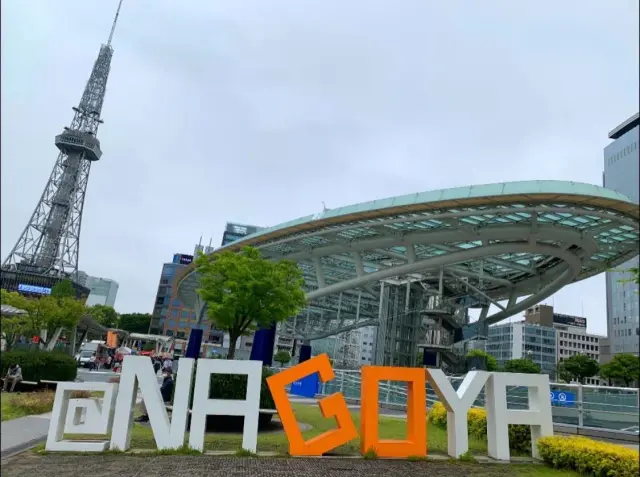
    When you come to downtown Nagoya, you have to check out this super cool landmark, Oasis 21! From a distance, it looks like a huge transparent white spaceship parked in the city center, with the super tall and spectacular Nagoya TV Tower standing beside it.
    You can take great photos here from just about any angle. Here are a few highlights I have to share:
    Spaceship-Aqua on the rooftop: Take the elevator to the top level, where the floor is actually one big transparent shallow pool! A gentle breeze creates ripples across the water, and if you find the right angle, you can see the entire TV tower reflected in it. It looks incredibly dreamy.
    Super cute photo spot: Back on the ground-level plaza, there is a large “@NAGOYA” letter installation on the lawn. You can get both the spaceship and the TV tower in the background, making it the perfect tourist photo.
    Great underground shopping area: Right underneath the huge spaceship is actually a sunken shopping mall with air conditioning, lots of anime merchandise stores, capsule toy machines, and dessert shops. It’s super convenient to grab something to eat and rest downstairs when you get tired of walking around.

  • Hida Takayama Old Townscape

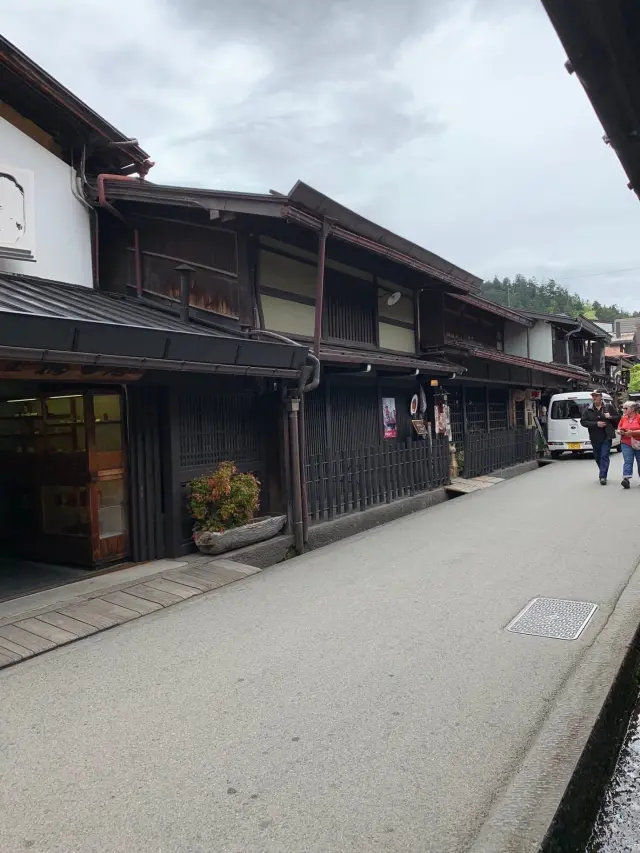
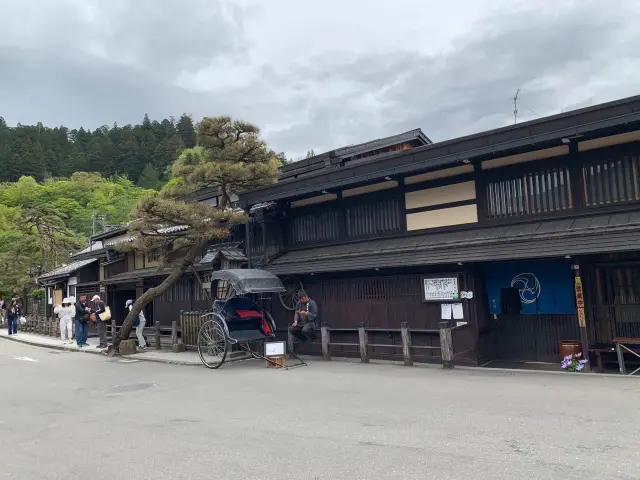
    Hida Takayama Old Townscape is said to be a town where the original landscape of Japan remains, as the streets from the Edo period still remain, and the charming town houses and noren (curtains) of old stores continue to be seen.

    • Gifu
    • Famous Places
    See More

    Step into the Edo period! A day trip to Hida Takayama Old Town in Japan
    This time I visited Hida Takayama Old Town in Gifu Prefecture, and I was seriously blown away as soon as I walked in! The entire street is lined with dark wooden old houses, and clear water flows through the small roadside canals. It feels just like stepping into a cartoon or movie set in ancient Japan.
    Besides the unique houses, the best part of the old town is all the great places to eat and shop:
    Food to enjoy while walking around: There are soy sauce dango grilled until fragrant and slightly charred, with a soft and chewy texture. There are also the famous Hida beef skewers and beef nigiri. The meat is very tender, and the delicious smell fills the street.
    Unique souvenirs: The stores have lots of cute “Sarubobo” dolls. I heard they are lucky charms for safety. Their round red appearance is very charming, and they make great gifts for friends.
    Traditional long-established stores: There are lots of sake breweries and miso shops that look like they’ve been around for hundreds of years. Large cedar balls hang outside, creating a strong atmosphere of old Japan.
    Taking your time strolling around and eating snacks here is very relaxing. You can take a great photo just by standing in front of any wooden window. It’s a fun place with a real sense of history!

  • The Historical Remains of Takamatsu Castle (Tamamo Park)

    Takamatsu-jo was the resident castle for 4 generations of the Ikoma and 11 successive generations of the Matsudaira feudal clans. It is also known by its nickname, Tamamo-jo. Built facing the Seto Inland Sea, it is counted as one of the three largest seaside castles in Japan.

    • Takamatsu
    • Tourist Attractions
    See More

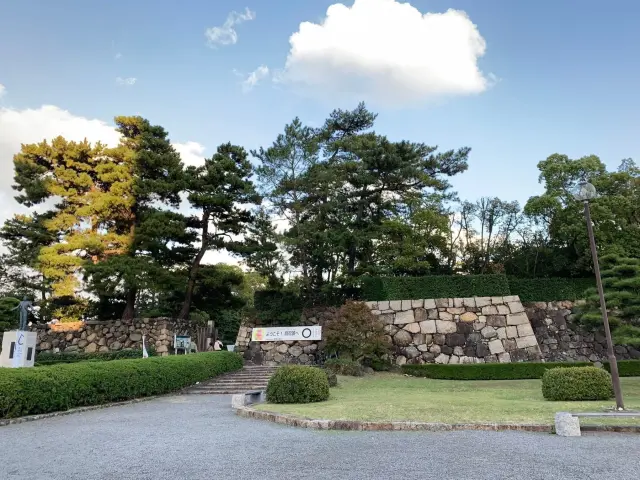
    The weather today was super nice. The sky was so blue it looked like it had been colored in with markers, with fluffy white clouds floating across it. It was perfect weather for an outing! Today’s destination was Tamamo Park in Takamatsu, Kagawa Prefecture, the site of the once-famous Takamatsu Castle.
    As soon as I entered the park, the first thing that caught my attention was the vast green moat. Whenever I read about castle defenses in books, I always assumed moats were filled with ordinary fresh water. But after reading the information nearby, I found out that seawater is drawn directly from the Seto Inland Sea into this one, which is very unusual! The water was clean and calm, sparkling in the sunlight, and clearly reflected the lush pine trees and old stone walls along the shore. Looking at the reflections and feeling the cool breeze was so relaxing.
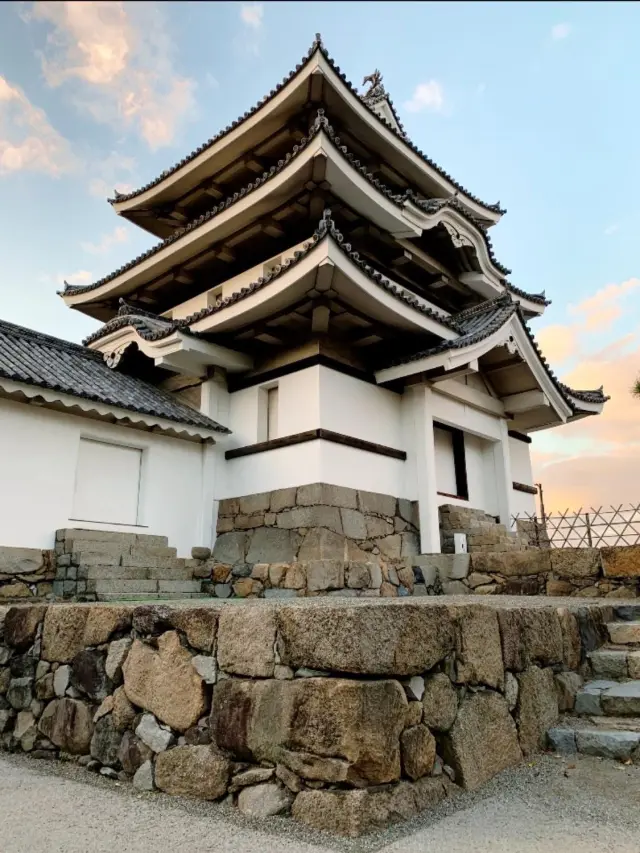
    As I slowly followed the path, I came across the coolest-looking structure in the park—the Ushitora Yagura turret. When I stood directly below it and looked up, it was truly impressive! The white walls and layered, upturned roofs stood on a stone base made from enormous blocks fitted together one by one. It looked incredibly solid, and the craftsmanship back then was really remarkable. I immediately took out my phone, crouched down, and snapped a photo looking upward. The sky happened to have a faint orange glow from the setting sun, giving the photo the grand feel of a period drama!
    After walking around the park, I found the whole place very quiet and laid-back. I used to feel that history was so distant, but seeing these centuries-old structures and the seawater moat with my own eyes made me realize how cool it is to actually walk through a historic setting. I took so many photos I was happy with today. It was such a fun and rewarding day!

Hokkaido Tohoku Kanto Chubu Hokuriku Kansai Chugoku Shikoku Kyushu Okinawa