Shoren-in Monzeki Temple

Verified [Verified] denotes information that has been published with confirmation of its owing parties.

Shoren-in Monzeki Temple

A monzeki temple with ties to the Imperial family, home to the National Treasure Ao Fudo and a stroll garden with a central pond.

3.00 1

Last update :
Supervised by :  Shōrenin Temple

One of the monzeki temples of the Tendai sect, this temple has long had deep ties to the Imperial family. Its principal image is the Shijoko Nyorai Mandala, and it houses the National Treasure Ao Fudo Myoo, one of Japan’s three great Fudo Myoo statues. It began as a residence for monks of Enryaku-ji Temple on Mount Hiei, and was once home to eminent monks including Saicho and Ennin.

A monzeki temple is a temple where members of the Imperial family or court nobility served as head priest. It is said that Shoren-in began as a monzeki temple when the Cloistered Emperor Toba built temple buildings on its current site in the late Heian period. During the Edo period, when the Imperial Palace was destroyed by fire, it also served as a temporary imperial residence, and is therefore also known as Awata Gosho.

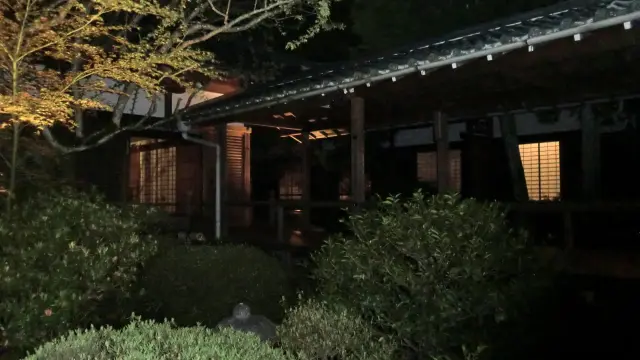
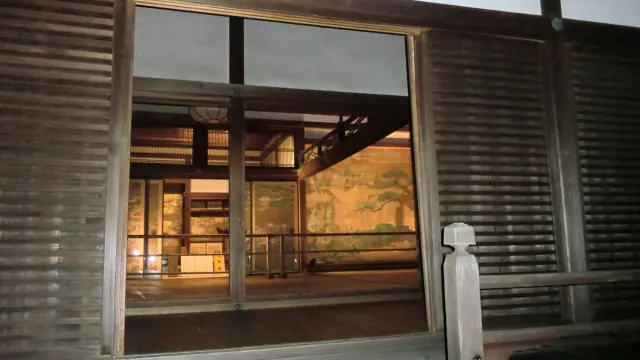
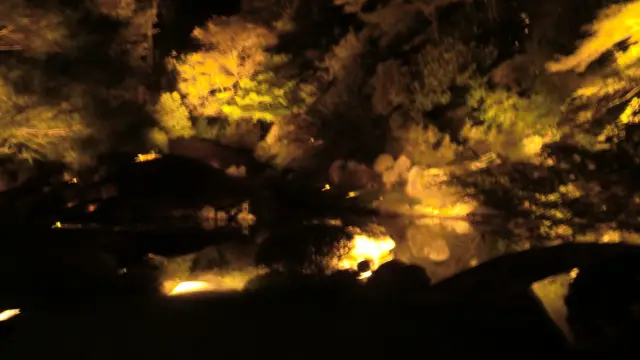
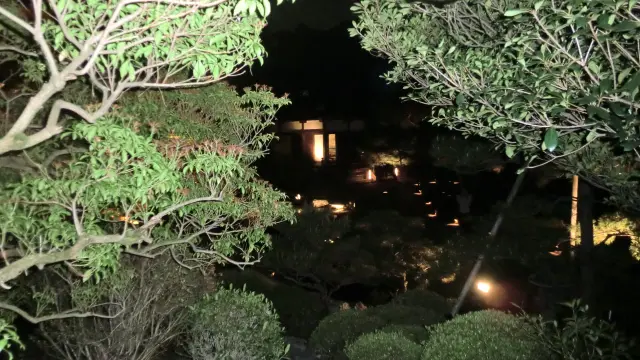
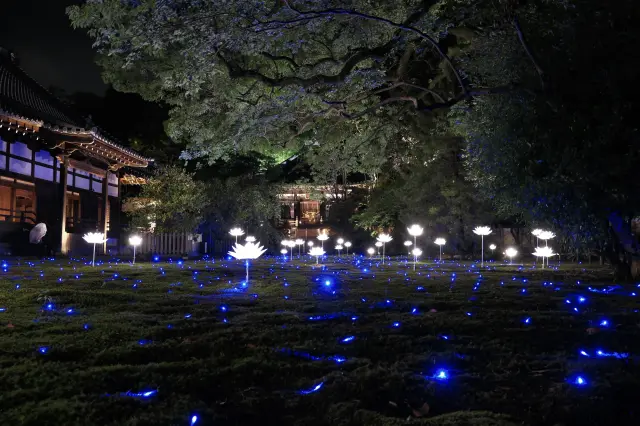
The temple is known for its beautiful gardens, including the Soami Garden, said to have been created by the Muromachi-period garden designer Soami, and the Kirishima Garden, designed by Kobori Enshu. These pond stroll gardens show different seasonal beauty throughout the year. In spring and fall, special nighttime viewing with illuminations is held, allowing visitors to enjoy the temple buildings and gardens in a magical atmosphere.

Highlights

  • A historic monzeki temple with ties to the Imperial family.
  • Beautiful gardens such as the Soami Garden are major highlights.
  • The National Treasure Ao Fudo Myoo is enshrined here.
  • Nighttime illuminations are held in spring and fall.

Photos

  • Located in Kyoto’s Higashiyama area, just north of Chion-in Temple

    Located in Kyoto’s Higashiyama area, just north of Chion-in Temple

  • The main garden is said to have been created by Soami during the Muromachi period

    The main garden is said to have been created by Soami during the Muromachi period

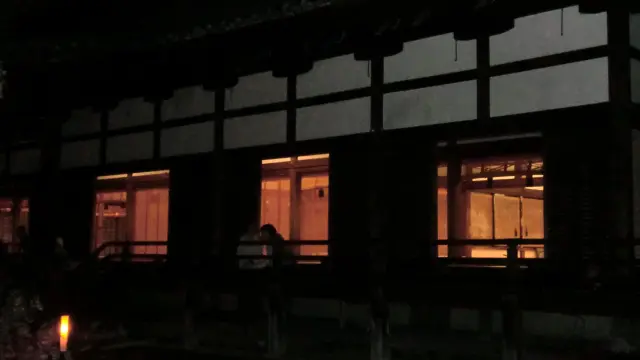
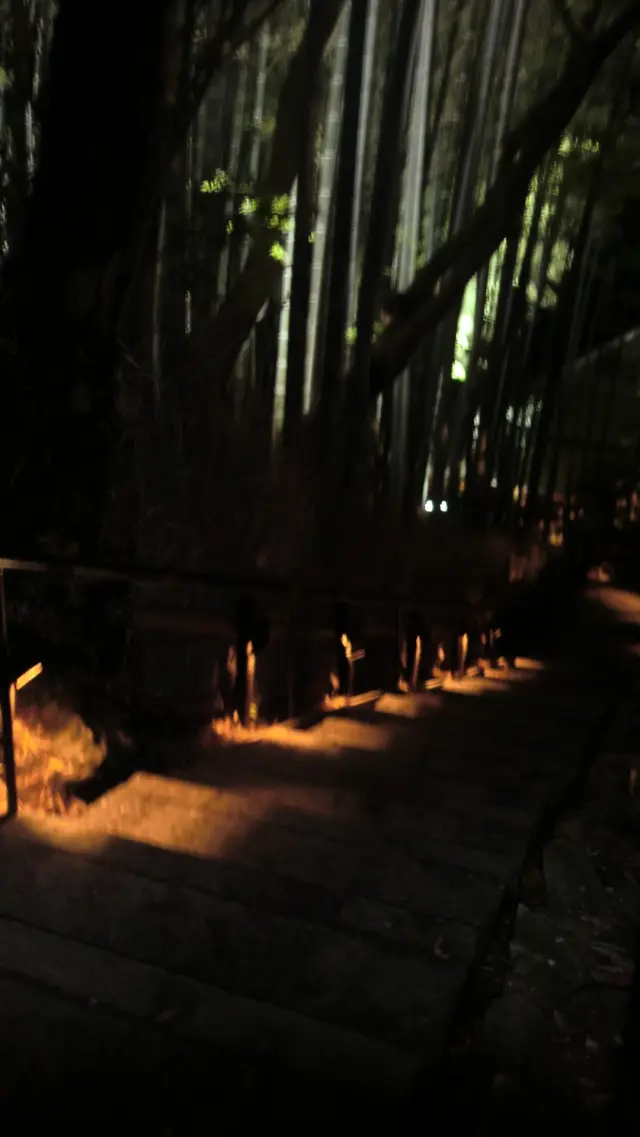
  • Special nighttime viewing lights up the entire temple grounds with 1,000 large and small lighting fixtures

    Special nighttime viewing lights up the entire temple grounds with 1,000 large and small lighting fixtures

Official FAQs

Frequently Asked Questions have been vetted and answered directly by each listing.

Q

Do you have goshuin temple stamps?

A

Yes.

Q

Is there a parking lot?

A

Yes.

Q

Are there coin lockers?

A

No.

Reviews

1

Some reviews are AI-translated.

  • See More

    If you want to collect goshuin at Shoren-in Monzeki Temple, I would personally recommend visiting during the day. During special nighttime viewings, the goshuin available at the temple office are more likely to be prewritten. If you want one written for you on the spot, you have a better chance during the day.

    The nighttime illumination is certainly beautiful, and the garden and buildings take on a very quiet, mysterious atmosphere under the dim lighting. However, the drawback is also obvious: many of the architectural details are difficult to see. If your main purpose is to appreciate Shoren-in itself, including its temple buildings, painted sliding panels, and gardens, I would actually recommend visiting during the day.

    In addition to Kachoden Hall, Kogosho, the Main Hall, and Shinden Hall, Shoren-in’s grounds include a strolling pond garden centered on Ryujin Pond, traditionally said to have been designed by Soami. There is also the Kirishima Garden, which is traditionally associated with Kobori Enshu. These are all better appreciated slowly during the day, especially the details of the gardens, the proportions of the buildings, and the borrowed scenery, much of which is lost under the nighttime lighting.

    Special nighttime viewings also usually cost a little more than regular daytime admission, so unless you are visiting specifically for the illumination, I personally think the overall value is better during the day. Of course, if you really enjoy the quiet and slightly mysterious atmosphere of temples at night, Shoren-in’s illumination is still worth experiencing once.

    At the time, I did not have enough photography experience, and looking back now, I feel like I did not make the most of the illumination that evening. Shoren-in’s nighttime lighting is dim to begin with. In many areas, instead of lighting up an entire building, it uses localized lighting to create atmosphere. So if you want to take photos, it is best to prepare a camera or phone with good low-light capabilities. If there is not even much moonlight that day, the demands on your equipment and your ability to hold it steady will be even greater.

Details

Name in Japanese
青蓮院門跡
Postal Code
605-0035
Address
69-1 Awataguchi Sanjobocho, Higashiyama-ku, Kyoto, Kyoto Prefecture
Phone
075-561-2345
Closed on
Open daily
Hours
9:00 am-5:00 pm (Reception closes at 4:30 pm)
Admission
Adults 600 yen, junior high and high school students 400 yen, elementary school students 200 yen
Access
Approx. 5 minutes on foot from Higashiyama Station on the subway
Official website
Official website (English)
Hokkaido Tohoku Kanto Chubu Hokuriku Kansai Chugoku Shikoku Kyushu Okinawa