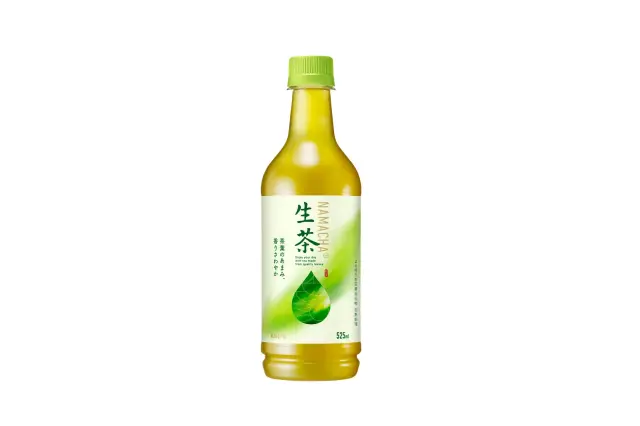
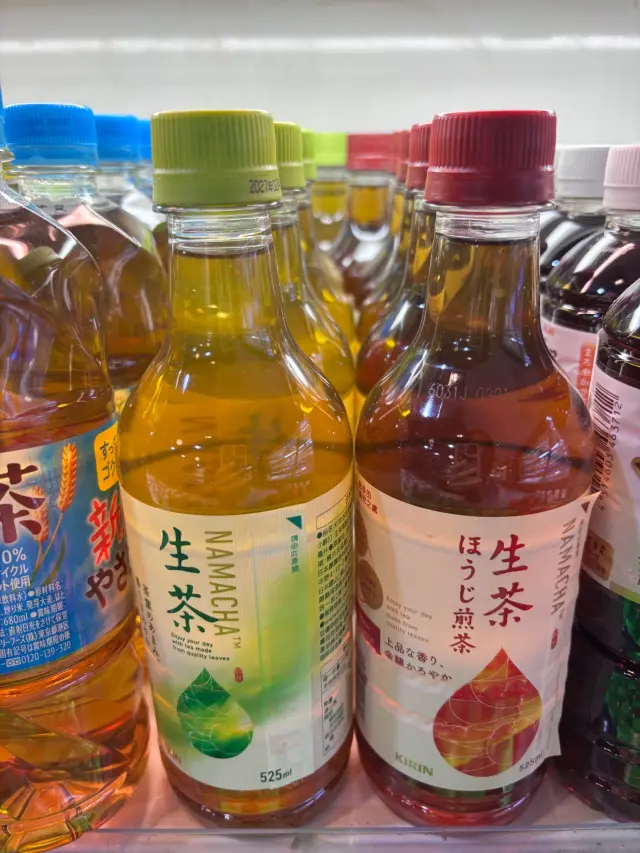
A green tea I personally really like. It tastes refreshing, without any overly noticeable bitterness or an excessively strong tea flavor. It goes down smoothly, with a slightly sweet aftertaste. It's very good with wagashi, and the fresh tea aroma also balances out the sweetness. It's also available in Taiwan and isn't hard to find at convenience stores, making it convenient when you want Japanese-style green tea. The other sencha in the red packaging has a somewhat richer tea flavor by comparison, but is still very easy to drink. You can choose based on your personal preference.
Kirin Namacha | Review by Linda Liao
Other Reviews by Linda Liao
-
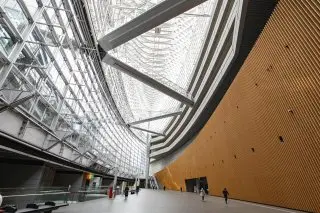
Tokyo International Forum
Located close to Tokyo Station, Japan’s largest convention and art center stands. As a place for international cultural exchange, it was built in 1997 on the ground of the former Tokyo Metropolitan Government Building.
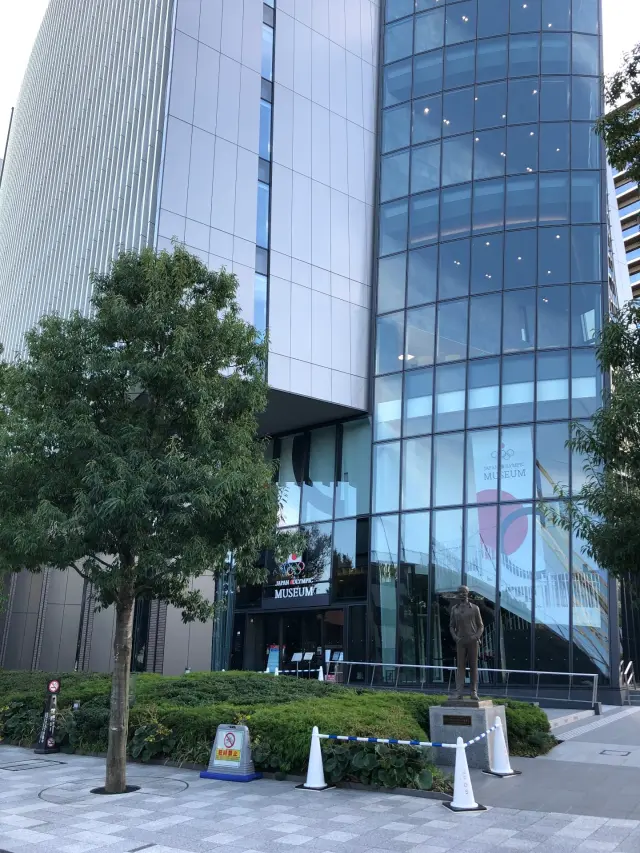
The Japan Olympic Museum is located in Meiji Jingu Gaien in Tokyo’s Shinjuku area, near the National Stadium. It is a cultural attraction where visitors can gain a deeper understanding of the Olympic spirit. Through valuable historical materials, videos, and interactive exhibits, the museum takes visitors through the history of the Olympic Games. You can also get a close look at commemorative items such as torches and medals. Most interestingly, some of the hands-on exhibits make you feel as if you were in the stadium, letting you experience the passion and emotion of athletes pushing their limits!
The museum opened in 2019 in preparation for the 2020 Tokyo Olympics. It was established to carry on the Olympic spirit and help more people learn about the history and emotion behind sports. The museum displays Olympic torches, athletic uniforms, and valuable historical materials. A visit here is not just about looking back at the Games, but also about appreciating the spirit of peace and unity conveyed by the Olympics.
-
-
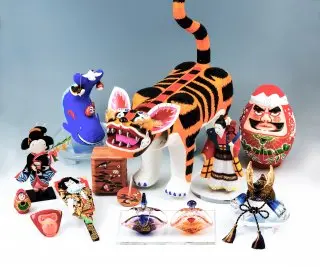
Hakata Traditional Craft and Design Museum
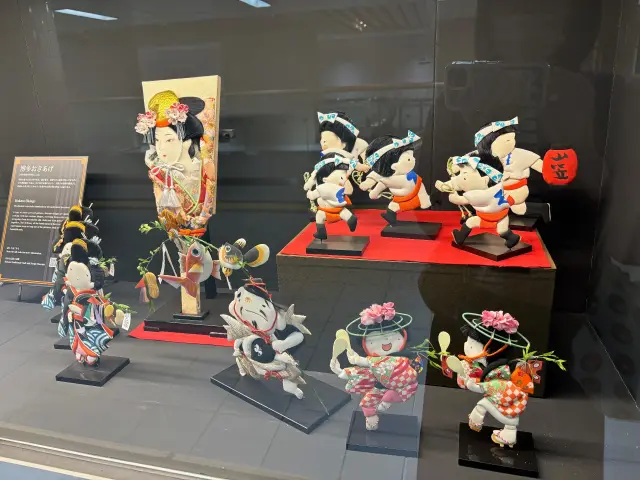
Located in Hakata, Fukuoka, this museum introduces traditional crafts associated with the area. It showcases a variety of beautiful crafts that have been passed down by artisans in Hakata from ancient times to the present, through permanent exhibitions, special exhibitions, workshops, and outreach events.
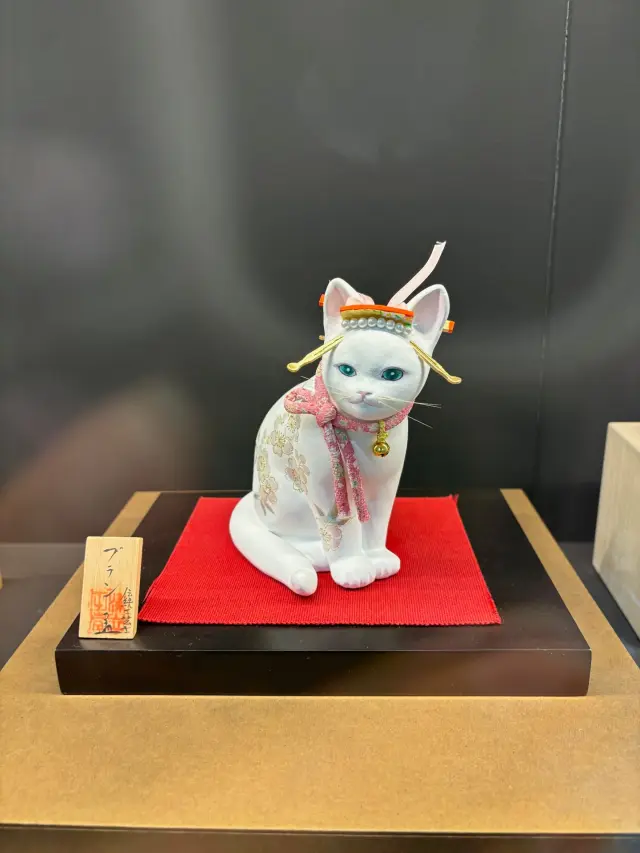
The Hakata Traditional Craft and Design Museum is a free, lesser-known spot in Fukuoka that’s worth bookmarking. If you like traditional Japanese crafts, don’t miss it~ The museum displays many traditional works unique to Hakata, such as colorful, expressive Hakata dolls and delicate, charming ornaments. Each piece is full of local character. Hakata dolls capture the spirit of their subjects through meticulous craftsmanship, paired with vivid yet soft colors that make them hard to stop admiring. The museum isn’t very large, so you can take your time and see everything in about 30 minutes to 1 hour. Afterward, you can also pick out a favorite craft as a souvenir. If you have time, plan a relaxing little outing filled with culture.
-
-
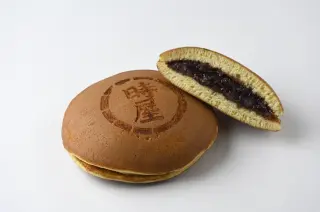
TOKIYA
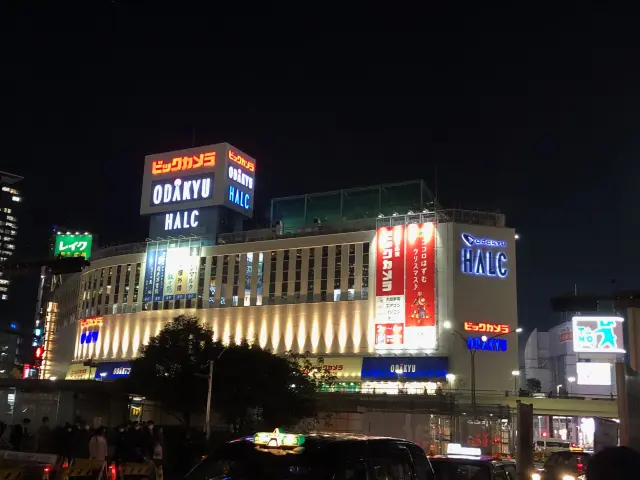
TOKIYA is a Japanese sweets café located on the 1st floor of Shinjuku West Exit HALC, about a 1-minute walk from the West Exit of Shinjuku Station. It has been serving customers in Shinjuku since it opened in 1948. With table seating and the nostalgic atmosphere of a traditional sweets café, it offers dorayaki and other sweets as well as savory dishes.
I once received TOKIYA dorayaki as a gift from a Japanese client, and I still can’t forget its gently sweet, comforting flavor. Founded in 1948, TOKIYA is a long-established Japanese sweets shop in Shinjuku. Its signature dorayaki is even said to be the inspiration for Doraemon’s favorite snack. The soft, fluffy pancakes have a subtle egg aroma and are filled with plenty of homemade red bean paste. They’re sweet but not overly so—simple, yet full of the warmth of skilled craftsmanship. If you’re shopping at Shinjuku West Exit HALC, consider getting this timeless classic to go.
-