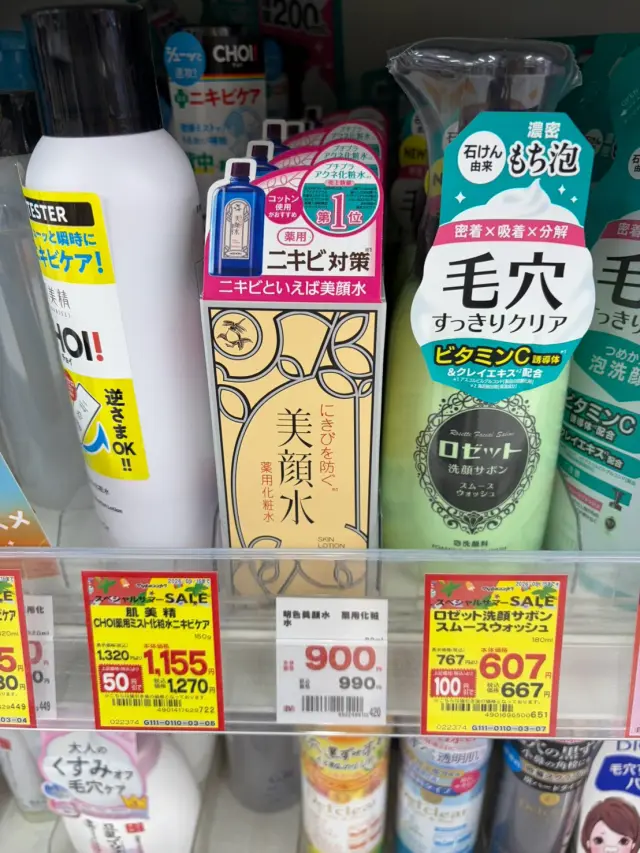
Meishoku Bigansui is a classic Japanese medicated toner designed to help with acne, pores, and skin texture. It feels refreshing and non-sticky. Personally, my skin felt fresher after using it, and the effects were especially noticeable on acne-prone, oily skin. Some people also use it as a localized toner pack or to wipe their T-zone. However, it has a noticeable alcohol feel and a distinctive herbal smell, and it may cause stinging or dryness when your skin is sensitive or its barrier is compromised. Overall, it is better suited for localized care on oily, acne-prone skin. If using it for the first time, apply only a small amount and avoid the eye area.
Meishoku Bigansui Medicated Skin Lotion | Review by Linda Liao
Other Reviews by Linda Liao
-

Amanohashidate Kasamatsu Park
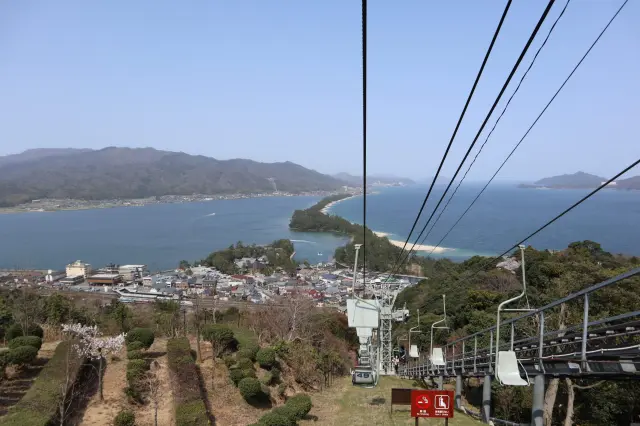
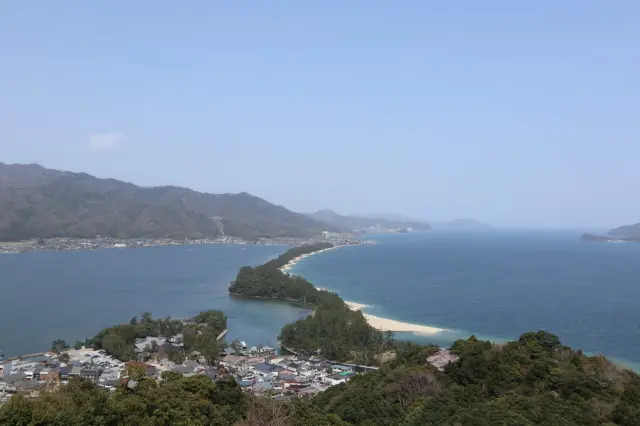
Located in Miyazu City, Kyoto Prefecture, Amanohashidate Kasamatsu Park is a breathtaking viewpoint that overlooks Amanohashidate, one of Japan's Three Scenic Views. Situated on the slopes of Mt. Nariai at an altitude of 130 meters, the park is easily accessible via the Amanohashidate Cable Car or lift from Fuchu Station.
When visiting Amanohashidate in northern Kyoto, besides admiring the magnificent scenery of one of Japan's Three Scenic Views, don't miss Kasamatsu Park! Take the cable car or an open-air single-seat chairlift to the top, where you can look down on Amanohashidate's distinctive sandbar. The most famous view here is the “Ascending Dragon View.” Just bend over and look at the scenery upside down through your legs, and the pine-covered sandbar stretching across the bay appears to transform into a giant dragon soaring into the sky. It's quite spectacular and also a lot of fun. There are two ways to reach the top, and I personally prefer the open-air single-seat chairlift! With no cabin blocking the view, you can enjoy unobstructed views of the mountains, forests, and sea along the way. Slowly riding up the mountain in the gentle breeze is very relaxing.
-
-

Nishijin Textile Center
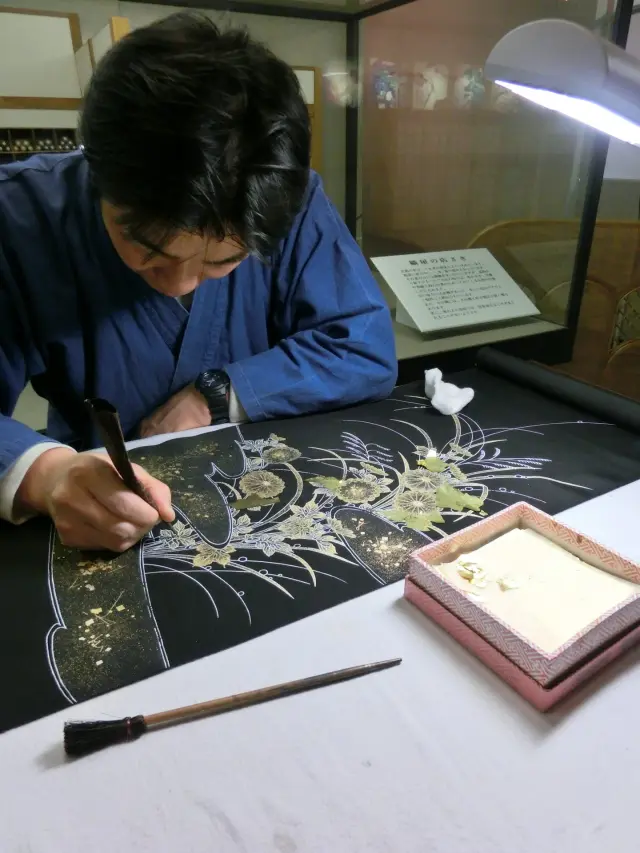
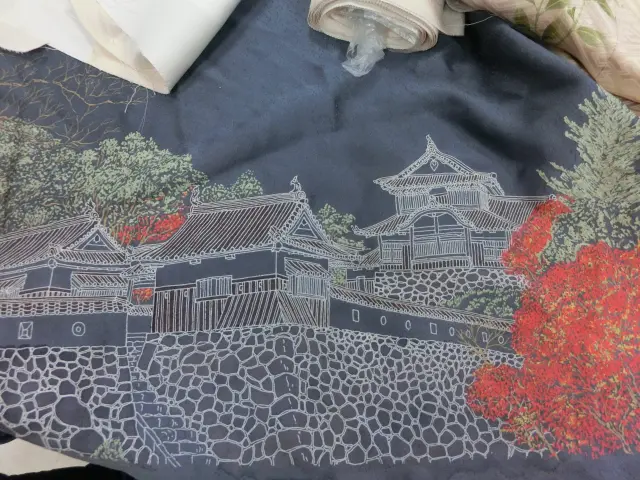
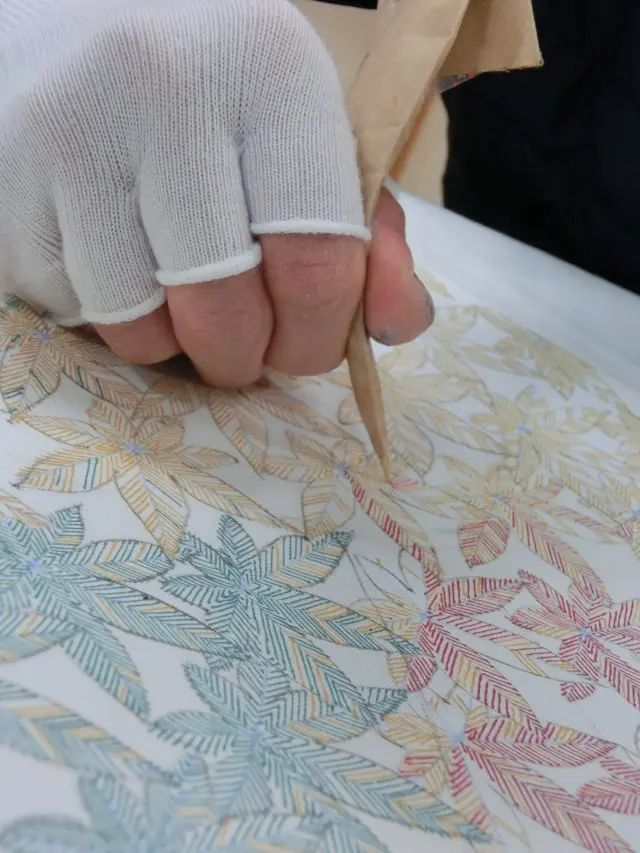
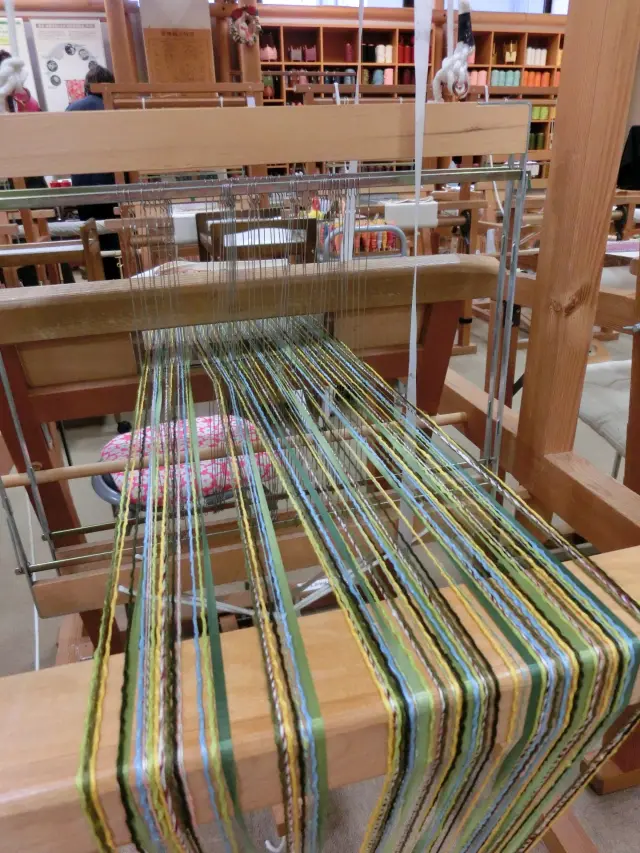
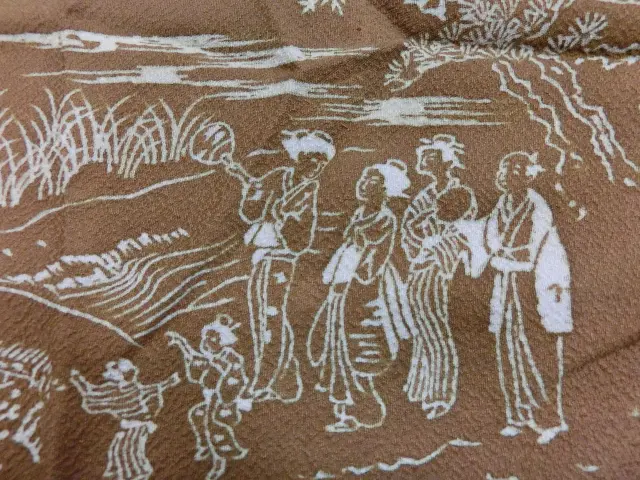
This facility introduces and sells Nishijin textiles, a traditional industry of Kyoto. Nishijin Textile, a general term for Sakizome (prior dying of thread before the cloth is woven) for figured cloth produced in Kyoto (Nishijin). It is designated as a traditional national craft.
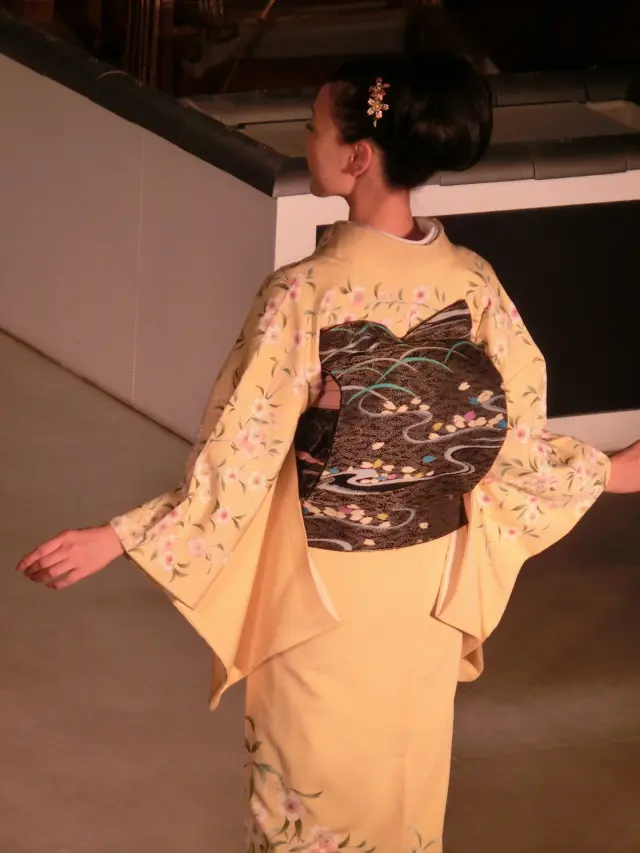
I visited Kyoto’s Nishijin Textile Center several years ago, and the traditional craftsmanship displayed here still leaves a deep impression on me! This attraction is free to visit and offers an up-close look at Nishijin textiles, one of Kyoto’s representative traditional crafts. Artisans demonstrate the weaving process on-site. Watching the threads pass back and forth between their skilled hands, gradually forming intricate and delicate patterns, was truly impressive. The movements may look simple, but they require intense concentration and meticulous skill. Staring at countless fine silk threads for long periods must also be extremely demanding on the eyes and mind. Plain-looking threads are transformed by the artisans’ skillful hands into gorgeous, elegant textiles, with years of expertise hidden in every detail. The center also holds fashion shows featuring models in graceful, elegant kimono, giving visitors a chance to appreciate the beauty of different styles and woven patterns. These live demonstrations let you see not only the beauty of kimono but also the appeal of Kyoto’s traditional craftsmanship being passed down from generation to generation.
-
-
Shunkado’s “Hatcho Miso Man”
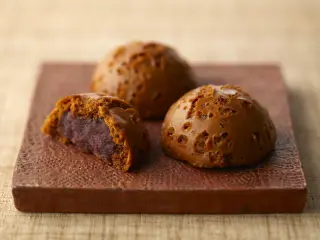
Miso manju is a local sweet that has long been loved in the Enshu region of western Shizuoka Prefecture. Traditionally, this Japanese confection was made without miso, but Approx. 30 years ago, the long-established Hamamatsu confectioner Shunkado mixed miso into the dough, and it became a popular long-selling item. The miso used is Hatcho miso from Kakukyu in Okazaki City, Aichi Prefecture, naturally brewed using a method unchanged since the Edo period.
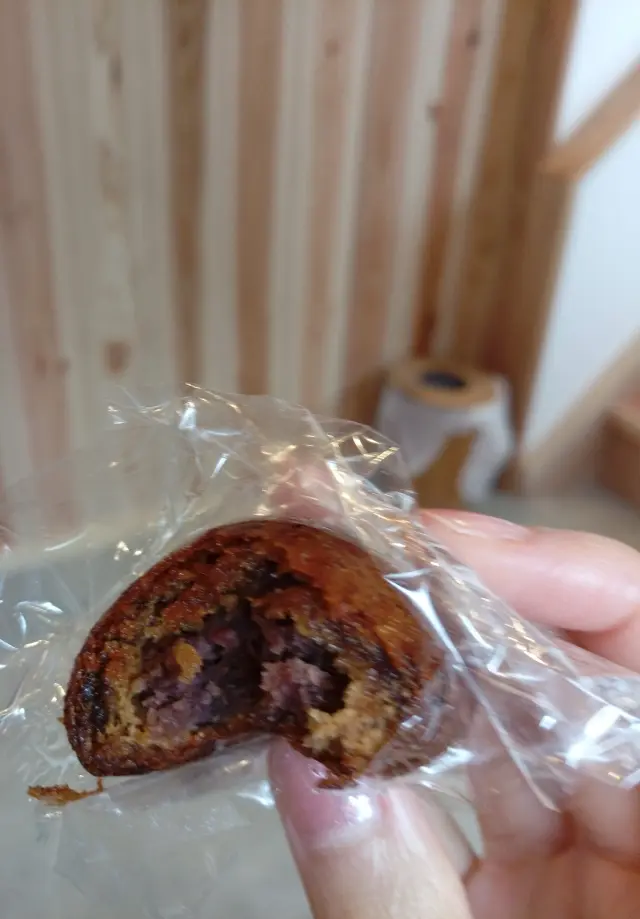
Shunkado, known for its Unagi Pie, also makes a distinctive local Japanese sweet called Hatcho Miso Manju. Traditional Hatcho miso from Okazaki City, Aichi Prefecture, is kneaded into the manju dough and paired with a smooth house-made red bean paste made from Hokkaido-grown azuki beans. It tastes sweet with a subtle savory saltiness, and the rich, mellow miso flavor blends nicely with the sweetness of the red bean paste, making it quite different from ordinary onsen manju. The dough is soft, with a slight graininess from the sugar on the surface that adds more depth to the flavor. Enjoying it with some hot tea balances the sweetness just right.
-