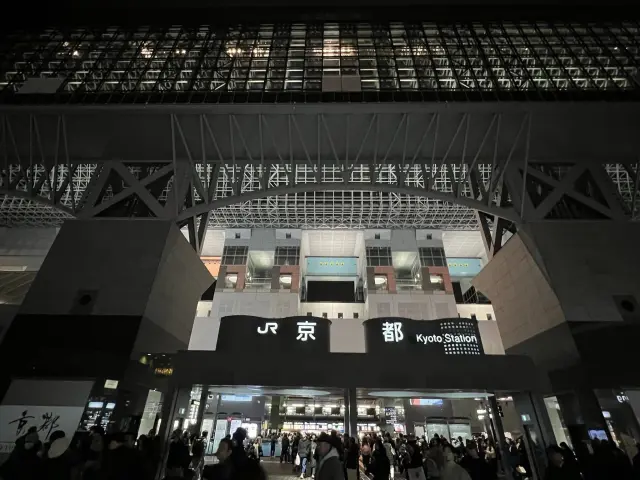
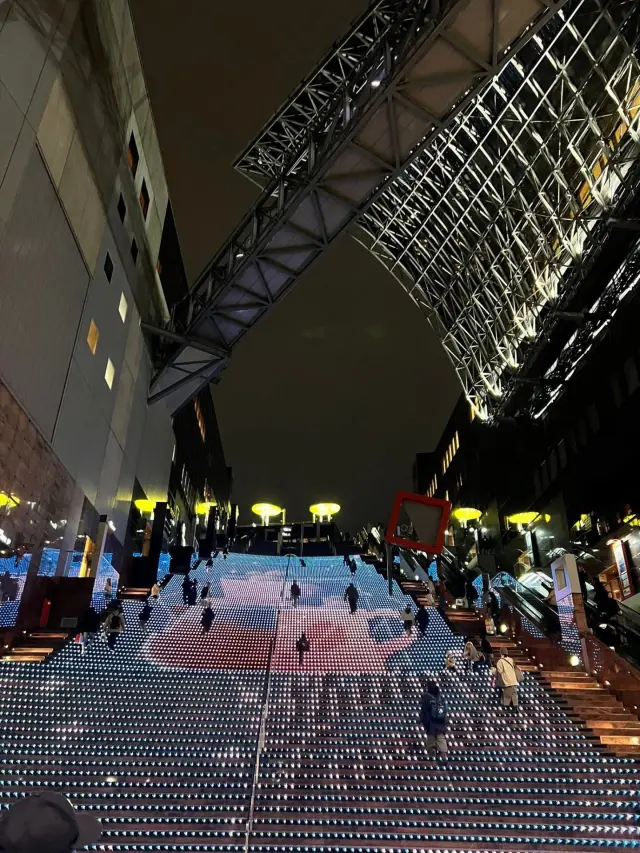
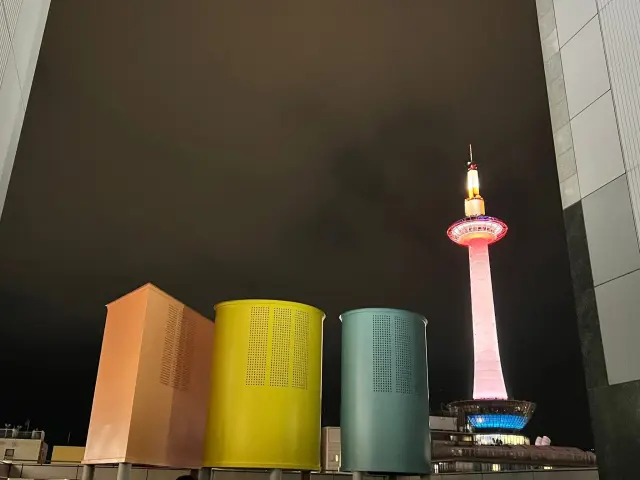
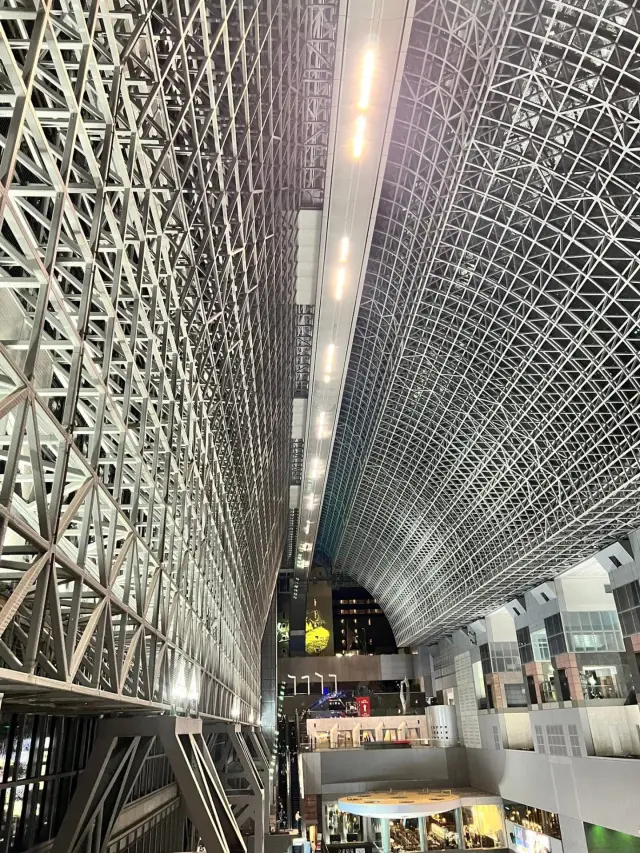
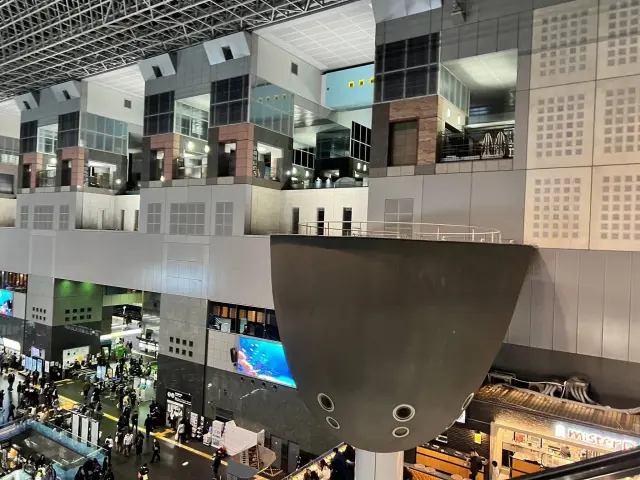
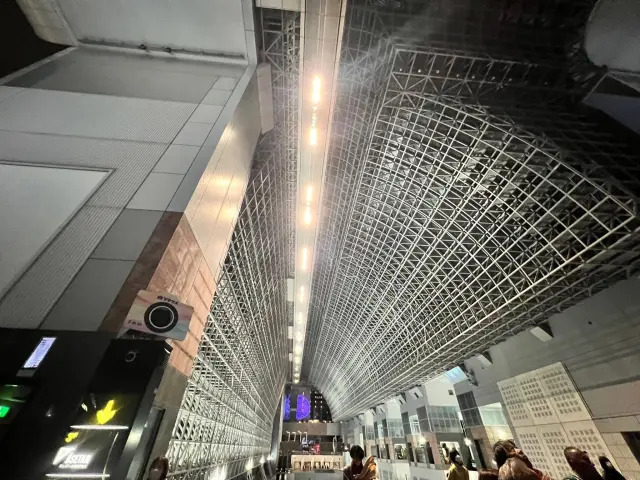
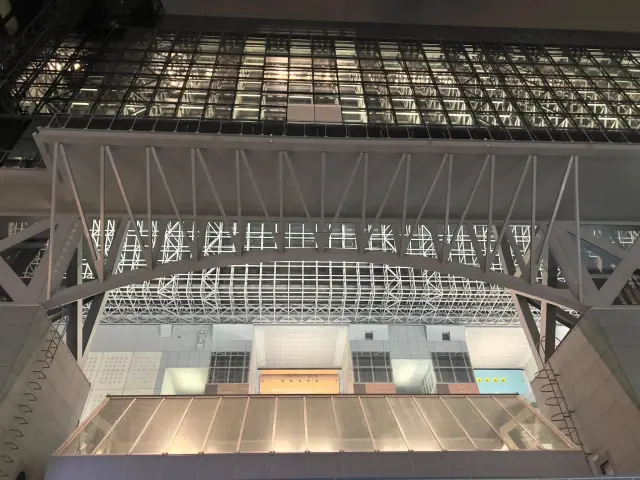
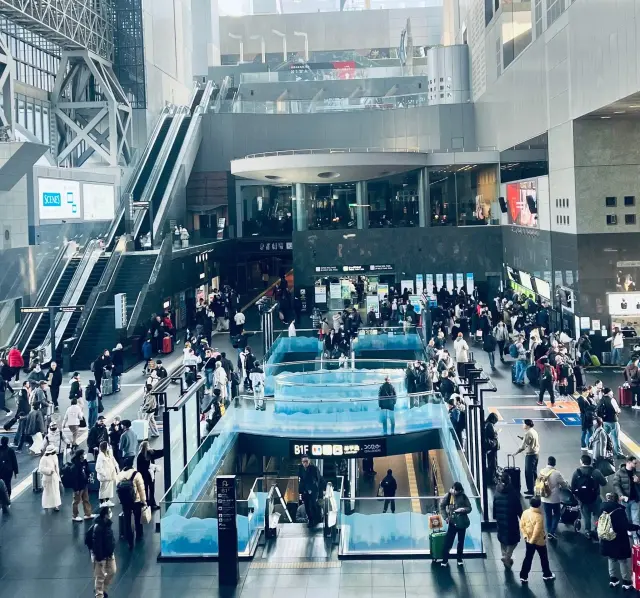
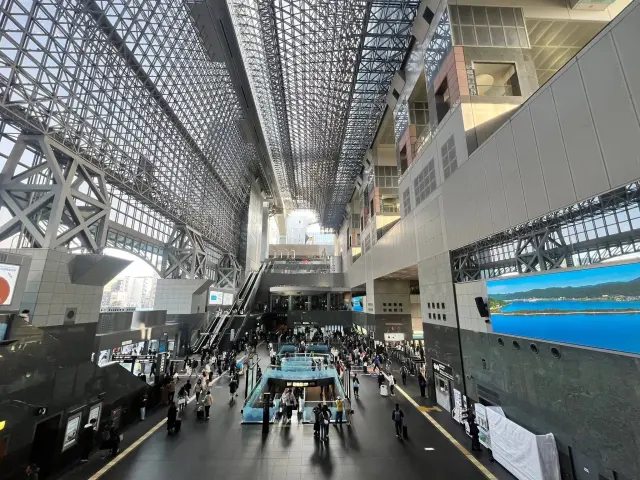
Kyoto Station Building is great for shopping and photos 🏢
The modern steel architecture doesn't clash at all with this ancient capital!
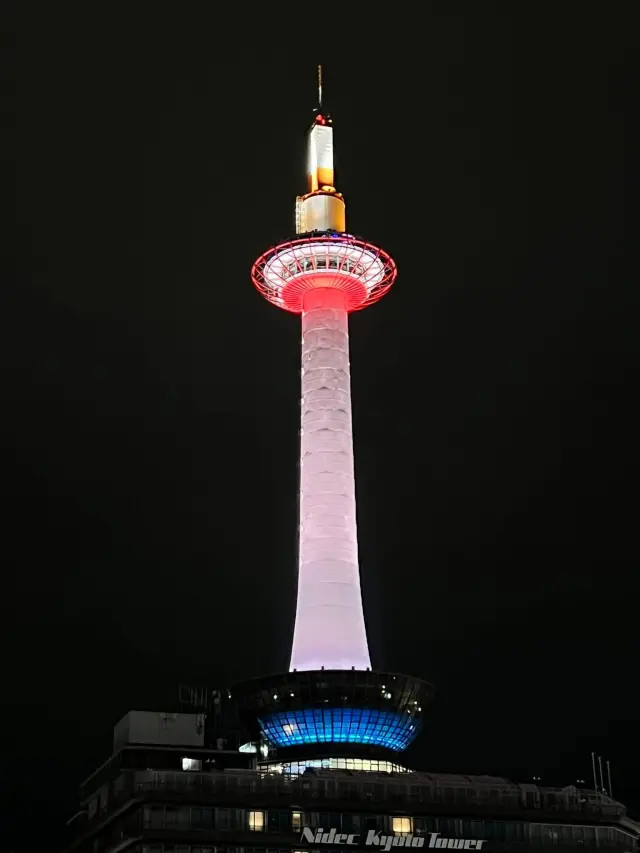
Taking a photo with Kyoto Tower is also a ritual for travelers.
Saying hello and goodbye to Kyoto 👋
Kyoto Station Building | Review by Norton Liang
Other Reviews by Norton Liang
-

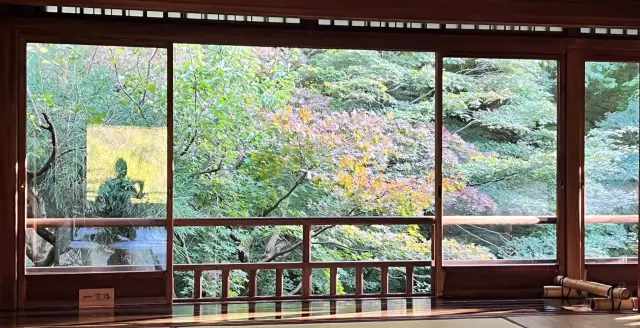
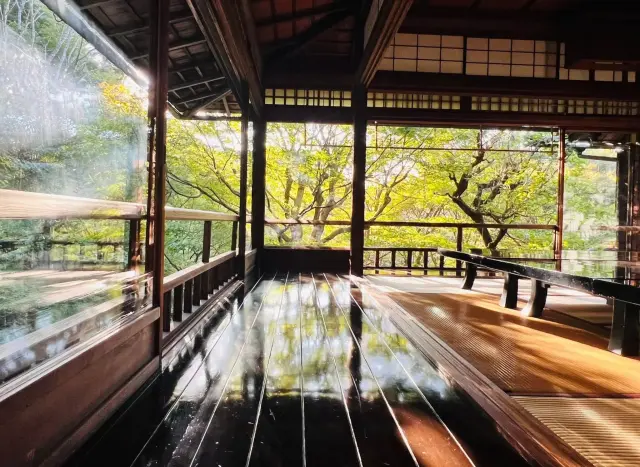
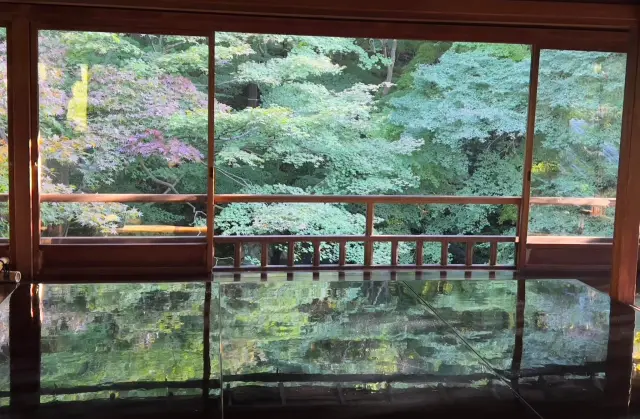
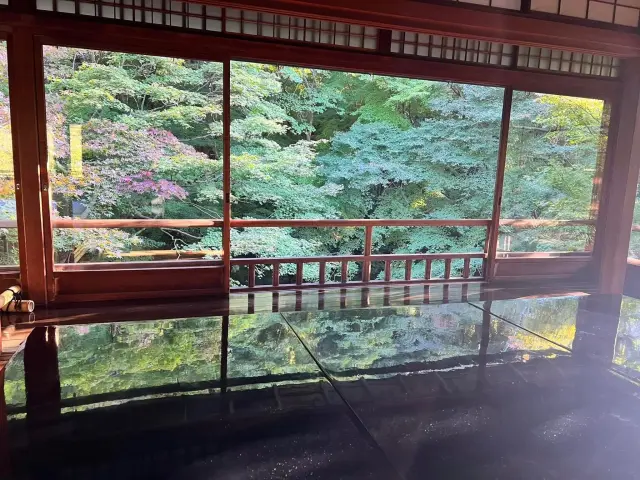
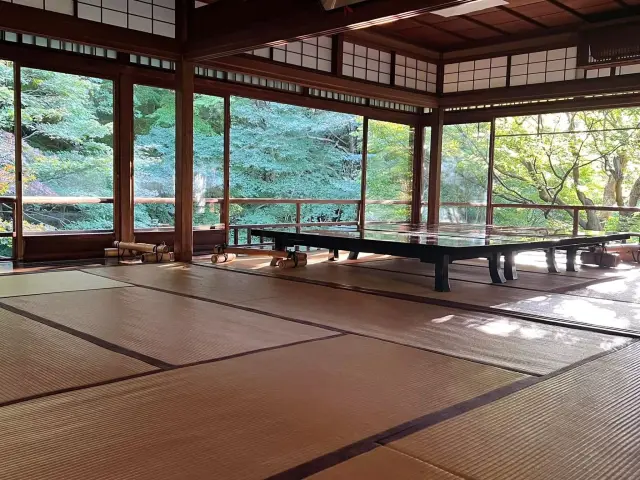
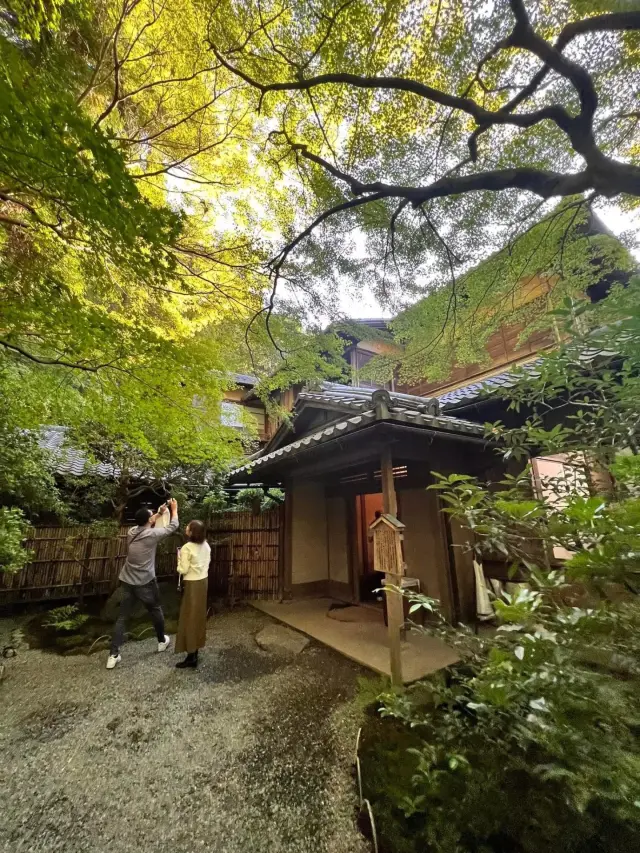
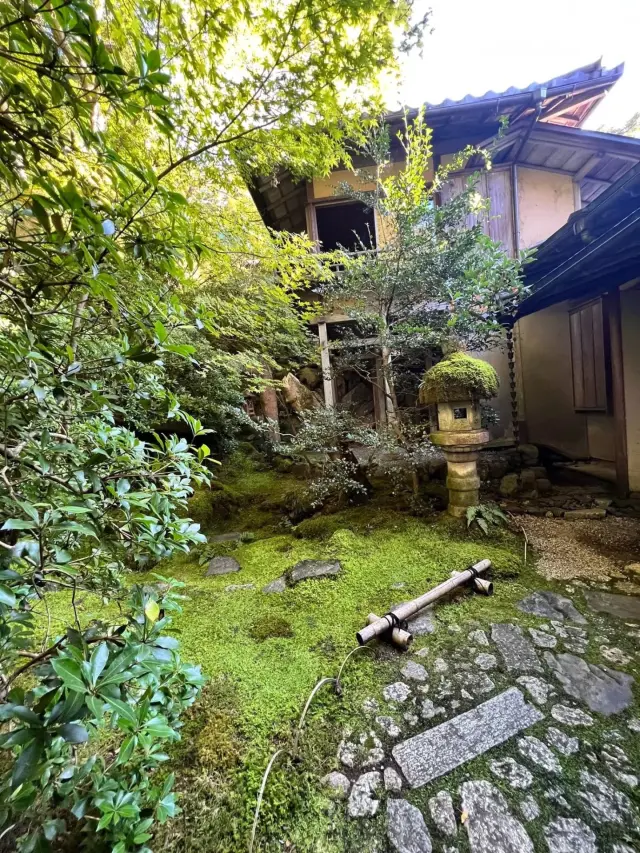
Rurikoin
This temple, located in Yase Ohara, has been loved by aristocrats and warriors since the Heian period. It is usually closed to the public, but is only open twice a year for special viewings in spring and autumn.
A popular spot during fall foliage season 🍁, although we didn’t make it for the fall colors 🍁
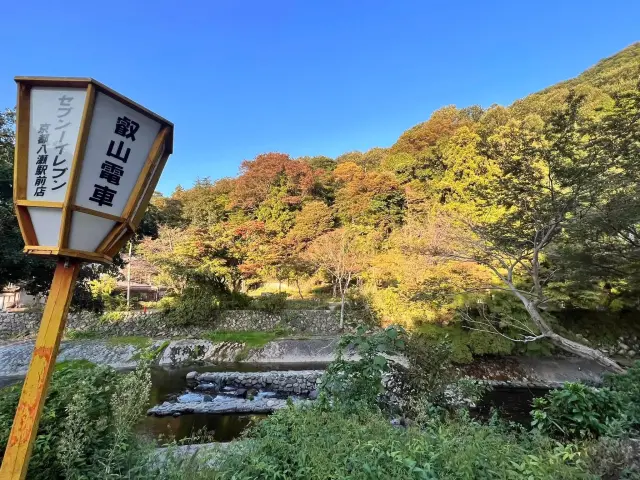
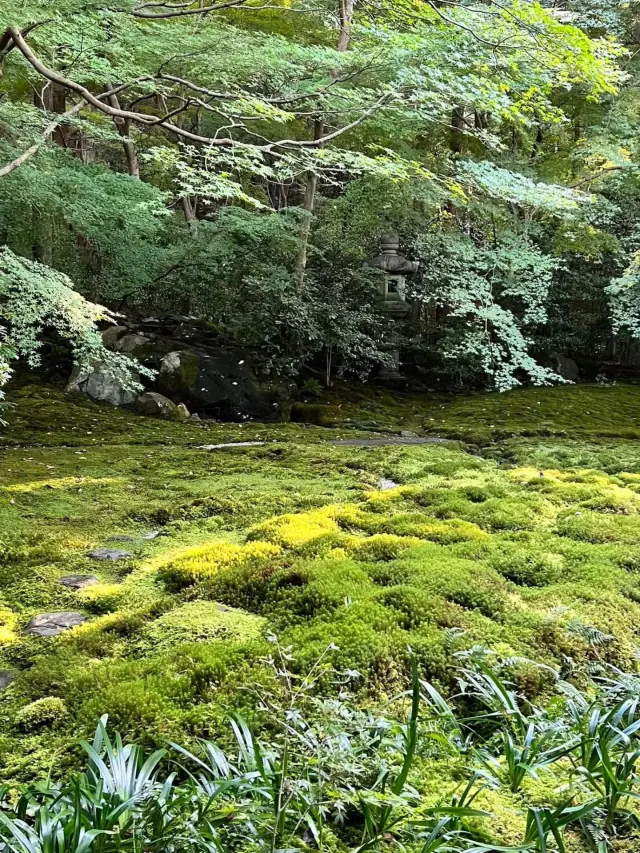
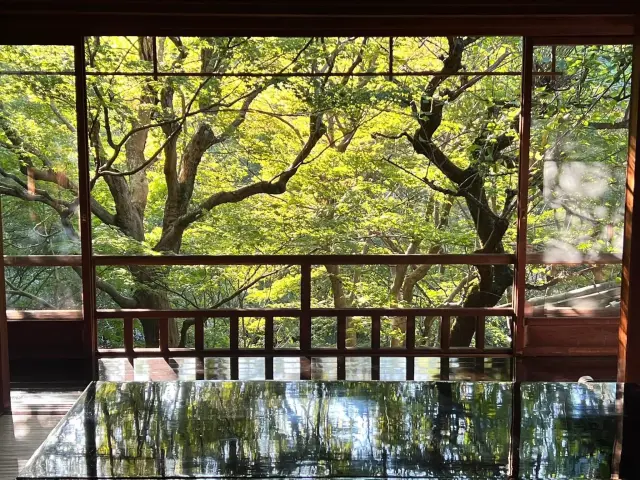
In early autumn, we took the Eizan train up the mountain. The scenery and air along the way were so refreshing. Although the crowds made it hard to fully appreciate the beautiful changes in light at the mirrored glass table area 😊, the photo opportunities and the Japanese garden aesthetics with lush green moss along the way made us forget all our worries! Worth a visit. -
-
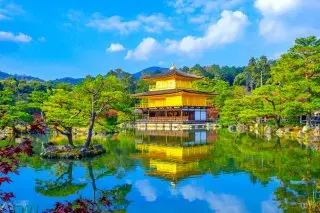
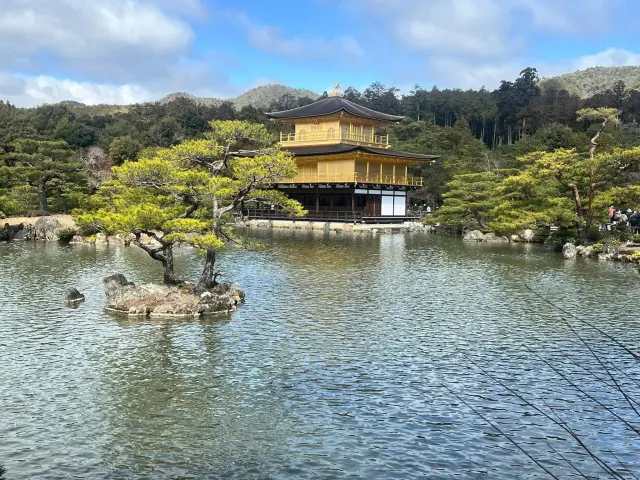
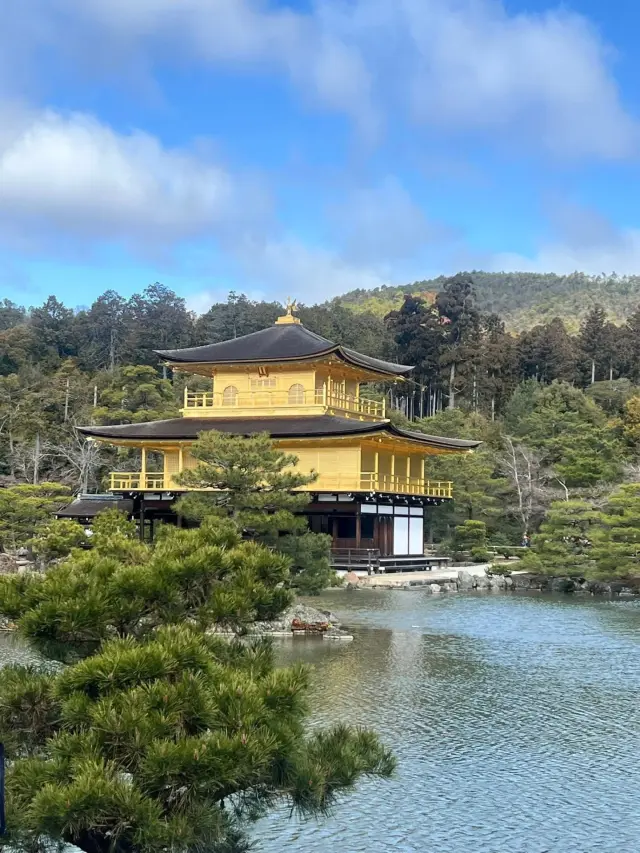
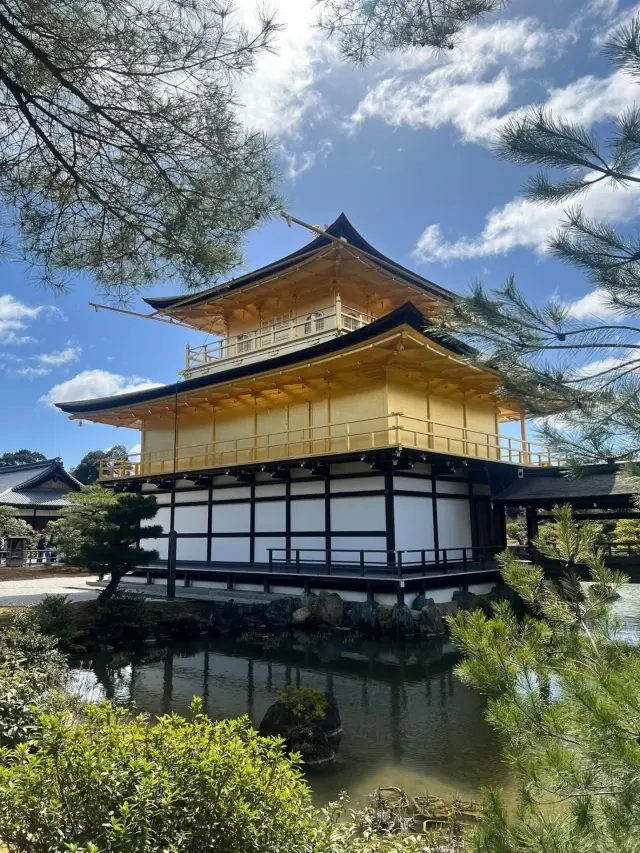
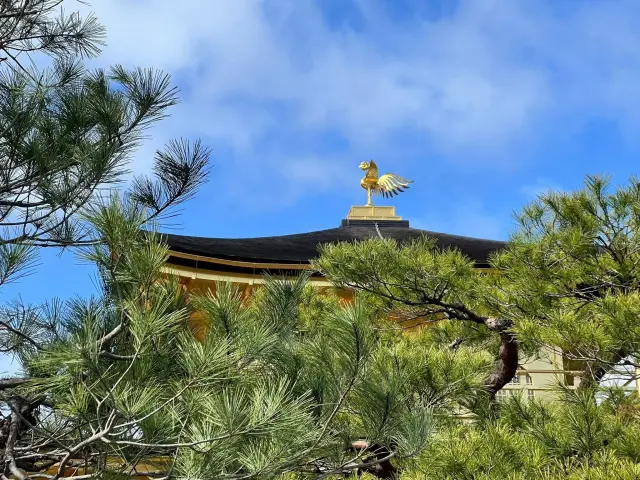
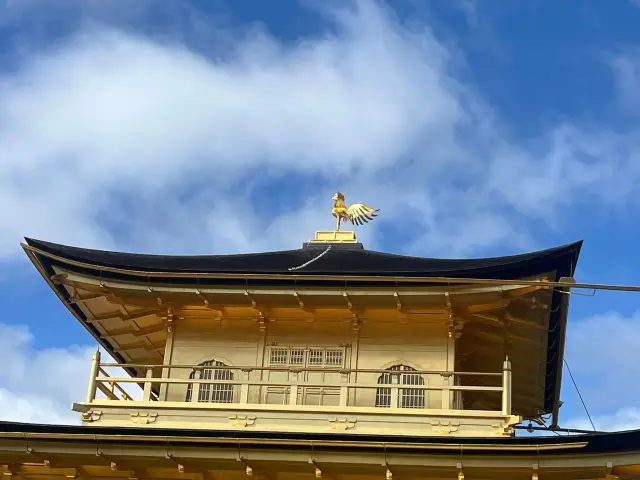
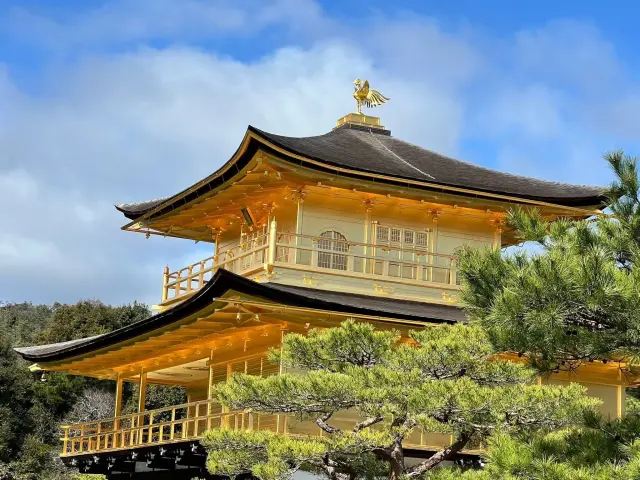
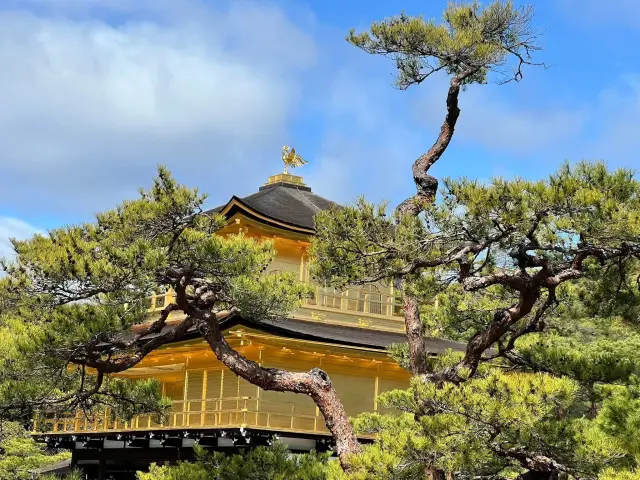
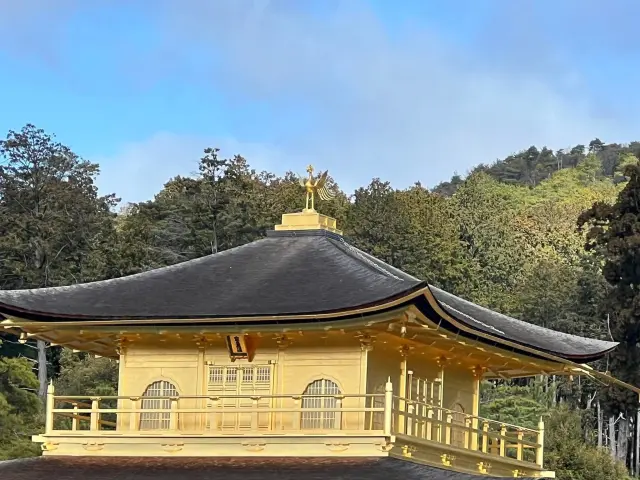
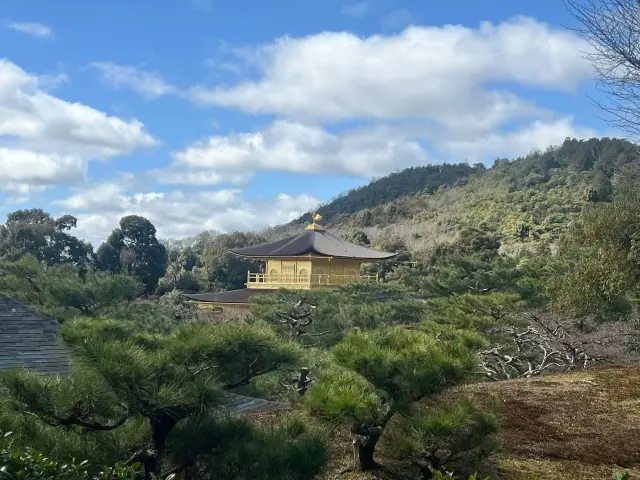
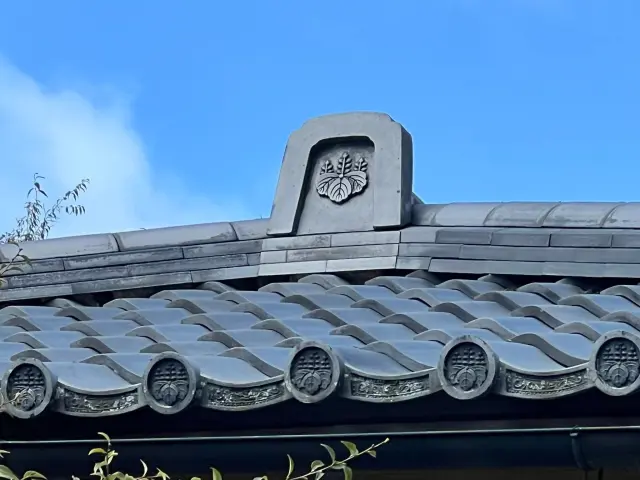
Kinkaku-ji
During the Muromachi Period, the 3rd Ashikaga shogun, Yoshimitsu, made an abode in this temple called Kitayamadono. It was named as Rokuon-ji after the posthumous name of Yoshimitsu. He had also built Shokoku-ji Temple, and Rokuon-ji, his retirement home, was turned into a branch temple of Shokoku-ji.
Because the protagonist of Yukio Mishima's novel sees Kinkaku-ji as a symbol of eternal beauty, yet his own imperfect life makes him feel a mix of love, hatred, jealousy, and confinement toward this perfection, he ultimately decides to set Kinkaku-ji on fire to free his soul.
So I came to see it for myself:At the center of the strolling garden surrounded by Kyokochi Pond, on a clear, windless day, you can capture the stunning reflection of the Golden Pavilion mirrored on the water.
Nearby is the Rikushu-no-Matsu pine: (a 600-year-old Japanese white pine said to have been planted by Ashikaga Yoshimitsu himself and pruned into the shape of a sailboat.)
It further enhances the dazzling Japanese garden aesthetic and is worth seeing. -
-
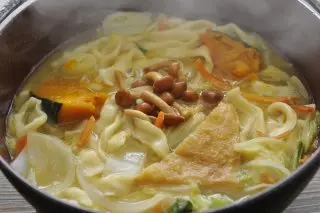
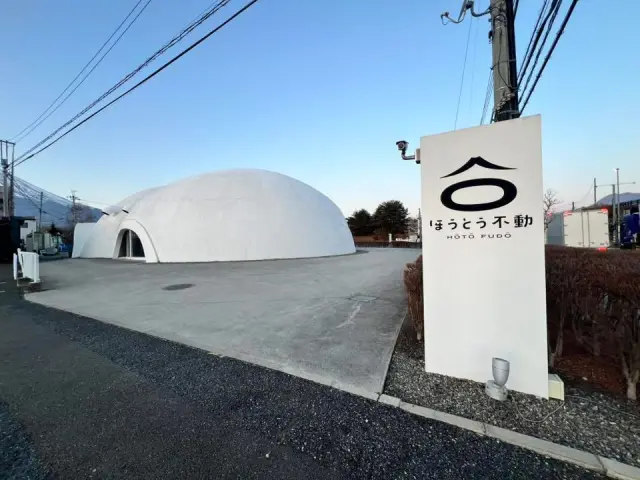
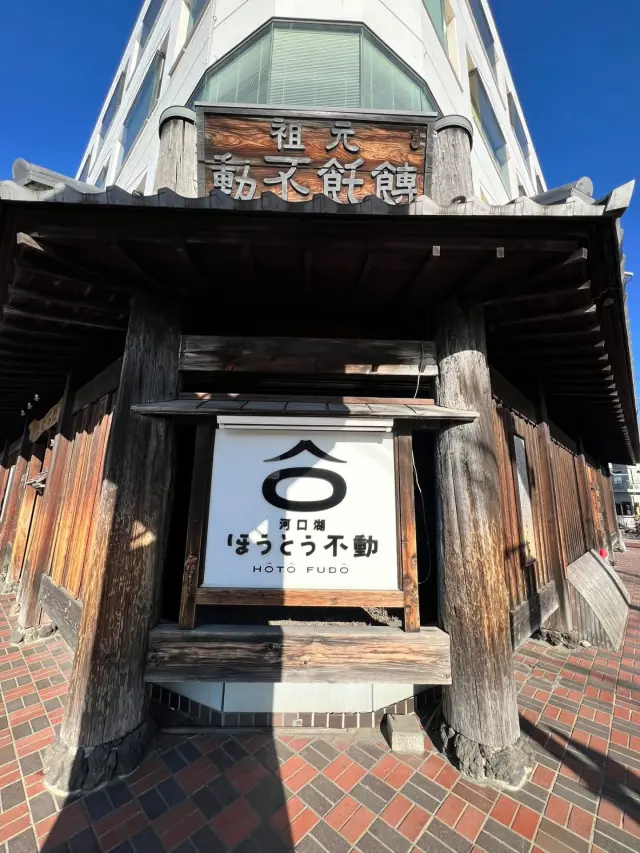
Hoto Fudo, Kawaguchiko Kita
Lake Kawaguchi is one of the Fuji Five Lakes at the bottom of the highest mountain of Japan, Mt. Fuji. There, Hoto Fudo serves the famous local dish, hoto. In addition to this main shop, they have four more around the Lake Kawaguchi.
When visiting Lake Kawaguchi to see Mt. Fuji 🗻, this traditional local dish is a must-try!
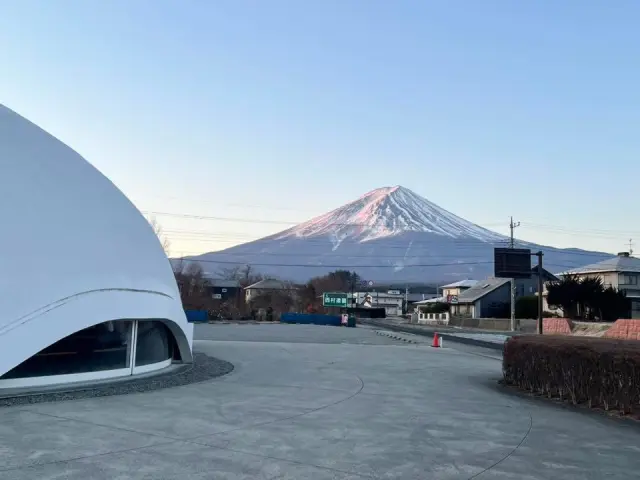
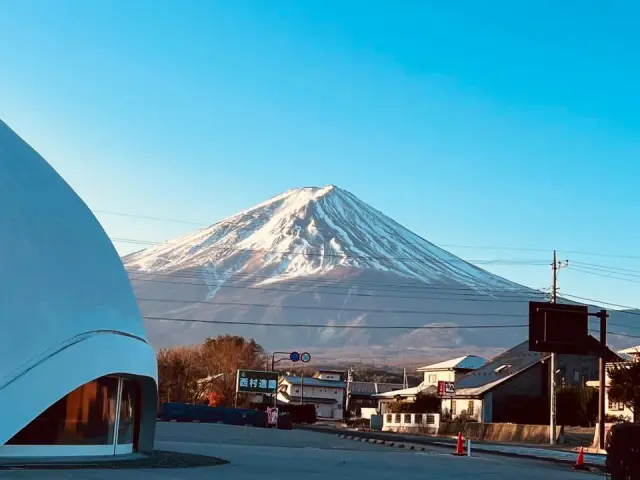
I also recommend setting out early on an adventure and heading toward Mt. Fuji 🗻 in the mountains.
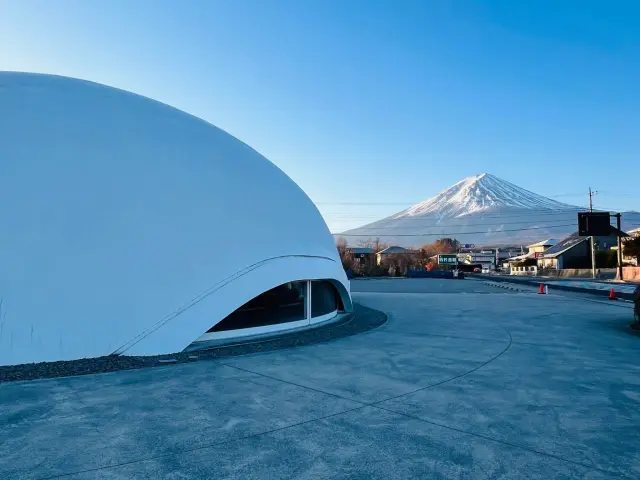
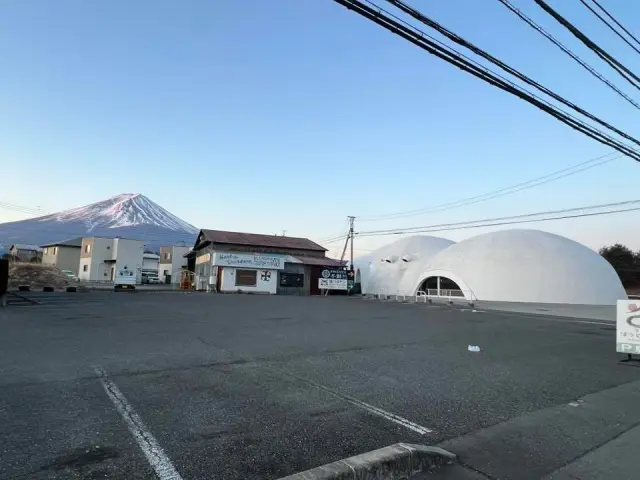
We unexpectedly came across clouds floating above Mt. Fuji 🗻.
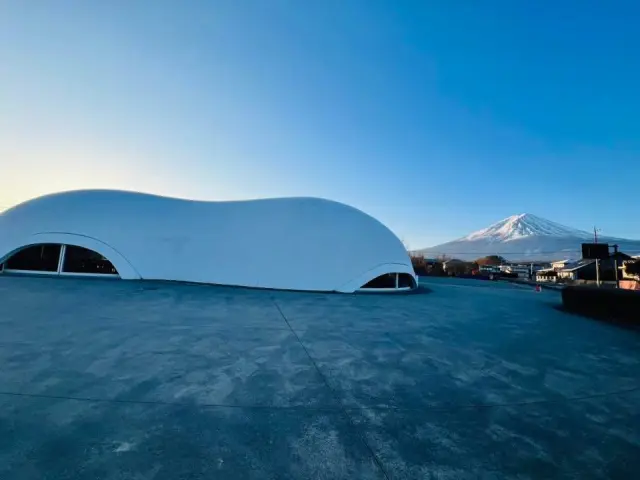
Hoto Fudo Higashikoiji (ほうとう不動 東恋路店) was incredibly impressive! The sunrise reflected off Red Fuji.
Such a romantic view together! Highly recommended.This is a well-known local cuisine restaurant in Fujikawaguchiko, Yamanashi Prefecture, Japan.
Restaurant features
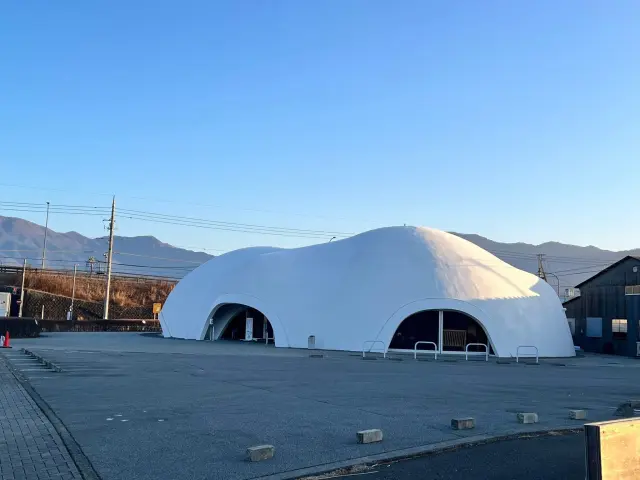
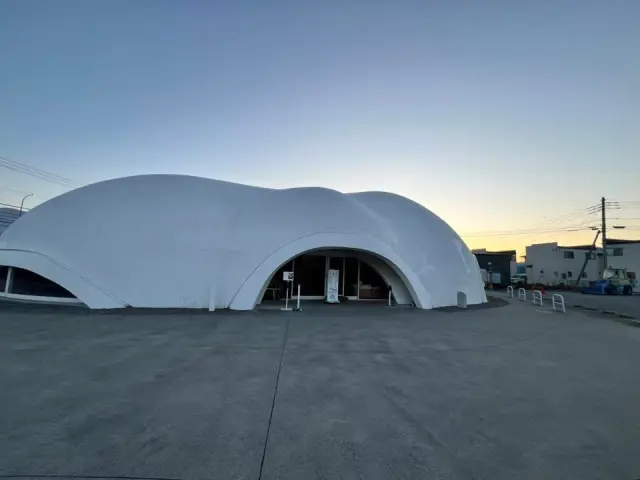
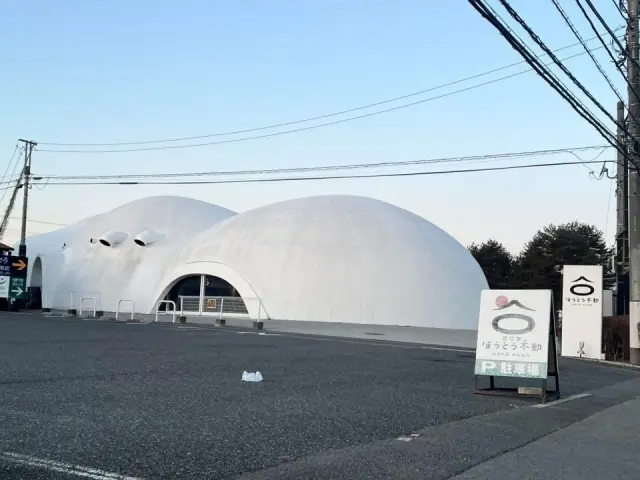
• Pure white cloud-like exterior: Designed by Japanese architect Takeshi Hosaka, the building was inspired by clouds floating above Mt. Fuji. Its pure white, column-free, cave-like design is a distinctive local landmark. -