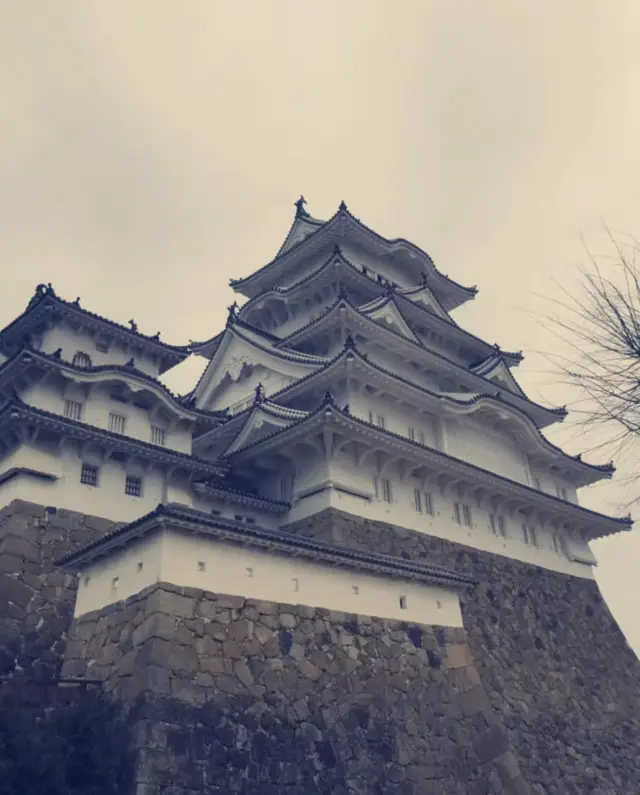
Walk out of the main entrance of JR Himeji Station and look straight down the wide Otemae-dori Avenue. You’ll immediately be deeply awestruck by the enormous ancient castle gleaming white beneath the clear blue sky. This is Himeji Castle, a national treasure and the first site in Japan to be designated a UNESCO World Cultural Heritage Site! The castle’s most legendary feature is its exterior, completely coated in pure white, high-quality plaster. From a distance, it looks like an elegant white heron about to spread its wings and soar into the sky, earning it the romantic nickname “White Heron Castle.” Even more remarkable, it has survived centuries of warfare and miraculously emerged completely unscathed from the air raids of World War II, making it truly an “immortal castle” favored by fate. After passing through the intricate, maze-like defensive passageways and climbing the steep wooden stairs floor by floor to the top of the main keep, you can look down at the overlapping tiled eaves, intricate onigawara roof ornaments, and the expansive Himeji Plain in the distance. The magnificent feeling of traveling through time will truly leave you breathless and deeply moved!
Himeji Castle | Review by Jk
Other Reviews by Jk
-

Nagoya Castle
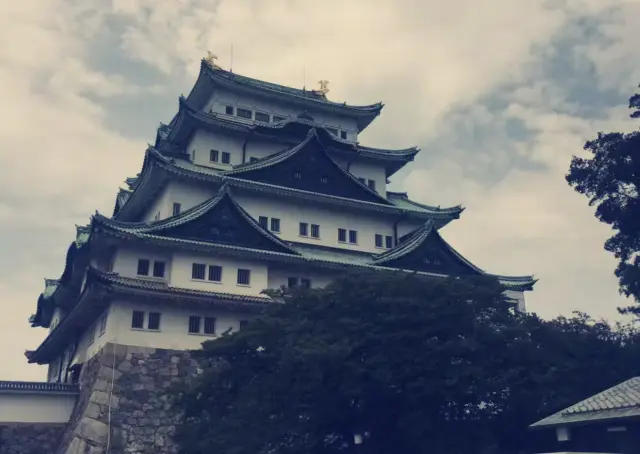
One of Japan’s largest castle complexes, built in the early Edo period by order of Tokugawa Ieyasu, founder of the Edo shogunate. A pair of male and female golden shachihoko roof ornaments gleam atop the five-tiered Main Tower Keep, a symbol of Nagoya.
On the expansive grounds of Nagoya Castle, look up at the imposing, massive main keep, and the pair of solid-gold kinshachi—golden shachihoko—gleaming in the sunlight at both ends of the roof will instantly capture everyone’s attention! This famous castle, built by order of Tokugawa Ieyasu, is considered one of Japan’s three great castles and is also a premier masterpiece showcasing the supreme power and authority of the Edo shogunate. The most jaw-dropping part of the entire castle is undoubtedly Honmaru Palace, which was perfectly restored in recent years after nearly a decade of work and enormous expense. Take off your shoes and step inside the palace, and the rich yet refined scent of hinoki cypress immediately fills the air. Every paper sliding door and folding screen before you was meticulously recreated stroke by stroke by today’s finest artisans in the style of Kano school masters. Covered in dazzling genuine gold leaf, they feature lifelike tigers, bamboo groves, and flowers and birds of the four seasons, all radiating elegance and grandeur. The level of luxury makes it feel as if an ancient palace made entirely of gold had been brought directly to life!
-
-
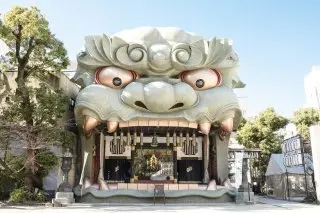
Namba Yasaka Shrine
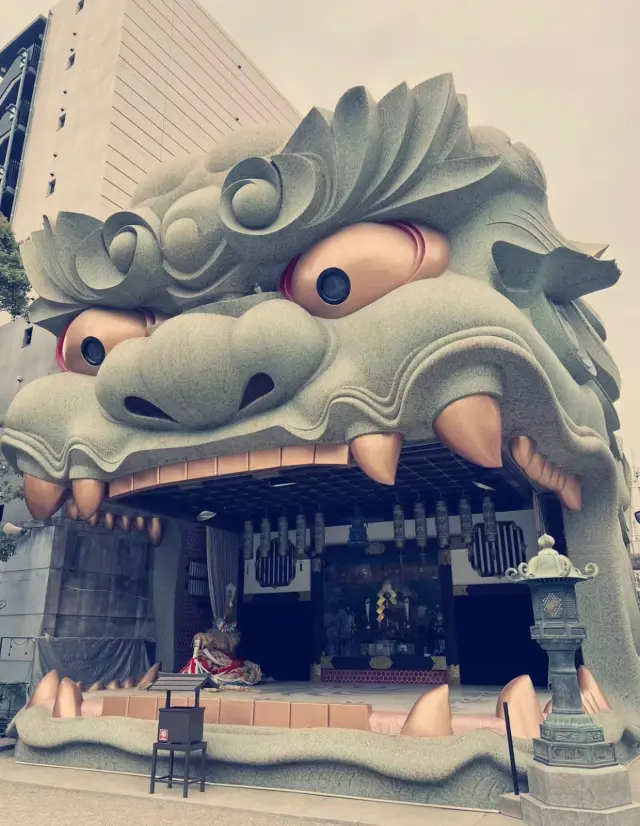
”Namba Yasaka Shrine”, located in the Namba area of Minami in Osaka, is a historic shrine said to have been founded during the reign of Emperor Nintoku (313-399).
Tucked away in the quiet residential backstreets of Osaka’s Namba area, the moment you enter the grounds of Namba Yasaka Shrine and look up, the enormous Lion Hall will definitely startle you wide awake! This lion head statue, standing 12 meters tall and 11 meters wide, has a fierce, cavernous mouth and huge, glaring eyes, giving the entire hall an overwhelmingly powerful presence. Legend has it that this giant lion’s mouth possesses boundless divine power, “swallowing up” all the misfortune, bad luck, and evil around it in one bite, while drawing in endless good luck, success, and prosperity! Whether you’re praying to pass your exams, get promoted at work, or achieve business prosperity, standing before this imposing lion with your hands together in prayer gives you an incredible sense of security and strength. Take a few low-angle photos with it, and the dramatic effect is so intense that it’s incredibly satisfying to see!
-
-
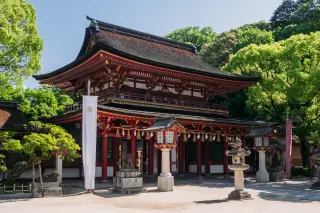
Dazaifu Tenmangu Shrine
Dazaifu Tenmangu is the head shrine of 10,000 different shrines across Japan dedicated to the spirit of Sugawara Michizane. Sugawara was an acclaimed scholar who was deemed innocent posthumously after being exiled to Dazaifu by Kyoto’s Imperial Court. The main hall was built over his grave and has been preserved as a sacred site of Tenjin worship for over 1100 years.
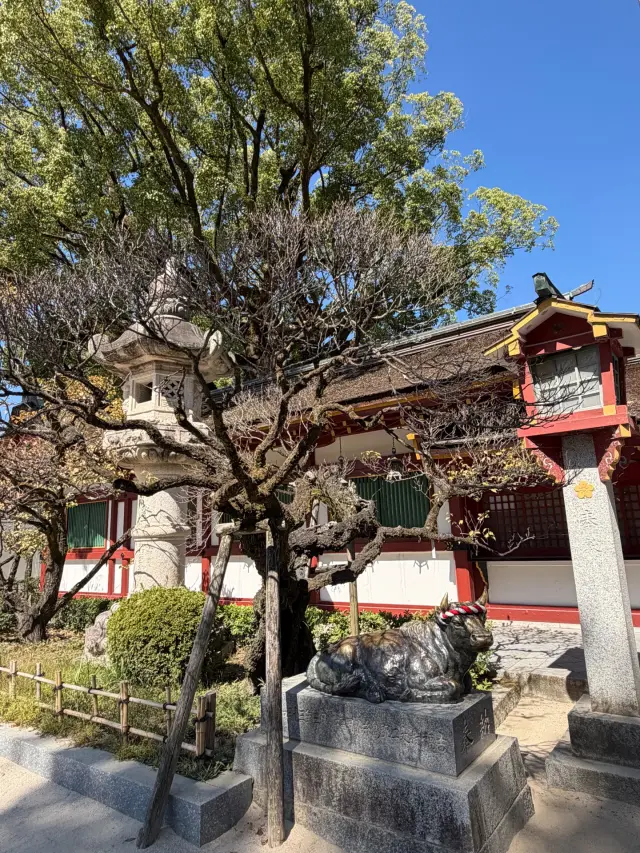
As soon as you step out of Nishitetsu Dazaifu Station and make your way through the lively Omotesando to Dazaifu Tenmangu Shrine, it instantly feels like you’ve entered a Japanese garden filled with scholarly energy and classical poetry! This is the head shrine of more than 10,000 Tenmangu shrines across Japan and enshrines Sugawara Michizane, the god of learning. Every year, countless students preparing for major exams and travelers praying for success in their careers come here to draw fortunes and pray for blessings. Upon entering the shrine grounds, the first things you see are the three red arched Taiko Bridges spanning Shinji Pond. They represent the past, present, and future. As you cross the red bridges step by step toward the main sanctuary, shaded by green trees on both sides with reflections shimmering on the water, even a restless heart gradually becomes calm.
The first thing you have to do here is touch the sacred ox statues throughout the grounds, which have been polished to a shine by countless visitors! Legend says that if you touch the sacred ox’s head and horns and then touch your own head, you can absorb the wisdom of the god of learning, sharpen your mind, and improve your studies. More than 6,000 tobiume and other plum trees are planted throughout the shrine. When the plum blossoms bloom in early spring, the garden fills with a subtle fragrance, and the mix of pink and white is beautiful beyond words. After praying, walk back along the path to Omotesando and grab a freshly baked, crispy, piping-hot Umegae mochi stamped with a plum blossom design. The outside is slightly crisp, while the red bean filling is warm and soft. Paired with a sip of hot tea, the entire pilgrimage feels soothing and satisfying! -