

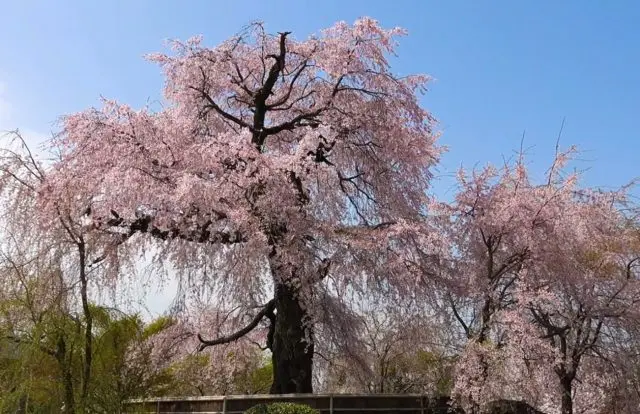
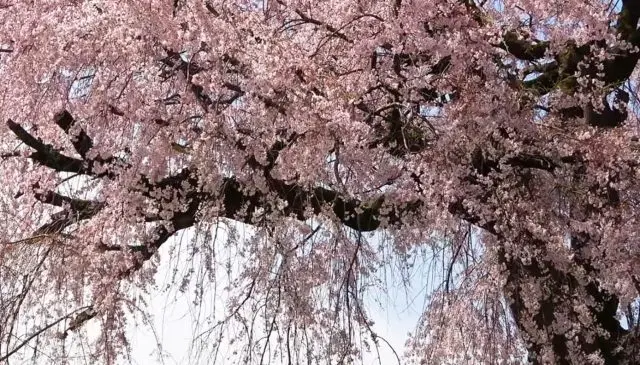
In broad daylight, you can see lots of blue tarps spread out under the cherry trees. After work in the evening, crowds gather here to enjoy the cherry blossoms at night.
Maruyama Park (Kyoto) | Review by Phlion Chen
Other Reviews by Phlion Chen
-
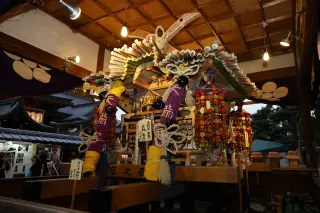
Kitano Festival: Shikosai & Kankosai at Kitano Tenmangu Shrine
Five days in Kyoto between October 1st and 5th of every year bring the full pomp and circumstance of Kitano Tenmangu’s grand autumn festival. Legends date the origin back to year 987, when Emperor Ichijo sent an imperial envoy to conduct the Kitano Festival. At that time, it was one of Kyoto’s major festivals, but the grand procession was suspended during the Onin War (1467-1477). Later, in the Meiji period (1868-1912), it was revived at the request of parishioners and has since been passed down as the Zuiki Festival procession, held in gratitude for the autumn harvest.
I think this festival is even more memorable than just viewing the autumn leaves. The people, history, and culture all come together here.
-
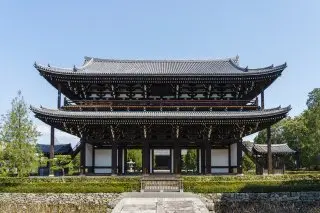
Tofukuji Temple
This is the head temple of Rinzai School. Kujo Michiie wished to have a temple for his family burial under Reverend Shoichi Kokusi’s ministry, and built seven halls during 19 years beginning in 1236.
Tofukuji Temple is truly impressive. Its historic buildings and peaceful atmosphere inspire a sense of respect. The statues, gardens, and cultural heritage inside really showcase the essence of ancient Japanese religion and art.
-
-
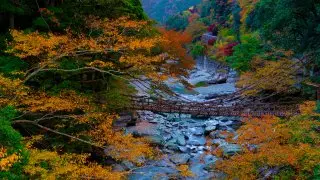
Oku-Iya Niju Kazurabashi Bridge
Beyond Oboke Gorge, called one of the leading unexplored regions of Japan, you will find Oku-Iya Niju Kazurabashi Bridge. On a plateau with an elevation of about 1000 meters, there is an ancient double suspension bridge by this name, made of creeping plants such as ivy-leafed ferns.
This is a truly wild and natural forest, with very few tourists around. It's not the easiest place to get to, but that's part of its charm.
-


