

Make the Most of Oita, Japan’s Hot Spring Paradise: 12 Must-See Spots
If you’re sightseeing in Oita Prefecture, Japan’s No. 1 hot springs (by both number of sources and volume) and stunning natural scenery are musts.
Hot springs bubble up across almost the entire prefecture, so you can enjoy many different types from place to place.
One Oita-only experience is Beppu’s “Hells,” named for the way steam, hot mud, and boiling water erupt from the ground. The “Hells Tour” is a sightseeing route where you can see near-boiling hot spring sources up close.
Beyond hot springs, there’s plenty to explore, from the Kokonoe “Yume” Suspension Bridge with its breathtaking gorge views to Usa Jingu Shrine with a history spanning 1,300 years—enough to keep you coming back for more.
Here’s a carefully selected guide to Oita’s best attractions, places to stay, and hot springs you won’t want to miss.
What is Oita Like?
Oita Prefecture sits in northeast Kyushu and is blessed with a mild climate and rich natural landscapes.
There are also plenty of seasonal scenic spots, including Lake Kinrin, famous for its dreamy morning mist.
And if you’re visiting Oita, hot springs are a must.
Beppu City in Oita ranks No. 1 in Japan for both the number of hot spring sources and the amount of water produced.
Even within Beppu alone, you can enjoy many hot springs with different mineral qualities and scenery.
Among them, Beppu Hatto and the Hells Tour are especially popular with visitors from Japan and abroad.
The atmospheric hot spring townscape—where steam rises from all around—adds to the charm.

When is the best season to visit Oita?
Oita is enjoyable year-round, but fall is the best time to visit, with fall colors and crisp mornings.
It’s also peak season for local specialties—don’t miss Seki saba (mackerel) and Seki aji (horse mackerel).
If you’re into local comfort food, Bungotakada’s handmade soba is another must-try.
For the best mix of sightseeing and food, consider visiting Oita in fall.
What to wear in Oita by season
- Spring (March - May): A light jacket and a thin sweater
- Summer (June - August): Light clothing, short sleeves
- Fall (September - November): A light jacket, a coat
- Winter (December - February): A coat, a thick sweater or jacket
How do you get to Oita?
Oita has Oita Airport, so travel from Tokyo, Osaka, and Nagoya (which also have airports) takes around 1 to 2 hours.
Oita Airport also has international flights, making it easy to access from overseas.
Main transportation for getting around Oita
The main ways to get around Oita Prefecture are JR trains and local buses.
Using JR Kyushu lines makes it easy to reach your destinations smoothly.
If you’re sightseeing in Beppu—home to many hot spring facilities—using a scheduled sightseeing bus with value passes is a smart option.
More Than Hot Springs: 12 Handpicked Things to Do in Oita
In Oita, nature spots like the Kokonoe “Yume” Suspension Bridge—Japan’s tallest pedestrian suspension bridge—and Lake Kinrin, famous for its dreamy morning mist, are must-visits.
You’ll also find plenty of theme parks, including aquariums, zoos, and a safari park, making it great for families, too.
Here are 12 carefully selected attractions you’ll want to add to your Oita itinerary.
1. Kokonoe “Yume” Suspension Bridge
A large sightseeing suspension bridge spanning the Kyusuikei Gorge at an elevation of 2,549 ft, near the base of the Kuju mountain range and close to the Kumamoto border.
At 567 ft high, it’s Japan’s tallest suspension bridge you can walk across, and it stretches 1,280 ft long.
From the bridge, you can take in sweeping gorge views—making it a thrilling scenic spot.

2. Oita Marine Palace Aquarium “Umitamago”
“Umitamago” is an aquarium facing Beppu Bay.
With the theme “an aquarium where you can become friends with animals,” it’s a popular spot where you can get up close with marine mammals like dolphins and walruses.

3. Lake Kinrin
Lake Kinrin is one of Yufuin’s most popular sightseeing spots, in a hot spring area known across Japan.
Because it sits below Mt. Yufu, it was once called “Takemoto-no-ike” (Pond Below the Mountain). In 1884, Confucian scholar Kuso Mori is said to have named it “Lake Kinrin” after seeing fish scales shimmer like gold in the sunset.

4. Kyushu Natural Zoo African Safari
One of Japan’s largest safari parks, with Approx. 1,400 animals from around 70 species roaming across a vast site.
It features a safari road (“Animal Zone”) of Approx. 3.7 miles where you can observe animals up close by car or on the “Jungle Bus,” plus an “Interaction Zone” where you can meet animals hands-on.

5. Usa Jingu Shrine
There are over 40,000 Hachiman shrines nationwide—more than any other type of shrine in Japan—and Usa Jingu is the head shrine of them all, founded in 725.
Revered as Japan’s second most important ancestral shrine after Ise Jingu, it has long been honored by the Imperial Family.

6. Oita Takasakiyama Natural Zoo
A zoo at the foot of Mt. Takasakiyama (2,060 ft), right next to “Umitamago.”
Opened in 1953, it remains a popular attraction where visitors can observe wild monkeys living in a natural setting—nearly 70 years on.

7. Sanrio Character Park Harmonyland
A theme park where you can meet Sanrio characters like Hello Kitty and My Melody, and a sister facility to Sanrio Puroland in Tokyo.
Don’t miss the charming shows starring these cute characters.

8. Oita Prefectural Art Museum
An art museum opened in 2015 in central Oita City, known as OPAM.
Under the concept “a museum of encounters and the five senses,” it hosts special exhibitions in many forms—starting with works by Oita-connected artists, plus culture and tradition, contemporary art, and performing arts.

9. Jigoku Mushi Kobo Kannawa
A multi-purpose facility where you can try “jigoku-mushi” steam-cooking, a local specialty of Kannawa Onsen—one of Beppu’s most beloved hot spring neighborhoods, where steam rises from alleyways throughout the area.
Jigoku-mushi is a traditional cooking method dating back to the Edo period, using 98°C (208°F) geothermal steam at 100% natural heat. It’s a uniquely Beppu experience, and lines can form on weekends.

10. Mt. Yufu
The iconic symbol of Yufu, a 5,193 ft mountain located northeast of Yufuin Onsen, one of Japan’s leading hot spring destinations.
An active volcano with two peaks, it’s also called “Bungo Fuji” for its beautiful, majestic shape.
Worshipped since ancient times as a sacred mountain, it appears in early historical texts such as the Bungo Fudoki (compiled in the early Nara period) and the Manyoshu, Japan’s oldest poetry anthology.

11. Yamanami Highway
The nickname for Prefectural Route 11, connecting Beppu in Oita to Ichinomiya in Kumamoto. It’s a refreshing drive with spectacular views, including the sweeping Kuju mountain range.
The Approx. 31-mile route is dotted with highlands, tourist ranches, and hot springs, so there’s no shortage of stops. Set aside plenty of time and enjoy the drive at your own pace.

12. Kijima Kogen Park
An amusement park spread across the resort area of Kijima Kogen, one of Beppu’s proud getaway spots, where the cool mountain breeze feels great. The site spans Approx. 2.5 million sq m and includes a hotel and golf course; the main draw is the amusement park, which attracts visitors throughout the year.

3 Popular Restaurants in Oita
Here are three popular restaurants in Oita, carefully selected. Each is a beloved local favorite where you can enjoy standout food.
The lively atmosphere is also part of the appeal—perfect for making your trip feel special.
You can’t go wrong with any of them, so use this list to pick the one that fits your mood.
1. Restaurant Toyoken
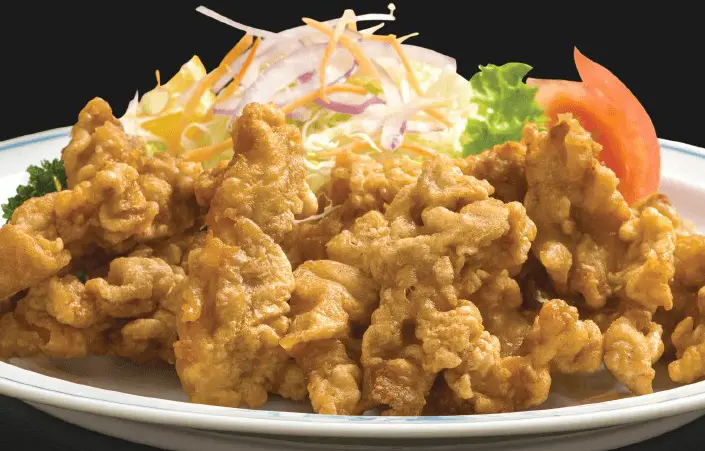
A Chinese restaurant with Approx. 100 years of history. It draws crowds not only on weekends but also on weekdays, and it’s not unusual for it to fill up right at opening.
The first head chef, Shiro Miyamoto, was a highly skilled craftsman who once served as a chef to the Emperor.
He’s also known as the legend who invented “toriten” (chicken tempura) in the restaurant’s early days.
2. Yufuin Burger House
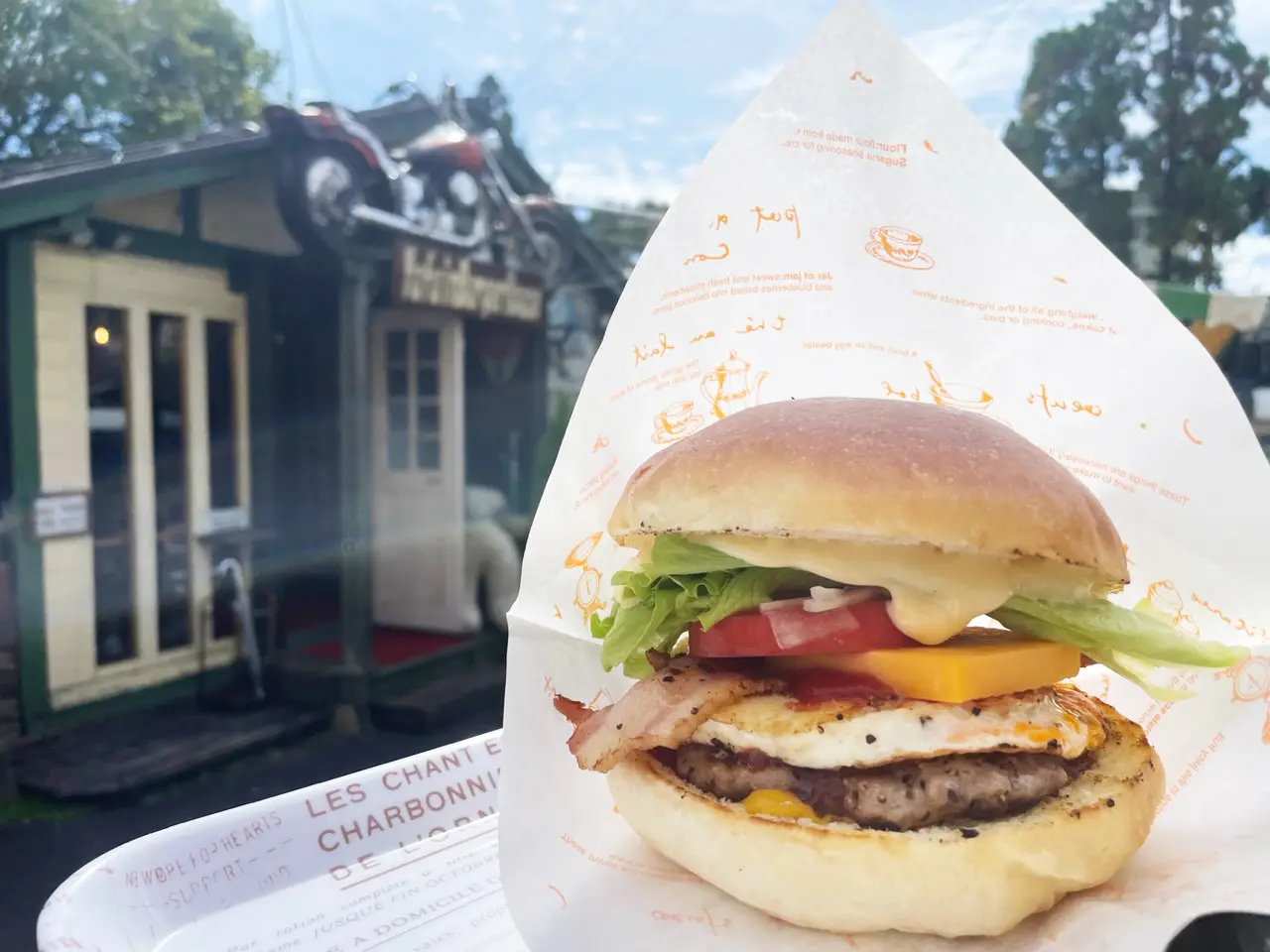
A burger specialty shop in central Yufuin, lined with all kinds of eateries and shops.
The signature is the “Yufuin Burger,” made with a juicy blended patty using Bungo beef.
Because they start cooking after you order, the patty comes out hot and juicy, and the bacon is crispy and fragrant—widely praised as delicious.
It also pairs perfectly with fresh locally sourced extra-large eggs and rich cheddar cheese.
3. Yufu Mabushi Shin, Lake Kinrin Main Store
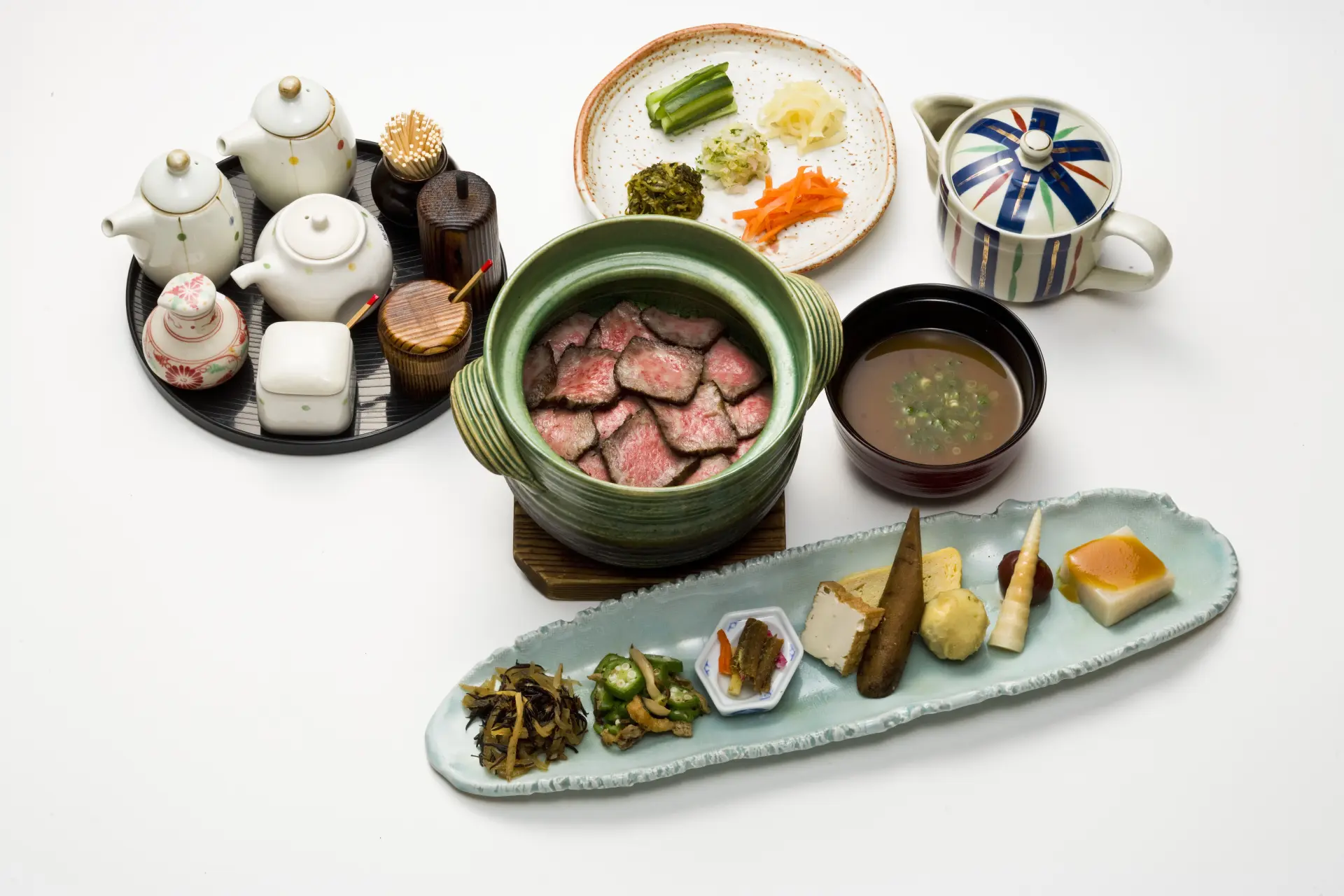
A restaurant serving three kinds of “Yufu mabushi,” created to showcase delicious Yufuin-style ways to enjoy rice dishes.
The mabushi dishes—made with Bungo beef, local Yufu chicken, or eel—are served in a clay pot, each set including appetizers, pickles, condiments, and red miso soup.
The most popular of the three is “Bungo Beef Mabushi.”
It’s a hearty dish topped with plenty of charcoal-grilled, fragrant Bungo beef over clay-pot rice.
3 Classic Shopping Spots in Oita
Oita is a popular sightseeing destination with plenty of great places to shop.
In addition to shopping malls, you’ll also find shopping streets lined with a variety of stores and restaurants—so be sure to leave time for shopping on your Oita trip.
1. Amu Plaza Oita
A large commercial complex at JR Oita Station, the prefecture’s main terminal served by multiple rail lines.
With a total floor area of Approx. 31,000 sq m, it’s home to over 200 shops and restaurants. Floors 1–3 focus on fashion, lifestyle goods, and food.
Alongside select shops and boutiques of well-known Japanese and international brands, you’ll also find major stores like UNIQLO, H&M, and MUJI.

2. Park Place Oita
A large complex with around 160 specialty stores, plus an AEON, an electronics retailer, a movie theater, and more.
On the grounds you’ll find fountains, a canal with flowing well water, and seasonal plants—creating a relaxed atmosphere like strolling through a lush park while you shop.
The rooftop park “Shangri-La,” with playground equipment and wide lawn space, is especially popular as a place to unwind.

3. B-speak
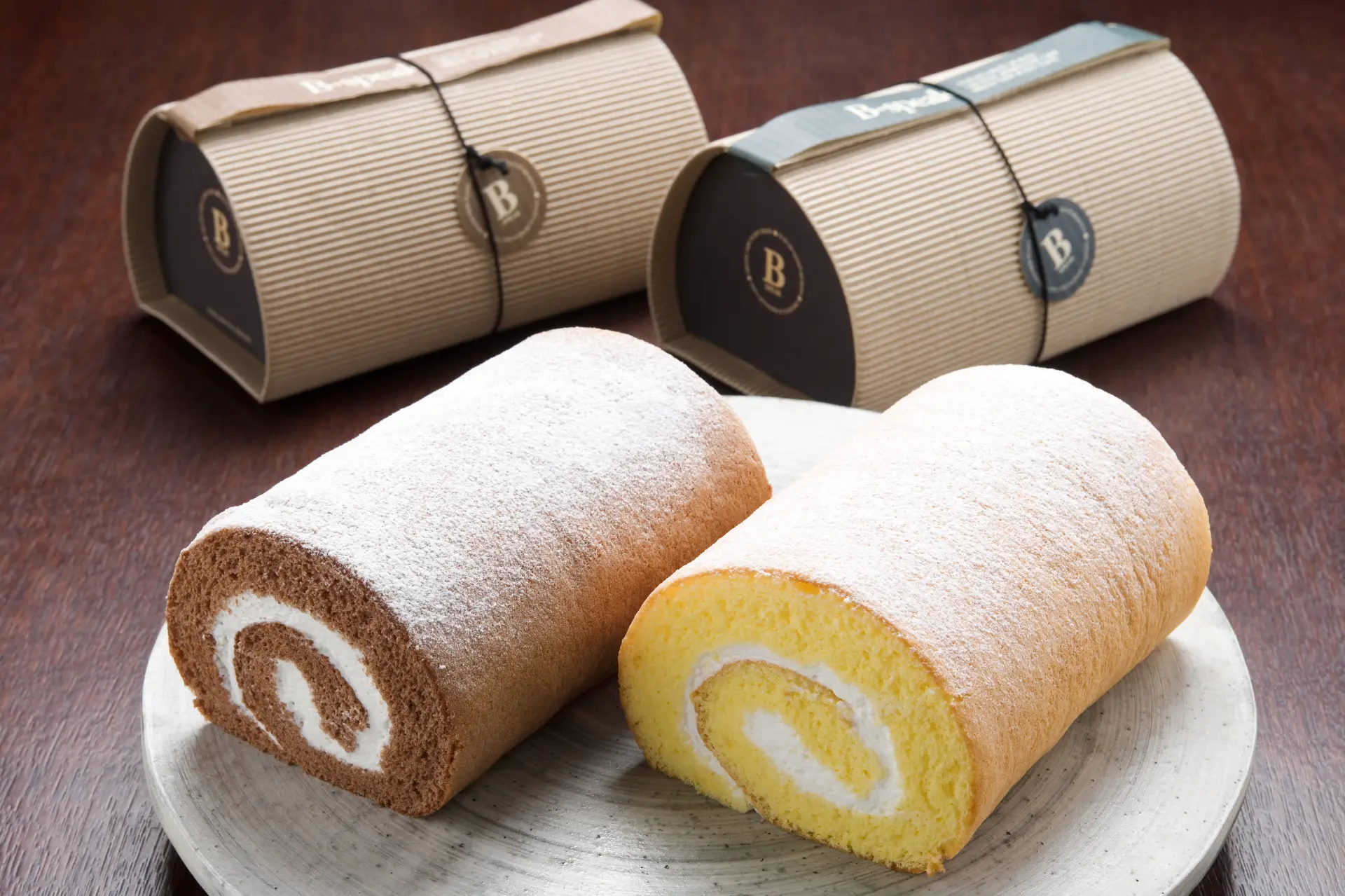
Opened in 1999, when roll cakes weren’t yet widely known.
It’s run by the long-established Yufuin ryokan “Sanso Murata.”
It became a hot topic as a pioneer of roll-cake specialty shops, and even more than 20 years later, it’s famous as a popular spot with constant lines.
Treat Yourself at a Ryokan: 3 Places to Stay in Oita
Unwind at a place to stay where you can slow down and indulge—perfect for soothing travel-worn fatigue.
From Oita’s many options, here are three carefully selected stays: top-tier renowned ryokan and charming, classic hot spring inns.
1. Sanso Murata
A luxury ryokan said to be one of Yufuin Onsen’s “big three,” alongside Yufuin Tamano-yu and Kamenoi Bessou.
Located on a hill about 1.2 miles from central Yufuin Station, it includes a main building with a front desk and dining, 12 detached guest rooms each with a different design, a bar with soothing classic and jazz, a chocolate shop, a scenic soba restaurant, a music-themed museum, and a select shop with stylish Oita souvenirs.

2. Yamada Bessou
An 8-minute walk from Beppu Station and the Beppu Kitahama bus stop—two major transportation hubs in Beppu.
Though it’s in central Beppu, Yamada Bessou sits in a quiet, hideaway-like setting. The property was built in 1930 as a business owner’s villa and later converted into a ryokan after the war.
It has been passed down and operated by descendants over generations.

3. Beppu Onsen Suginoi Hotel
A well-known large-scale hot spring resort in Beppu, drawing visitors from across Japan who come specifically for the hotel.
With 554 guest rooms and capacity for Approx. 2,000 guests, the accommodations are made up of three adjacent wings: Sora-kan, Niji-kan, and Naka-kan.

From “Hells” to Resorts: 4 Hot Springs to Enjoy in Oita
Oita is known as one of Japan’s leading hot spring destinations.
From hot spring facilities where you can tour the “Hells” and enjoy footbaths, to hot spring towns with eight different spring types, classic public bathhouses, and stylish onsen resorts—there’s an incredible range to explore.
If you want to experience Oita to the fullest, onsen-hopping is a must.
1. Beppu Hells Tour
Located in Beppu City, Oita Prefecture, this area is one of Japan’s most famous hot spring regions.
According to the ancient chronicle Bungo Fudoki, written over a thousand years ago, steam, boiling water, and hot mud were already erupting from the ground in this area at that time. Because the land was considered too dangerous and ominous to approach, it came to be feared and referred to by people as “Jigoku,” meaning “hell.”
Even today, the natural hot spring vents found throughout this region are still called “Jigoku,” preserving the name and legend passed down through the centuries.

2. Yufuin Onsen
Yufuin Onsen is a hot spring town nestled at the foot of Mt. Yufu, near the center of Oita Prefecture.
With few large hotels and many ryokan that create a calm, refined atmosphere, it’s especially popular with women travelers.
It’s said to rank No. 2 nationwide for water volume, and with many hot spring sources, the inns are spread out rather than clustered—giving the whole area a relaxed feel.

3. Beppu Onsen
Beppu Onsen is the collective name for hot springs found across Beppu City, Oita.
With 2,847 sources and Approx. 130,000 kiloliters of water per day, it’s the largest hot spring area in Japan.
Beppu Onsen is divided into eight areas, also known as Beppu Hatto (the “Eight Hot Spring Areas of Beppu”) or the Beppu Hot Spring Region.
With different mineral qualities and even different water colors, it’s also a great place for onsen-hopping.

4. Takegawara Onsen
In downtown Beppu, hot springs bubble up all around, and the area is widely loved as “Beppu Onsen,” one of the Beppu Hatto.
With many public bathhouses and hot spring inns throughout the city, locals enjoy hot springs as part of everyday life.

Summary
Oita is packed with hot spring areas—so many that it’s often called a hot spring paradise.
But there’s more to love, from nature spots to family-friendly theme parks and plenty of other highlights.
Use the places introduced here to help shape your Oita sightseeing plan.
After enjoying hot spring heaven in Oita, consider extending your trip to neighboring Fukuoka—another must for food lovers.
From Hakata ramen and udon to fresh seafood dishes, the list of local specialties is almost endless.
And it’s not just about food: you’ll also find beautiful nature and historic buildings, with lots to see and do.
It’s only a 2-hour ride on the JR Nippo Main Line, so be sure to add Fukuoka to your itinerary.