
See, Make, and Enjoy Shigaraki Ware! 8Must-Visit Tourist Spots in Shigaraki, Shiga
When people think of Shiga Prefecture, many may picture Lake Biwa, Japan's largest lake.
But Shiga is home to more than just the lake; it also has an area where a traditional culture of world-class significance continues to thrive.
That place is Shigaraki, the home of Shigaraki ware, where a pottery culture shaped by clay and fire has been preserved.
This article focuses on sightseeing spots in Shigaraki and introduces useful information for planning a visit, including the best seasons to go and important travel tips.
As you experience Shigaraki's distinctive culture of craftsmanship and satoyama (traditional rural landscape), you are sure to find inspiration for a rewarding journey.
What Is Shigaraki Like?
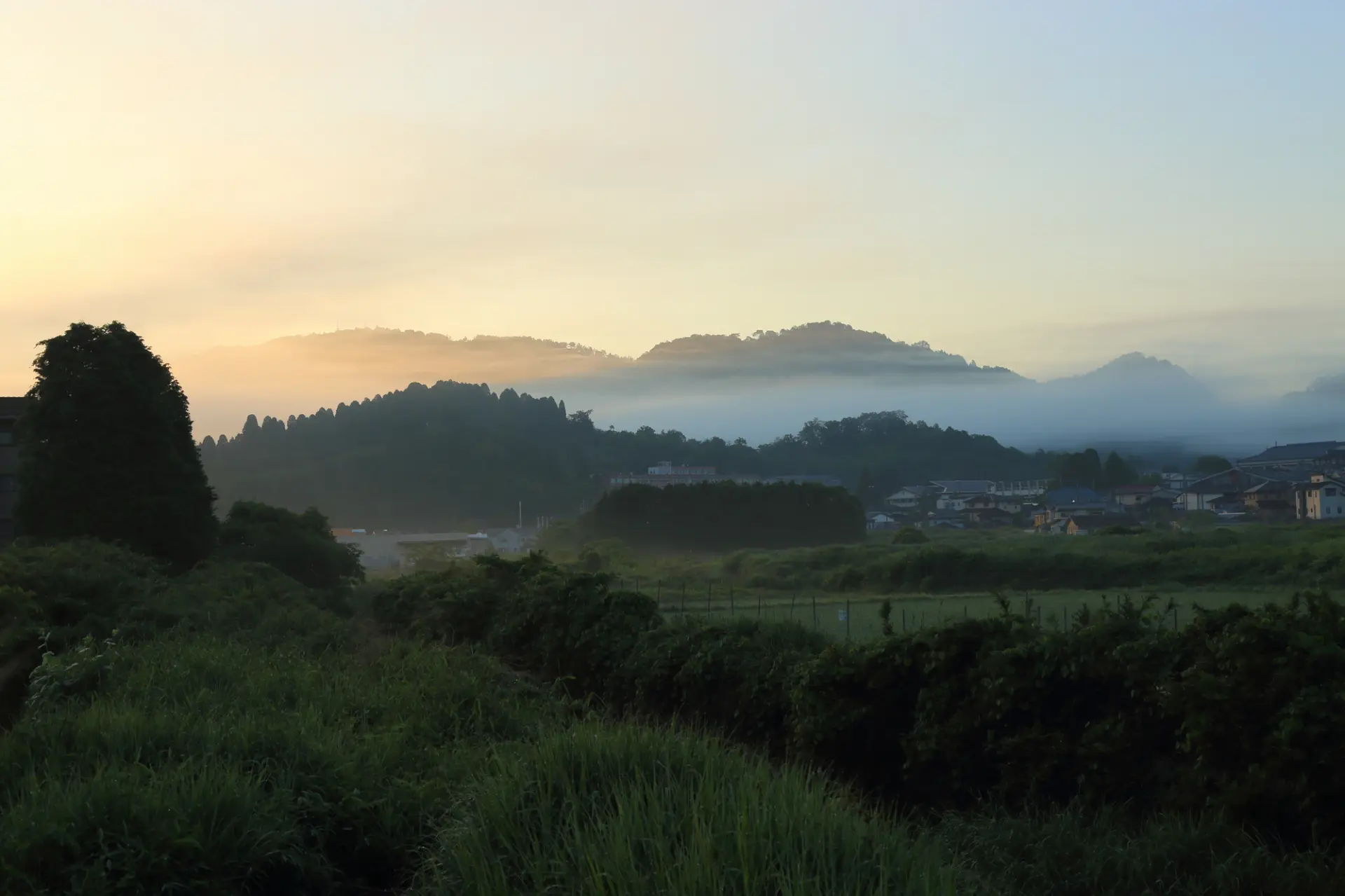
Shigaraki is a nature-rich town surrounded by mountains in Koka City, southeastern Shiga Prefecture.
Pottery-making has been passed down here for around 800 years since the Kamakura period, and Shigaraki is known as a production center for Shigaraki ware and as one of Japan's Six Ancient Kilns.
Potteries, workshops, galleries, museums, and cafes are scattered throughout the town, allowing visitors to experience its pottery culture while exploring on foot.
You can enjoy the appeal of pottery in many different ways, from making your own tableware in a pottery workshop to dining or relaxing at a cafe using Shigaraki ware.
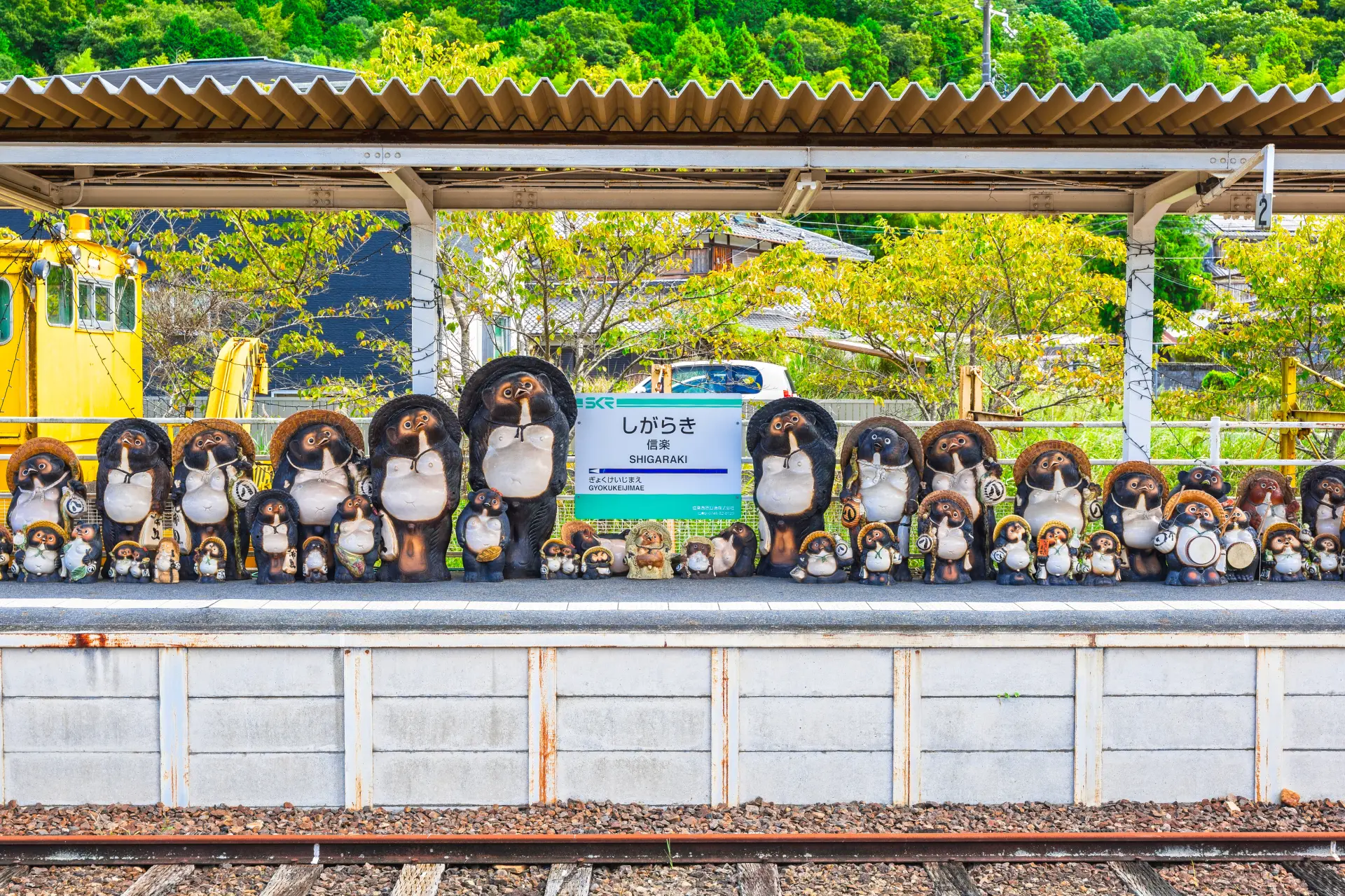
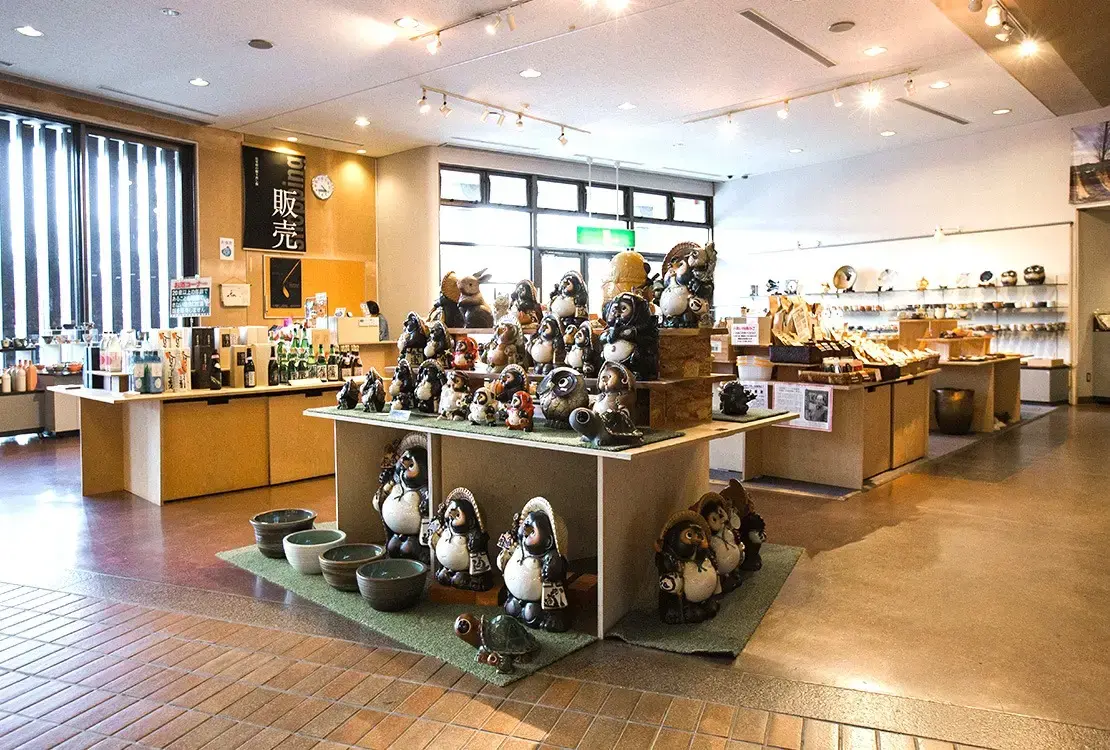
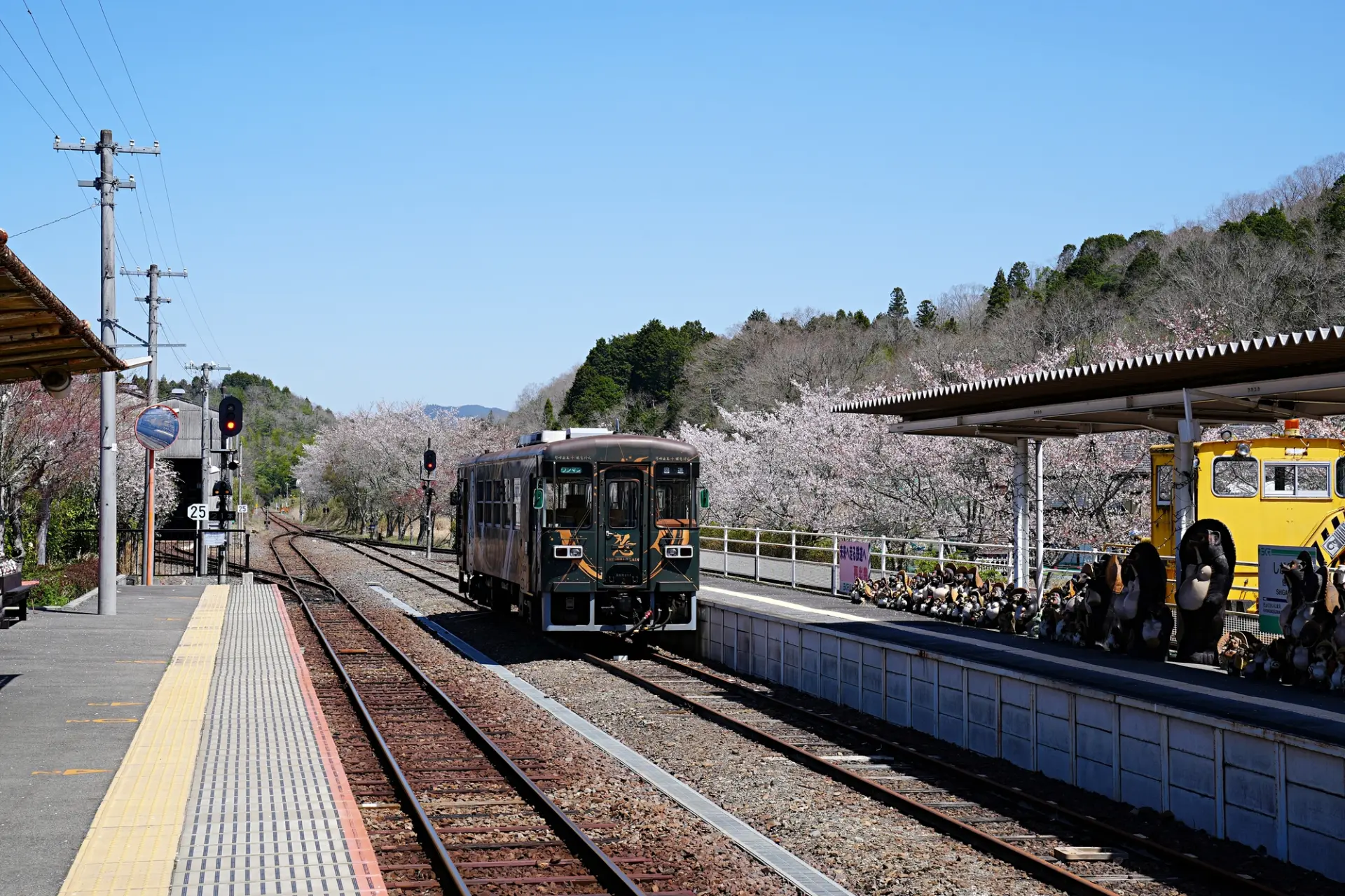
The charming tanuki (Japanese raccoon dog) figurines seen throughout town are a symbol of Shigaraki and have long been cherished as good-luck charms associated with prosperity in business and good fortune.
Here, satoyama scenery and craft culture come together, revealing a side of Shiga quite different from the areas around Lake Biwa.

5 Recommended Tourist Spots for Enjoying Shigaraki Ware and Art!
The appeal of Shigaraki goes far beyond simply admiring pottery.
Make a one-of-a-kind piece of your own, visit a world-renowned museum, or stroll through streets lined with potteries.
Here are five places that first-time visitors to Shigaraki should not miss.
1. Shigaraki Toen Tanuki Mura|Make Your Own One-of-a-Kind Shigaraki Ware!
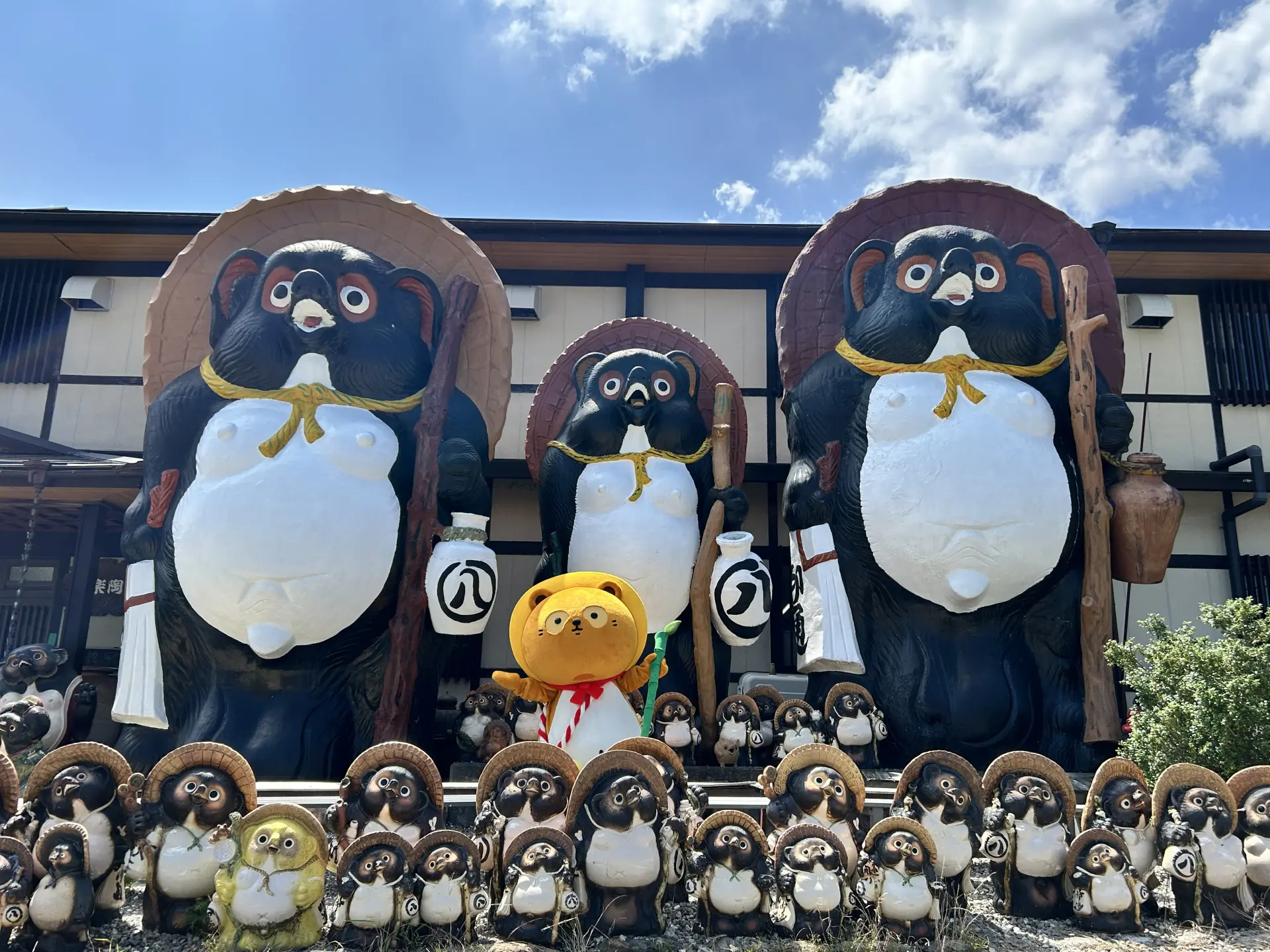
At Shigaraki Toen Tanuki Mura, you can enjoy authentic pottery-making experiences in addition to viewing and purchasing Shigaraki ware.
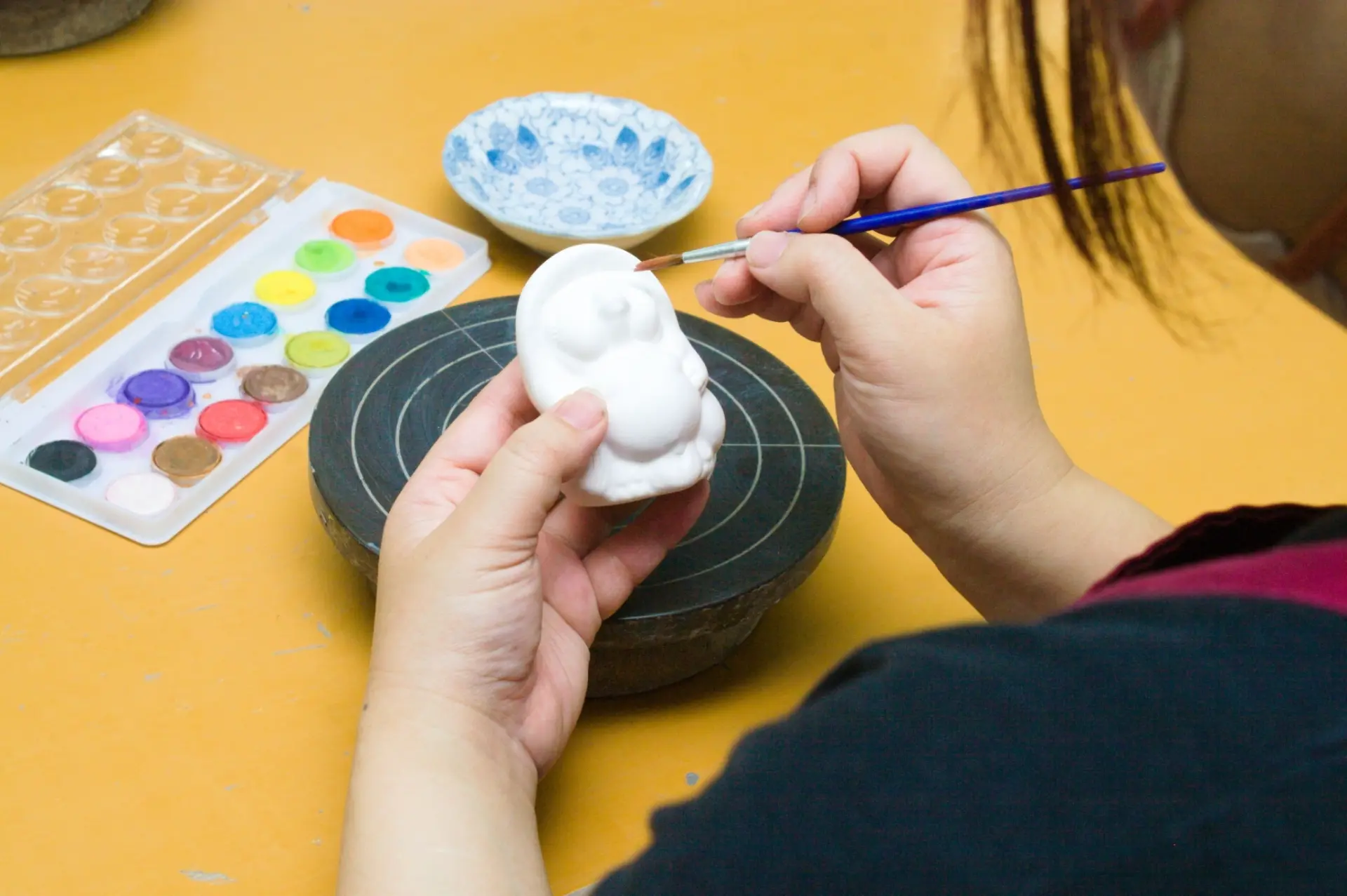
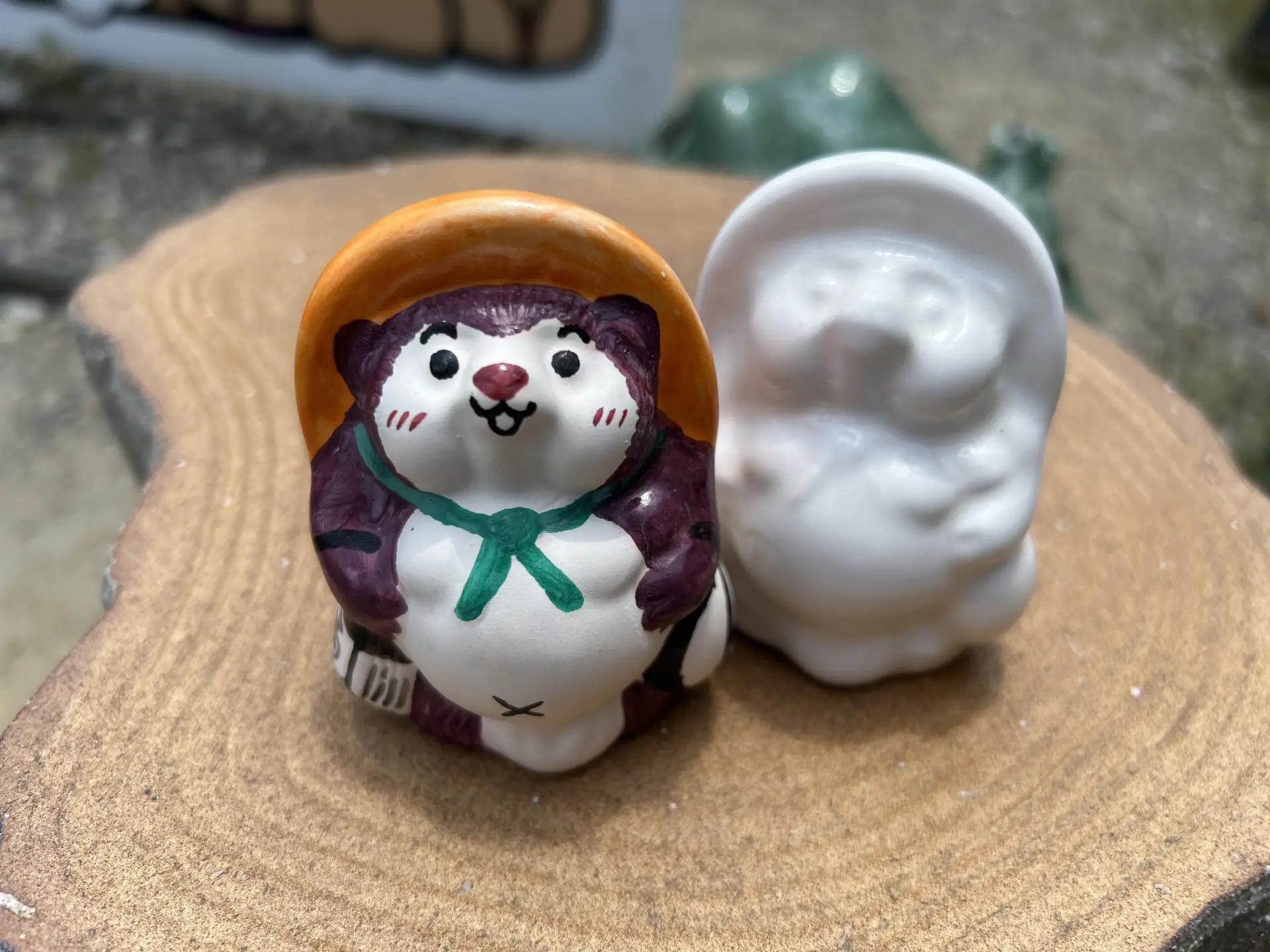
Options include hand-building and using an electric pottery wheel, as well as a course where you use a mold to create your own original tanuki figurine and an easy pottery-painting course.
Plans combining a pottery experience with a meal are also popular, offering flavors unique to Shigaraki, such as dishes made with Asamiya tea, one of Japan's Five Great Teas, and Omi Koshihikari rice cooked in a Shigaraki ware donabe (earthenware pot).
Pottery experiences and plans that include meals require reservations, so be sure to check in advance before visiting.
- Name in Japanese
- 信楽陶苑 たぬき村
- Postal Code
- 529-1803
- Address
-
1293-2 Shigarakichomaki, Koka City, Shiga
Google Maps - Telephone
- 0748-83-0126
- Holiday
- New Year's holiday period.
- Hours
- 10:00am - 5:00pm
- Admission Fee
-
free
[workshop] Shigaraki ware electric potter's wheel course from 1,760 yen~, Hand-building course from 1,980 yen~, Painting on ware course from 990 yen~, Tanuki ware making course from 3,080 yen - Direction
- 7-minute walk from Shigaraki Kogen Railway Kumoi Station.
- Credit Cards
- Accepted (Visa, Mastercard, American Express, JCB, UnionPay)
- Website
- Official Website (Japanese)
2. Shigaraki Ceramic Cultural Park|An Art Park Where Nature and Contemporary Ceramics Come Together
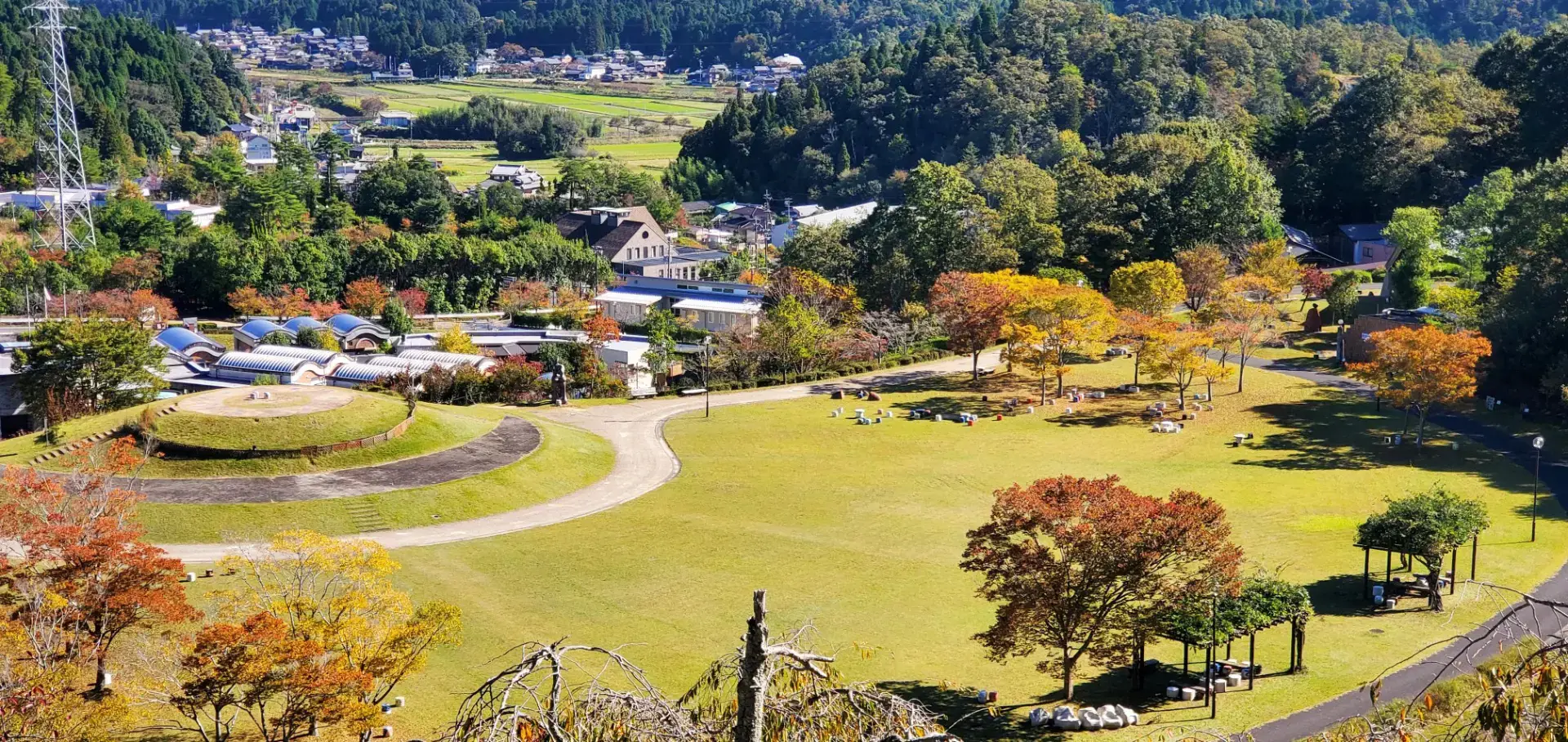
This expansive urban park covers 40 hectares of hilly land overlooking the town of Shigaraki.
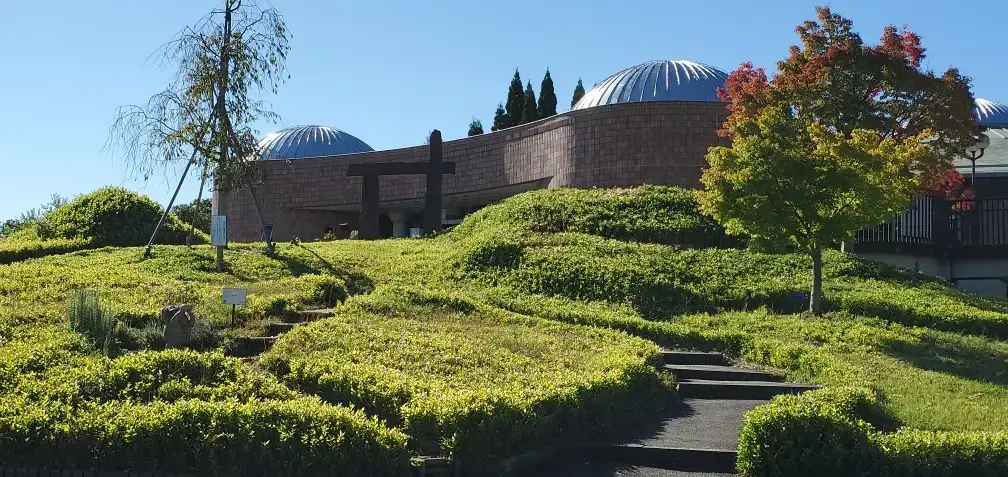
It consists of several facilities, including the Museum of Contemporary Ceramic Art, a museum specializing in ceramics; the Exhibition Hall of Industrial Ceramics, where Shigaraki ware is exhibited and sold; and the Institute of Ceramic Studies, where artists from around the world engage in creative work.
Large-scale ceramic works by artists from Japan and abroad are scattered outdoors, and another attraction is the chance to enjoy seasonal scenery in an open-air museum setting.
At the Shigaraki Sakkaichi (Shigaraki Artists' Market) in spring and the Ceramic Art Market in autumn, visitors can purchase works by ceramic artists and interact directly with their creators.
- Name in Japanese
- 滋賀県立陶芸の森
- Postal Code
- 529-1804
- Address
-
2188-7 Chokushi, Shigaraki-cho, Koka City, Shiga
Google Maps - Phone
- 0748-83-0909
- Closed on
- Mondays (or the following day if Monday is a national holiday), and the New Year holidays *The Ceramic Art Museum also closes in winter
- Hours
- 9:30 am-5:00 pm *Admission to the Ceramic Art Museum and the Shigaraki Industrial Exhibition Hall is available until 4:30 pm
- Admission
- Free *Only the Ceramic Art Museum requires admission (see the website for details)
- Access
- Approx. 3 minutes by car from Shigaraki Station (Shigaraki Kogen Railway)
- Credit Cards
- Accepted (shop only)
- Official website
- Official website (English)
3. The Pottery Quarter|Explore a Pottery Town on Foot
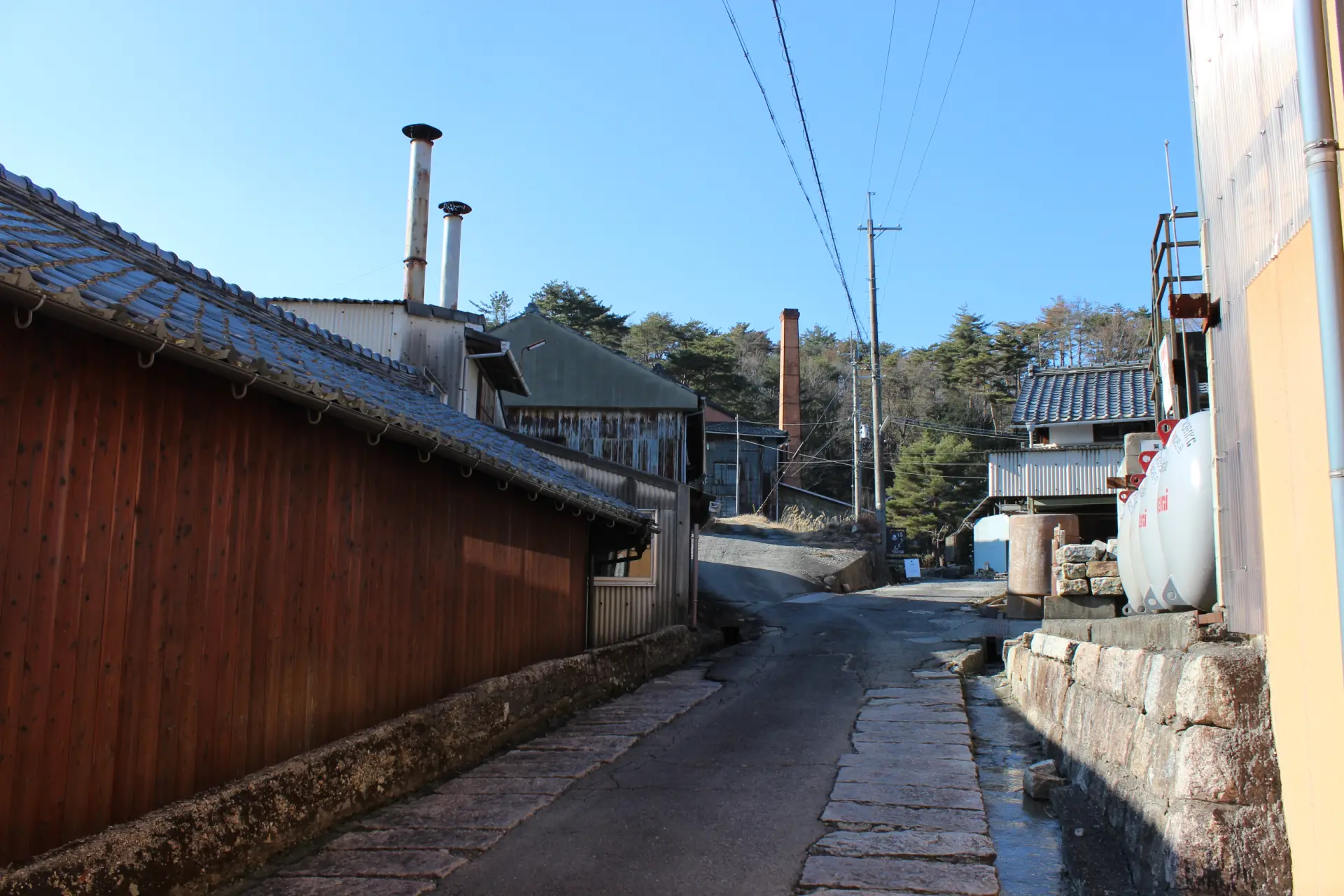
The Pottery Quarter, extending from Shigaraki Station, is a walking route for exploring the pottery town on foot.
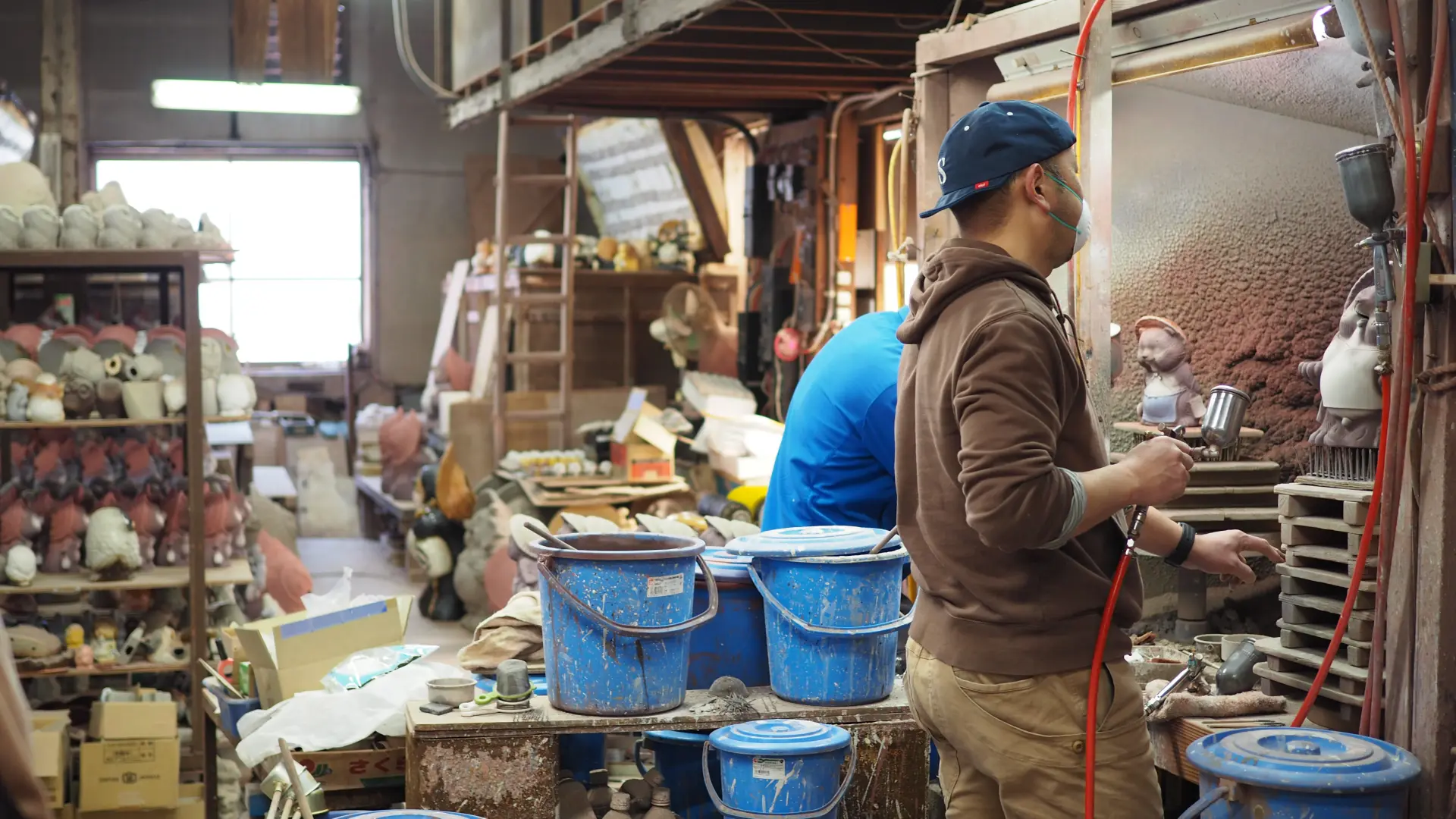
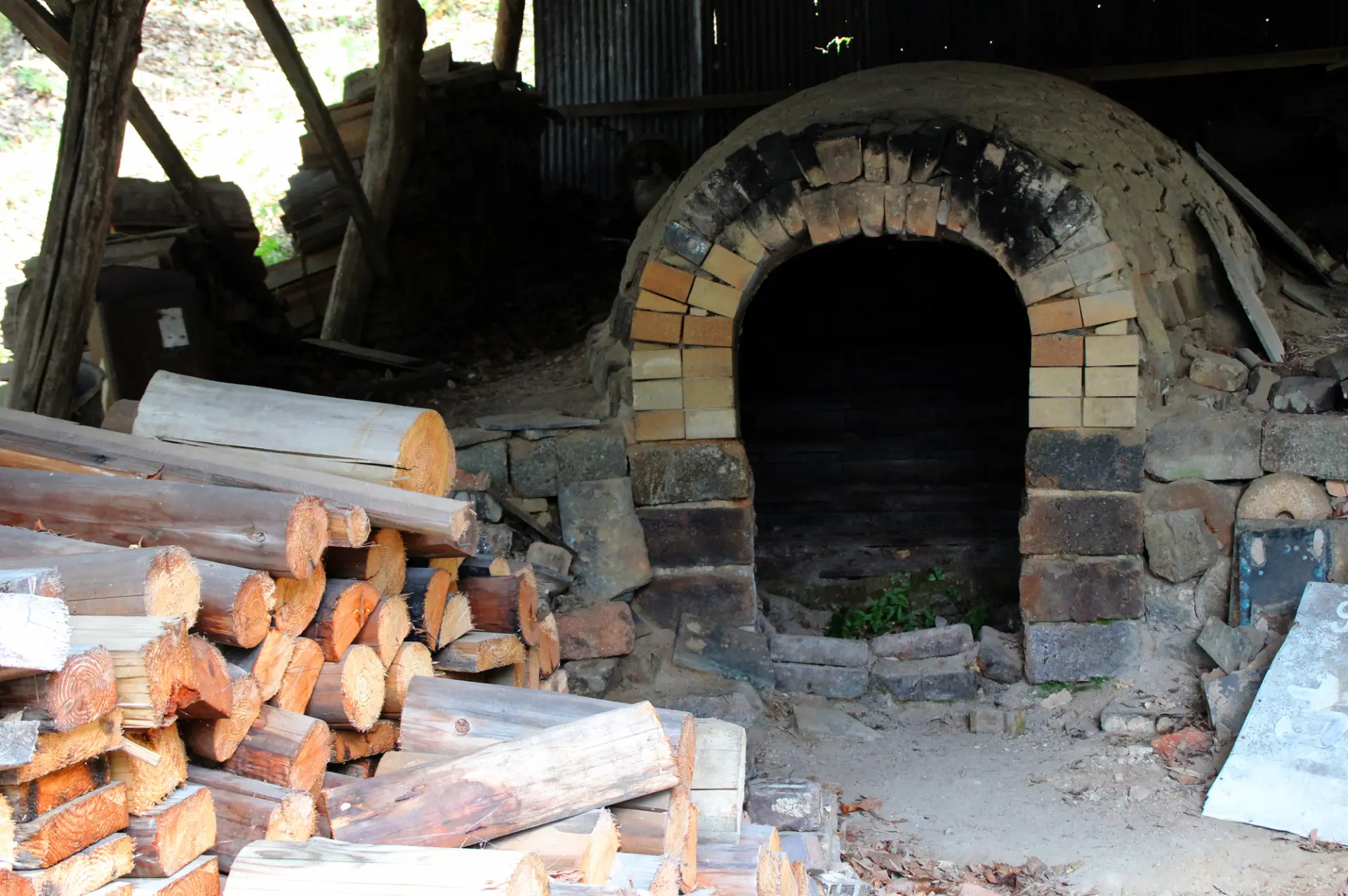
The hilly streets where many potteries are concentrated retain old noborigama (climbing kilns) and kiln chimneys, creating scenery unique to a historic pottery-producing area.
Distinctive potteries and galleries are scattered along the route, offering the chance to choose pieces while discovering the individual approaches of their makers.
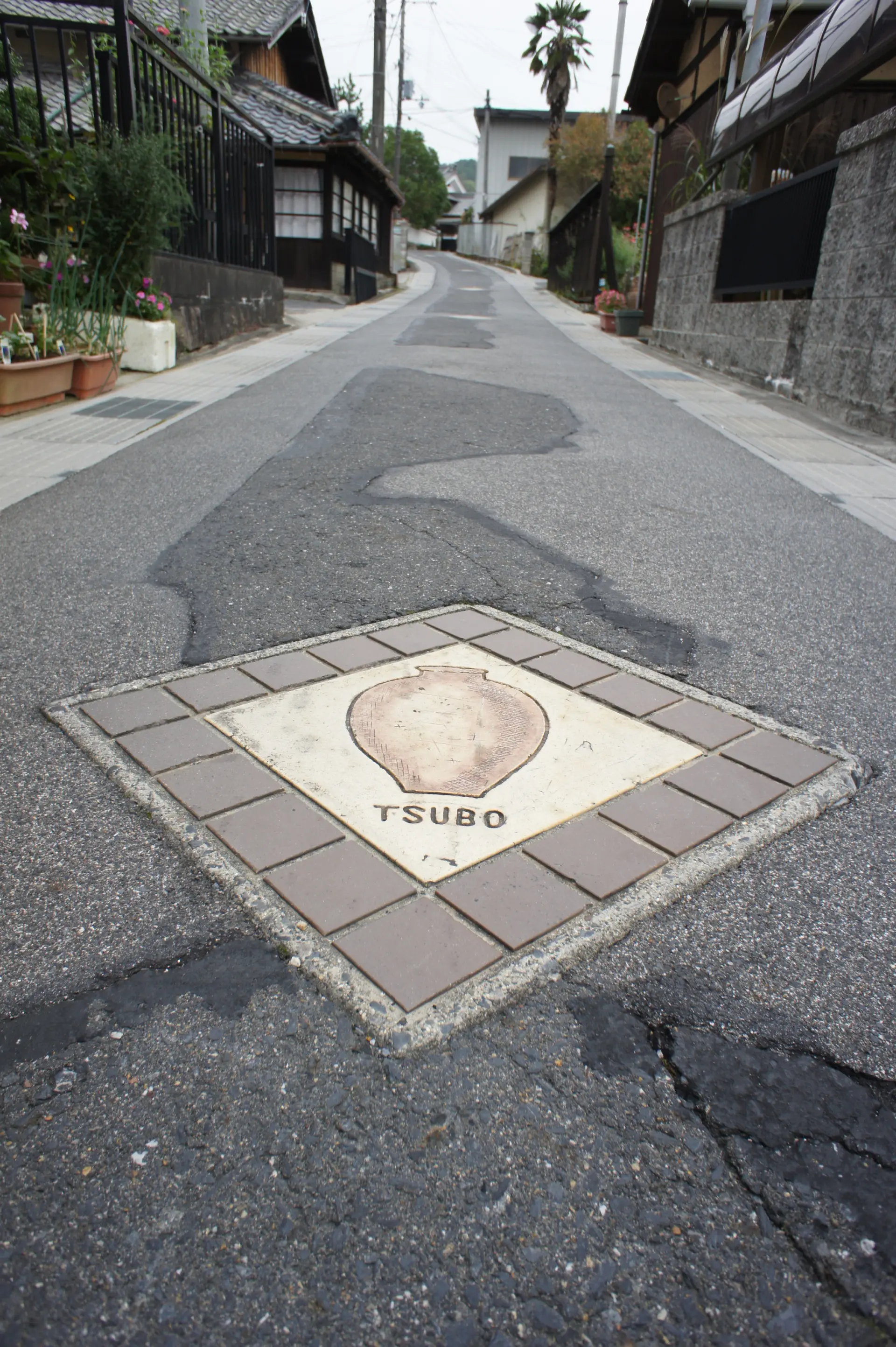
Shigaraki ware ceramic tiles are embedded in the road as markers, making the route easy to follow even for first-time visitors.
Enjoy the townscape as you search for a favorite piece of pottery to call your own.
- Japanese Name
- 窯元散策路
- Postal Code
- 529-1851
- Address
- Nagano, Shigaraki-cho, Koka City, Shiga Google Maps
- Access
-
1) About a 10-minute walk from Shigaraki Station on the Shigaraki Line of the Shigaraki Kogen Railway
2) About a 10-minute drive from Shigaraki IC on the Shin-Meishin Expressway - Official Website
- Official Website
4. MIHO MUSEUM|A World-Class Museum Where Architecture and Nature Intertwine
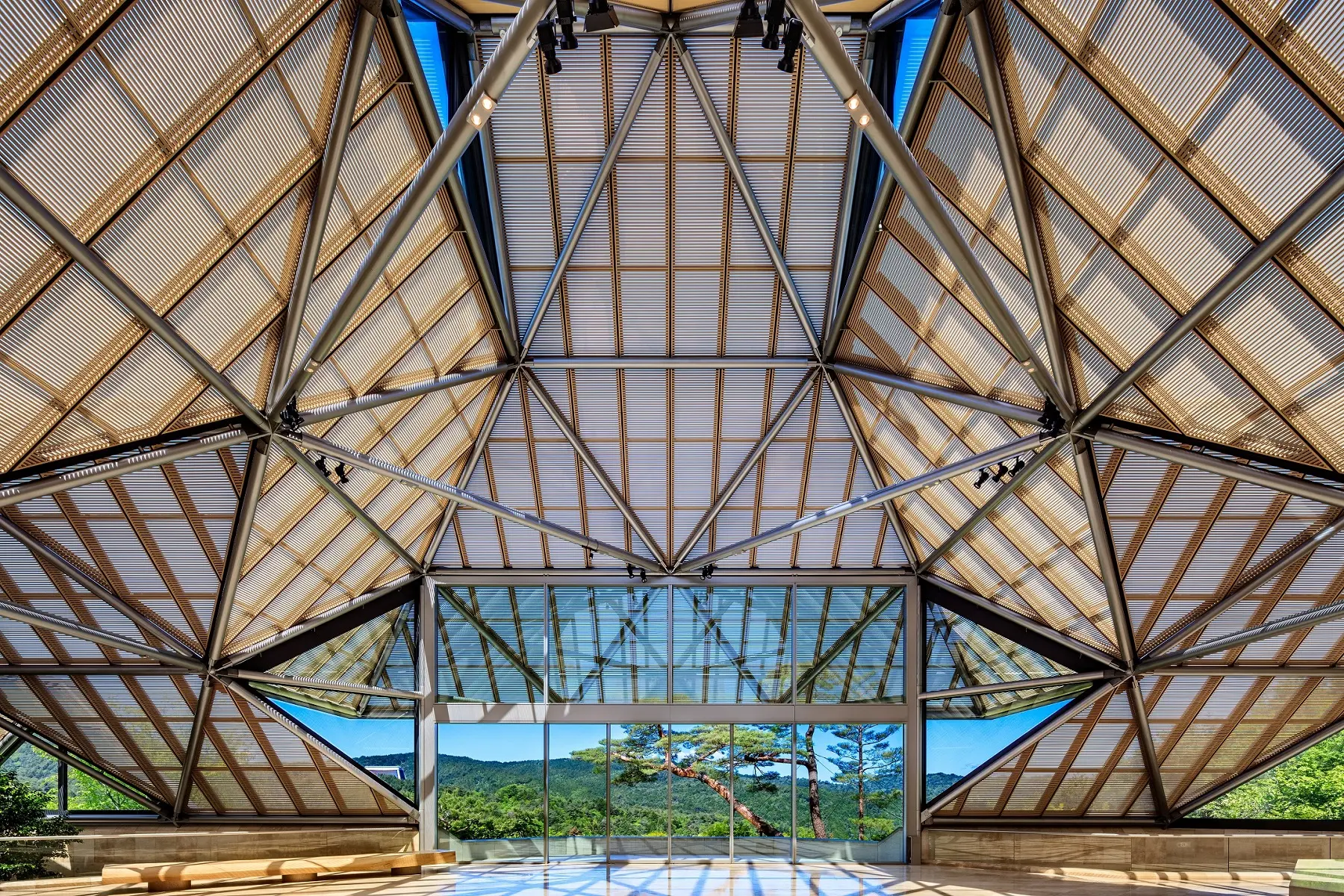
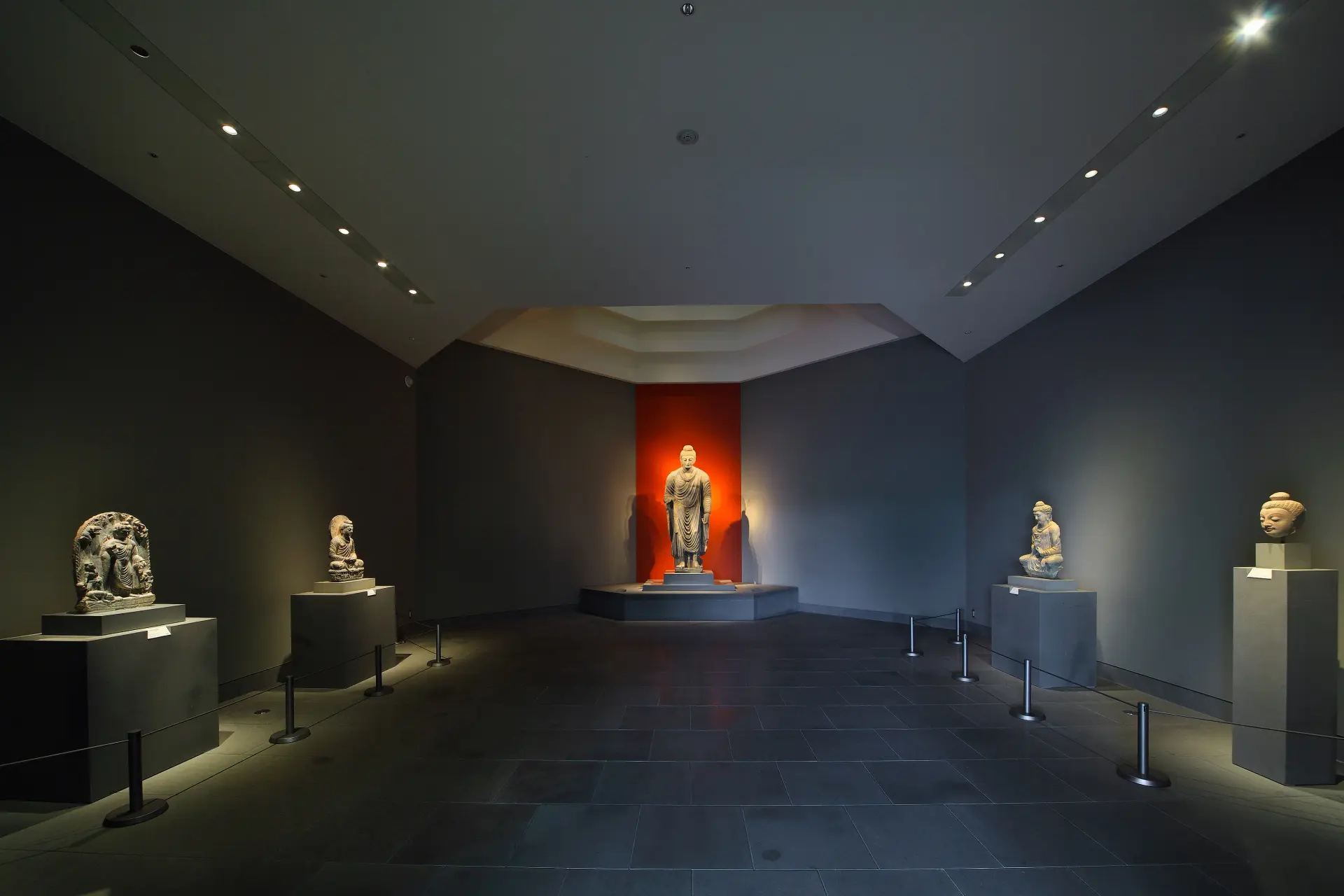
Set amid lush mountains, MIHO MUSEUM was designed around the theme of “Shangri-La” by architect I.M. Pei, known for the glass pyramid at the Louvre Museum.
About 80% of the building is set underground, and its distinctive architecture, composed of geometric arrangements of triangular forms, is itself like a work of art.
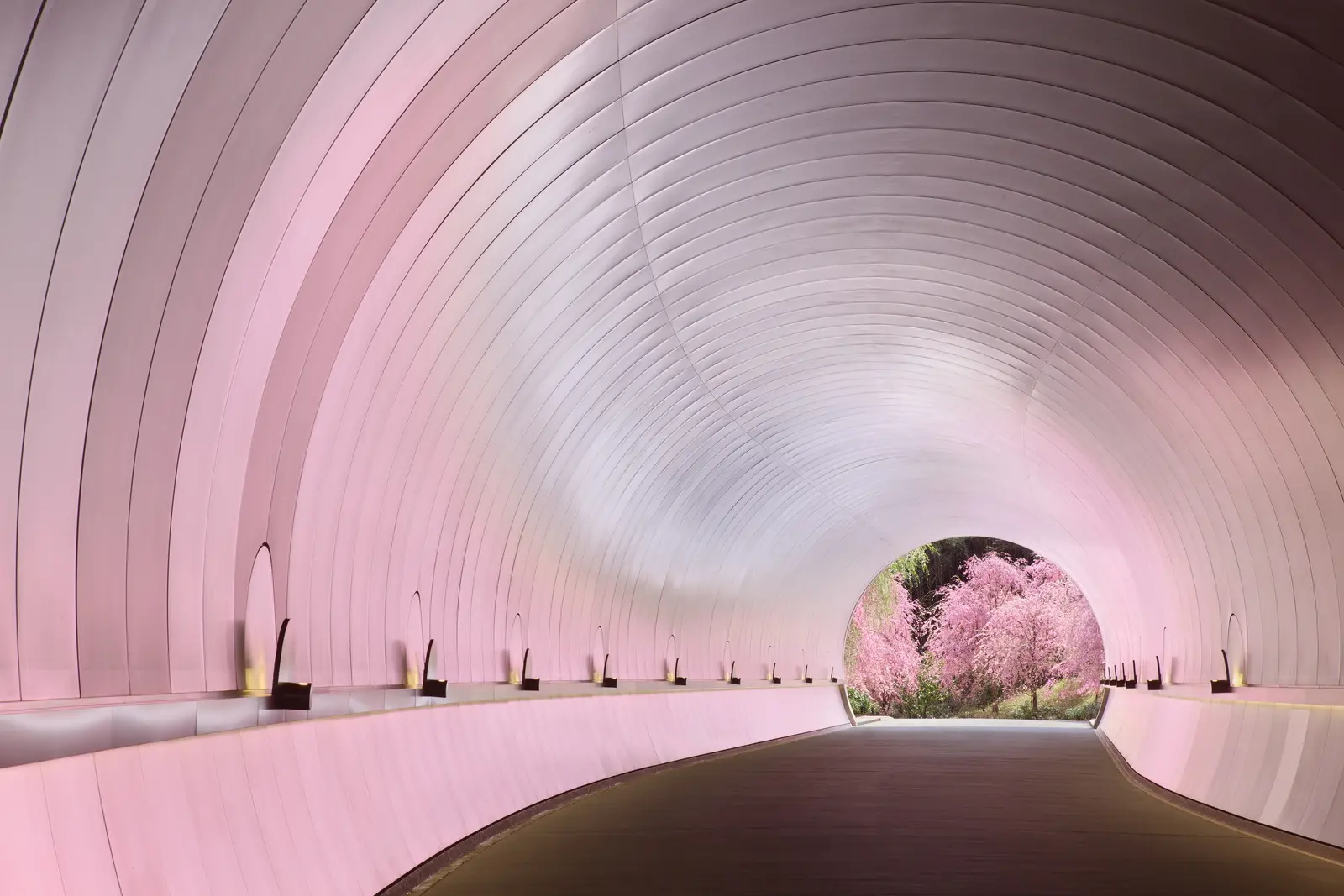
The approach, which takes visitors through a tunnel colored by cherry blossoms, fresh greenery, and other seasonal scenery before crossing a suspension bridge, creates the feeling of stepping into another world.
Inside, approximately 250 works are on display at any given time, including Japanese art and ancient art from regions around the world such as Egypt and Greece.
- Name in Japanese
- MIHO MUSEUM
- Postal Code
- 529-1814
- Address
-
300 Tashiro Momotani, Shigaraki-cho, Koka city, Shiga prefecture
Google Maps - Tel
- 0748-82-3411
- Holidays
-
Mondays (if it is a national holiday, closed on the next day. )
*Possible closed period due to exhibition changes. Check website for details - Business hour
-
Museum: 10:00 a.m. - 5:00 p.m. (Last admission 4:00 p.m.)
Museum shop: 10:00 a.m.- 5:00 p.m.
Cafe: 10:30 a.m. - 4:30 p.m.
Restaurant: 11:30 a.m. - 2:30 p.m. - Admission
- 1,300 yen
- Directions
- MIHO MUSEUM stop by the Teisan Bus from Ishiyama Station on the JR Biwako Line.
- Credit Cards
- Accepted
- Official Website
- Official Website (English)
5. Koka Ninja House|Experience Authentic Ninja Culture!
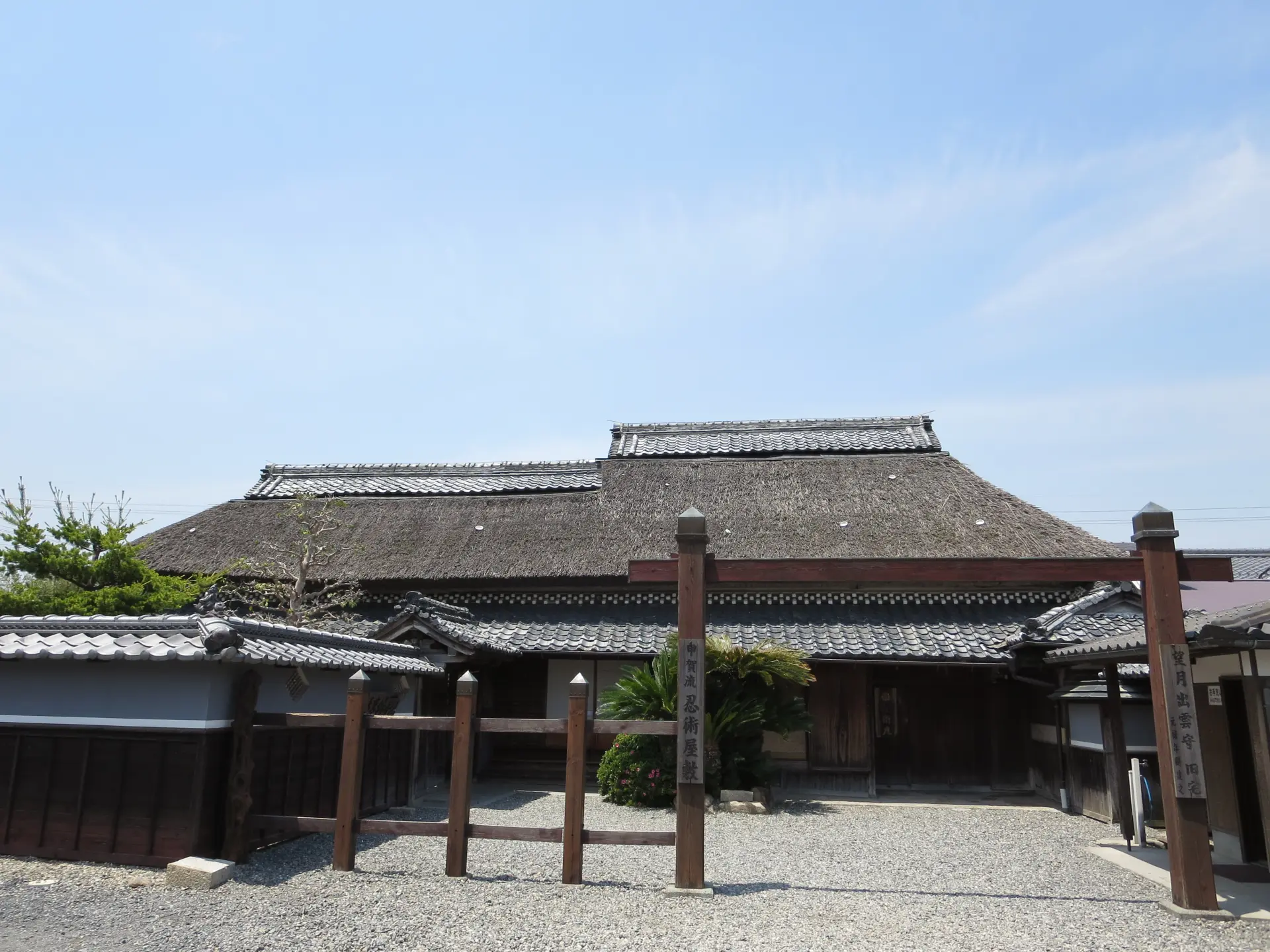
Located about a 20- to 30-minute drive from Shigaraki Station, Koka Ninja House (Koka-ryu Ninjutsu Yashiki) is the only surviving authentic ninja house in Japan.
It is the former residence of the Mochizuki family, one of the leading families among the Koka ninja, and the building, believed to have been constructed about 300 years ago, retains its appearance from that time.
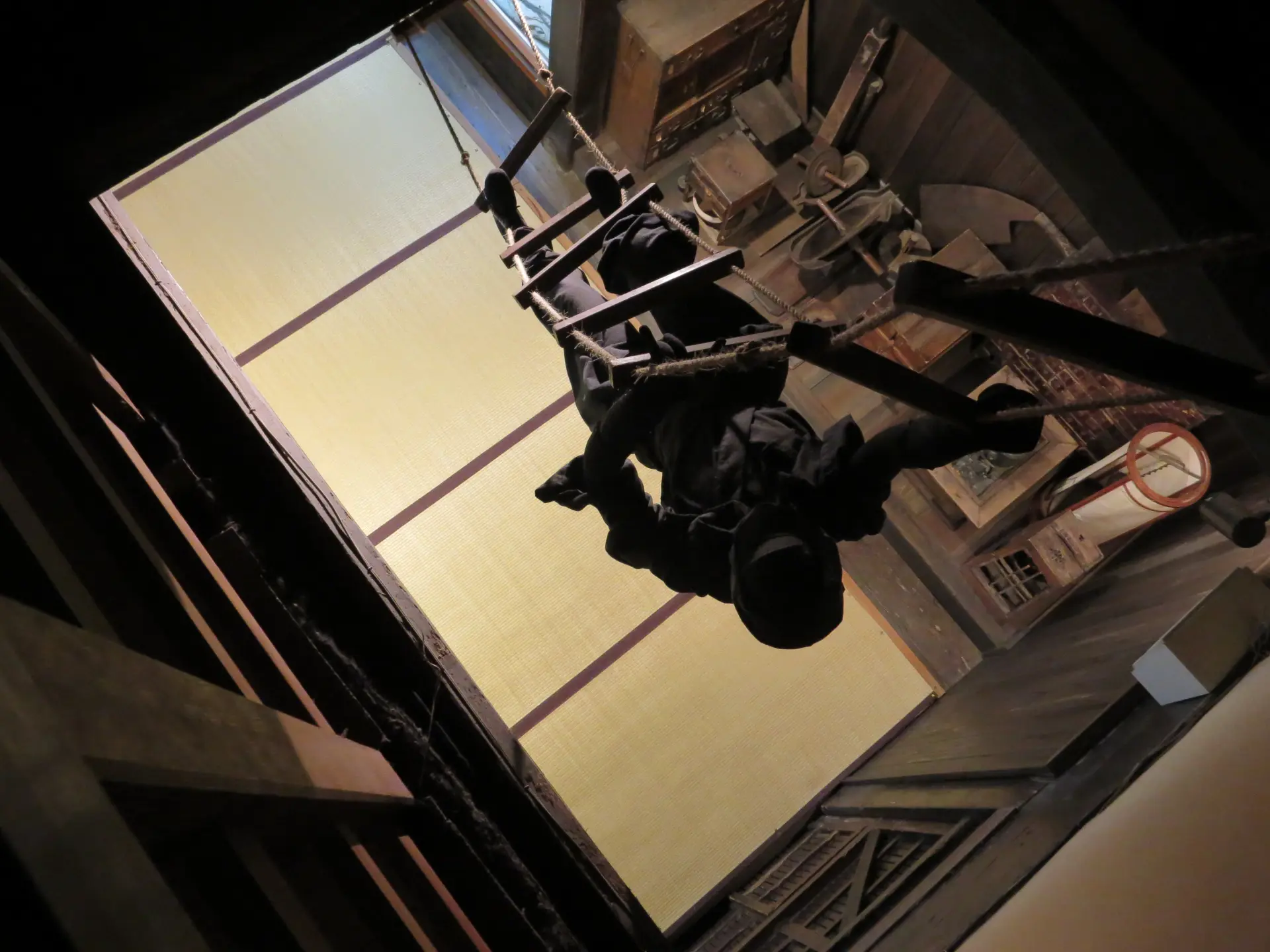
Inside are various defensive devices designed to protect residents from enemies, including hidden doors, pitfalls, and secret staircases, allowing visitors to experience the ingenuity and daily life of the Koka ninja.
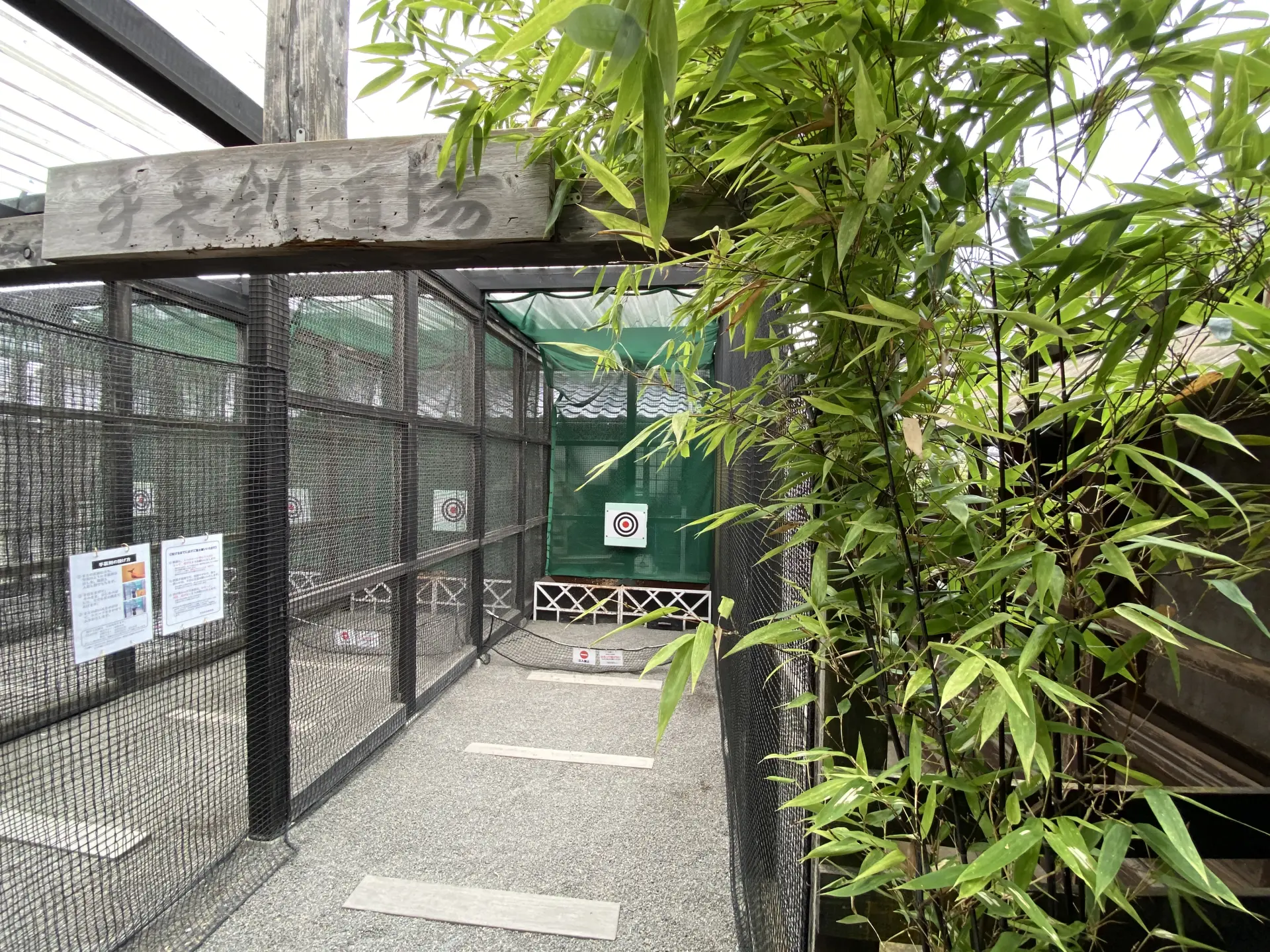
Visitors can also try shuriken (ninja throwing star) throwing for an additional fee and sample a secret ninja herbal tea, making this an engaging spot for children and adults alike.
- Name in Japanese
- 甲賀流 忍術屋敷
- Postal Code
- 520-3311
- Address
-
2331 Ryuhoshi, Konan-cho, Koka City, Shiga
Google Maps - Phone
- 0748-86-2179
- Closed on
- Every Wednesday, the fourth Thursday
- Hours
- Weekdays 10:00am-4:00pm (Reception closes at 3:30pm), Saturdays, Sundays, and holidays 10:00am-5:00pm (Reception closes at 4:30pm)
- Admission
- Adults (junior high school students and older) 800 yen, Children (ages 3 and older) 600 yen
- Access
- Approx. 20 minutes on foot from JR Konan Station, 5 minutes by car
- Credit Cards
- Not accepted
- Official website
- Official website (English)
2 Must-Visit Shigaraki Gourmet Spots for Dining with Shigaraki Ware
Shigaraki offers distinctive local dining experiences featuring Shigaraki ware tableware and ingredients from Shiga.
Here are Three spots where you can discover Shigaraki's appeal through both the tableware and the cuisine.
1. Suenobe Ryori Uosen|Seasonal Japanese Cuisine Served on Shigaraki Ware
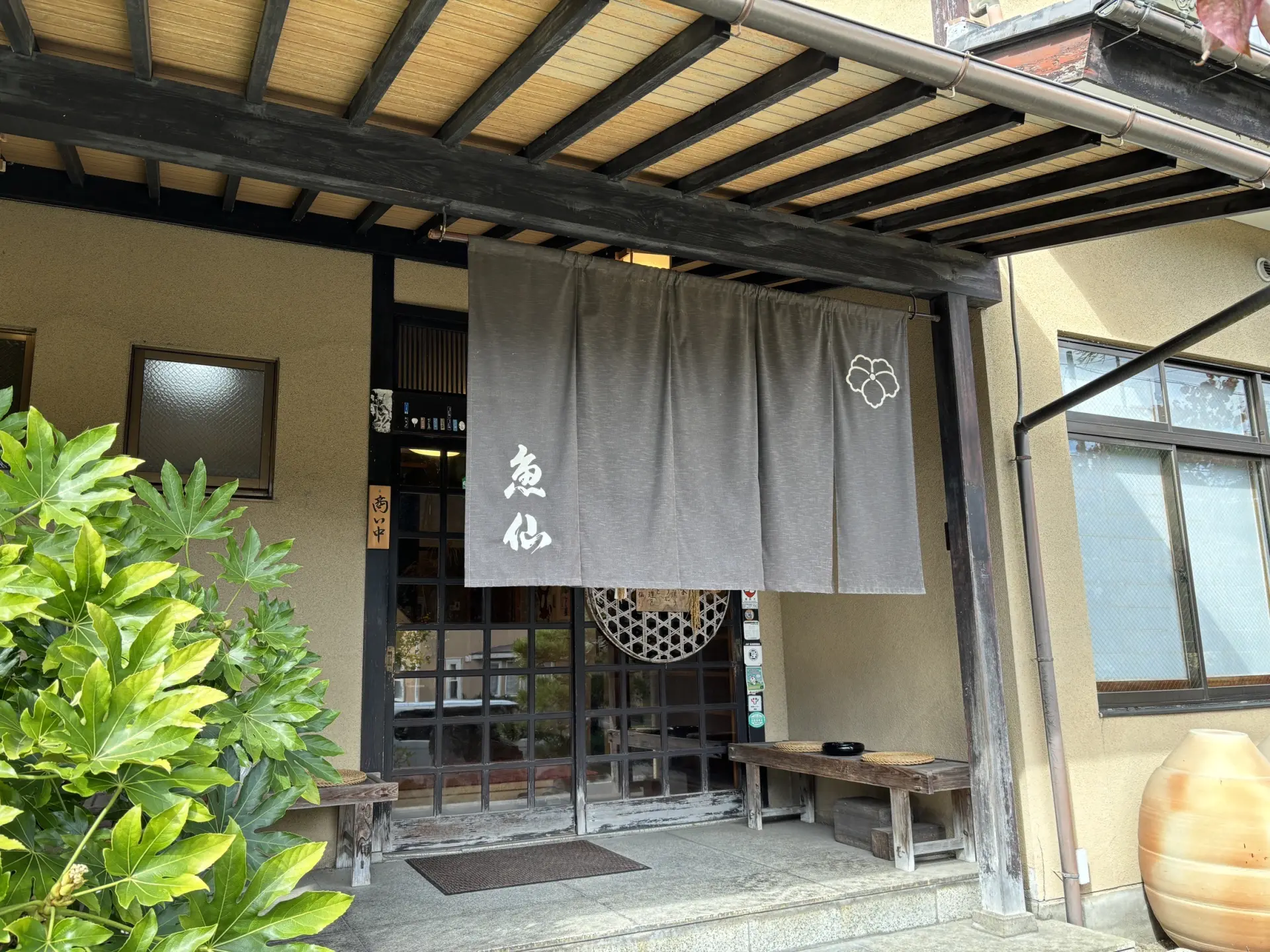
Founded in 1913, Suenobe Ryori Uosen is a long-established restaurant about an eight-minute walk from Shigaraki Station.
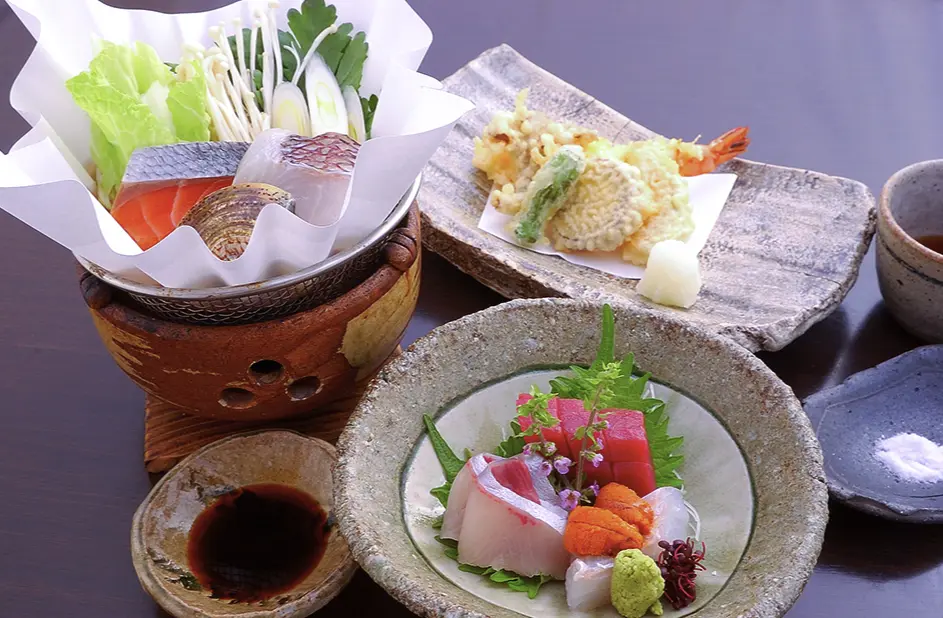
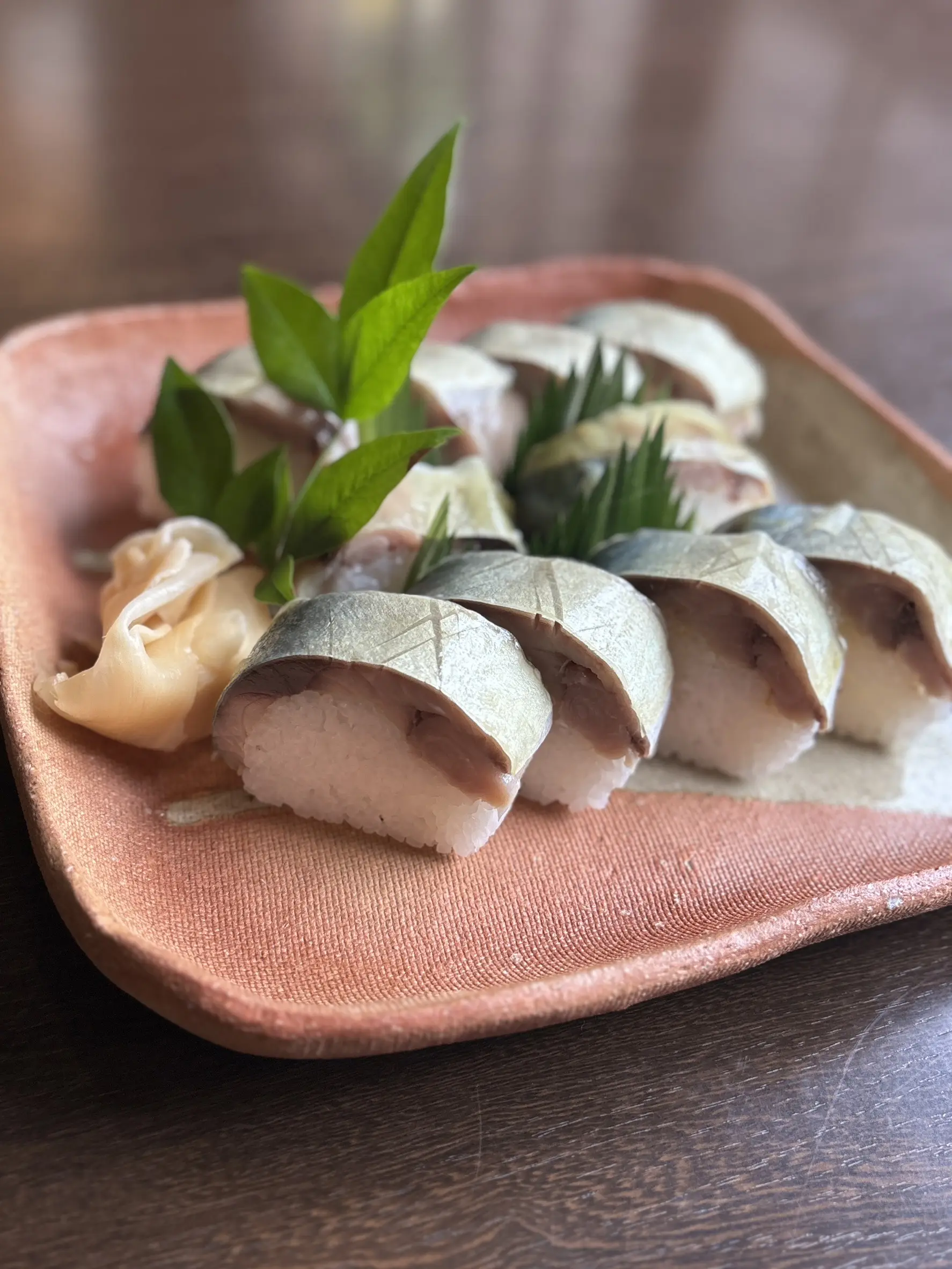
Originally established as a freshwater fish shop, it now serves Japanese cuisine incorporating local ingredients such as Omi Beef and fish and shellfish from Lake Biwa.
The dishes prepared by the fourth-generation owner, who trained at a long-established restaurant in Kyoto, are delicate and refined.
The owner also has a deep appreciation for pottery, and the harmony between each dish and the carefully selected Shigaraki ware on which it is served is one of the restaurant's distinctive charms.
Guests can enjoy seasonal flavors of Shiga throughout the year, including sansai (edible wild plants) in spring, mushrooms in autumn, and game meat in winter.
- Japanese Name
- 陶の辺料理 魚仙
- Postal Code
- 529-1851
- Address
- 1334-2 Nagano, Shigaraki-cho, Koka City, Shiga Google Maps
- Phone
- 0748-82-0049
- Hours
- 11:30 am-2:00 pm, 5:00 pm-9:00 pm
- Closed
- Monday *Closed on Tuesday when Monday is a holiday
- Budget
- Lunch from 3,000 yen; dinner from 6,000 yen
- Access
-
1) About an 8-minute walk from Shigaraki Station on the Shigaraki Line of the Shigaraki Kogen Railway
2) About an 8-minute drive from Shigaraki IC on the Shin-Meishin Expressway - Credit Cards
- Accepted
- Official Website
- Official Website
2. Kama-to no Mori | Lunch and Desserts Served on Artisan Tableware
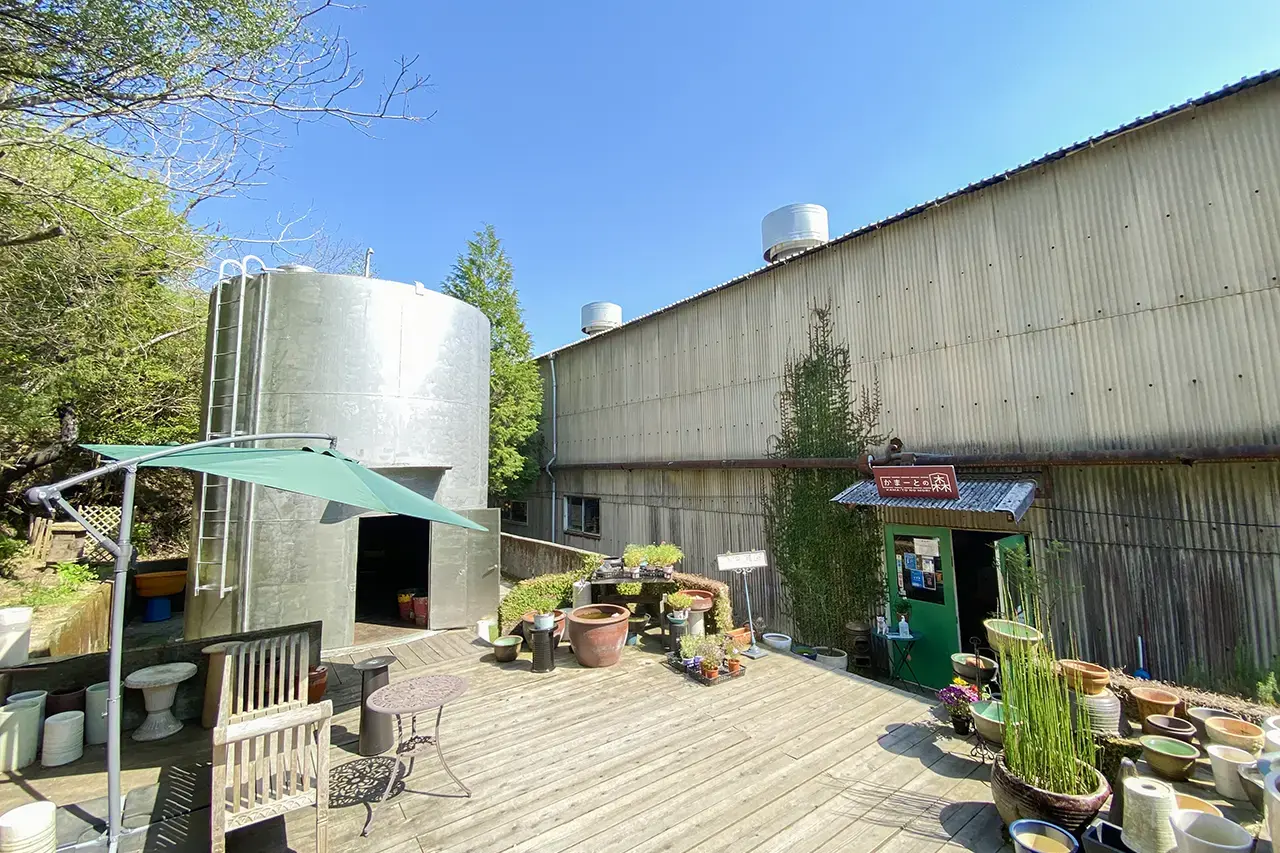
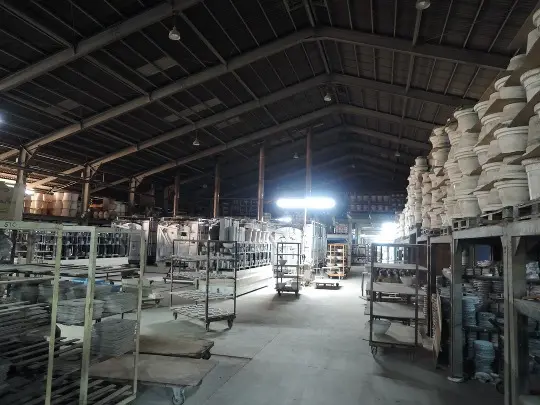
Run by Shigaraki ware producer Kato Co., Ltd., this complex combines a café, a shop, and a gallery. It opened in 2013 on the former site of an 80-meter-long tunnel kiln that had operated for 40 years before being dismantled.
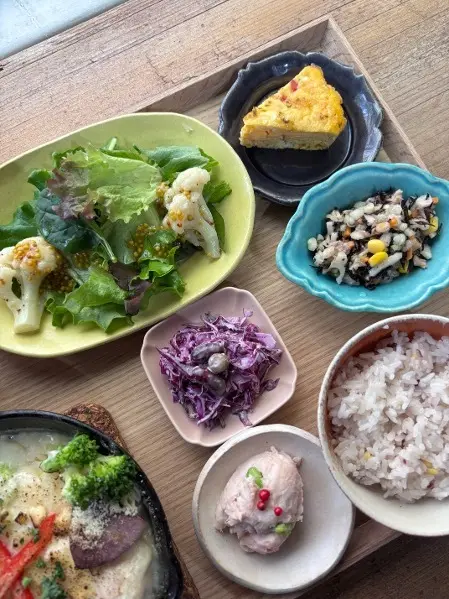
The café serves lunch and desserts on tableware crafted by ceramic artists. Soft jazz sets a relaxed mood, while views of the garden’s changing seasonal scenery add to the dining experience.
The gallery showcases ceramics and other works by young artists, and the shop offers pottery and a variety of home goods. Enjoy a meal and discover the many forms of craftsmanship that take shape from Shigaraki clay.
- Name in Japanese
- かまーとの森
- Postal Code
- 529-1851
- Address
-
1361-4 Nagano, Shigaraki-cho, Koka City, Shiga Prefecture
Google Maps - Phone
- 0748-69-5466
- Closed on
- Tuesdays
- Hours
- 10:00 a.m.–5:00 p.m.
- Price Range
- 2,000 yen
- Access
- About 5 minutes by car or 20 minutes on foot from Shigaraki Station on the Shigaraki Kohgen Railway
- Credit Cards
- Accepted
- Official website
- Official website (Japanese)
3. Donabe Gohan & CAFE Mutsumian|A Kominka Cafe Serving Donabe Rice
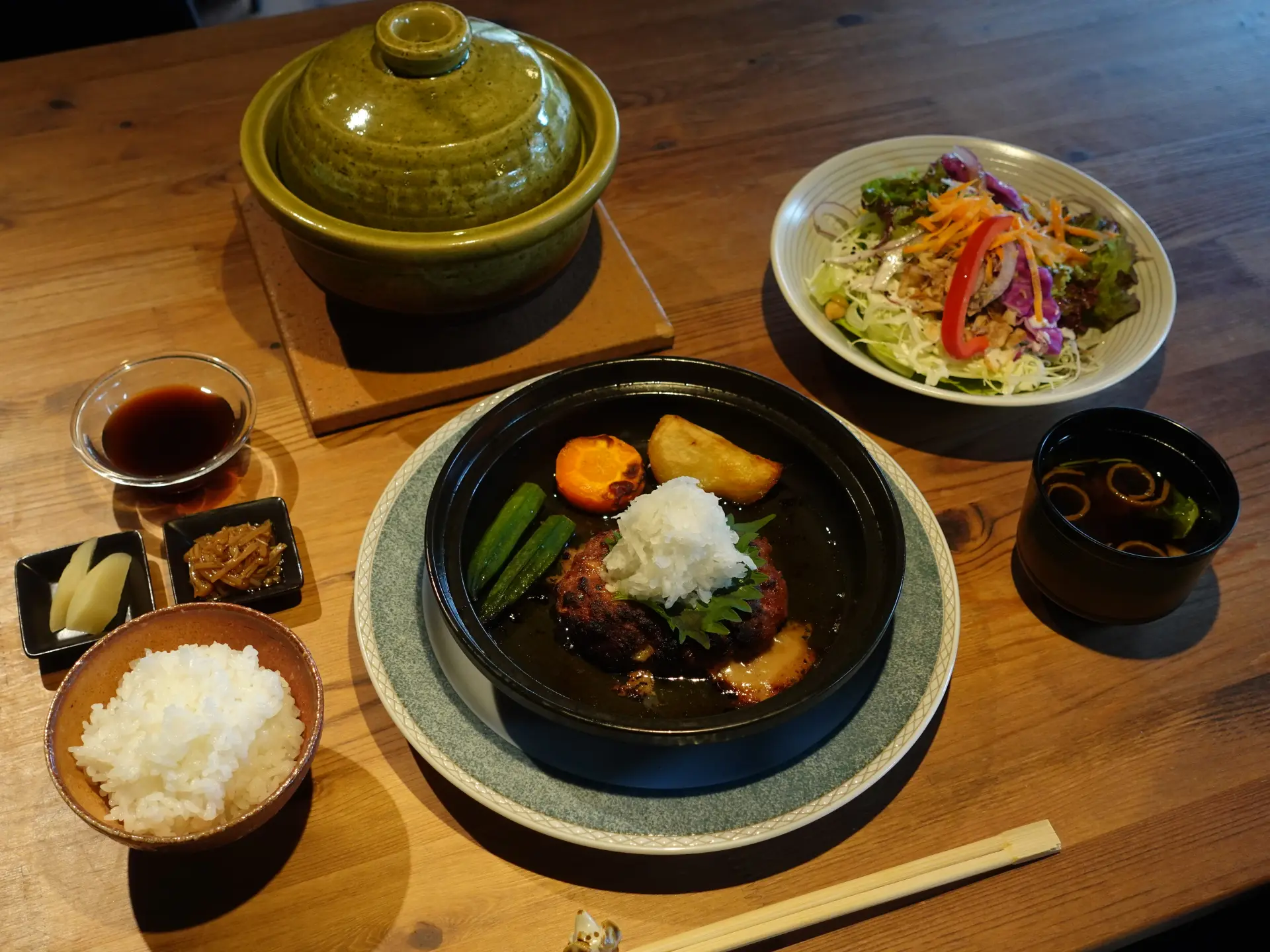
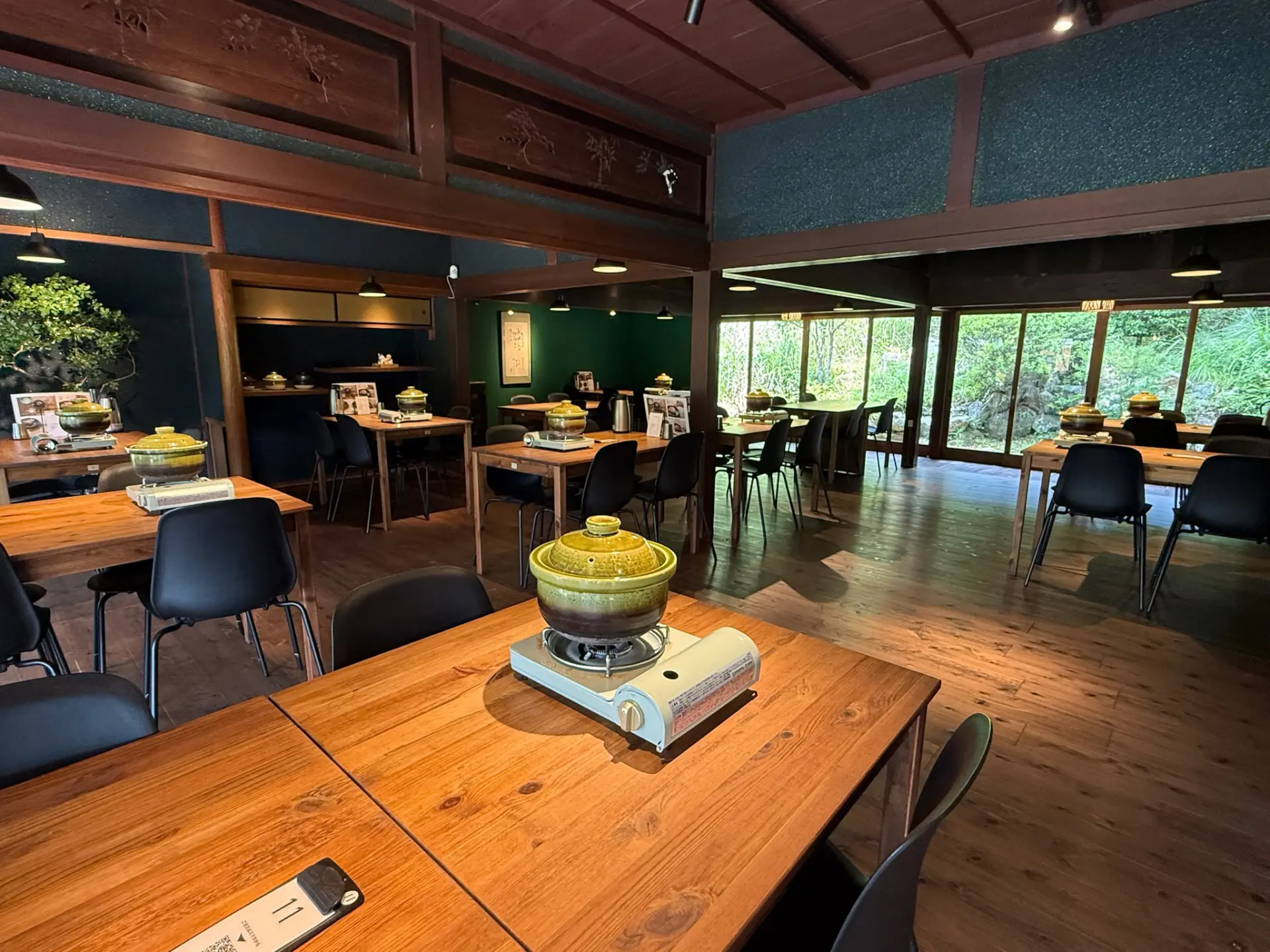
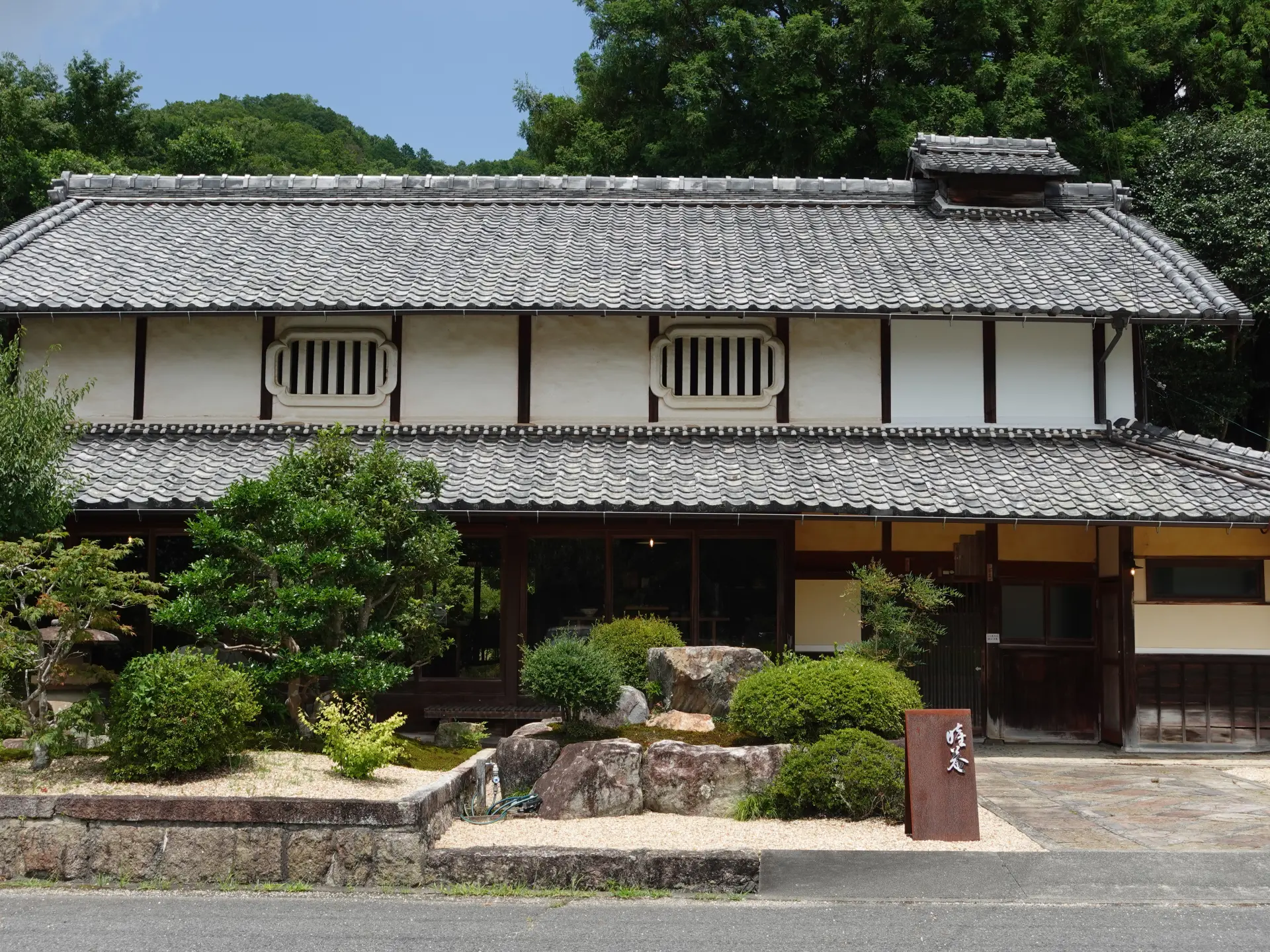
Mutsumian is a popular restaurant housed in a roughly 150-year-old kominka (traditional Japanese house), known for rice cooked in Shigaraki ware donabe.
Using home-grown rice, each guest cooks an individual serving of rice in their own donabe.
The rice has a fluffy texture and a pronounced natural sweetness, and can be enjoyed as part of set meals served with dishes such as hamburger steak or grilled fish.
While waiting for the rice to cook, guests can choose the Shigaraki ware rice bowl and chopstick rest they will use for their meal.
Watching the steam rise from the donabe as the rice cooks is another pleasure unique to the restaurant.
The interior is filled with the warmth of wood, creating the calm atmosphere of a traditional Japanese house.
It is a great place to stop for lunch after exploring the Pottery Quarter or whenever you want to relax and take a break.
- Japanese Name
- 土鍋ごはん&CAFE 睦庵
- Postal Code
- 529-1812
- Address
- 401 Koyama, Shigaraki-cho, Koka City, Shiga Google Maps
- Phone
- 0748-82-3460
- Hours
- 11:00 am-3:30 pm (Last order: 2:30 pm); Saturdays, Sundays, and holidays 10:30 am-4:00 pm (Last order: 3:00 pm)
- Closed
- Friday
- Budget
- From 2,980 yen
- Access
-
1) About a 10-minute drive from Shigaraki Station on the Shigaraki Line of the Shigaraki Kogen Railway
2) About a 30-minute drive from Shigaraki IC on the Shin-Meishin Expressway - Credit Cards
- Accepted
- Official Website
- Official Website
Recommended Seasons for Sightseeing in Shigaraki
Shigaraki lies on a plateau at an elevation of around 300 meters, and winters can be bitterly cold, sometimes covering the area in snow.
The quiet winter scenery has its own appeal, but spring through autumn is recommended for easier sightseeing.
Autumn is particularly popular, when large-scale pottery markets are held and pottery enthusiasts visit from across Japan.
| Season | Characteristics | Major Events |
|---|---|---|
| Spring (March-May) | Beautiful fresh greenery and comfortable weather | Shigaraki Station Front Pottery Market, Shigaraki Sakkaichi (Shigaraki Artists' Market) |
| Summer (June-August) | Cooler than the shores of Lake Biwa because of the mountainous setting, though some days can still be hot and humid | Indoor pottery-making experiences and museum visits are recommended |
| Autumn (September-November) | Autumn foliage begins changing color relatively early because of the higher elevation | Shigaraki Pottery Festival, Ceramic Art Market |
| Winter (December-February) | Among the coldest areas in the Kinki region, with occasional snowfall | A less-crowded season when visitors can quietly explore local potteries |
3 Things to Keep in Mind When Sightseeing in Shigaraki
Spread across a nature-rich satoyama landscape, Shigaraki has several travel considerations that differ from those in major cities.
Here are three points worth checking before your trip.
1. Check Public Transportation Schedules in Advance
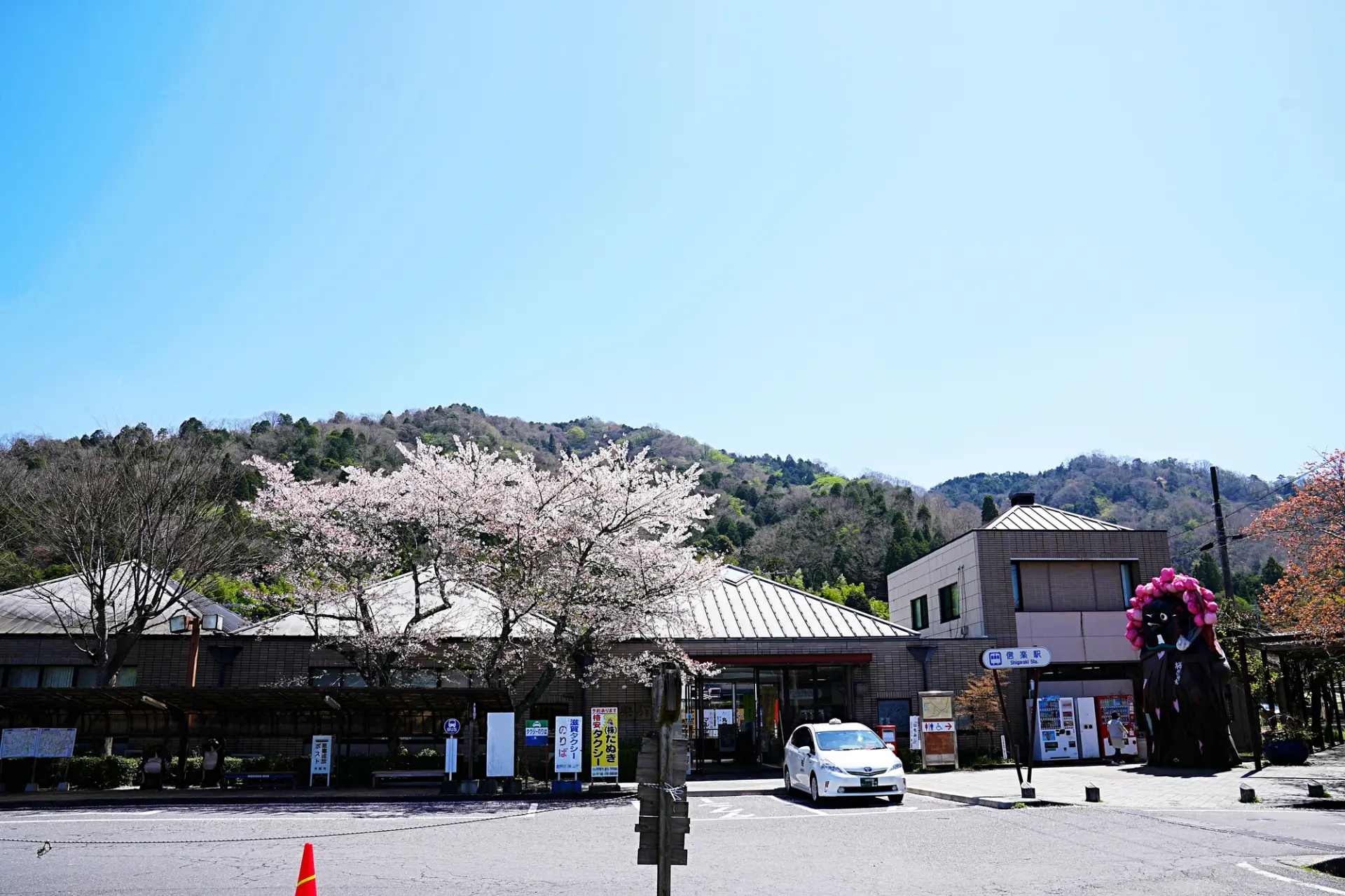
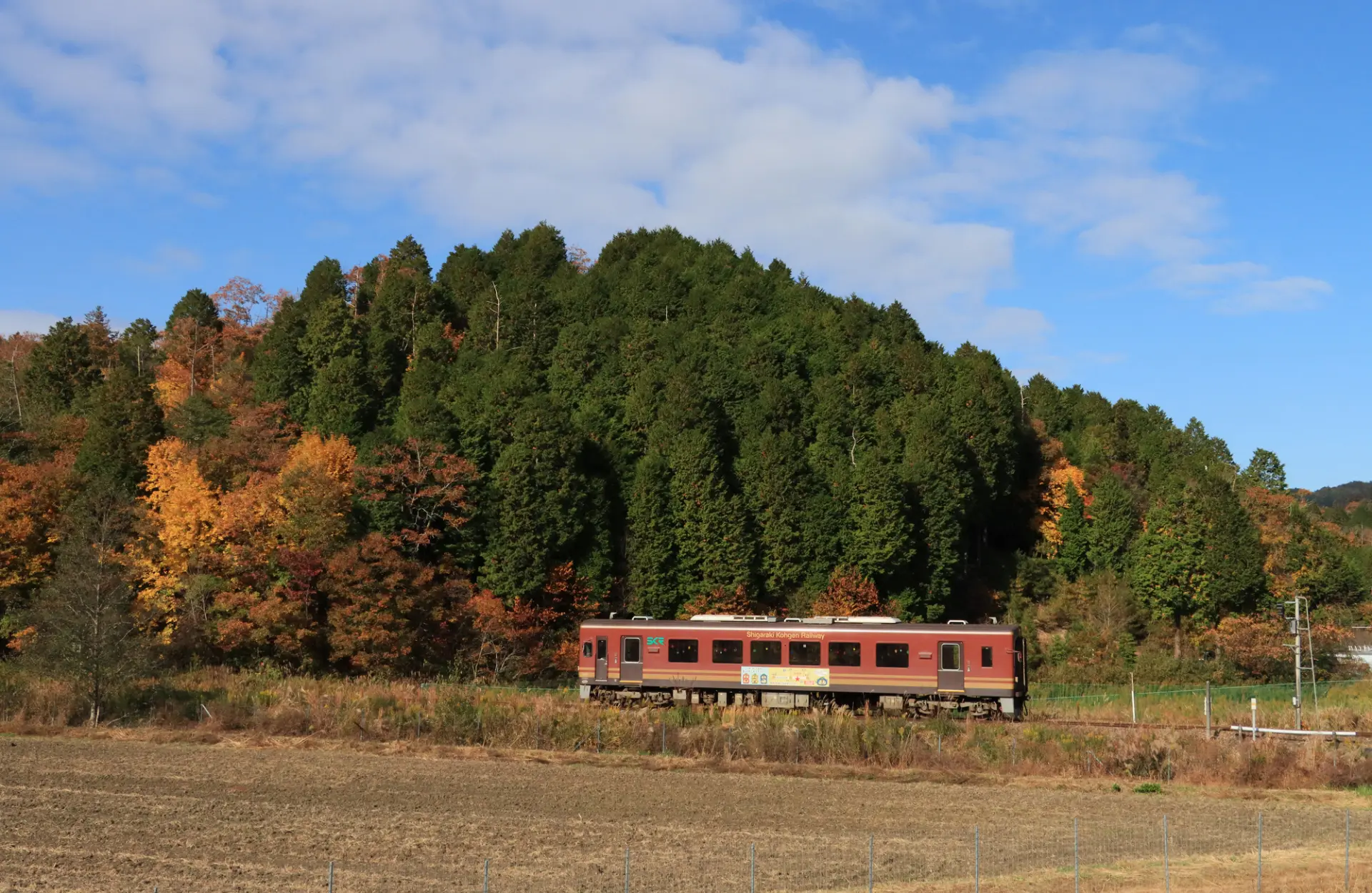
The Shigaraki Kogen Railway can be used to travel around the Shigaraki area, but services are limited, so it is a good idea to check the timetable before your visit.
If you also plan to visit spots farther from the station, using a rental car or taxi can make sightseeing more efficient.
2. Advance Reservations Are Recommended for Pottery Experiences and Popular Spots
Advance reservations are required or recommended for many activities and venues, including pottery experiences at Shigaraki Toen Tanuki Mura, hands-on programs at local potteries, and noborigama cafes.
Weekends and peak sightseeing seasons can be particularly busy, so once your travel date is set, it is best to check availability early.
3. Dress for the Mountain Climate
Shigaraki is located in a mountainous area, and even in summer the mornings and evenings can feel cool, so bringing a light outer layer is recommended.
There are also many opportunities to walk on slopes, including along the Pottery Quarter, so comfortable walking shoes are best for exploring the town.
Access to Shigaraki
The main gateway for sightseeing in Shigaraki is Shigaraki Station, the terminus of the Shigaraki Kogen Railway.
Visitors can reach Shigaraki from Kyoto or Osaka by transferring between trains, while a rental car is also convenient if you plan to visit several sightseeing spots.
By car, it takes about 10 minutes from Shigaraki IC on the Shin-Meishin Expressway to the area around Shigaraki Station.
- Kusatsu Station (Shiga Prefecture)
- Take the JR Kusatsu Line to Kibukawa Station, then transfer to the Shigaraki Kogen Railway (About 1 hour)
- Kyoto Station (Kyoto Prefecture)
- Take the JR Biwako Line to Kusatsu Station, then use the JR Kusatsu Line and Shigaraki Kogen Railway (About 1 hour 30 minutes-2 hours)
- Osaka Station (Osaka Prefecture)
- Take the JR Kyoto Line and JR Biwako Line to Kusatsu Station, then use the JR Kusatsu Line and Shigaraki Kogen Railway (About 2 hours)
FAQs about Sightseeing in Shigaraki
Q
How much time do I need for sightseeing in Shigaraki?
If you want to enjoy pottery-making experiences and museums at a relaxed pace, it is best to allow a full day. A 1-night, 2-day trip is also recommended if you plan to visit Koka Ninja House.
Q
Can I combine sightseeing in Shigaraki with a visit to Lake Biwa?
Yes. Shigaraki is located in southeastern Shiga Prefecture, and you can enjoy an itinerary combining it with sightseeing spots around Lake Biwa, such as Hikone Castle and Omihachiman.
Q
Can I try a pottery-making experience without a reservation?
Some facilities accept same-day participants, but availability may depend on crowd levels and the type of experience you want, so advance reservations are recommended.
Q
Are pottery-making experiences available with English-language guidance?
Language support varies by facility. It is a good idea to check the official website for multilingual support before visiting.
Summary
One of Shigaraki's greatest appeals is the chance to discover the depth of its pottery culture by seeing, making, and enjoying ceramics for yourself.
Walk through its historic streets, create your own piece in a pottery-making experience, and enjoy local flavors served on Shigaraki ware to gain a closer sense of the area's distinctive character and culture of craftsmanship.
Rather than simply admiring it from afar, experience with all five senses the pottery culture that has been shaped by clay and fire.