
![[Omihachiman Travel Guide] Visit a Town Where Waterways and History Live On: Enjoy Charming Streets and Scenic Views](https://static.gltjp.com/glt/data/article/22000/21411/20260506_112334_955de29b_w1920.webp)
[Omihachiman Travel Guide] Visit a Town Where Waterways and History Live On: Enjoy Charming Streets and Scenic Views
Located in central Shiga Prefecture, Omihachiman is a nostalgic city where tranquil waterside scenery blends beautifully with historic streetscapes.
In this article, we introduce carefully selected spots, from classics like Hachiman-bori to hands-on attractions.
You can enjoy the area’s unique charms, including traditional boat cruises through the waterways, town walks, and scenic views.
Let yourself slow down and set out on a relaxing journey.
What is Omihachiman Like?
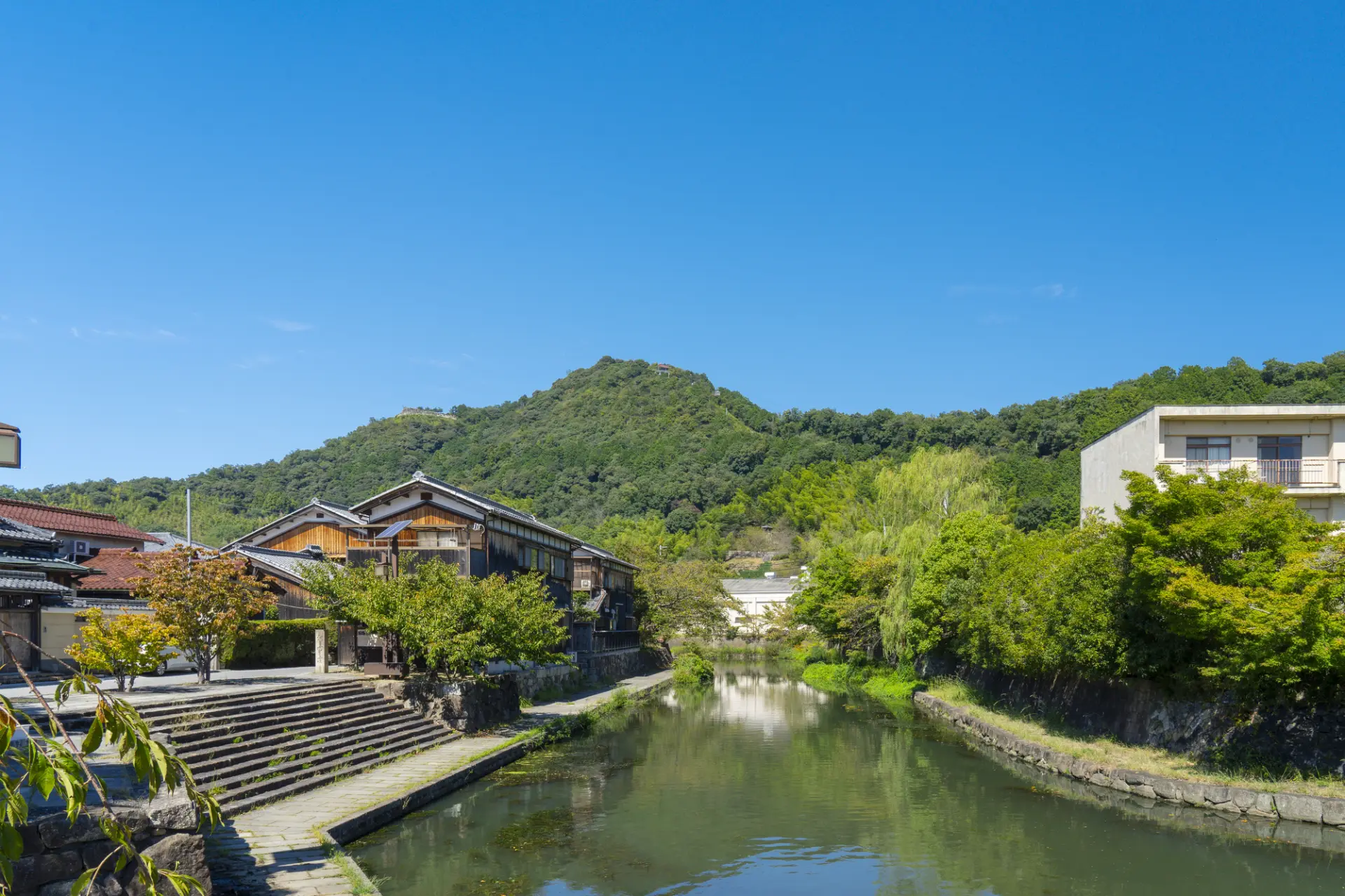
Located near the center of Shiga Prefecture on the eastern shore of Lake Biwa, Omihachiman is a travel destination known for its waterways and historic streetscapes.
During the Sengoku period, it developed as the castle town of Azuchi Castle, built by Oda Nobunaga, and later flourished as a base for Omi merchants.
Hachiman-bori and streets lined with white-walled buildings still remain today, creating a charming atmosphere.
It is an area where you can enjoy history, nature, and food in a well-balanced way, from waterway cruises by traditional Japanese boat to walks through traditional architecture and sweets hopping.
What is the Best Season to Visit Omihachiman?
If you are visiting Omihachiman, spring (March–April) and fall (October–November) are especially recommended.
In spring, cherry blossoms bloom along Hachiman-bori, adding bright color to the waterways and townscape.
In fall, autumn leaves bring depth to the scenery, letting you enjoy walks and waterway cruises at a relaxed pace in a calm atmosphere.
With milder weather, it is a comfortable season for leisurely walks and waterway cruises.
What to Wear in Omihachiman by Season
- Spring (March–May)
- Light jacket or cardigan
- Summer (June–August)
- Light clothing, short sleeves
- Fall (September–November)
- Light jacket, coat
- Winter (December–February)
- Coat, thick sweater or jacket
How Do You Get to Omihachiman?
The nearest station is Omihachiman Station on the JR Biwako Line.
It has convenient access from major cities: Approx. 35 minutes from Kyoto Station by Special Rapid train and Approx. 1 hour from Osaka Station, making it easy to combine with sightseeing in the Kansai region.
From the airport, you can take JR trains from Kansai International Airport via Kyoto or Osaka in Approx. 1 hour 30 minutes to 2 hours, or travel from Itami Airport by limousine bus and train in Approx. 1 hour 30 minutes.
Main Transportation Options for Sightseeing in Omihachiman
For sightseeing within the city, rental bicycles are convenient in addition to walking.
You can efficiently explore the Hachiman-bori and townscape areas by bicycle.
For suburban spots and the Azuchi area, buses or taxis are more practical and are also recommended if you want to make good use of your time.
9 Popular Attractions Around Omihachiman
Here are carefully selected spots where you can experience the unique appeal of Omihachiman, from tranquil waterside scenery and historic streetscapes to historic sites connected to Nobunaga.
A blend of beautiful landscapes and engaging experiences makes this area highly satisfying, even for first-time visitors.
With so many ways to enjoy it, from town walks and waterway cruises to scenic viewpoints, be sure to visit and fully experience its charm.
1. Hachiman-bori
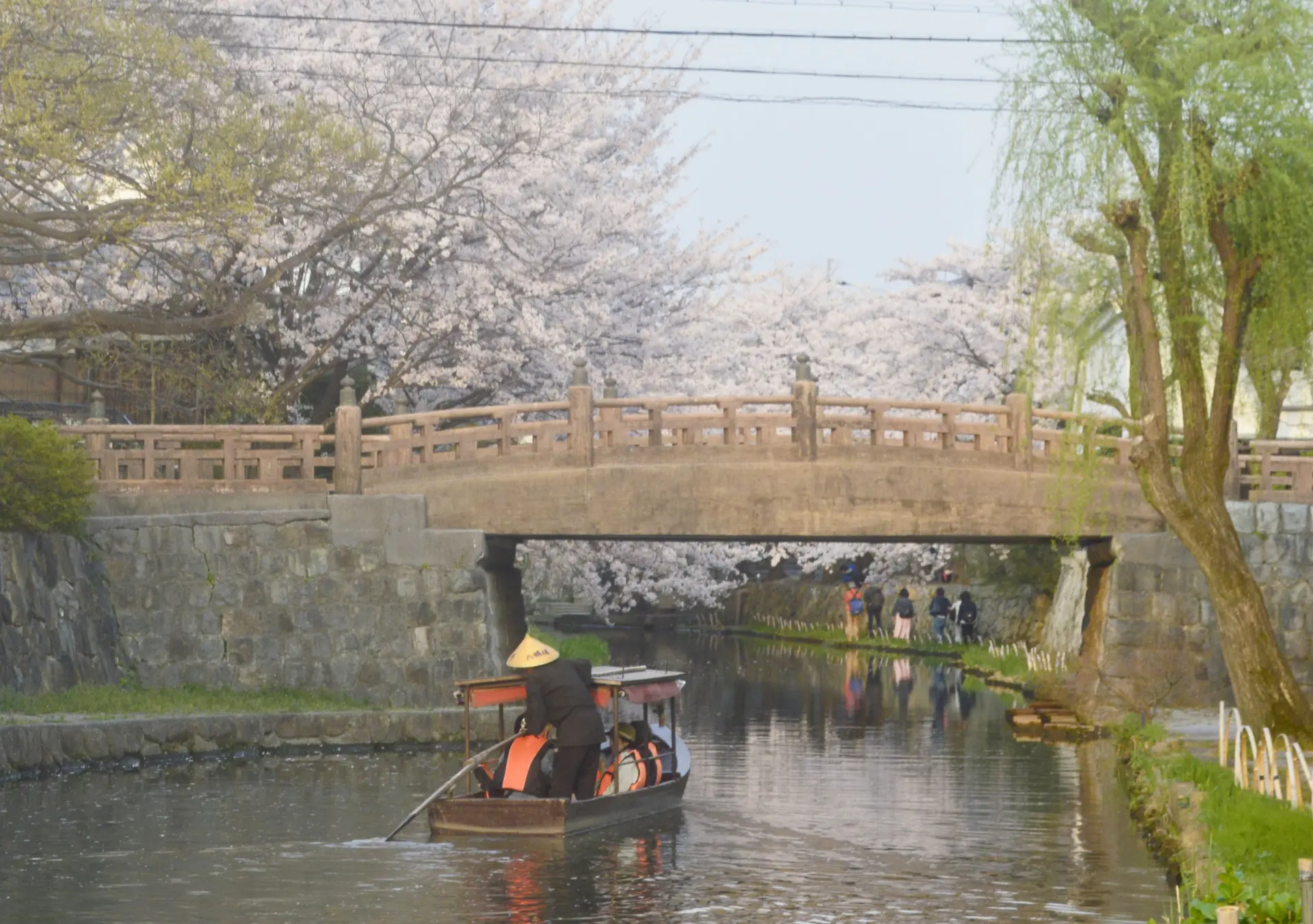
Hachiman-bori is a canal built as the moat of Hachimanyama Castle, known for its scenic blend of white-walled storehouses and calm water.
Once connected to Lake Biwa, it preserves the history of a city that flourished through commerce.
On a yakatabune moat cruise or waterway cruise, you can enjoy a relaxed pace and seasonal scenery.
The surrounding area is dotted with traditional machiya townhouses and Vories architecture, making it enjoyable for strolling as well.
2. Omihachiman Waterway Cruise
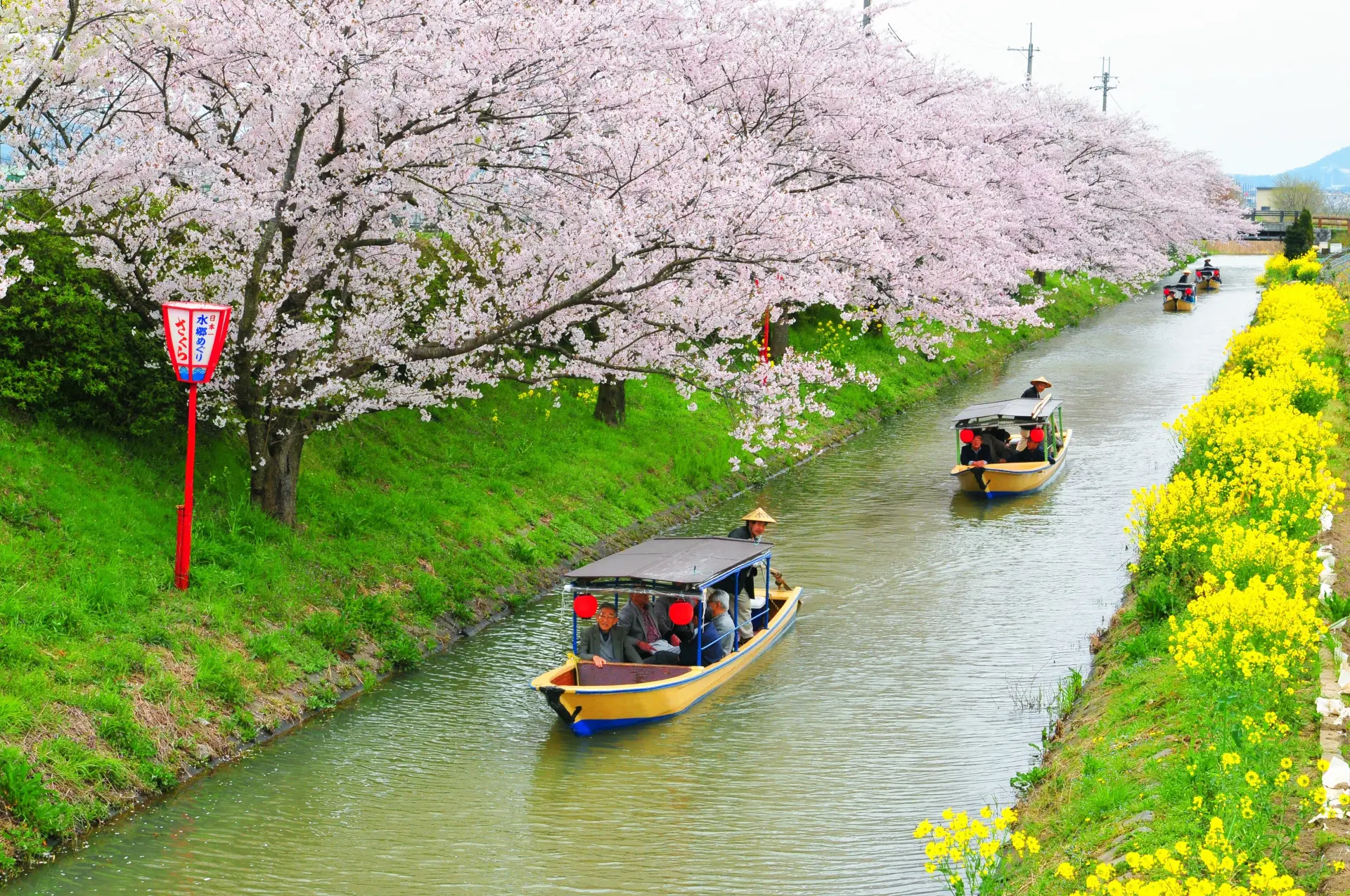
This traditional boating experience grew out of the water transport culture that developed after the construction of Hachimanyama Castle.
A skilled boatman guides a traditional Japanese boat through reed-lined waterways, letting you enjoy atmospheric scenery and a quiet passage of time.
Private and shared boats are available, and you can choose from different courses and durations.
Meals served on board, including Omi beef, are another highlight, making for a special experience.
3. Himure Hachimangu Shrine
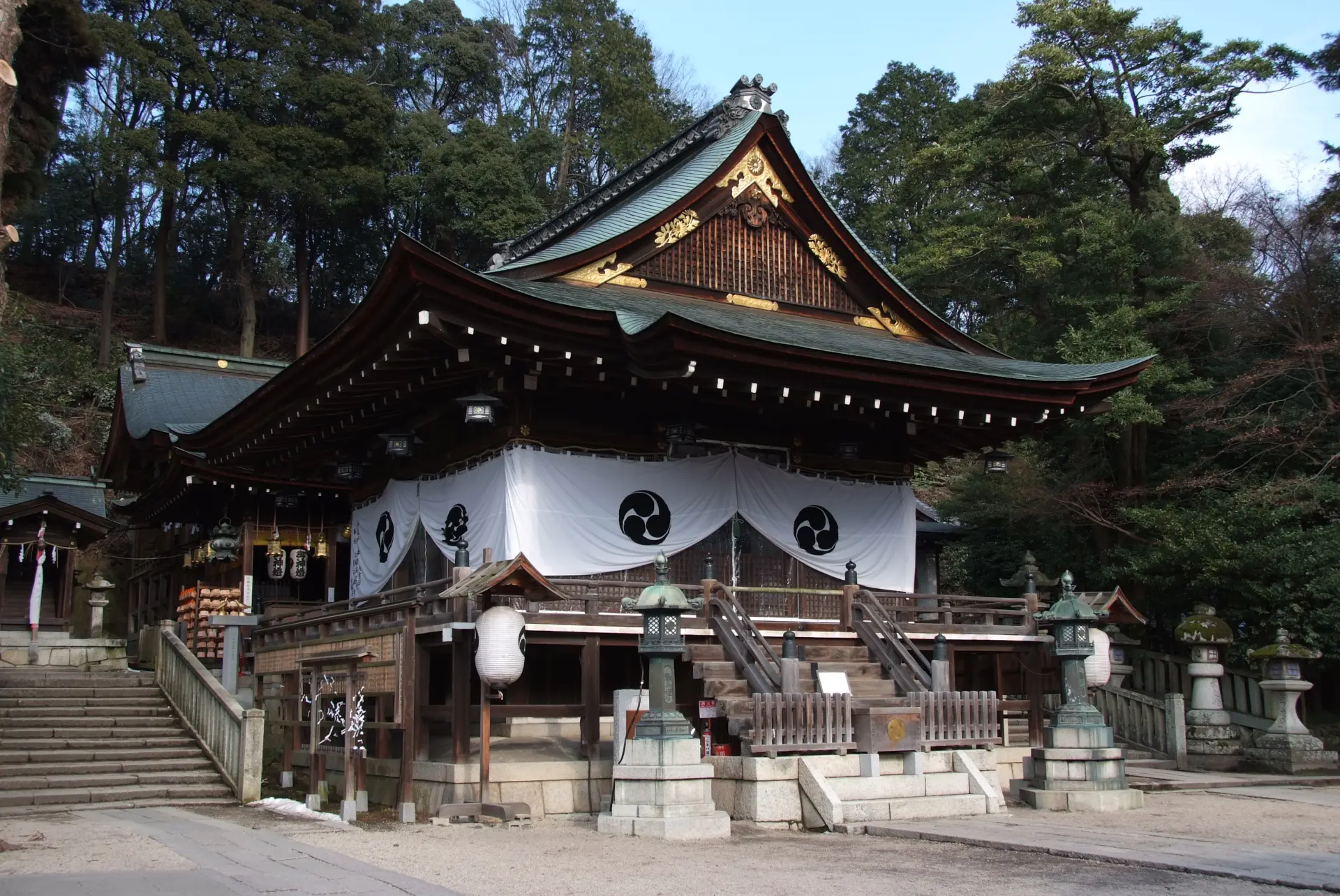
With a history of Approx. 1,800 years, this shrine is the guardian deity of Omihachiman and is known for blessings such as protection from misfortune and prosperity in business.
There is much to see, including the large torii gate, romon gate, and main shrine, while the grounds are dotted with a Noh stage and small shrines.
Traditional events such as the spring Sagicho Festival and Hachiman Festival are also famous, making this a representative sightseeing spot where you can feel the area’s history and culture.
4. La Collina Omihachiman
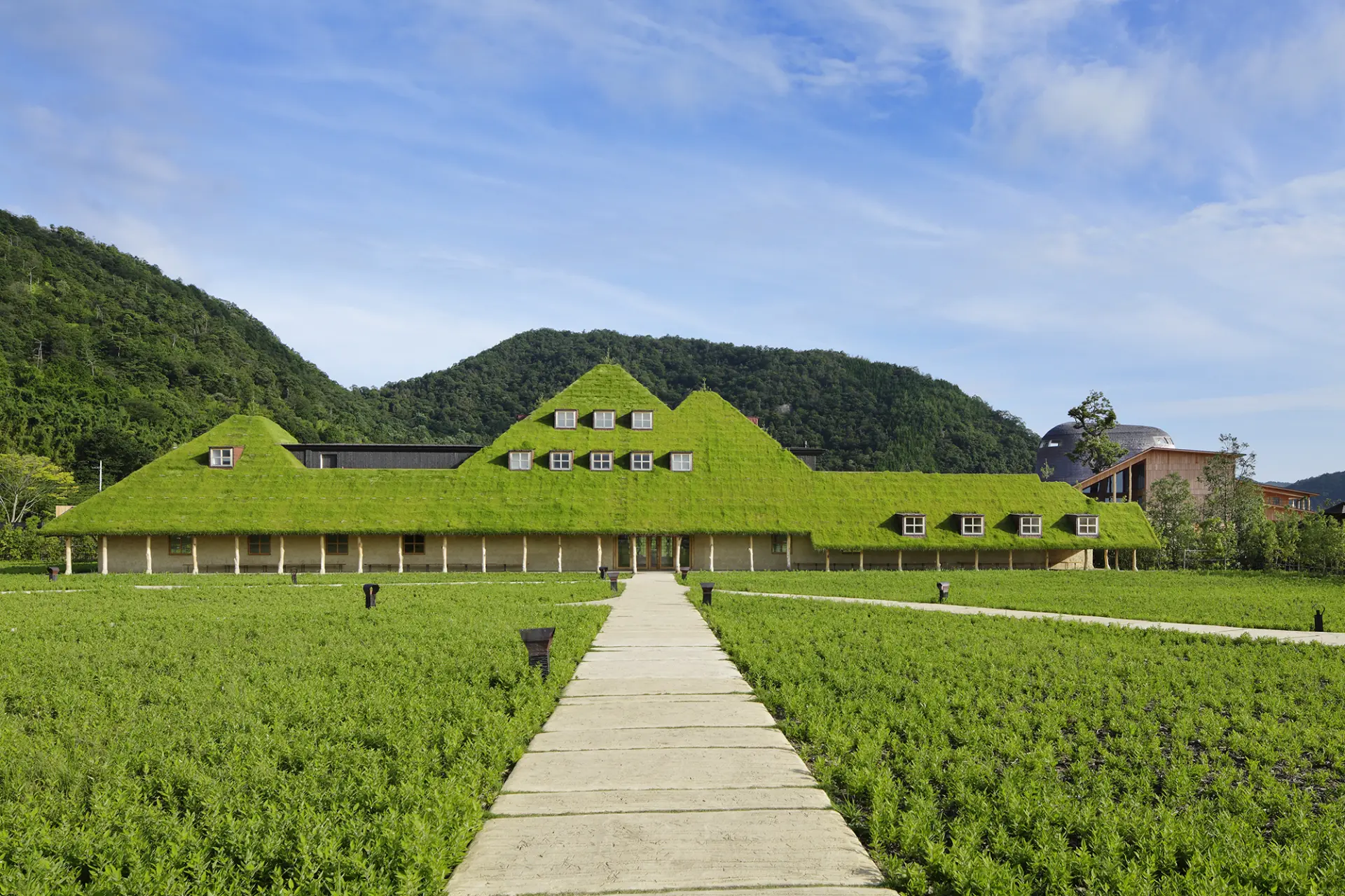
La Collina Omihachiman is the flagship facility of the Taneya Group, a nationally known brand that originated in Omihachiman, and a popular spot with Japanese and Western confectionery shops, cafes, and food areas.
At the main shop with its grass-covered roof and the workshop-adjacent sales area, you can watch artisans at work up close. You can also taste freshly baked baumkuchen and limited-edition sweets, creating a special experience where food and architecture come together.
5. Omi Merchant Streetscape (Shinmachi-dori Street)
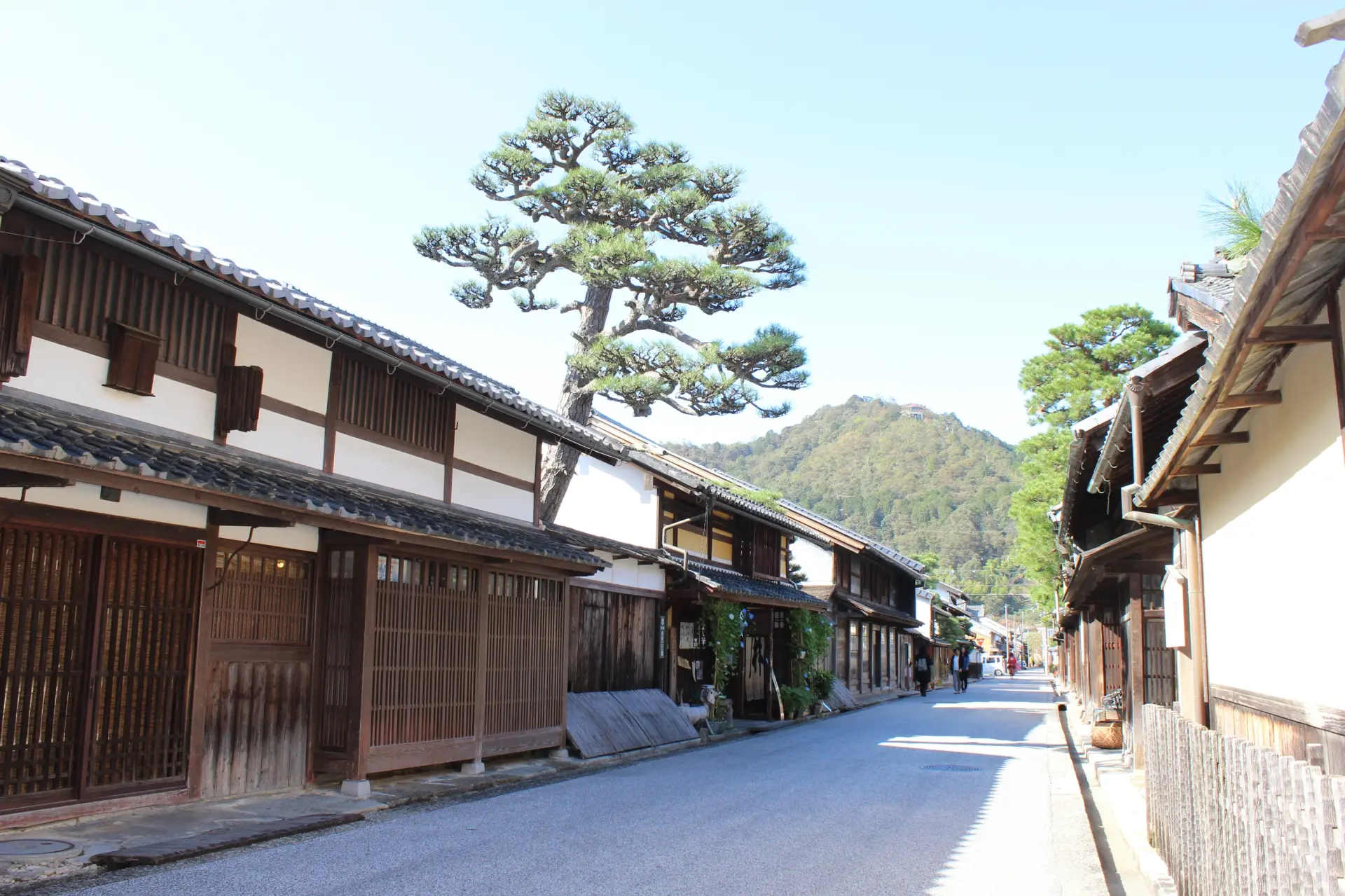
This Important Preservation District for Groups of Traditional Buildings preserves merchant houses from the late Edo period through the Meiji and Taisho eras.
The streetscape, with lattice doors and over-the-wall pines, evokes the world of Omi merchants and makes for a peaceful stroll.
It is also fun to look for manhole covers designed with scenes of Omihachiman.
The surrounding area has museums that deepen your understanding of the history, and it is also recommended to visit together with nearby Hachiman-bori and waterway cruises.
6. Hachimanyama Ropeway
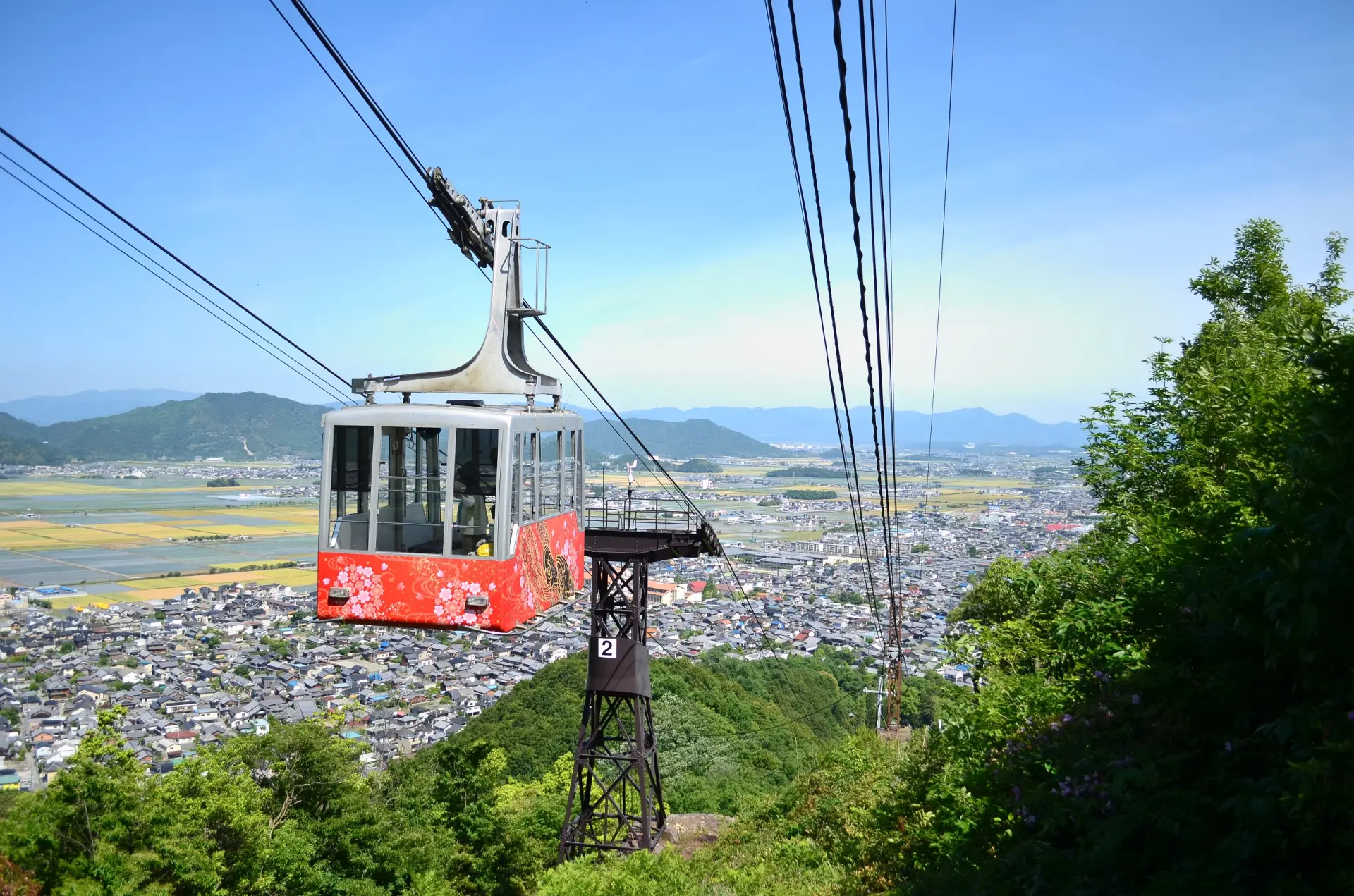
The Hachimanyama Ropeway takes you to the summit at an elevation of Approx. 272 meters in Approx. 4 minutes, offering sweeping views of Lake Biwa and the castle town.
At the summit, remains such as Zuiryuji Monzeki Temple and the stone walls of Hachimanyama Castle offer a sense of history.
There is also an observation deck where you can take in a panorama of vast Lake Biwa, the nostalgic castle town, and the majestic Hira mountain range.
The cherry blossoms in spring and autumn leaves in fall are beautiful, and it is best enjoyed together with nearby Hachiman-bori and the townscape.
7. Okishima Island
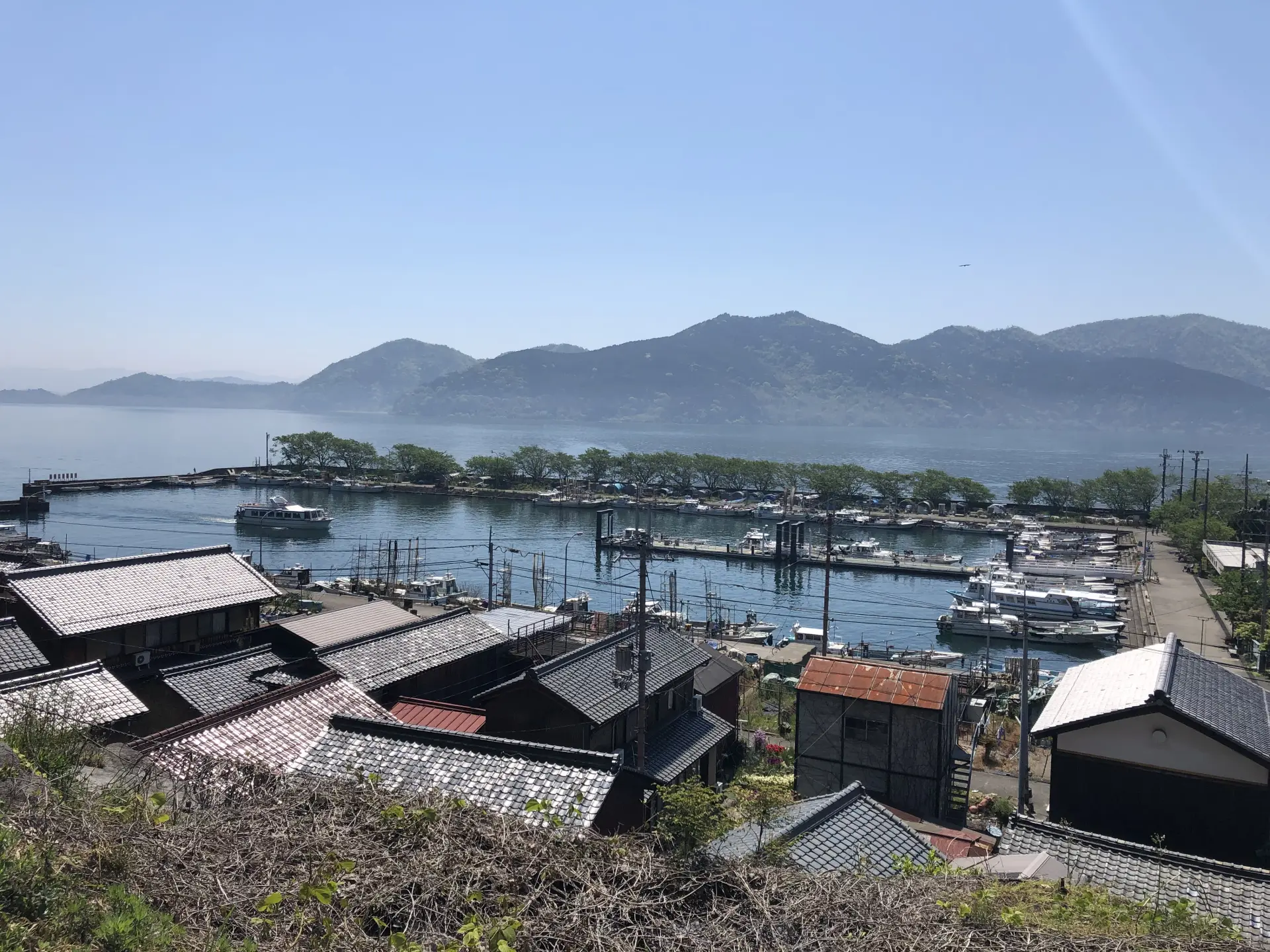
Floating offshore on the eastern side of Lake Biwa, Okishima Island is the largest island in the lake and is known as Japan’s only inhabited island in a lake.
The views from the island are beautiful, and from the summit plazas in the island’s mountains, you can see scenery unique to an island in Lake Biwa.
Facilities, restaurants, and shops are concentrated on the east side, opposite the shore of Omihachiman City, and you can look around while walking along the road.
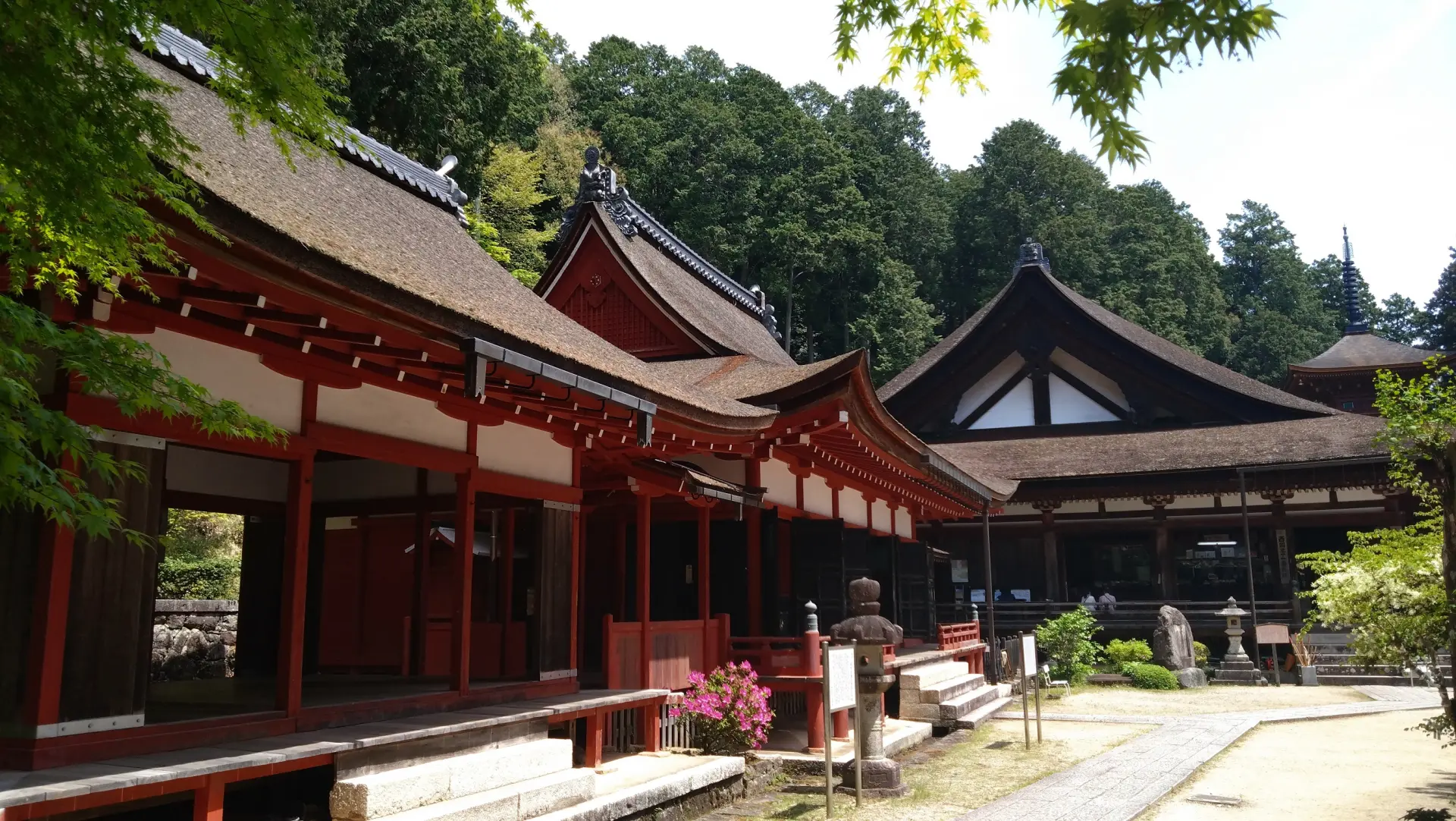
8. Chomeiji Temple
Chomeiji Temple is an ancient temple said to have been founded by Prince Shotoku and is known for blessings of good health and longevity.
Located on a hill at an elevation of Approx. 250 meters, the climb up its 808 stone steps gives a strong sense of achievement.
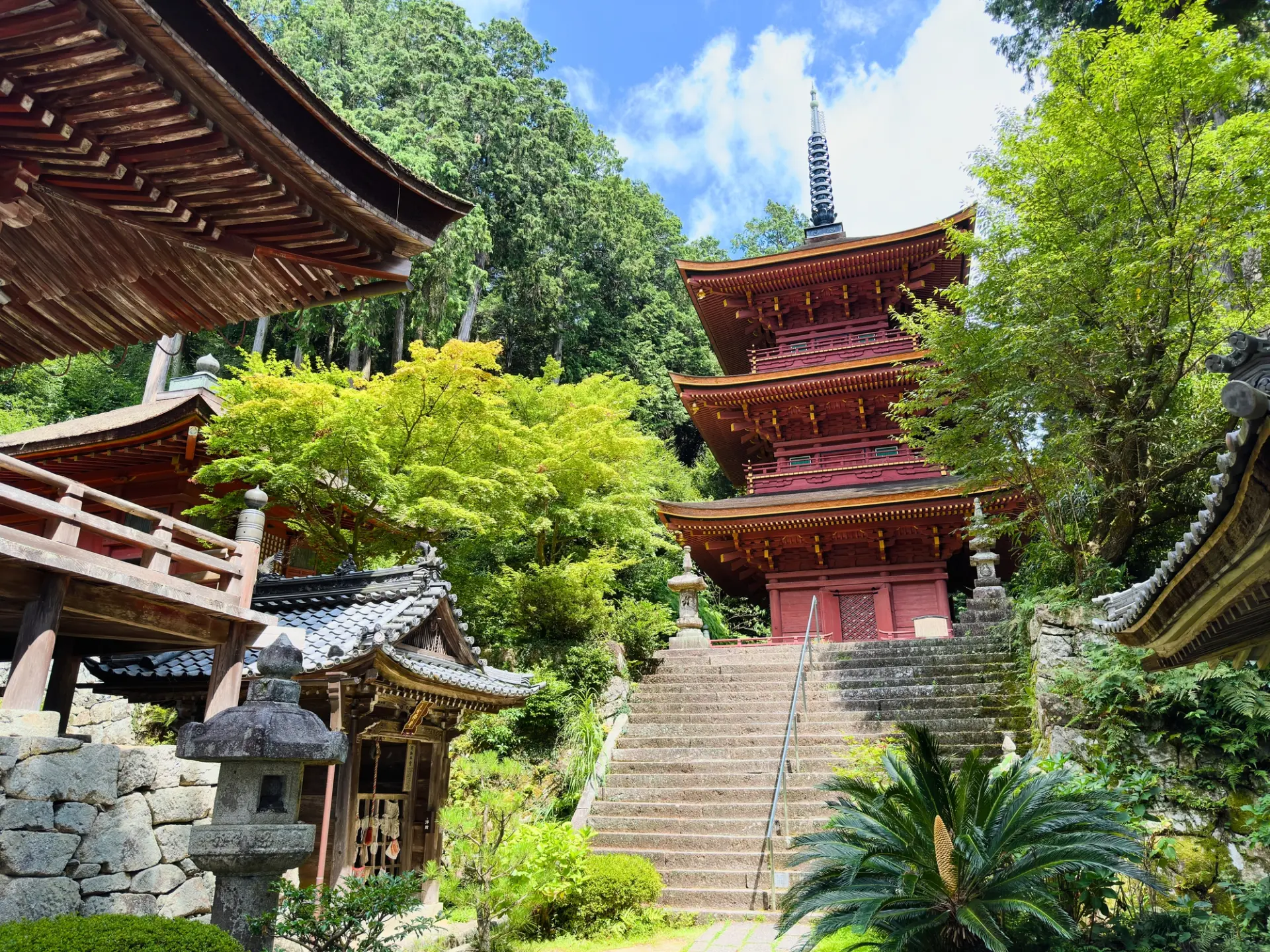
The grounds are lined with cultural properties such as the main hall and three-story pagoda, offering a sense of deep history.
Also famous for autumn leaves, the temple rewards those who climb to the top with spectacular views of Lake Biwa.
9. Azuchi Castle Tenshu Nobunaga no Yakata Museum
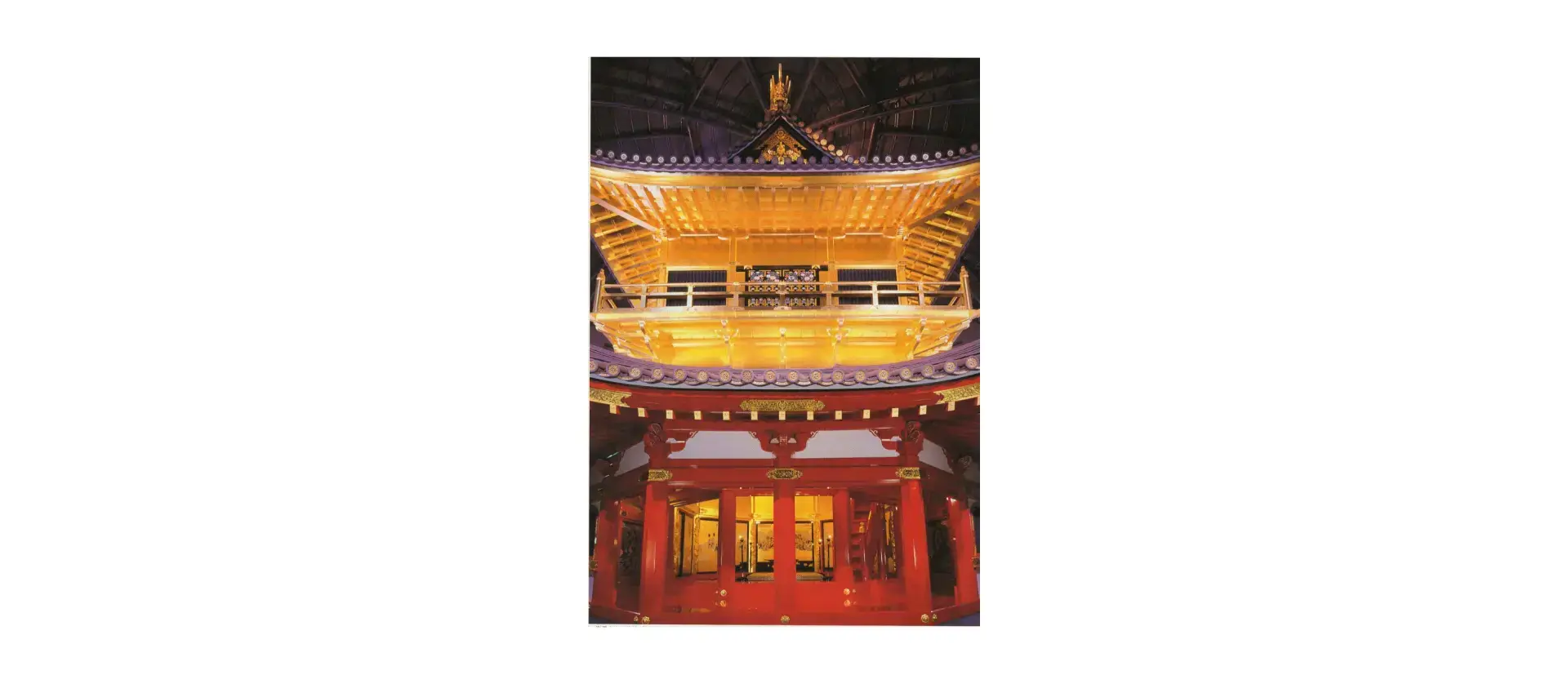
Azuchi Castle Tenshu Nobunaga no Yakata Museum is an exhibition facility that recreates the uppermost part of Azuchi Castle’s keep at full scale.
You can see up close the ornate designs that symbolized Oda Nobunaga’s power, including gold-leaf exterior walls and lavish wall paintings.
In the VR theater, an Approx. 15-minute short movie recreates the appearance of Azuchi Castle at the time with great impact.
Standing before the towering castle, you can feel as if you have visited the site yourself.
3 Things to Do in Omihachiman
In Omihachiman, known for its natural waterways and historic streetscapes, experiences let you enjoy its appeal more deeply.
Here, we introduce carefully selected signature experiences that even first-time visitors can use to fully appreciate Omihachiman’s charm.
1. Take a Traditional Japanese Boat Cruise Through the Waterways
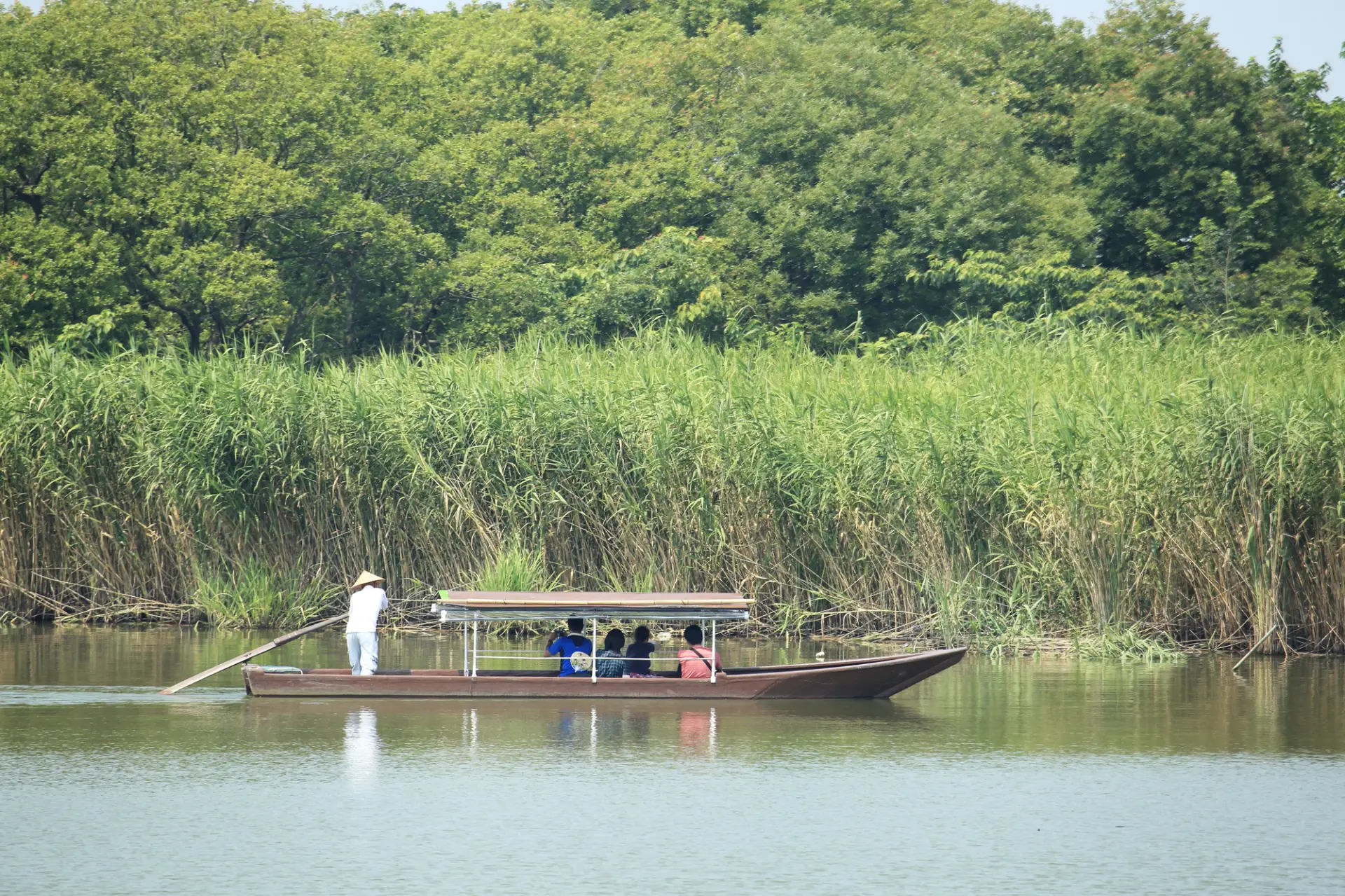
A waterway cruise through the reed beds around Nishinoko by hand-rowed traditional Japanese boat is a must-do experience when visiting Omihachiman.
In a quiet setting without engine noise, the time spent gliding along while feeling the movement of the water and the sound of the wind is truly special.
Another appeal is the changing scenery by season: fresh green reeds and lotus flowers from spring to summer, calm landscapes in fall, and lotus root fields in winter.
It is a chance to step away from daily life and feel at one with nature.
2. Fully Savor Omi Beef
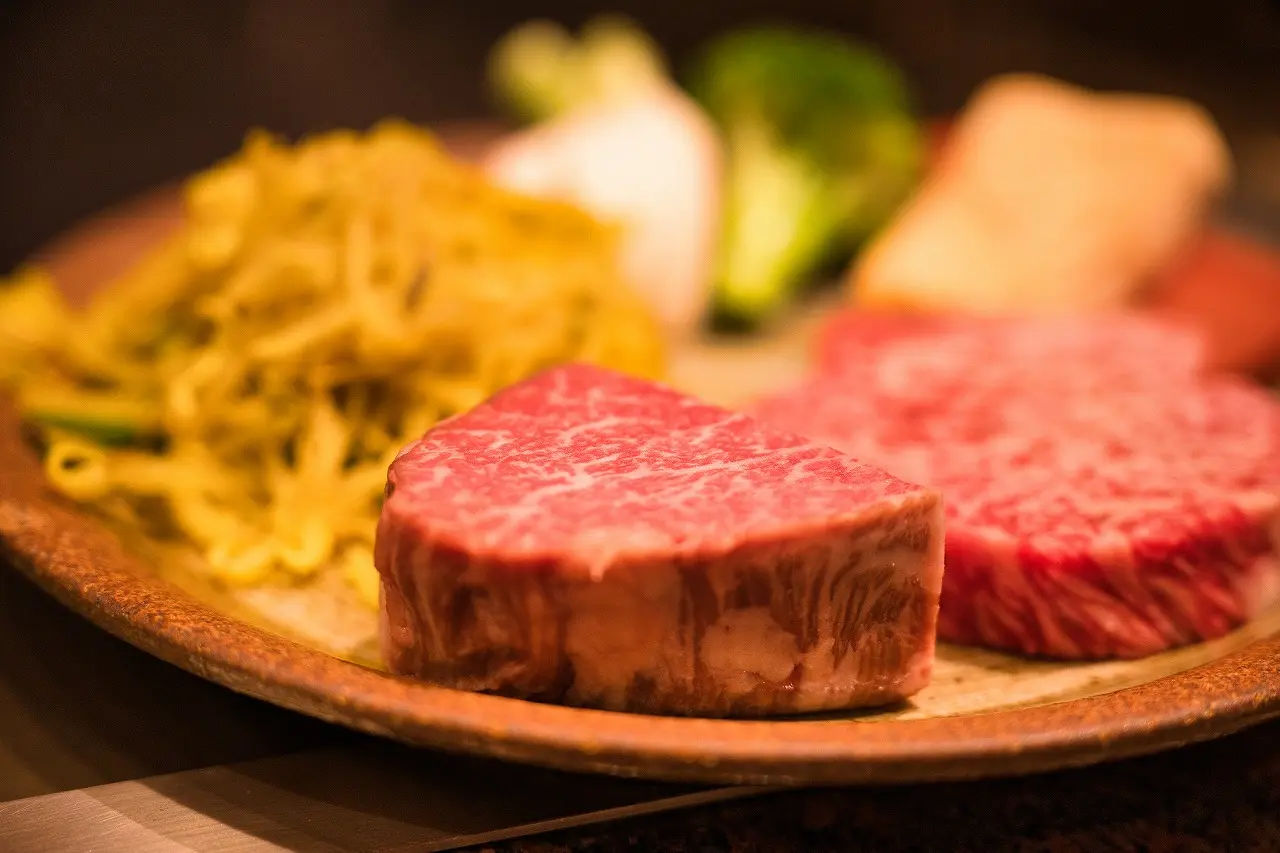
Omihachiman is the home of Omi beef, one of Japan’s three great wagyu brands.
Known for its fine texture and elegant sweetness of fat, it can be enjoyed in many styles, including sukiyaki, shabu-shabu, and steak.
The umami that spreads the moment you taste it is exceptional and is sure to make for a special dining experience.
Enjoying a slightly luxurious lunch or dinner between sightseeing stops is also recommended, as it can greatly elevate your trip.
3. Enjoy a Tour of Vories Architecture
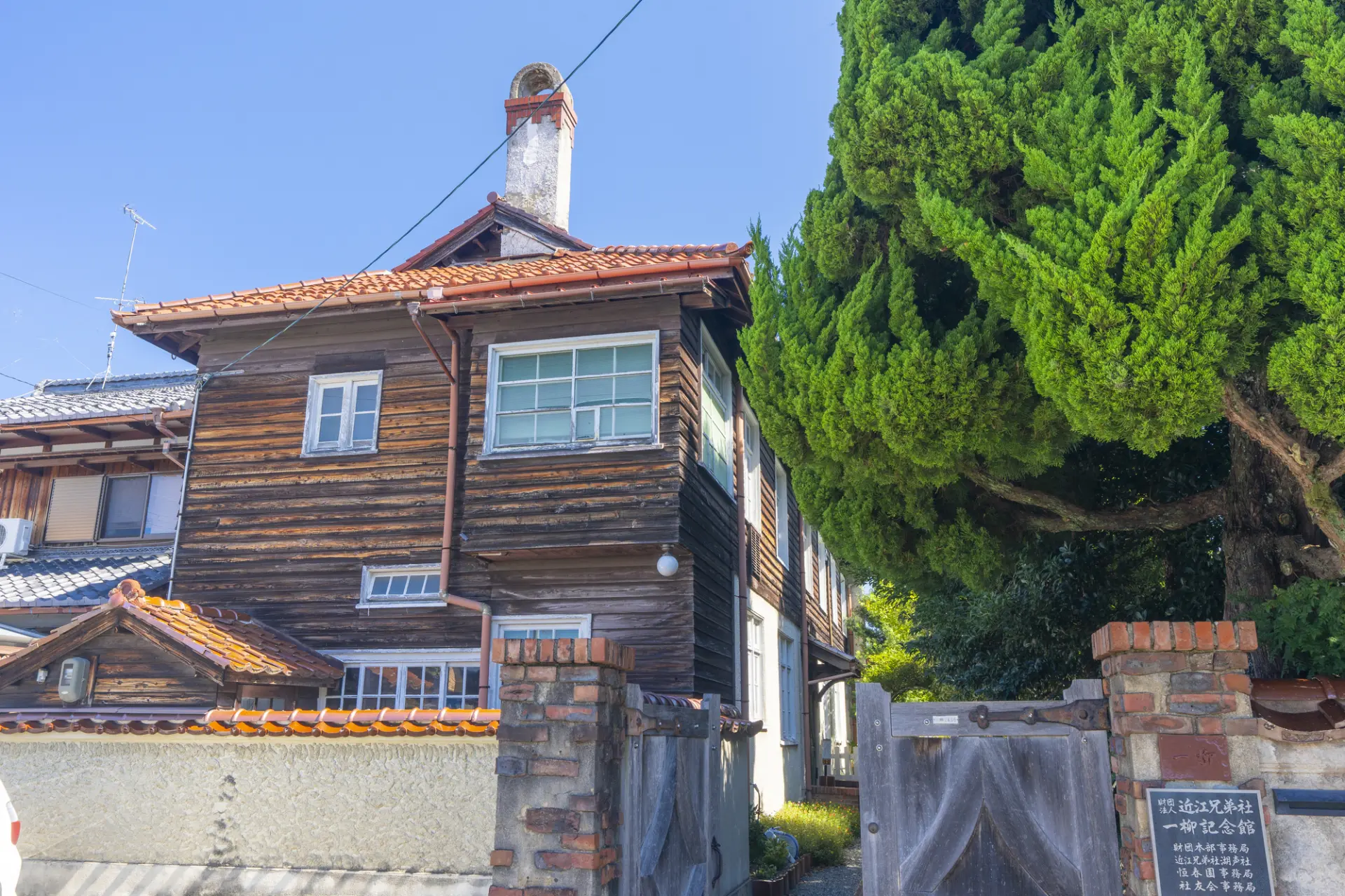
Starting with Hakuunkan, Omihachiman has many Western-style buildings designed by architect Vories.
Their distinctive designs, harmonizing with the traditional Japanese streetscape, are a charm not easily found in other tourist destinations.
Guided tours are also held in spring and fall, helping you deepen your understanding as you learn about the history and architectural background.
This experience offers an intellectual way to enjoy the area, touching not only on the scenery but also on its cultural side.
3 Popular Restaurants in Omihachiman
Here are carefully selected restaurants that represent the appeal of dining in Omihachiman.
The lineup ranges from indulgent flavors unique to the home of Omi beef to long-loved local favorites.
Stop by between sightseeing visits, and your trip is sure to feel even more satisfying.
Be sure to visit and enjoy the flavors unique to Omihachiman.
1. Omi Beef Morishima Omihachiman Main Store
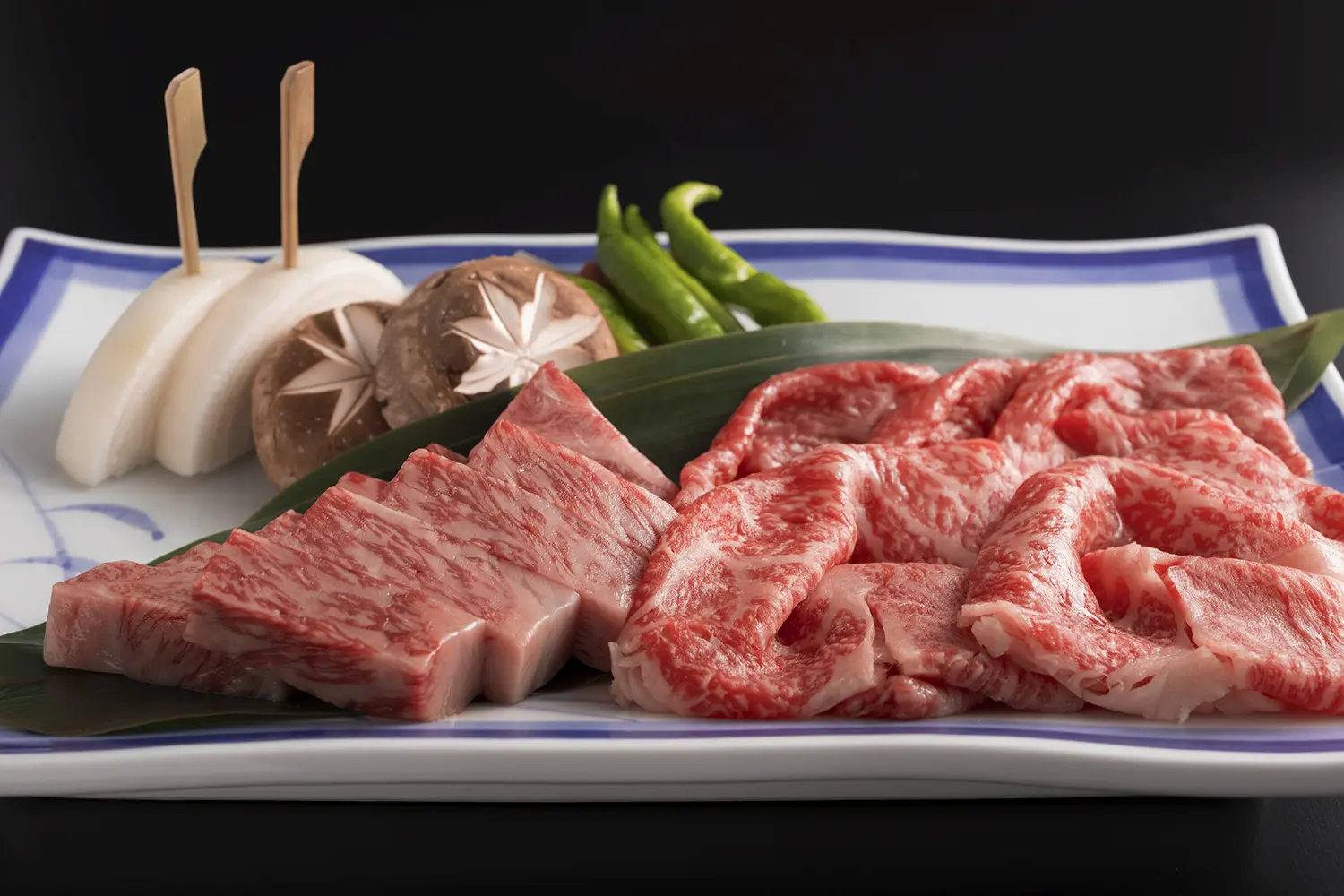
Omi beef is counted among Japan’s three great wagyu brands.
Omi Beef Morishima is a renowned restaurant that has walked alongside Omi beef for Approx. 142 years.
Here, they use Omi beef carefully raised on their own farm over Approx. two and a half years.
The beef, with evenly balanced and beautiful marbling, is visually appealing, and once you taste it, its melt-in-your-mouth texture and juices that grow sweeter as you chew spread through your mouth.
2. Sennaritei Hachiman-bori Branch
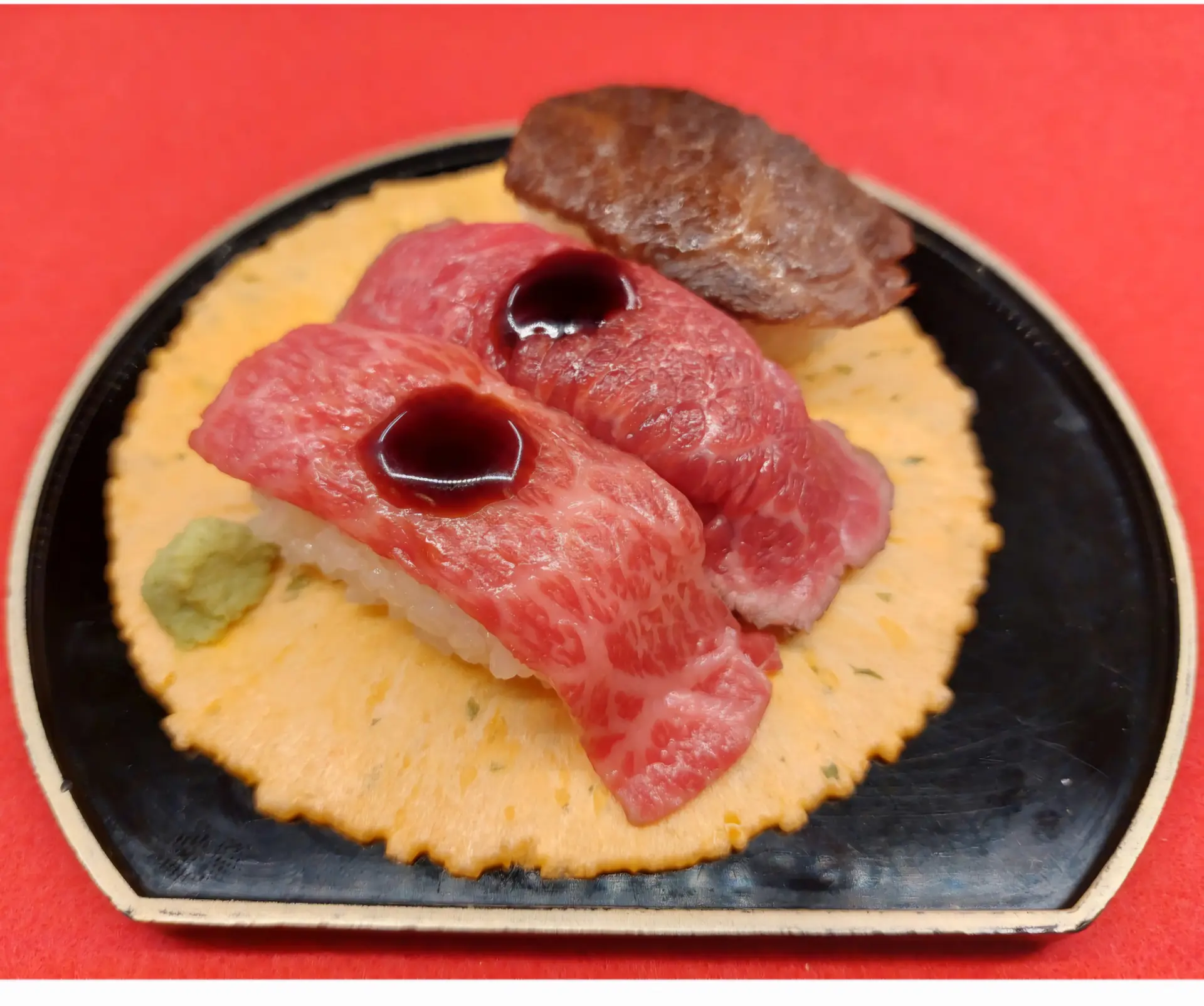
Operated by Sennaritei Fudo, an Omi beef specialty shop founded 80 years ago, Sennaritei Hachiman-bori Branch combines a retail shop and restaurant.
On the first floor, it sells takeout items such as croquettes and sushi, as well as processed Omi beef products.
At the second-floor restaurant, you can casually enjoy Omi beef in a calm space with subdued colors.
3. Hisago Sushi
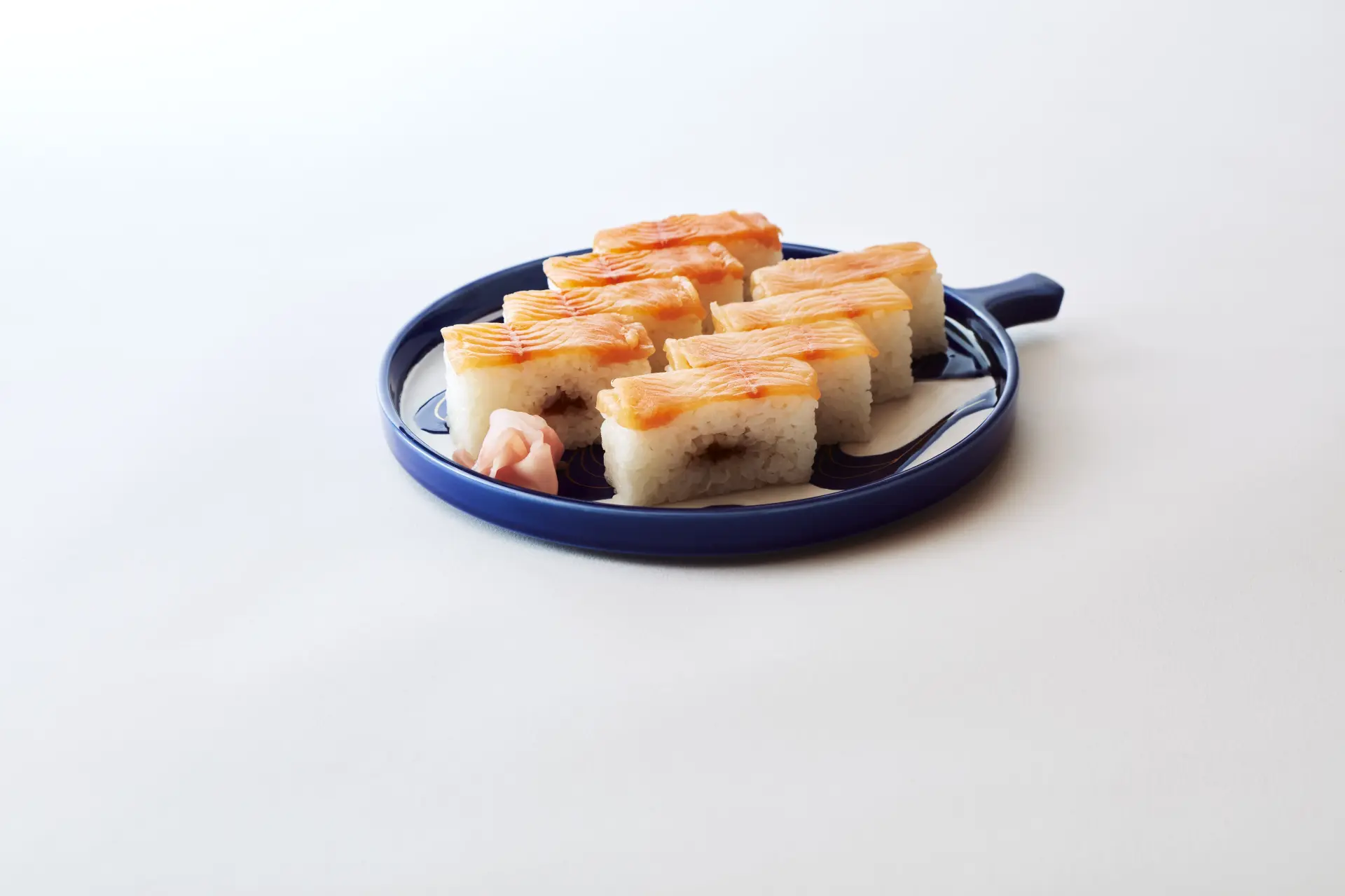
A Japanese restaurant founded in 1960. You can enjoy locally sourced menus that make use of fish from Lake Biwa and ingredients from local Omihachiman.
If you visit from July to September, be sure to try Amenouo Gohan, a seasoned rice dish made with Biwa trout, which can only be caught in Lake Biwa and is designated as a Shiga Food Culture Heritage item.
If you order a course, you can enjoy a full range of Shiga dishes, including sashimi of Biwa trout, simmered lake fish tsukudani, simmered Omi beef kinpira, and Omihachiman’s traditional dish chojifu karashiae.
Best Omihachiman Souvenirs: 3 Picks
Omihachiman offers high-quality souvenirs shaped by its history and local culture.
From traditional Japanese sweets made with time-honored techniques to products that reflect local food culture, each item is full of charm unique to this area.
If you are unsure what to choose, the classic items introduced here will help you bring home a true taste of Omihachiman.
1. Club Harie “Dry Baum”
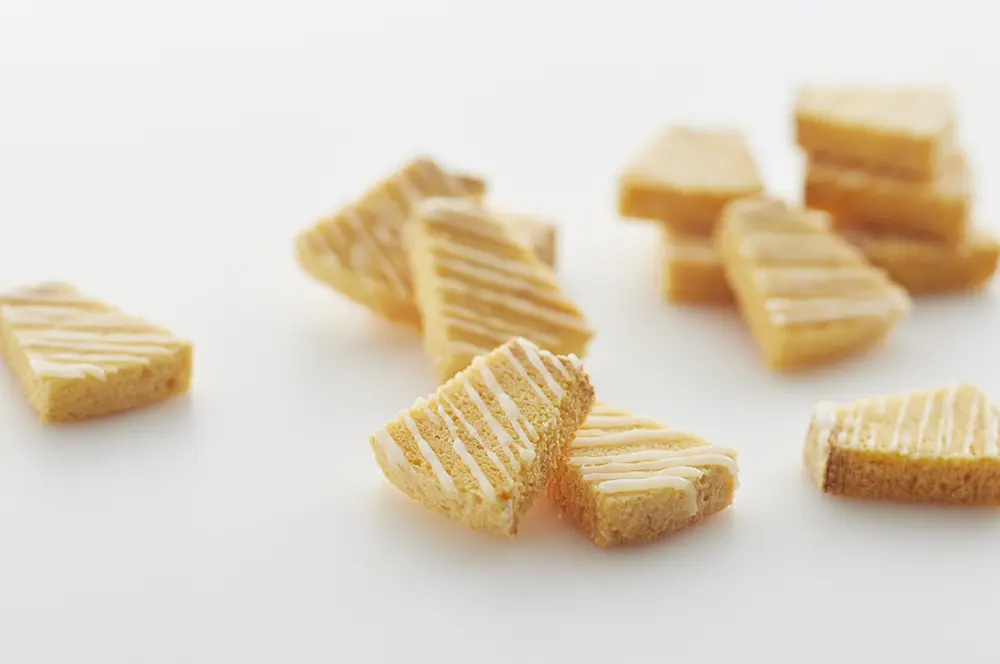
Dry Baum is one of the popular products from Club Harie, a Western confectionery brand known for baumkuchen and operated by Taneya, a long-established Japanese confectionery shop founded in Omihachiman, Shiga Prefecture, in 1872.
It is made by thinly slicing baumkuchen carefully baked layer by layer by artisans, coating the surface with sweet fondant, and baking it in the oven until crisp.
2. Norimatsu Foods Yoshii Shoten “Seasoned Hachiman Konjac”
This excellent product is made with red konjac, a Shiga specialty, by a long-established shop founded in 1891.
The shop slowly simmers its homemade red konjac, known for its fine texture and moderate softness, in a soy sauce-based seasoning liquid with bonito flavor.
Since it can be served as is, it is useful as a side for rice, a palate cleanser, or whenever you want one more dish on the table.

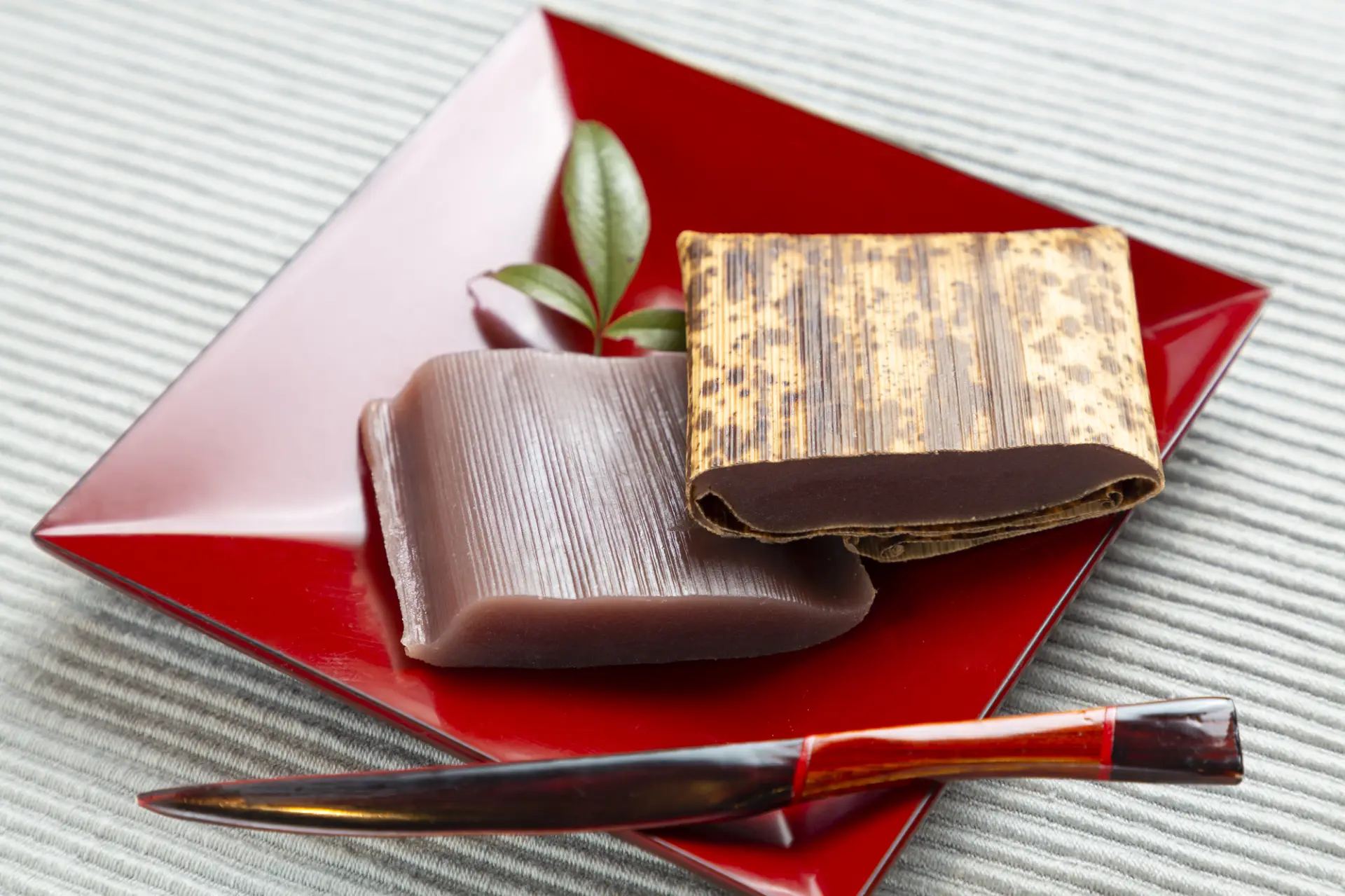
3. Watayo “Decchi Yokan”
This traditional sweet was born from the culture of Omi merchants and is characterized by its simple appearance wrapped in bamboo leaves.
It has a light sweetness and soft texture, with the gentle flavor of brown sugar spreading through each bite.
Made by a traditional method without preservatives, it has a nostalgic taste that is part of its appeal. It is popular not only as a sweet to enjoy with tea but also as a souvenir that evokes Shiga’s history.
3 Things to Keep in Mind in Omihachiman
To explore Omihachiman comfortably, it is important to consider transportation, time management, and clothing.
Here are three key points first-time visitors should keep in mind so they can enjoy their trip with confidence.
If you understand these points in advance, sightseeing will go more smoothly.
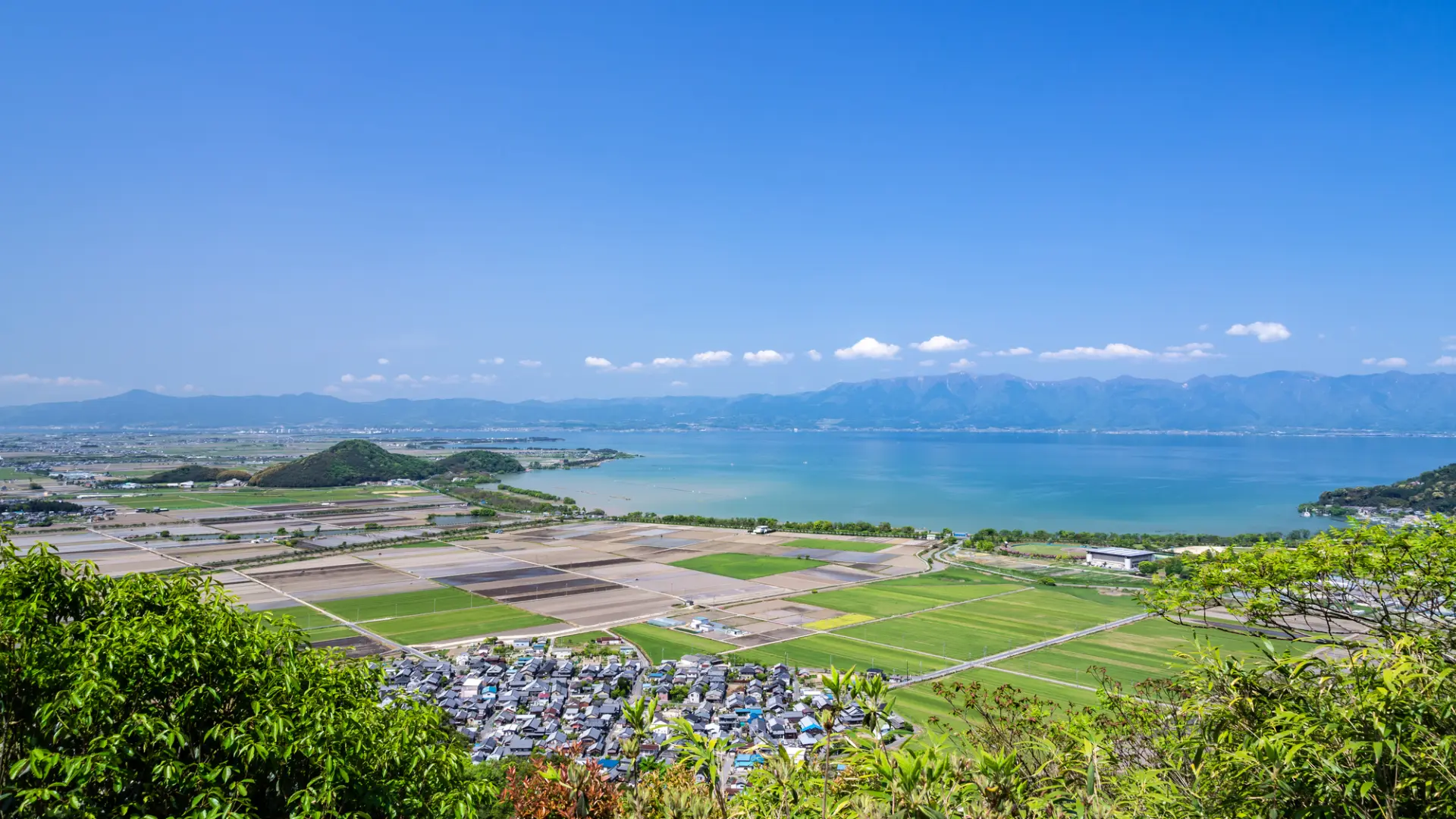
1. Sightseeing Areas Are Spread Out
Omihachiman’s sightseeing spots are divided between areas such as the Hachiman-bori area in the city center and the Azuchi area, and there is distance between them. It is difficult to get around on foot alone, so it is important to plan by area. Some places, such as Okishima Island, require boat access, which also takes time. To travel efficiently, check routes and travel times in advance and make a realistic schedule.
2. Public Transportation Runs Infrequently and Can Be Inconvenient Depending on the Time
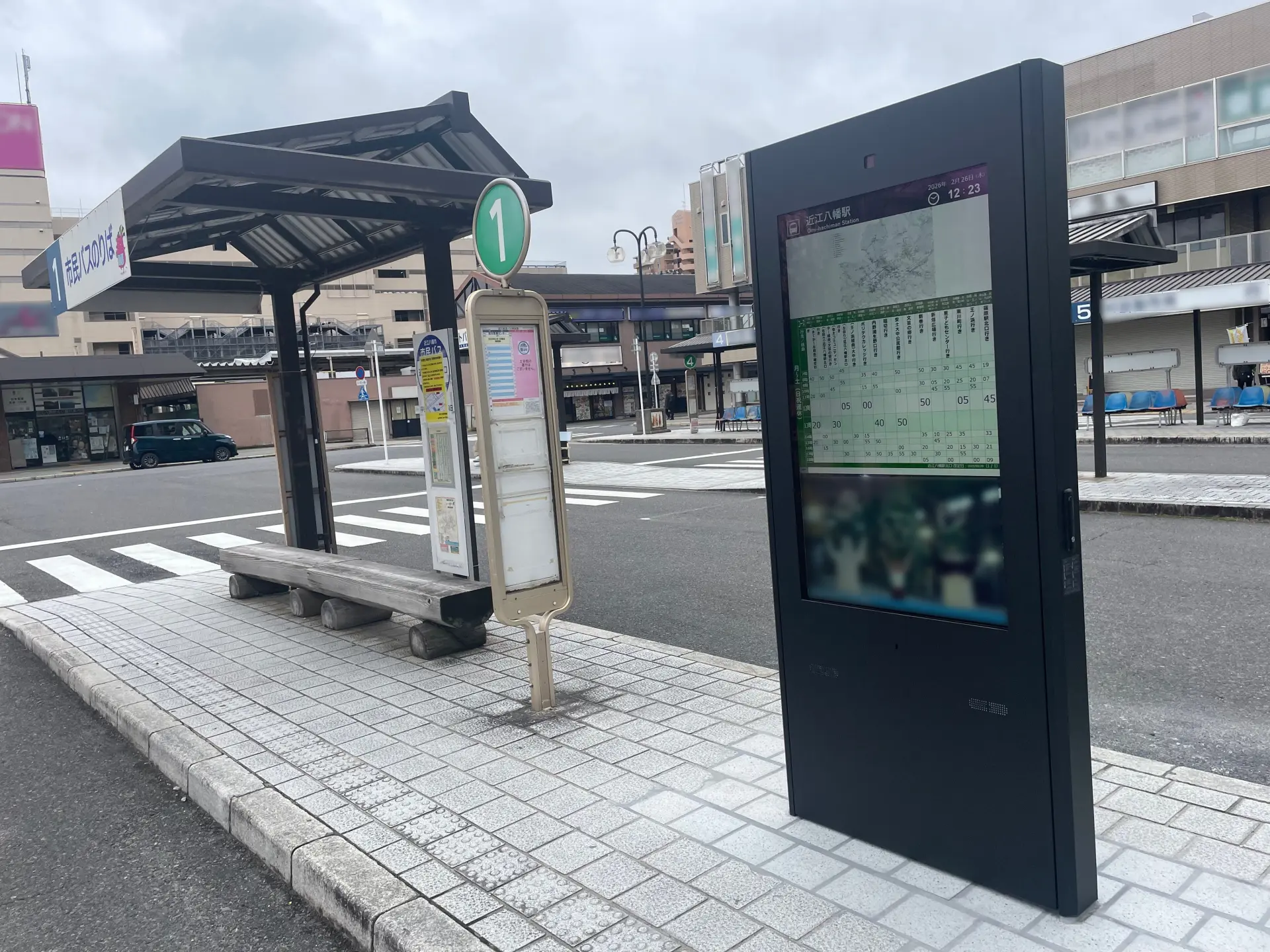
Buses from Omihachiman Station to each sightseeing area are limited, and depending on the time of day, waiting times can be long.
Services are especially reduced after evening, so it is necessary to check in advance, including your return trip.
If you are going to Chomeiji Temple or suburban spots, check bus timetables ahead of time, or consider using a rental car or taxi.
To make good use of your time, choosing the right transportation can greatly affect how satisfying your sightseeing feels.
3. Prepare for the Ground Conditions and Weather
The area around Hachiman-bori has many stone-paved paths, and at Chomeiji Temple and the Azuchi Castle ruins, you will often walk on stairs and slopes.
Since sightseeing involves long periods of walking, it is important to choose comfortable, broken-in shoes.
Areas near Lake Biwa can be windy, and in early spring and winter, the perceived temperature can drop easily.
Bring an outer layer and prepare to stay comfortable according to the weather.
Omihachiman Sightseeing Map
FAQ about Omihachiman Sightseeing
Q
How many hours do you need for sightseeing in Omihachiman?
A half day to one day is enough to efficiently enjoy the main spots
Q
What is the difference between a waterway cruise and a Hachiman-bori moat cruise?
The scenery and experience differ depending on whether you cruise through natural reed beds or the town’s moat
Q
Can you sightsee without a car?
Yes, but getting around can be inconvenient, so using a rental bicycle is recommended
Summary
In this article, we have introduced a wide range of Omihachiman highlights, from popular sightseeing spots and experiences to dining and things to keep in mind.
The area is known for its waterside scenery and historic streetscapes, and you can enjoy peaceful moments unique to this destination, such as traditional Japanese boat cruises and town walks.
By visiting the spots introduced here, you can enjoy a trip where nature and culture are beautifully balanced.
If you would like to learn more about sightseeing in Shiga, please also check out the article below.