
A Guide to Experiencing Local Life at MUJI BASE KYOTO kiyomizu
MUJI BASE KYOTO kiyomizu offers guests a glimpse into everyday life in Kyoto, one of the world's leading tourist destinations. Since the Middle Ages, cultural traditions such as the tea ceremony, flower arrangement, and pottery have flourished in Kyoto. The city's residents have skillfully incorporated these traditions, once governed by strict conventions and etiquette, into their daily lives. In other words, Kyoto's everyday life embodies the elegance of the traditions and etiquette that Japanese people have long valued. MUJI BASE KYOTO kiyomizu makes an ideal base for a journey to discover this everyday beauty. More than just a place to stay, it provides plenty of inspiration for uncovering Kyoto's beauty in daily life.
This article introduces the highlights of MUJI BASE KYOTO kiyomizu and a suggested itinerary for your stay.
What Is MUJI BASE KYOTO kiyomizu, a Hotel by MUJI?
Here is an overview of MUJI BASE KYOTO kiyomizu.
Operated by Ryohin Keikaku, the Company Behind MUJI and Its Products for Everyday Japanese Life
MUJI is a lifestyle retailer offering a wide range of products, from daily necessities and clothing to household goods and food, characterized by simple, functional, yet refined designs. It was founded in Japan in 1980. At the heart of MUJI is the concept of “quality goods with no brand.” Rather than relying on excessive decoration or presentation, it delivers products focused on quality and functionality. Its minimalist approach to manufacturing, free of unnecessary elements, has blended naturally into many people's lives and become a familiar part of everyday life in Japan. MUJI BASE KYOTO kiyomizu is a hotel created by MUJI, a brand that has long focused on how people live in Japan.
Facility Overview
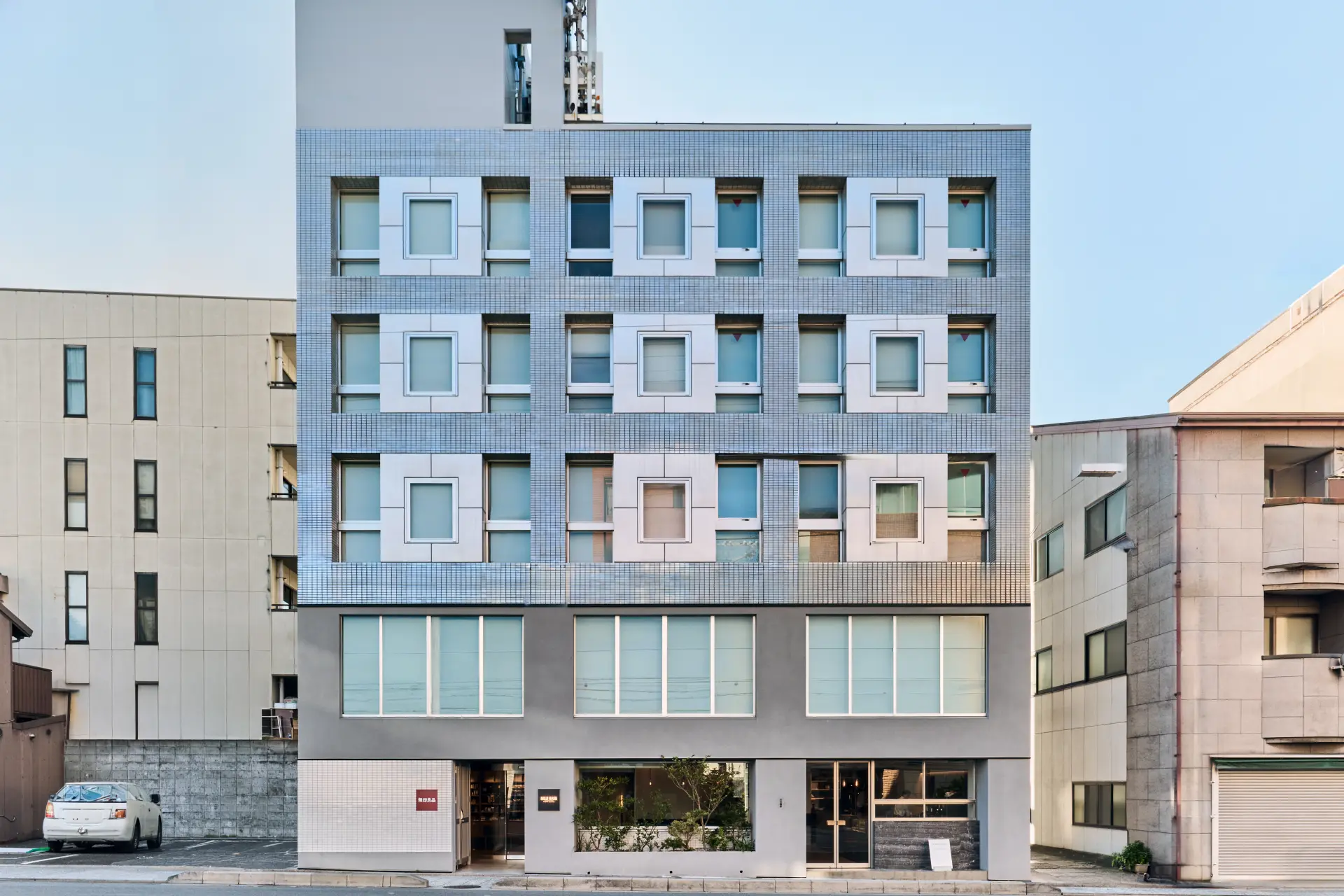
MUJI BASE KYOTO kiyomizu is a renovated version of Amenity Hotel Kyoto, which operated in Kyoto's Kiyomizu area for over 40 years. While retaining the exterior that had long formed part of the neighborhood scenery, it has been transformed into a facility that reflects the MUJI aesthetic.
- Facility name
- MUJI BASE KYOTO kiyomizu
- Address
- 4-171 Kiyomizu, Higashiyama Ward, Kyoto, Kyoto Prefecture Google Maps
- Building
- 5-story reinforced concrete building
- Year built
- 1982* Compliant with Japan's revised earthquake resistance standards
- Opening date
- Wednesday, May 20, 2026
- Total rooms
- 18 rooms
- Official website
- Official website (English)
Guest Rooms
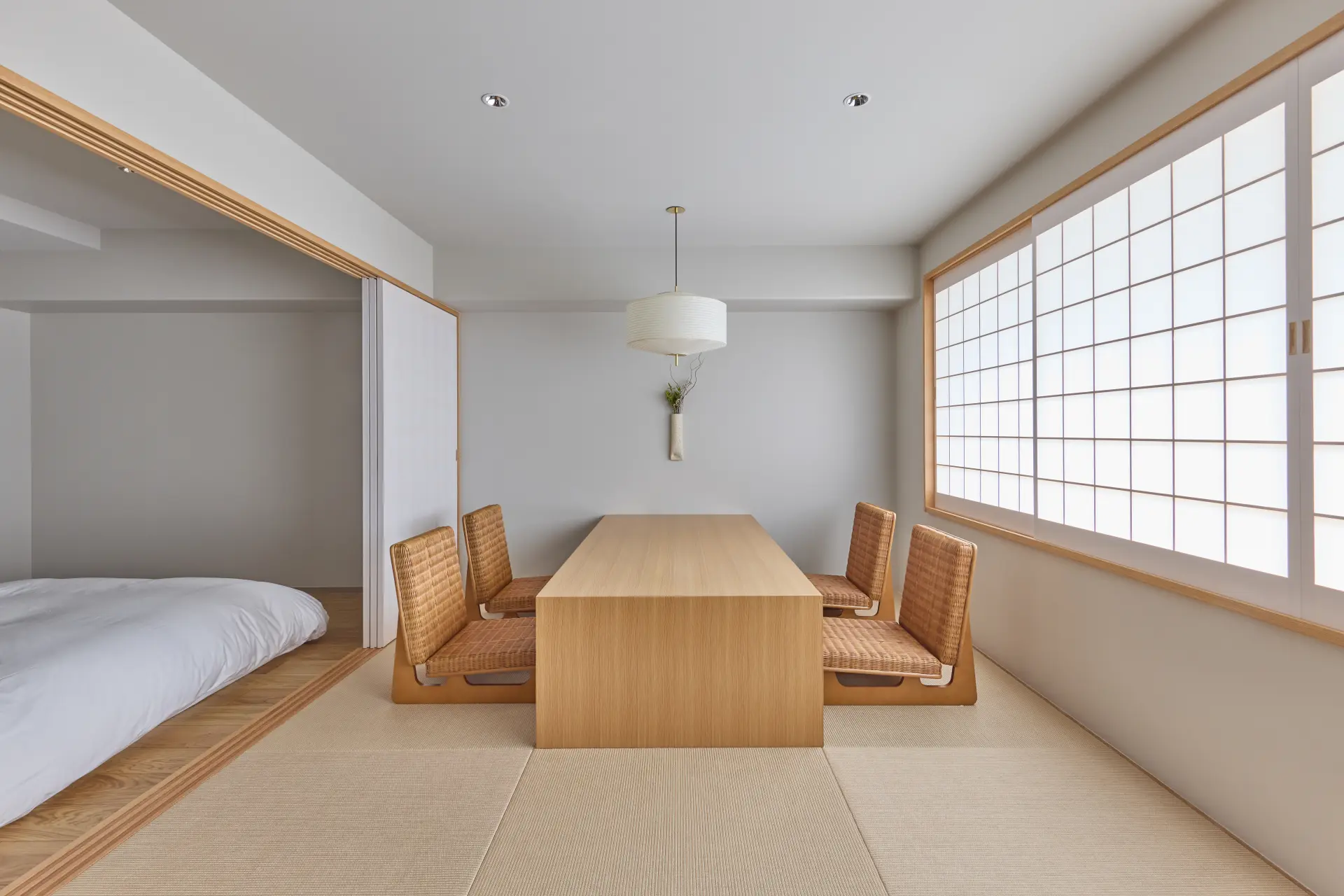
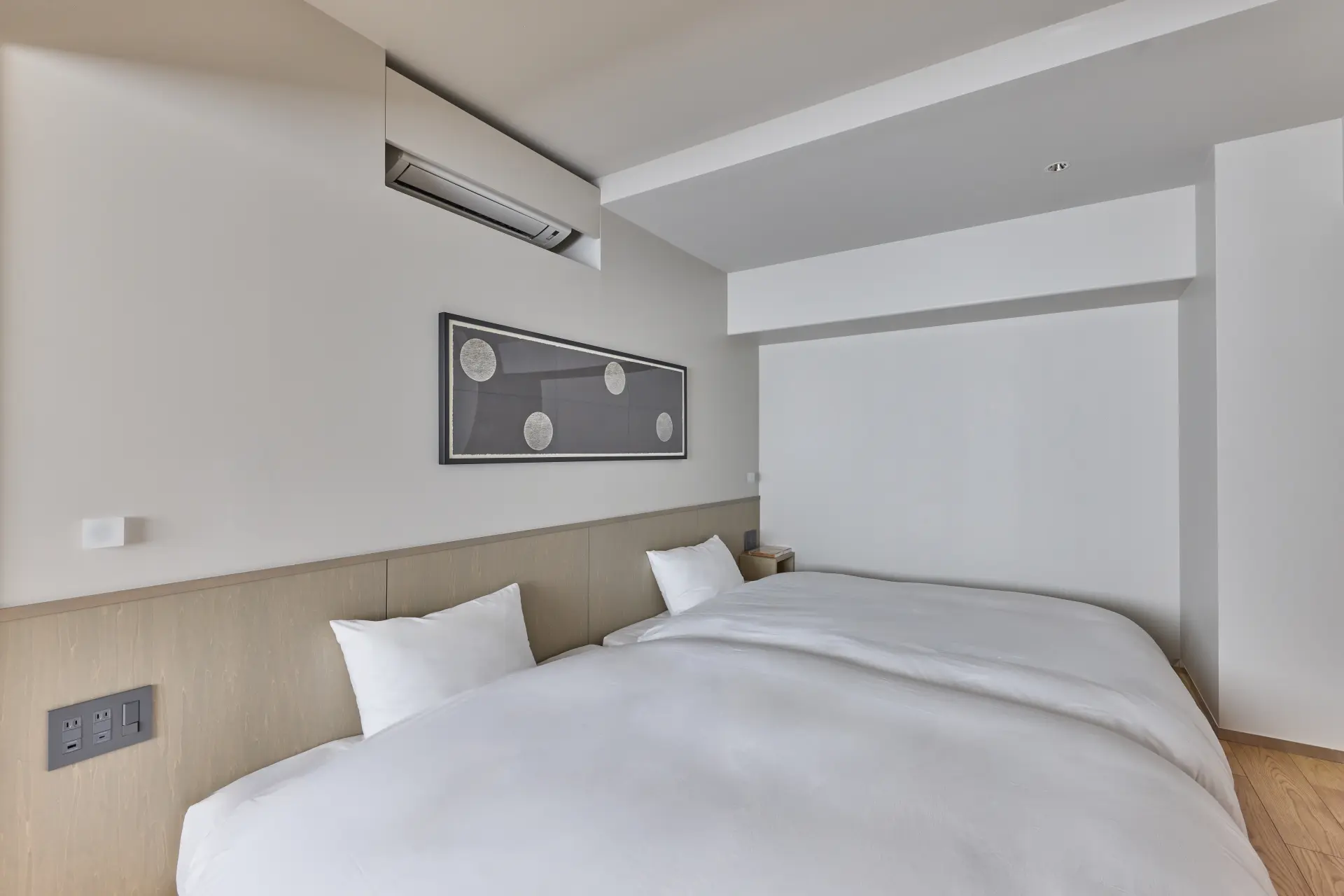
There are four types of guest rooms, all furnished with MUJI products. Although simple, the rooms have a calm, relaxing atmosphere where guests can unwind. Of the four types, the Family Room and Twin Room with Bathtub include bathtubs.
・Double Room (2 guests)
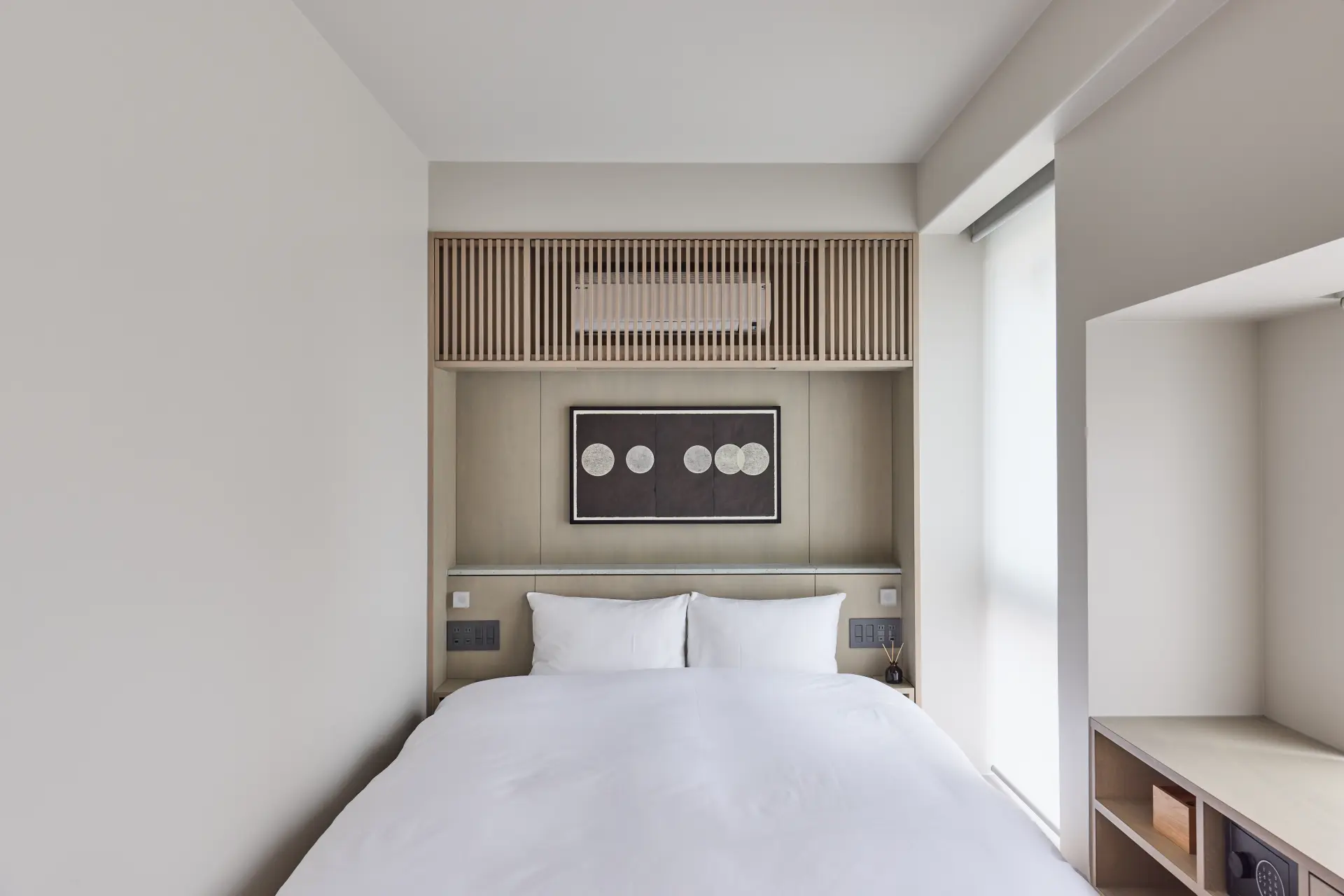
This compact, simple room has one queen bed and is also ideal for solo travelers. The window overlooks the streets of Kiyomizu-Gojo.
・Twin Room (3 guests)
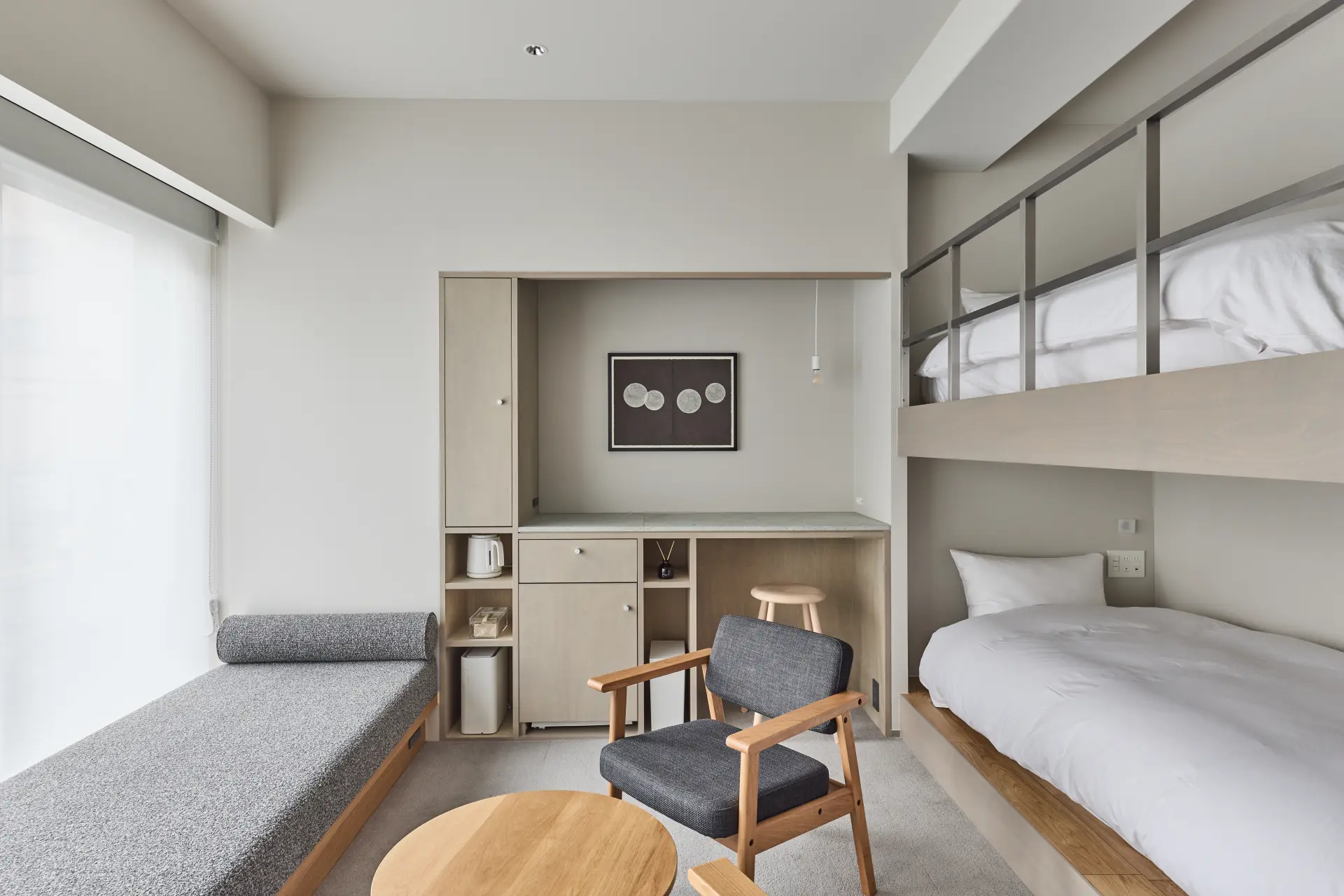
There is only one of these rooms in the hotel. This functional room has a single bunk bed and a daybed. Its wide window facing Higashioji-dori Avenue gives the room an open feel.
・Twin Room with Bathtub (3 guests)
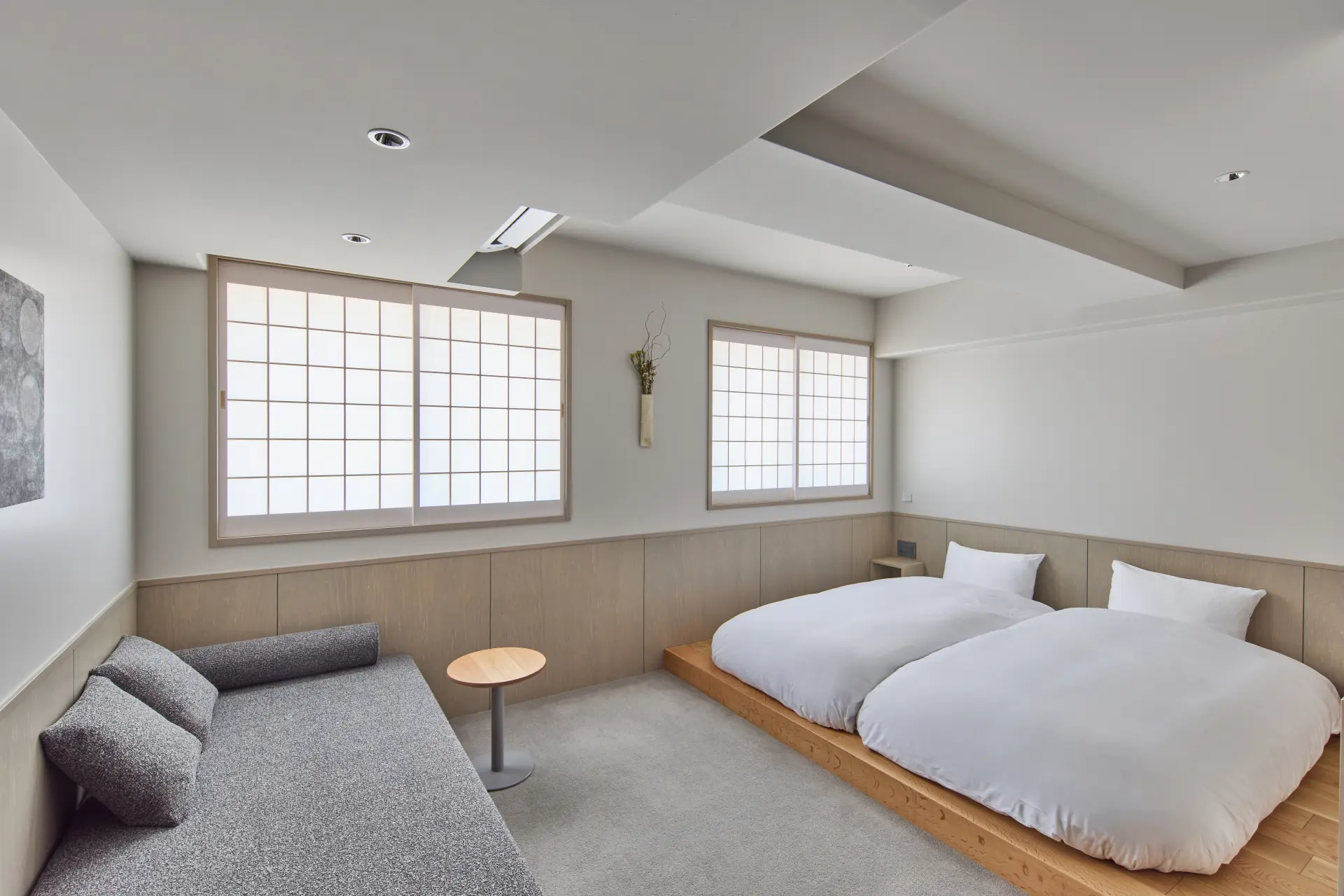
This is the most standard room type, with 10 rooms available. Each has two single beds and a daybed, along with a spacious desk. It is well suited to families and business travelers.
・Family Room (4 guests)
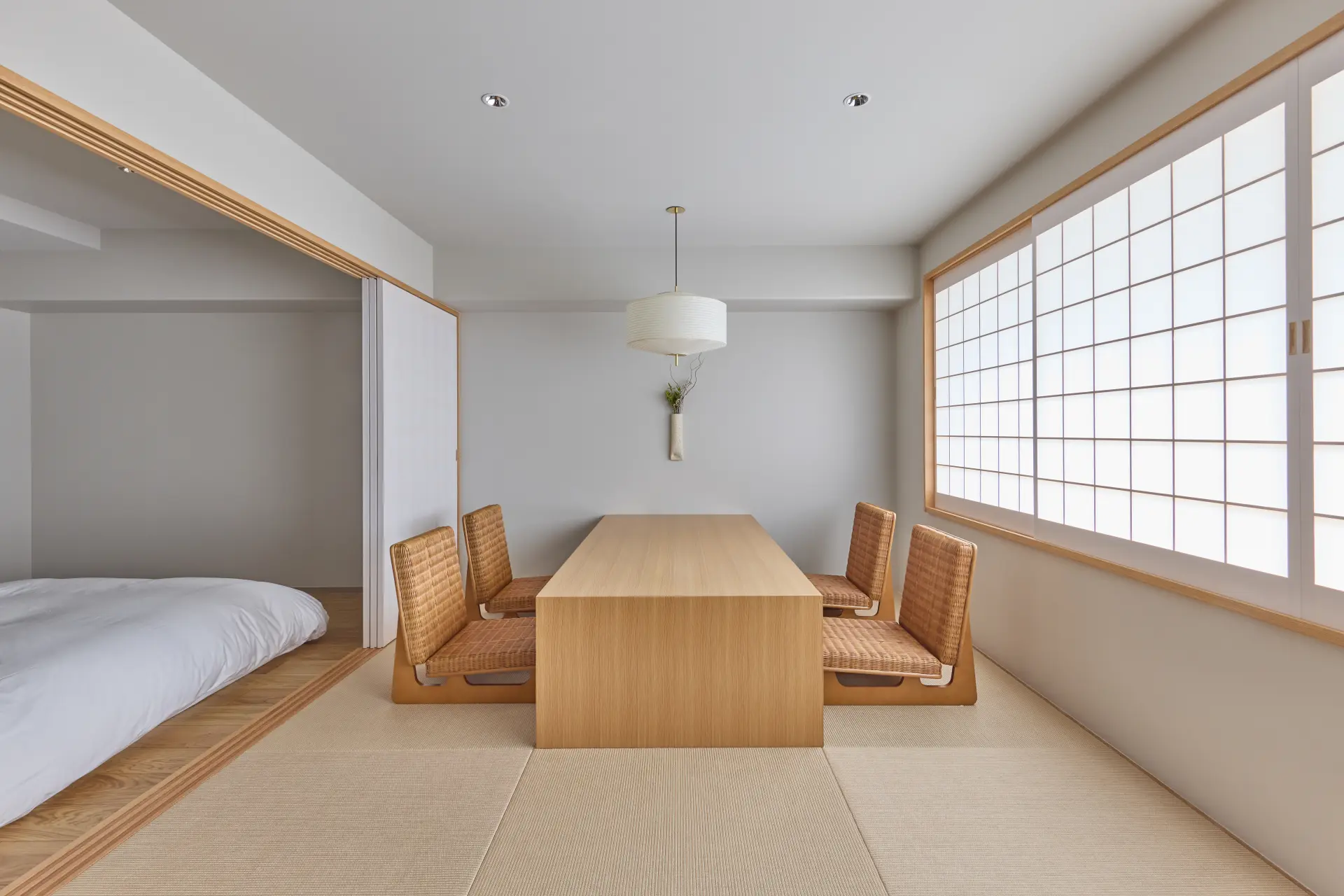
The hotel has only one of these suite-style rooms. It is the largest room and offers plenty of space for families or groups to stay together. It features four double beds and a tatami-floored living area.
Long-Established Kyoto Coffee Roaster Ogawa Coffee Kiyomizu
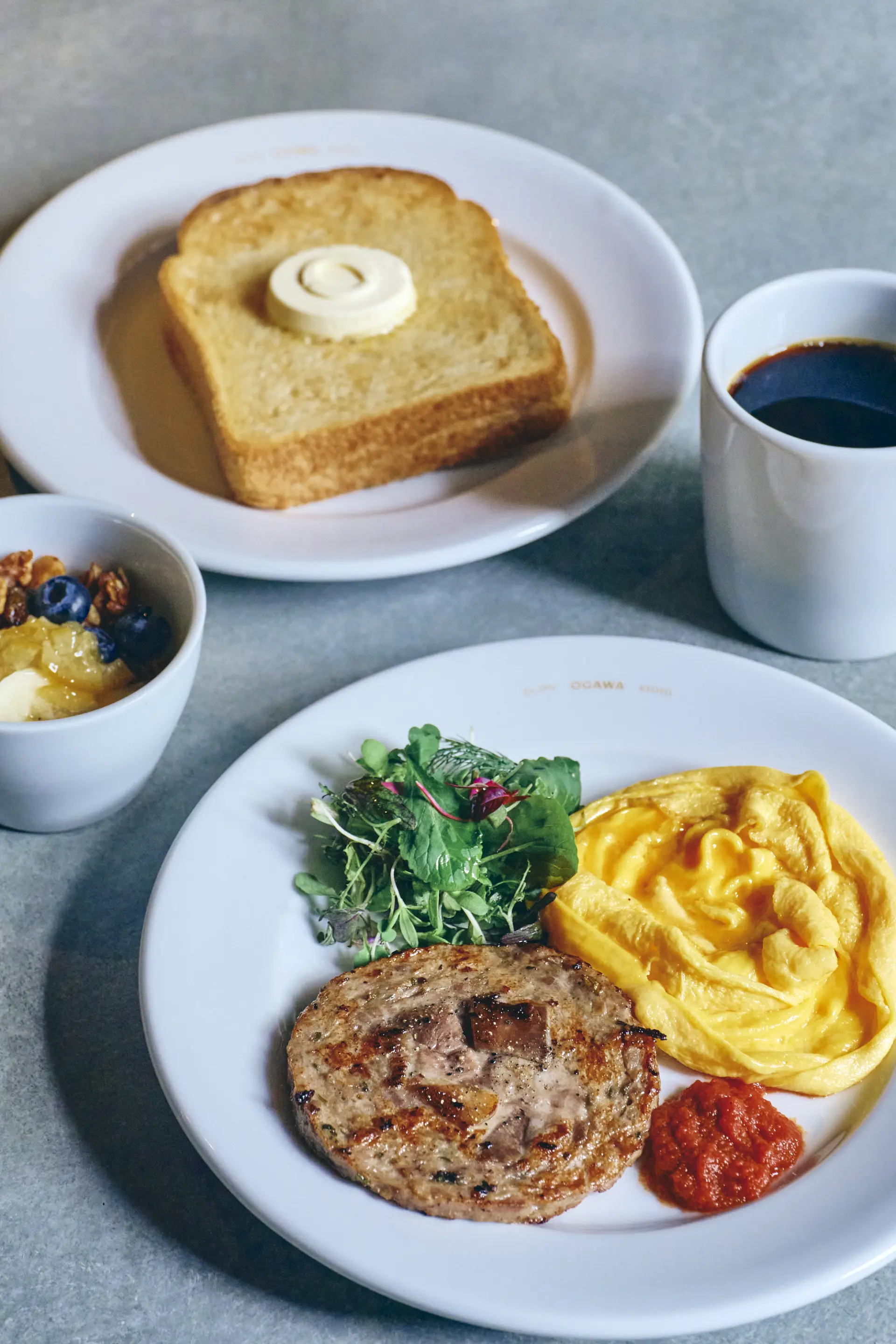
Ogawa Coffee is a specialty coffee shop founded in Kyoto in 1957. Ogawa Coffee Kiyomizu is located on the first floor of MUJI BASE KYOTO kiyomizu and is open from 8:00 a.m. to 8:00 p.m.
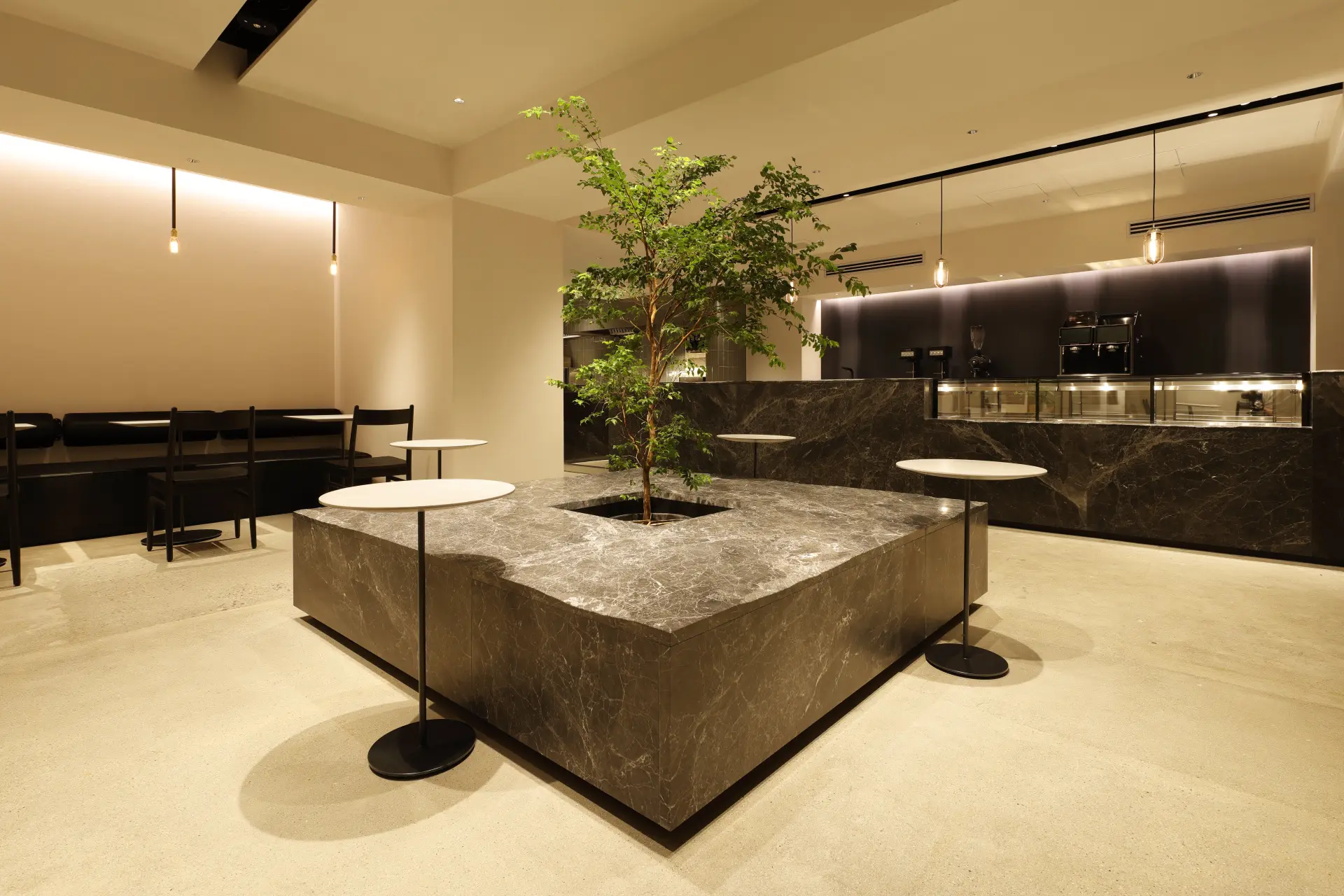
The Kiyomizu location serves only ethically sourced coffee that helps protect the global environment and the livelihoods of producers, both fundamental to coffee production. Each cup is prepared using the flannel-drip method, the origin of Japan's traditional coffeehouse culture, reflecting this philosophy. Its choice of ingredients beyond coffee also demonstrates a commitment to local production and consumption.
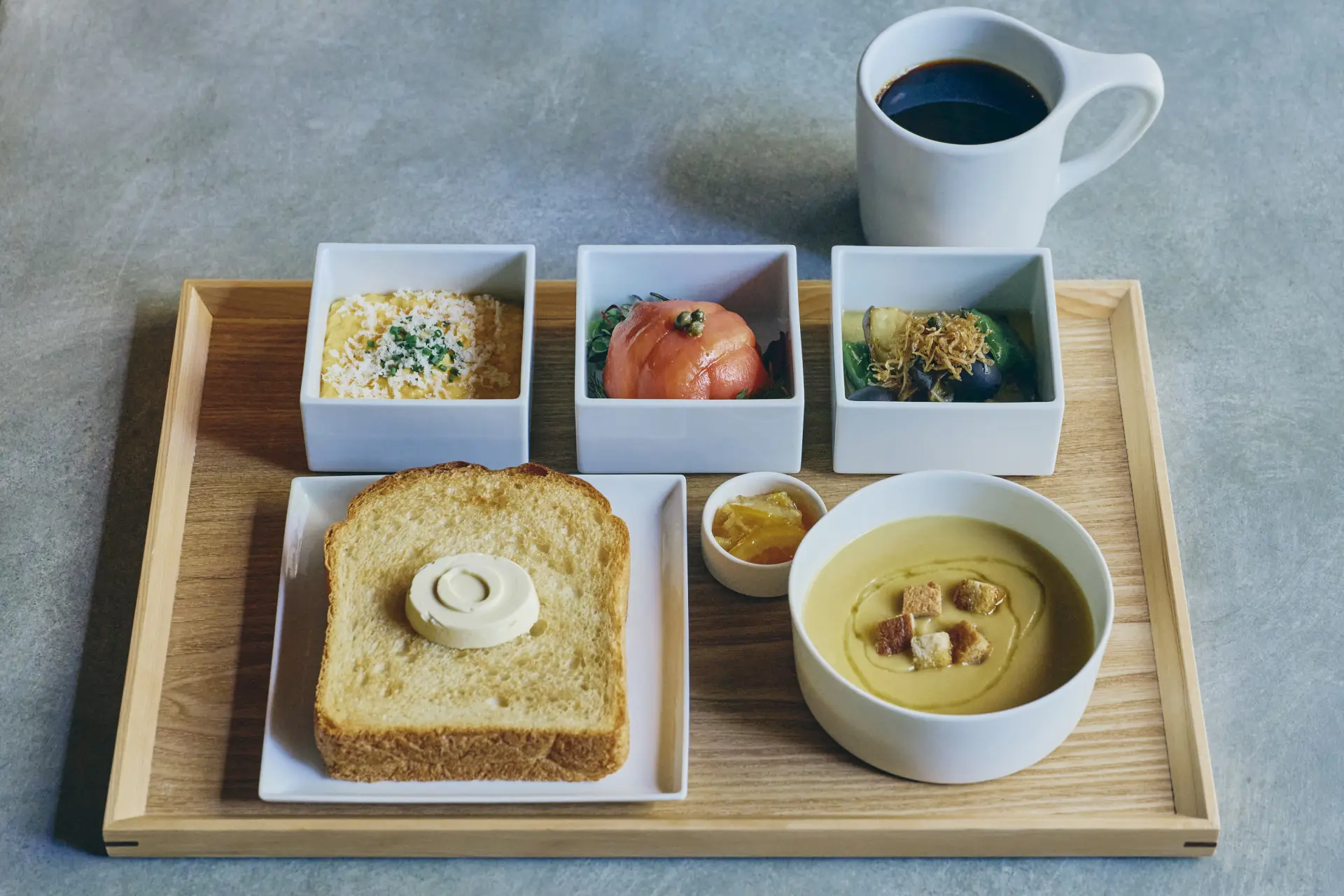
Guests staying at MUJI BASE can add breakfast at Ogawa Coffee as an option. There is an exclusive breakfast for hotel guests (¥2,500) and a regular morning menu. The guest-exclusive breakfast must be reserved by 5:00 p.m. the previous day. Reservations are available at 8:00 a.m. and 9:00 a.m., with six guests per time slot. As reservations are accepted in check-in order, arriving early is recommended.
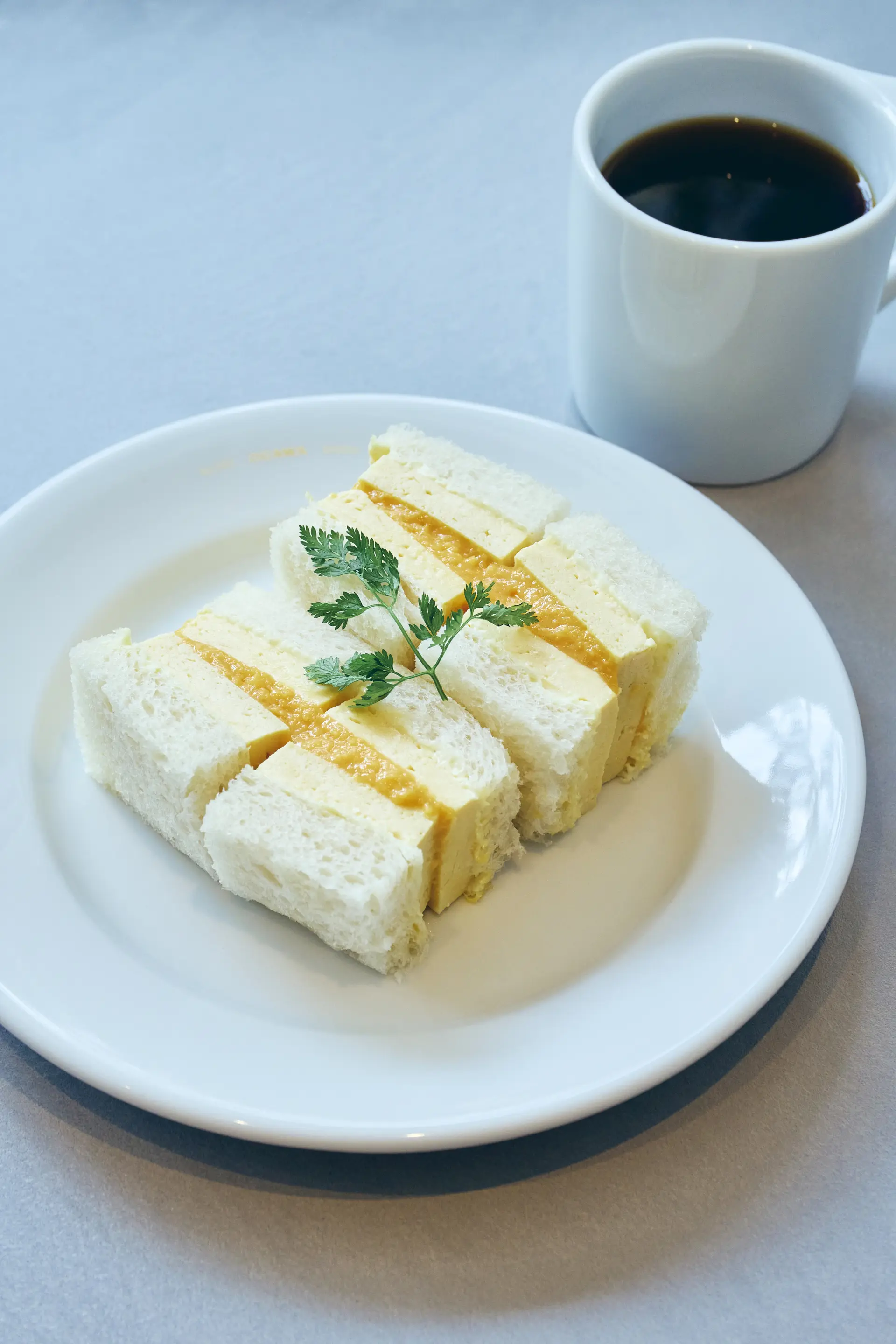
The coffee shop is, of course, also open to non-guests. In addition to coffee, it offers an extensive selection of breakfast and lunch dishes and desserts. Takeout is available, and coffee beans can also be purchased.
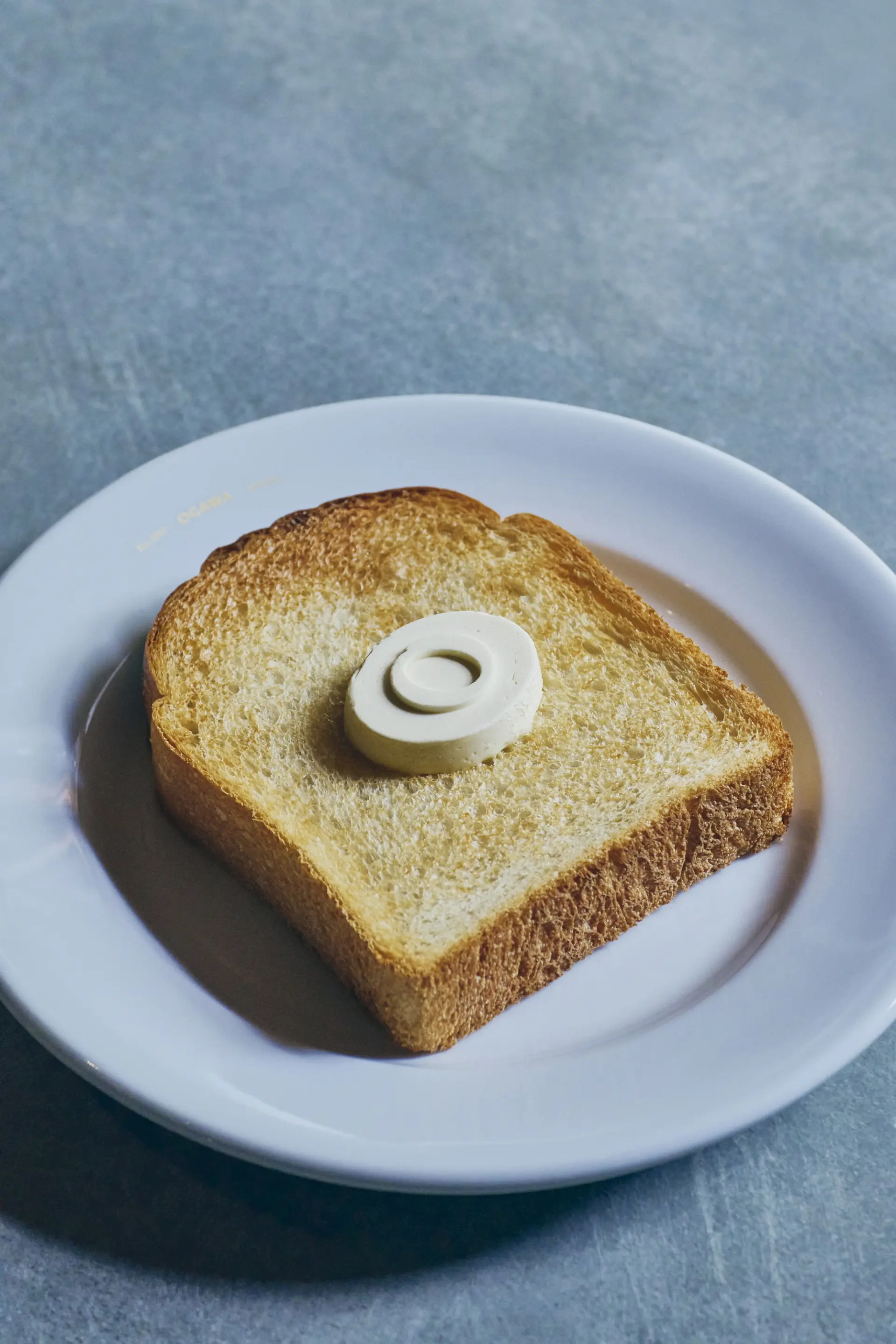
For breakfast, toast made with Kyoto-grown wheat is served freshly browned. The bread was developed around the concept of “a loaf you can eat every day without tiring of it, even 100 years from now.”
The lunch menu not only emphasizes local production and consumption but also presents new possibilities for local ingredients.
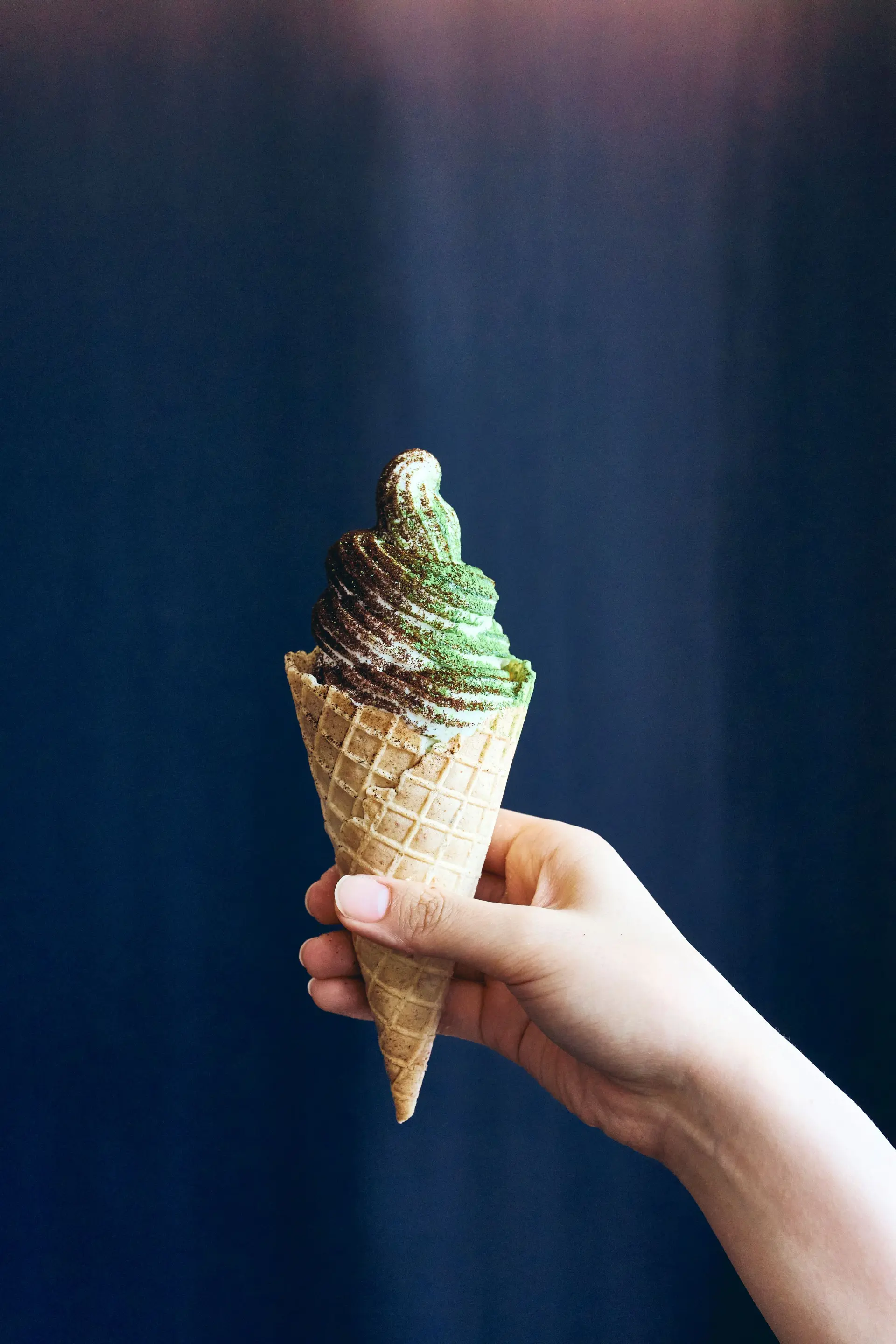
The milk soft-serve made with milk from Miyama, Kyoto, is a good choice to enjoy while exploring the neighborhood. It has a rich yet refreshing milk flavor. You can top it as you like with the coffee grounds used at the cafe or matcha powder from Wazuka, Kyoto.
5 Highlights
Here are five highlights of MUJI BASE KYOTO kiyomizu.
1. 90% of the Equipment and Amenities Are MUJI Products
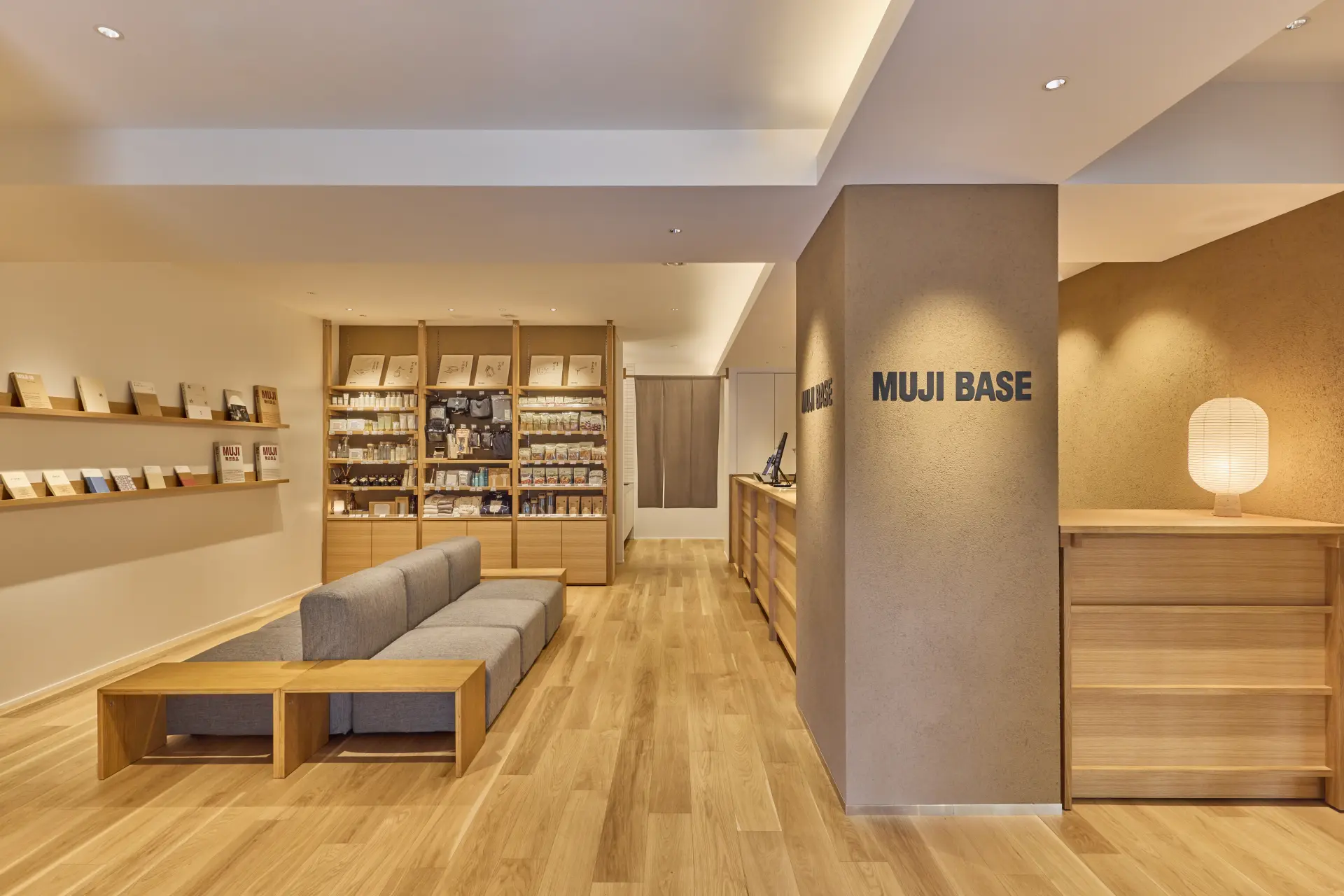
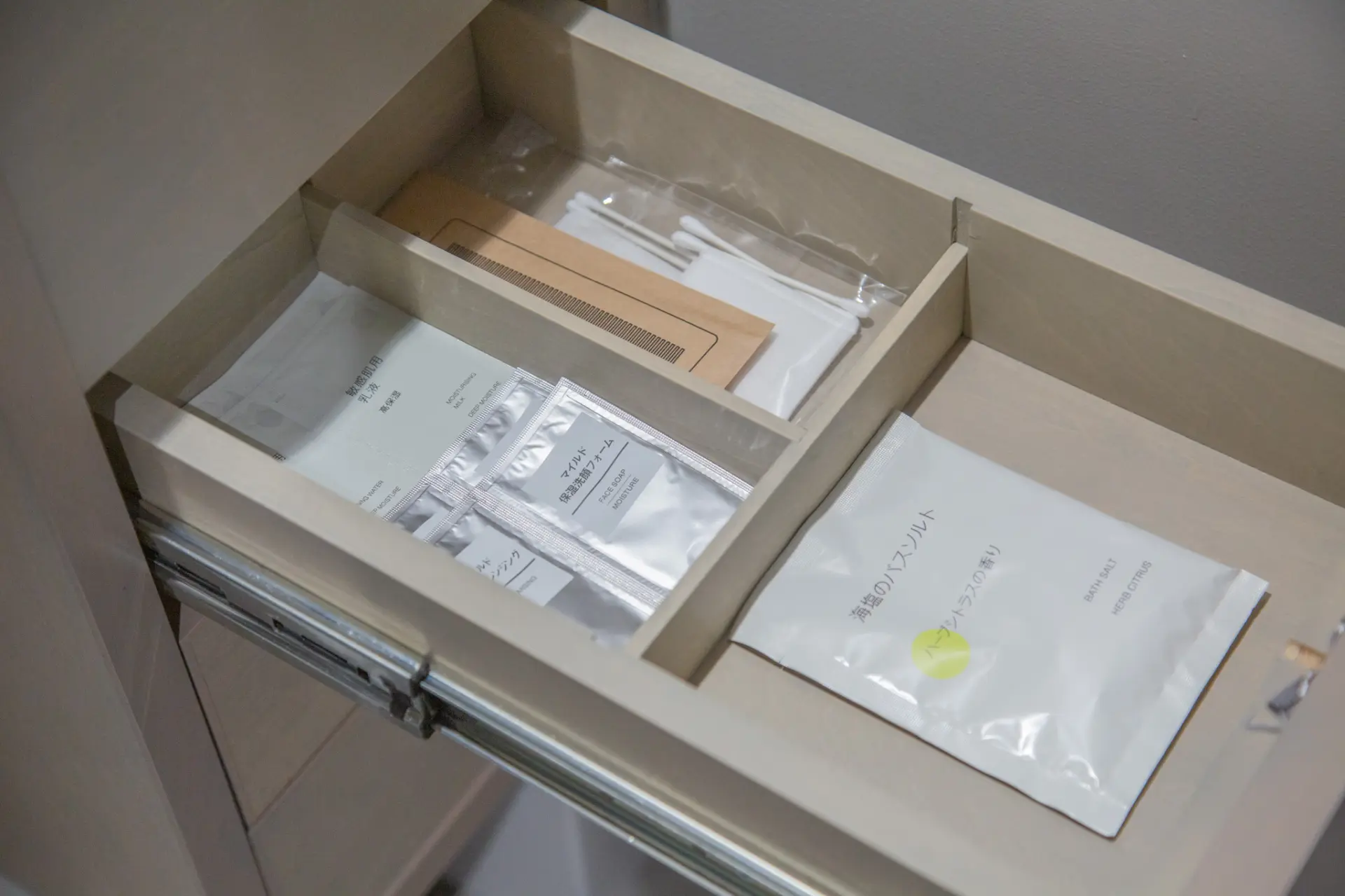
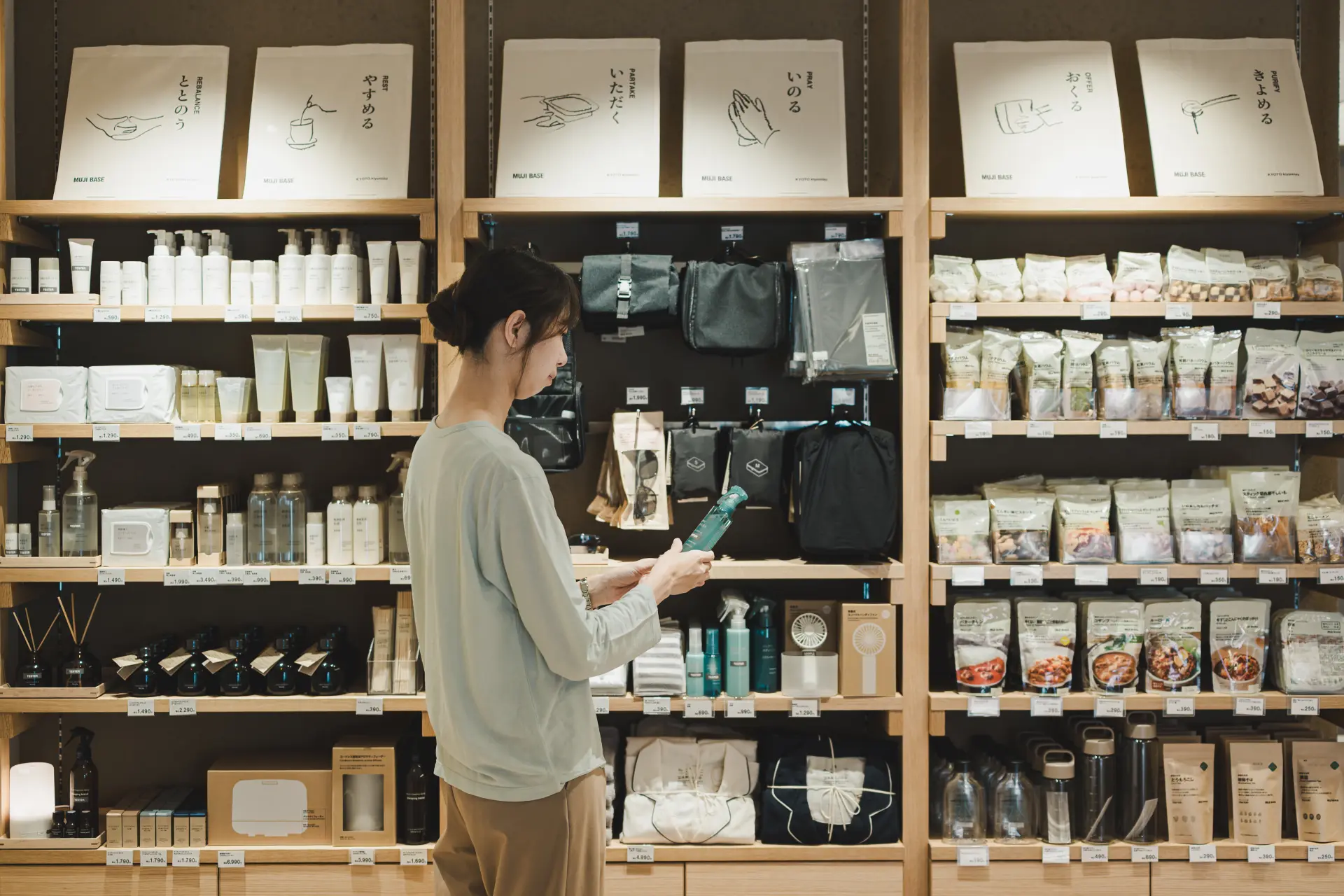
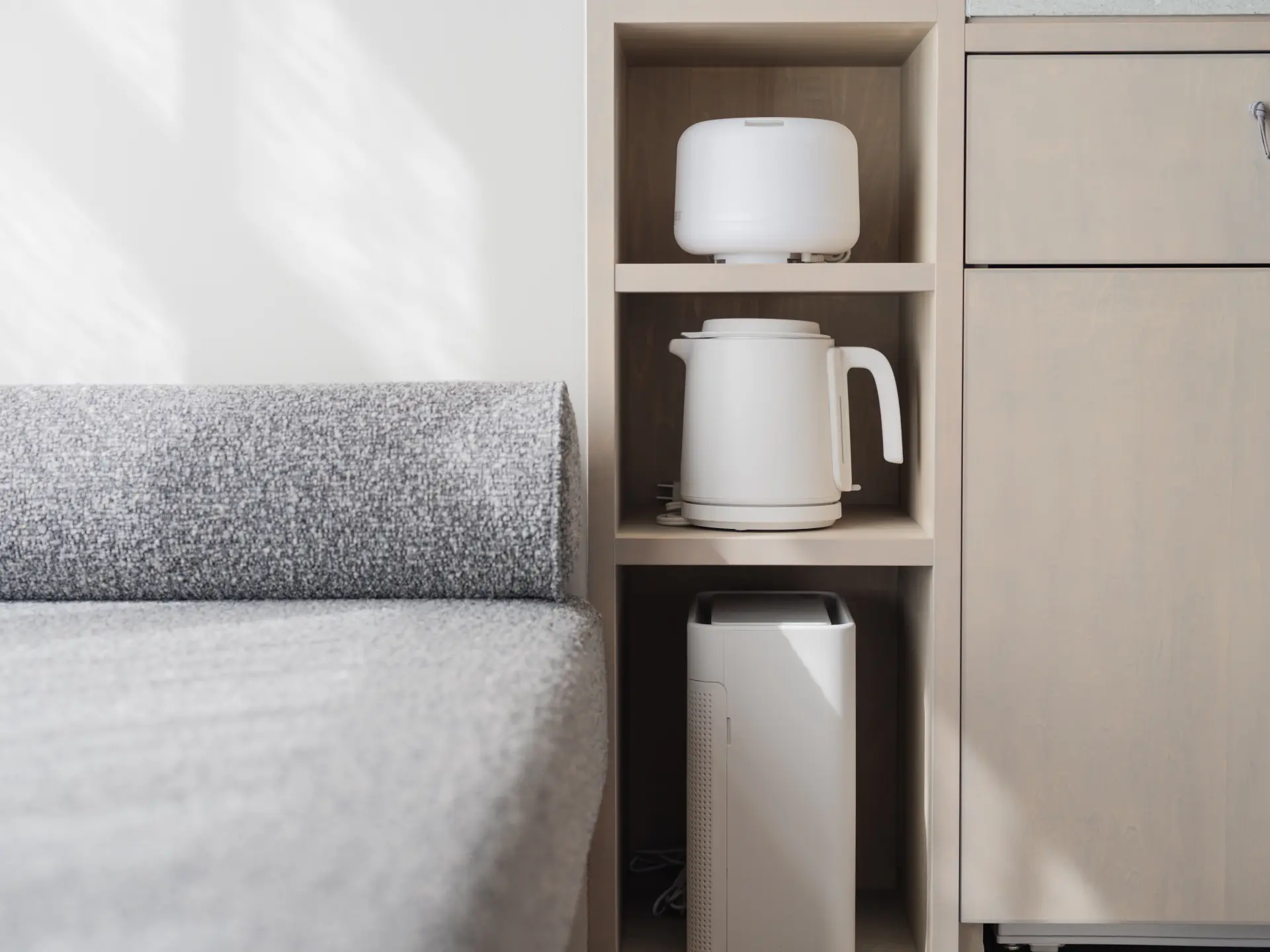
Around 90% of the amenities, bedding, appliances, and other items provided in the guest rooms are MUJI products. Because these products are available for purchase, the hotel gives you a chance to try items you may have been considering. This is especially helpful for products such as beds and appliances, which can be difficult to test before buying. If you find something you like, you can purchase it in the first-floor lobby. The products also make good souvenirs.
2. Located at the Meeting Point of Kyoto's Sacred and Everyday Sides
Higashioji-dori Avenue, where MUJI BASE KYOTO kiyomizu is located, divides two areas that developed in distinct ways. The eastern side, home to Kiyomizu-dera Temple, became a center of culture and faith, while the western side, with its geisha districts and restaurants, developed as a place of everyday life. MUJI BASE KYOTO kiyomizu therefore stands where culture and daily life intersect. It is a hotel where guests can experience everyday Kyoto while rediscovering the area's appeal.
3. Visit Kiyomizu-dera Temple Before the Crowds on an Early-Morning Tour
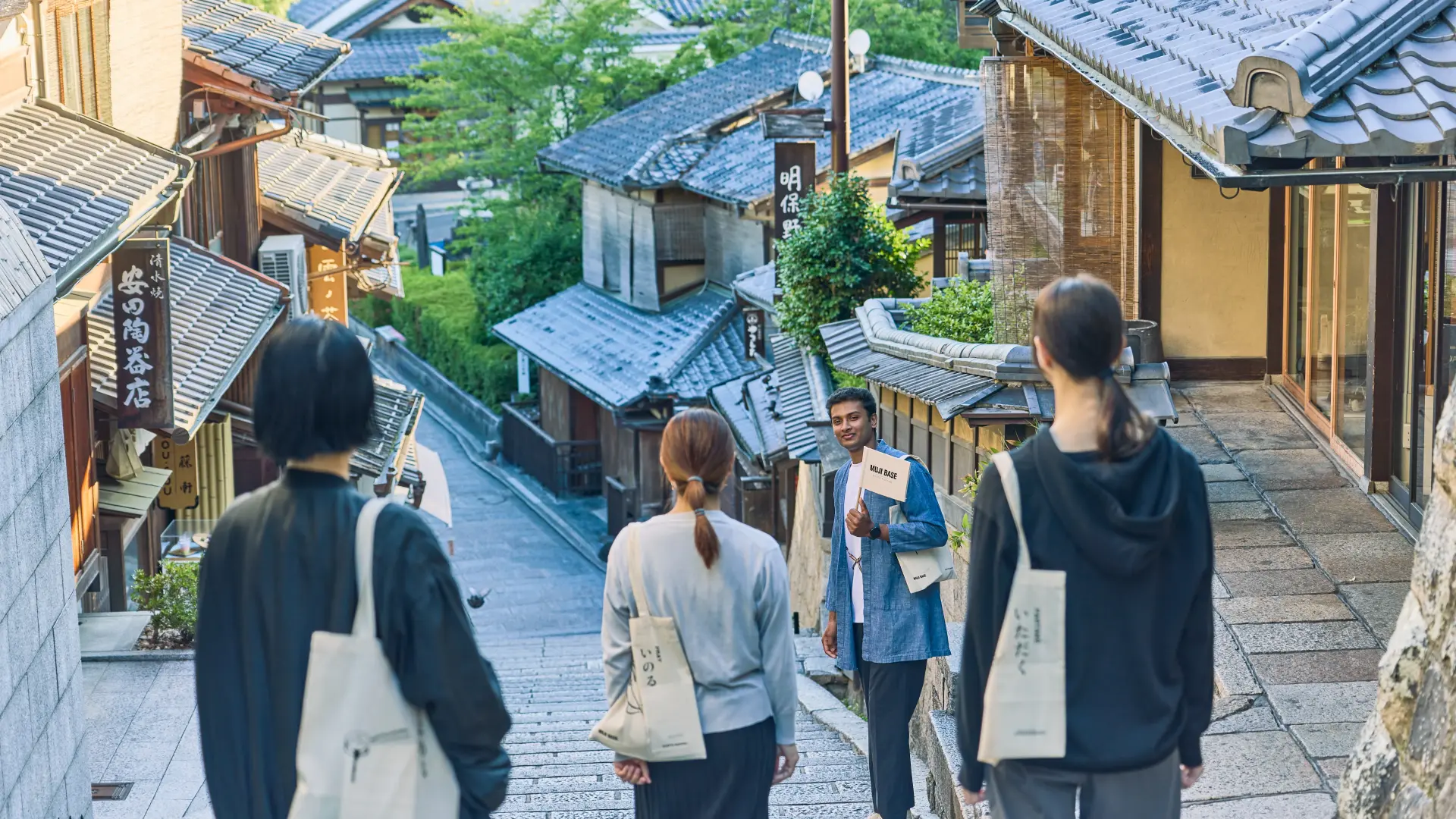
The Early-Morning Kiyomizu Pilgrimage Tour, available exclusively to hotel guests, lets you visit Kiyomizu-dera Temple first thing in the morning. A dedicated guide explains aspects of Kyoto life visible along the approach to the temple, while the tour also offers a chance to experience forms of faith rooted in the local community. The tour costs ¥1,500 per person and runs daily from 5:40 a.m. to 7:00 a.m. Capacity is limited to 10 participants per day, and reservations are required. You can book after arriving at the hotel, but because space is limited, it is best to reserve the tour when booking your stay.
4. Discover Everyday Kyoto with the Local Area Map
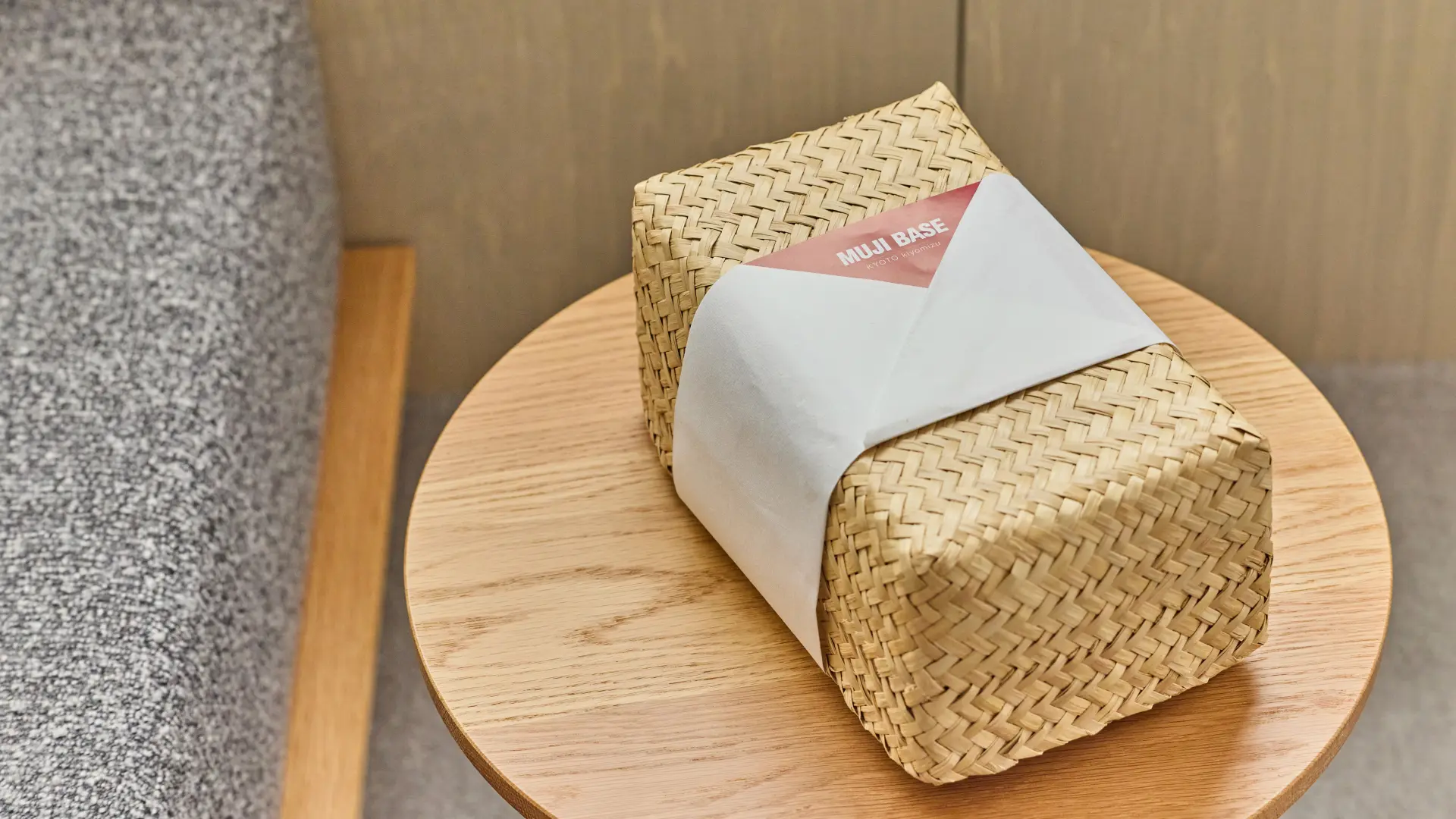
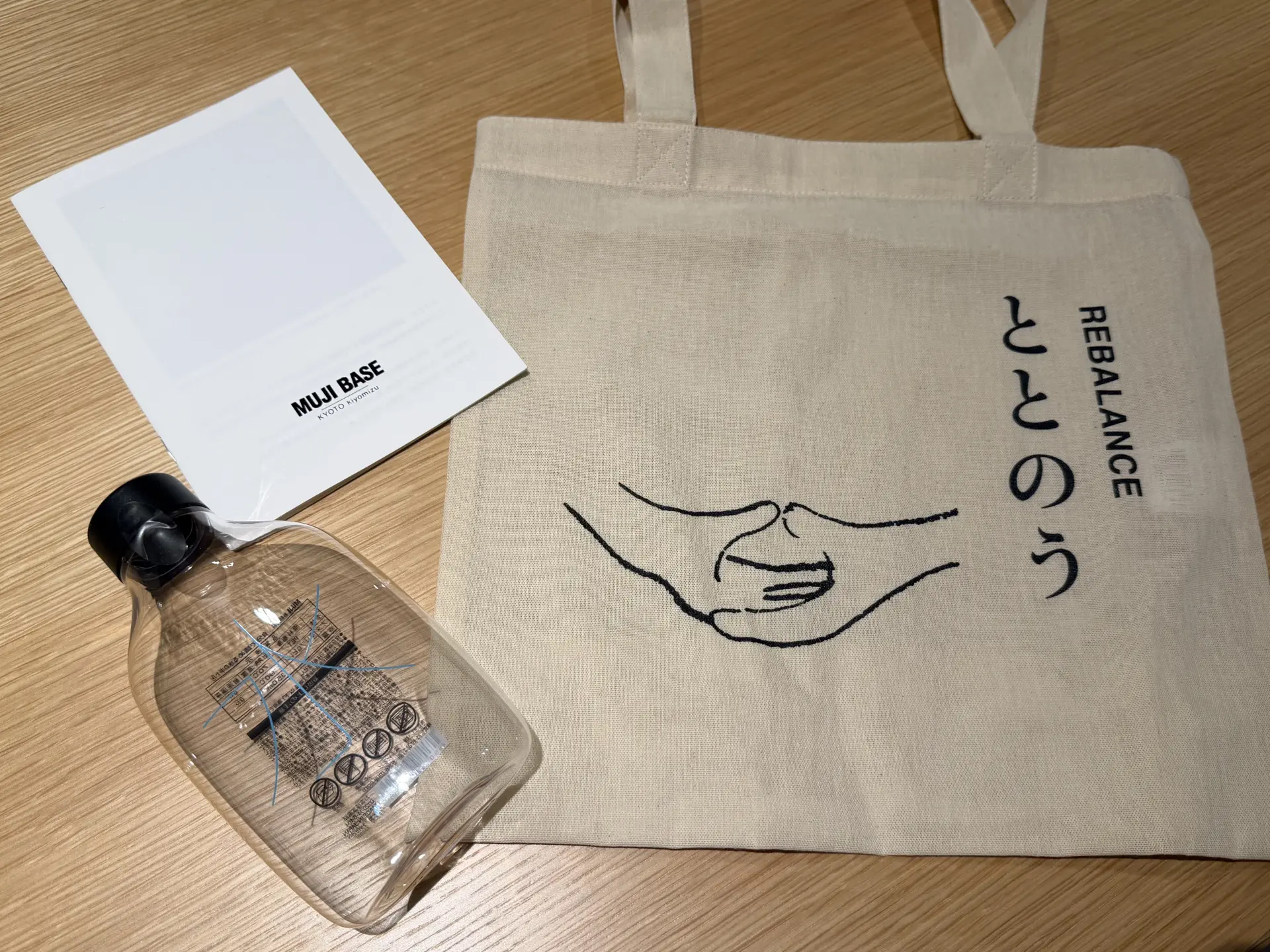
Each room includes a “neighborhood walking box” containing a Local Area Map. The map offers routes and tips for discovering the beauty of everyday life in Kyoto. Use MUJI BASE KYOTO kiyomizu as your base and take your time exploring the neighborhood.
5. An Eco-Friendly Hotel Stay with a Reusable Bottle
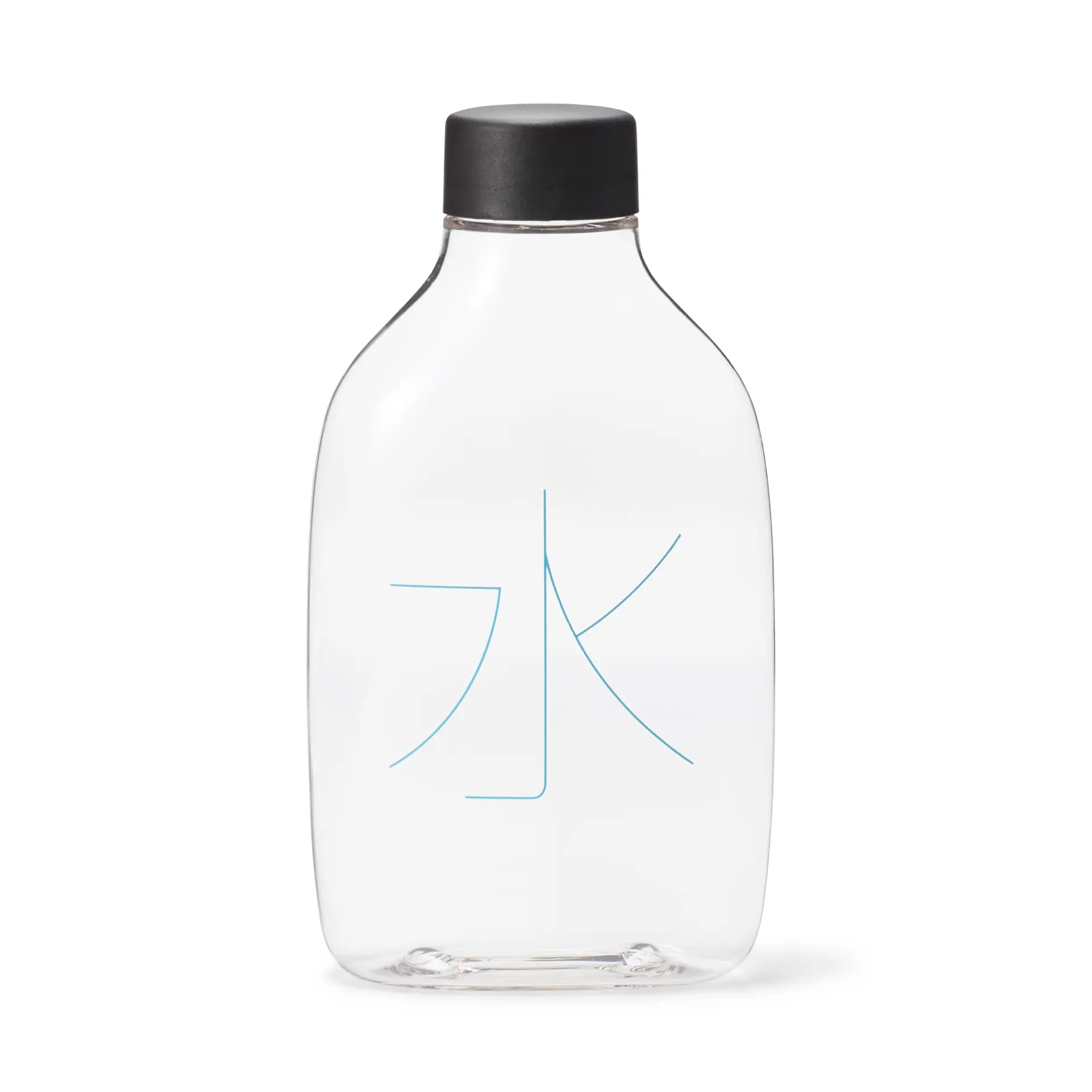
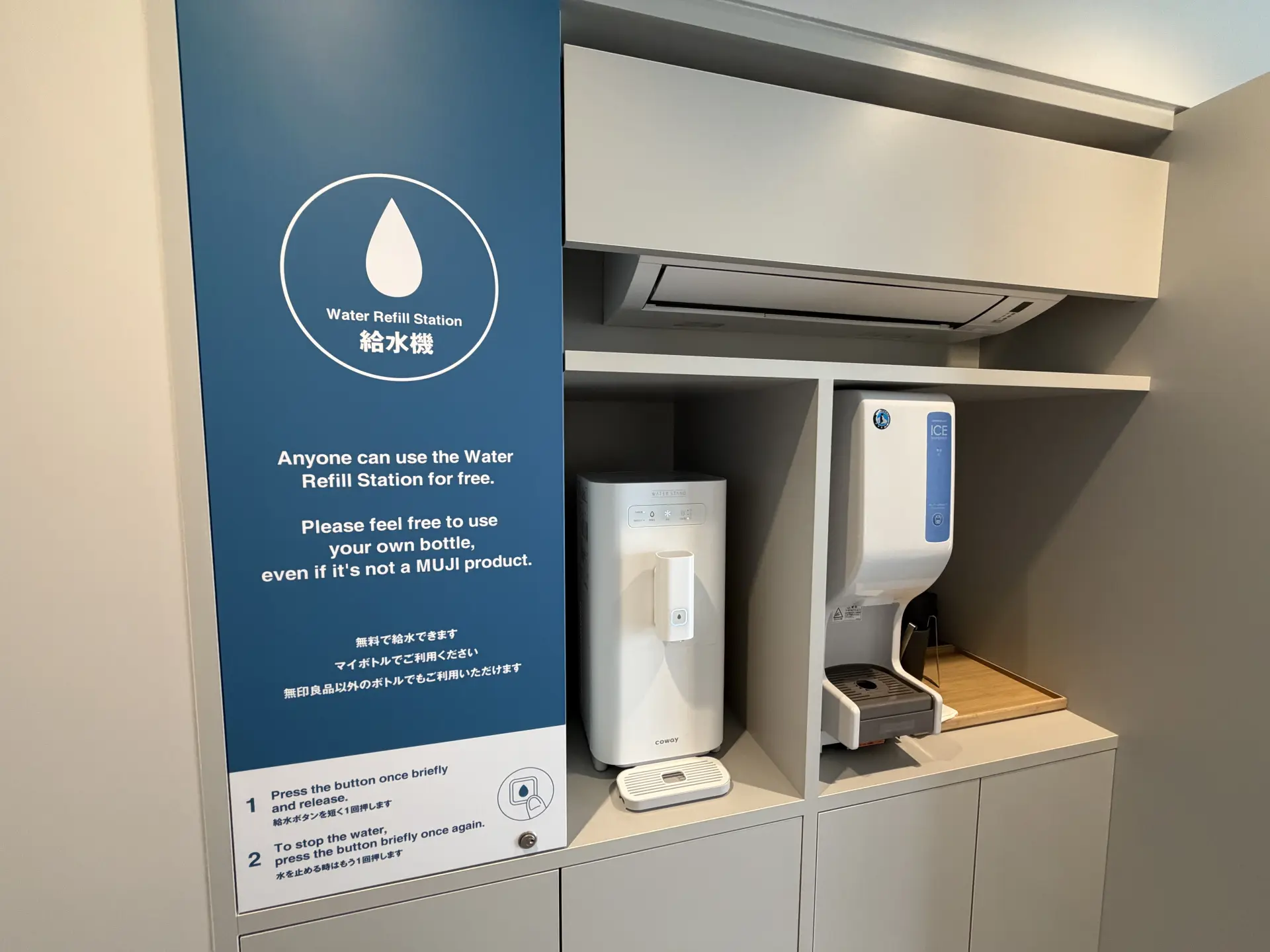
Guests use a reusable bottle during their hotel stay. This initiative reportedly reflects respect for the water culture rooted in the Kiyomizu area and encourages a more environmentally conscious way of traveling. The reusable bottle in the “neighborhood walking box” is MUJI's Water Bottle for Refill. You can refill it with just as much water as you need at the water station in the utility room on the second floor, as often as you like. The aim is to bring the small habit of taking only what you need, without relying on disposable containers, into your travels.
How to Spend Your Time at MUJI BASE KYOTO kiyomizu
Here is a suggested itinerary for a stay at MUJI BASE KYOTO kiyomizu.
DAY 1
3:00 p.m. Check-in
Check-in begins at 3:00 p.m. Use the tablet at the front desk to check in by entering the check-in code sent to you by email in advance or scanning the QR code. You will receive a slip showing your room number and access code. Once check-in is complete, the front desk staff will explain the facilities and tell you when to meet for the guest-exclusive Early-Morning Kiyomizu Tour the following day.
As room-only plans are standard, head to one of the many distinctly Kyoto-style restaurants around Kiyomizu for dinner.
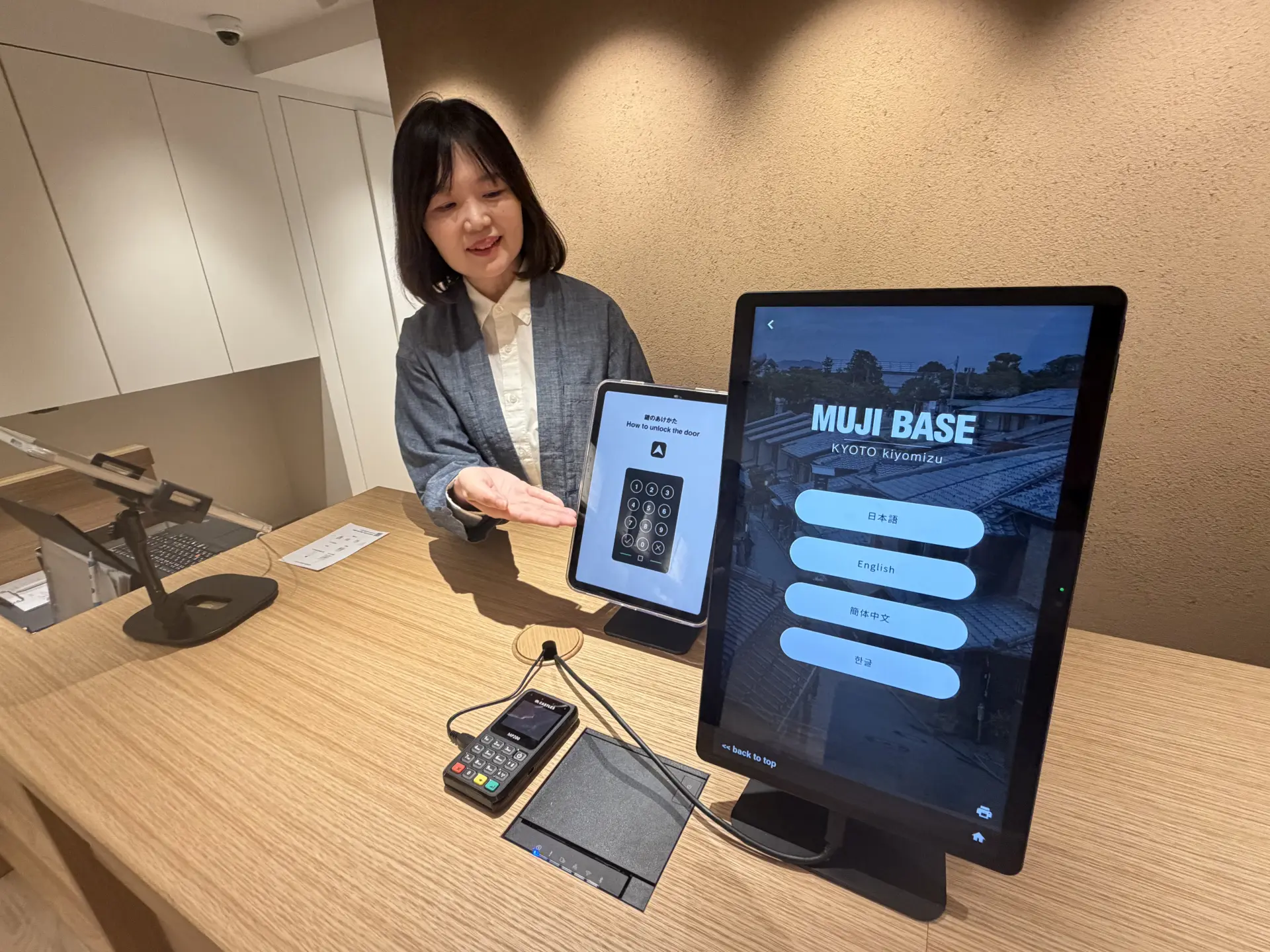
3:20 p.m. Room Tour
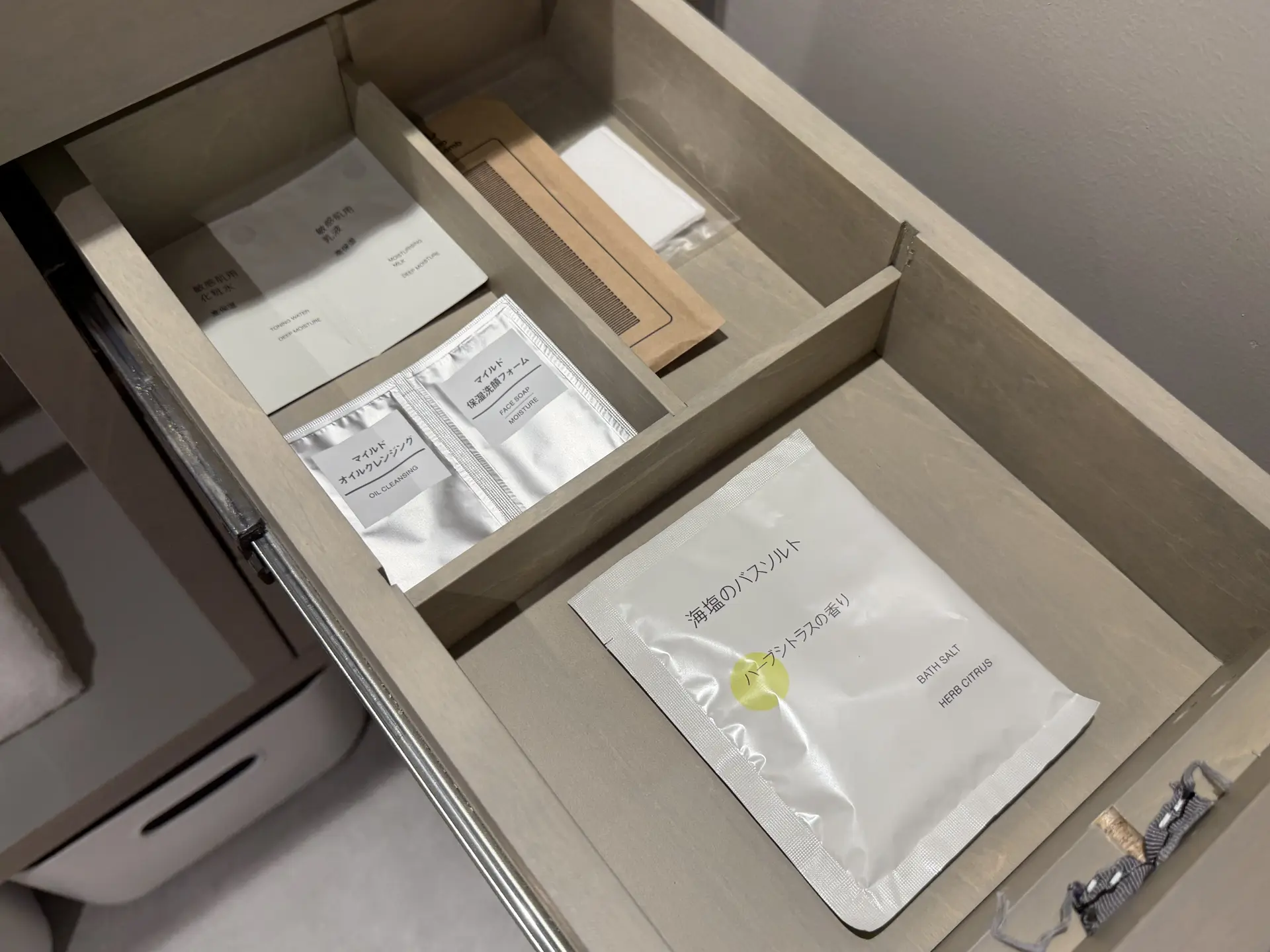
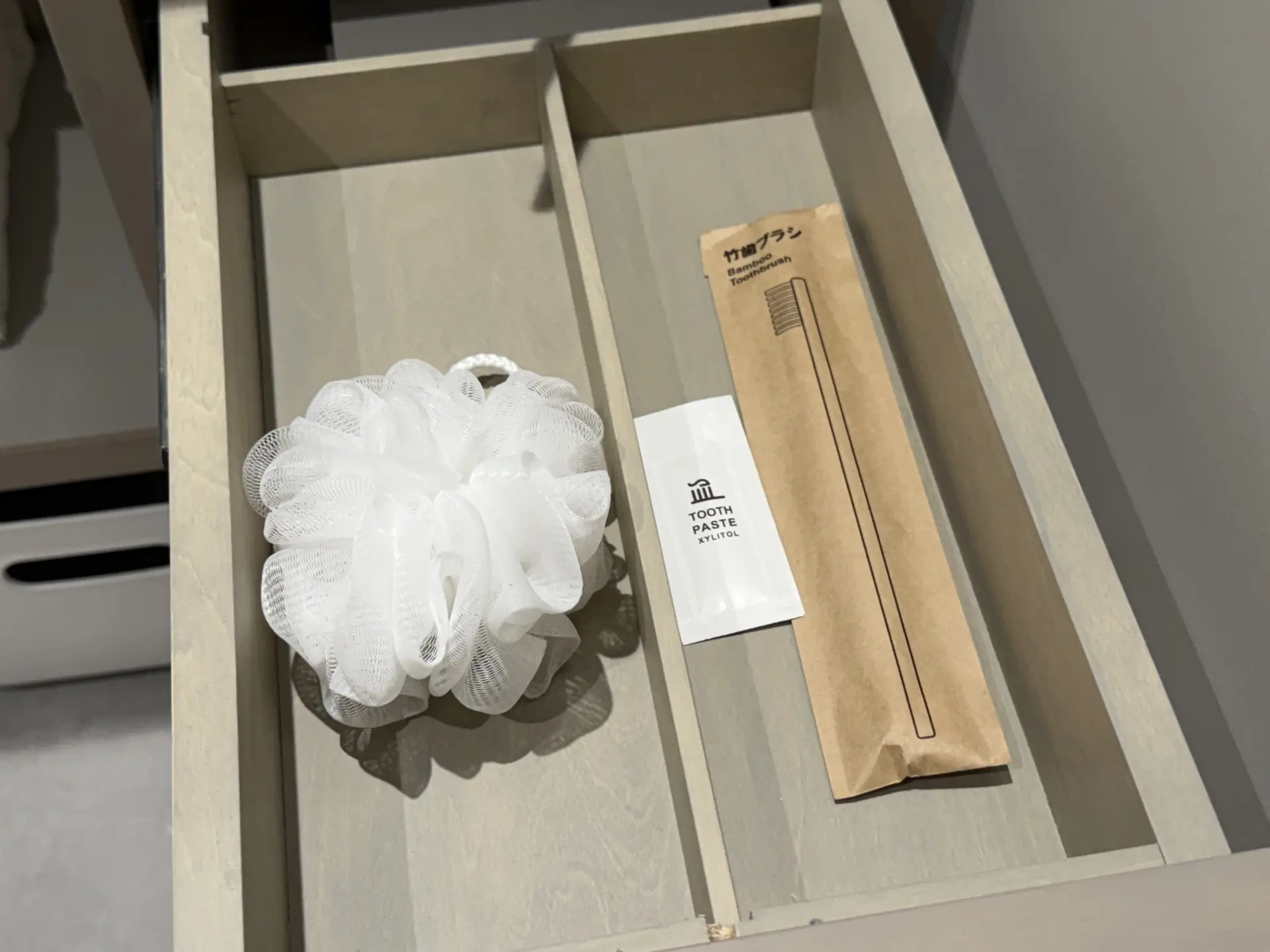
Rooms are accessed with a code rather than a key. I stayed in a Twin Room with Bathtub. Most of the appliances and amenities provided are MUJI products. I had wanted to try popular items such as the cleansing oil and toner, so I was pleased to find them in the room.
5:00 p.m. Dinner
Head to a distinctly Kyoto-style restaurant around Kiyomizu while taking in the streetscape along the way.
9:00 p.m. Tea Time in the Lounge
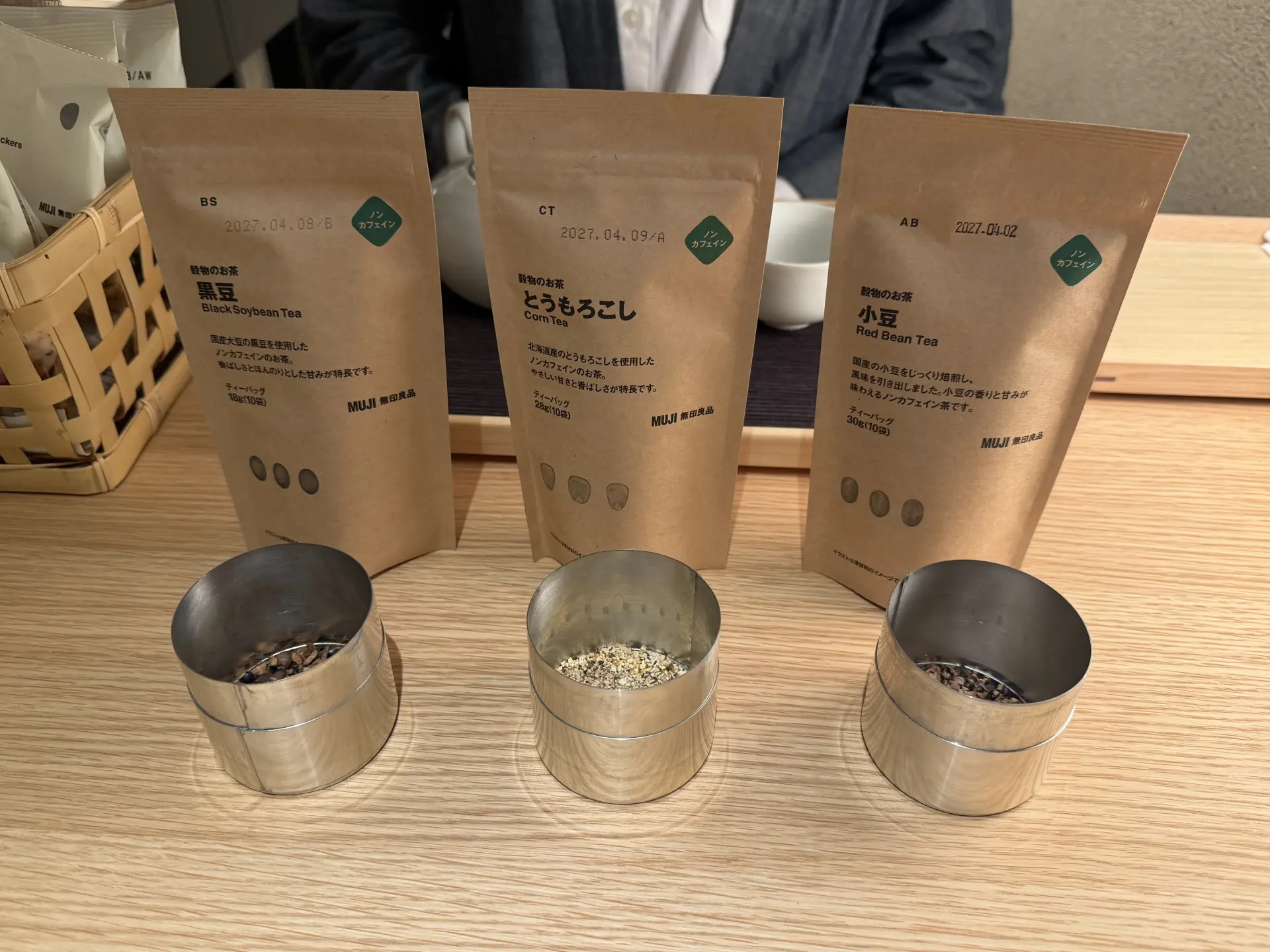
From 9:00 p.m. to midnight, Ogawa Coffee Kiyomizu on the first floor opens as an exclusive lounge for hotel guests, serving MUJI tea and snacks. Last orders are at 11:30 p.m. Choose your tea and snack at the first-floor counter. Three types of tea are available. The first is caffeine-free Black Soybean Tea, made with Japanese black soybeans and characterized by its roasted aroma and subtle sweetness. Corn Tea is also caffeine-free and made with corn from Hokkaido, with a gentle sweetness and roasted flavor. Azuki Bean Tea is made by slowly roasting Japanese azuki beans to draw out their flavor. This caffeine-free tea has the aroma and sweetness of azuki beans. It is nice that all three are caffeine-free before bedtime. I chose the Corn Tea. I often buy MUJI's Corn Tea because of its excellent roasted corn aroma. I recommend it!
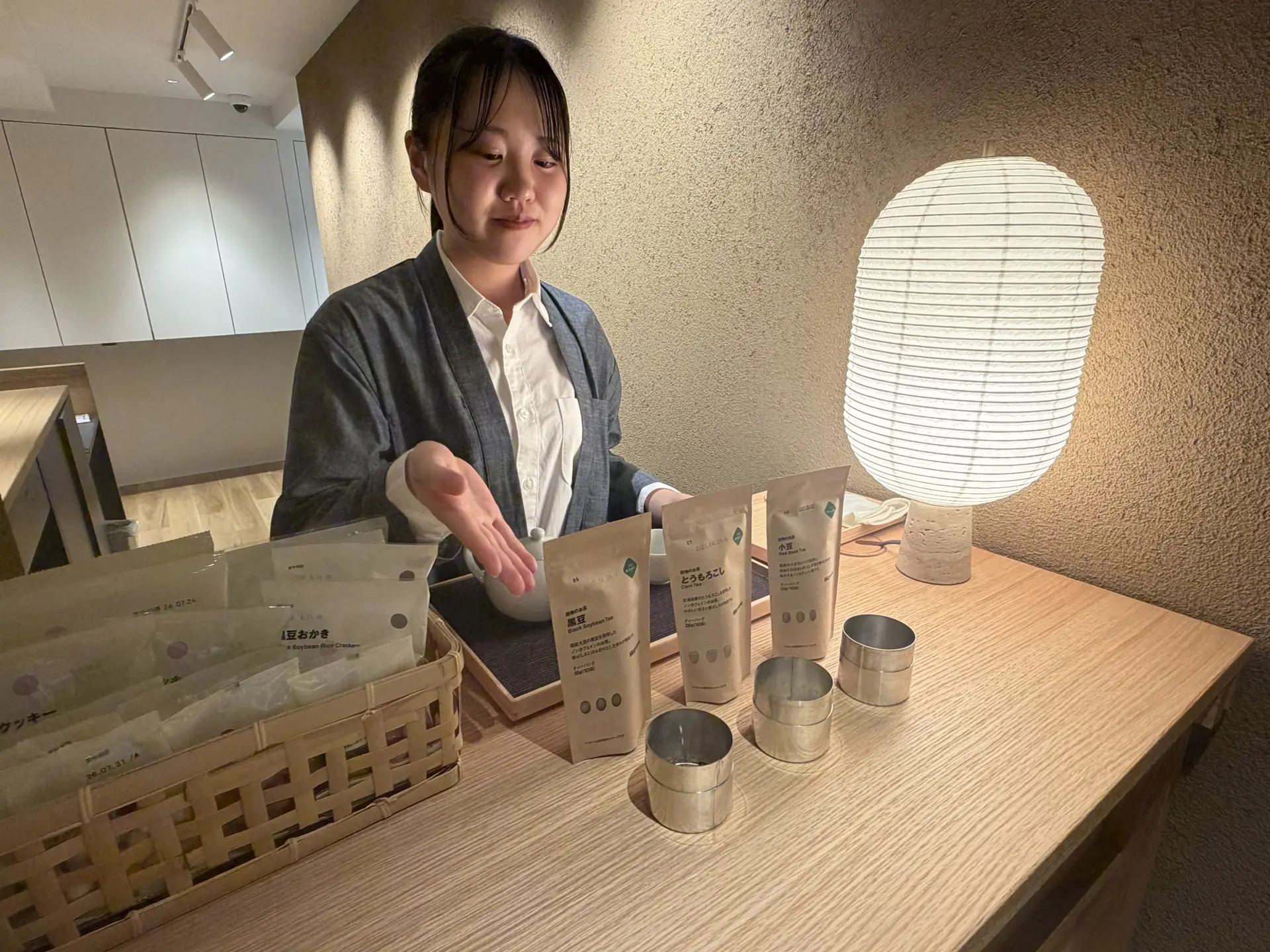
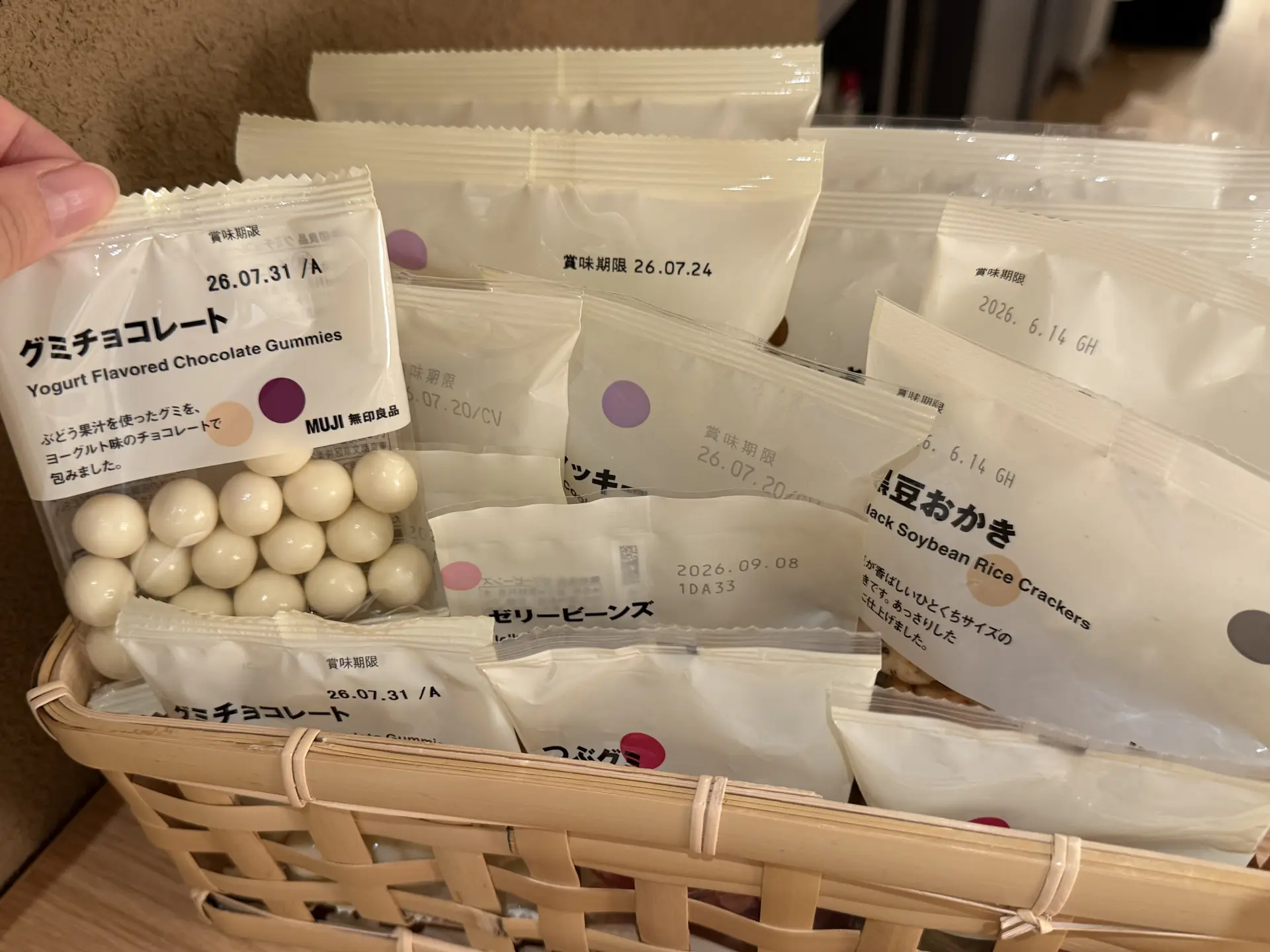
You can also choose from six snacks. On this day, the options were black tea cookies, fruit gummies, chocolate-covered gummies, candied sweet potato sticks, black soybean rice crackers, and beet sugar biscuits. I chose the black tea cookies, which I had wanted to try for some time.
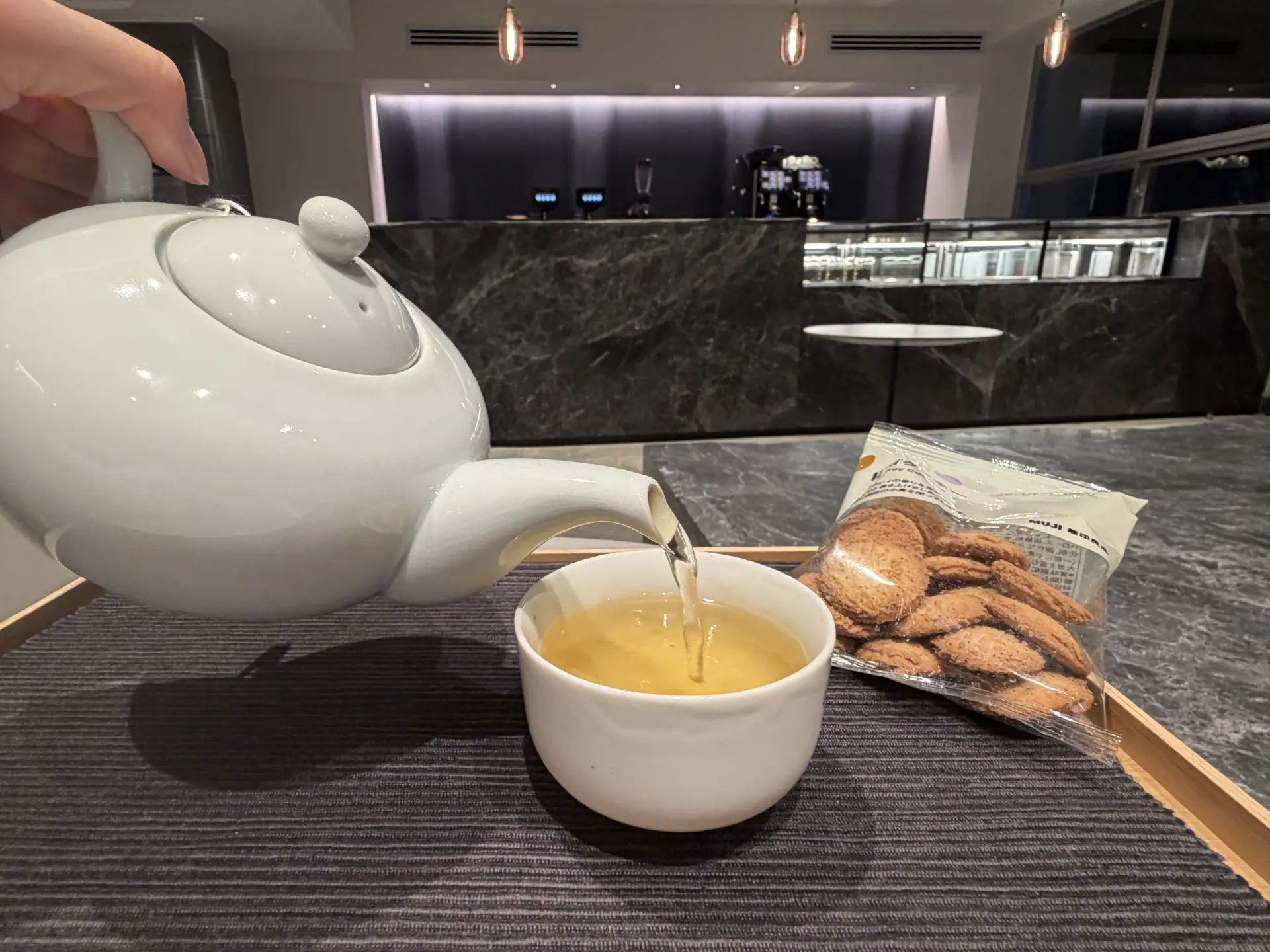
After making your selection, head into Ogawa Coffee, which opens as a lounge exclusively for hotel guests. MUJI BASE and Ogawa Coffee are separated by just one traditional curtain, so it was very convenient not to have to go outside. There was enough tea for about three cups. It paired well with the roasted flavor of the black tea cookies, and I enjoyed a leisurely time in the lounge.
11:00 p.m. Bath Time
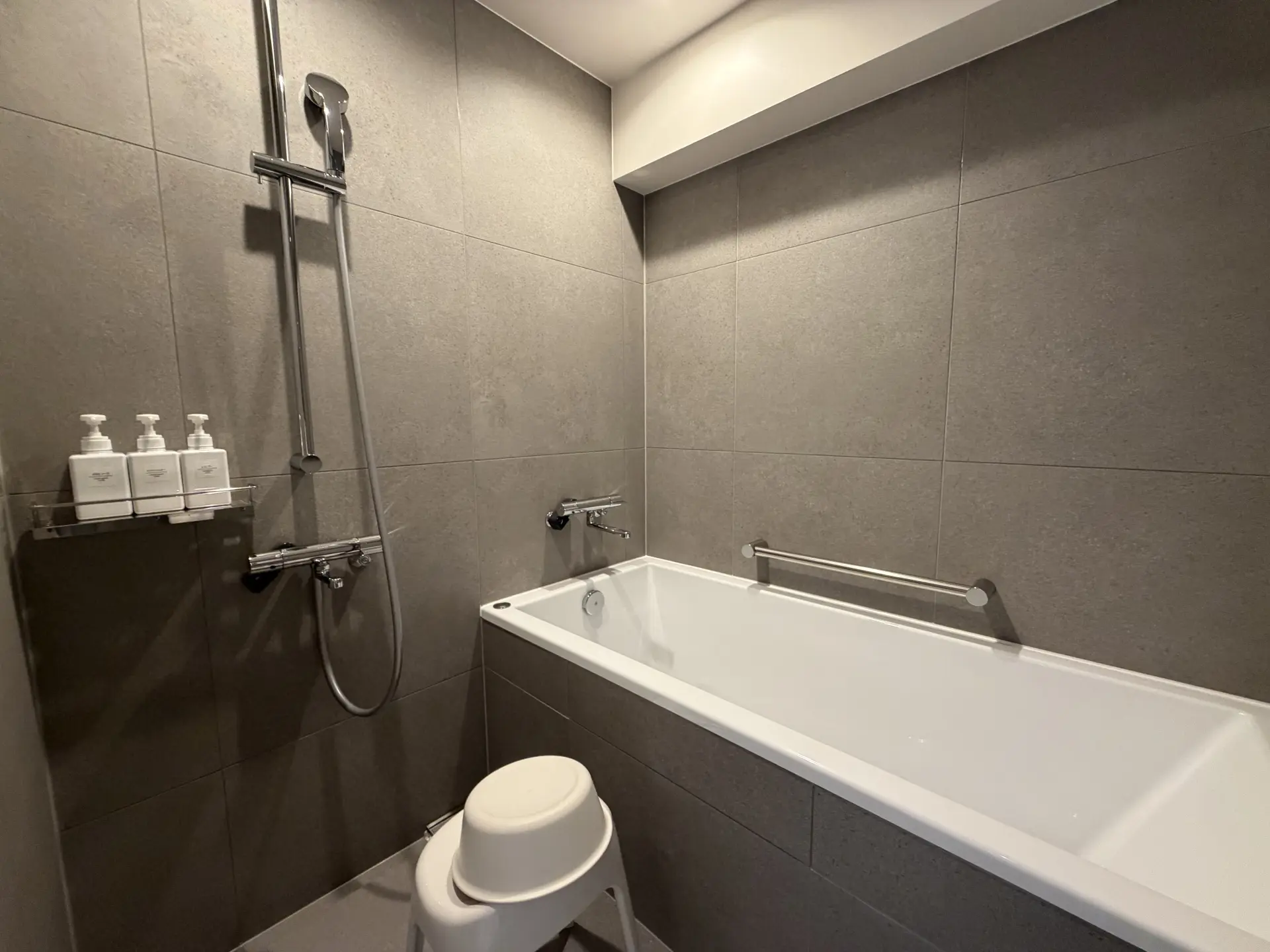
After leaving the lounge, return to your room for a bath. The shampoo, conditioner, and body wash are, of course, all MUJI products. I tried the body wash with the foaming ball provided among the amenities. I had been curious about both products. It created a thick, fluffy lather and left my skin feeling moisturized.
The bathtub was reportedly designed to be large enough for international travelers to stretch out comfortably. Bath salts are provided among the amenities, so add them to the water, soak in the tub, and ease away the fatigue of your journey.
11:40 p.m. Unwind with Aromatherapy
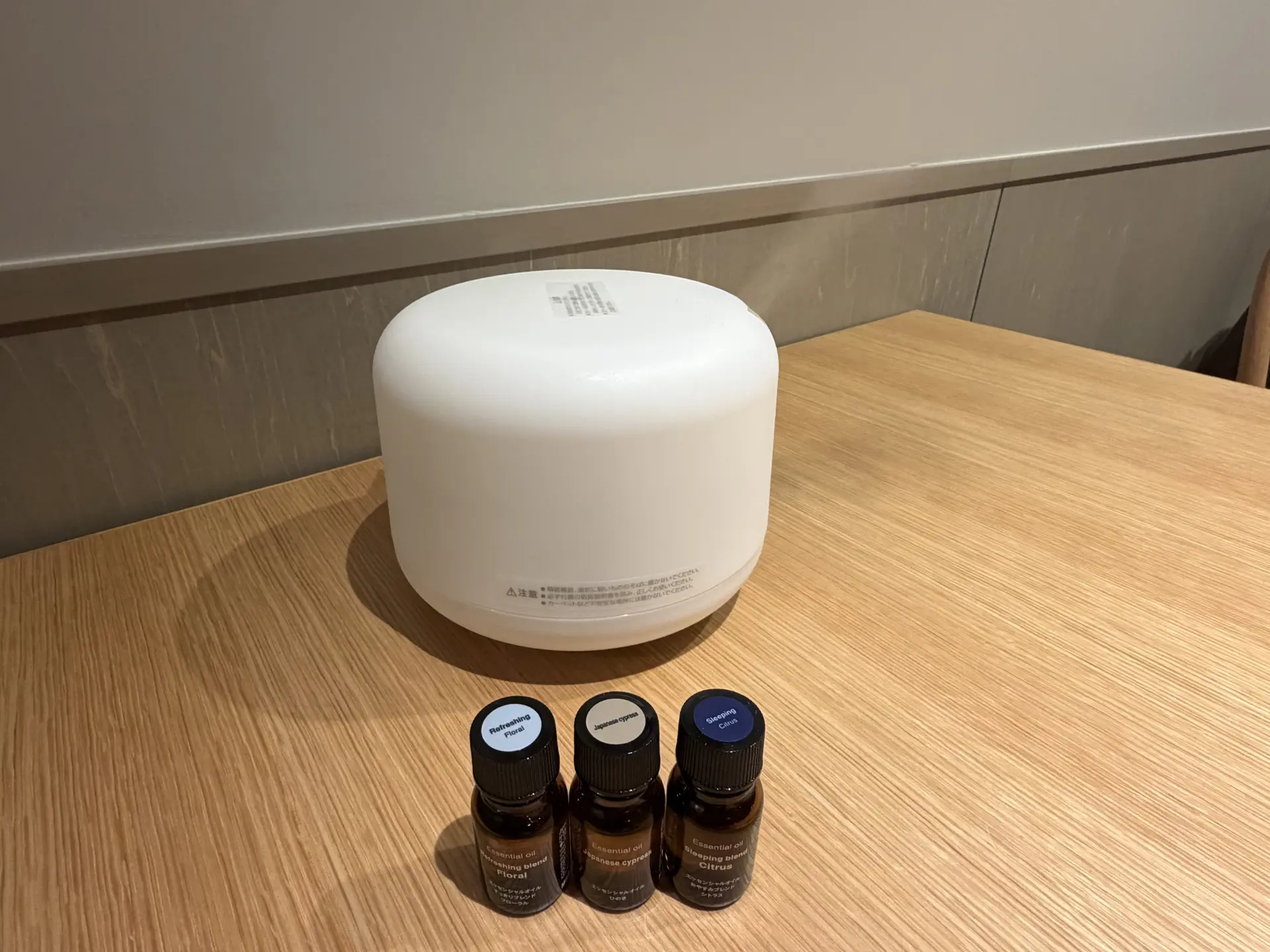
After your bath, relax with aromatic oil before bed. Three varieties are available: Essential Oil Refreshing Blend Floral, Essential Oil Hinoki, and Essential Oil Sleep Blend Citrus. Since it was almost bedtime, I chose the Sleep Blend. After filling the room with its refreshing orange fragrance, I turned in early because the Early-Morning Kiyomizu Pilgrimage Tour would depart at 5:40 a.m.
DAY 2
4:45 a.m. Wake Up
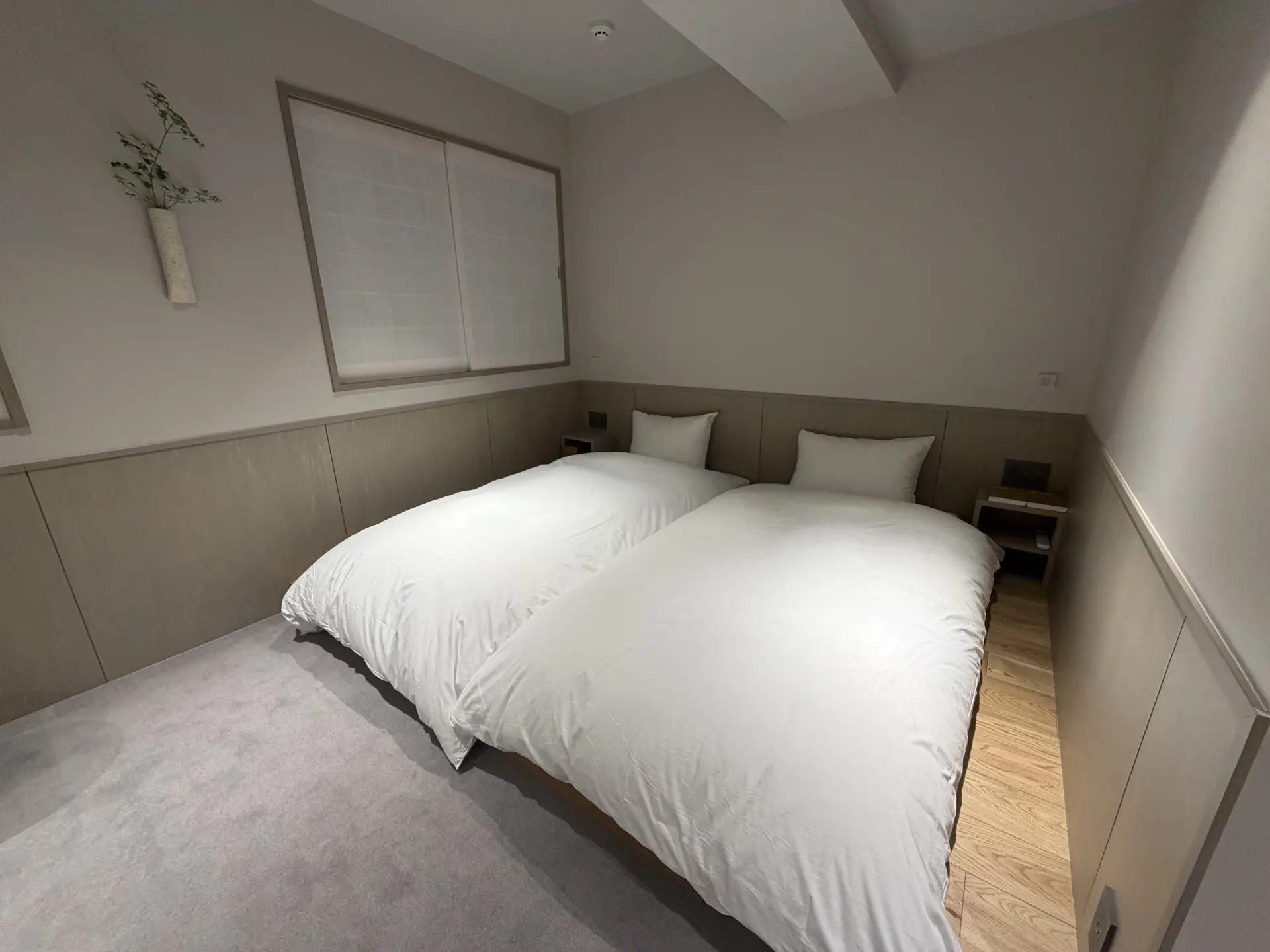
Kyoto is still dark before sunrise, and everything is very quiet. I slept soundly the night before—and no wonder. The pillow, mattress pad, comforter, and mattress are all MUJI products. Furniture like this can be difficult to try in a store even if you are interested in it, so having the chance to use it for an entire night is a real benefit.
Now it is time to get ready and head to the meeting point in the first-floor lobby. Do not forget your reusable bag, reusable bottle, and Local Area Map. Stop by the utility room on the second floor and fill your bottle from the water dispenser.
5:40 a.m. Early-Morning Tour Departs
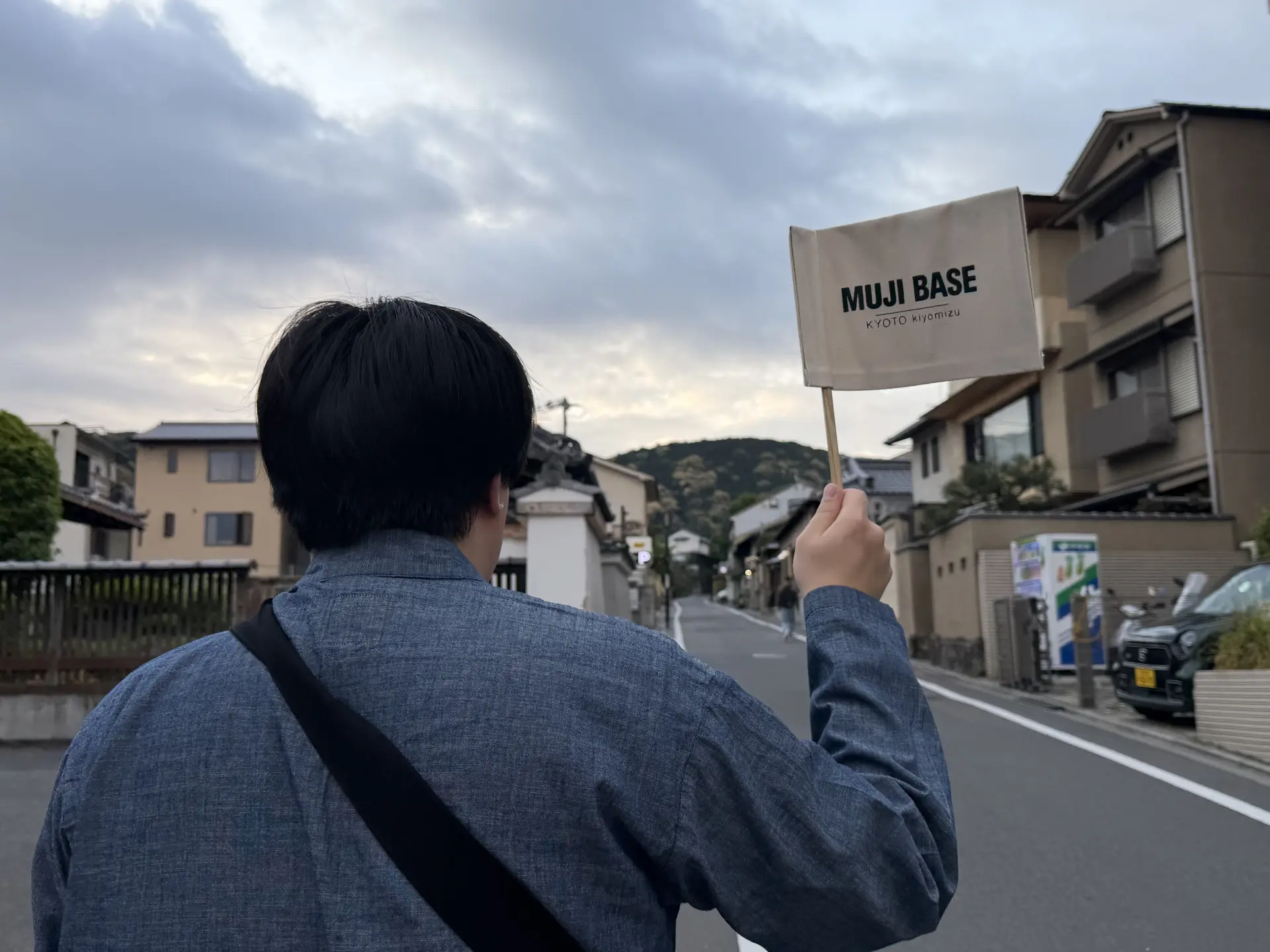
After the guide greets the group and explains the tour, you set off right away. The destination is Kiyomizu-dera Temple, about a 10-minute walk from the hotel. The tour has 11 checkpoints. Immediately after leaving the hotel and turning east, you will see Kiyomizu-zaka, the slope leading to Kiyomizu-dera Temple. This is the first checkpoint.
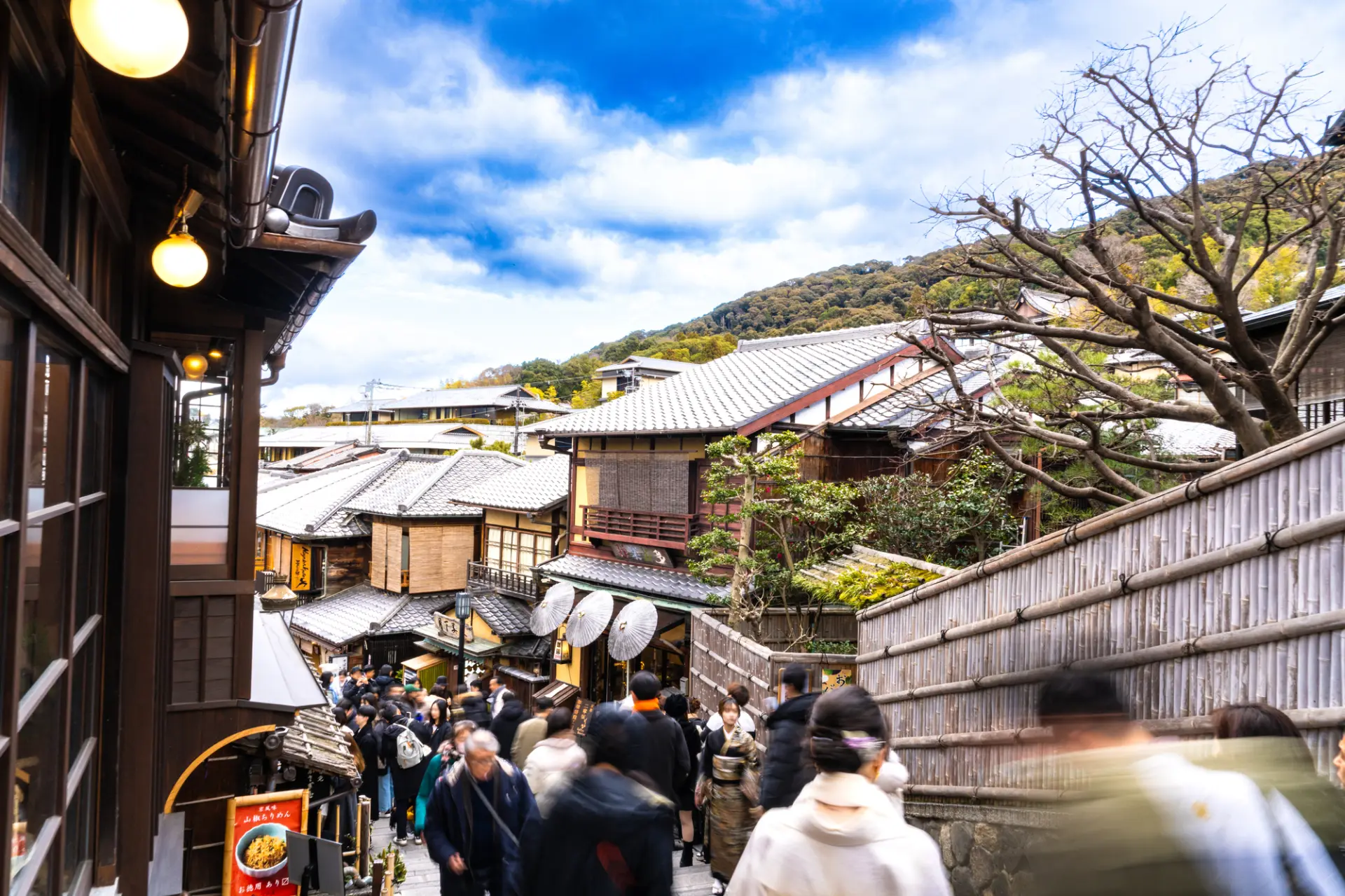
Kiyomizu-zaka has served as the approach to the temple since Kiyomizu-dera was founded. Today, the closer you get to the temple, the more souvenir shops and restaurants line the street. The elevation difference between the Kamo River, which flows through central Kyoto, and Kiyomizu-dera Temple is reportedly around 100 m. Some local residents even climb the slope every day to strengthen their legs and lower backs.
As you climb Kiyomizu-zaka, another slope joins it along the way. This is Sannenzaka, the second checkpoint. The guide explains the origin of its name and the legend that if you fall on this slope, also known as “Three-Year Slope,” your life will be shortened by three years. Kiyomizu-dera is one of Kyoto's most popular tourist attractions. It draws large crowds every day, and Sannenzaka is similarly busy. However, because this tour visits early in the morning, you can see the streets with almost no one around.
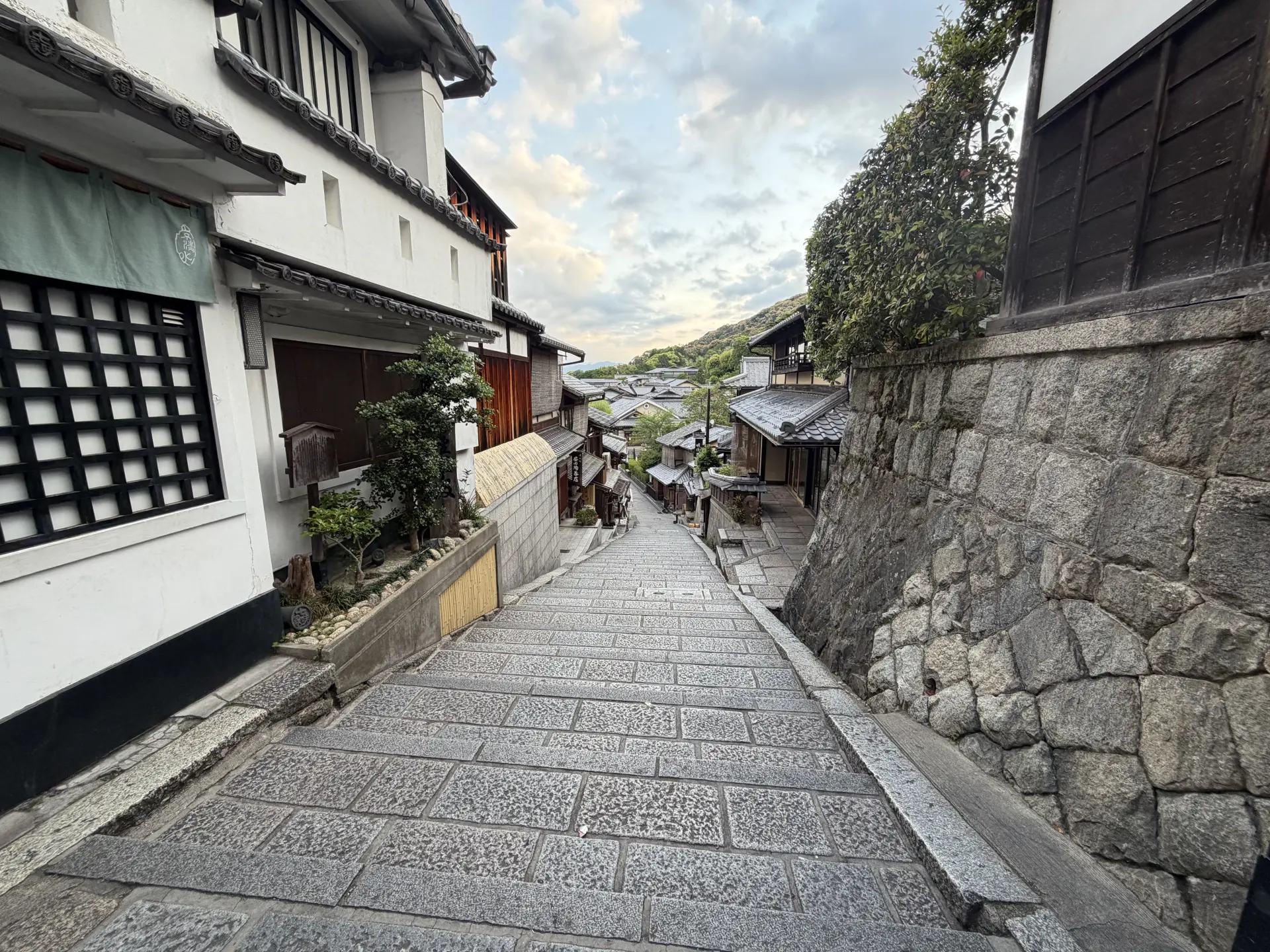
Along the way, the guide also explains the history of Kiyomizu-dera Temple. We learned that it was founded in 778, that the Main Hall was established with the support of Sakanoue no Tamuramaro, and that the temple was named “Kiyomizu,” meaning “pure water,” after the clear waters of Otowa Waterfall within the grounds.
Souvenir shops and restaurants become more numerous around Sannenzaka. The guide pointed out statues placed on the roofs of some buildings. These are called Shoki and depict a deity of Chinese origin believed to repel evil and protect the home.
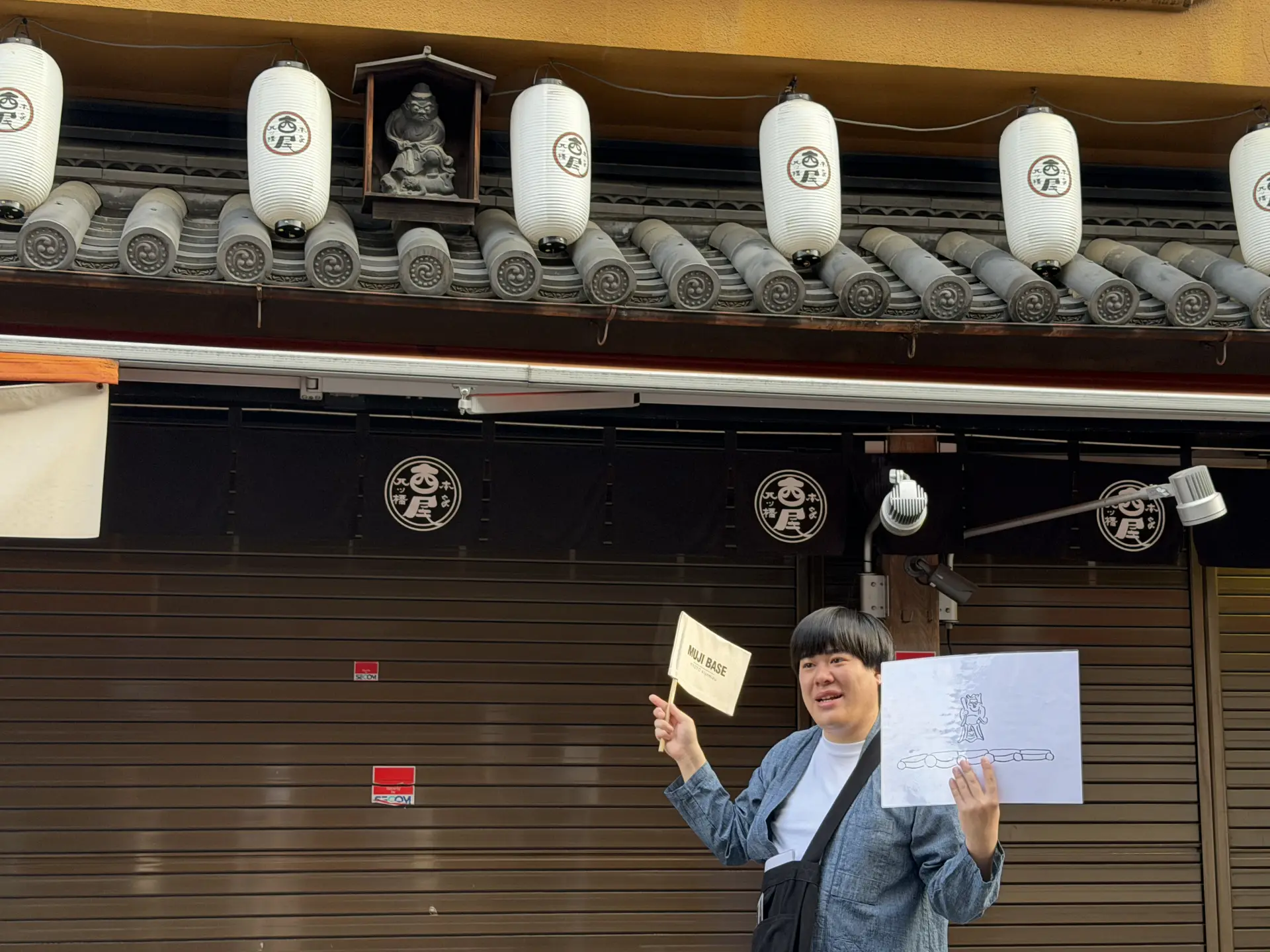
6:00 a.m. Arrive at Kiyomizu-dera Temple
You have now arrived at Nio-mon Gate, the entrance to Kiyomizu-dera Temple.
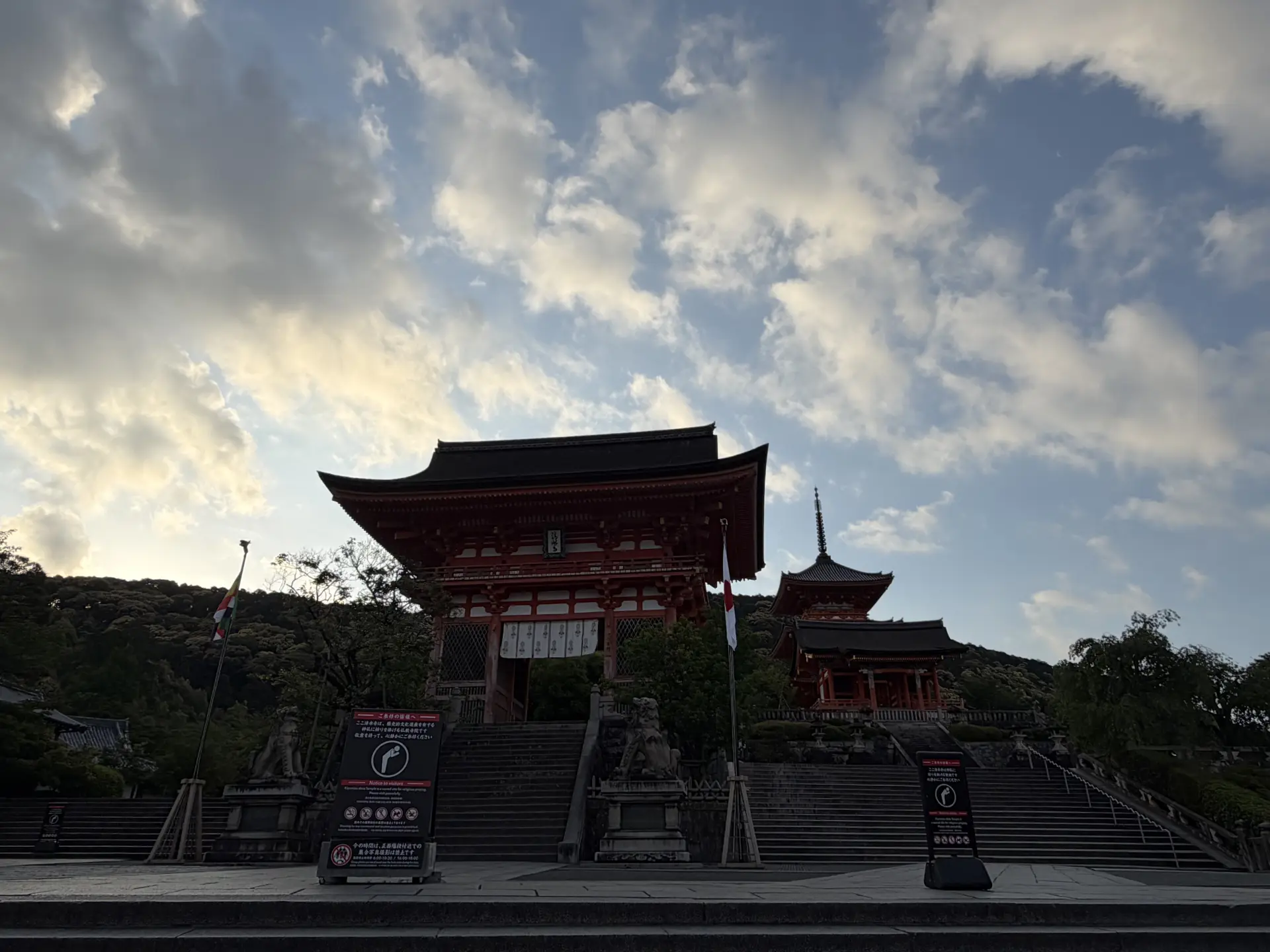
Passing through this gate brings you into the world of Kiyomizu-dera. I was surprised by how few people were there when the temple opened at 6:00 a.m. It was nothing like the crowds during the day.
After purifying your hands and mouth at the purification basin, begin by offering a prayer within the temple grounds. Kiyomizu-dera's principal object of worship is the hidden standing statue of the Eleven-Headed, Thousand-Armed Kannon. Quietly bring your hands together in prayer.
While walking around Kiyomizu-dera Temple, you may hear a loud resonant sound. It comes from a Buddhist percussion instrument called a keisu in the Main Hall. It is struck before sutra chanting or ceremonies to calm the mind. Gently striking the rim with a special mallet produces a clear tone, and you can appreciate how the sound spreads and lingers. Visitors may also strike the keisu, so give it a try.
The stage of Kiyomizu offers a panoramic view of Kyoto Tower and the cityscape. The early-morning air is clear and refreshing, and with so few people, it is quiet enough to hear birdsong and footsteps on the gravel. You can take your time photographing yourself on the stage with Kyoto's cityscape in the background.
Behind the Okunoin Hall stands Nurete Kannon. This Kannon figure is believed to perform water purification practices on behalf of worshippers and cleanse their bodies.
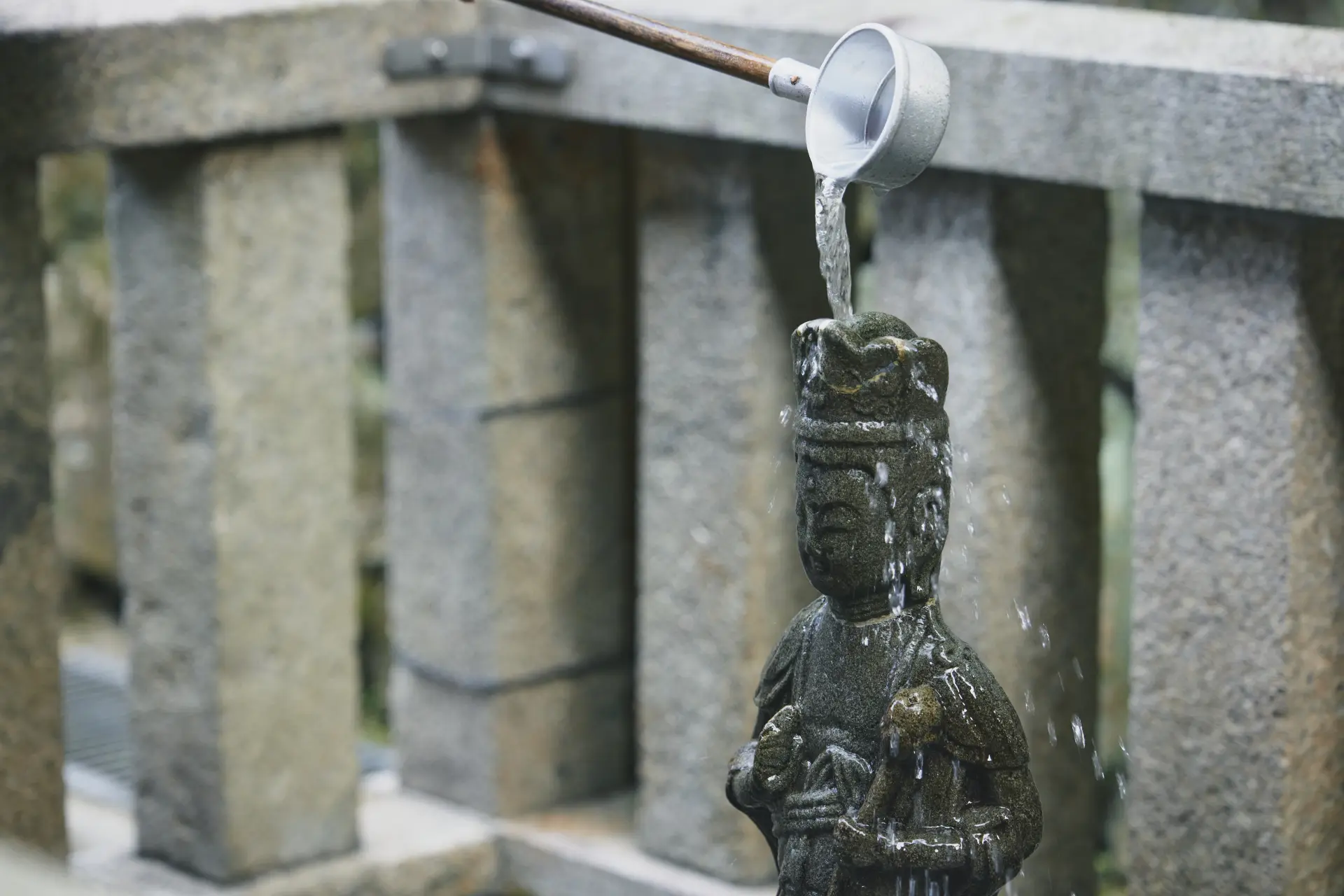
It is said that pouring water over the same part of the statue as an area of concern on your own body—such as the shoulders, lower back, or knees—and praying can help it recover. Looking closely, you can see that the statue's surface has become rounded. This suggests how it has been bathed in water and received the prayers of many people over the years.
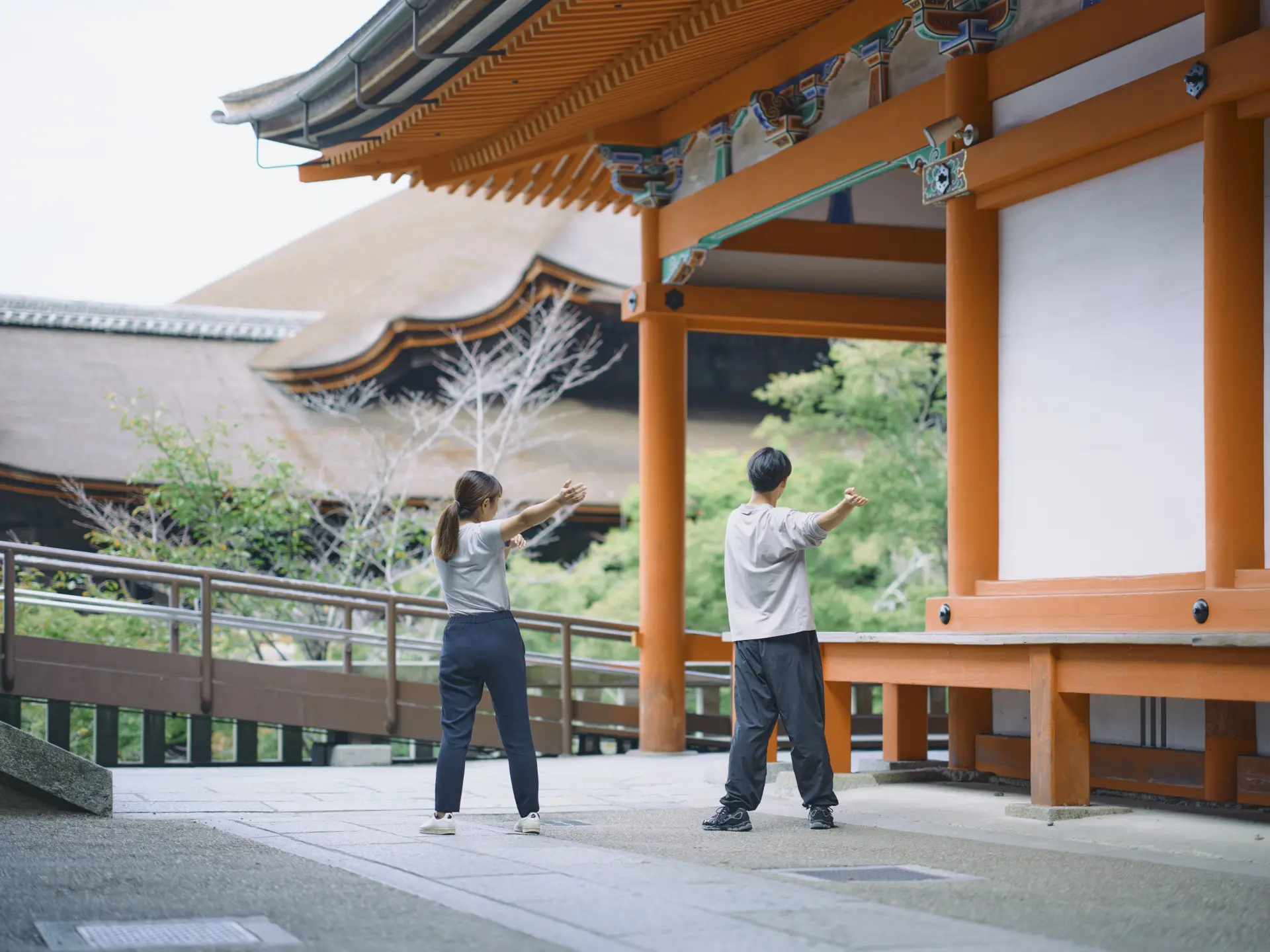
6:30 a.m. Radio Calisthenics
Local residents dressed for exercise begin gathering near Nurete Kannon. A volunteer group of locals holds radio calisthenics within the grounds of Kiyomizu-dera Temple. Radio calisthenics is a long-standing Japanese morning custom based on a daily radio program in which people exercise to upbeat music. I had always thought of Kiyomizu-dera primarily as a tourist attraction, but this showed me that it is also a spiritual anchor for local residents and part of their daily lives.
6:40 a.m. Explore the Temple Grounds
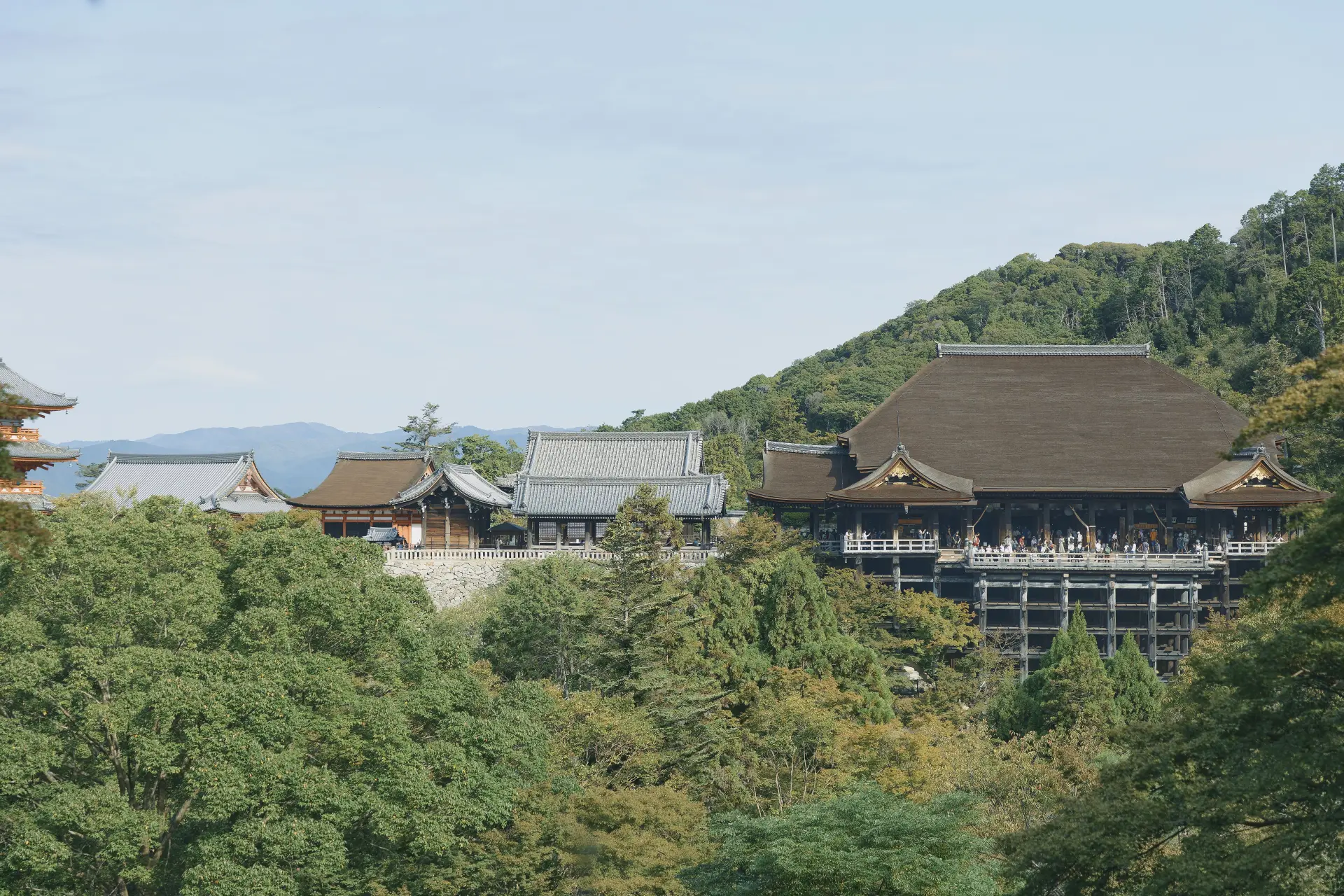
On the opposite side of the Main Hall is Koyasu-no-to Pagoda, a three-story pagoda. It has long been known as a place to pray for a safe delivery and attracts many visitors. It is also a viewpoint offering a full view of Kiyomizu-dera Temple across the valley.
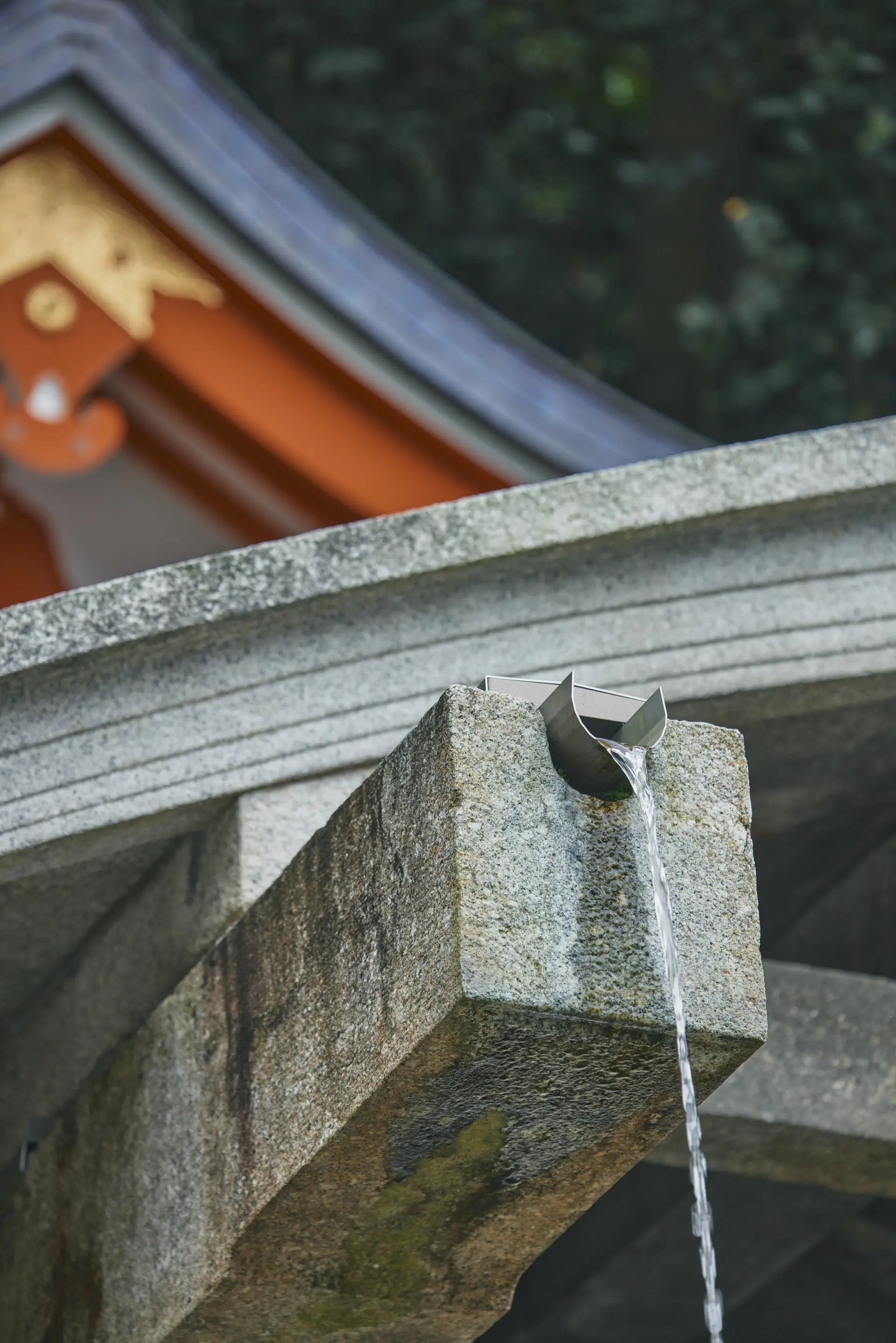
Directly below Okunoin Hall is Otowa Waterfall, an important site connected to the origins of Kiyomizu-dera Temple. The water flowing from its three channels is said to represent, from left to right, success in studies, success in love, and longevity.
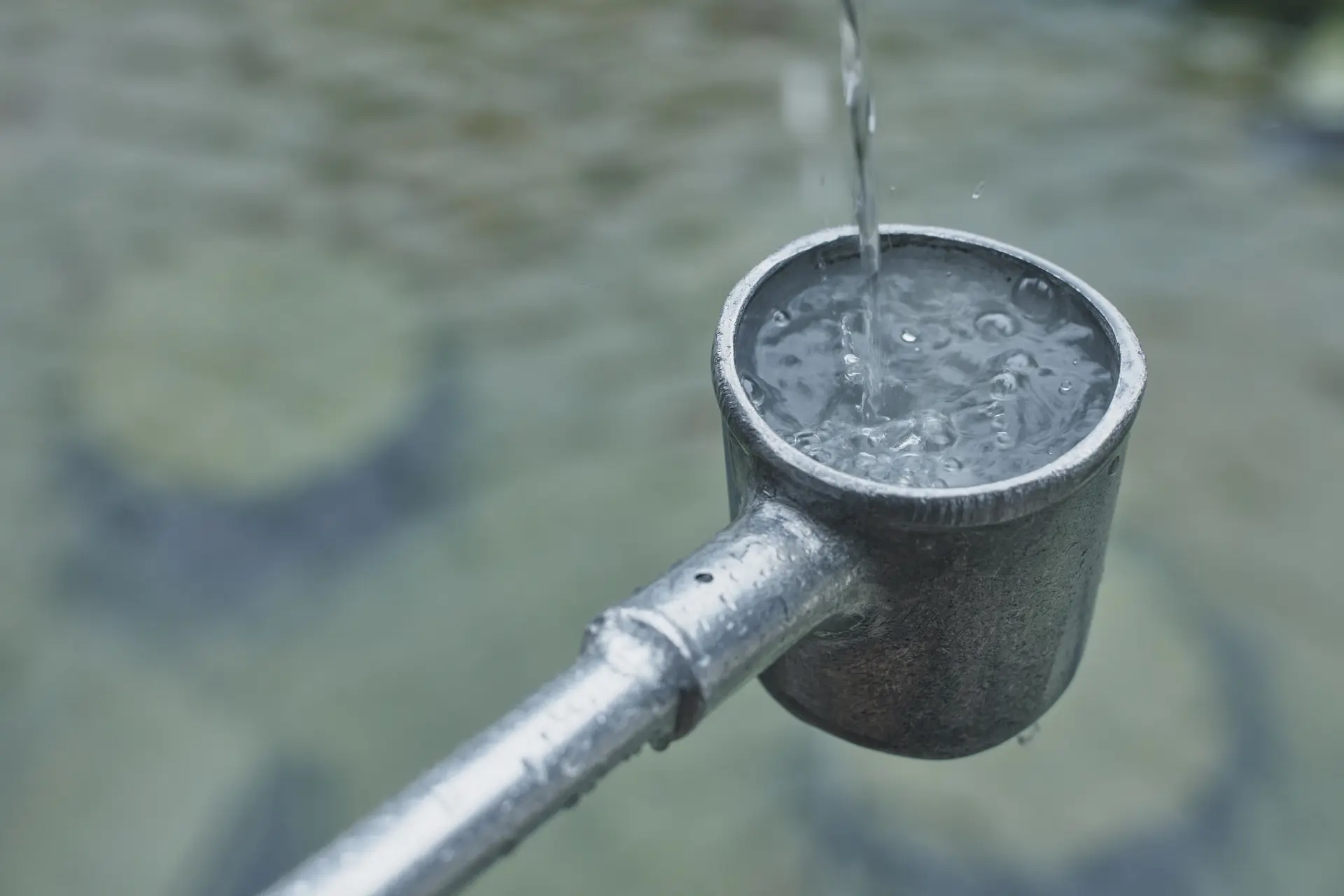
Borrow a ladle, collect water from one of the three streams, and drink it while making a wish. Some local residents reportedly come every morning to drink the water of Otowa Waterfall. The waterfall is deeply rooted in local life.
The Early-Morning Kiyomizu Pilgrimage Tour ends here. By joining the tour, I learned that Kiyomizu-dera is not merely a tourist attraction but a temple that forms part of local residents' everyday lives. I also discovered just how uncrowded and comfortable an early-morning visit can be. Another highlight is the guide's careful explanation of each of the 11 checkpoints. This tour is exclusive to hotel guests, so I recommend taking part.

7:00 a.m. Explore the Surrounding Area
After the tour, you can remain at Kiyomizu-dera Temple and continue exploring, walk around the surrounding neighborhood, or return to the hotel and relax until breakfast.
Popular attractions such as Yasaka Koshindo Temple and Kodai-ji Temple are also located near Kiyomizu-dera, so consider visiting them as well.
7:30 a.m. Return to the Hotel
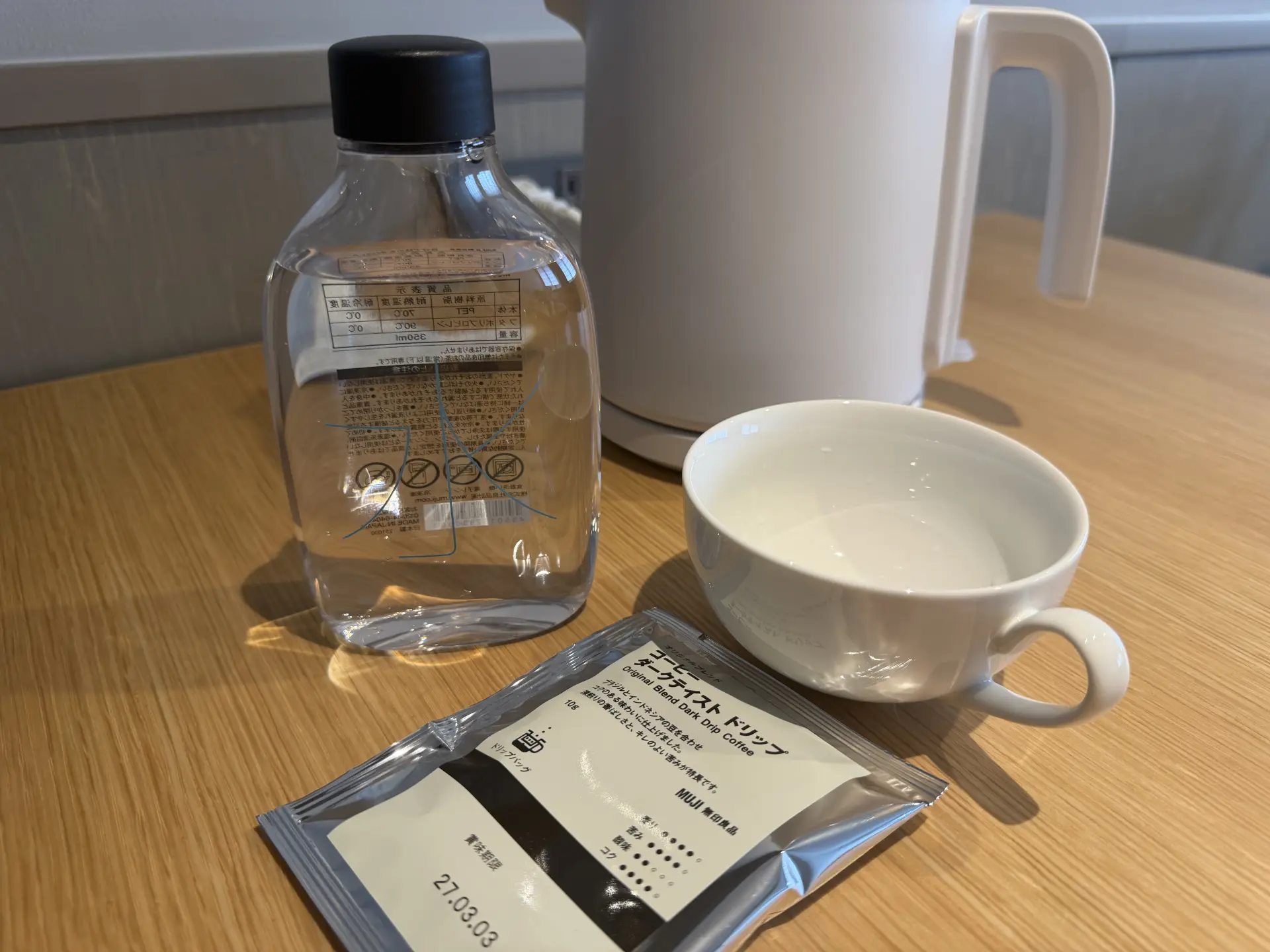
After returning, take a relaxing coffee break before breakfast. Refill your reusable bottle in the utility room, then return to your room. Brew a cup of MUJI Original Blend coffee. Light some aromatic oil to feel even more refreshed. Essential Oil Refreshing Blend Floral is recommended for the morning.
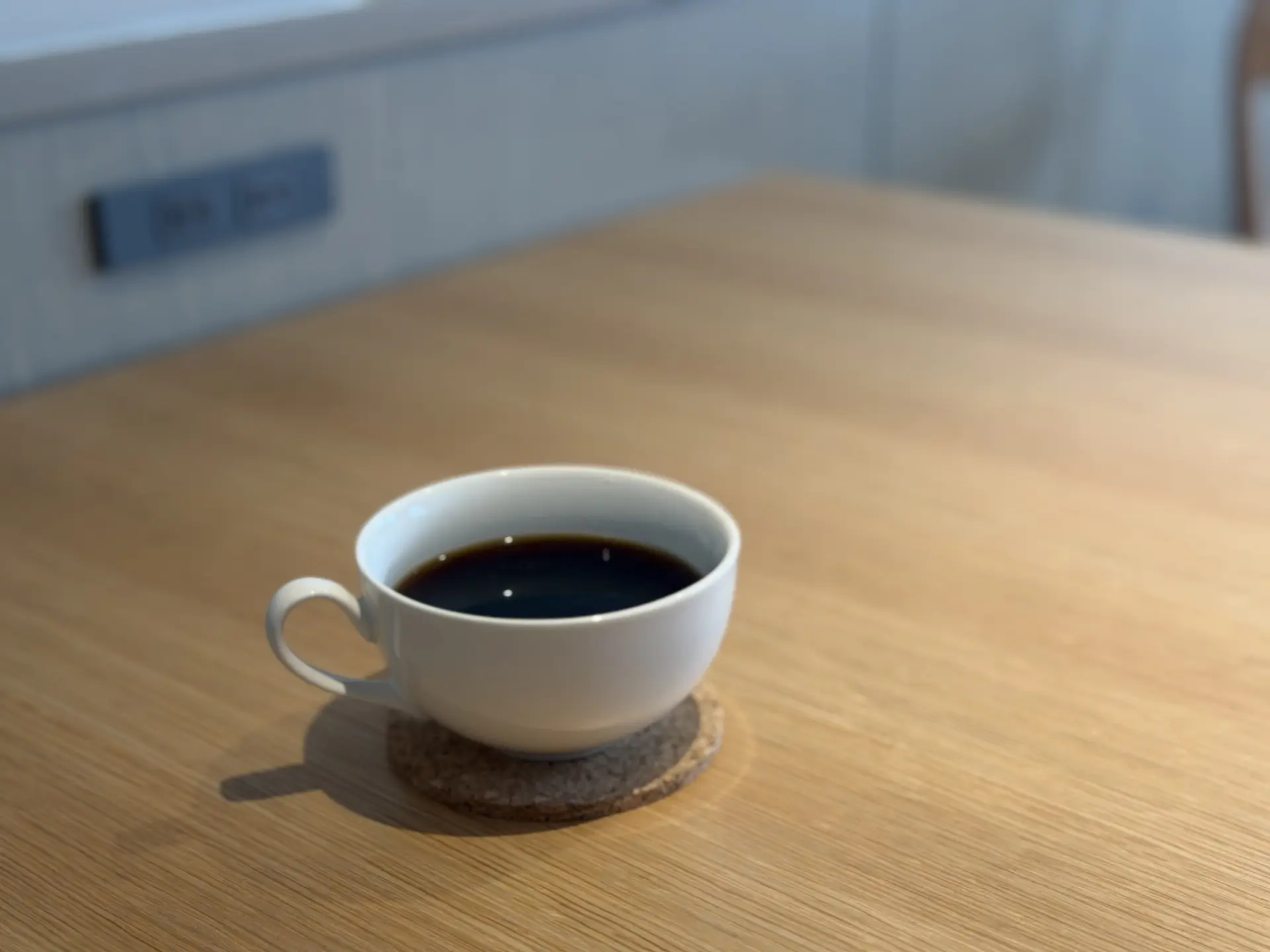
8:00 a.m. Breakfast
Head to Ogawa Coffee Kiyomizu on the first floor for breakfast. The guest-exclusive breakfast is inspired by Kyoto's traditional obanzai side dishes.
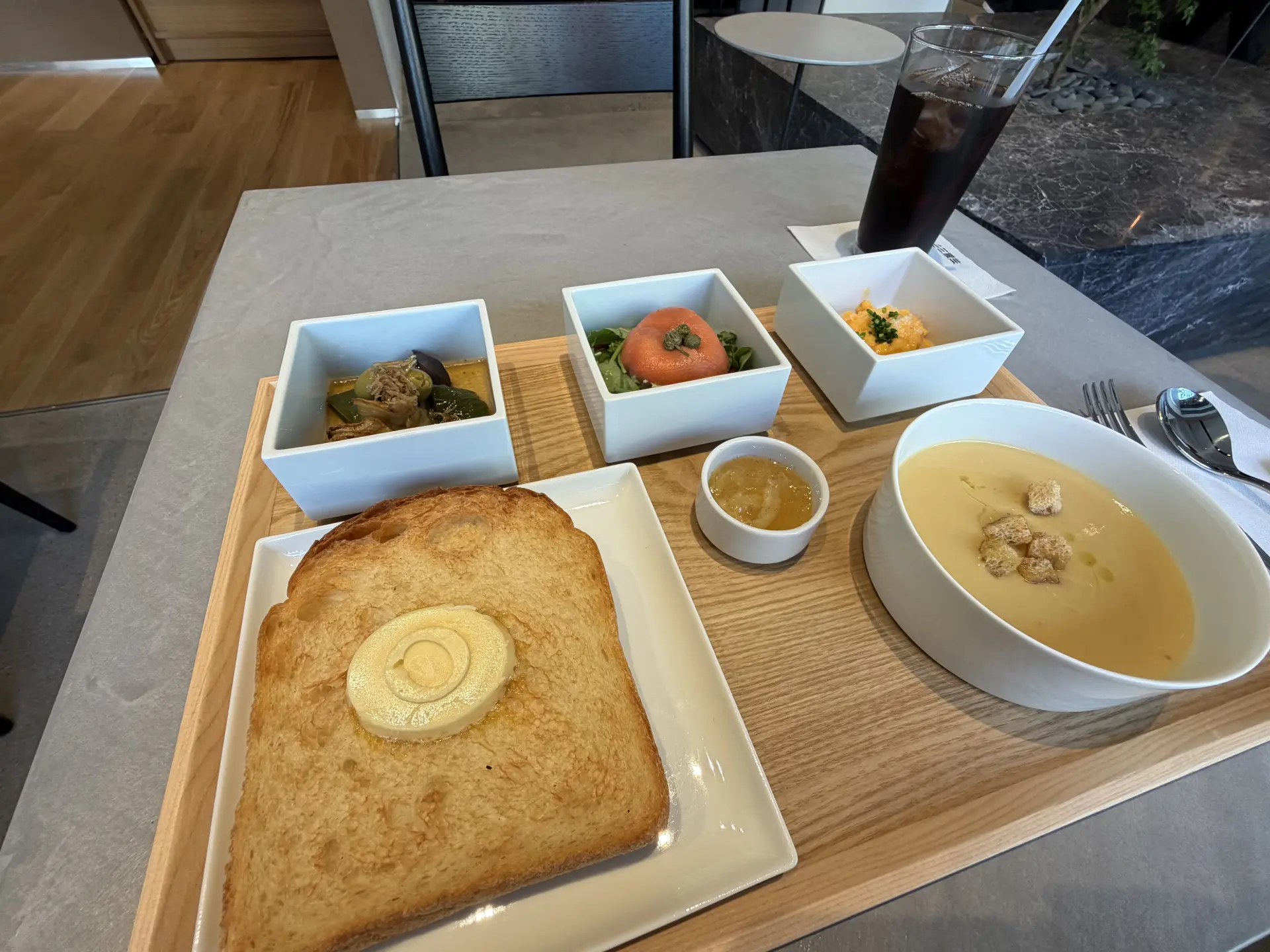
The Kyoto Wheat Toast with White Bean Paste and Koji Butter is made with Kyoto-grown wheat, filling your mouth with a pleasant wheat aroma. It is crisp outside and fluffy inside. In the center of the toast is white bean paste and koji butter. The white bean paste comes from long-established Kyoto confectioner Tawaraya Yoshitomi, while the flower koji comes from Sasaki Shuzo, a sake brewery in central Kyoto. Lemon confiture is served on the side, adding a refreshing tartness that changes the flavor. Lemon was served during this visit, but the variety changes seasonally.
Beside the toast is a seasonal soup. During this visit, it was made with Kyoto-grown Beni Haruka sweet potatoes and had a concentrated sweetness.
All three small dishes were excellent.
On the left was deep-fried eggplant and Manganji peppers soaked in seasoned broth, topped with small dried sardines and sansho pepper. Although it was an obanzai dish, the addition of olives gave it a Western touch. The aroma of the olives enhanced the sweetness of the eggplant and peppers, while the sardines and sansho added a spicy accent.
In the center was fresh cheese with salmon and avocado. The fromage blanc wrapped in salmon had a rich flavor and was delicious.
On the right were scrambled eggs made with Mizuho Sakura Eggs from Mizuho Farm in Kyotamba. They were fluffy and brought out the eggs' natural sweetness.
For guests staying multiple nights, the selection of small dishes reportedly changes each day.
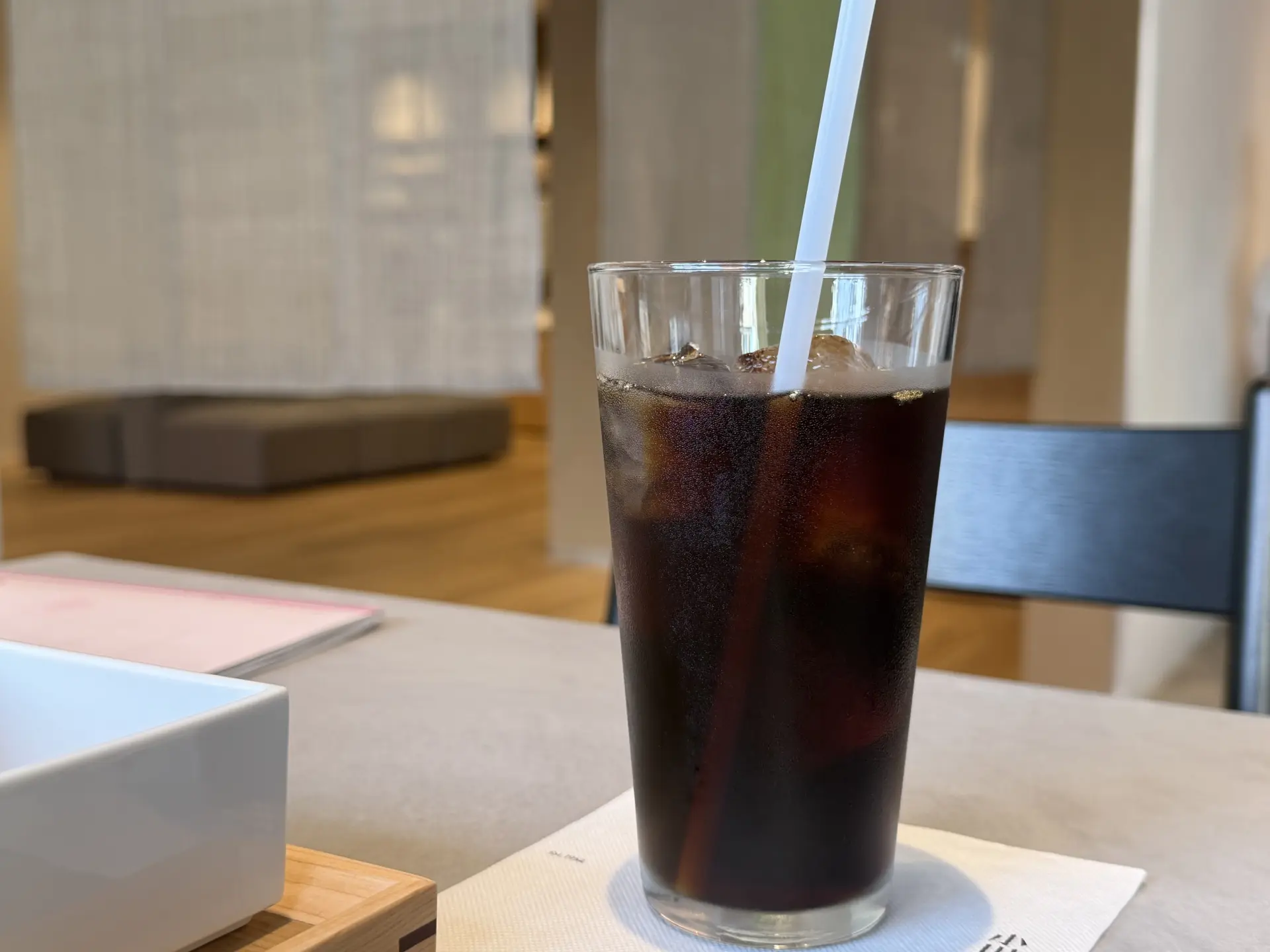
Drinks include coffee, tea, or orange juice. Coffee is, of course, my recommendation. The coffee from long-established Ogawa Coffee is rich and truly delicious. I had mine black and iced.
9:50 a.m. Check-out
Once you are full, prepare to check out. It is hard to leave after such a comfortable stay, but check-out is at 10:00 a.m. MUJI is known for simple, functional, yet refined design, and the same is true of this hotel. I felt that its straightforward design was also thoughtfully tailored to ensure guests remain comfortable throughout their stay.
10:00 a.m. Explore the Neighborhood with the Local Area Map
Take the Local Area Map provided in your room and set out on a neighborhood walk. It introduces nine local experiences through which you can encounter the beauty of everyday Kyoto.
Restore: A Morning Public Bath
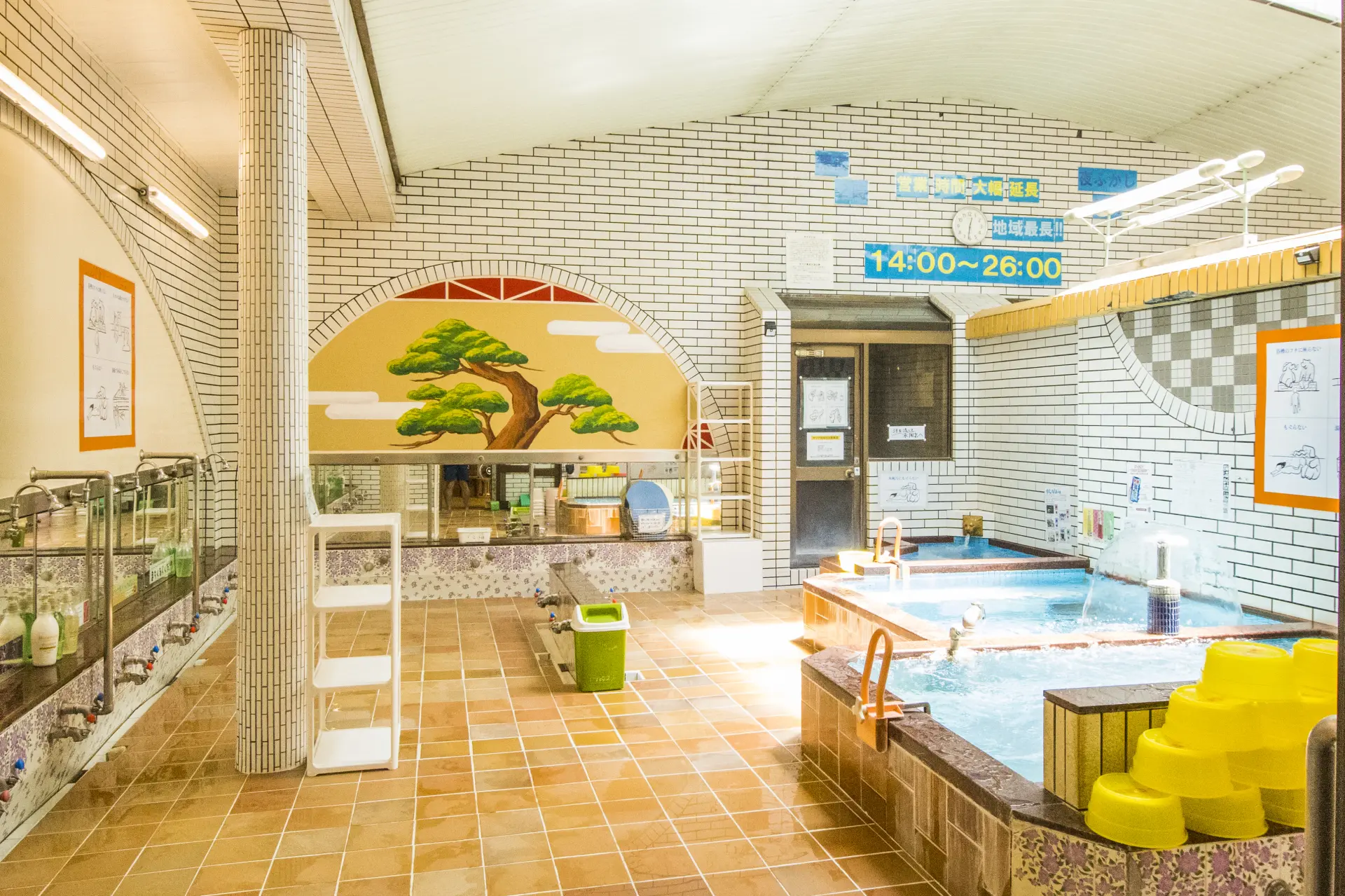
At Sauna no Umeyu, you can quietly refresh your body and mind beneath the light streaming through the skylights.
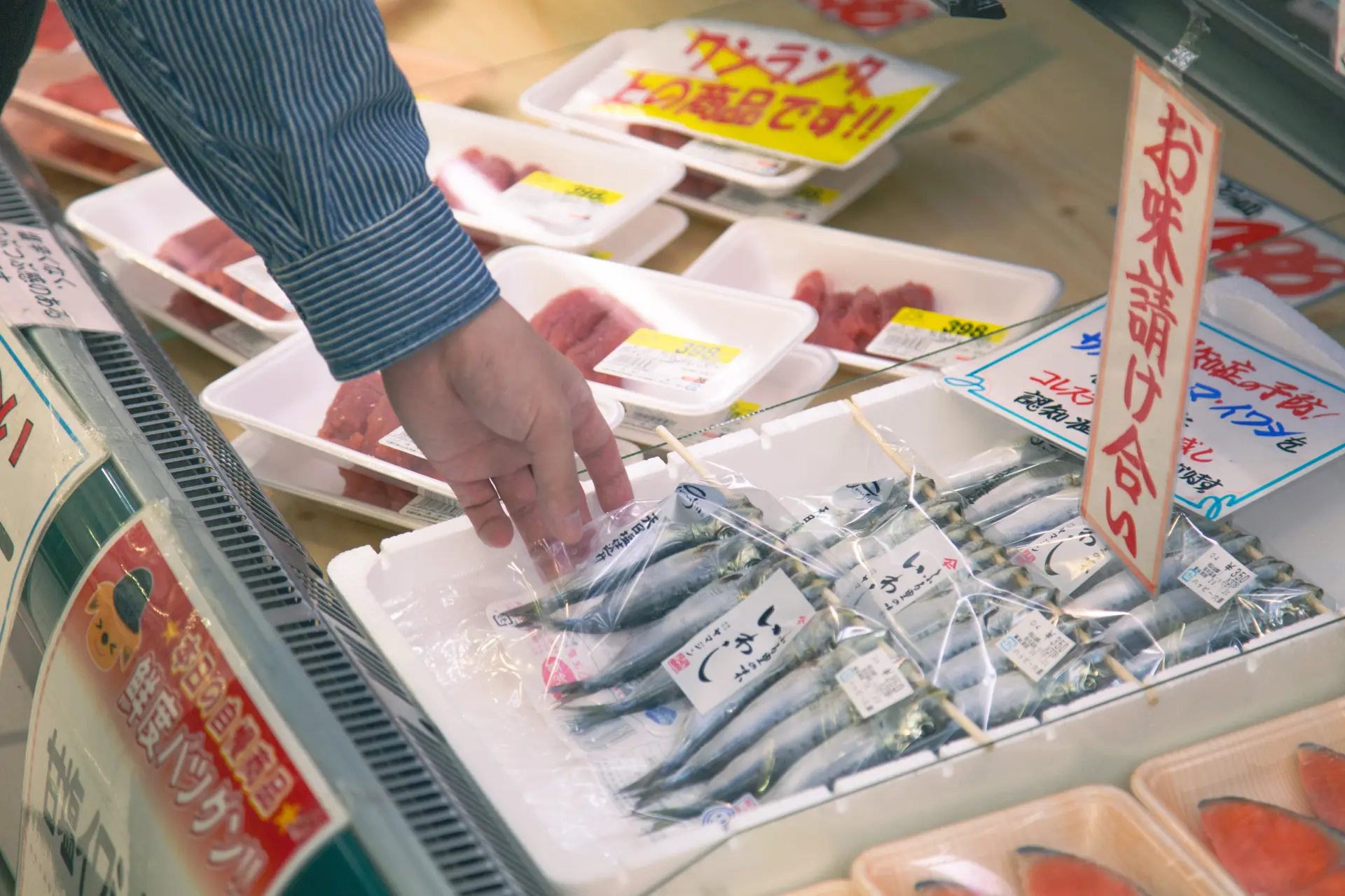
Stock Up: A Local Supermarket
Happy Rokuhara is a market-like supermarket where people of all ages gather. In the past, morning markets opened in this area before dawn and supported the daily lives of local residents. Happy Rokuhara carries on that role today.
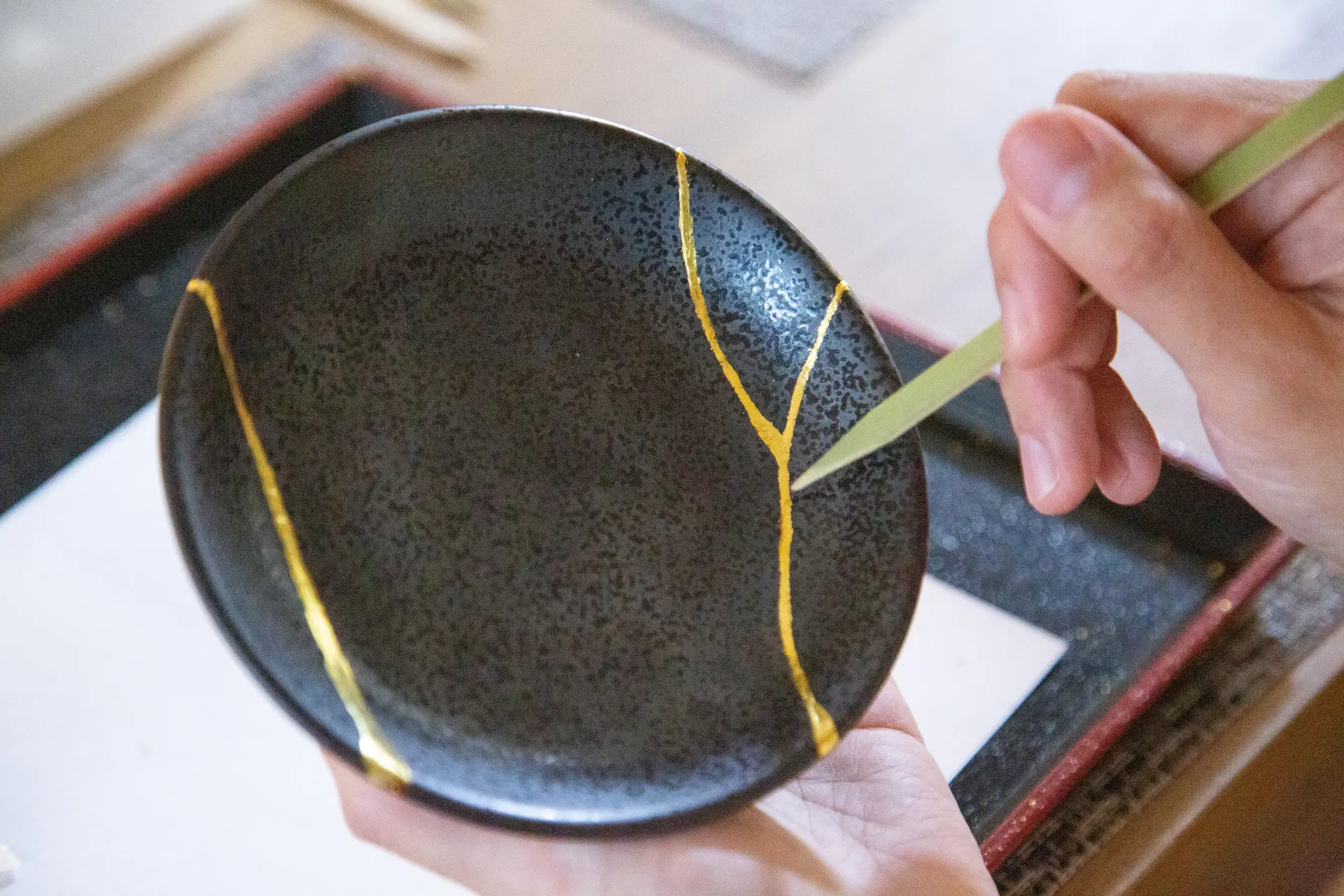
Mend: Kintsugi Pottery Repair
At TOMI KINTSUGI STUDIO, you can repair a broken piece of pottery yourself and finish it with gold leaf. Kiyomizu ware, a type of pottery that developed in this area, was once extremely valuable. Even when pieces broke, people repaired and continued to cherish them. Here, you can experience the Japanese spirit of taking good care of possessions.

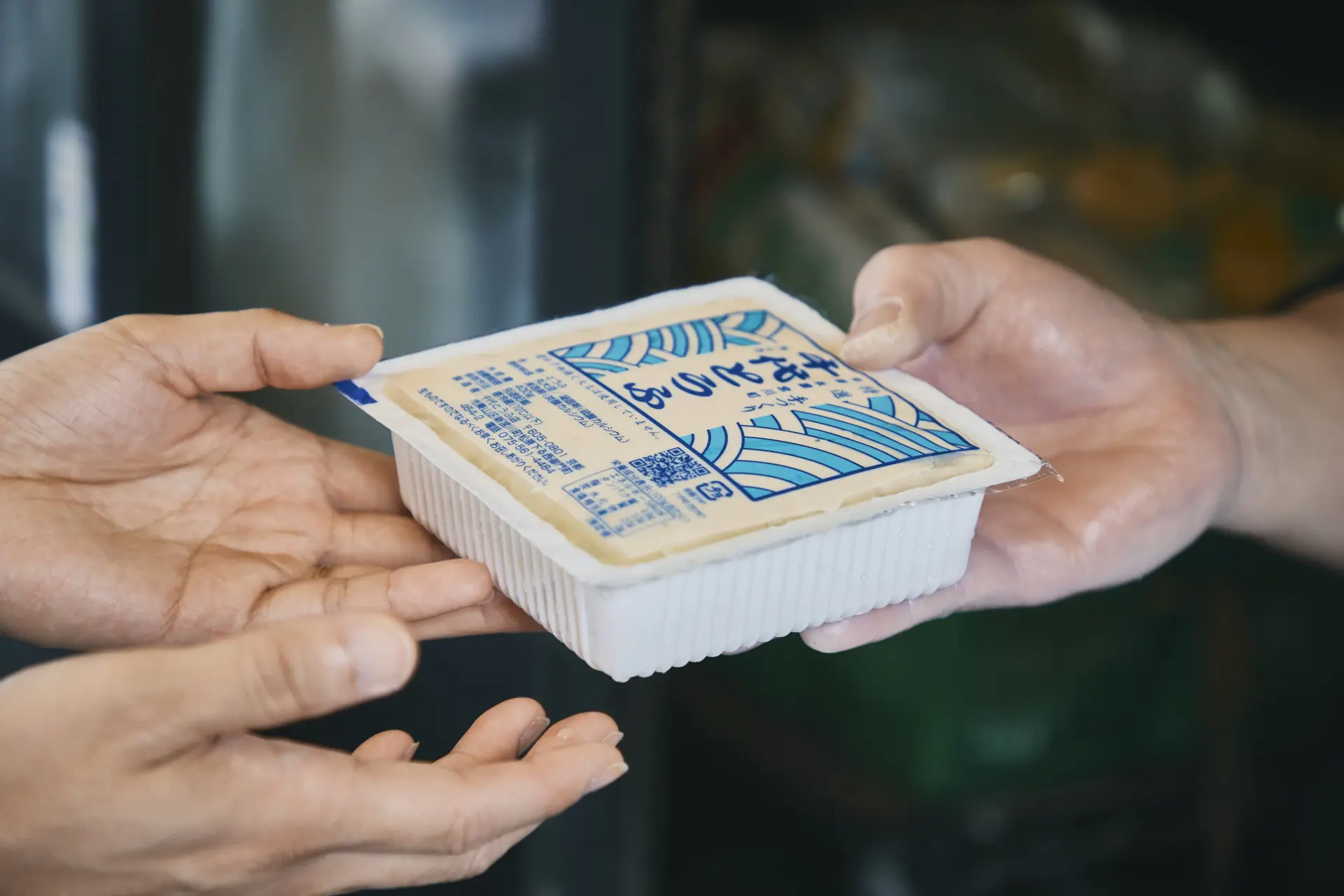
Eat: Freshly Made Tofu
The Kiyomizu area is blessed with abundant, clean water. Various tofu dishes, including yudofu, yuba, and oboro tofu, were developed here using local spring water. At Chiyo Tofu Shop, you can order tofu or fresh yuba at the storefront and eat it freshly made on the spot.
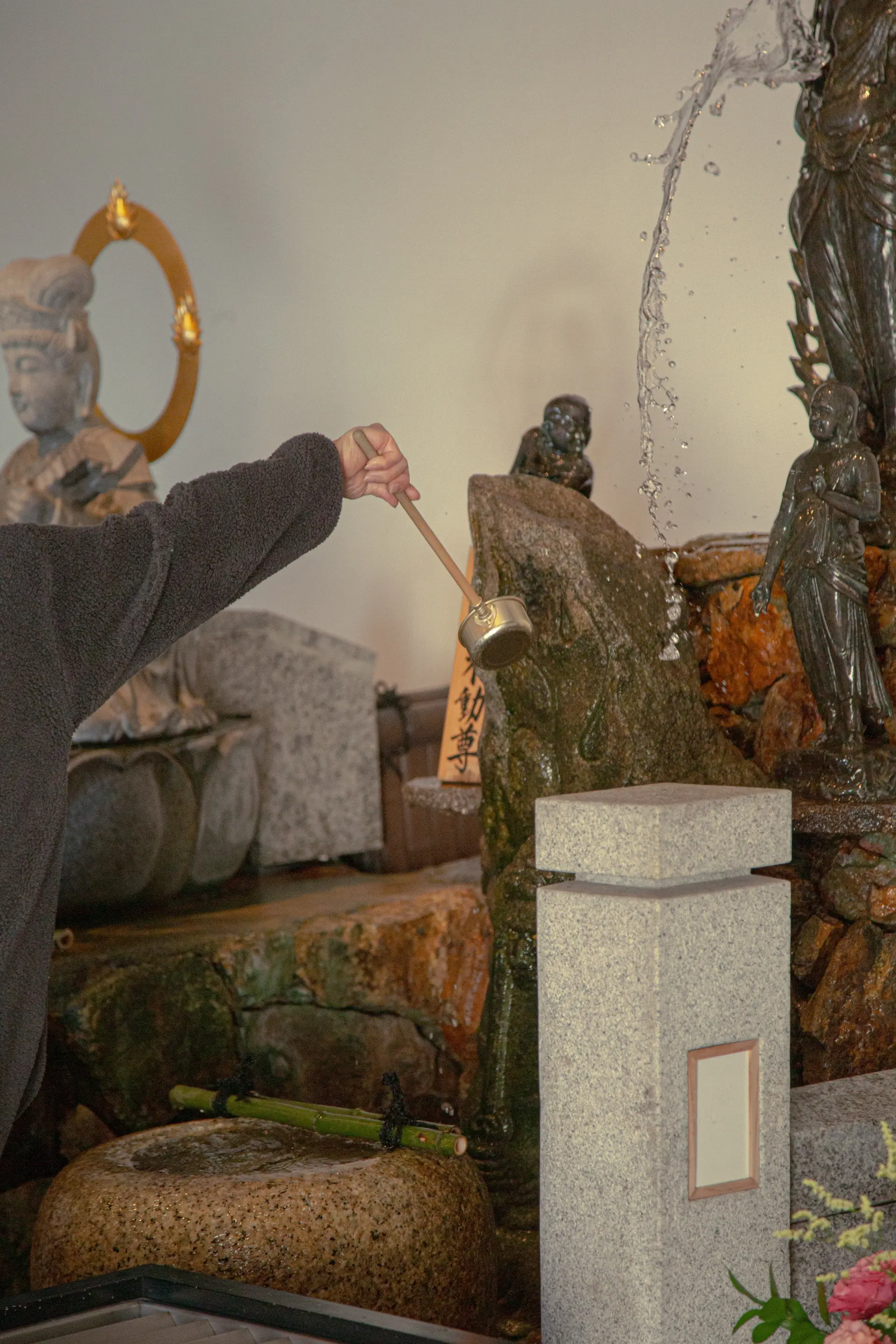
Purify: Sacred Water
Rokuharamitsu-ji Temple is home to Zenigai Benzaiten, where visitors wash money for purification, and Mizukake Fudo, a deity believed to bring victory. Here, you can experience purification rituals using water.
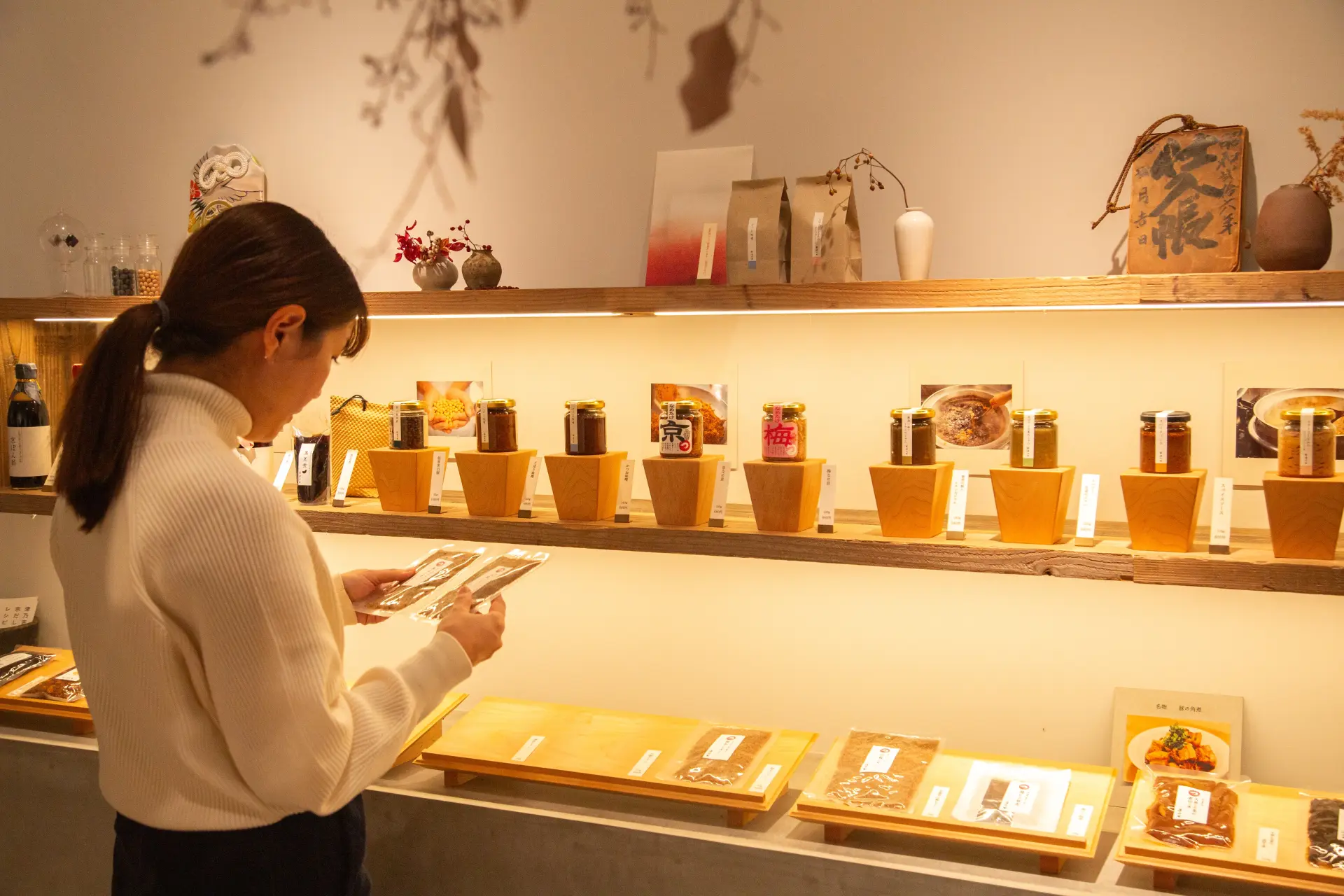
Give: A Delicious Gift
For a gift, consider Tsunokichi's small dried sardines with sansho pepper. The shop sells these and other accompaniments for rice, along with preserved foods and seasonings.
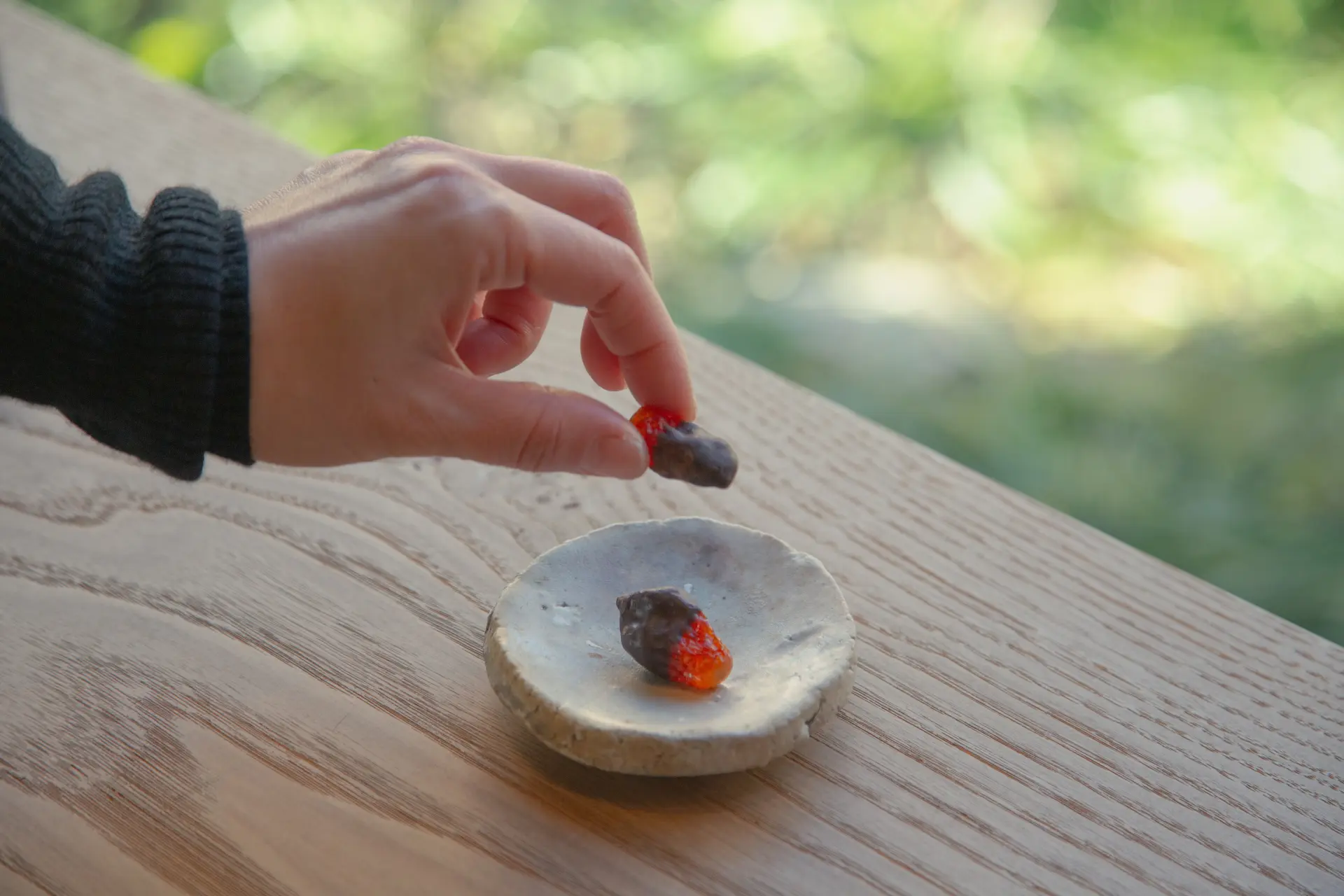
Savor: A Bite of Something Sweet
From the Middle Ages onward, Kyoto had a custom of carefully savoring small amounts of dumplings or rice cakes as a special treat. At Shiro, you can experience the great luxury found in a small confection.
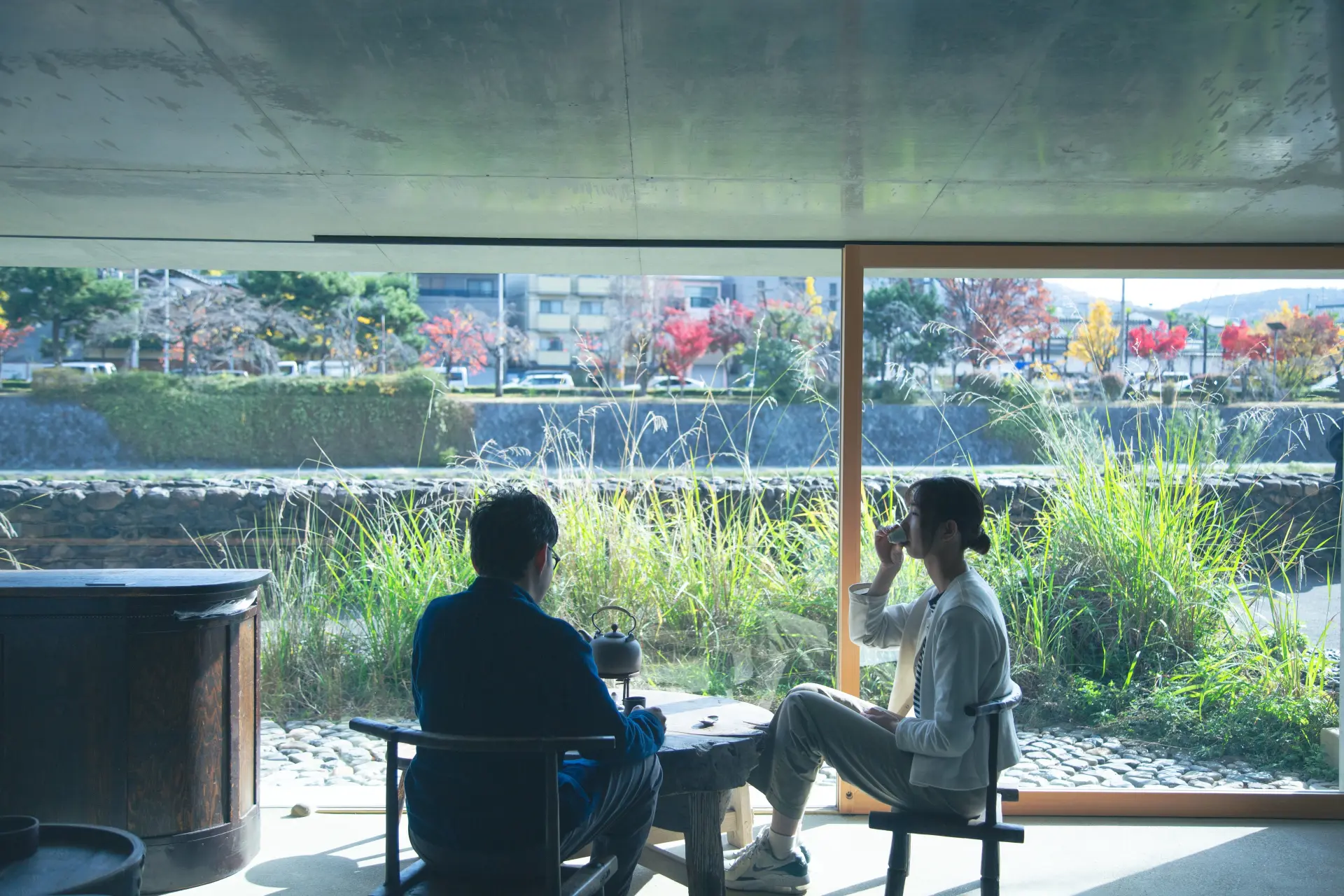
Rest: Tea
At Ike Hanbunshitsu, you can casually enjoy tea brewed in a teapot with well water drawn from the property. Relax your mind in the peaceful surroundings.
Explore Historic Paths
The Local Area Map also includes routes through Kyoto's characteristic alleys and historic paths. Walking around with this map will reveal the daily lives of Kyoto's residents and the culture rooted in the city.
Summary
Kyoto is a popular destination that attracts more than 56 million visitors annually. Although the city has countless accommodations, few offer such a direct experience of everyday Kyoto life. At MUJI BASE KYOTO kiyomizu, discover the everyday beauty created by a city that served as the center of Japanese culture for centuries.

Author
Freelance Announcer
Sayaka Motomura
Focused on sharing insights related to traditional culture, performing arts, and history.