
A First-Timer’s Guide to Kizu Market: Access, Highlights, and Tips for Enjoying Your Visit
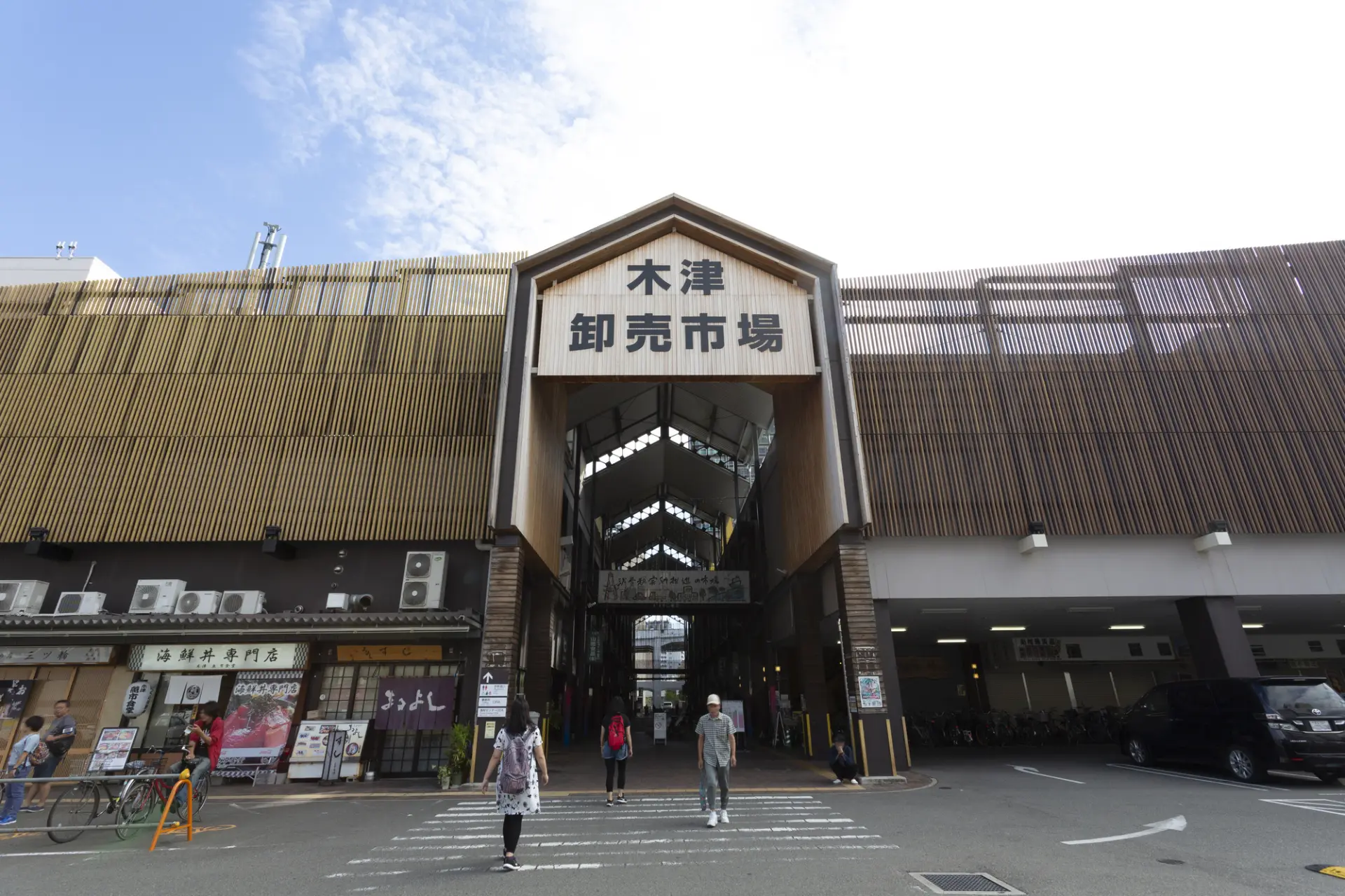
Located in Osaka’s Naniwa Ward, Kizu Market is one of Osaka’s leading wholesale markets, bringing together a wide range of ingredients including seafood, meat, vegetables, and dried foods.
With a history of more than 300 years, it has continued to support Osaka’s food culture.
One of its main features is that general visitors can shop there easily, while experiencing the authentic atmosphere of a market frequented by professional chefs.
This article introduces an overview of Kizu Market, along with its highlights and a suggested day-trip itinerary.
It also covers useful information for first-time visitors, so be sure to read to the end.
What Is Kizu Market?
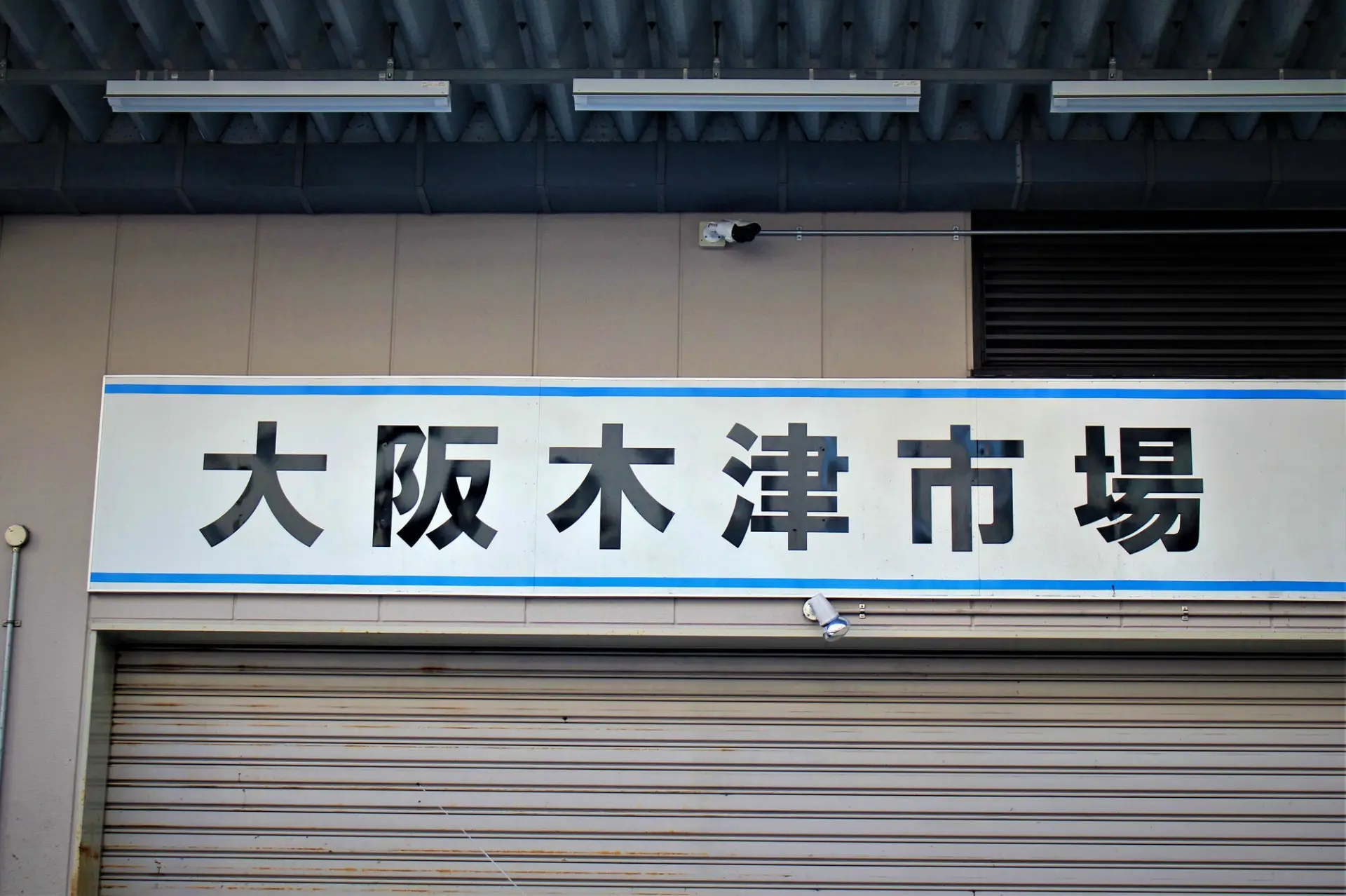
Kizu Market (official name: Osaka Kizu Wholesale Market), located in Osaka’s Naniwa Ward, is one of Japan’s largest privately run wholesale markets, with a history of more than 300 years.
About 150 shops, including fresh fish, meat, produce, and dried food stores, line the market, offering Osaka-style ingredients at reasonable prices.
Although it is a genuine wholesale market where professional chefs come to buy supplies, general visitors are also free to shop, making it popular with locals and travelers alike.
Its greatest appeal is the chance to experience “Osaka’s real kitchen,” rooted in everyday life.
From early morning, energetic calls ring out through the market, letting you feel its lively atmosphere up close.
The market also has a food ingredients center and a dining area, so you can taste dishes made with just-purchased fresh ingredients on the spot.
Don’t miss “Kizu Morning Market,” an event featuring auction experiences, tastings, lotteries, and more.
The Origins of Kizu Market
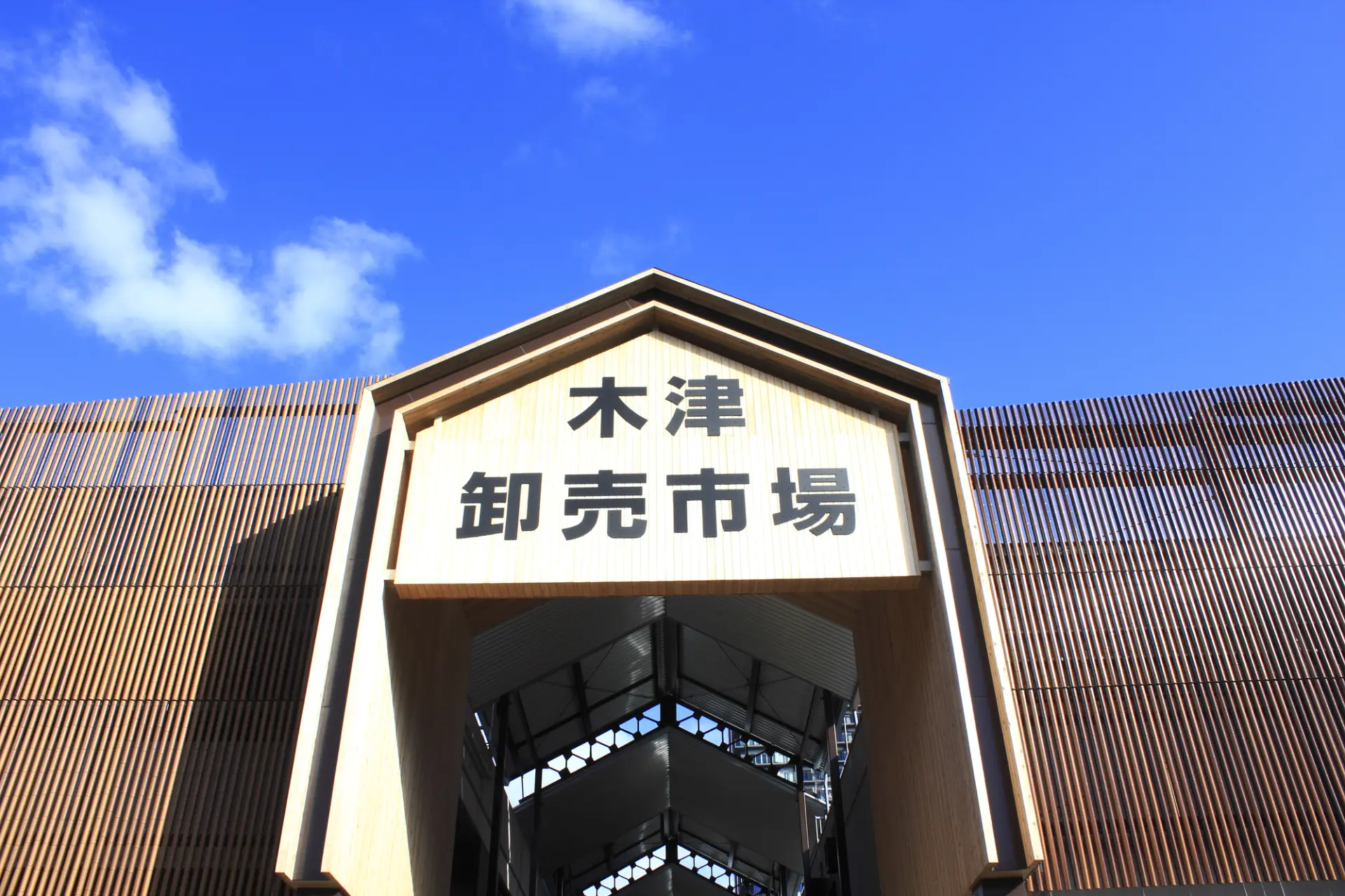
The origins of Kizu Market date back to around 1710.
At the time, people gathered outdoors to bring and sell their goods, and the area gradually took shape as a market.
In 1810, it was officially licensed by the Edo shogunate and became one of the important distribution hubs supporting the food culture of Osaka, then known as “the nation’s kitchen.”
During the Taisho era (1912–1926), the fish market and vegetable market were integrated, and the entire area developed into a large-scale market.
Although it moved to its current location in 1938, it was completely destroyed by air raids in 1945.
However, people connected to the former market reopened it in 1950, and in 1973 it was renamed the Osaka Kizu Local Wholesale Market.
As a privately operated market, which is rare in Japan, it has continued to run flexibly, reaching its current form after three phases of redevelopment in the 2000s.
How It Differs from Kuromon Market
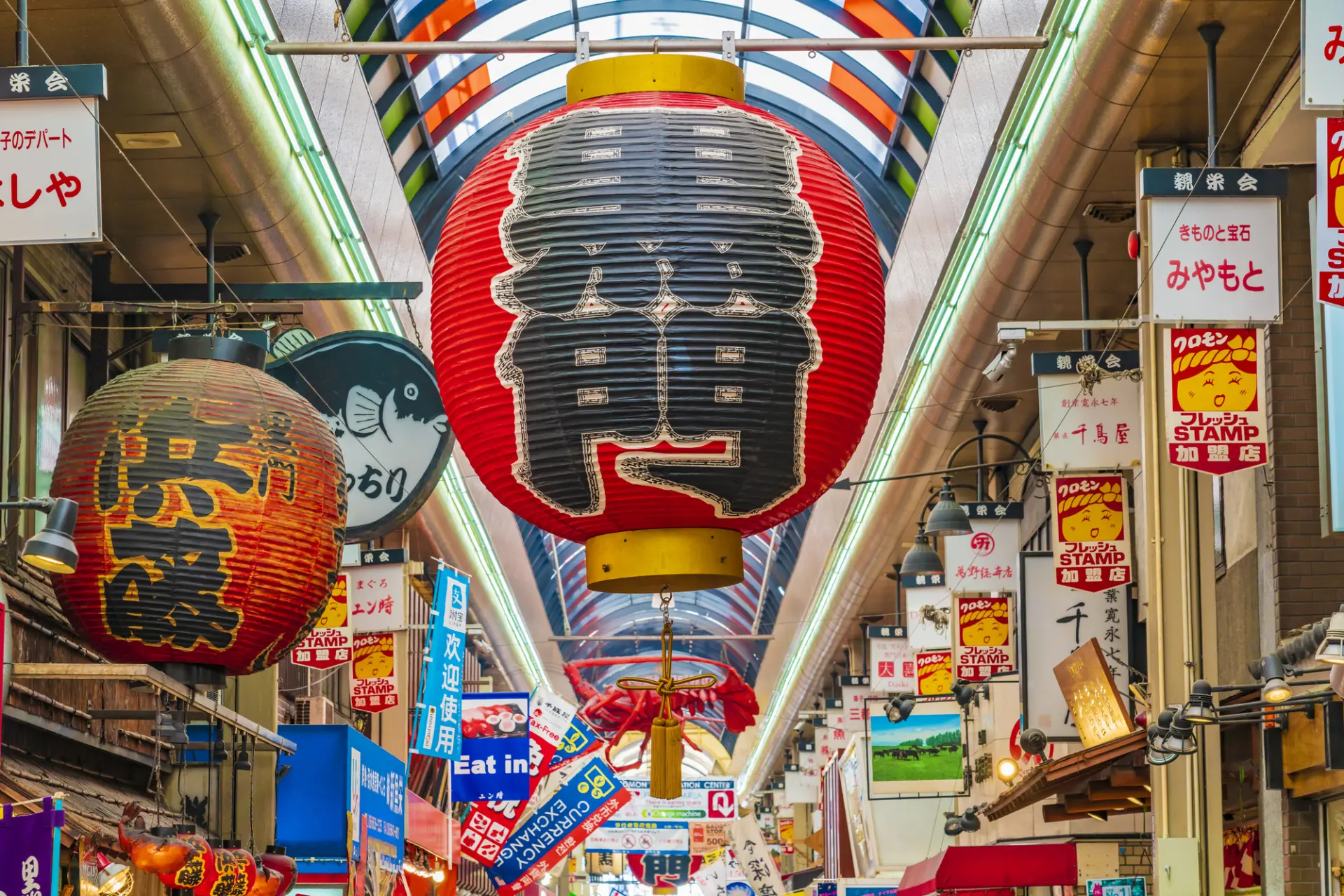
Along with Kizu Market, Kuromon Market is well known as one of Osaka’s representative markets.
Each has its own appeal, and which one is better depends on your purpose and preferences.
In short, Kizu Market is “a place to experience the everyday side of Osaka’s markets,” while Kuromon Market is “a place to casually enjoy Osaka food while strolling.”
The table below summarizes the differences for reference.
| Item | Kizu Market | Kuromon Market |
|---|---|---|
| Features | A wholesale market used by many chefs, restaurant professionals, and local customers *Tourists can also use it | A sightseeing spot visited by many travelers from Japan and abroad |
| Atmosphere | A lively market rooted in the local community | A vibrant shopping arcade bustling with tourists |
| Price range | Relatively reasonable wholesale prices | Slightly higher tourist-area prices |
| Hours | Early morning to late morning | Late morning to evening |
| Location | About a 3-minute walk from Daikokucho Station | About a 5-minute walk from Nippombashi Station |
| How to enjoy |
・Shop for fresh ingredients ・Have breakfast at a market eatery |
・Enjoy a wide variety of Osaka foods ・Stroll and try photogenic foods |
| Recommended for |
・People who want to experience Osaka’s market culture ・People who want to enjoy a local atmosphere |
・People who want to easily try Osaka specialties ・First-time visitors sightseeing in Osaka |
Access to Kizu Market
The nearest stations to Kizu Market are Daikokucho Station on the Osaka Metro Midosuji Line and Yotsubashi Line, or Imamiyaebisu Station on the Nankai Railway Koya Line.
From either station, you can reach the market in about a 5-minute walk.
Below are routes starting from Osaka’s major terminals, Umeda Station and Shin-Osaka Station.
It is also easy to access from Nankai Namba Station, about a 15-minute walk away. The market has parking for about 350 vehicles, so access by rental car is also possible.
| Starting point | Route | Travel time |
|---|---|---|
| Umeda Station | Take the Osaka Metro Midosuji Line from Umeda Subway Station, get off at Daikokucho Station, and walk about 3 minutes from Exit 1 | About 15 minutes |
| Shin-Osaka Station | Take the Osaka Metro Midosuji Line from Shin-Osaka Subway Station, get off at Daikokucho Station, and walk about 3 minutes from Exit 1 | About 20 minutes |
Kizu Market Hours and Closed Days
Kizu Market’s hours vary by shop, but in general shops open from 6:00 a.m. (restaurants from 4:00–5:00 a.m.) and close around 11:00 a.m.
In the early hours, many business buyers are there, and from 8:30 a.m. to 10:30 a.m. the market becomes busy with general visitors and tourists.
Most shops close after 11:00 a.m., so it is recommended to arrive by 10:00 a.m. at the latest.
If you plan to look around the market and have a meal, allow about 1 hour.
The market is closed on Sundays, national holidays, Wednesdays designated by the market calendar (irregularly), temporary closure days, and during Obon and the New Year holidays.
Please check the official calendar here for operating days.
Kizu Market Highlights
Here are some of the main highlights of Kizu Market.
Its major appeal is that it offers more than just shopping—you can get a close-up feel for Osaka’s food culture and the atmosphere of a historic market.
That makes it different from other sightseeing spots and should make for a memorable travel experience.
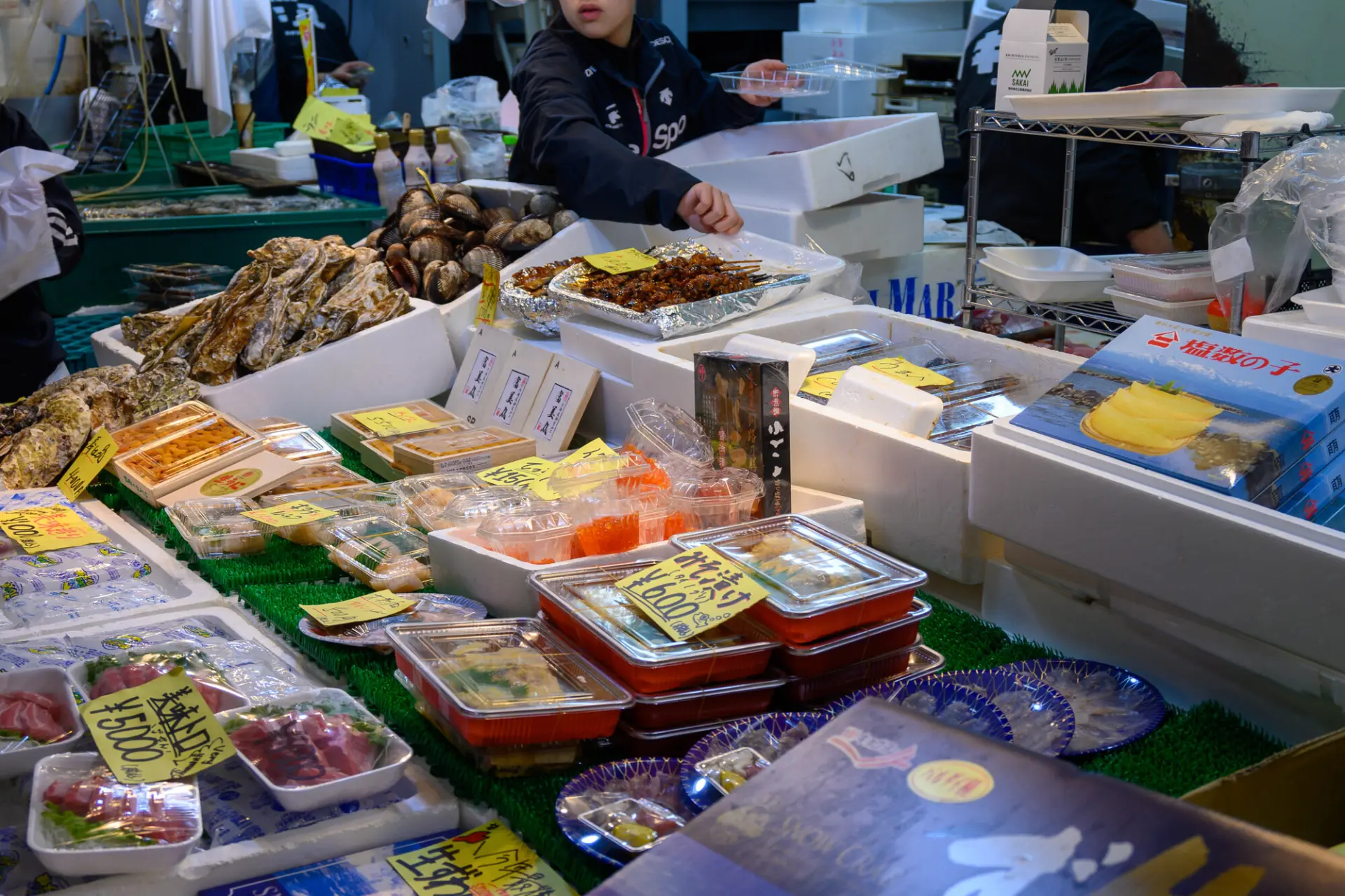
1. Taste a Variety of Fresh Market Foods
One of Kizu Market’s appeals is the chance to taste a wide range of fresh market foods.
In the lively market, fresh seafood, meat, produce, and more are displayed at shopfronts, and you can enjoy dishes made with them at eateries inside the market.
From tuna rice bowls and seafood set meals that highlight the quality of the ingredients to udon with flavorful dashi broth, the wide selection offers a special food experience from the morning.
The market has long been loved not only by tourists, but also by people who work there and local regulars, showing just how popular it is.
Another pleasure is experiencing the live, market-only atmosphere that differs from eating while strolling.
2. Find Ingredients Trusted by Professionals
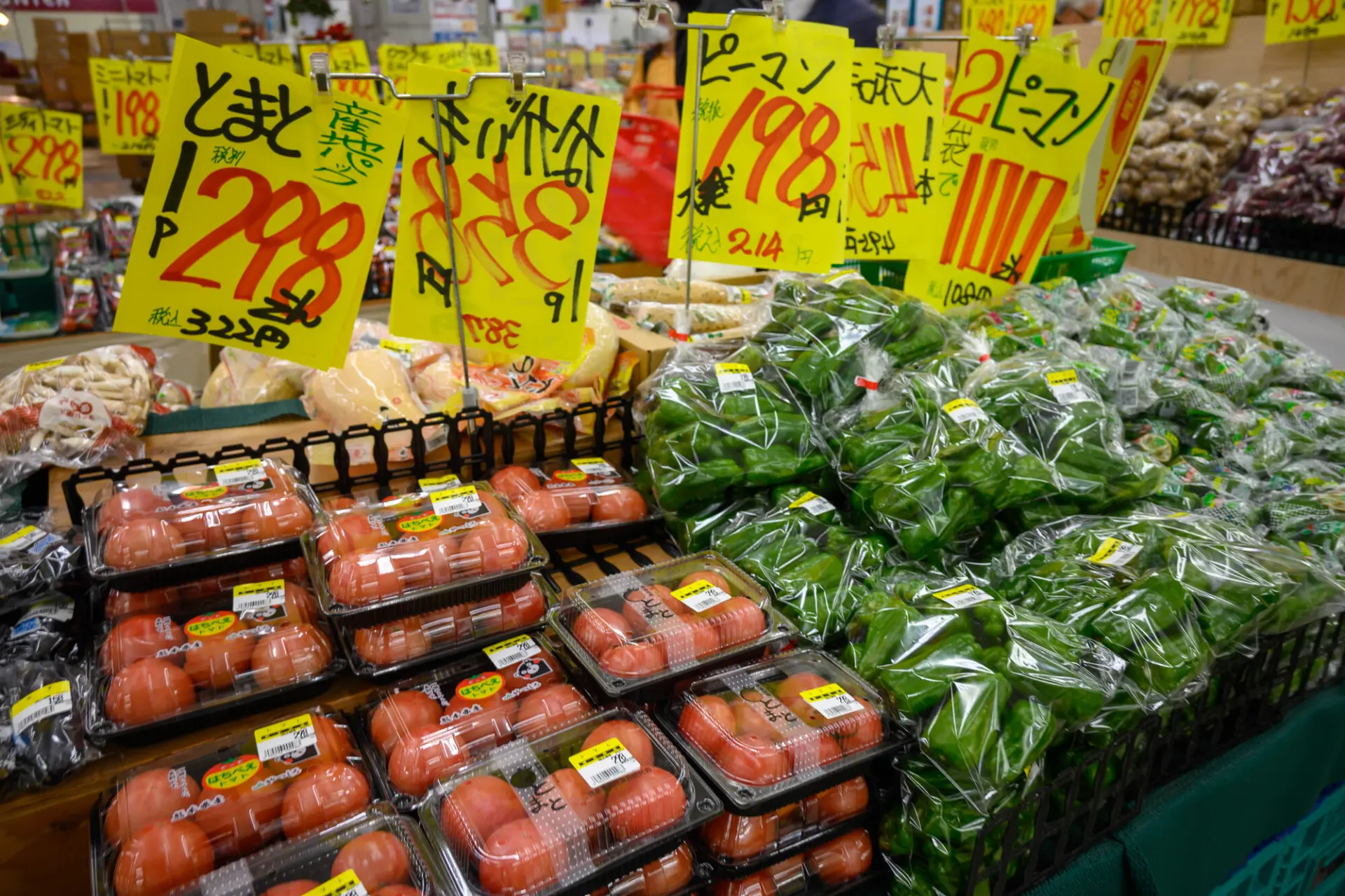
Unlike a typical tourist market, Kizu Market remains an active market where many chefs and restaurant professionals come to buy ingredients.
Intermediate wholesalers and specialty shops long trusted by chefs line the market, offering carefully selected, high-quality ingredients.
The shop owners are well versed in handling ingredients, and some will gladly share professional advice on seasonal items and recommended ways to eat them if you ask.
This kind of warm interaction and the chance to see professionals choosing ingredients are unique appeals of Kizu Market.
You may also encounter rare fish that are not often seen in supermarkets, so people who enjoy cooking can explore with the feeling of a treasure hunt.
Depending on the shop, you can buy a single fish or small quantities, often at relatively reasonable prices.
3. Get a Close Feel for Osaka Life and Food Culture
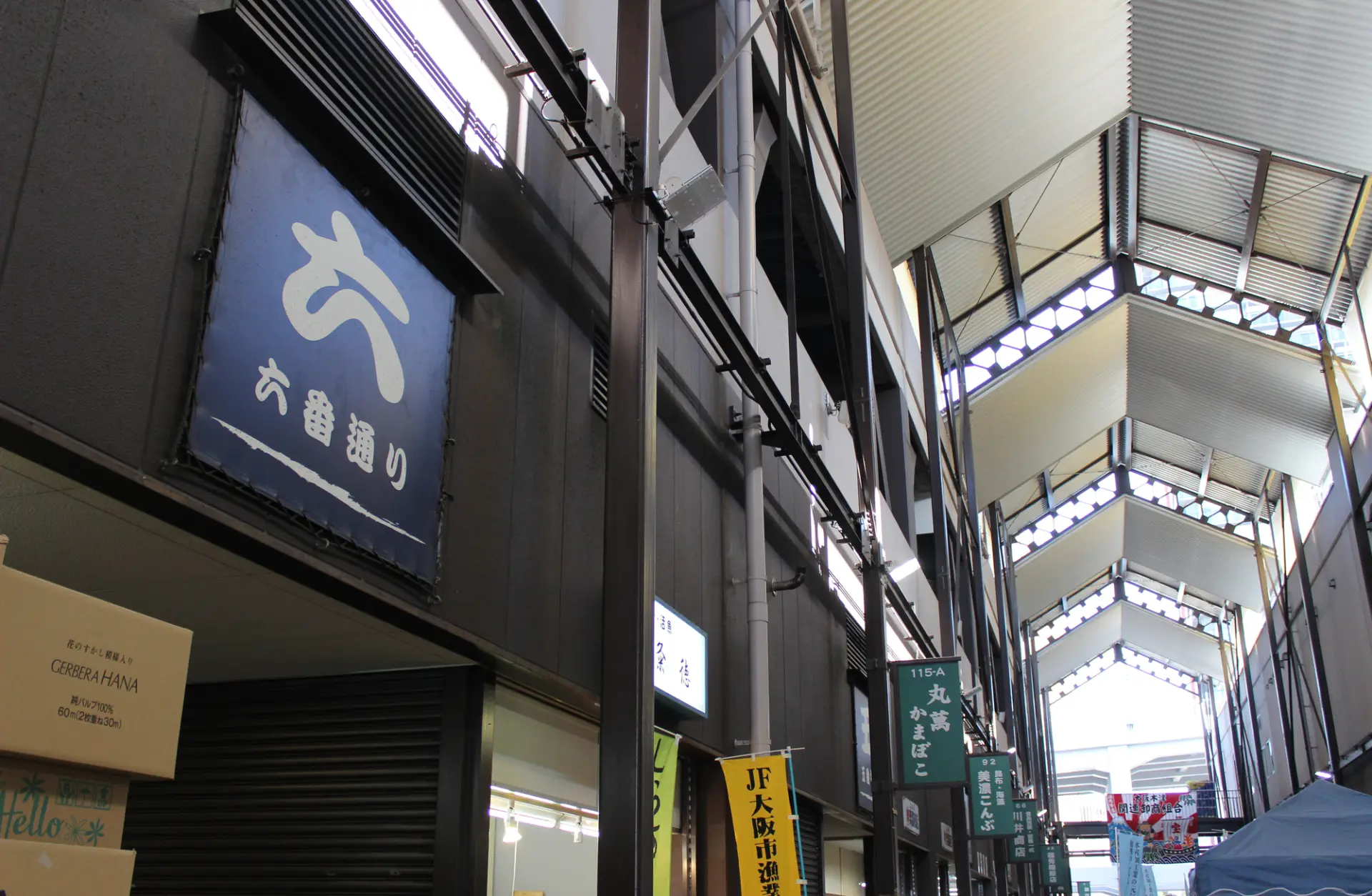
Kizu Market has little tourist-style staging, making it a place where you can naturally sense everyday life in Osaka.
As a historic market that has supported Osaka’s food culture, it carries on a history of more than 300 years.
When you step into the market, energetic voices of shop owners echo from early morning, while chefs and regular customers come and go in search of daily ingredients.
The market has a real, everyday atmosphere and lets you experience the feel of a community-rooted market as it is.
Encountering the food culture Osaka has carefully nurtured, along with the warm exchanges between people, can become a memory that goes beyond shopping and dining.
Good to Know Before You Go: Tips for Enjoying Kizu Market
A little preparation can make your visit to Kizu Market much more satisfying.
If it is your first time, keep the following points in mind to enjoy your visit even more.
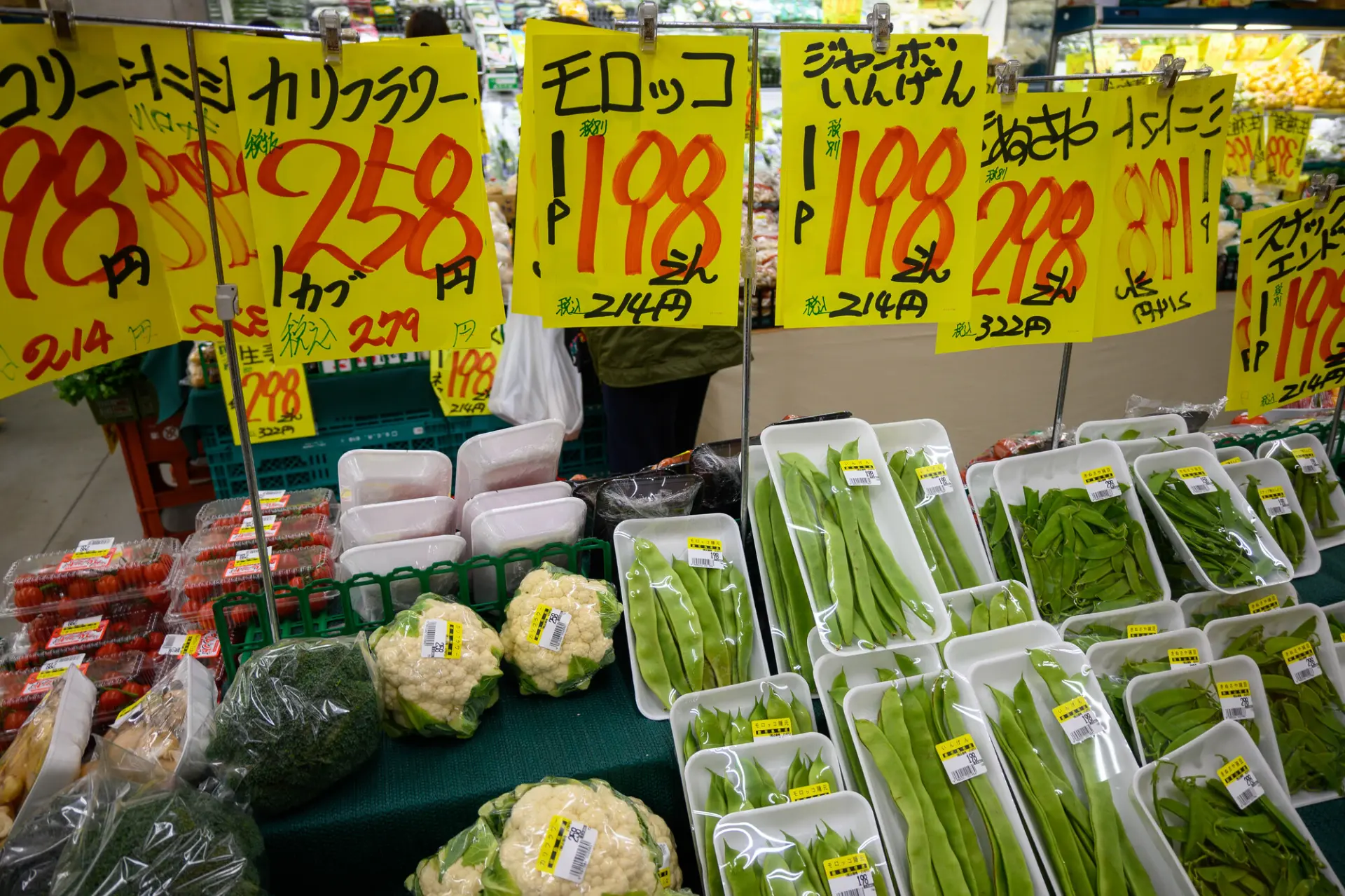
- Visit early in the morning
- Exceptionally fresh ingredients are on display, and the market comes alive as professionals make their purchases. Popular items can sell out quickly, so the 6:00–9:00 a.m. period is recommended.
- Wear comfortable clothing
- There is a lot of loading work in the morning, so clothes that are easy to move in are recommended. Leaving large luggage in station coin lockers or at your hotel will make walking around more comfortable.
- Explore the entire market
- In addition to eating and shopping, looking around the various shops helps you better feel what makes Kizu Market appealing.
- Enjoy market foods
- There are many places where you can have breakfast or lunch. Inside the market, restaurants serve seafood bowls, udon, and other dishes made with fresh ingredients, adding to the fun of the trip.
- Talk to the shop owners
- Asking the professional shop owners about seasonal ingredients and cooking methods can give you tips for choosing ingredients and preparing dishes. Market-style interaction is part of the fun. (*Please be considerate during busy hours; some shops may not be able to respond.)
- Bring an insulated bag
- If you plan to buy fresh fish, meat, or similar items, an insulated bag will help you carry them home with peace of mind. It also makes it easier to keep them fresh while traveling.
Experiences Unique to Kizu Market
Kizu Market’s highlights are not limited to food.
One of its major features is that shopping, dining, and even bathing facilities can all be enjoyed on the same premises, letting you experience the market from several angles.
Here are three specific experiences worth trying.
Kizu Morning Market, Held Twice a Month
If you can adjust your schedule, it is recommended to visit for Kizu Morning Market, held on the second and last Saturday of each month.
In addition to regular business, events for general visitors are held, drawing many locals and tourists.
With activities such as lotteries and special-price sales, the event offers a variety of things to enjoy for adults and small children alike.
The whole market becomes even livelier, and you can experience a different atmosphere from usual.
The especially popular “auction experience” program starts at 100 yen.
Calls such as “300 yen” and “500 yen” fly back and forth, letting you feel the realism of an authentic auction.
The skillful sales talk of the shop owners, something you do not often hear in daily life, is also worth paying attention to.
Hunt for Finds at Shokuzai Center ODA
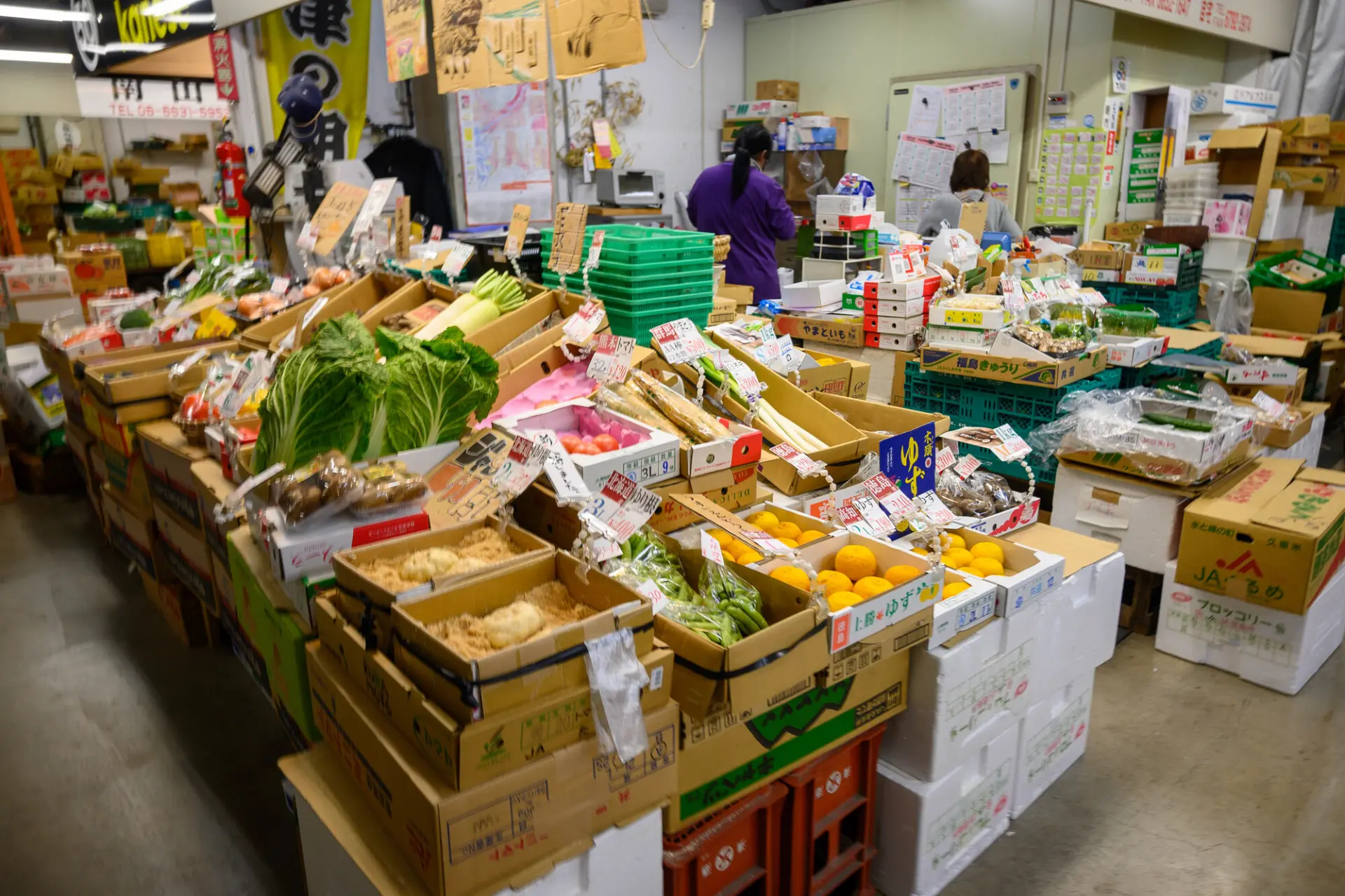
In addition to the wholesale market, Kizu Market also has Shokuzai Center ODA, a supermarket for commercial-use ingredients.
Because it mainly carries ingredients for professionals, it offers sizes and unusual products you would not usually see in ordinary stores, making it exciting just to walk around.
Shelves are lined with a wide range of items, including frozen seafood, large-volume seasonings, and cooking tools, and part of the appeal is coming across unexpected finds.
Another recommended way to enjoy it is to look for bargains while choosing distinctive souvenirs.
Its hours are long, until 6:00 p.m., and in principle it is closed only during Obon and the New Year holidays, making it easy to visit when it suits your schedule.
Some items may also be available at lower prices than in retail stores, making it ideal for those who want to buy in bulk.
Tahei-no-Yu Yugenkyō, a Bathing Facility Attached to the Market
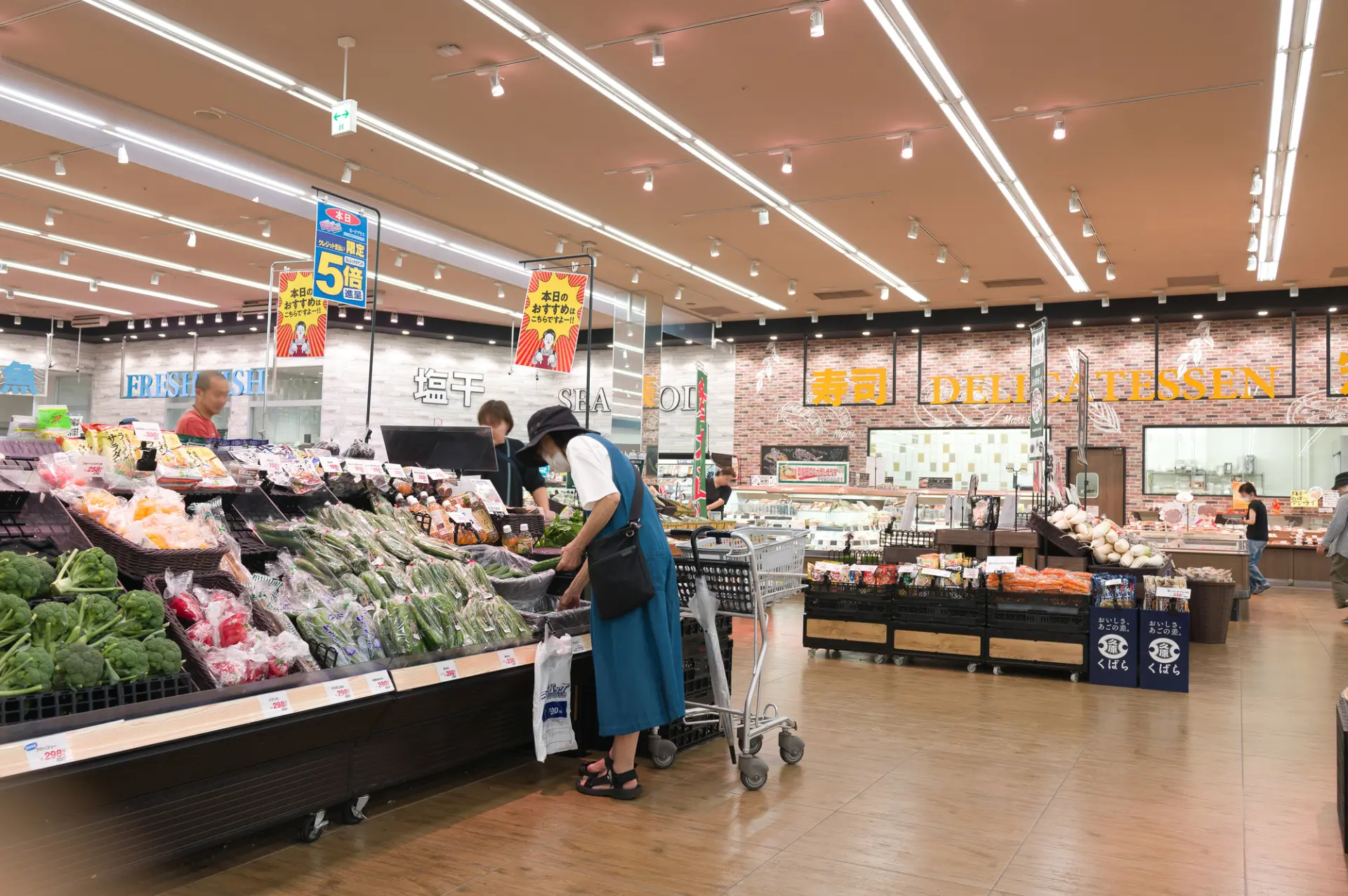
After enjoying Kizu Market, relax at Tahei-no-Yu Yugenkyō, the bathing facility attached to the market.
The combination of a market and bathing facility in one place is rare even nationwide, and it is appealing to be able to freshen up after shopping and dining.
Based on the theme of “a premium oasis that lets you forget the city,” the facility offers various baths, including a large public bath, open-air baths, a high-concentration carbonated spring, and daily rotating baths, helping soothe a tired body.
It also features a standard far-infrared dry sauna and bedrock bathing focused on beauty and health, with well-equipped facilities as a point of pride.
There is also a dining area where ingredients are delivered directly from the market, so you can pair your bath with lunch or dinner afterward.
Except for Obon and the New Year holidays, it is generally open every day. The baths are open from 8:00 a.m. to 1:00 a.m., and the dining area is open from 9:00 a.m. to 10:00 p.m.
3 Popular Sightseeing Spots Near Kizu Market
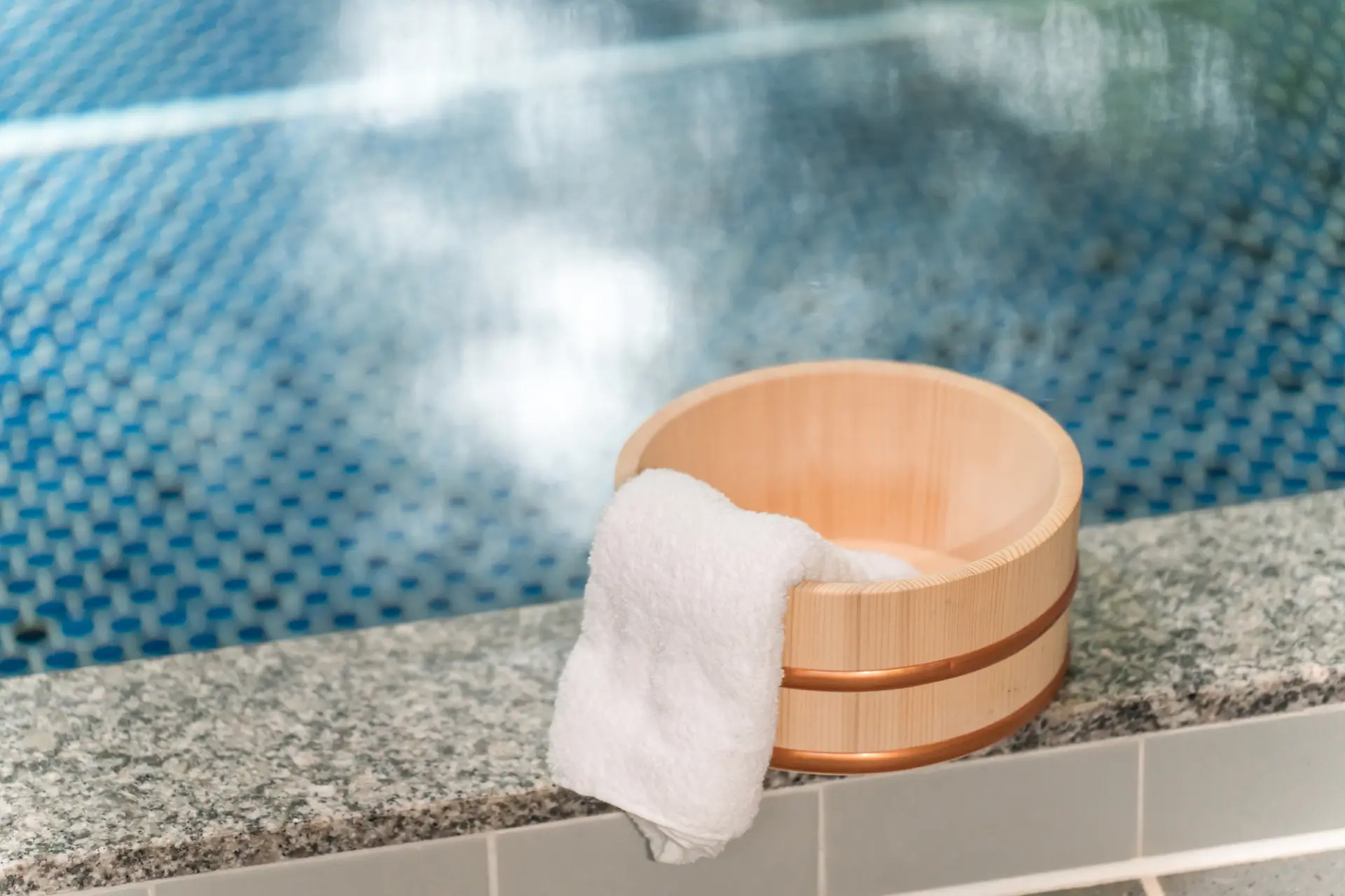
Here are some popular sightseeing spots near Kizu Market.
All are within walking distance, and you can enjoy a wide range of Osaka-like attractions, from old downtown atmosphere and the culture of praying for business prosperity to shopping.
They have distinctive atmospheres and can make your trip even more satisfying, so visiting them together with Kizu Market is recommended.
1. Tsutenkaku
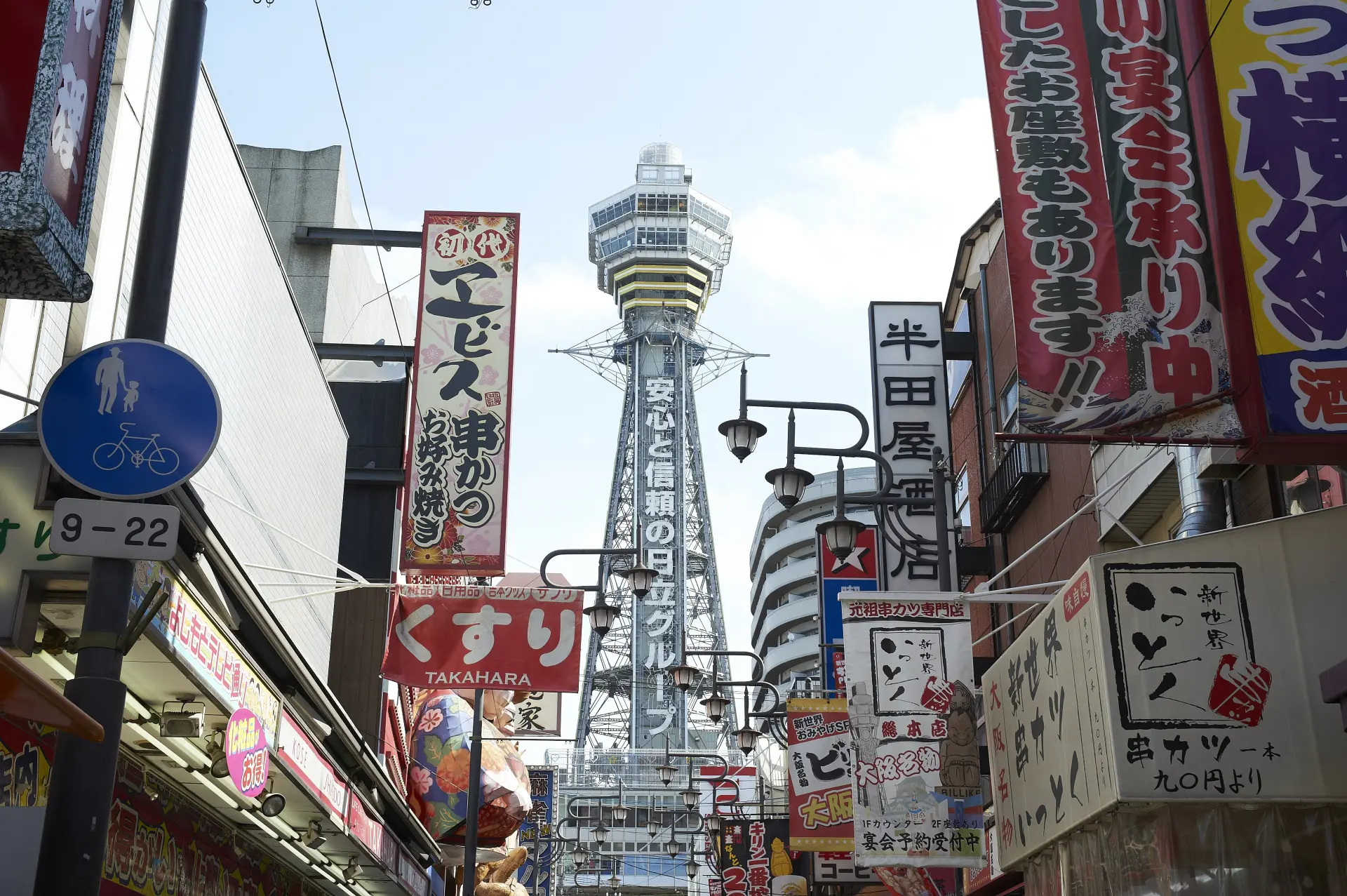
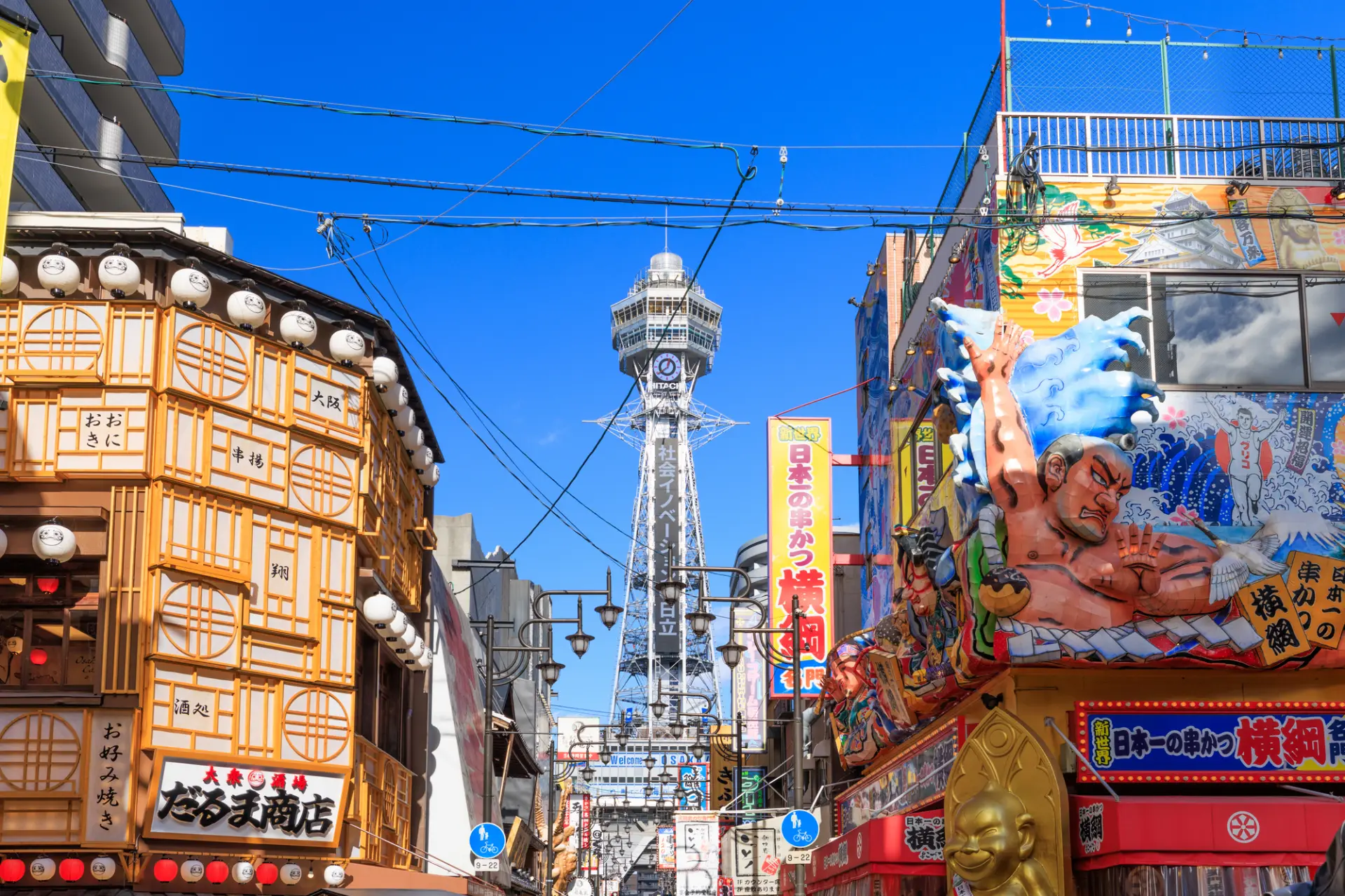
Tsutenkaku is a tower consisting of a special outdoor observation deck, five floors above ground, and one basement level. On the 5th floor, 87.5 meters above ground, you will find the gold-decorated “Golden Observation Deck” and Billiken, a deity said to bring good luck if you rub the soles of his feet. This is the third-generation Billiken statue, known for its blond hair.
At the top, 94.5 meters above ground, is the special outdoor observation deck “Tembo Paradise,” with an observation corridor 8.5 meters in diameter. It also has “TIP THE TSUTENKAKU,” a protruding observation deck with a see-through tip.
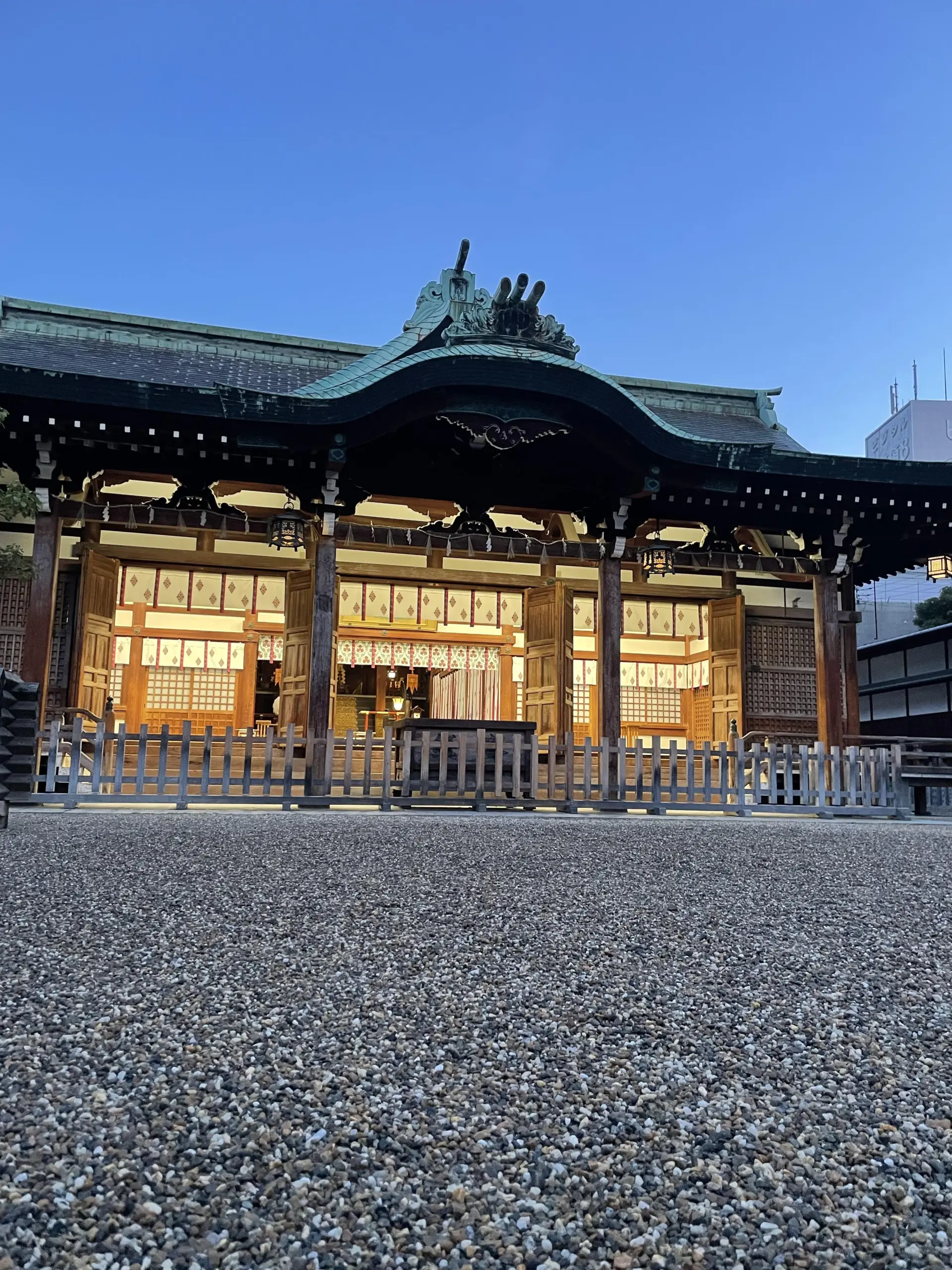
2. Imamiya Ebisu Shrine
This historic and venerable shrine is said to have begun in 600, during the reign of Empress Suiko, when Prince Shotoku enshrined a guardian deity to the west of Shitennoji Temple as he was building it. Widely worshipped as a deity of business prosperity and good fortune, the Toka Ebisu festival held every January is also known as “Ebessan” and attracts many worshippers seeking good luck.
The main hall enshrines Amaterasu Omikami, Kotoshironushi-no-Mikoto, who is familiarly known as Ebisu, Susanoo-no-Mikoto, Tsukuyomi-no-Mikoto, and Wakahirume-no-Mikoto. The Daikoku-sha shrine enshrines Okuninushi-no-Mikoto and the eight deities known as Gonan Sannyo Yahashira-no-Kami.
3. Namba Parks
Directly connected to Nankai Namba Station, this 9-story mixed-use commercial complex brings together more than 200 shops, including fashion, lifestyle goods, dining, and a movie theater.
Its defining feature is Parks Garden, where trees, flowers, and open spaces are integrated. From the entrance on the 2nd floor, you can look up at the terraced garden continuing all the way to the 9th floor. Filled with a wide variety of plants, Parks Garden also offers seasonal birds and insects. Dedicated gardeners manage the plants, allowing visitors to experience nature through the seasons while still in the city.

Suggested Day-Trip Itinerary for Kizu Market
Based on the information above, here is a suggested day-trip itinerary for Kizu Market.
Many shops finish business around 11:00 a.m., so start early in the morning.
If your visit falls on the second or last Saturday of the month, joining Kizu Morning Market is recommended.
In the afternoon, head to Osaka’s Minami area within walking distance for a full day of travel.
| Time (approx.) | Spot | Overview |
|---|---|---|
| 7:00 a.m. | Daikokucho Station (Imamiyaebisu Station / Namba Station) | Head to Kizu Market from the nearest convenient station |
| 7:15 a.m. | Kizu Market | After arriving, stroll through the market and enjoy the atmosphere |
| 7:45 a.m. | Breakfast | Enjoy market foods such as fresh seafood, sushi, and grilled dishes for breakfast |
| 8:45 a.m. | Shokuzai Center ODA | Stop by Shokuzai Center ODA to look for good-value ingredients and souvenirs |
| 9:15 a.m. | Tahei-no-Yu Yugenkyō bathing facility | Take a break in the large public bath, open-air bath, or bedrock bath (an early lunch is also an option) |
| 11:30 a.m. | Imamiya Ebisu Shrine | Stroll through the area, visit nearby Imamiya Ebisu Shrine, and buy an amulet for business prosperity |
| 12:10 p.m. | Tsutenkaku | Spend time as you like at Tsutenkaku, such as enjoying the view from the observation deck, taking photos with Billiken, or having lunch |
| 2:00 p.m. | Shinsekai area | Enjoy local foods such as kushikatsu in the Shinsekai area |
| 3:30 p.m. | Namba Parks | Stroll through Parks Garden and visit shops and cafés |
| 6:00 p.m. | Namba Station | Head home from Namba Station on your preferred line |
Frequently Asked Questions About Kizu Market
Q
Can general visitors and tourists enter the market?
Yes. One of Kizu Market’s appeals is that general visitors and tourists can shop in the same place as business buyers.
Q
Do I need a reservation for Kizu Morning Market?
No advance reservation is required. Anyone can join casually.
Q
Are there places to eat?
In addition to 15 restaurants, tables are also available on Minami Odori, so you can eat items you purchased inside the market.
Q
Can I use a credit card?
It varies by shop, but many are cash only. As a general rule, assume that credit cards and e-money cannot be used.
Q
Is there parking nearby?
There is parking for about 350 vehicles on the 2nd floor of the market and on the 1st floor on the west side of the market. If you shop at the market, you can receive 1 hour and 30 minutes of free parking.
Summary
This article introduced Kizu Market, focusing on its overview, history, and ways to enjoy it.
Kizu Market is a lesser-known Osaka spot visited by many professional chefs in search of high-quality ingredients.
Unlike markets crowded with tourists, it lets you experience an authentic, everyday market up close.
Its convenient location within walking distance of the Namba area also makes it easy to combine with other sightseeing spots, so consider visiting in person.
Also be sure to check out this article, which comprehensively covers useful travel-planning information, including classic restaurants and souvenirs in Osaka.