
Nagoya Fall Travel Guide: Fall Foliage, Historic Streets, and Nagoya Cuisine
A fall trip to Nagoya offers the chance to stroll through historic areas such as Nagoya Castle and Shikemichi, discover the culture of the Owari Tokugawa family at the Tokugawa Art Museum, and admire the fall foliage at Tokugawa Garden and Higashiyama Zoo and Botanical Gardens.
As the heat subsides, venture to the Nagoya City Archives and the historic streets of Arimatsu. Add Nagoya cuisine and its coffeehouse culture to your itinerary and experience the city’s history, culture, and fall scenery.
How to Experience Fall in Nagoya, Month by Month
In September, escape the lingering summer heat at cultural attractions. When temperatures ease in October, explore the city on foot and attend local festivals. By November, fall foliage appears in gardens and natural areas. The ways to experience fall in Nagoya change from month to month.
Plan your visit around the weather and seasonal events to discover what makes Nagoya special at that particular time of year.
September: Explore Culture and Historic Streets While Avoiding the Heat
With summer heat still lingering in September, this is a good time to visit cultural attractions such as the Tokugawa Art Museum and explore Nagoya at a comfortable pace.
During the relatively pleasant mornings and evenings, consider walking through historic neighborhoods such as Shikemichi. Combine indoor cultural experiences with leisurely walks around the city as Nagoya transitions from summer to fall.
October: Walk Beneath the Fall Sky and Experience the Nagoya Festival
As temperatures ease in October, it becomes more comfortable to explore places such as Nagoya Castle and the historic streets of Arimatsu on foot.
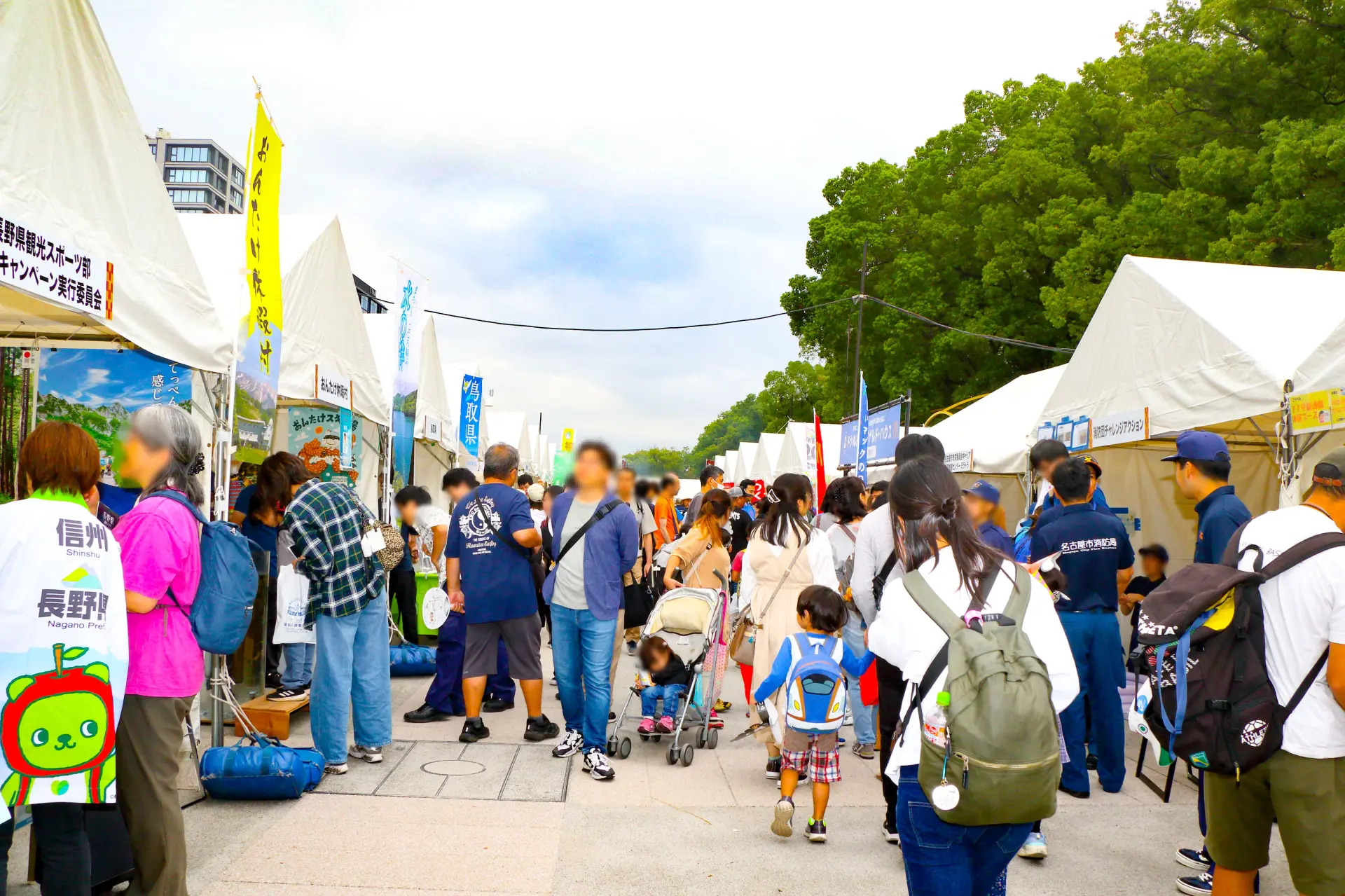
The Nagoya Festival also takes place this month, bringing the city to life with events such as the Parade of the Three Feudal Lords.
Spend a fall day walking through historic castle grounds and old neighborhoods while experiencing the festive atmosphere throughout the city.
November: Experience Fall Foliage and Culture as the Season Deepens
In November, the leaves begin to change color, making it an ideal time to visit Tokugawa Garden, Higashiyama Zoo and Botanical Gardens, and nearby Jokoji Temple. Each destination offers different scenery, from fall foliage decorating a Japanese garden and a botanical garden that makes use of the natural terrain to vivid trees surrounding historic buildings. Tokugawa Garden also holds the Tokugawa Garden Fall Leaves Festival when the foliage is at its peak.
Venture a little beyond central Nagoya to discover scenery found only in late fall.
7 Popular Nagoya Attractions to Visit in Fall
Begin at Nagoya Castle, then walk through historic neighborhoods and view modern architecture before discovering Nagoya’s cultural heritage at an art museum and a former villa.
Throughout the city are attractions where visitors can trace Nagoya’s history from its days as a castle town to its modern architecture and culture. Combine time spent exploring indoor exhibitions with walks around the city to experience Nagoya’s history and culture.
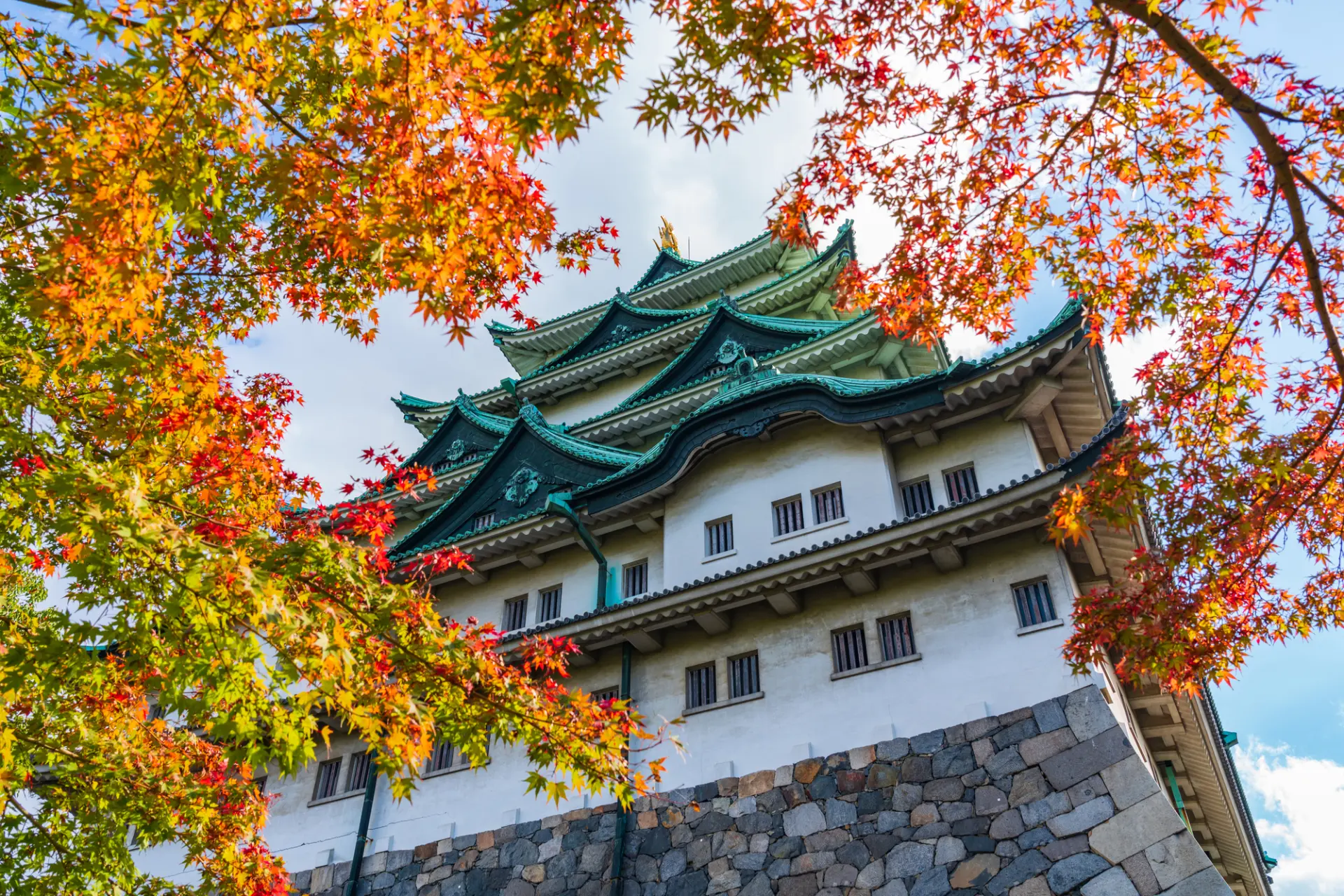
1. Nagoya Castle
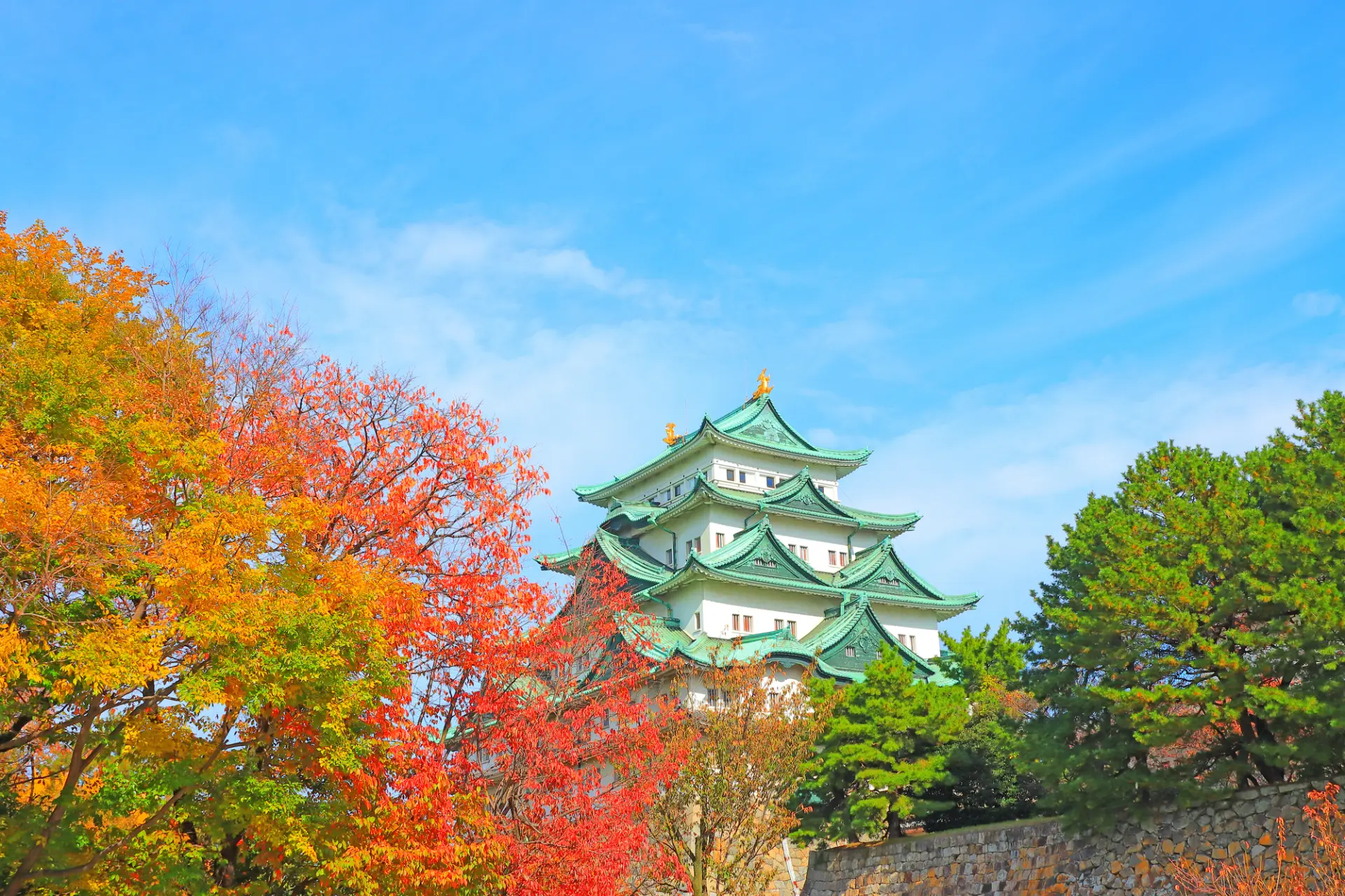
One of Japan’s largest castles, Nagoya Castle was built in the early Edo period under the orders of Tokugawa Ieyasu. A pair of golden shachihoko—mythical tiger-headed carp—gleam atop the five-roofed castle keep and have become symbols of Nagoya.
The Honmaru Palace, which was destroyed during World War II, has been reconstructed in wood. Inside, its walls and sliding doors are covered with paintings by artists of the Kano school. The Jorakuden Hall, added in 1634, is particularly magnificent. From the golden shachihoko to the ornate Honmaru Palace, explore the history of the Owari Tokugawa family.
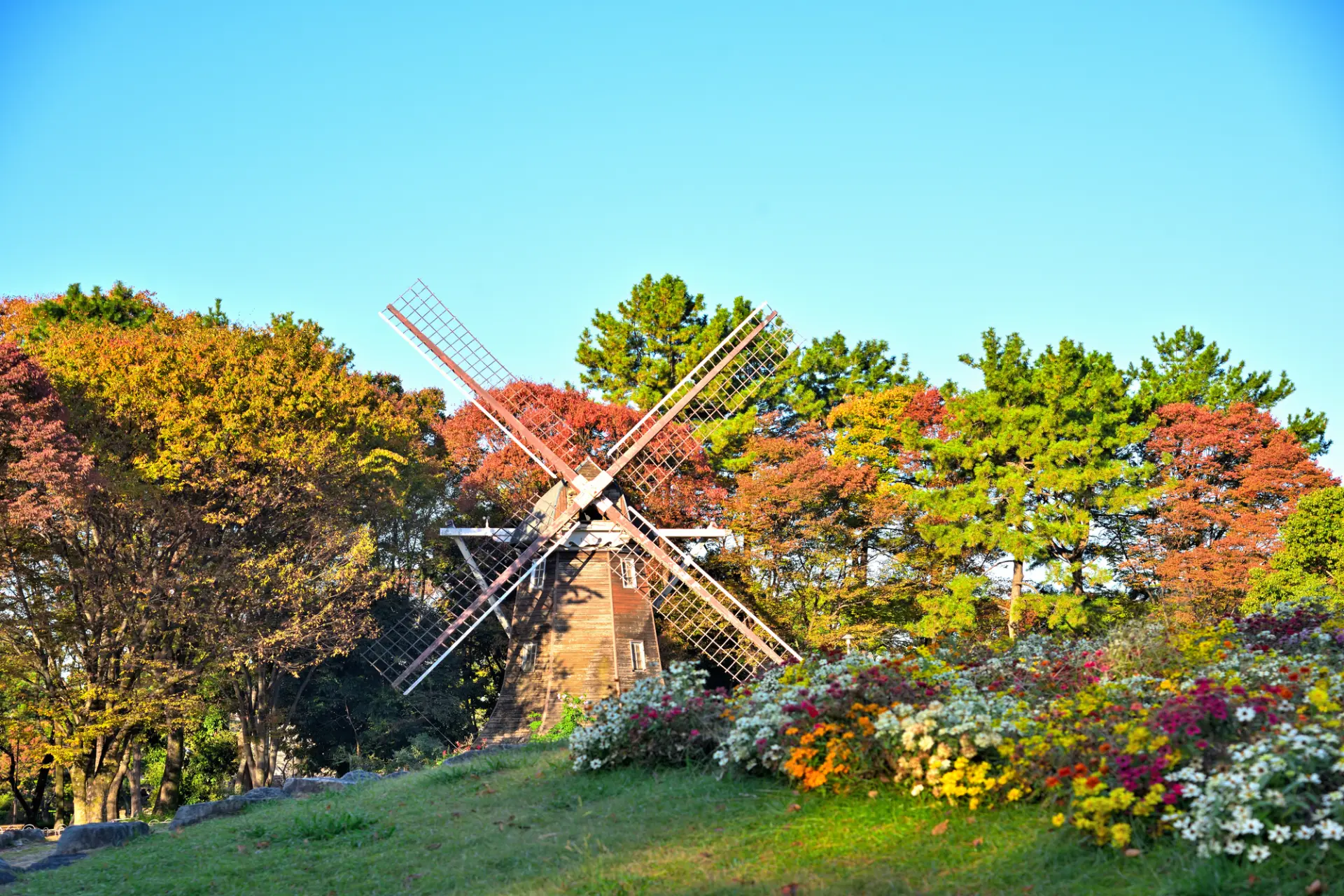
2. Meijo Park
Meijo Park is a comprehensive public park and popular place for Nagoya residents to relax. Its approximately 80-hectare grounds feature flower beds, lawns, Ofuke Pond, and other attractions. The Meijo Park Flower Plaza has an atrium and sunroom filled with natural light and also hosts exhibitions related to flowers and greenery.
Another highlight is tonarino, a multipurpose complex facing Otsu-dori Avenue. With cafes, restaurants, and a bakery, it makes a convenient stop during a walk through the park.
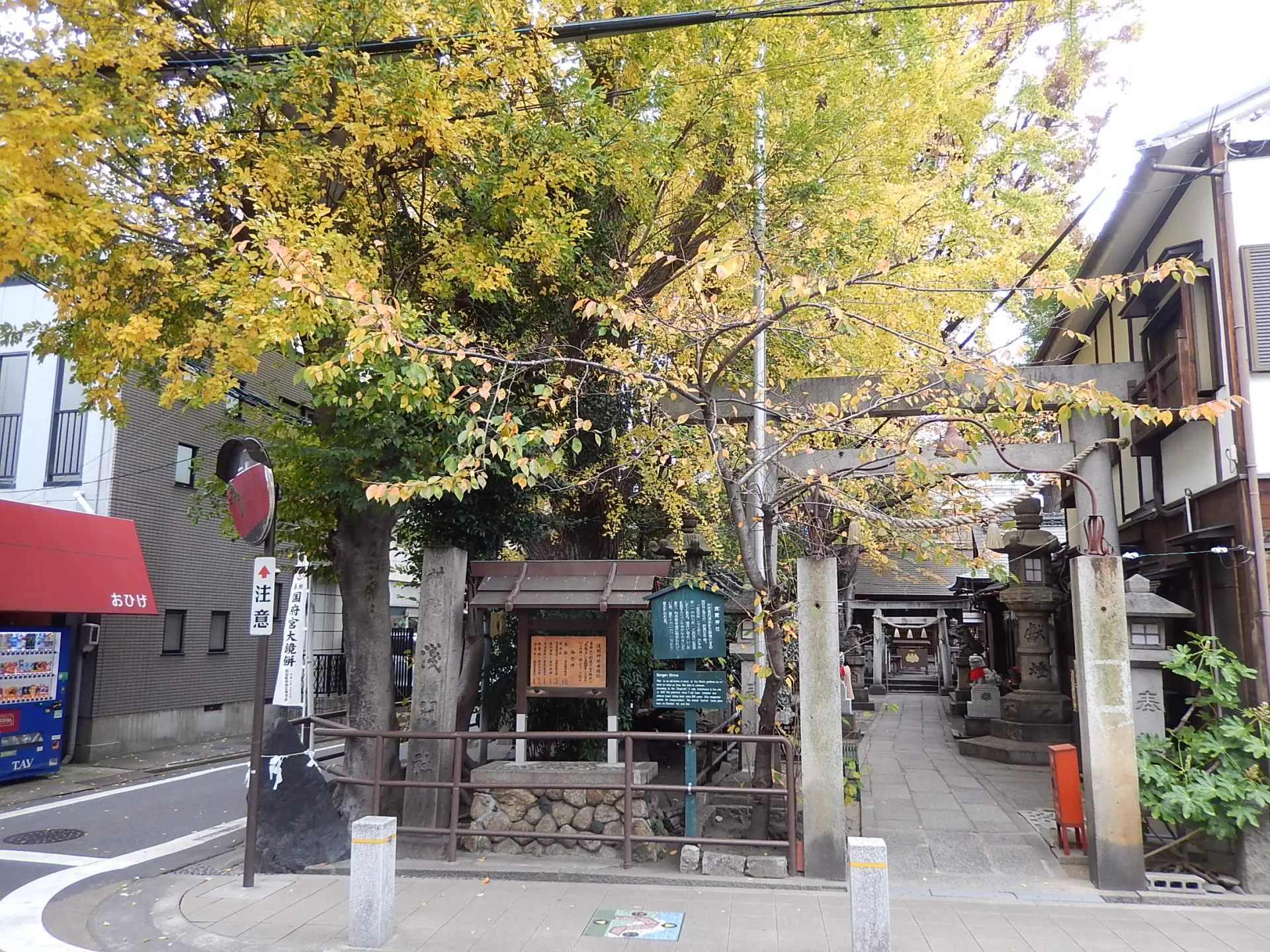
3. Shikemichi Townscape Preservation District
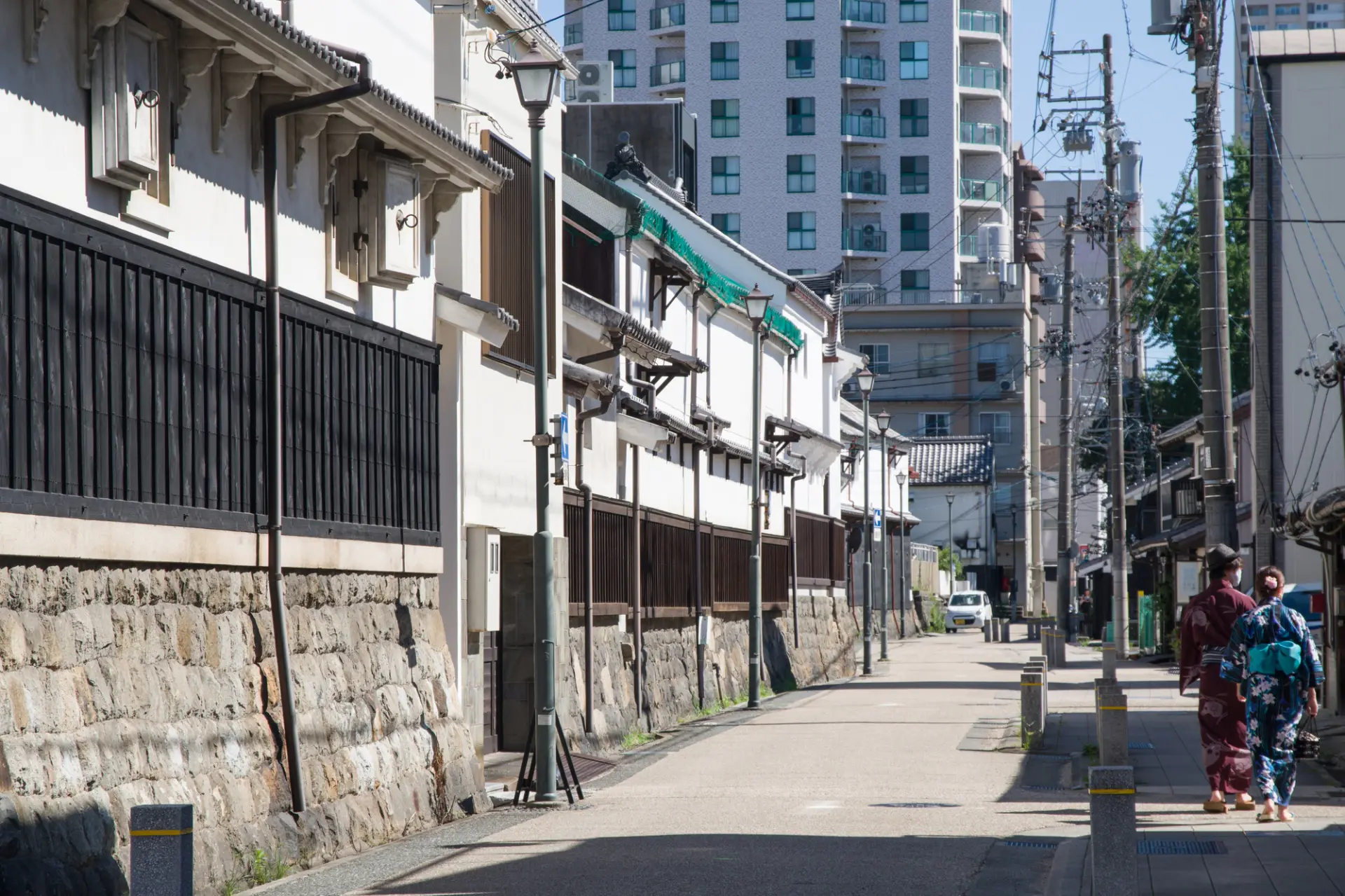
This preserved historic district retains the atmosphere of the castle town that once prospered through merchants using boat transportation on the Horikawa River. On the east side of the street, earthen storehouses were built atop stone walls to prevent fires from spreading, while traditional townhouses line the west side. Together, they form a historic streetscape that remains intact today.
Look for the small rooftop shrines known as yane-gami and the tree over 300 years old at Sengen Shrine. Walk along streets that still retain the atmosphere of the old castle town, stopping at cafes and shops housed in renovated traditional buildings.
4. Nagoya City Archives
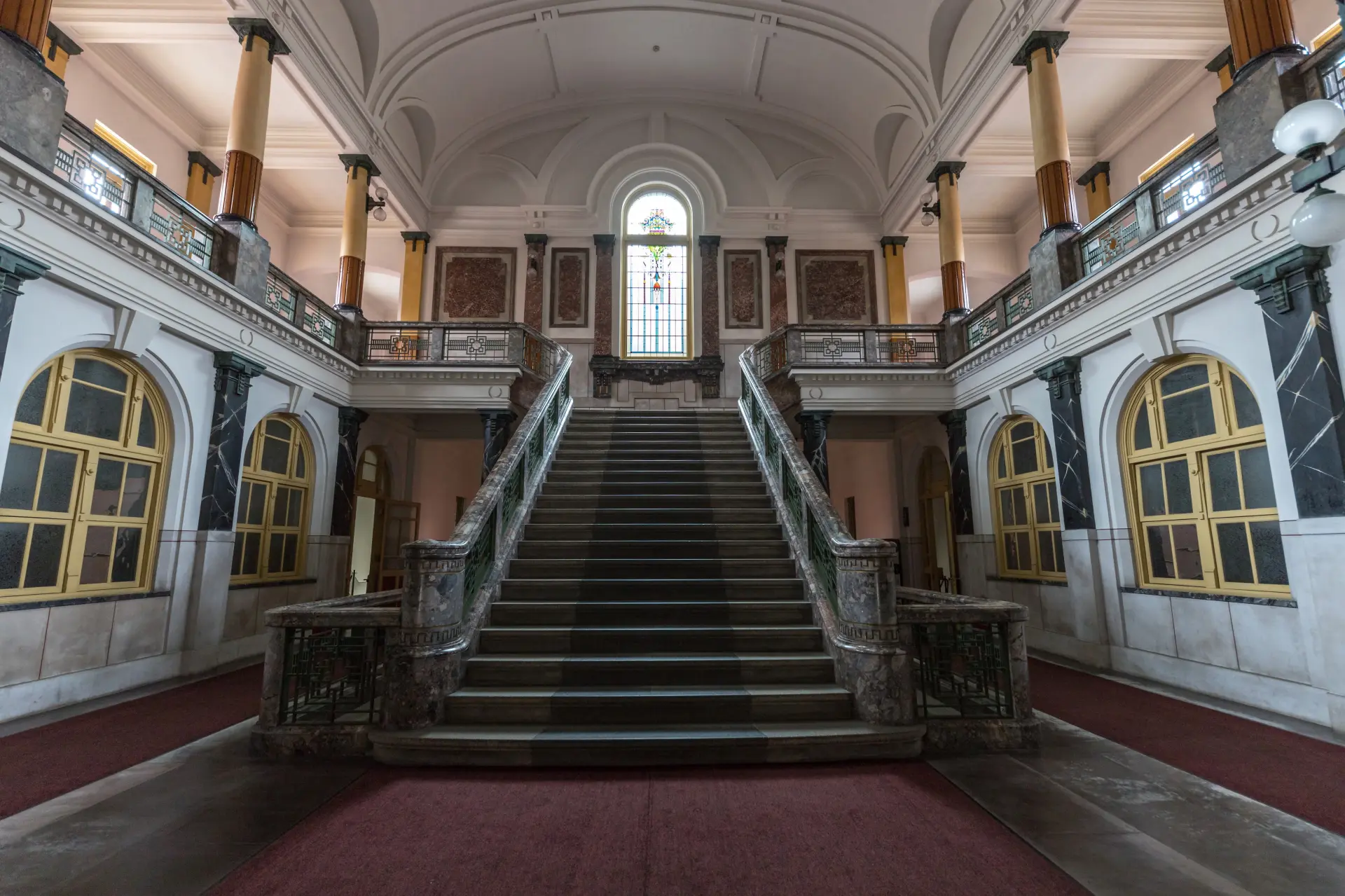
The Nagoya City Archives occupy the former Nagoya Court of Appeals, District Court, and Ward Court building, which is designated an Important Cultural Property of Japan. Its Neo-Baroque exterior, with contrasting red brick walls and white granite, is particularly striking.
The central staircase hall evokes the romance of the Taisho era, while the dignified historic exterior has appeared in numerous television dramas and programs. Explore both the exterior and interior to appreciate the building’s outstanding design from the final years of the Taisho period.
5. Tokugawa Art Museum
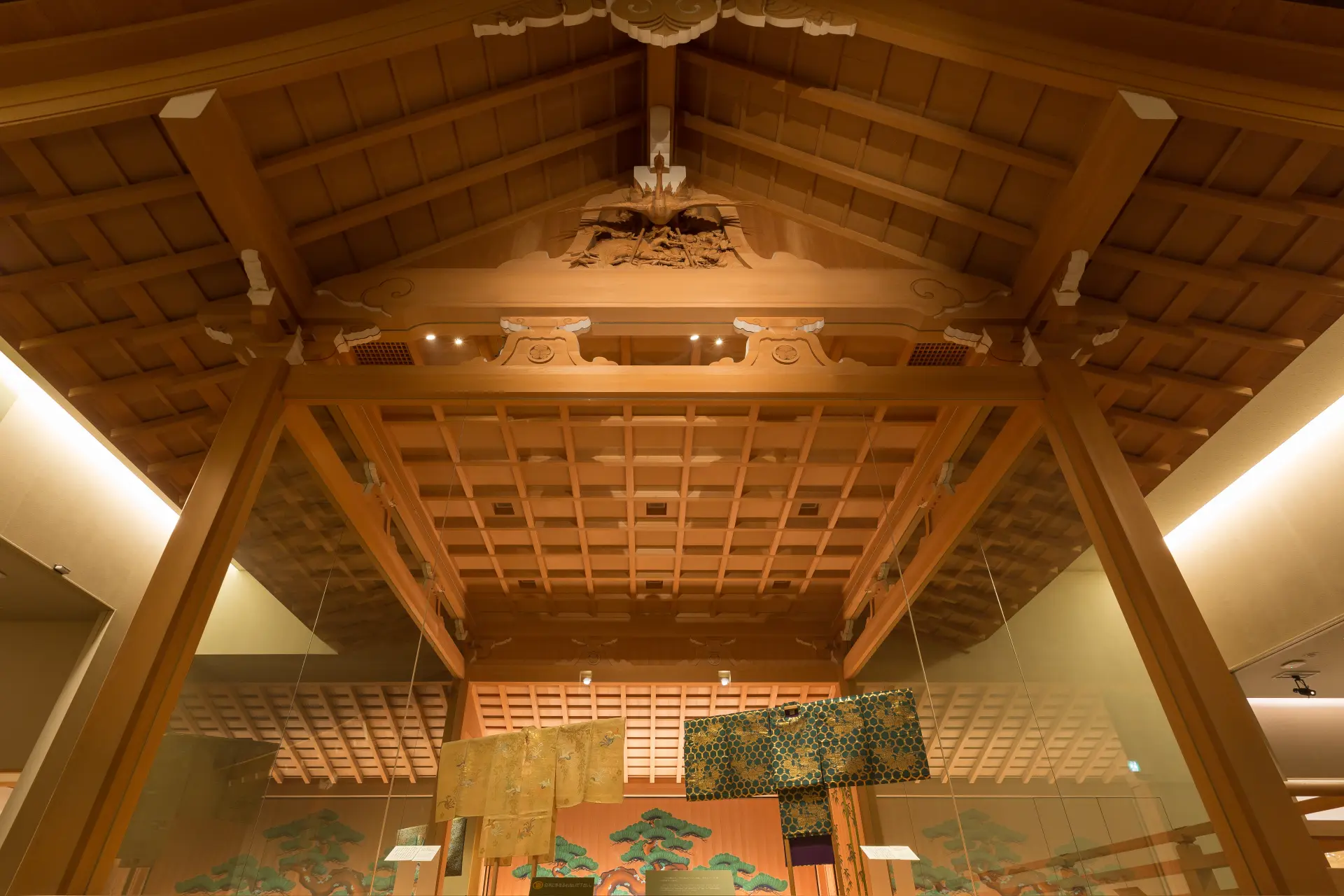
This museum preserves and exhibits art and objects passed down through the Owari Tokugawa family. Its collection of more than 10,000 items includes swords, armor, tea utensils, and Noh theater objects inherited from Tokugawa Ieyasu, along with treasured belongings of successive family heads and their wives.
The museum’s collection of nearly 1,000 swords is among the largest in Japan. Its many valuable works include the National Treasure Illustrated Handscrolls of The Tale of Genji, offering an in-depth look at the daimyo culture cultivated by the Owari Tokugawa family.
6. Yoki-so
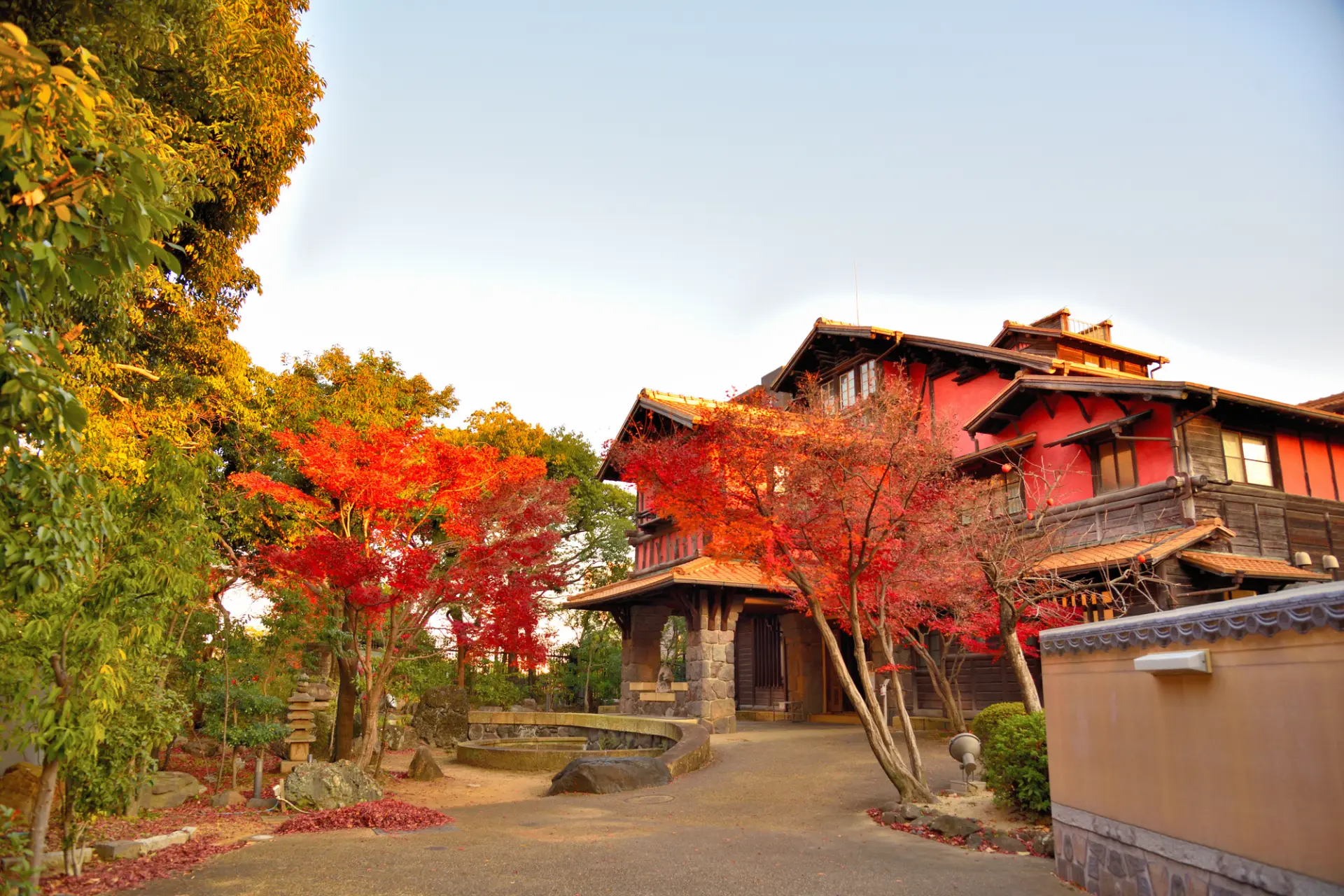
Yoki-so is a villa built from the Taisho period through the early Showa period by Ito Jirozaemon Suketami, the first president of Matsuzakaya. Constructed in the hills of Kakuozan, it is a representative example of a modern suburban villa in Nagoya, and five of its buildings are designated Tangible Cultural Properties by the city.
When first built, the estate covered approximately 8 acres, and at its peak it reportedly contained more than 30 buildings. Explore the architecture and gardens in harmony with nature while learning about the prominent political, business, and cultural figures who once gathered here.
7. Historic Streets of Arimatsu
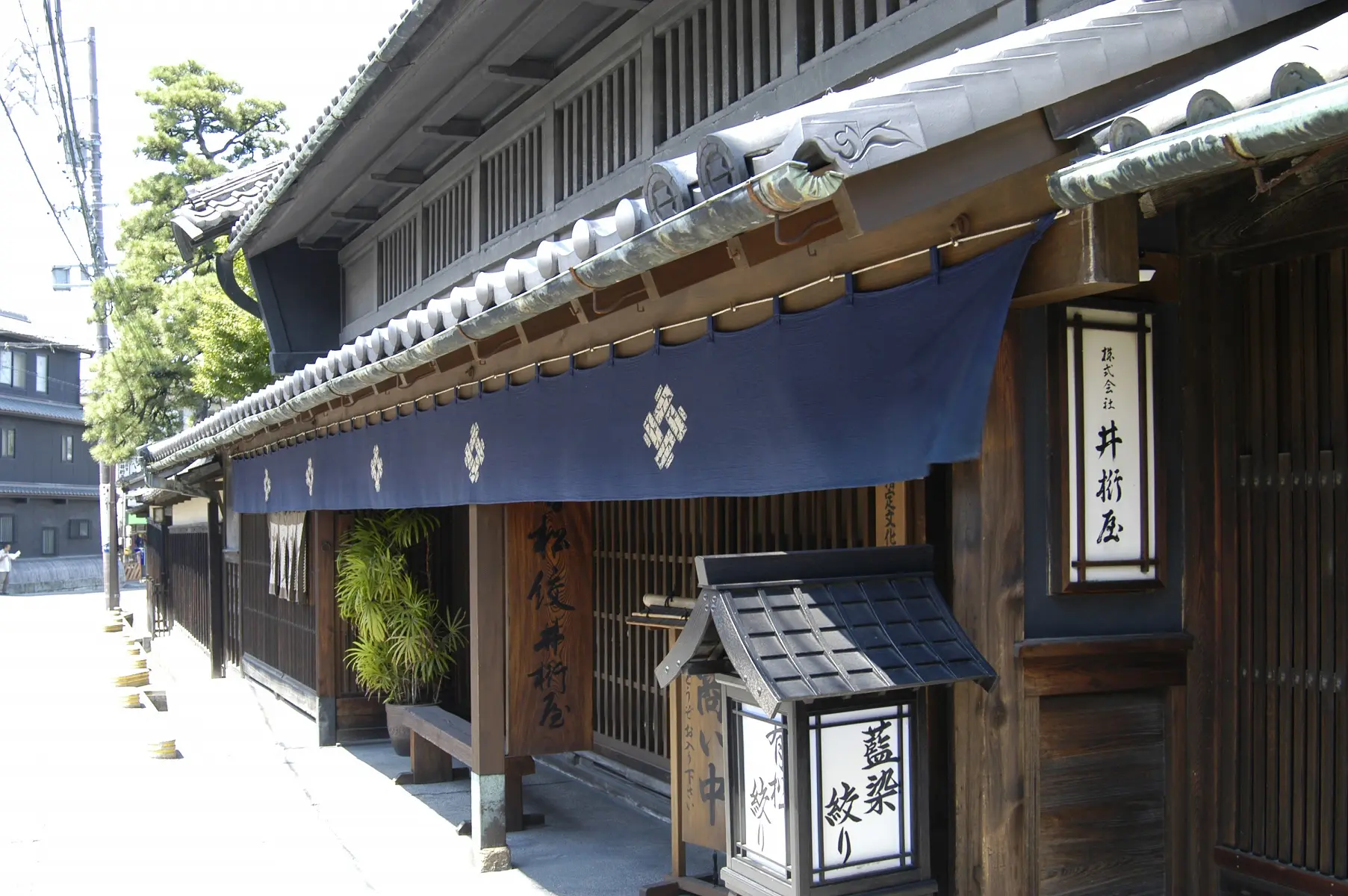
The streets of Arimatsu still retain the atmosphere of the Edo period, with the homes of wealthy merchants and traditional townhouses lining the former Tokaido highway. Historic buildings include the Oka Residence, which features traditional latticework, sea cucumber walls, and latticed attic windows.
Arimatsu-Narumi shibori, designated a Traditional Craft of Japan, began when residents developed tie-dyeing techniques as a supplementary trade because the area had little farmland. The Arimatsu-Narumi Shibori Museum presents exhibits and demonstrations by artisans. Along with the historic streets, discover the craftsmanship that has been passed down through generations.
3 Fall Foliage Spots in Nagoya
To experience Nagoya’s fall scenery, visit destinations ranging from a Japanese garden and a zoo and botanical garden to a historic temple just outside the city.
Each offers distinct scenery, including fall foliage around a strolling pond garden, a botanical garden shaped by natural terrain, and colorful trees surrounding historic buildings. Check the typical peak foliage periods and add a fall walk to your itinerary.
1. Tokugawa Garden
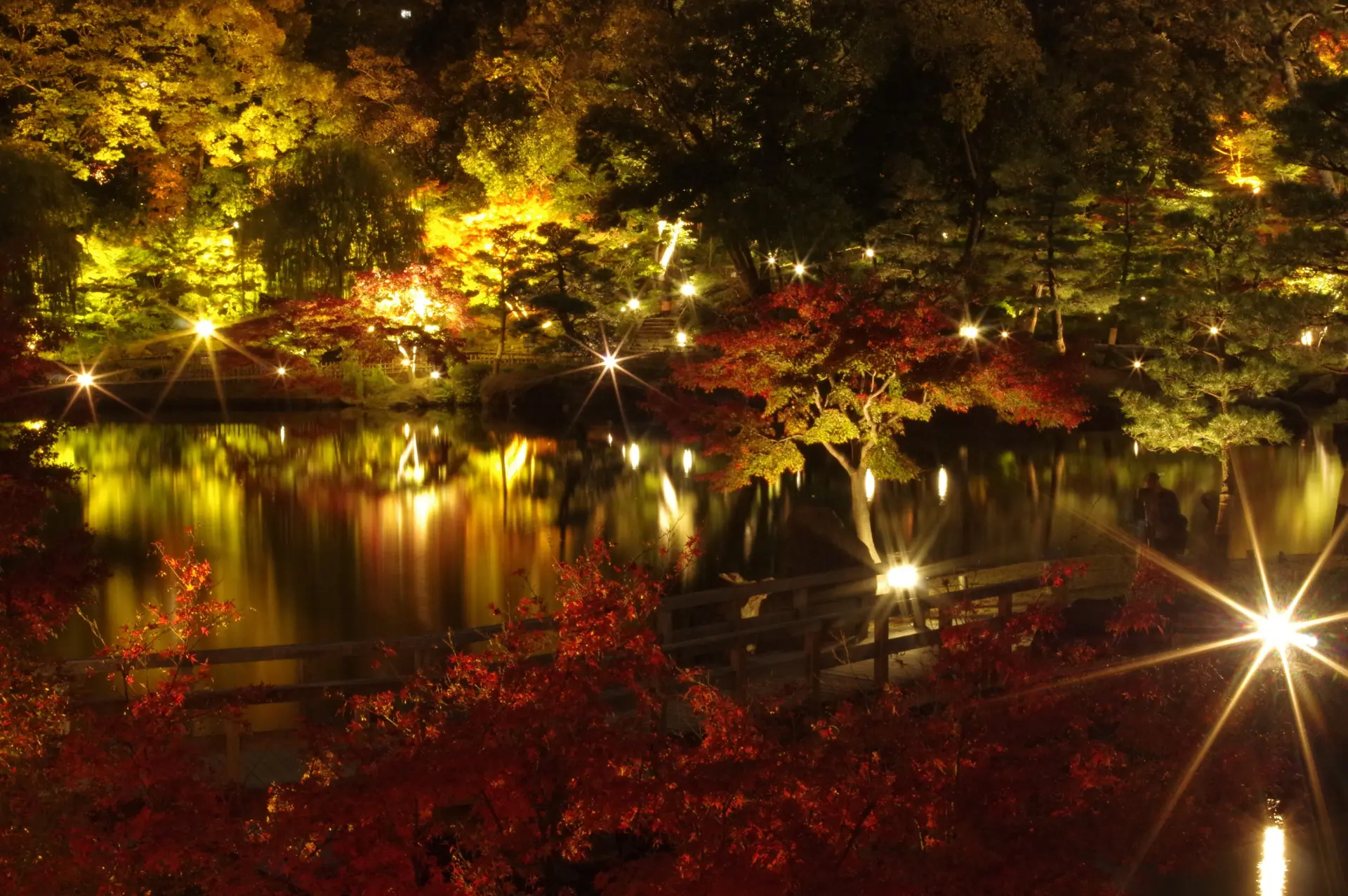
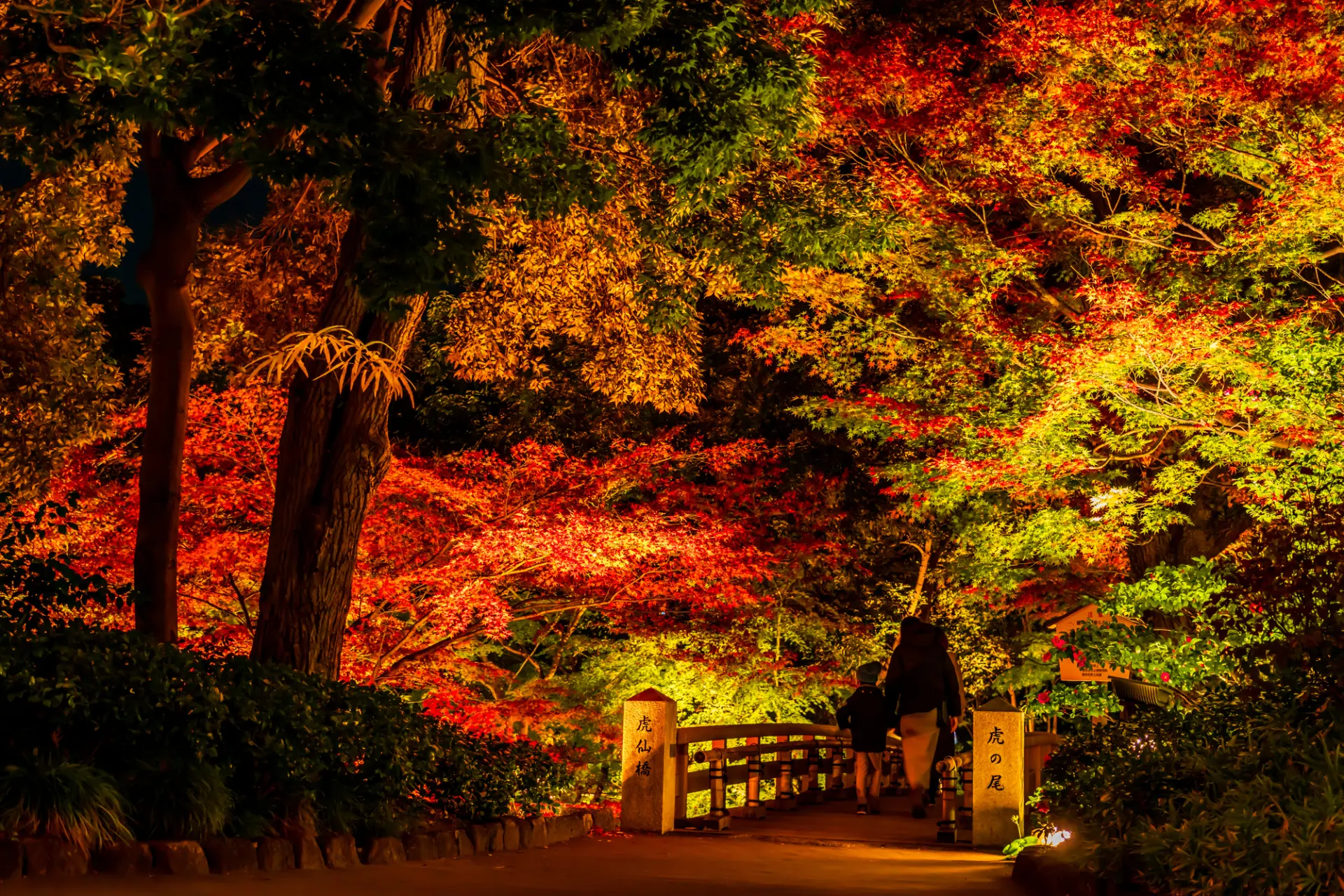
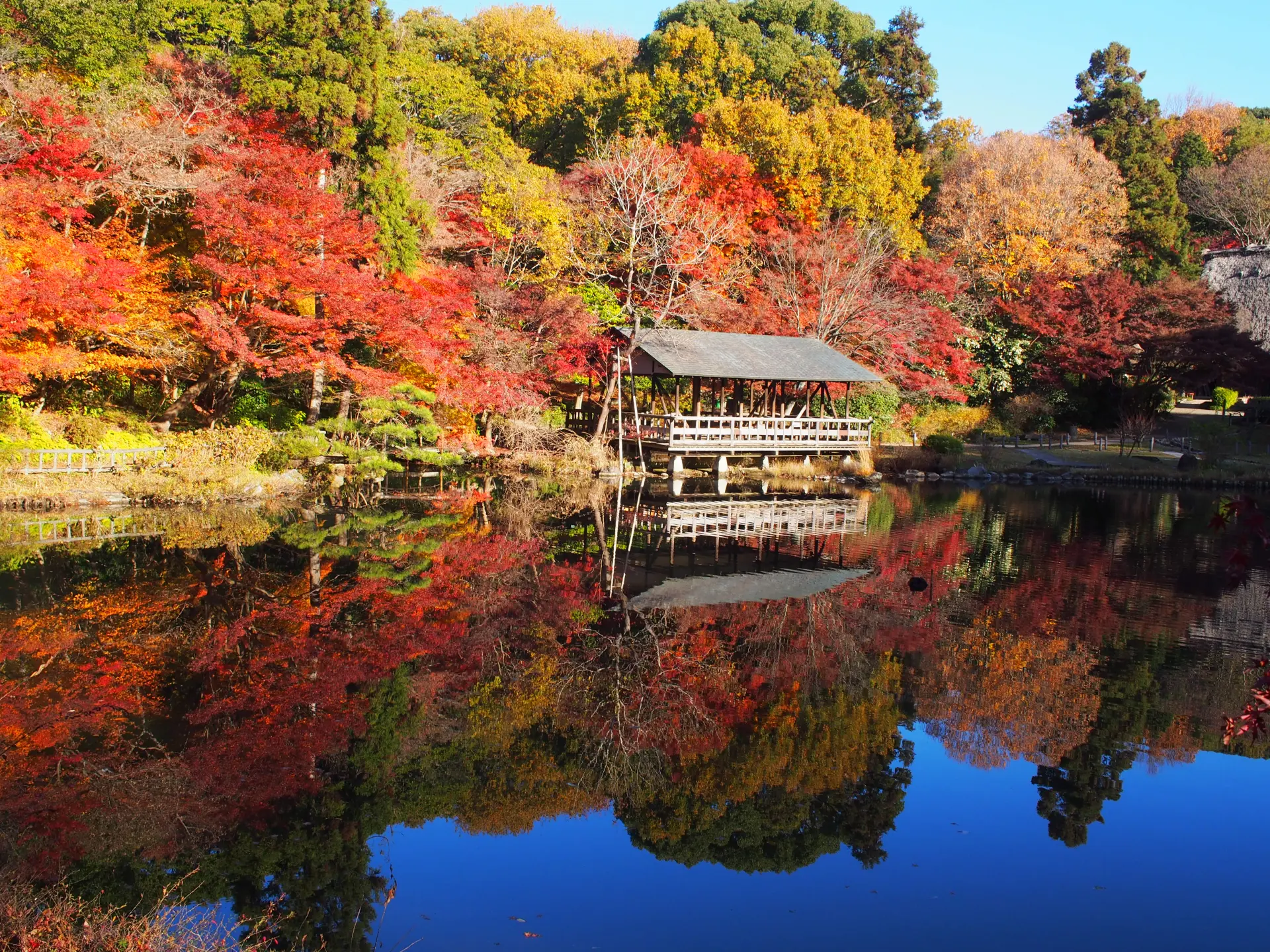
This Japanese garden was created on the former site of the Ozone Residence, a retirement villa built in 1695 by Mitsutomo, the second lord of the Owari Domain. The garden makes use of its varied terrain and features attractions such as the Ryumon Waterfall and Ryusen Lake, crossed by a Chinese-style stone bridge.
During the fall foliage season, the garden turns brilliant red and is illuminated at night. Walk through the undulating landscape while admiring the foliage reflected along the water and surrounding the stone bridge.
2. Higashiyama Zoo and Botanical Gardens
This large complex spans approximately 600,000 square meters and includes a zoo, botanical garden, and amusement park. After seeing the animals, visitors can continue to the botanical garden, which makes use of the area’s natural terrain.
The zoo displays approximately 450 animal species, including its symbolic koalas and many other popular animals. The botanical garden presents distinctive scenery in every season, with particularly impressive foliage in fall. Spend a full day moving between the zoo and the colorful botanical garden.
3. Jokoji Temple and Jokoji Park (Seto City)
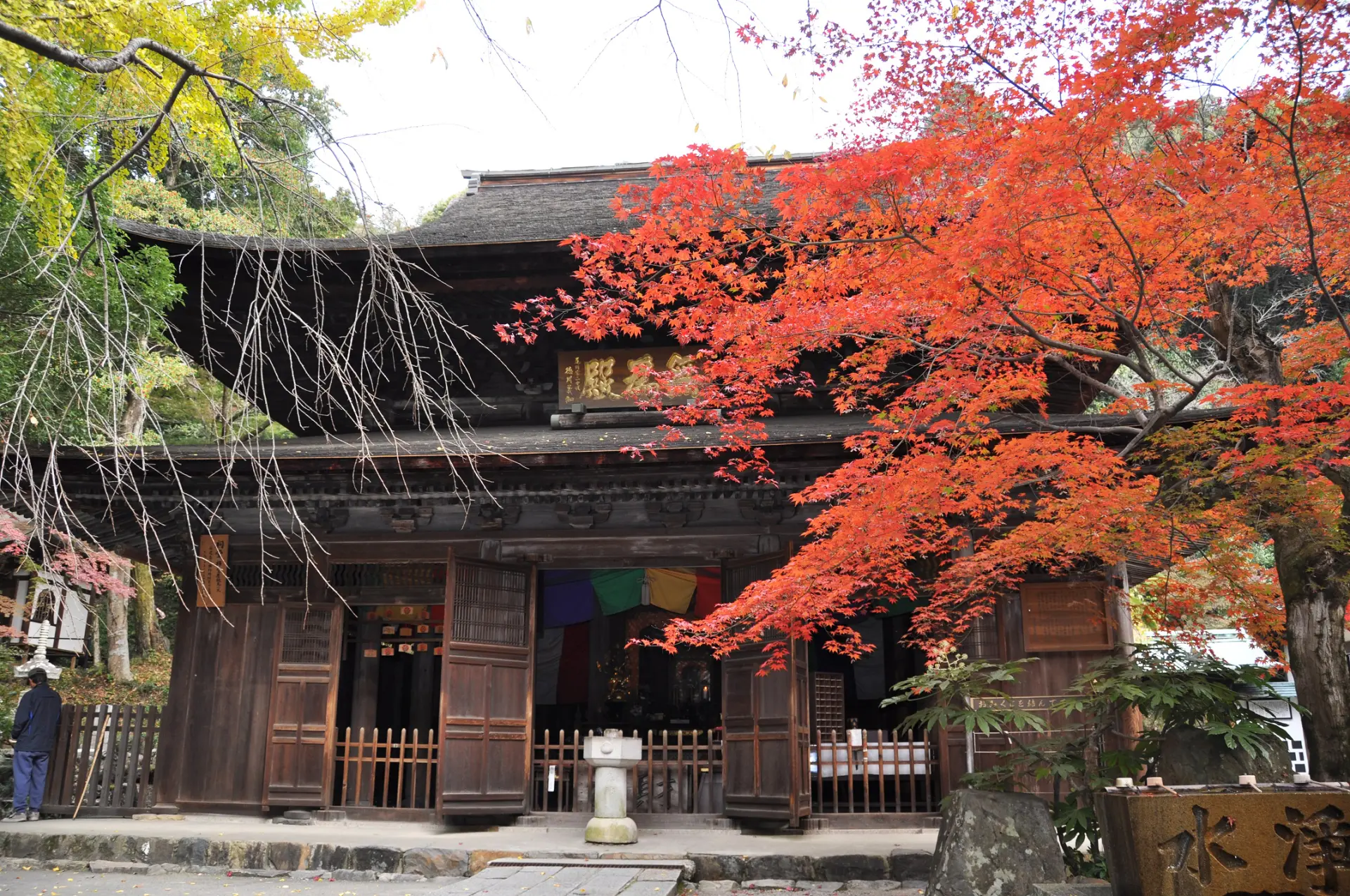
Founded in 1336, Jokoji Temple and the surrounding park form a fall foliage destination rich in nature just outside Nagoya. The temple grounds contain several buildings designated Important Cultural Properties of Japan, including the late Muromachi-period main hall known as Muiden and Genkeiko Mausoleum, the tomb of Tokugawa Yoshinao, the first lord of the Owari Domain.
The area is known for its fall foliage, particularly the vivid leaves surrounding the historic buildings on the temple grounds. Continue to the observation deck to take in the view.
5 Nagoya Restaurants and Cafes to Visit on a Fall Outing
A trip to Nagoya should include the city’s distinctive food culture between sightseeing stops.
Begin the day with a coffeehouse breakfast set, have miso katsu rice bowl or hitsumabushi for lunch, and stop at a long-established coffeehouse or Japanese tea stand while exploring the city. Choose a distinctly Nagoya establishment based on the time of day and area you plan to visit.
1. Morning Cafe Lyon
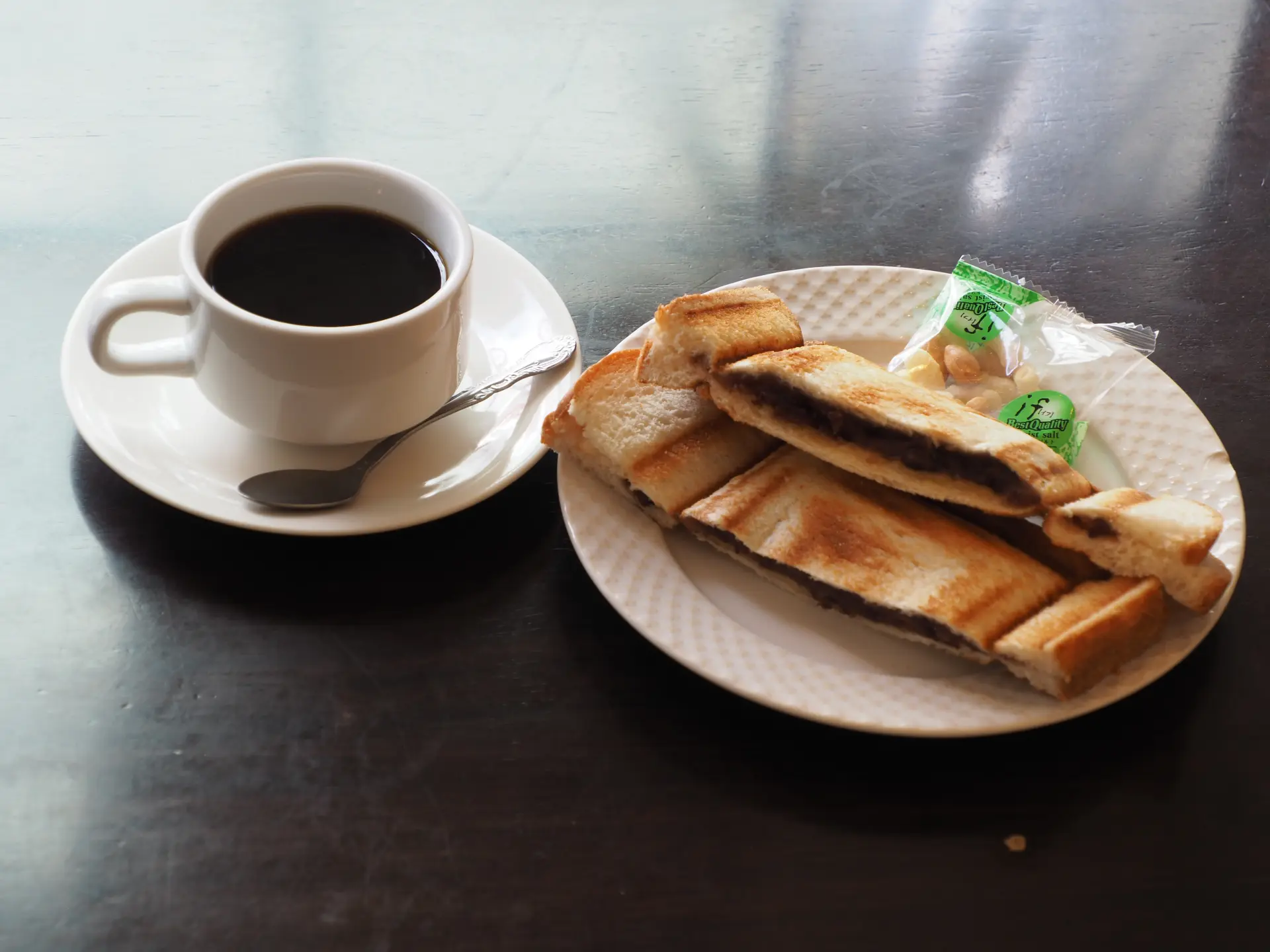
This coffeehouse serves Aichi’s traditional “morning service” all day, providing toast or another light dish with every drink order. Guests can choose from five varieties of pressed sandwiches, including sweet red bean paste and vegetable salad, or a set with toast, an egg, and castella sponge cake, for a total of six options.
Many people visit not only for breakfast but also for a light lunch or snack. It is a convenient place to begin the morning or take a break while sightseeing.
2. Ajidokoro Kano
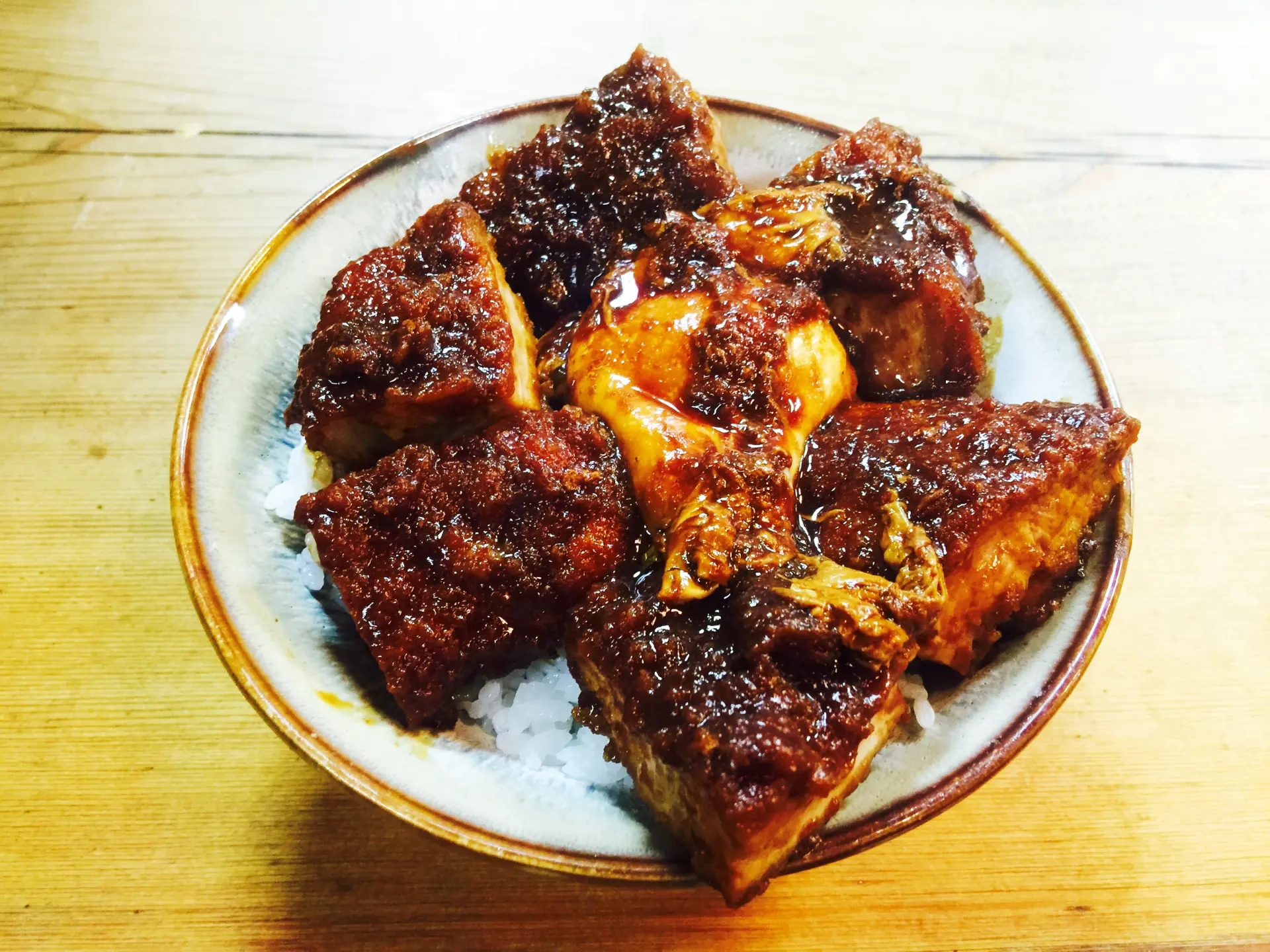
Established in 1949, this long-running restaurant is known as the birthplace of miso katsu rice bowls. For lunch during a visit to Nagoya, try a bowl of freshly fried pork cutlets simmered in miso sauce and served over white rice.
The miso sauce, considered the heart of the restaurant, has been replenished and passed down through generations, giving it a deep flavor. Taste it as served at first, then break the egg partway through to mellow the lightly sweetened miso. Also look for the Miso Shrimp Rice Bowl, topped with two Japanese tiger prawns arranged to resemble Nagoya’s golden shachihoko.
3. Shirakawa Joshin Main Restaurant
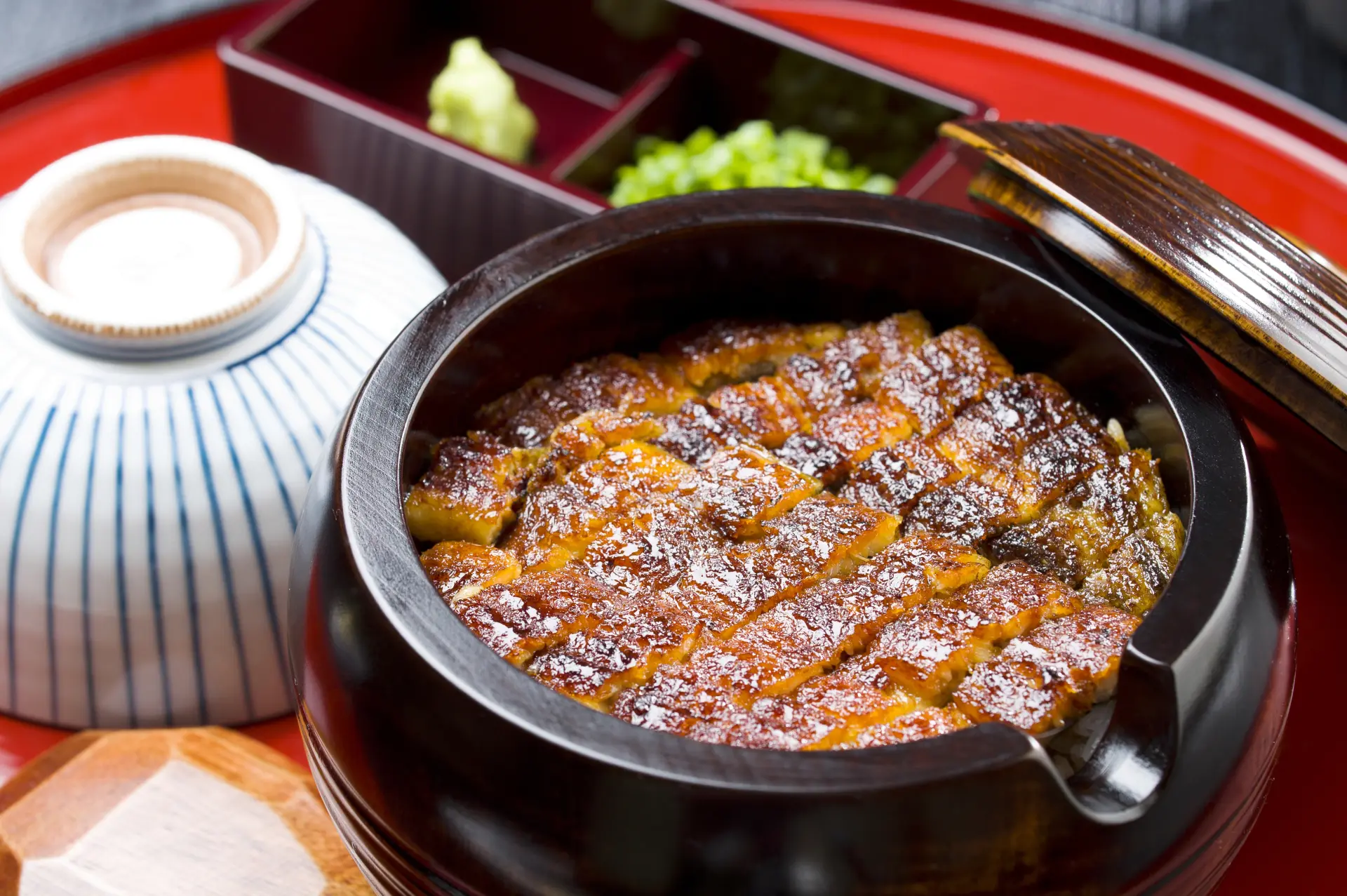
Located near Nagoya Castle, this long-established restaurant serves hitsumabushi, a Nagoya specialty. The dish consists of strips of eel served over rice. First eat it as served, then add condiments such as green onion and wasabi, and finally pour broth over the rice to experience its changing flavors.
Shirakawa carefully selects its eel according to the season and grills it with a secret sauce used continuously for decades. The outside is crisp and fragrant, while the inside remains tender and fluffy. Try all three ways of eating the dish to savor every aspect of the eel.
4. Pastry Shop and Cafe Bonbon
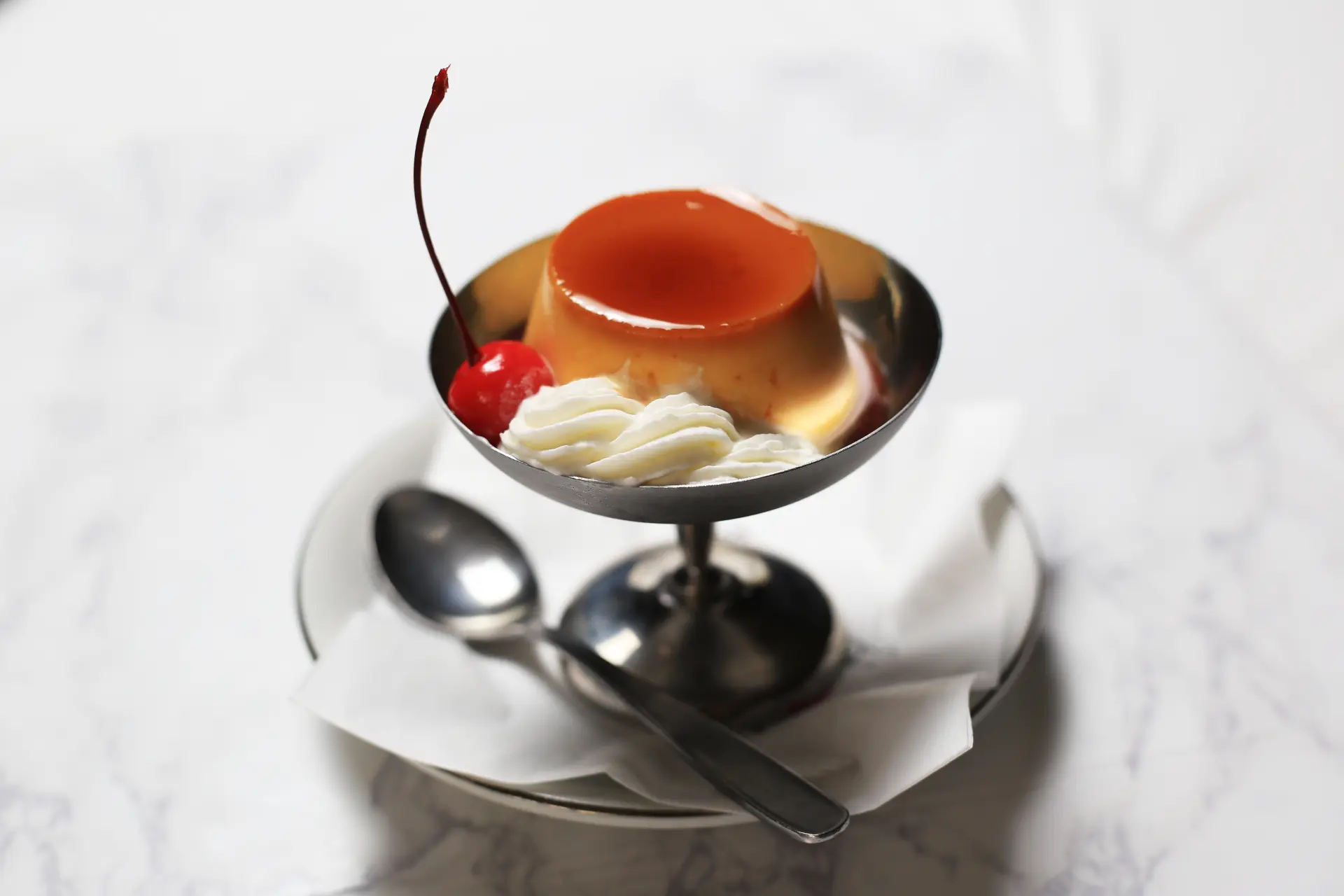
Established in 1949, this long-running pastry shop and cafe has a calm, retro interior. Its display cases typically hold around 30 varieties of petits gâteaux, including classic strawberry shortcake and seasonal limited-time items made with generous amounts of fruit.
Along with the Marron cake, which balances whipped cream and sponge cake, the cafe offers an extensive selection of dine-in-only items such as Pudding Royal. Add some time at this old-fashioned coffeehouse to a walk through Nagoya.
5. Myokoen Sakaechika Store and MYOKOEN TEA STORE
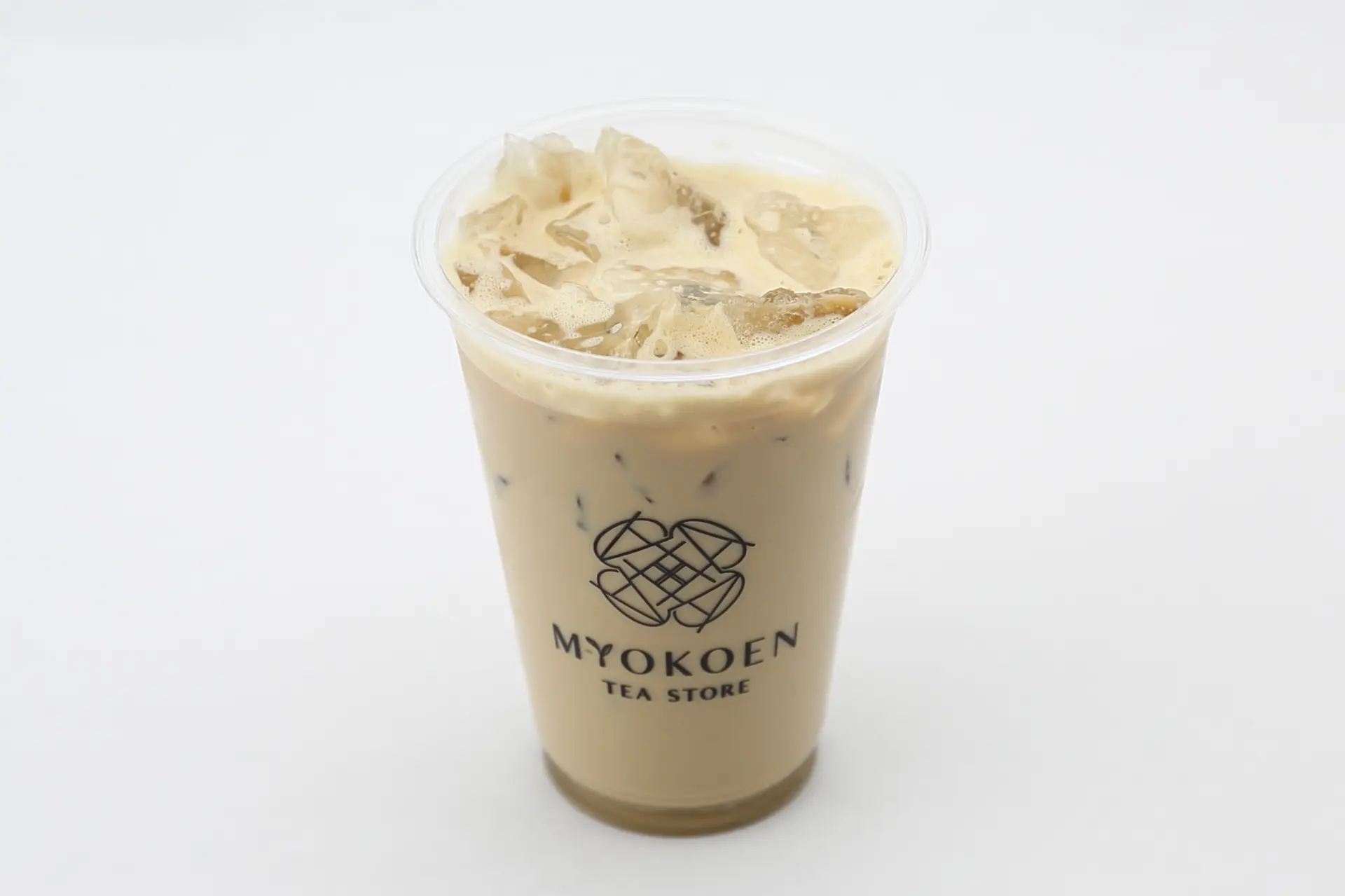
This directly operated store belongs to Myokoen, a long-established tea company founded in 1916, and is located in Sakaechika, directly connected to Sakae Station. Stop by while sightseeing or shopping to browse products made from original blends of carefully selected tea leaves sourced from regions across Japan.
Its signature product is hojicha roasted over carefully controlled heat. At the attached tea stand, hojicha lattes, matcha lattes, and sweets made with Japanese tea are available for takeout. Browse for souvenirs surrounded by the aroma of roasting tea.
3 Convenient Hotels for a Fall Trip to Nagoya
For a fall trip around Nagoya, choose a hotel with convenient access from a station or entertainment district and a comfortable place to relax after sightseeing.
Here are three options for different travel styles: an upscale hotel within walking distance of Nagoya Station, a lifestyle hotel featuring traditional crafts, and a hotel in Sakae with a natural hot spring.
1. Strings Hotel Nagoya
This upscale, resort-like hotel is within walking distance of Nagoya Station and approximately 3 minutes on foot from Sasashima-raibu Station. At Cabana Garden, a courtyard overlooking a cathedral, guests can relax by the water in a pleasant breeze.
Rooms range from suites and Deluxe Chapel Twin rooms overlooking the cathedral to Smart Double rooms. With buffet dining, teppanyaki, and French cuisine available, the hotel is also a comfortable place to unwind after sightseeing.

2. Nikko Style Nagoya
Although only a 10-minute walk from Nagoya Station, this lifestyle hotel has a calm, relaxing atmosphere. The interior resembles a gallery decorated with traditional crafts from the Tokai region, including Arimatsu shibori textiles and Mino ware.
Every 30-square-meter guest room includes amenities such as a Bluetooth® speaker and 49-inch 4K television, and guests can also sample the hotel’s original coffee. The next morning, begin the day with a breakfast featuring local ingredients and experience a taste of Nagoya.

3. Dormy Inn PREMIUM Nagoya Sakae Natural Hot Spring Nishiki Shachi-no-Yu
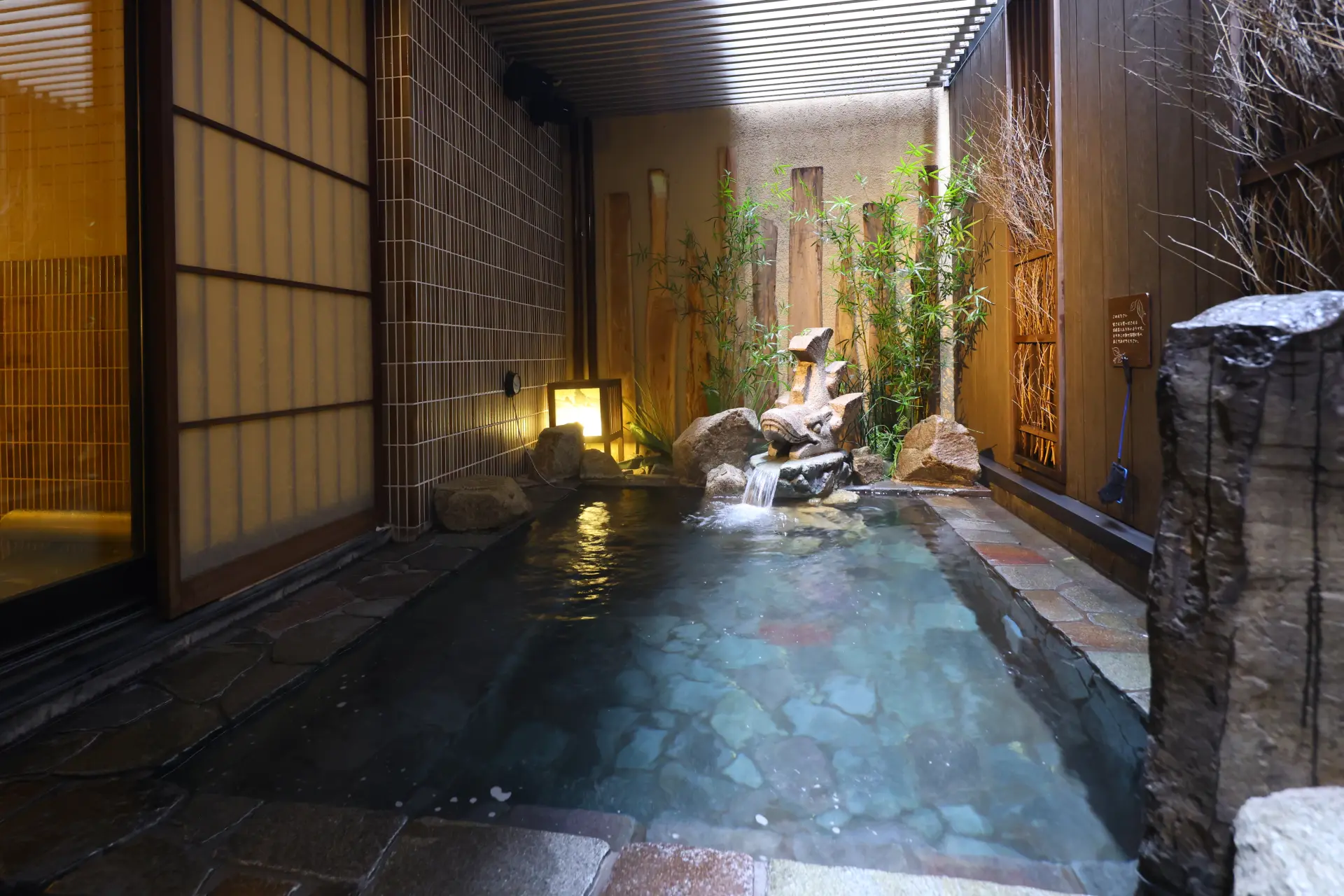
This hotel faces Nishiki-dori Avenue, which connects the Nagoya Station and Sakae areas, and Hisaya-odori is also within walking distance. One of its main features is a large public bath supplied with natural hot spring water transported from Gifu Prefecture. After walking around the city, guests can relax in the baths without leaving the hotel.
The bathing facilities also include an open-air bath, a high-temperature dry sauna, and a cold-water bath. Breakfast features dishes such as hitsumabushi, doteni stew made with red miso, and kishimen noodles, making the hotel suitable for travelers seeking both hot springs and a breakfast of Nagoya specialties.
A Sample Fall Itinerary Featuring Nagoya’s History, Culture, and Foliage
For a 2-day, 1-night fall trip to Nagoya, spend the first day exploring the area around Nagoya Castle and Shikemichi. On the second day, visit the Tokugawa Art Museum and Tokugawa Garden before continuing to Arimatsu.
Use public transportation to combine castle-town history, cultural attractions, fall scenery, and historic streets in one trip around Nagoya.
- Day 1
- Nagoya Station → Tour Nagoya Castle → Walk through Meijo Park → Lunch and a walk through the Shikemichi Townscape Preservation District → Tour the Nagoya City Archives → Check in at the hotel → Savor Nagoya cuisine in the Sakae area
- Day 2
- Hotel → Tour the Tokugawa Art Museum → Experience the fall scenery at Tokugawa Garden → Explore Yoki-so → Lunch and a walk through the historic streets of Arimatsu → Nagoya Station
Average Fall Temperatures in Nagoya
Nagoya’s average temperature in September is 24.5°C, and although some afternoons are still warm enough to work up a sweat, mornings and evenings gradually become more comfortable. The average drops to 18.6°C in October, making the weather pleasant for walking and sightseeing. In November, the average is 12.6°C, and the fall foliage season arrives as fall deepens. Adjust your clothing according to the temperatures during the month of your visit.
| Month | September | October | November |
|---|---|---|---|
| Temperature | 24.5°C | 18.6°C | 12.6°C |
What to Wear in Nagoya in Fall
Many September days are warm enough for short sleeves, but a lightweight cardigan or shirt is helpful for cooler mornings and evenings or strongly air-conditioned indoor spaces. Long-sleeved shirts and lightweight sweaters are suitable in October, while a jacket or light coat will help with chilly mornings and evenings in November.
Many attractions, including Nagoya Castle, Shikemichi, and the historic streets of Arimatsu, are best explored on foot, so choose comfortable walking shoes.
Frequently Asked Questions About Visiting Nagoya in Fall
Q
When is the best time to see fall foliage in Nagoya?
Fall foliage in Nagoya typically reaches its peak from mid-November to early December. At Tokugawa Garden and Higashiyama Zoo and Botanical Gardens, visitors can admire seasonal scenery created by colorful trees, landscaped gardens, and natural surroundings. Nearby Jokoji Temple is also a popular fall foliage destination.
Q
Can I explore Nagoya in fall using only public transportation?
Yes. Many of the attractions introduced in this article, including Nagoya Castle, the Shikemichi Townscape Preservation District, the Tokugawa Art Museum, and the historic streets of Arimatsu, are accessible by train or subway. Public transportation is sufficient for a 2-day, 1-night trip around the city.
Q
What Nagoya foods should I try in fall?
Nagoya specialties such as hitsumabushi, miso nikomi udon, kishimen, and ankake spaghetti are popular throughout the year. Fall’s pleasant weather also makes it a good season to explore the city on foot and stop at a long-established coffeehouse for a morning set or cafe break.
Summary
Fall in Nagoya is a season for walking through historic castle grounds and neighborhoods, discovering the culture of the Owari Tokugawa family, and admiring colorful foliage in gardens and natural settings.
The experience changes with the time of your visit, from cultural attractions in September and festivals in October to fall scenery in November.
Take your time exploring the city’s living history and the changing season while adding Nagoya cuisine and its coffeehouse culture to your trip.