Verified [Verified] denotes information that has been published with confirmation of its owing parties.
Tsumago-juku
Step back in time in a post town that still retains the look of Edo.
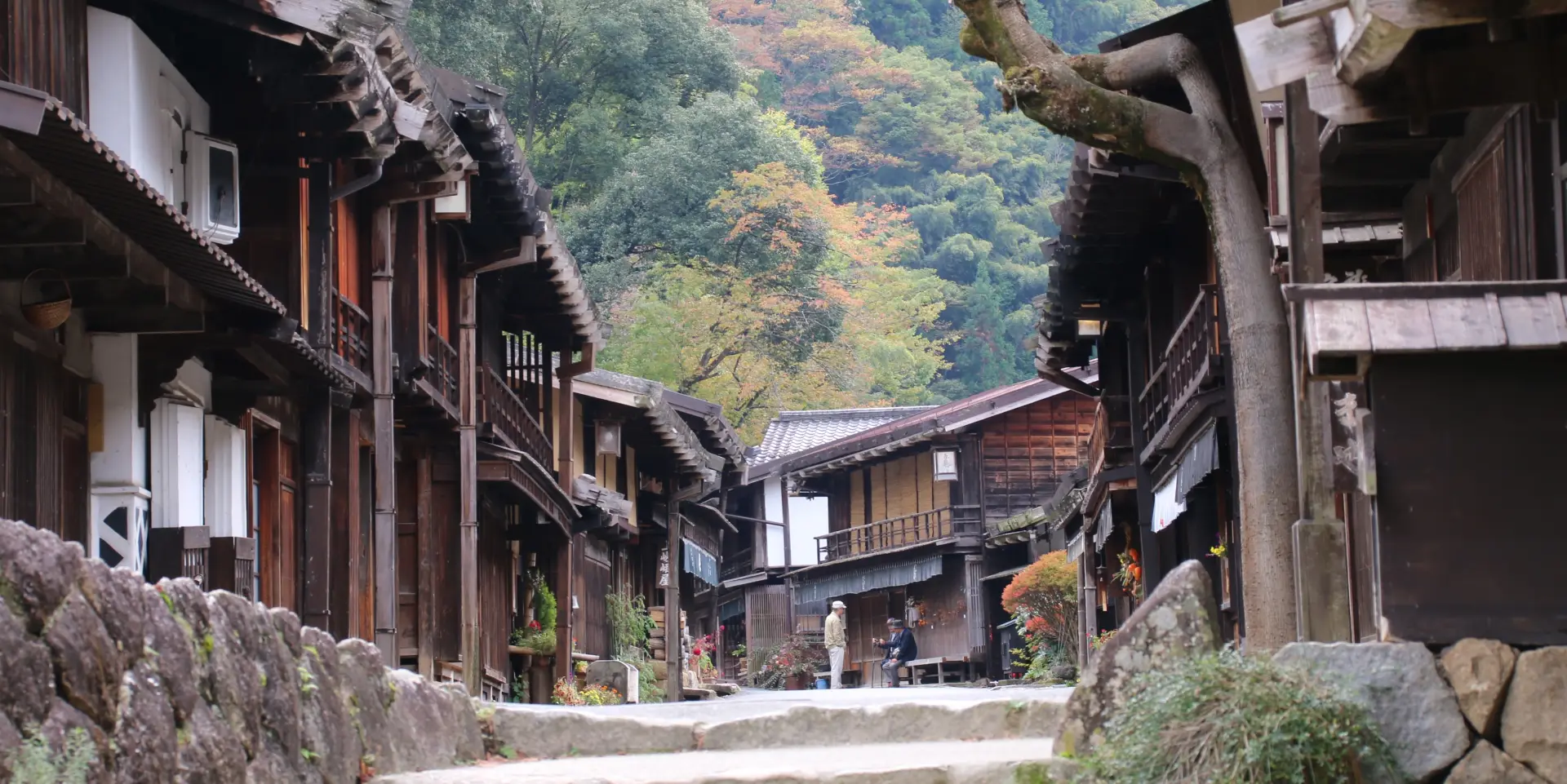
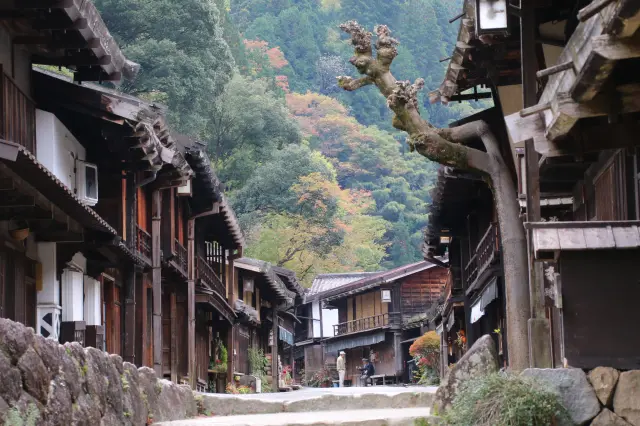
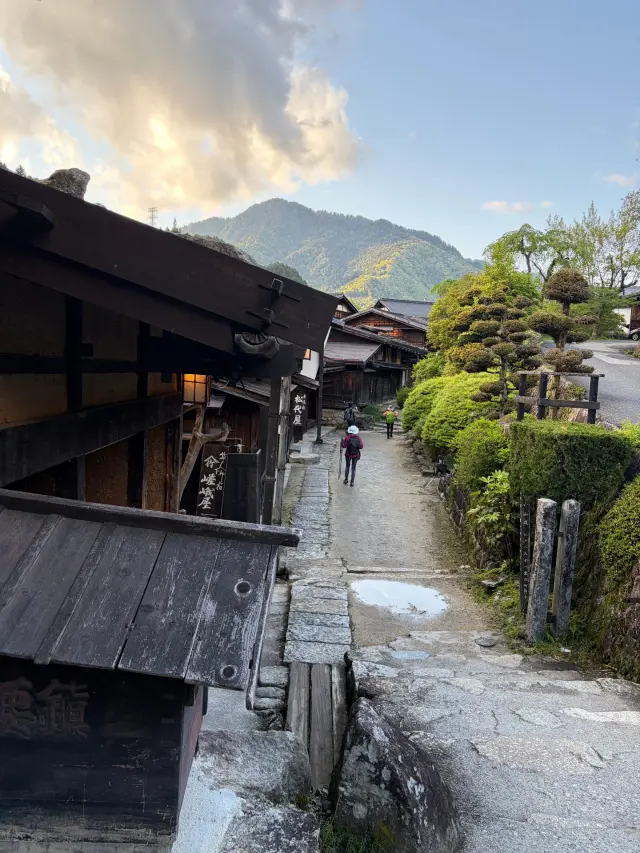
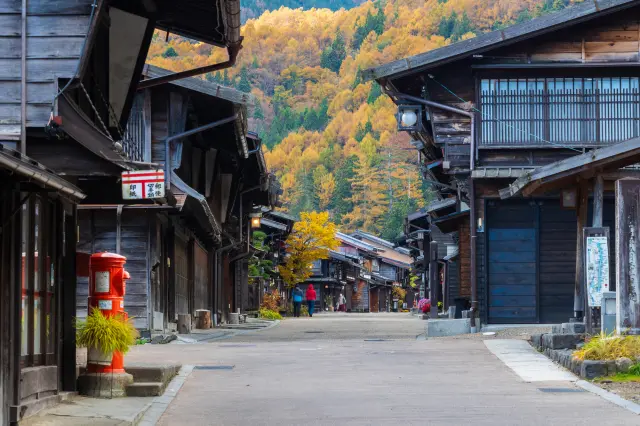
The 42nd post town from Edo among the 69 stations of the Nakasendo. It is known as the first place in Japan where a historic townscape preservation movement began, and its precious streets still preserve the atmosphere of the Edo period. With utility poles and signs removed, the streets faithfully retain their former appearance, lined with wooden townhouses and inns, and simply walking through them makes you feel like a traveler from that time.
Along the street are scattered sites such as the honjin, waki-honjin, and museums. As you stroll, you can learn about life and culture in the post town. There are also teahouses along the way where you can enjoy local specialties such as gohei-mochi and soba, and their simple, ingredient-focused flavors deepen the sense of travel even more. For souvenirs, take home traditional crafts such as wooden goods and handmade folk art.
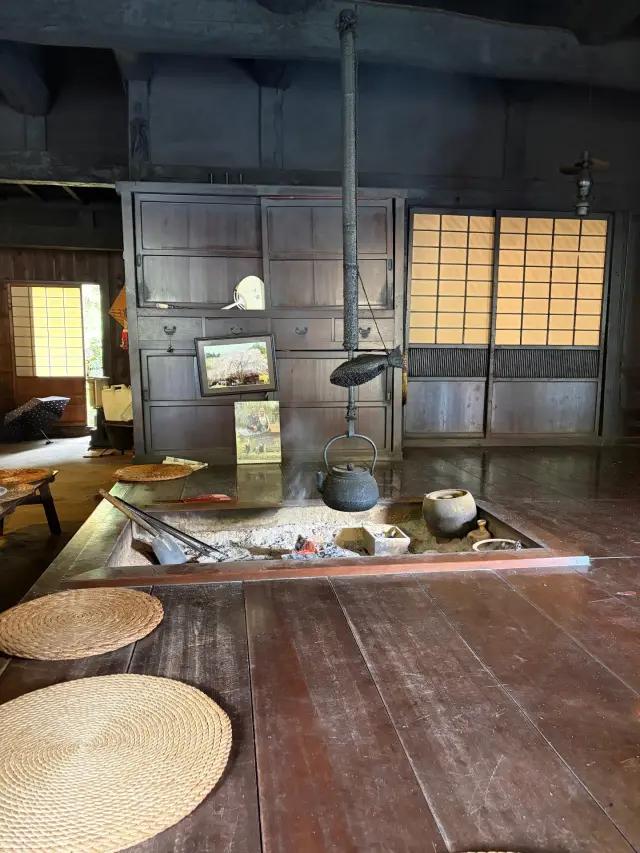
Traditional inns and guesthouses also remain here, and spending a night around an irori hearth is an experience you will not easily find elsewhere. Though it is a tourist destination, Tsumago-juku is still a living community, and it continues to captivate visitors as a special place where history and warm local hospitality exist in harmony.
Highlights
-
The streetscape is free of utility poles and signs, preserving the atmosphere of an Edo-period post town.
-
You can enjoy strolling around the waki-honjin and museums while experiencing what life was like in those days.
-
Stop by teahouses serving gohei-mochi, soba, and oyaki to enjoy excellent local food and a true sense of travel.
-
Stay at an inn with an irori hearth for a special night that lets you experience traditional post town life.
-
Another appeal is being able to take home warm, handcrafted traditional crafts such as local woodwork and folk art.
Photos
-

Tsumago-juku offers a feeling just like stepping back into the Edo period
-

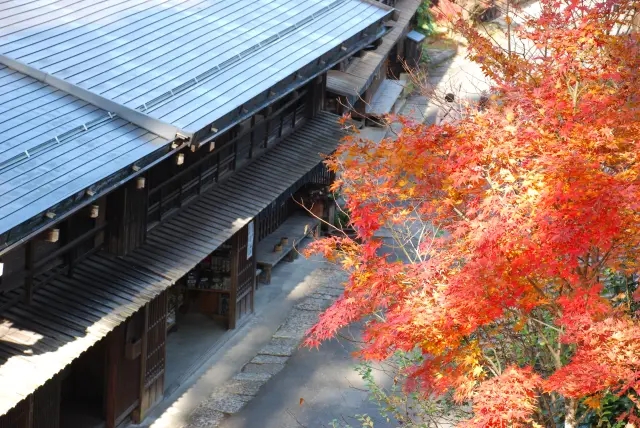
The autumn scenery, colored yellow and crimson from late October to mid-November, is also not to be missed
-

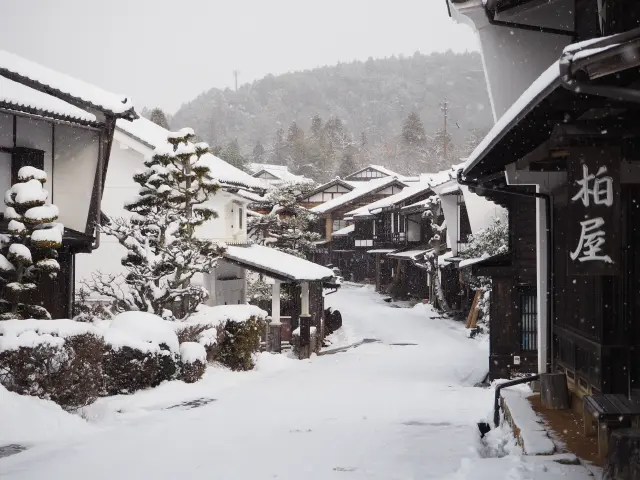
The streets of Tsumago-juku covered in snow. You can enjoy a different atmosphere in every season
Official FAQs
Frequently Asked Questions have been vetted and answered directly by each listing.
Q
Is there free Wi-Fi available in the area?
Yes. It is available at the Tsumago Tourist Information Center, Parking Lot No. 1, and some other participating shops.
Q
Are there coin lockers?
Yes. They are located at Parking Lot No. 1, and baggage storage service is also available at the Tsumago Tourist Information Center.
Q
Is there a smoking area?
Yes. (Next to Tamaruya)
Q
Can I rent a wheelchair?
Yes. Free rental is available at each parking lot and at the Tsumago Tourist Information Center, but reservations are not accepted.
Q
Is there an ATM?
Yes. There is a Japan Post Bank ATM inside the Tsumago Post Office.
Q
Are the museums open every day? Can I get a goshuin stamp?
The Tsumago-juku Honjin is closed on weekdays, and the Waki-honjin Okuya is closed on the second and fourth Thursdays. Goshuin stamps are available at Kotokuji Temple.
Reviews
Details
- Name in Japanese
- 妻籠宿
- Postal Code
- 399-5302
- Address
- Agematsu, Nagiso Town, Kiso District, Nagano
- Phone
- 0264-57-2727 (Nagiso Town Tourism Association)
- Closed on
- Open for free walking at any time
- Hours
- Open for free walking at any time
- Admission
- Free to stroll (parking: 500 yen per day)
- Access
- From JR Chuo Main Line Nagiso Station, take the Ontake Kotsu bus to Tsumago, then walk a short distance
- Credit Cards
- Accepted at the tourist information center and some shops
- Official website
- Official website (Japanese)