Washi is paper made in Japan using traditional methods. In 2014, it was inscribed on UNESCO’s Intangible Cultural Heritage list under the name “Washi, craftsmanship of traditional Japanese hand-made paper.”
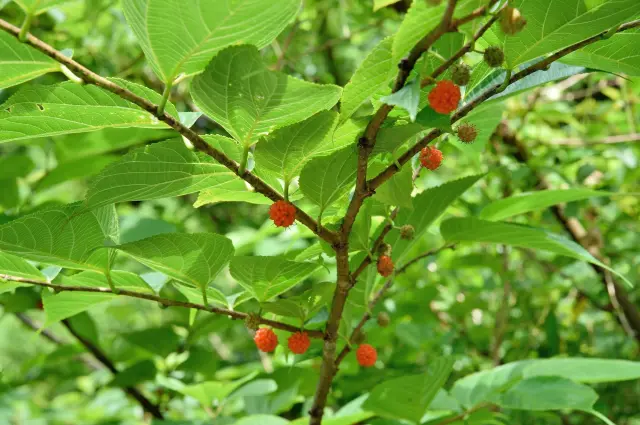
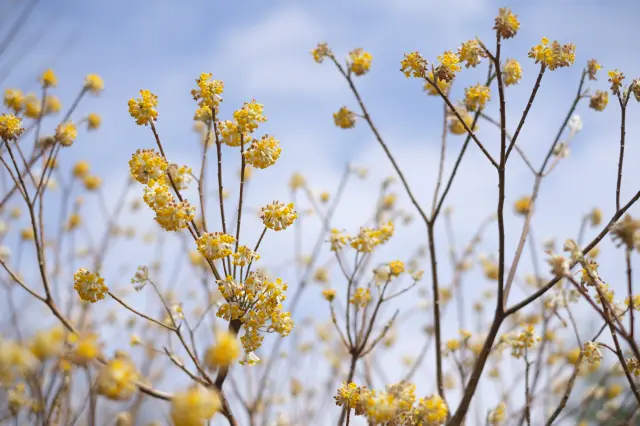
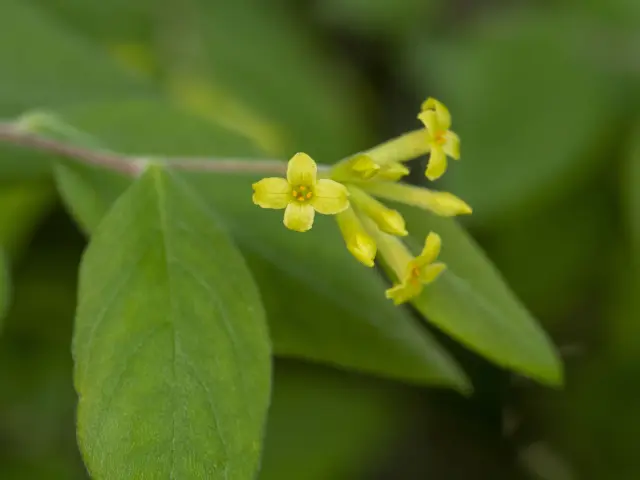
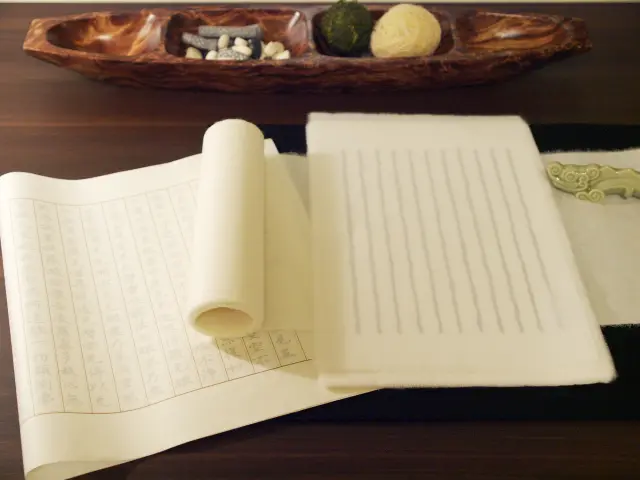
Its main raw materials are the inner bark of plants such as kozo, mitsumata, and gampi, which are processed into paper. Historically, it was used for shoji screens, fusuma sliding doors, and paper for writing. From the Nara period (710–794) to the Heian period (794–1185), it was used for sutra copying and official documents. In the Kamakura period (1185–1333) and Muromachi period (1336–1573), it was used by samurai and for gifts. In the Edo period (1603–1868), it spread into everyday life among common people and became established for daily use as hanshi paper and tissue paper.
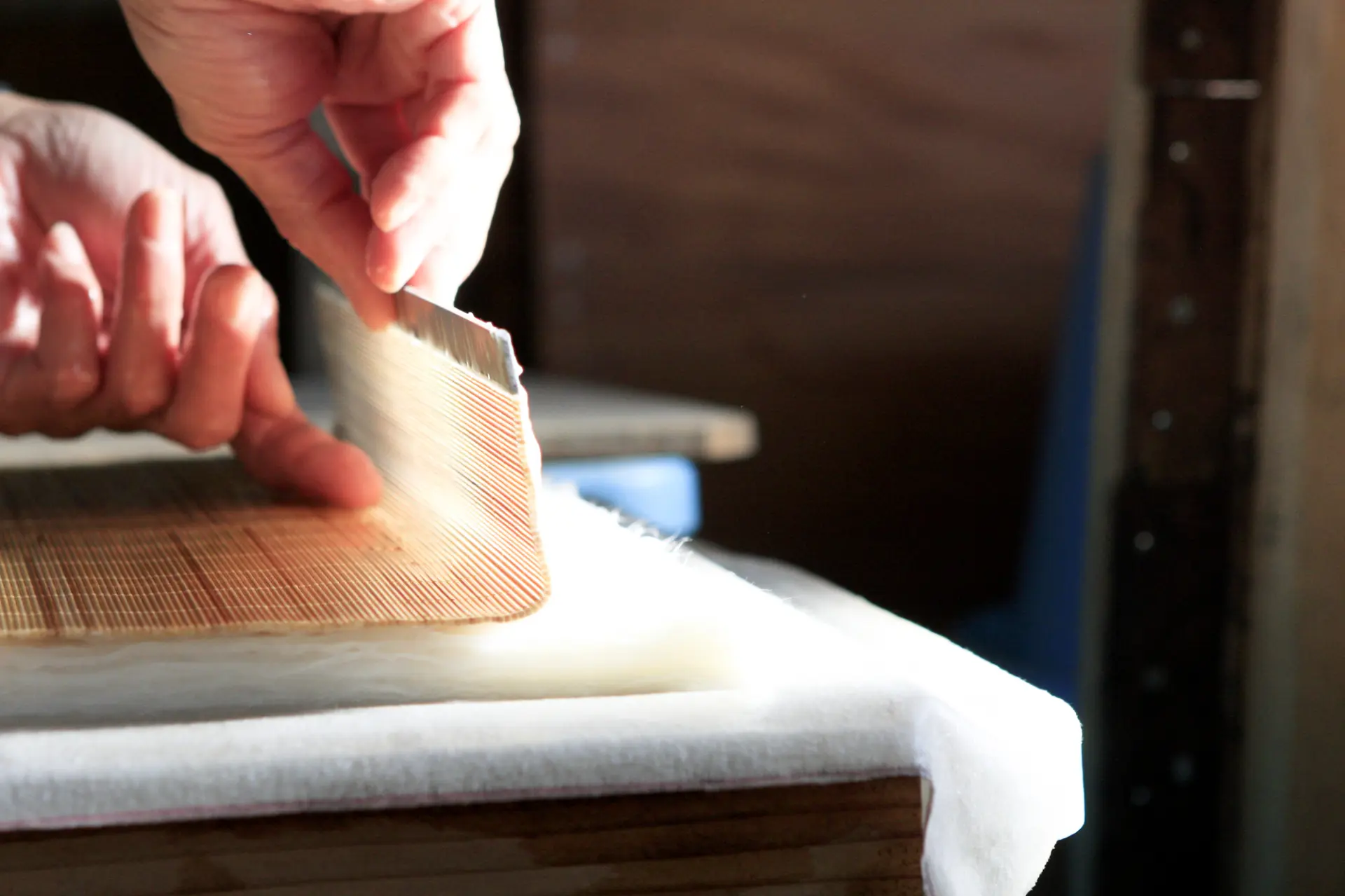
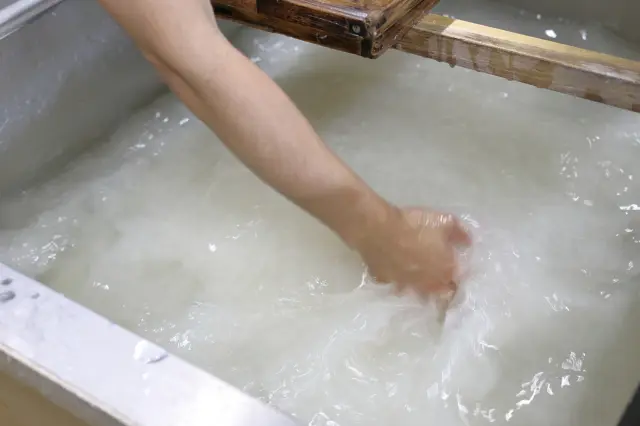
Washi has traditionally been made by hand. The process uses nagashi-zuki, a papermaking technique that intertwines the fibers, along with neri extracted from tororoaoi. This makes it possible to distribute the fibers evenly and create paper that is both durable and flexible. The process includes harvesting the raw materials, steaming, stripping the bark, boiling, snow bleaching, washing, and beating the fibers. Hand-made washi uses very few chemicals. Different raw materials create different textures, and each type is suited to different uses. Among them, washi made from mitsumata has especially fine fibers and is ideal for high-precision printing paper.
There are around 70 washi production areas across Japan. The use of washi has declined due to the decrease in traditional Japanese-style rooms and the spread of digitalization. However, in 2014, Sekishu-Banshi from Hamamatsu City, Shimane Prefecture, Hon-Mino-shi from Mino City, Gifu Prefecture, and Hosokawa-shi from Higashichichibu Village, Saitama Prefecture were inscribed on UNESCO’s Intangible Cultural Heritage list, leading to renewed recognition of their value. Today, washi is used in a wide range of products such as wallpaper, lighting, accessories, and clothing, and it continues to live on in modern lifestyles.
Highlights
-
Washi is paper made using traditional Japanese methods.
-
The raw materials are the inner bark of plants such as kozo, mitsumata, and gampi.
-
It is made by hand and is known for its durability and flexibility.
-
Mitsumata has fine fibers and is suitable for high-precision printing paper.
-
Today, it is used for wallpaper, lighting, accessories, and more.
-
In 2014, it was inscribed on UNESCO’s Intangible Cultural Heritage list under the name “Washi, craftsmanship of traditional Japanese hand-made paper.”