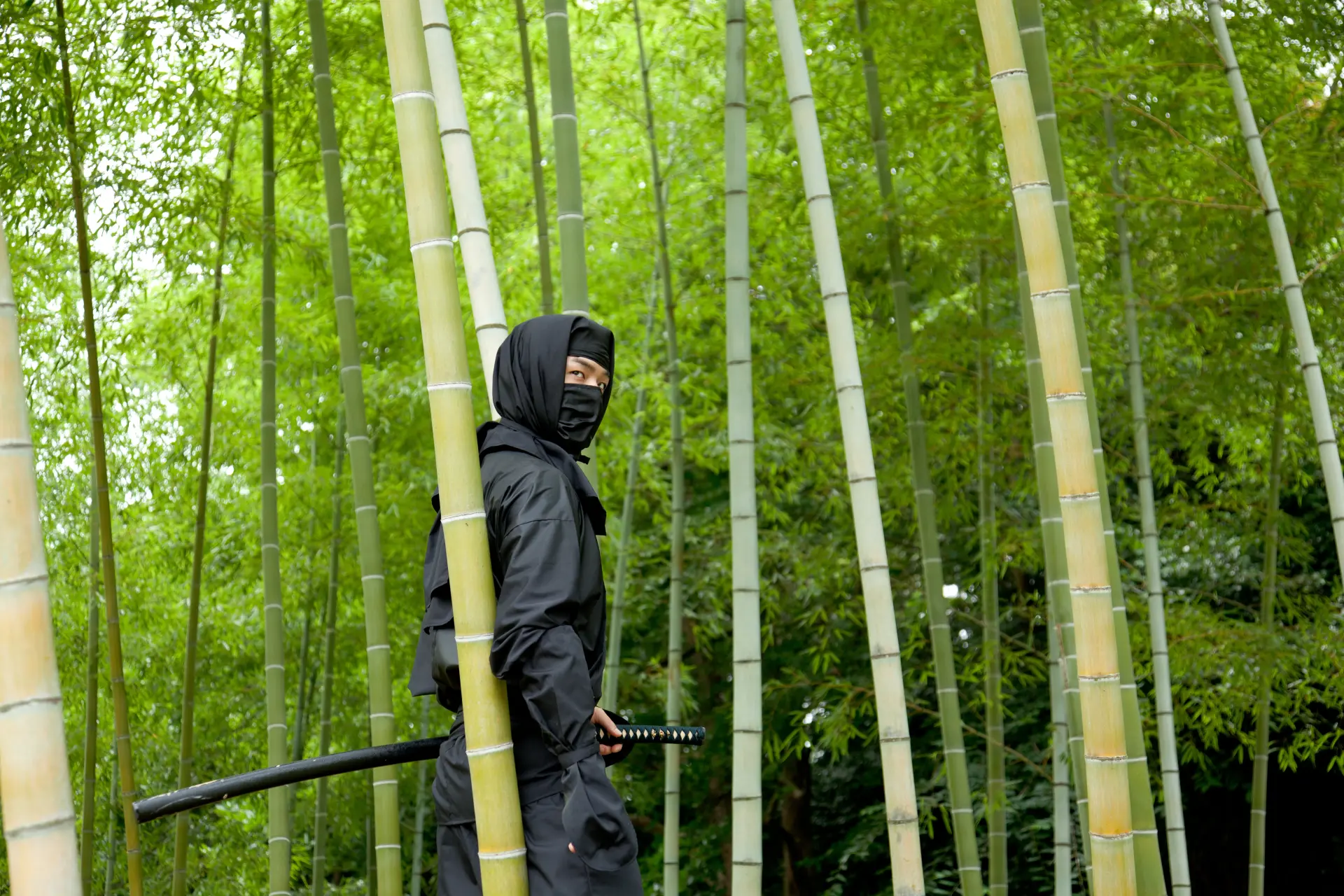
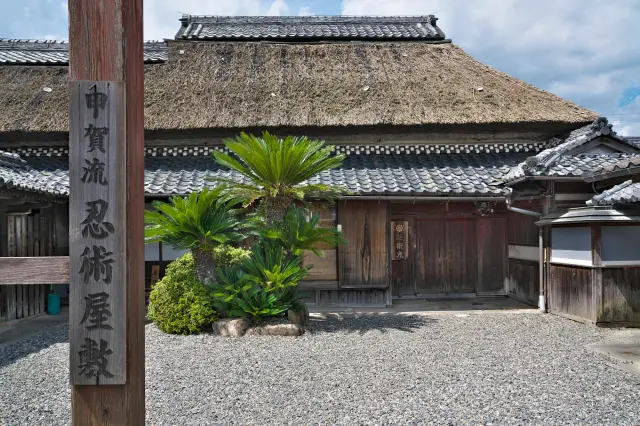
“Ninja” were spies who served feudal lords during Japan’s Sengoku period (1467–1590), infiltrating enemy territories to gather intelligence. More than fighting, their priority was to survive and return with reports, though they also carried out arson and sabotage. They were known by different names depending on the region, such as “rappa” and “suppa.” Female ninja, called “kunoichi,” are also said to have existed.
The origins of the “ninja” are traced to akuto, outlaw groups that resisted the shoen estate system in the late 13th century. Historical records are said to confirm their existence from the Nanboku-cho period (1336–1392) onward. During the Sengoku period, the Iga-shu and Koka-shu who served feudal lords were active and earned the trust of Tokugawa Ieyasu. In the Edo period, they were responsible for security and intelligence gathering, and the ninjutsu manual Mansenshukai was compiled. After the number of real shinobi declined, they came to be depicted in stories and performing arts as mystical figures with supernatural powers, establishing the now-familiar image of black outfits and shuriken. The term “ninja” became widespread around 1955.
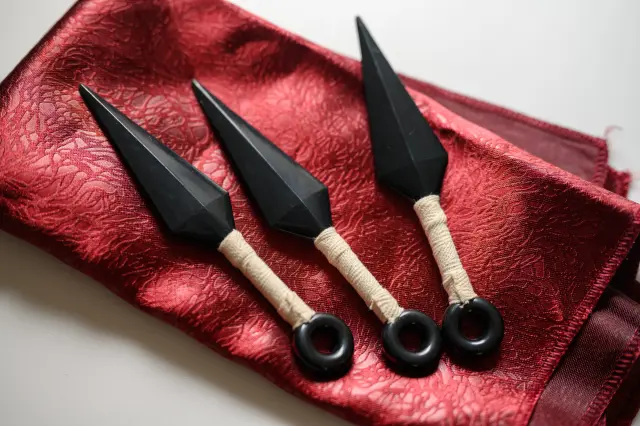
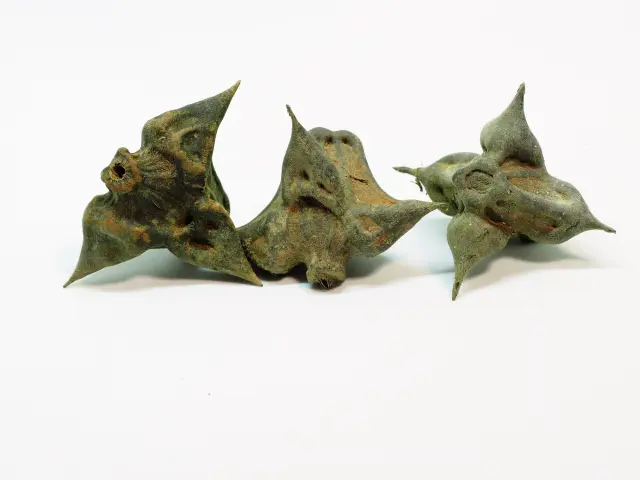
To carry out their missions, “ninja” used ninjutsu manuals that compiled a wide range of knowledge, including social skills, pharmacology, astronomy, and gunpowder. They used ninja tools such as kaginawa (hooked ropes), kunai, and makibishi, which were used to injure pursuers. Weapons were hidden in canes and smoking pipes. They made full use of concealment techniques to avoid being noticed by enemies. They also fulfilled their missions through sharp intelligence and strong communication skills, including gathering information by interacting with local residents.
As figures that symbolize Japanese culture, “ninja” are popular around the world. They appear in many works, including manga and anime. Their wisdom, skills, patience, and loyalty, along with their spirit of carrying out missions without seeking recognition, are highly valued as qualities that still resonate with modern Japanese values and ways of life.
Highlights
-
Spies who served feudal lords during the Sengoku period.
-
Gathering intelligence and returning alive took priority over fighting.
-
The image of black outfits and shuriken originated in the Edo period.
-
Female ninja called “kunoichi” are also said to have existed.
-
The spirit of patience and loyalty symbolizes Japanese culture.