Norton Liang's Reviews Page 5/6

Norton Liang’s Profile Page
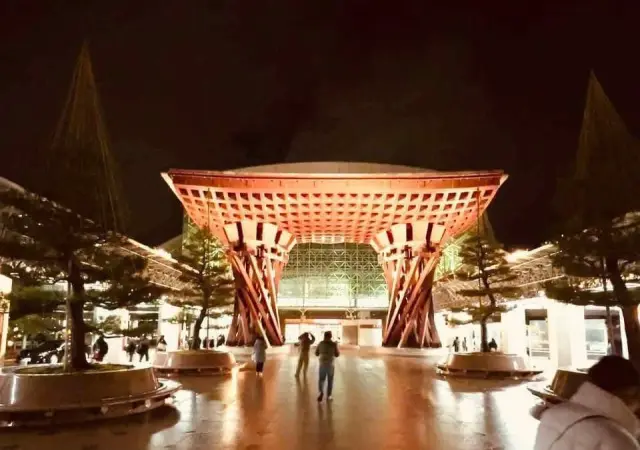
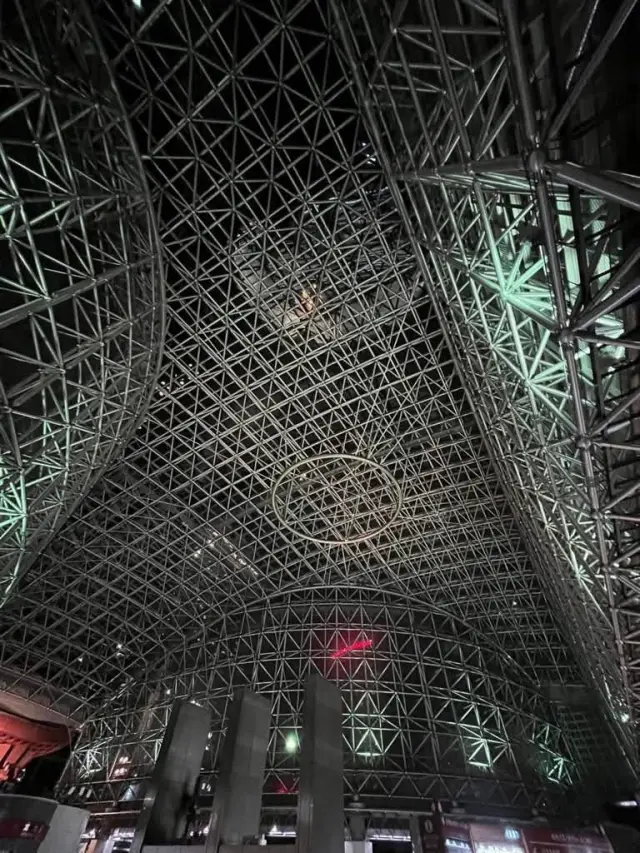
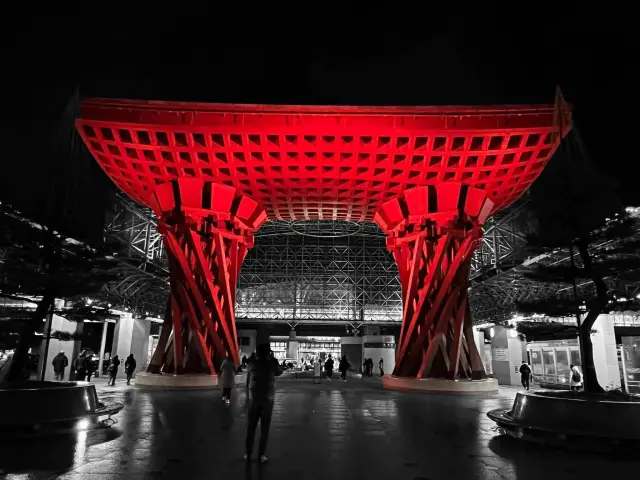
  • Drum Gate and Hospitality Dome (Kanazawa Station)

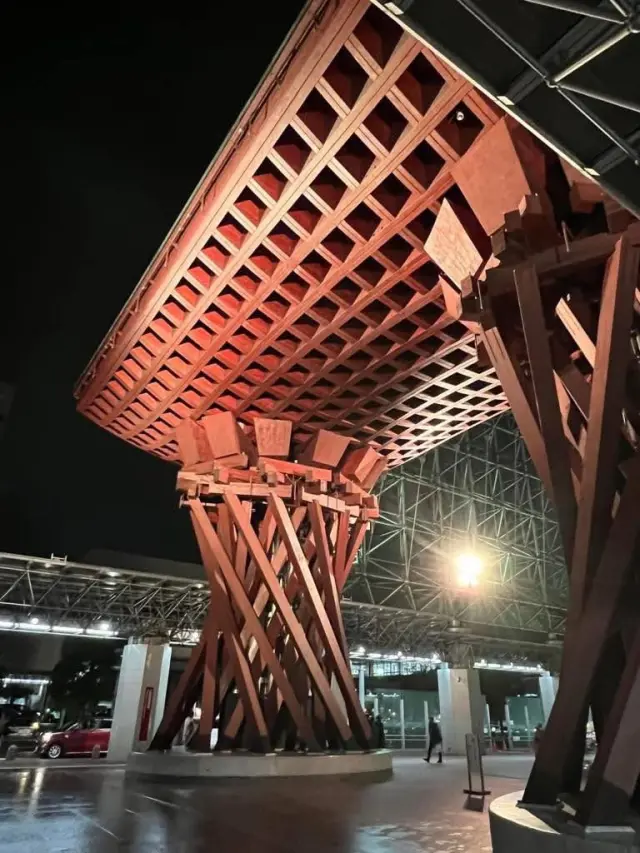
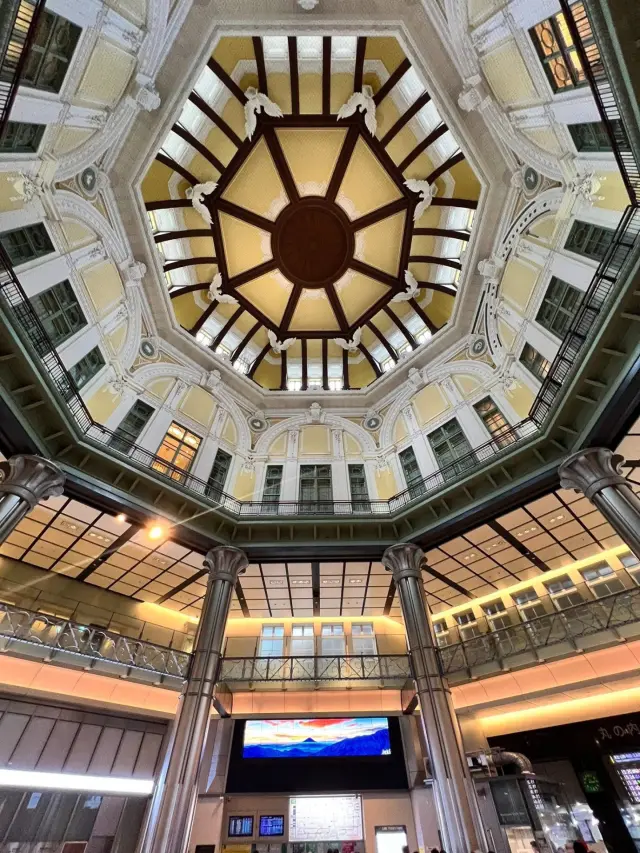
    Kanazawa Station, the gateway to Kanazawa, is bustling with visitors as the Hokuriku Shinkansen arrives and departs, making it a hub for Hokuriku tourism. The eye-catching Drum Gate and Hospitality Dome, completed in 2005, are located at the Kenrokuen Gate (East Exit) facing the city center.

    • Kanazawa
    • Tourist Attractions
    See More

    The Kanazawa Station Drum Gate is a landmark structure located at the Kenrokuen Gate (East Exit) of JR Kanazawa Station in Ishikawa Prefecture, Japan.

    Basic Features and Design

    • Design inspiration: Modeled after the traditional hand drums used in the Japanese performing art of Noh, specifically Kaga Hosho.
    • Size: Standing 13.7 meters tall and supported by two massive wooden pillars, it showcases an aesthetic that blends tradition and modernity.
    • Hospitality Dome (Motenashi Dome): The large glass structure behind and connected to the Drum Gate consists of more than 3,000 geometric glass panels. The design concept is “a large umbrella for travelers in rainy and snowy Kanazawa.”
    • International recognition: In 2011, Kanazawa Station was selected by the American travel magazine Travel + Leisure as one of the “world’s most beautiful stations.”

    Visitor and Illumination Information

    • Hours: Open all day; admission is free.
    • Nighttime illumination: Lit daily from sunset until midnight.
    • Hourly light show: After sunset, a two-minute “Five Colors of Kaga” light display takes place every hour on the hour (crimson on Monday, blue on Tuesday, green on Wednesday, ocher on Thursday, and ancient purple on Friday, with the five colors shown in rotation on weekends and national holidays).
    • Location: Visible as soon as you exit JR Kanazawa Station through the Kenrokuen Gate.
  • Hirosaki Castle

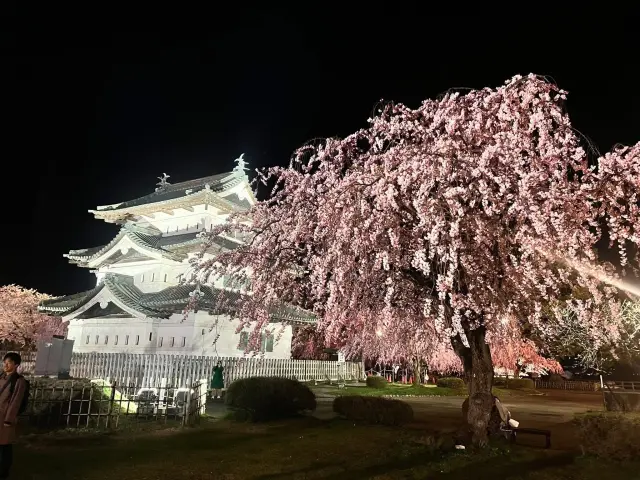
    Tsugaru Family resided in this castle in the Edo Period where the government of Hirosaki Feudal Domain was set up. In the Meiji Period, according to the ordinance to abolish castles, it was abandoned and later became a park.

    • Aomori
    • Tourist Attractions
    See More

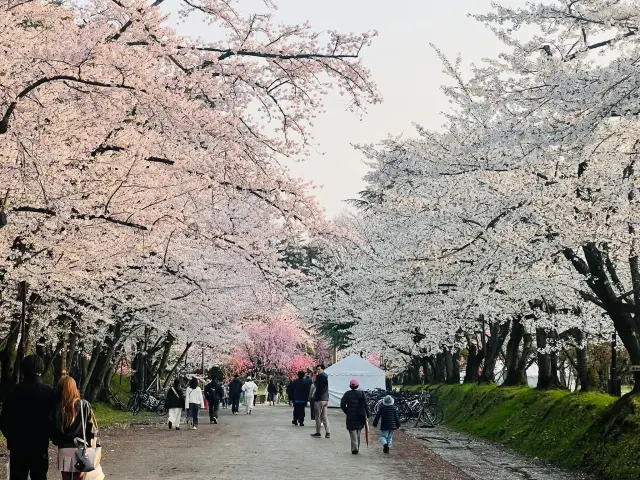
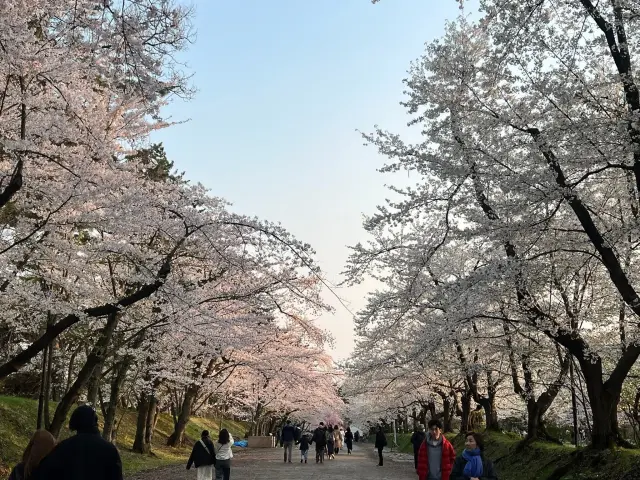
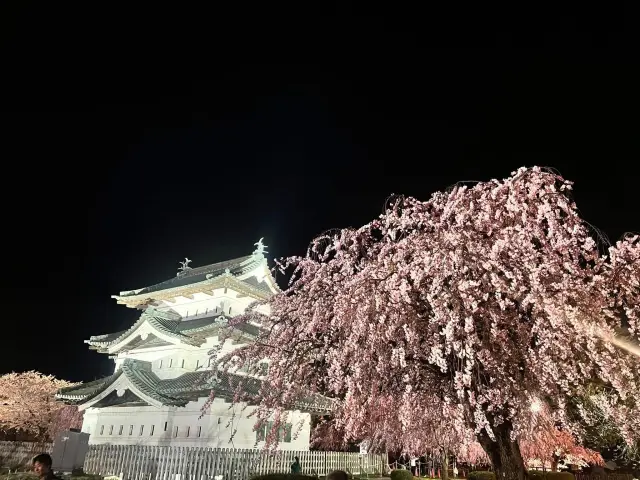
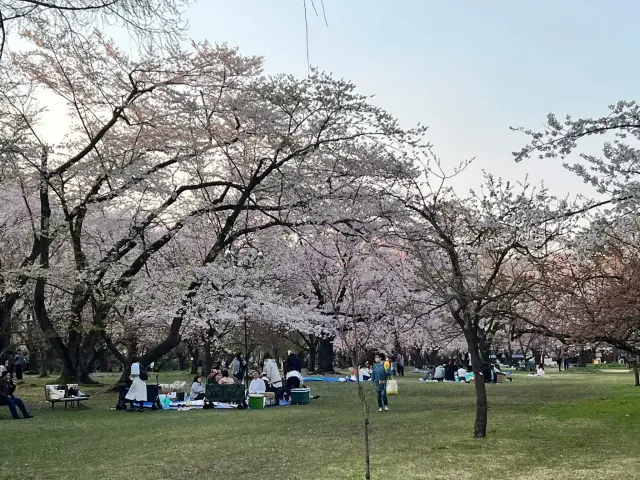
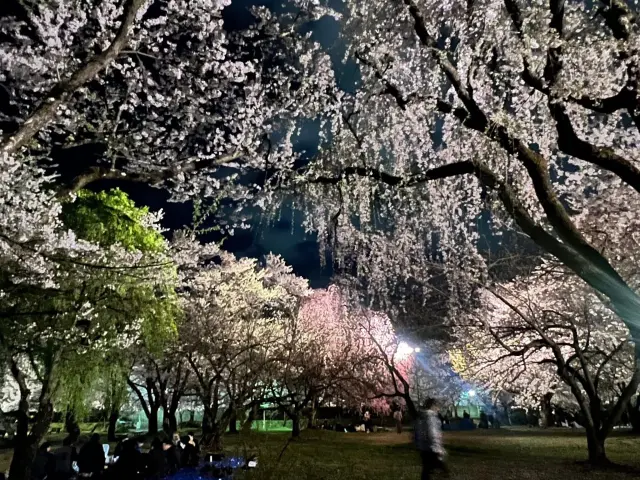
    Hirosaki Park (Hirosaki Castle), located in Aomori Prefecture, Japan, is one of Japan’s most famous cherry blossom viewing spots, known for its beautiful combination of a magnificent historic castle and a sea of pink blossoms.

    Highlights and Features

    • Cherry blossoms: The park has more than 2,600 cherry trees of approximately 52 varieties, including Japan’s oldest Somei Yoshino cherry tree, planted in 1882, as well as trees over 100 years old.
    • Major event: The Hirosaki Cherry Blossom Festival is held every spring (from April 10 to May 5 in 2026).
    • Three must-see sights:
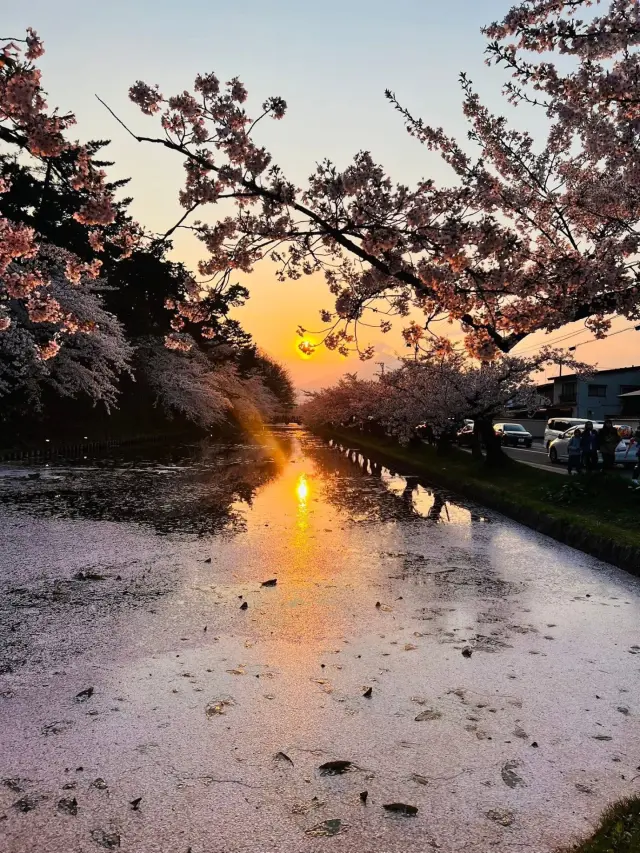
    • Cherry Blossom Tunnel along the West Moat: You can stroll or ride in a rowboat beneath the soft pink canopy of cherry blossoms.
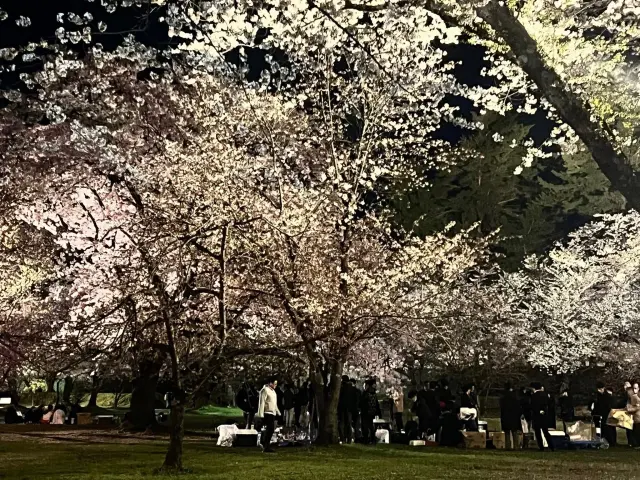
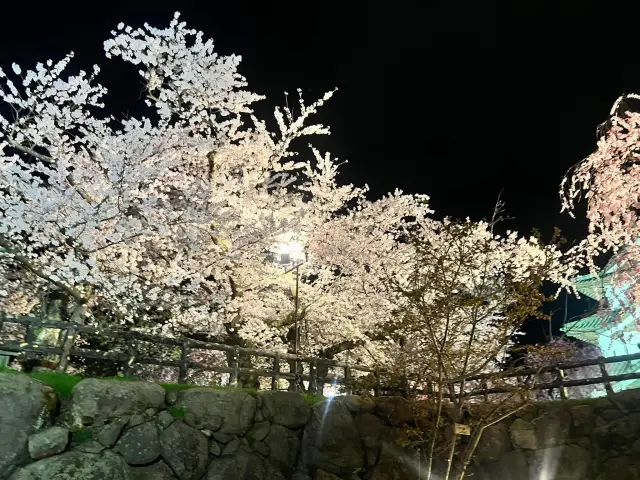
    • Illuminated cherry blossoms at night: After dark, the castle keep and cherry blossoms are illuminated, creating a dreamlike scene.
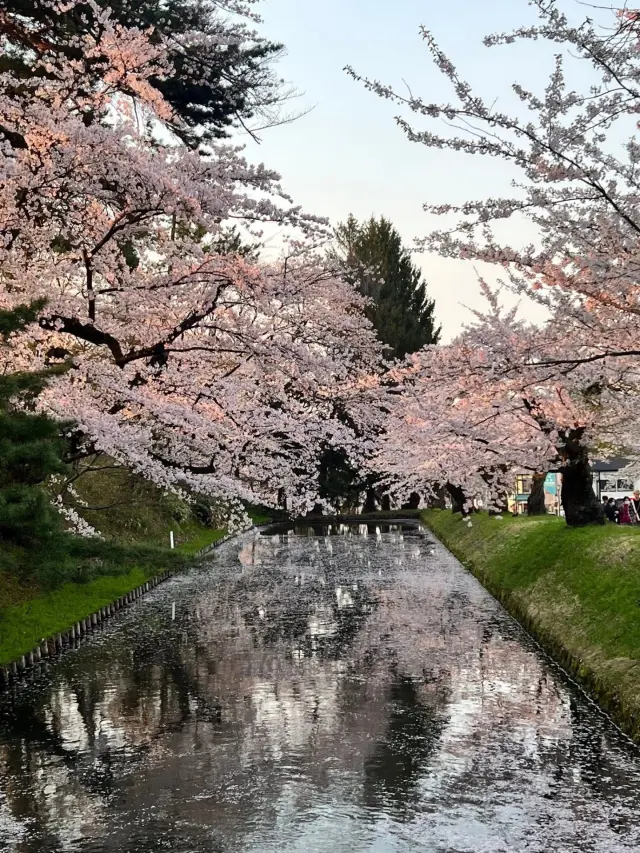
    • Pink petal rafts: Fallen cherry blossom petals cover the surface of the outer moat, forming a spectacular “cherry blossom carpet.”
    • Admission and hours:
    • Hirosaki Castle (Honmaru and Kita no Kuruwa): Adults JPY 320, children JPY 100.
    • Hours: Usually 9:00–17:00; during the Cherry Blossom Festival, 7:00–21:00.

    Getting There

    • Public transportation: From JR Hirosaki Station, take the Hirosaki City JPY 100 Loop Bus and get off at Shiyakusho-mae. It is about a 4-minute walk from there.

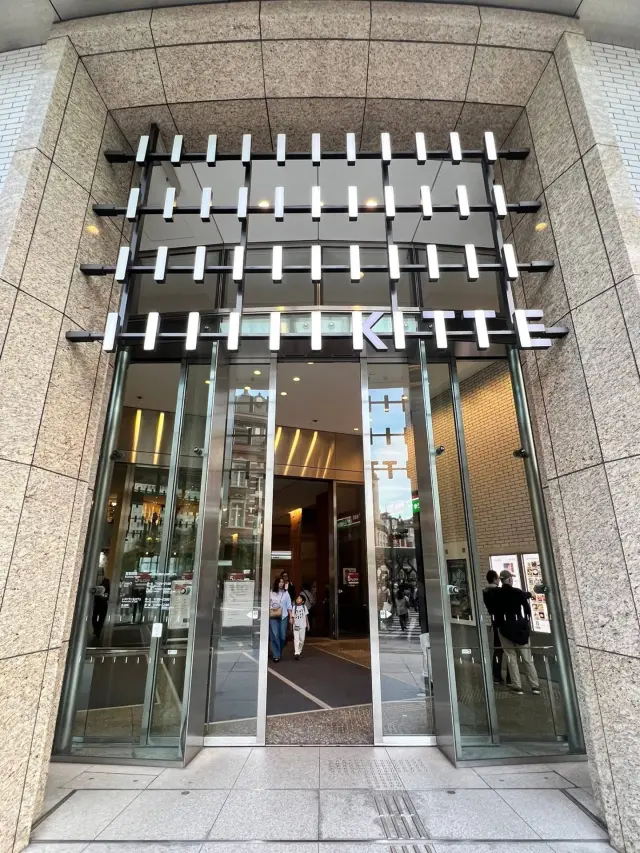
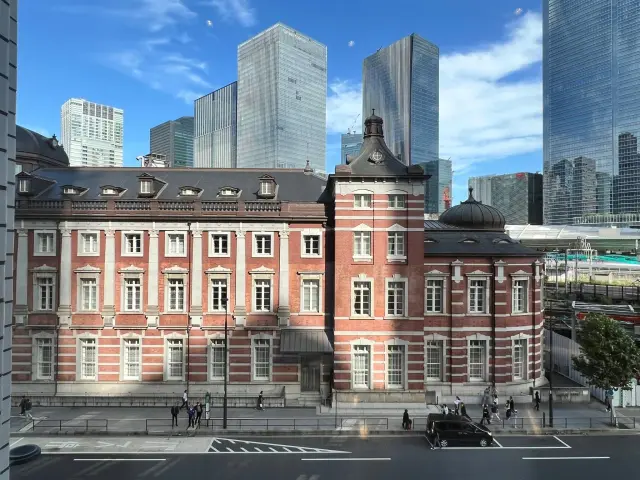
  • KITTE

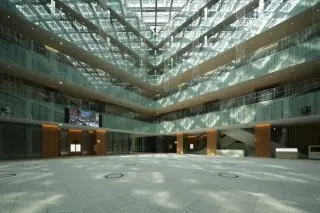
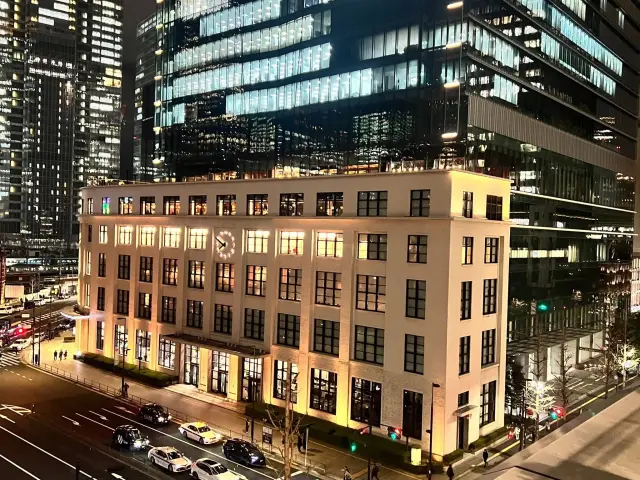
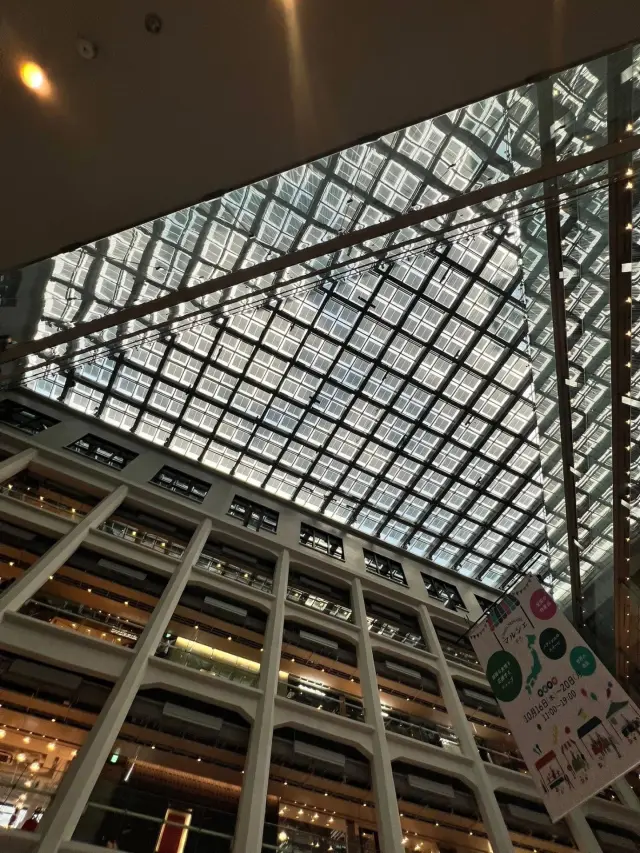
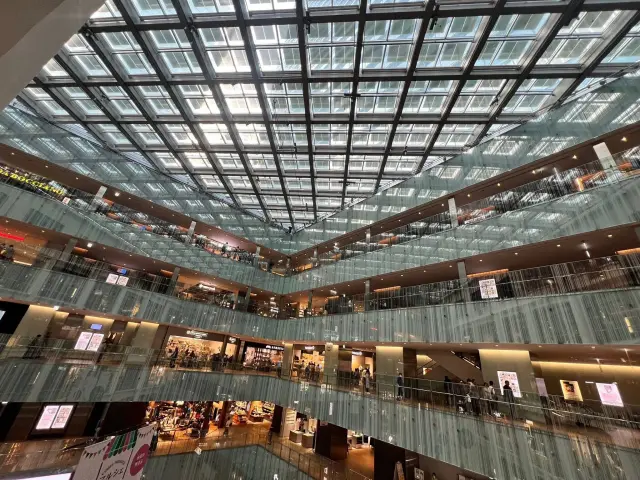
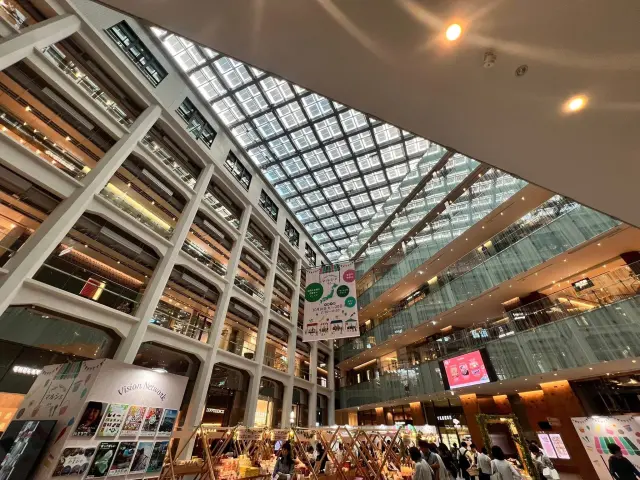
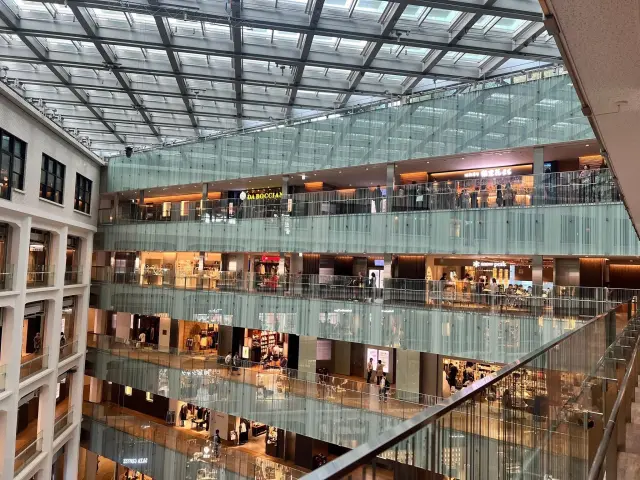
    Unique shops and eateries line this commercial complex, managed by Japan Post. The atrium on the first floor is striking with its open space, from which you can overlook the shops on each floor.

    • Tokyo Station, Nihonbashi, Marunouchi
    • Commercial Buildings
    See More

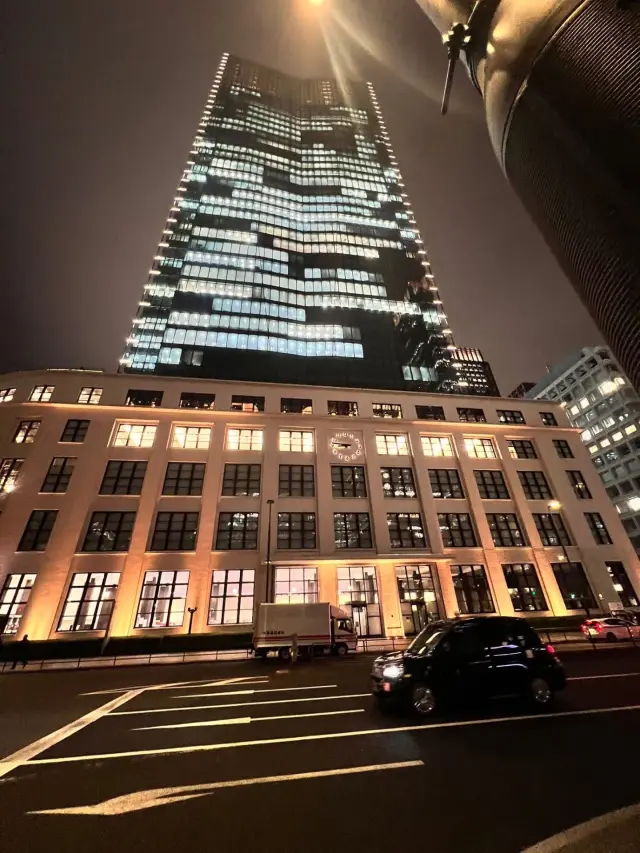
    The design of KITTE, especially KITTE Tokyo, was handled by master architect Kengo Kuma. Based on preserving the original appearance of the former Tokyo Central Post Office building, it was transformed into a mixed-use commercial complex that combines nostalgia with innovation.

    The interior design makes extensive use of materials such as natural wood and brick. A triangular atrium was carved out of the pure white building to bring in natural light, giving the old structure new life.

    Key design features of KITTE Tokyo

    Preservation of the old building: Based on the former Tokyo Central Post Office building, completed in 1931 and designed by Tetsuro Yoshida, its exterior was preserved and integrated with the newly built JP Tower.

    Interior space and materials: Designed by Kengo Kuma, it uses Japanese materials such as natural wood, brick, and washi paper to create an atmosphere that is both nostalgic and stylish.
    Distinctive atrium: The building has a triangular atrium with decorative lighting that brings light indoors, making the space feel more open and comfortable.

    Nostalgia and innovation: The meaning of “postage stamp (kitte)” is combined with the sound of “come (kite).” Modern creativity is displayed beneath the retro exterior while preserving the spirit of the post office and offering uniquely themed floors and products.

    The design of KITTE Hakata
    Exterior design: The glass curtain wall and louvered panels feature a checkered pattern inspired by Hakata-ori textiles, presenting different looks as the light changes throughout the day.

    Pedestrian flow: The first- and second-floor circulation design uses single-support frames and curved louvered ceilings to create an open and visually expressive space, guiding people from the station to the surrounding area.

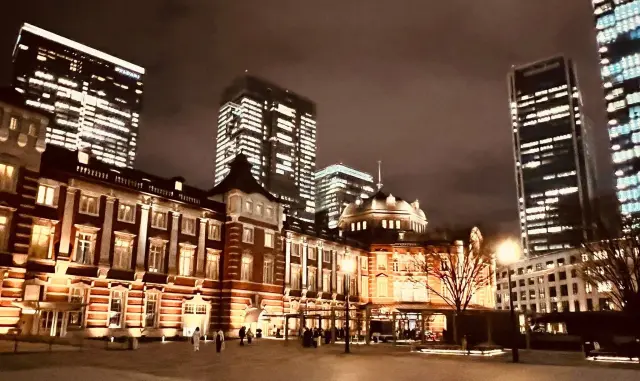
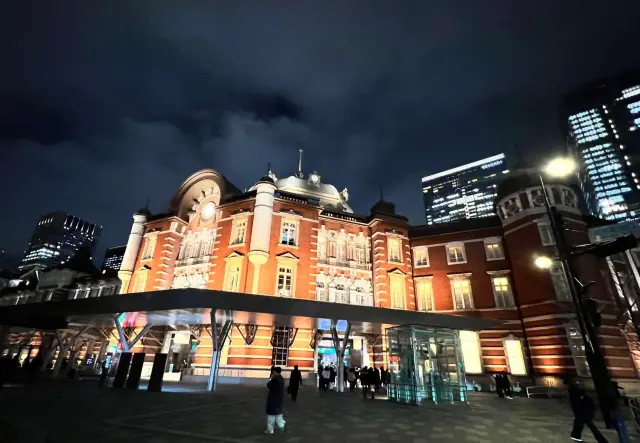
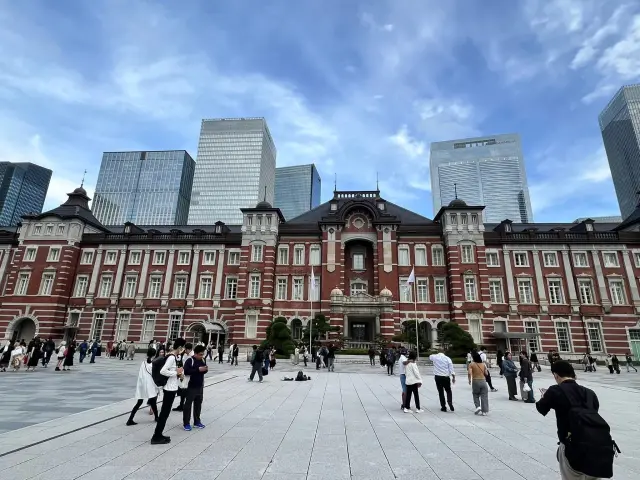
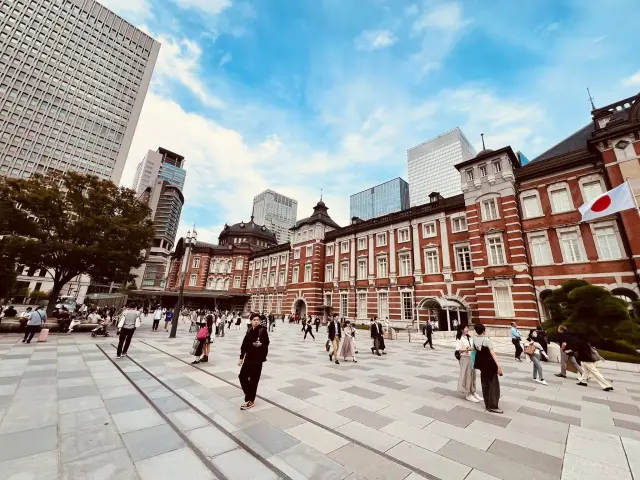
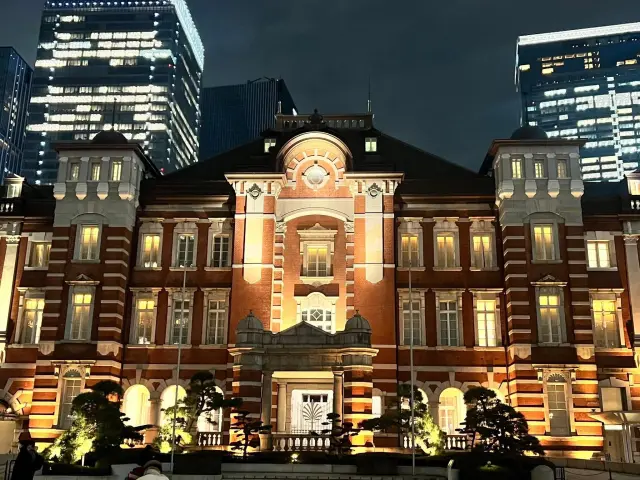
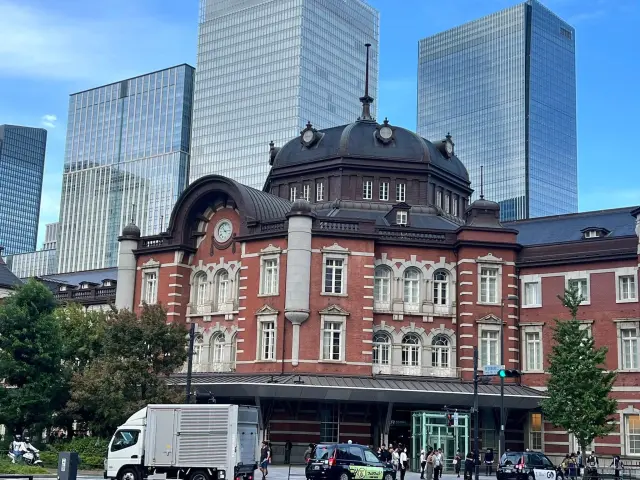
  • Tokyo Station: Marunouchi Station Building

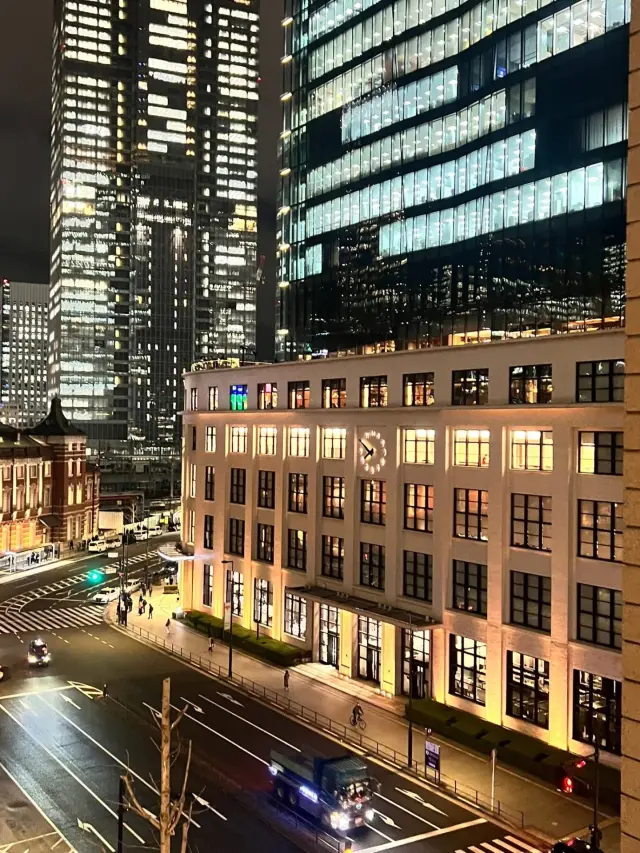
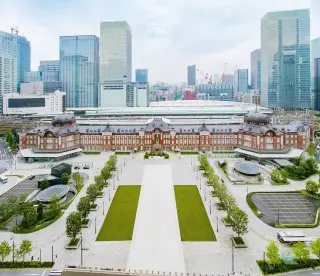
    The construction of Japan’s front gate, Tokyo Station, began in March, 1908 and it was opened in December, 1914. Kingo Tatsuno, the pioneer of modern architecture in Japan, designed it. The steel-framed, brick Marunouchi Station building was burned on the roof and interior in the 1945 air raid.

    • Tokyo Station, Nihonbashi, Marunouchi
    • Tourist Attractions
    See More

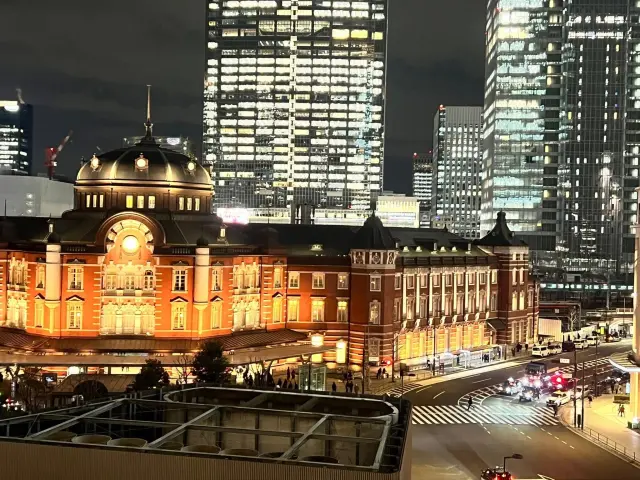
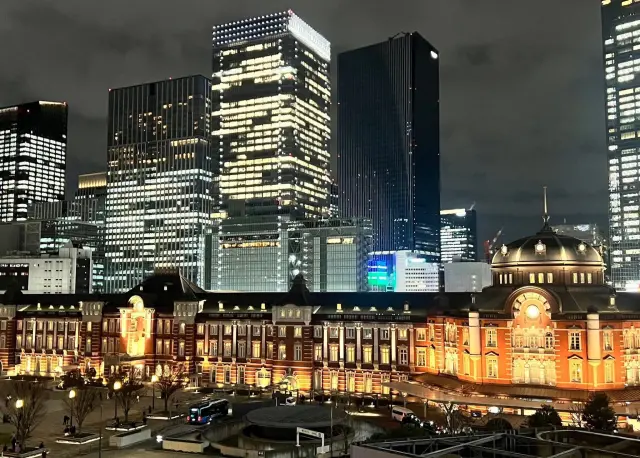
    At night, Tokyo Station displays a blend of classical and modern beauty that is completely different from the daytime. Here are some key points for nighttime photography and viewing:
    📸 Best free nighttime viewpoints
    If you want to capture a panoramic view of the station, these three free spots are the top choices:
    KITTE Rooftop Garden (6F): Located in the former Tokyo Central Post Office building, it offers an excellent close-up view of the red-brick building at the station’s south entrance. You can also see the busy sight of multiple Shinkansen trains arriving and departing.
    Shin-Marunouchi Building (7F) Terrace: This outdoor terrace directly overlooks Tokyo Station and the plaza in front of it, creating a very romantic atmosphere.
    Marunouchi Building (5F) Observation Deck: Its moderate height makes it suitable for photographing the station entrance straight on.

    💡 Lighting and lights-out times
    Weekday lighting: The nighttime illumination of the station’s red-brick exterior usually continues until 21:00. It is best to arrive before the lights are turned off so you don’t end up photographing complete darkness.
    Seasonal: During winter, nearby Marunouchi Naka-dori hosts the Marunouchi Illumination, with the entire street covered in champagne-gold LED lights, creating a very Christmas-like atmosphere.

    🚶 Recommended walking route
    Marunouchi Station Plaza: This is the classic spot for photographing the station’s symmetrical beauty. If it has just rained, puddles on the ground reflect the red-brick station and the high-rise buildings behind it, creating another popular photography angle.
    Wadakura Fountain Park: About a 10-minute walk from the station toward the Imperial Palace, this is where you can photograph a dreamy night view of the surrounding modern office buildings reflected in the water.

  • Blue Bottle Coffee Kiyosumi Shirakawa Flagship Cafe

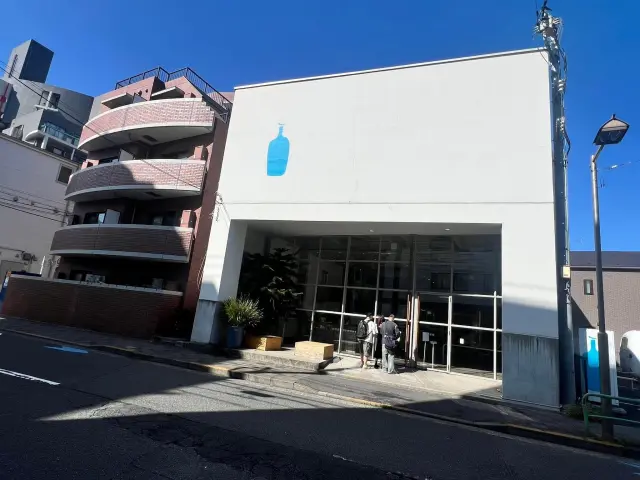
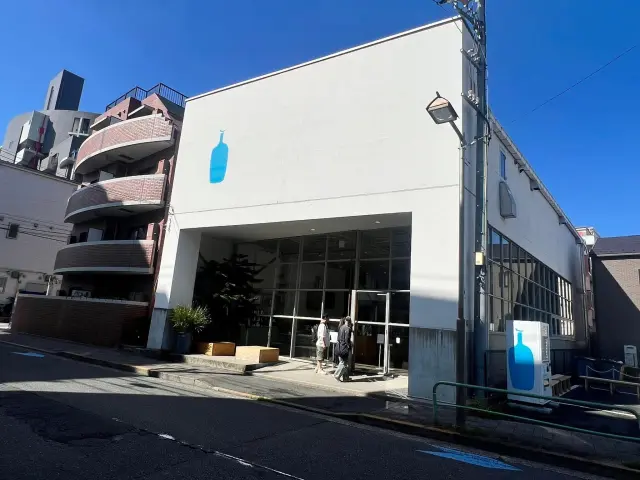
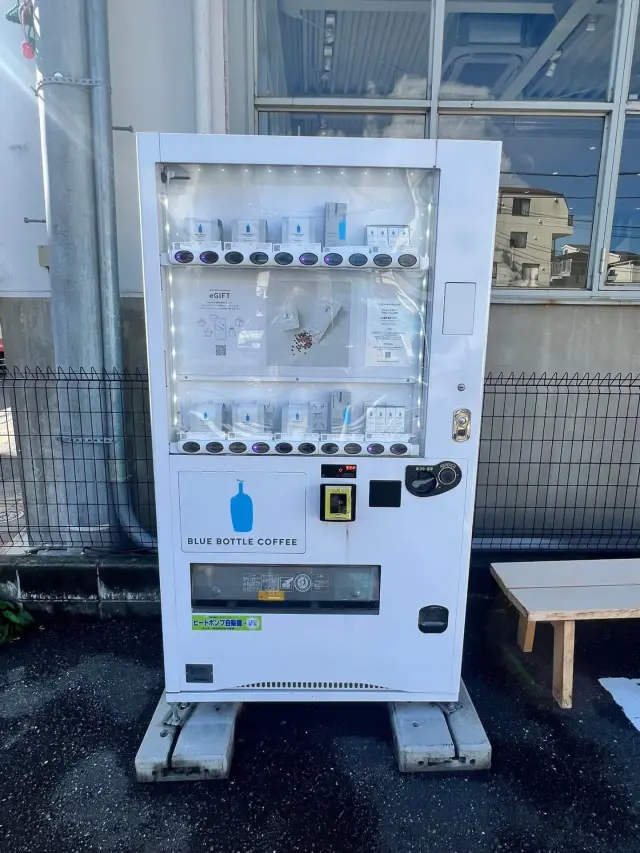
    The popular coffee shop born in California, USA opened the first shop in Japan in October, 2019, as Kiyosumi Shirakawa Flagship Cafe.

    • Ryogoku, Ningyocho, Kiyosumi-Shirakawa, Kinshicho
    • Cafés
    See More

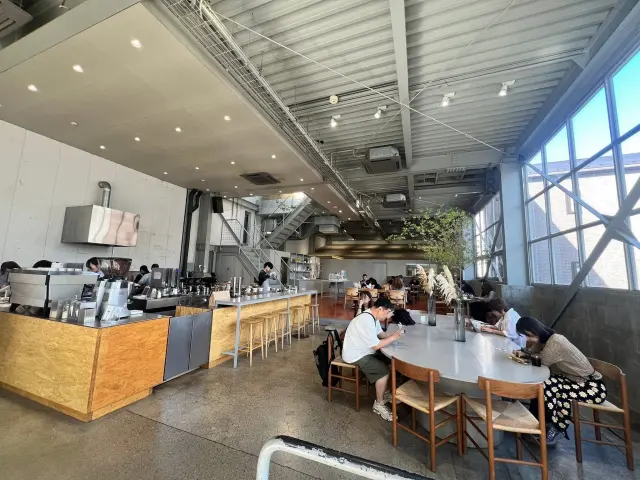
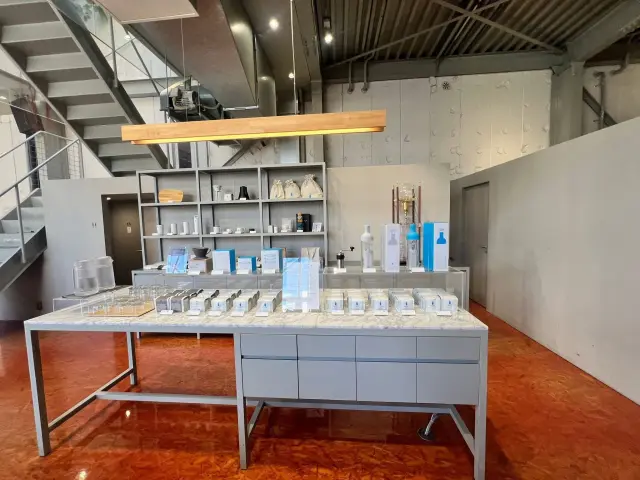
    Blue Bottle Coffee Kiyosumi-Shirakawa Flagship Cafe is Blue Bottle Coffee's first location opened outside the United States and is known as a “pilgrimage site” for the specialty coffee wave in Tokyo's old downtown neighborhoods. Converted from an old lumber warehouse, this high-ceilinged industrial-style space gets excellent natural light and perfectly blends California minimalist aesthetics with Japanese craftsmanship.

  • iki ESPRESSO

    Cafe culture is deeply rooted in the daily life of Oceania. This cafe shares that lifestyle. Harase, the owner, served at Royal Cafe in New Zealand as barista and manager, a coffee specialist with 25 years of career.

    • Ryogoku, Ningyocho, Kiyosumi-Shirakawa, Kinshicho
    • Cafés
    See More

    Why are there so few reviews?
    I really love this place.
    1. Space and decor style (Industrial & Organic Harmony)
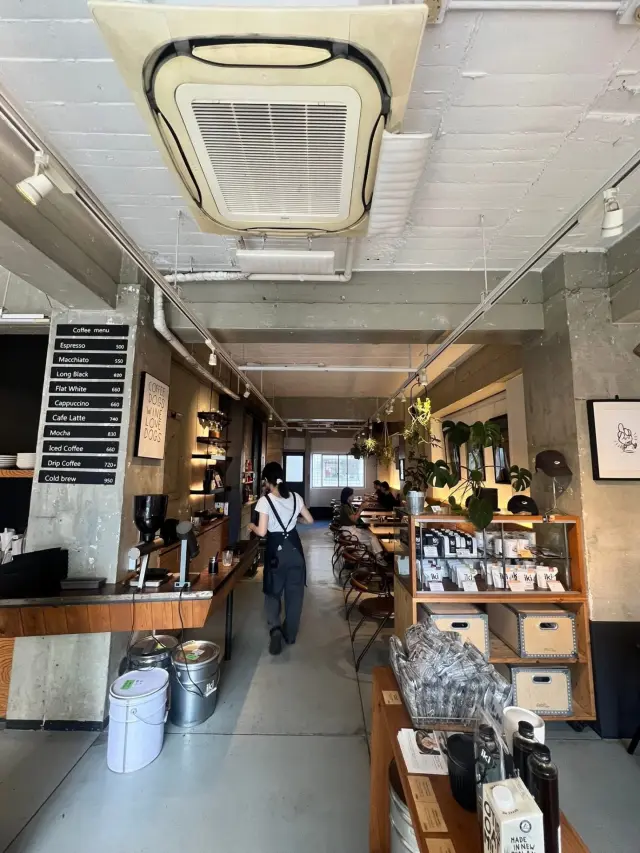
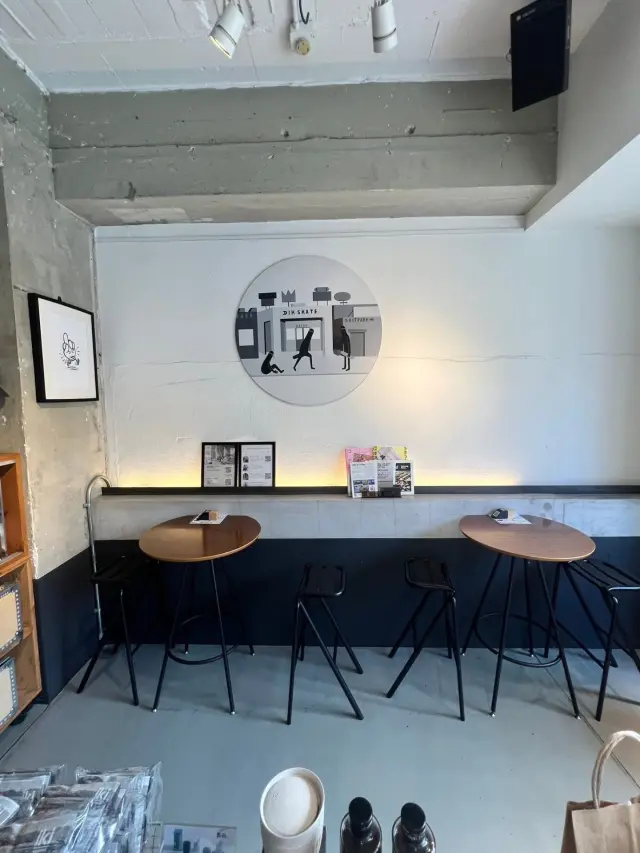
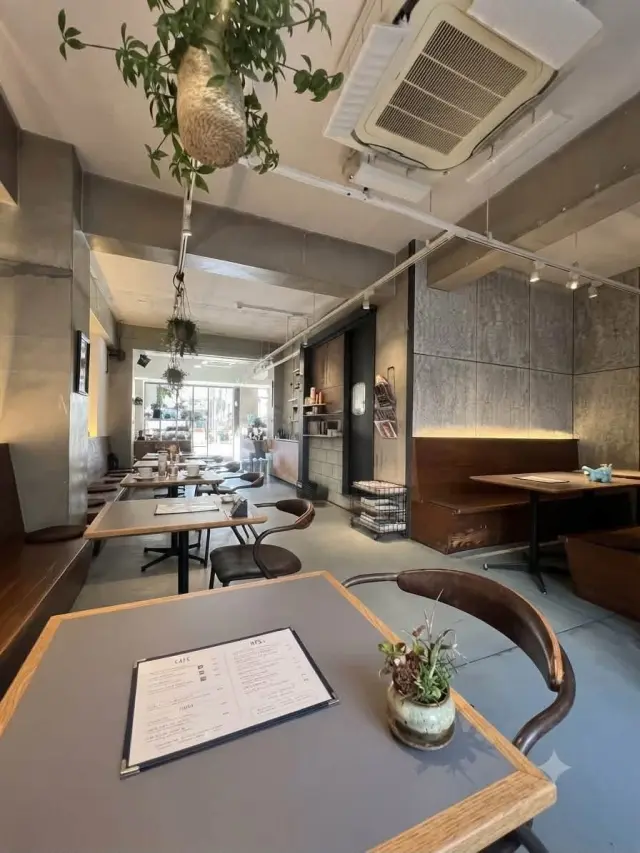
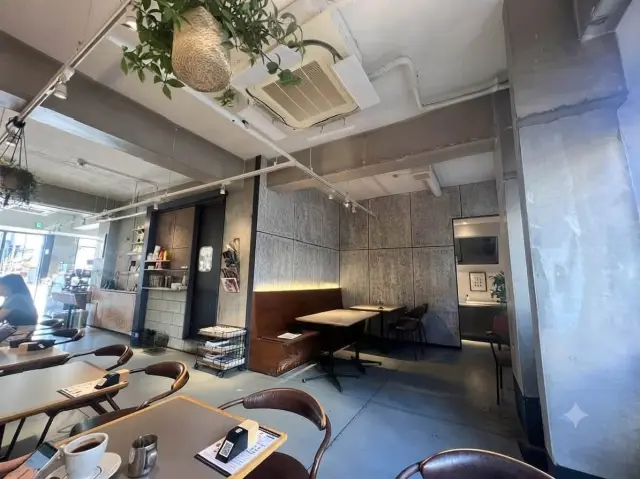
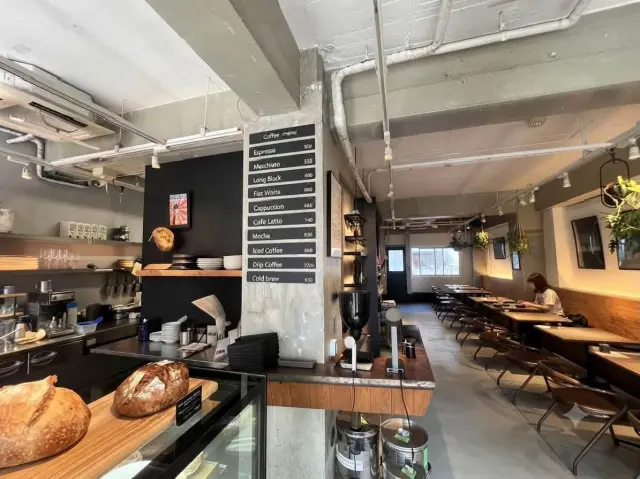
    A combination of industrial style and warmth: The space retains its original concrete walls, beams, columns, and exposed pipes, creating a clean, modern industrial feel. At the same time, plenty of warm wooden tables and chairs, booth seating, and warm-toned indirect lighting soften the cold, hard feel of the concrete.
    Greenery throughout: Hanging planters and small green potted plants on the tables not only bring natural vitality to the space, but also create a soothing, relaxing atmosphere.
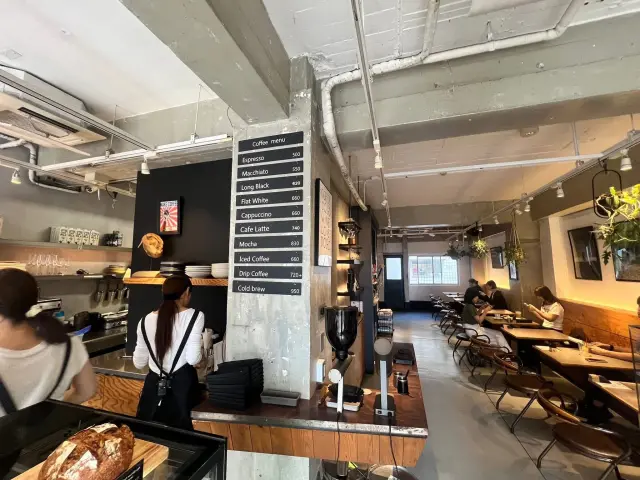
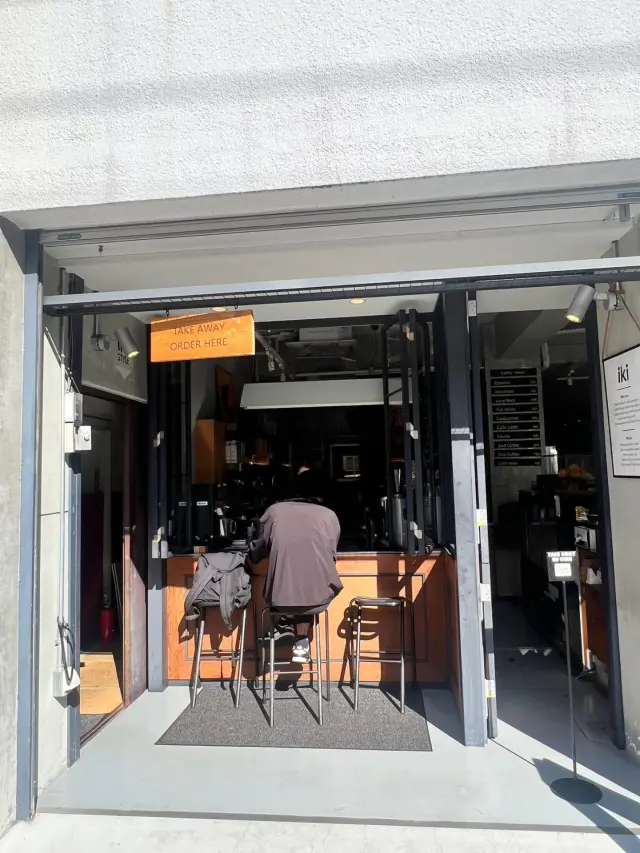
    Semi-open layout and high ceilings: Folding glass doors open to the outside at the entrance, along with counter-height seating (Take Away area), bringing natural light indoors. The dine-in area is spacious, with enough room between tables to feel relaxed and not crowded.
    2. Food highlights: Classic Australian and New Zealand-style brunch (Brunch Culture)
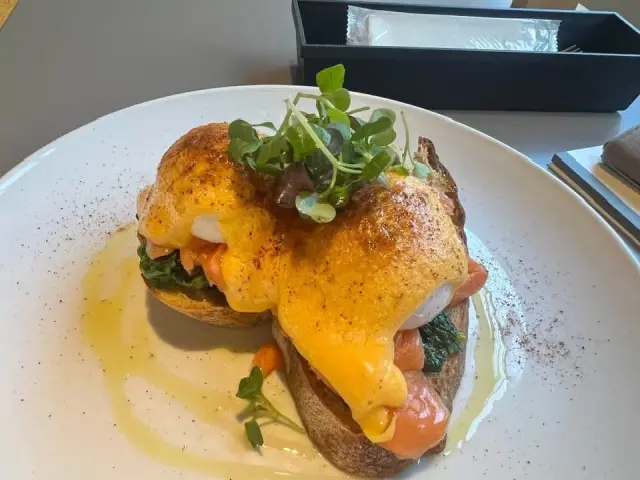
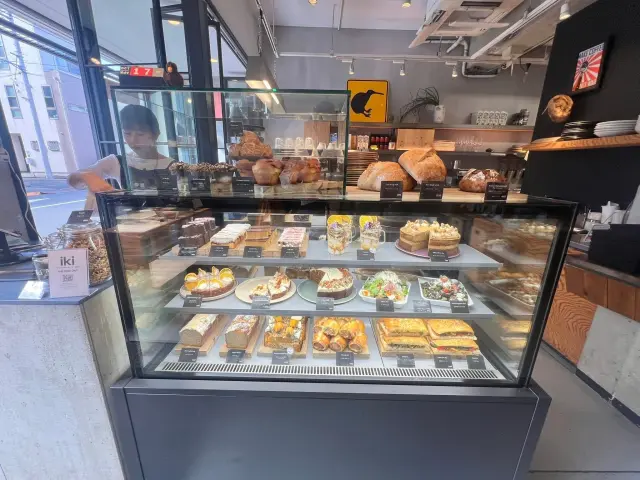
    Eggs Benedict / Salmon Benedict Toast (Photo 2):
    The base is a firm, tangy natural sourdough or European-style bread topped with sautéed spinach and smoked salmon.
    It is topped with poached eggs and a generous amount of golden hollandaise sauce, broiled until lightly browned, then finished with microgreens.
    Visually, it has plenty of layers and appealing colors, making it a classic example of upscale Australian and New Zealand-style brunch.
    3. Coffee and drink characteristics (Specialty Coffee)
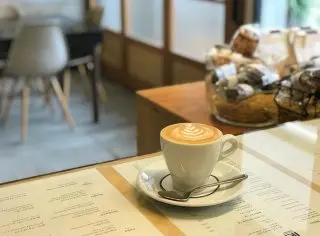
    Australian and New Zealand coffee menu ():
    The menu includes classic Australian and New Zealand coffee options such as Flat White, Long Black, Espresso, and Cold Brew.
    Drink details and brand impression ():
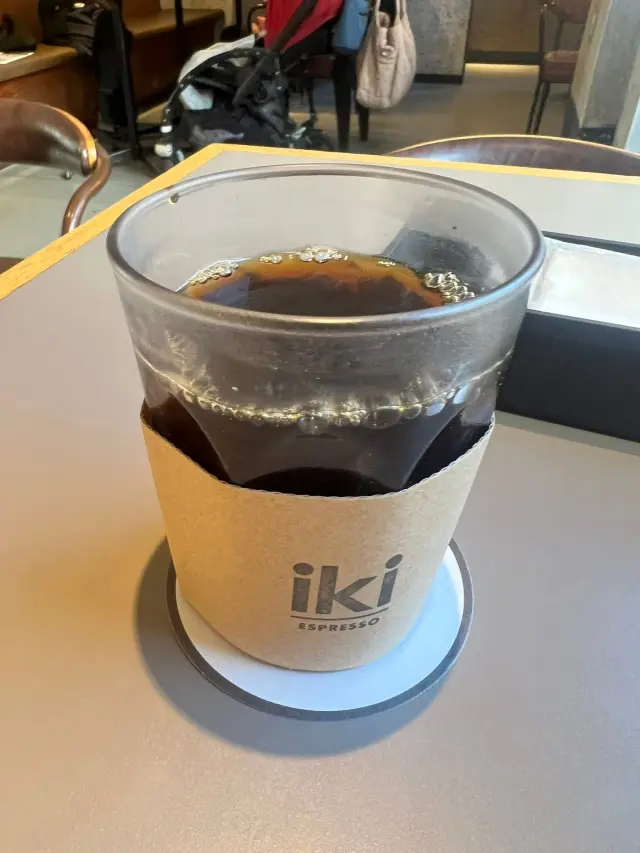
    They offer professionally extracted cold brew/ice-drip coffee or iced black coffee, served with a simple, stylish custom sleeve printed with the “iki ESPRESSO” logo.
    4. Summary: Why do I like it so much?
    iki ESPRESSO successfully combines Kiyosumi-Shirakawa's distinctive slow-paced cultural atmosphere with the casual comfort of Australian and New Zealand cafés. Whether it's the refined, delicious food, the high-quality coffee, or the space's blend of industrial aesthetics and cozy greenery, everything makes you want to spend a comfortable, leisurely afternoon here.
  • The National Art Center, Tokyo

    This museum has no art collection of its own, instead it hosts various exhibitions featuring art from both within Japan and from abroad.
    • Akasaka, Roppongi, Azabu-Juban
    • Museums
    See More

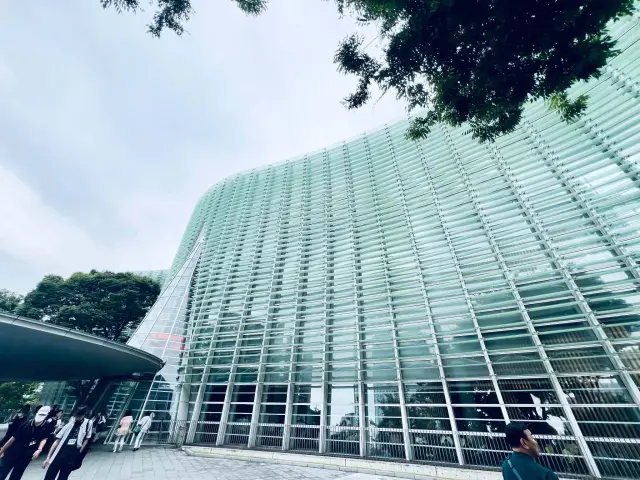
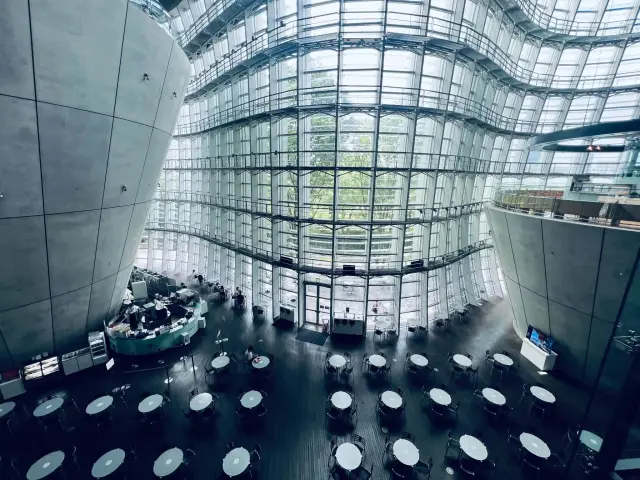
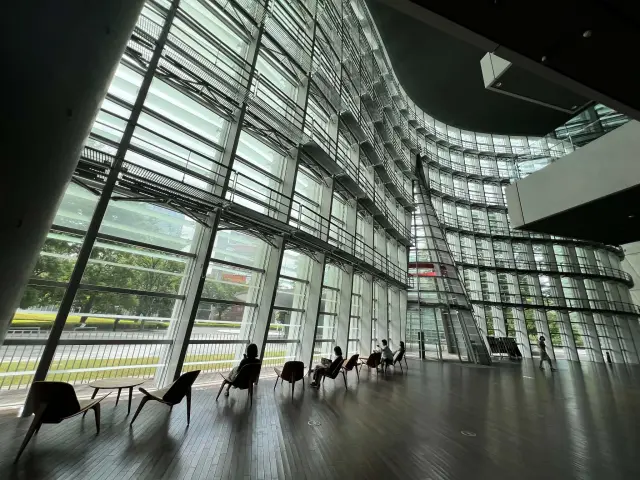
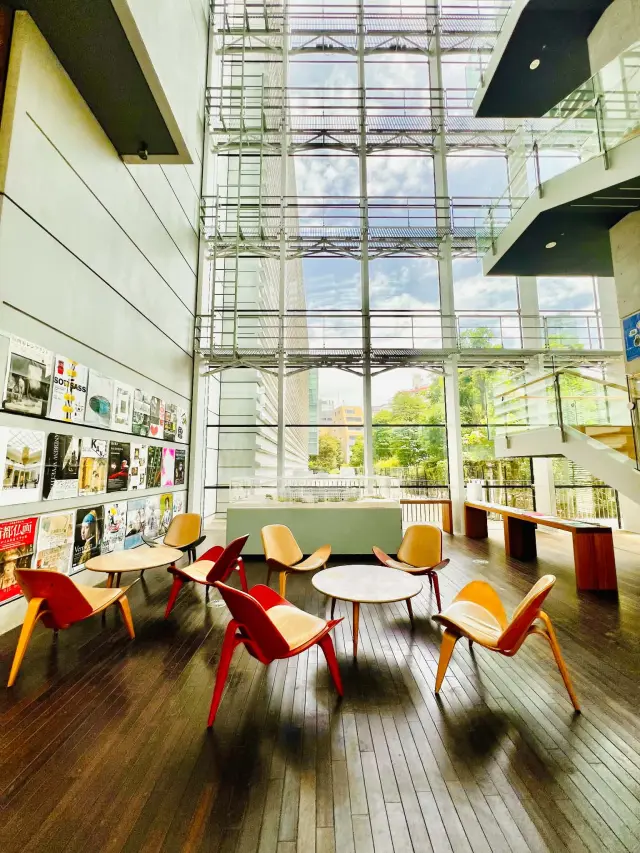
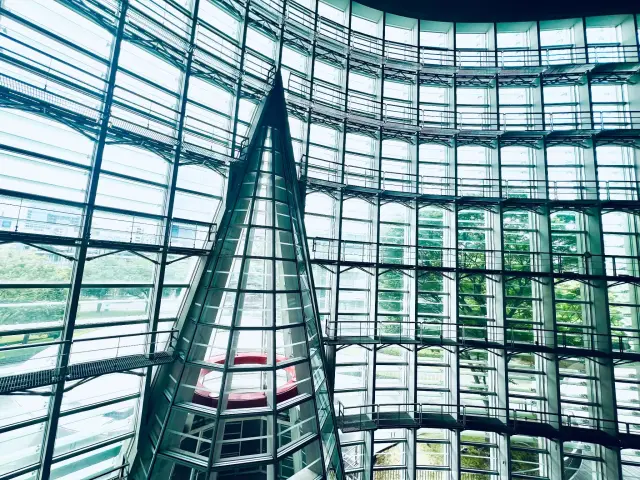
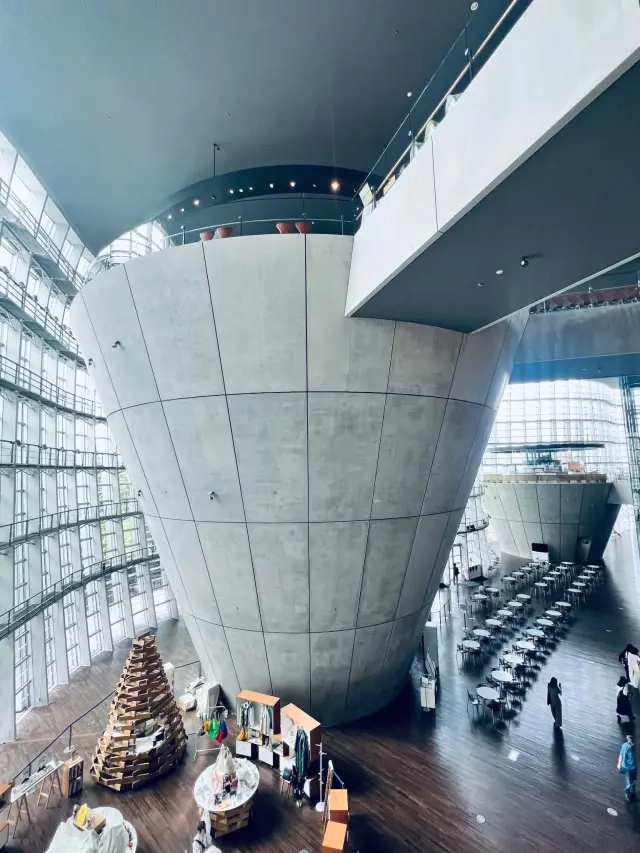
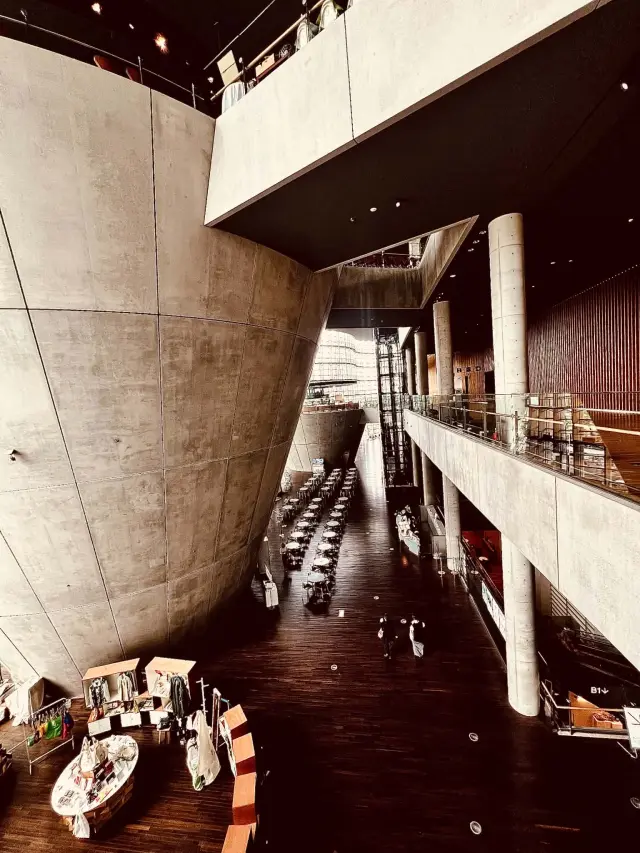
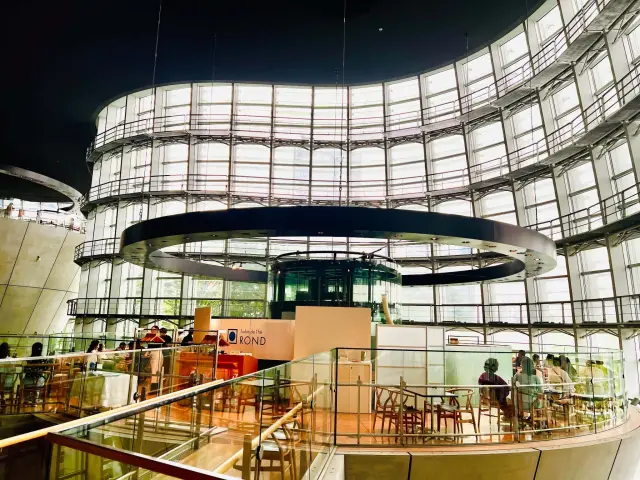
    One of the signature works designed by the late Japanese master architect Kisho Kurokawa. Its architectural design skillfully combines natural aesthetics with modern technology, creating a space that feels deeply calming and visually striking.

    A Museum in the Forest: The museum is surrounded by abundant plants and trees, with a design concept emphasizing “Co-existence with nature.”

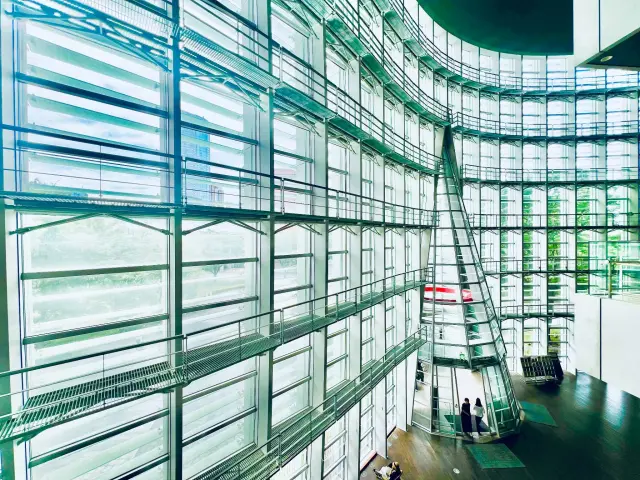
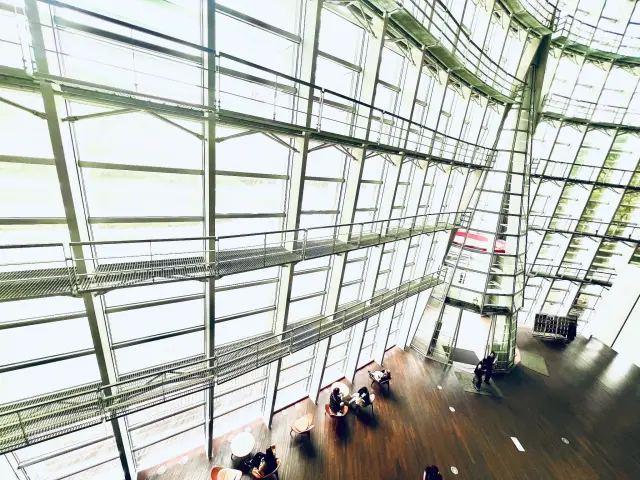
    Undulating glass curtain wall: the flowing poetry of nature

    The National Art Center, Tokyo perfectly blends the transparency of light, the fluidity of curves, and the surrounding natural greenery. Whether on an afternoon bathed in sunlight or at dusk when the interior lights reflect through the glass, the building displays spatial aesthetics at their finest and a calming power that brings a sense of peace.

  • Roppongi Hills

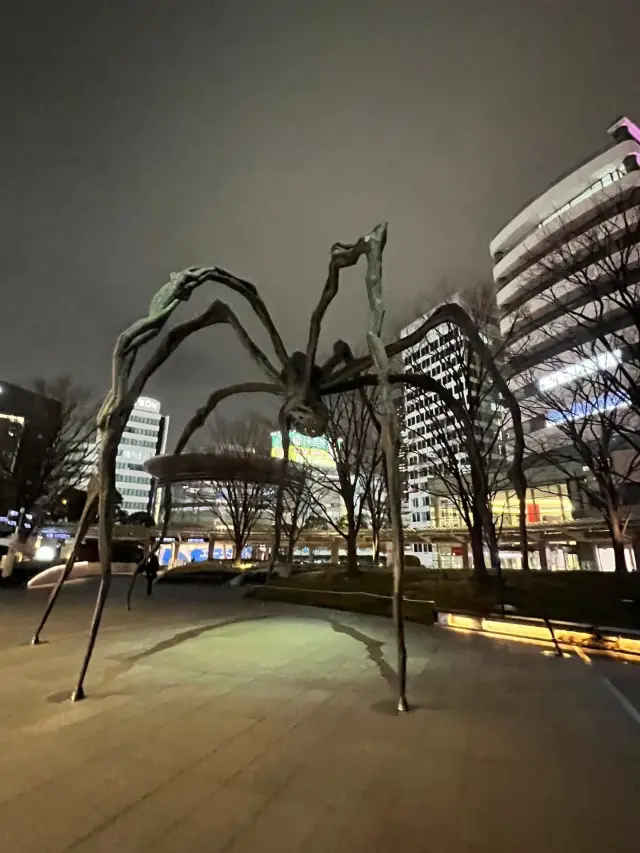
    This multipurpose commercial complex opened as a Roppongi landmark in 2003. In the middle of Roppongi Hills stands Mori Tower, a 54-story skyscraper office building rising 238 meters from the ground.

    • Akasaka, Roppongi, Azabu-Juban
    • Commercial Buildings
    See More

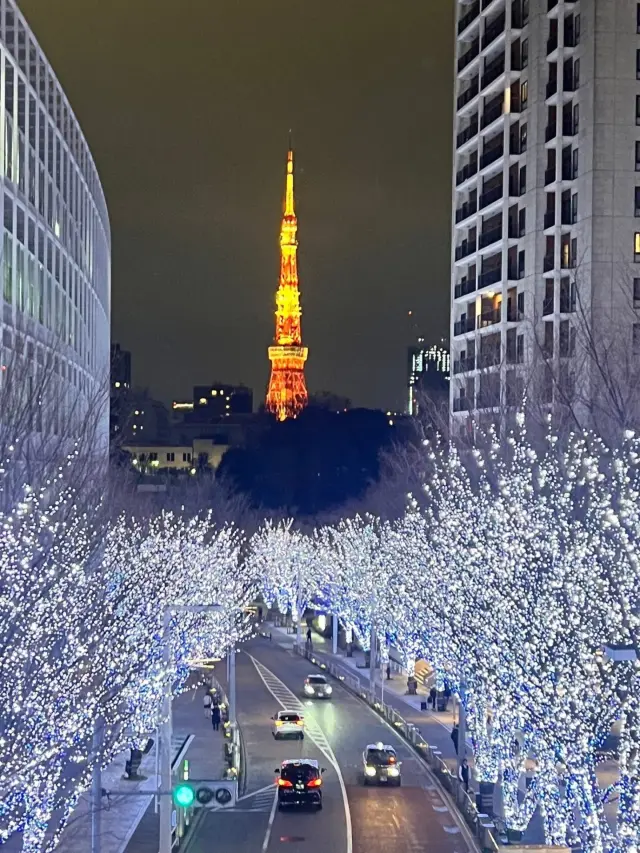
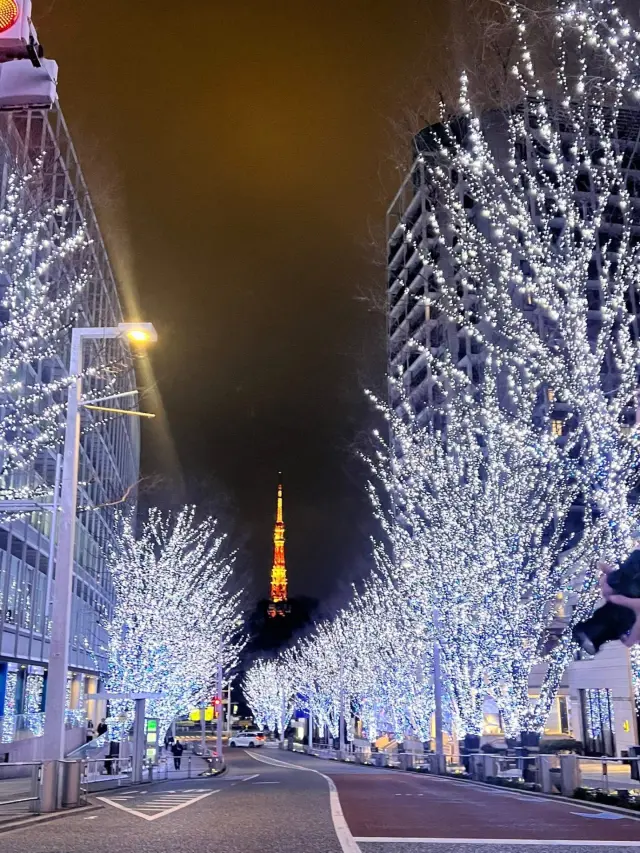
    Roppongi's winter illuminations are one of Tokyo's most iconic Christmas attractions, mainly divided into two areas: Roppongi Hills and Tokyo Midtown.
    1. Roppongi Hills
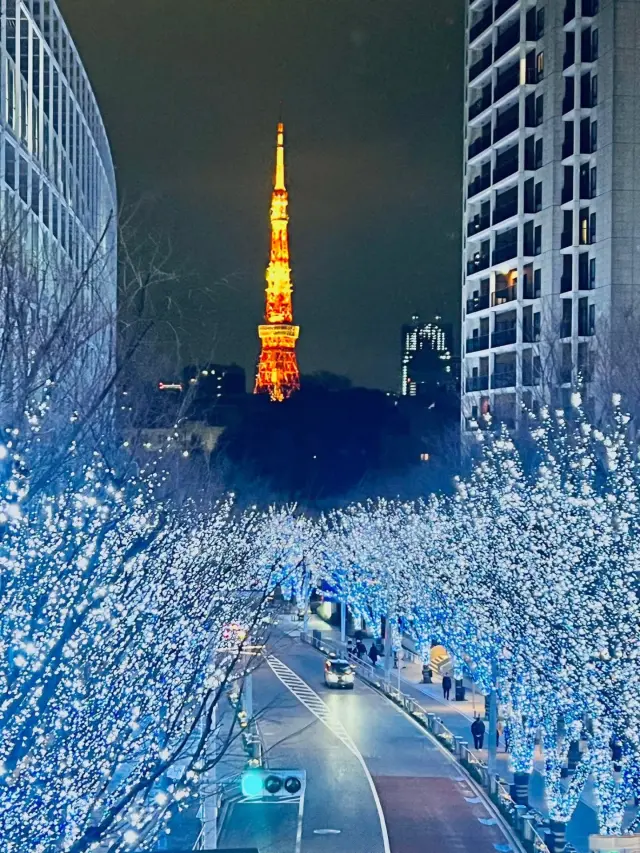
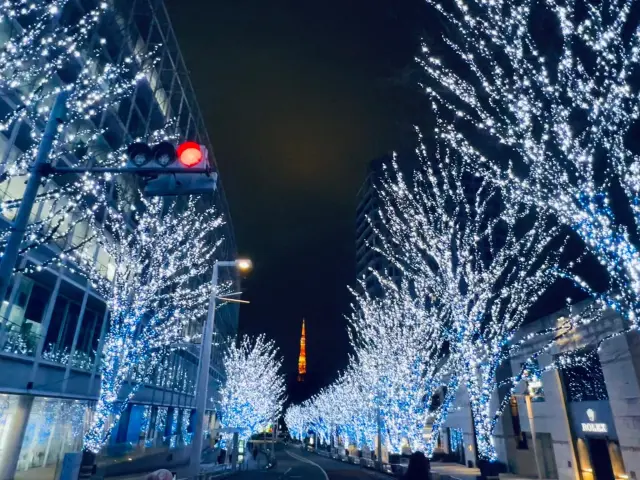
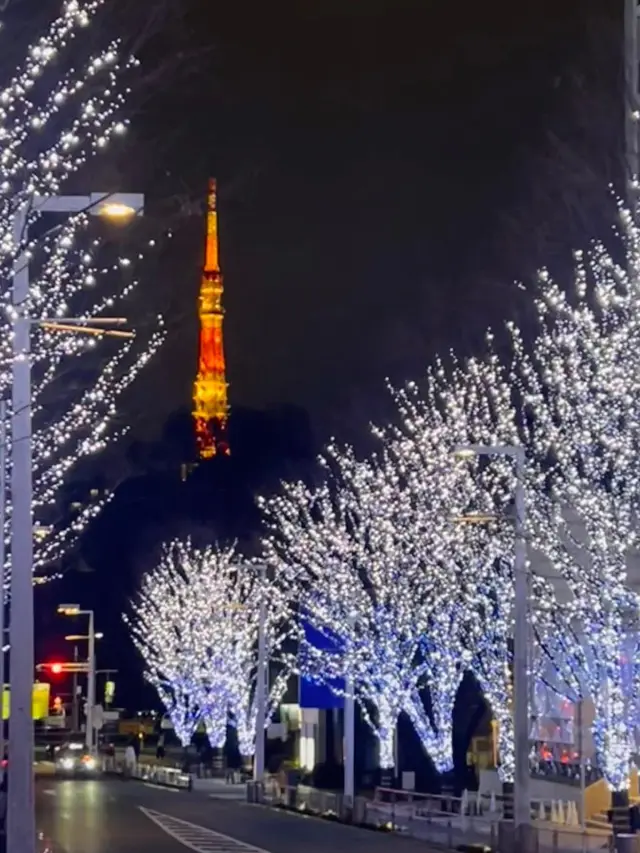
    Keyakizaka: The classic “Snow & Blue” display features a 400-meter-long sea of silver-white and blue lights.
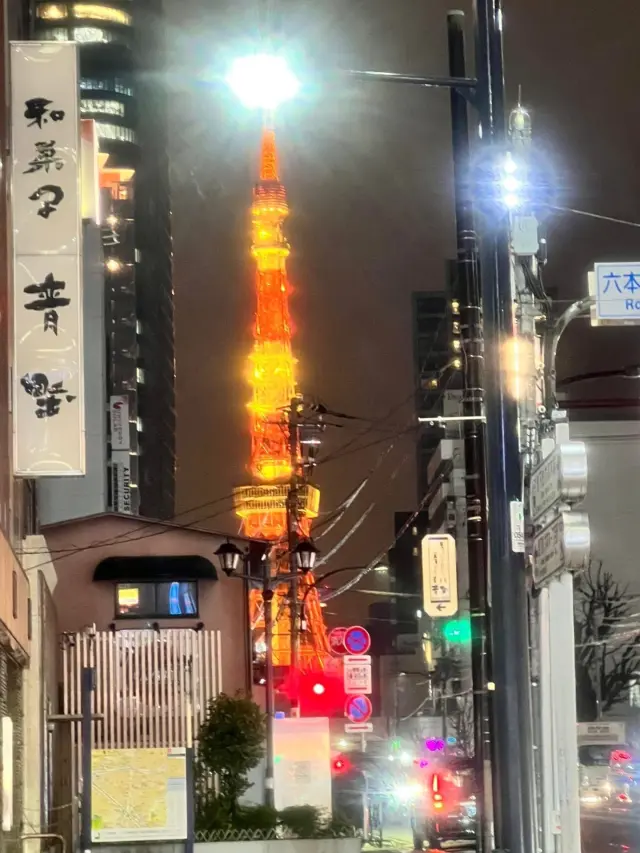
    Best photo spot: The pedestrian bridge over Keyakizaka Street, where you can capture both the tunnel of blue lights and Tokyo Tower in the center.
    Dates and hours: Early November through December 25 each year, 5:00 p.m.-11:00 p.m.
    Christmas market: Held at O-YANE PLAZA at Mori Tower, this is Tokyo's oldest German-style Christmas market, selling hot mulled wine and Christmas decorations.

    2. Tokyo Midtown
    Walkway of Lights: Around 320,000 gold LED lights create a romantic golden corridor. Illuminations in some areas continue through the end of February the following year.
    Outdoor ice rink: Usually open in the garden area during the illumination event, it is one of Tokyo's largest outdoor ice-skating rinks.
    Dates and hours: Mid-November through December 25 each year, 5:00 p.m.-11:00 p.m.

  • Shinjuku i-LAND

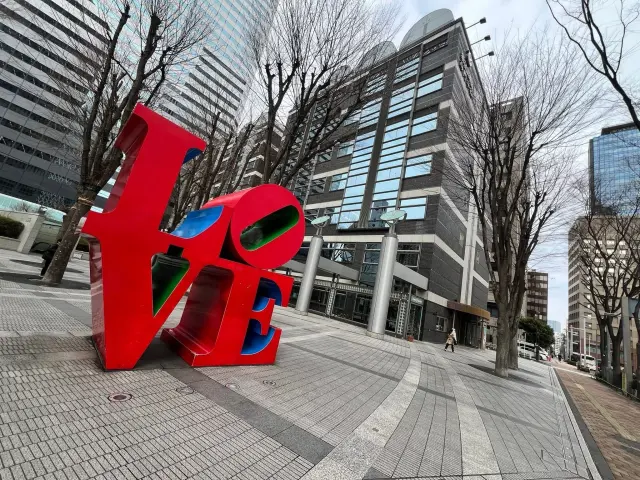
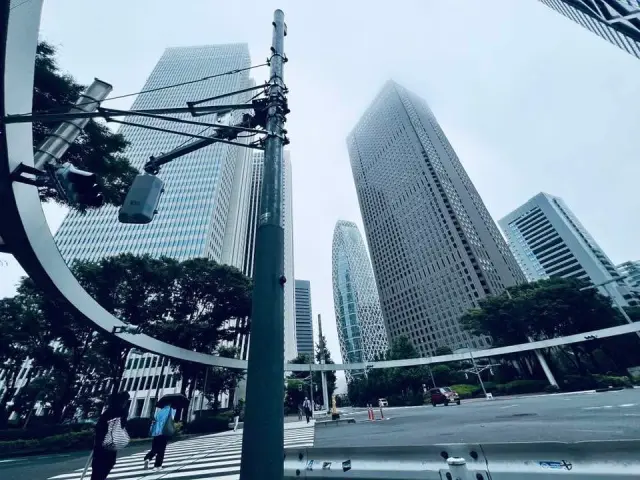
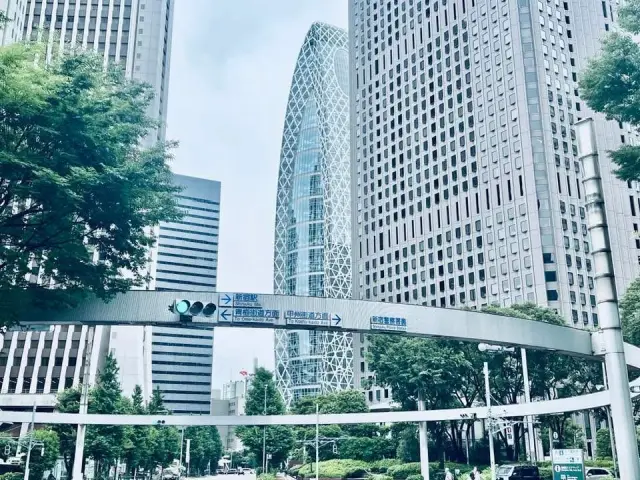
    Located in the skyscraper district of Nishi-Shinjuku, Shinjuku i-LAND is an area ripe with urban functionality, including offices, shops, residential areas, schools, and plazas, all centered around the 44-story skyscraper “Shinjuku i-LAND Tower.”

    • Shinjuku, Okubo, Yoyogi, Yotsuya
    • Famous Places
    See More

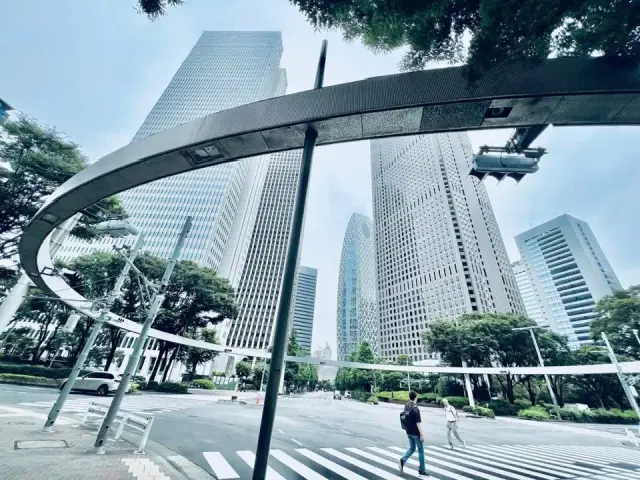
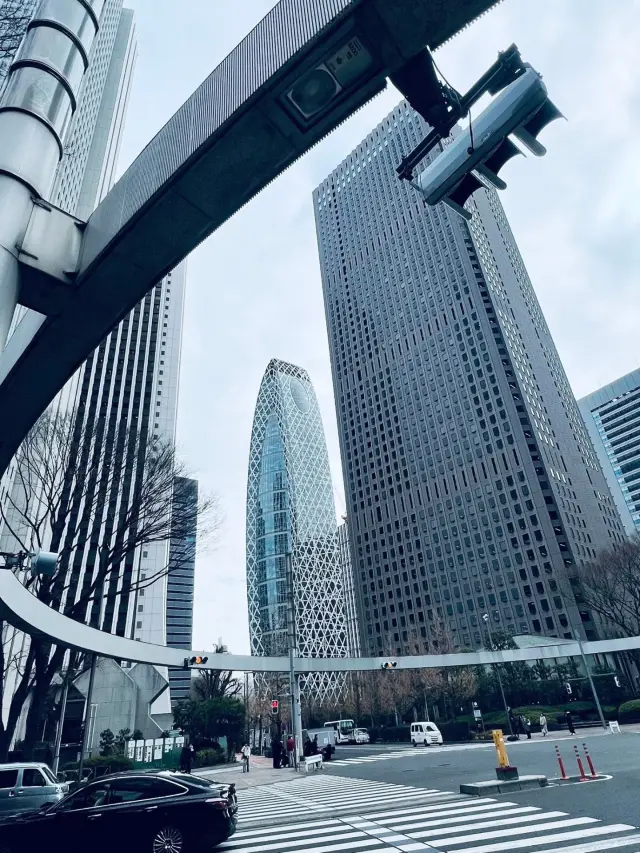
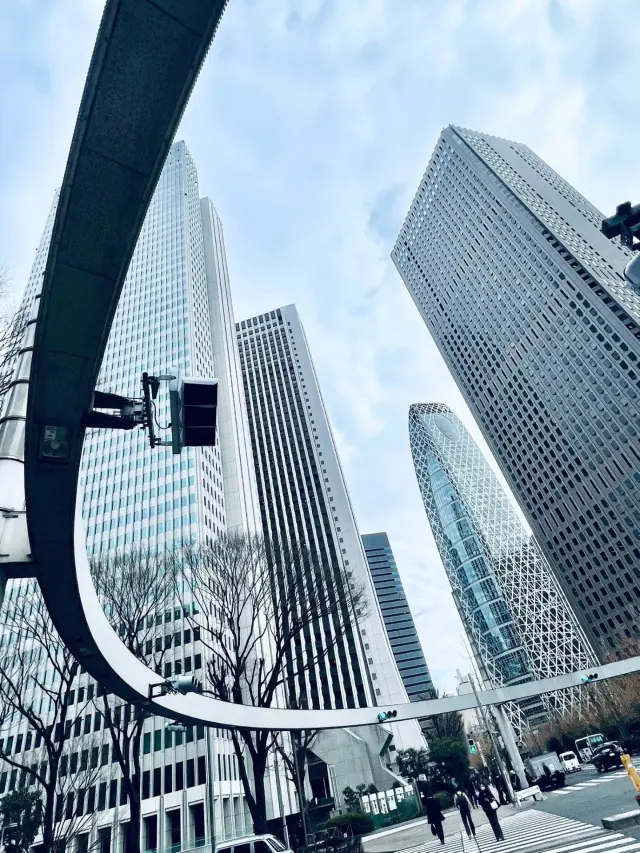
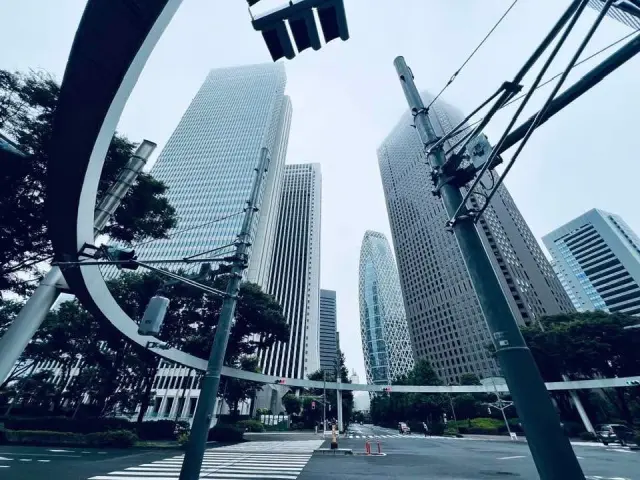
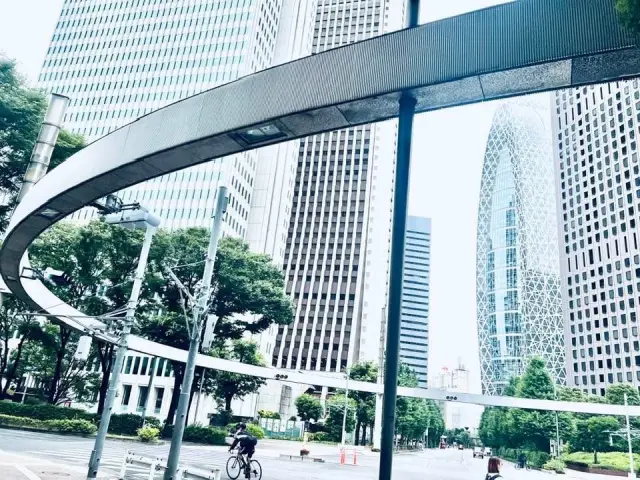
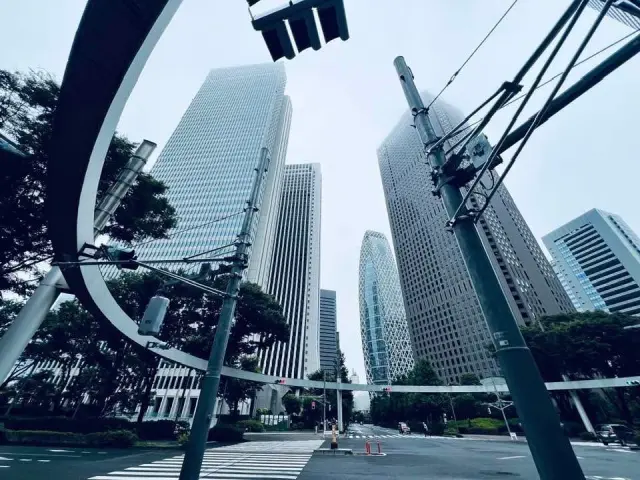
    Although it is located at the intersection on the west side of the Shinjuku Overpass (Shinjuku Ōgādo), it is more than just a support structure for traffic signs—it is a multifunctional architectural installation that combines traffic lights, streetlights, and an urban landmark.

    Highlights of the Nishi-Shinjuku Sign Ring:
    Core function: To improve the streetscape and consolidate the previously cluttered wires and signs, the ring suspends traffic lights, streetlights, and various traffic signs from a circular beam measuring 54 meters in diameter.
    Design specifications: The ring is suspended about 15 meters above the ground and was designed as a symbolic “gateway” to the skyscraper district of Shinjuku’s subcenter.
    History: It was completed in 1991 as part of the “Intersection Gateway Project” (Kōsaten Gate Keikaku).
    Location: It is located at the Shinjuku Ōgādo West intersection, a major traffic junction connecting Ōme Kaidō and the west exit of Shinjuku Station.

    Because of its highly futuristic appearance, this circular structure often appears in photography, movies, and anime scenes related to Tokyo or Shinjuku (such as Your Name).

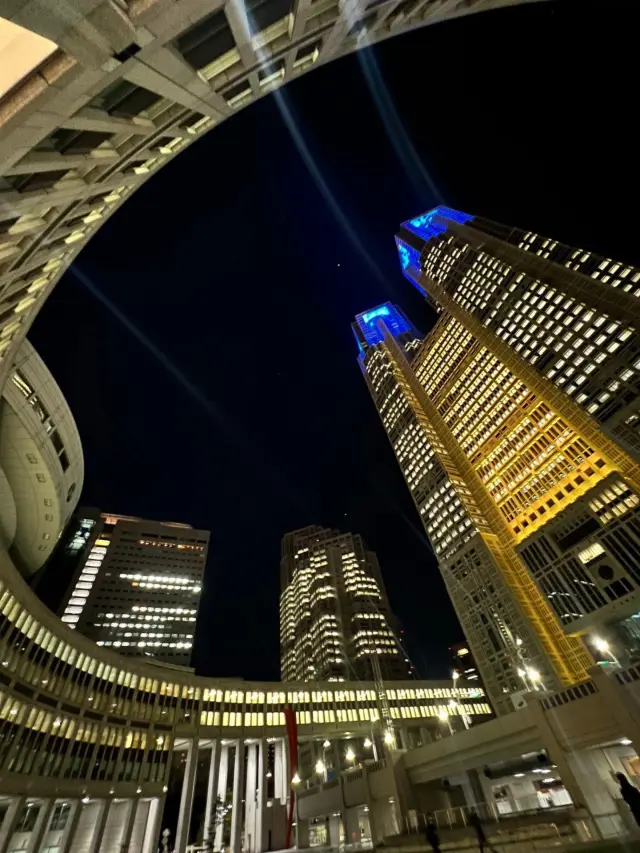
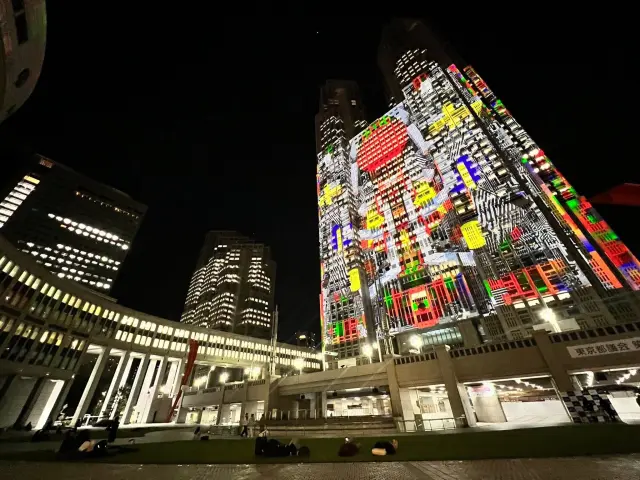
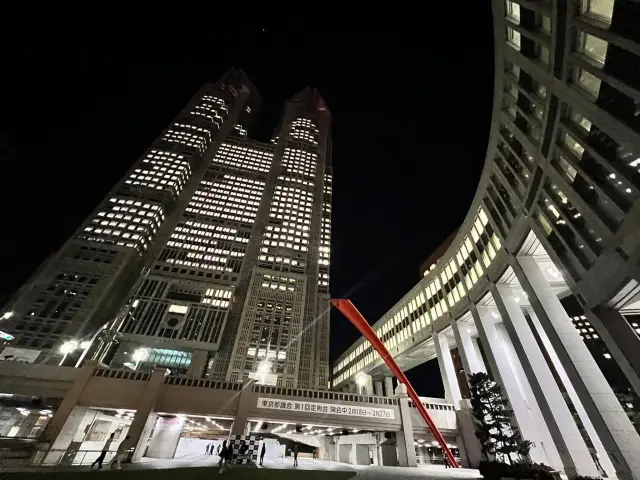
  • Tokyo Metropolitan Government Building Observation Deck

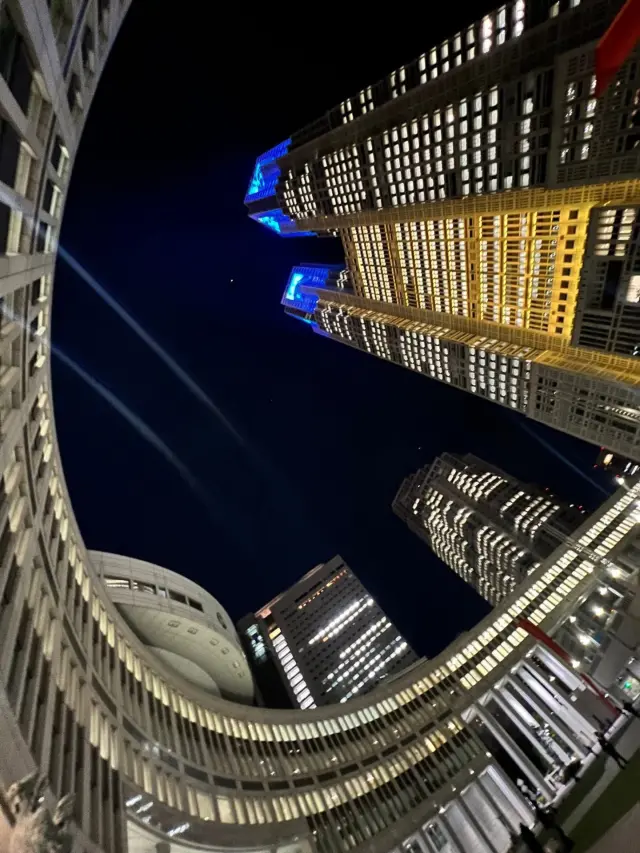
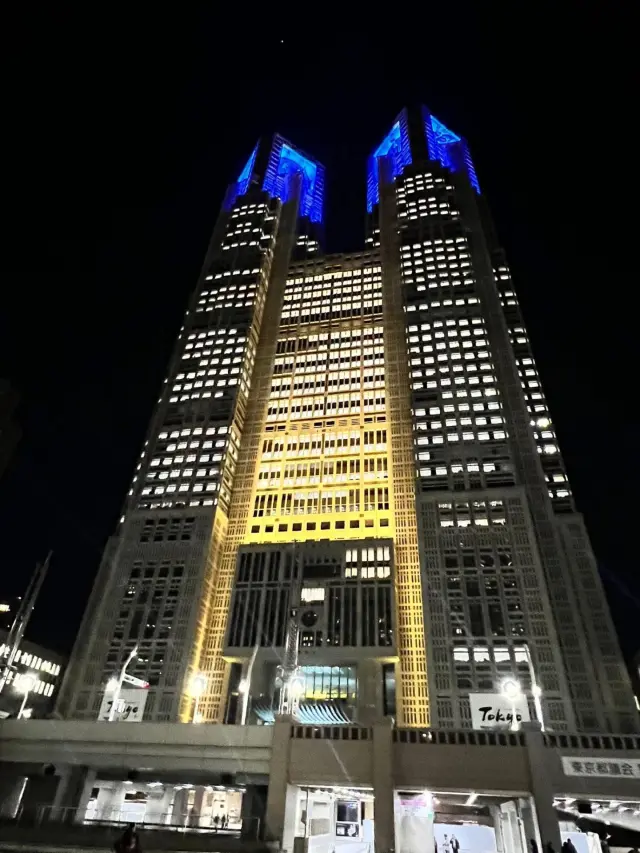
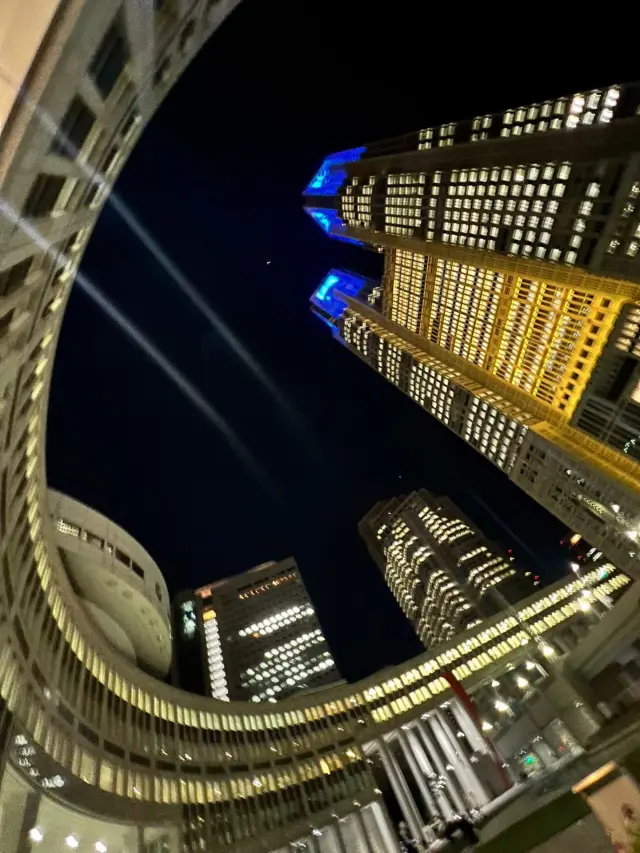
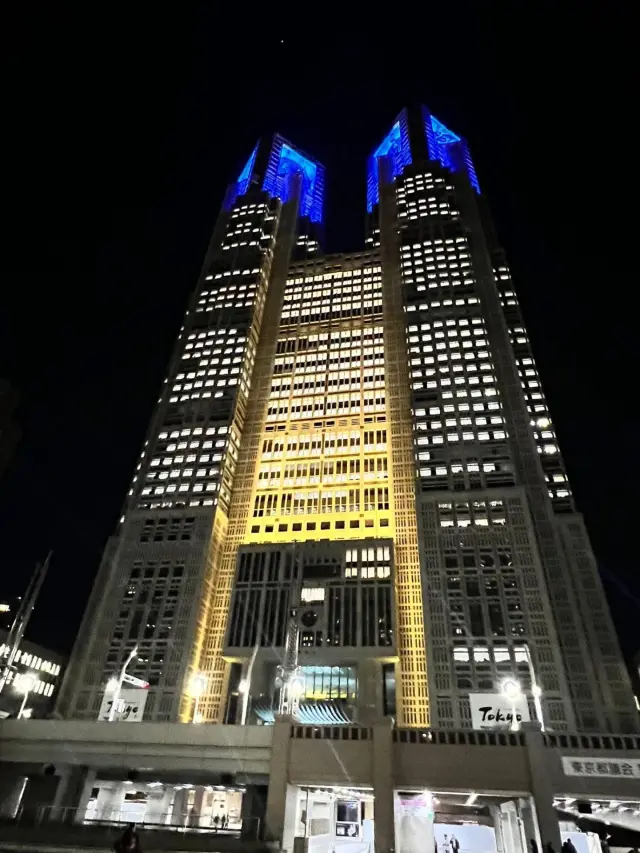
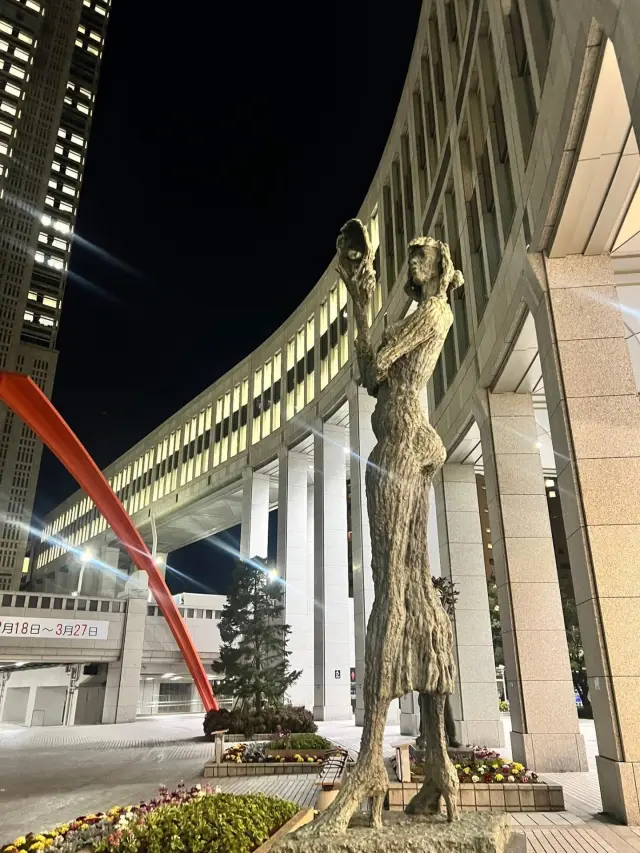
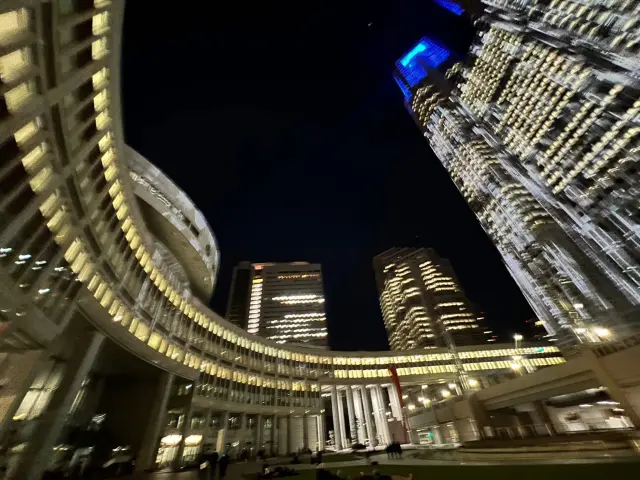
    The Tokyo Metropolitan Government Building, located in Shinjuku, is Tokyo’s centralized administration complex, comprised of three buildings: the First Main Office Building, the Second Main Office Building, and the Metropolitan Assembly Building. The First Main Office Building is home to a 45th floor Observation Deck, which is accessible by dedicated elevator on the 1st floor. In just 55 seconds the dedicated elevator will whisk you into the skies, to a height of 202 meters above ground and the sprawling view of Tokyo below.

    • Shinjuku, Okubo, Yoyogi, Yotsuya
    • Observatories
    See More

    The Tokyo Metropolitan Government Building, located in Shinjuku, is a top free spot for panoramic views of the Tokyo skyline.

    🏙️ Observation Deck Information (45th Floor)
    The Tokyo Metropolitan Government Building has a South Observation Deck and a North Observation Deck, both accessible by dedicated elevators from the 1st floor of the First Main Office Building.

    Hours: Usually 9:30 a.m.–10:00 p.m. (last admission at 9:30 p.m.).
    Note: The operating hours of the South and North Observation Decks may alternate, so it is recommended to check the Tokyo Metropolitan Government's official website or X (formerly Twitter) for real-time updates before visiting.
    View highlights: On clear days, you can see Mount Fuji, as well as Tokyo Tower, Tokyo Skytree, and the Shinjuku skyline.
    Reservations and admission: Free admission and no reservation required. Bags must be inspected before entry.

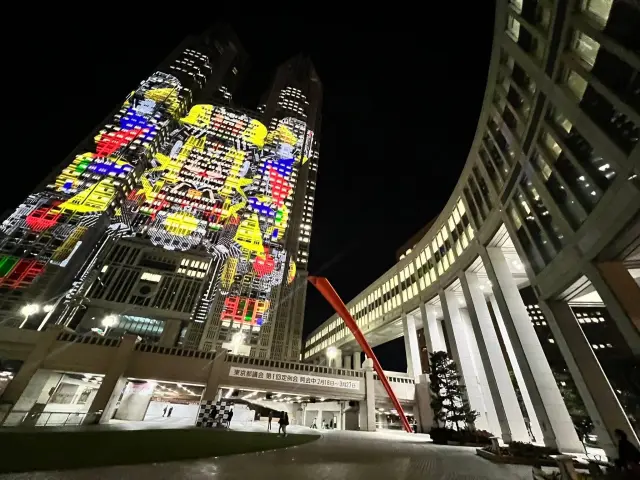
    🎨 Nighttime Only: Projection Mapping Show (TOKYO Night & Light)
    The exterior of the Tokyo Metropolitan Government Building features the world's largest architectural projection mapping show, certified by Guinness World Records:
    Showtimes: Begins every night at 6:00 p.m. (or 6:30 p.m., depending on the season), with a show every 30 minutes. Each show lasts about 15 minutes, and performances continue until 9:30 p.m.
    Viewing location: Tomin Hiroba (Citizens' Plaza), directly in front of the Tokyo Metropolitan Government Building.
    Special shows: Limited-time themes, such as Godzilla or Pokémon, are often featured on weekends.

    🍱 Hidden Experience: Staff Cafeteria (32nd Floor)
    If you visit during the daytime on a weekday, I recommend eating at the staff cafeteria on the 32nd floor. The food is reasonably priced and the views are beautiful. General visitors can enter by registering on the 1st floor and receiving a temporary pass, giving them a glimpse into the daily lives of Japanese government employees.

Hokkaido Tohoku Kanto Chubu Hokuriku Kansai Chugoku Shikoku Kyushu Okinawa