• See More

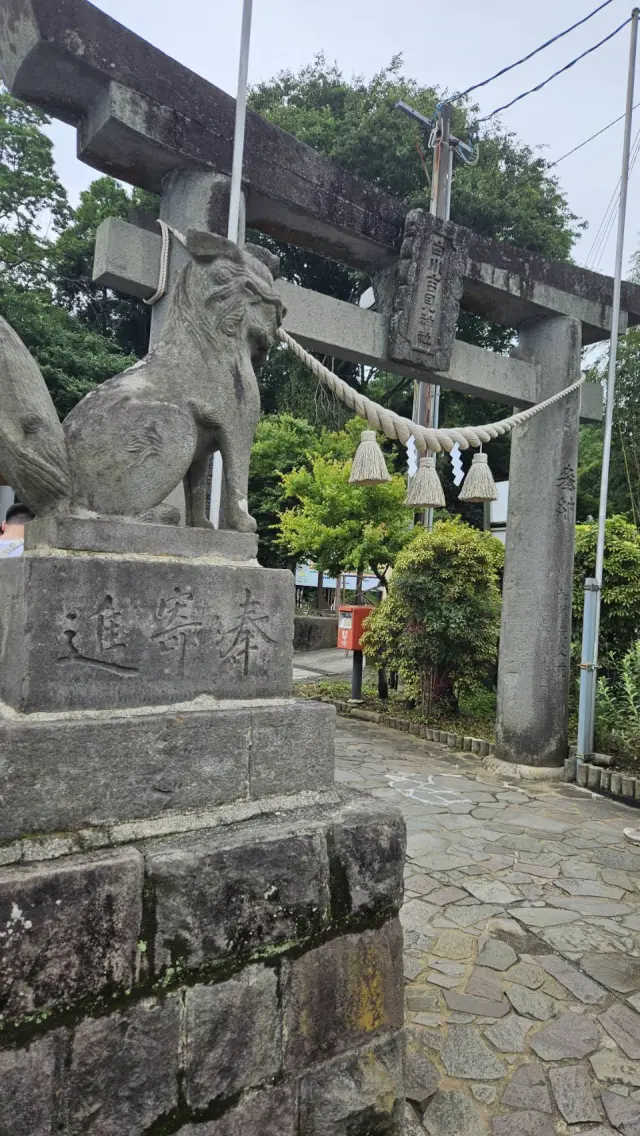
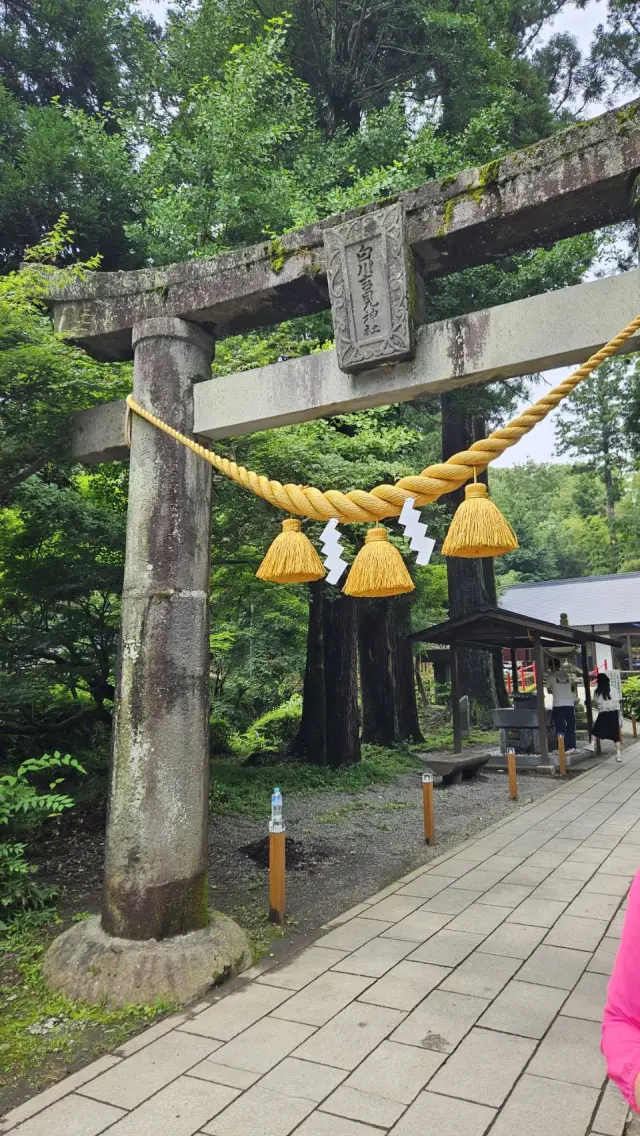
    I visited Shirakawa Spring Shrine in Minami-Aso, Kumamoto, Japan. The crystal-clear spring water flows year-round, and the cool water instantly washed away the summer heat. It also made me slow down and soak in the quiet afternoon, enjoying nature’s purest kind of healing.

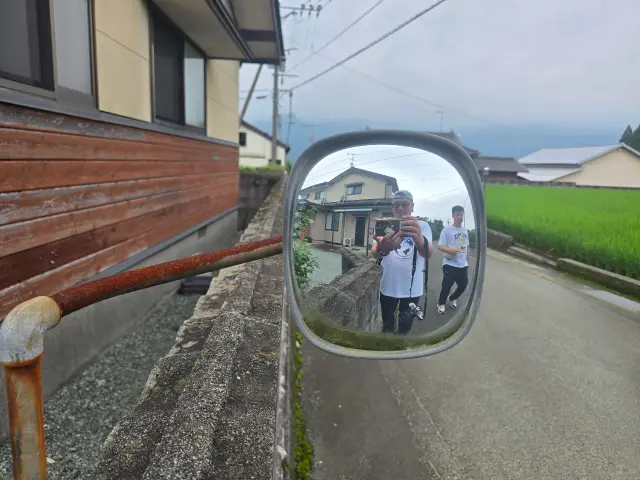
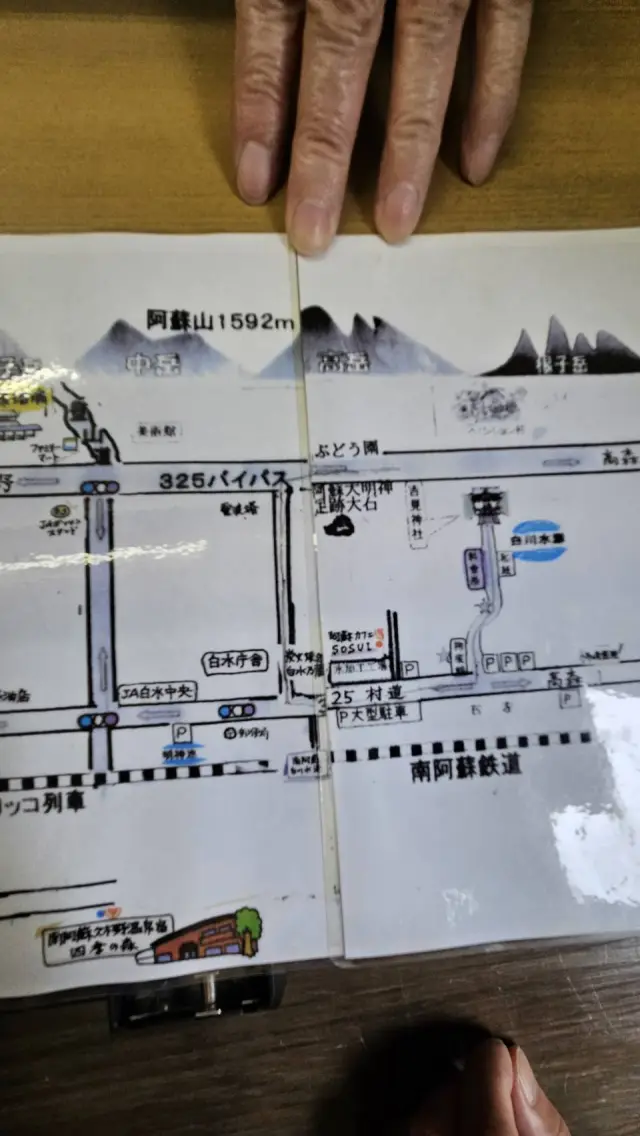
    Just as we were about to leave, we happened to notice a roadside vendor’s map marking the “Great Stone Footprint of Aso Daigongen.” Curious, we followed our phone map and set off along a country road for about 20 minutes, beginning an unexpected little adventure.

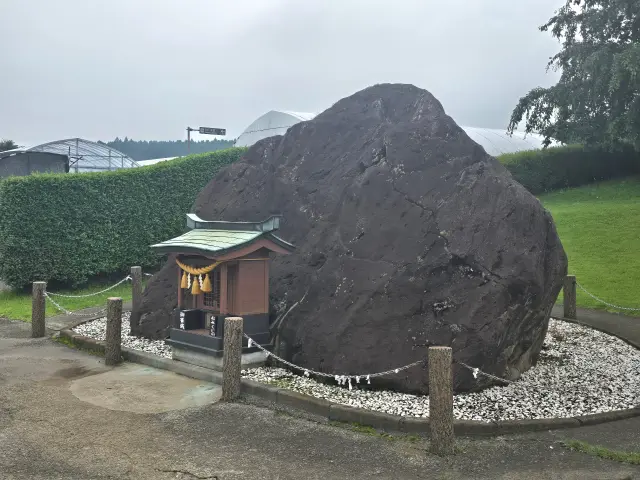
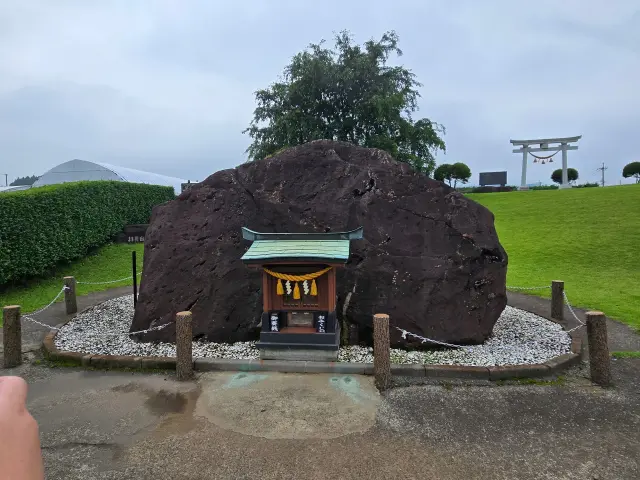
    The fields along the way were peaceful, with only the sound of wheels and the wind breaking the silence. When we arrived, a massive rock stood quietly before us. According to Aso mythology, it is said to be the sacred footprint left by Takeiwatatsu-no-Mikoto, also known as Aso Daigongen. Local residents later rediscovered this sacred site through references in old records, giving the huge stone an even deeper sense of history and faith.

    There are no big crowds here, and there aren’t many tourist facilities. Because it’s remote and not easy to access, tour groups rarely visit. But that is exactly why it has kept such an authentic, untouched atmosphere.

    For travelers who enjoy independent trips and love exploring hidden places, this mysterious giant stone near Shirakawa Spring is more than just a natural wonder shaped by the Aso volcano. It is also an unforgettable travel memory worth savoring slowly.
Other Reviews by 陳泰任

  • TOKYO SKYTREE(R) TOKYO SKYTREE TOWN(R)

    Boasting a height of 634 meters, TOKYO SKYTREE is the world’s tallest free-standing tower which stands in the center of TOKYO SKYTREE TOWN surrounded by tourist facilities. The tower has two observation decks, Tembo Deck at a height of 350 meters and Tembo Galleria at 450 meters.

    • Asakusa, Tokyo Skytree
    • Observatories
    See More

    A Taste of Home Beneath TOKYO SKYTREE

    TOKYO SKYTREE in Tokyo's Sumida City is the most prominent landmark on the city's skyline. During the day, its massive structure soars into the clouds; when night falls, its lights illuminate the city, creating another captivating view.

    In April 2023, we visited TOKYO SKYTREE and unexpectedly came across a familiar and welcoming Taiwan Festival. Red lanterns hung overhead, crowds bustled about, and all kinds of Taiwanese street food filled the streets of a foreign country. For a moment, although we were traveling in Japan, it felt as if we were back at a night market at home.

    Compared with the strong local Japanese culture of Fukuoka's yatai food stalls, the Taiwan Festival beneath TOKYO SKYTREE offered a different kind of cross-border exchange. Taiwan's warmth and Japan's orderliness came together naturally in this modern city—not in conflict, but in remarkable harmony.

    As we gazed up at TOKYO SKYTREE and enjoyed the familiar flavors of home, the sounds of Japanese streets filled our ears while memories of Taiwanese night markets appeared before our eyes. Perhaps the most captivating part of travel is unexpectedly finding a familiar feeling in an unfamiliar city.

  • Tobu World Square

    This theme park exhibits miniatures of famous buildings and archaeological sites from around the world, reproduced at a 1/25 scale, under the theme of "Protecting the World's Archaeological and Architectural Cultures."

    • Tochigi
    • Museums
    See More

    Tobu Museum: Echoes of Railway History

    When we arrived at the Tobu Museum in Tokyo's Sumida City, we originally thought we would just look at model trains and take pictures of old trains. But once we entered the exhibits, it felt like stepping, little by little, into a corridor through the history of Japanese railway development. Through actual railway cars and historical materials, the Tobu Museum traces the development of Tobu Railway from its founding to the present day.

    What caught our attention most were the rows of carefully preserved old trains. From early coal-burning, steam-powered locomotives to the electric trains that followed as the railway was gradually electrified, each era has its own appearance and stories. The dark brown vintage electric train was especially charming in the modern exhibition space, with its wooden body, retro windows, and pantograph on the roof. Meanwhile, the vintage train preserved outdoors looked even more like a scene transcending time beneath the blue sky. The museum also preserves Tobu Railway's early No. 5 steam locomotive and a wooden electric train used during the early days of electrification in 1924, making the evolution of railway technology more tangible.

    Interestingly, the boy didn't seem particularly excited about the model trains along the way. But when we came face-to-face with locomotives that had actually once raced along the tracks, we all slowed down without realizing it. Looking at the massive machinery, wheels, connecting rods, and driver's controls, we realized that trains are more than just transportation. They also carry the story of how people in an era traveled, lived, and journeyed far from home.

    We didn't rush through this visit. Instead, it made us stop and take our time. From coal and steam to electrification and modern railways, trains changed more than just speed; they also changed the distance between people and cities. As we left the museum and looked back at the rows of old trains, it felt as though we could still hear whistles echoing from deep within the years.

  • Tokyo International Forum

    Located close to Tokyo Station, Japan’s largest convention and art center stands. As a place for international cultural exchange, it was built in 1997 on the ground of the former Tokyo Metropolitan Government Building.

    • Tokyo Station, Nihonbashi, Marunouchi
    • Museums
    See More

    Under the Olympic Rings: The Tokyo Olympic Museum

    Arriving in Shinjuku, Tokyo, and stepping into the Japan Olympic Museum feels like opening a door through time into the world of sports. Originating in ancient Greece, the Olympic spirit brings together top athletes from around the world every four years to pursue their dreams and push their limits under the five-colored rings. For many athletes, simply reaching this global stage is one of the greatest honors of their lives.

    Although we can't attend every Olympic Games in person, we can take the opportunity during a trip to Tokyo to visit this museum and slowly gather memories of the Olympics. The enormous Olympic rings outside are the most eye-catching landmark, while inside, the museum houses Olympic flames, torches, medals, clothing, and valuable footage from past Games. Each exhibit is not only a piece of sports history but also a record of stories and changing times.

    In particular, looking at the many Olympic torches of different shapes displayed on the wall, everything from their designs and materials to their symbolism tells of each host city's vision for this global event. As historical footage plays before your eyes, the moments of running, sweating, cheering, and crying offer a renewed understanding of the true meaning of “Faster, Higher, Stronger—Together.”

    Sometimes travel is not just about seeing scenery, but about collecting pieces of history that are difficult to experience firsthand. Standing beneath the Olympic rings and feeling the Games' power to transcend borders added a page filled with passion and emotion to the sports journal of this Tokyo trip.

Hokkaido Tohoku Kanto Chubu Hokuriku Kansai Chugoku Shikoku Kyushu Okinawa