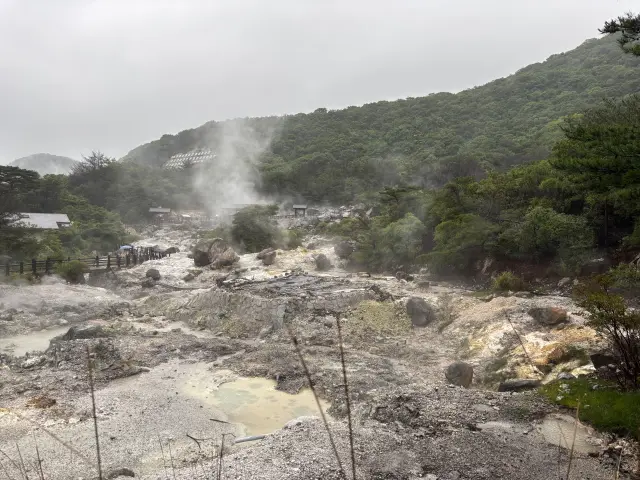
Unzen Jigoku is filled with white steam and a strong sulfur smell, showcasing the powerful volcanic energy of nature. Walking along the trail, you can admire the steam vents and rocky scenery—it’s both impressive and fascinating. You can also try hot spring–cooked eggs. This natural attraction is well worth a visit.
Unzen Jigoku (the Hells of Unzen) | Review by 汪汪妮
Other Reviews by 汪汪妮
-

Onuma Quasi National Park
In July 1958, Onuma Quasi-National Park was designated as the 13th in the nation and the only quasi-national park in southern Hokkaido.
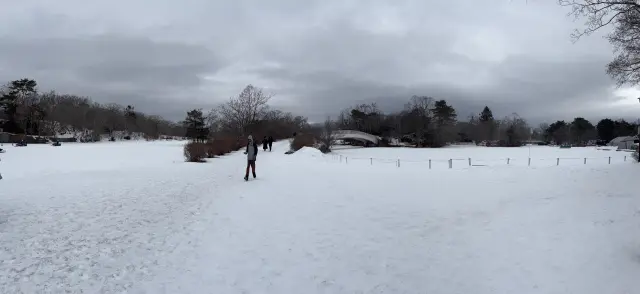
Onuma Quasi-National Park in winter feels as if the snow has gently pressed the mute button. Here in southern Hokkaido, the lake is covered in a layer of pristine ice and snow, while Mount Komagatake in the distance is draped in silvery-white peaks. The lake and mountain scenery is less lively than in summer, but it has a breathtaking tranquility instead.
Walking along the lakeshore, I stepped through soft snow, hearing only the faint crunch of footsteps and feeling the frigid air blowing toward me. Small islands of various sizes are connected by wooden bridges, and the winter snow outlines the bridges, treetops, and shoreline like a natural watercolor painting. Every so often, I looked up at Mount Komagatake. The magnificent mountain scenery set against the pure white snowfield made me stop and quietly admire the beautiful view before me.
Onuma Quasi-National Park in winter may not have the colorful cherry blossoms of spring, greenery of summer, or maple leaves of fall, but its unique snow-country charm reveals Hokkaido at its purest. A walk along the lakeshore in the cold wind lets you feel more than just the chill of the ice and snow—it also brings a sense of ease, far from the noise of the city and close to nature.
If winter in Hokkaido is a journey in white, then Onuma Quasi-National Park is one of its most memorable pages.
-
-
Towada Shrine
Located on Nakayama Peninsula, which juts into Lake Towada, this ancient shrine is said to have been founded in 807 by Sakanoue no Tamuramaro, a shogun who enshrined Prince Yamato Takeru as a warrior deity. During the Edo period, Towada Shrine was revered alongside Mount Osore as one of the two great sacred sites of the region, flourishing as a place of ascetic practice.
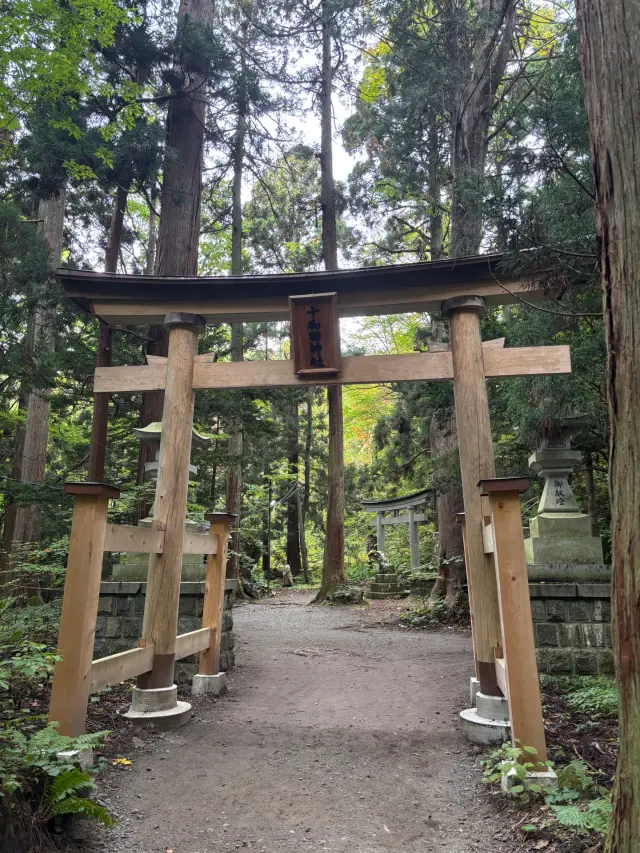
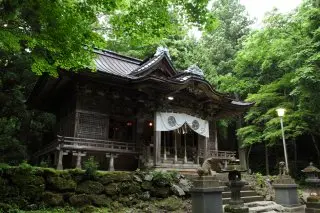
Walking into Towada Shrine on the shores of Lake Towada in Aomori Prefecture feels like entering a mysterious place protected by the forest. Following the approach, towering cedar trees block the sunlight, the fresh scent of trees fills the air, and all you can hear is the wind blowing through the treetops, making you slow down without realizing it. Compared with typical bustling tourist attractions, Towada Shrine feels more secluded and solemn, which makes it even more memorable.
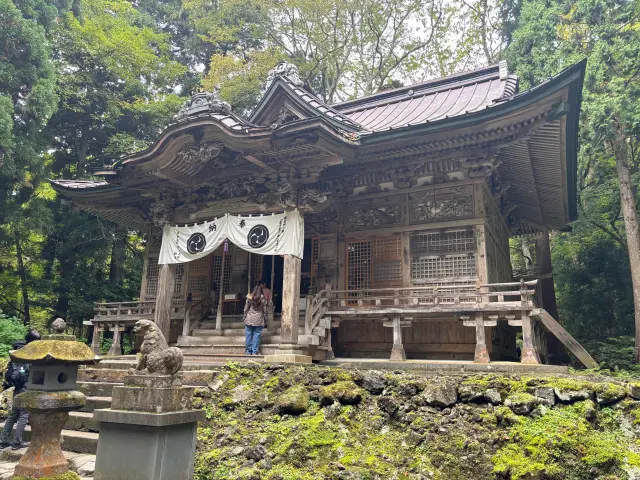
After climbing the stone steps, the old shrine buildings sit quietly deep in the forest. Their simple appearance blends into the surrounding natural scenery, revealing the distinctive, unspoiled beauty of northeastern Japan. Standing before the shrine and taking in the tranquility of the surrounding forest, it feels as though time itself has slowed down. After praying, returning to the shores of Lake Towada to admire the deep-blue water and mountain scenery gives you an even greater appreciation for the area's deep connection to nature and its culture of faith.
This visit to Towada Shrine wasn't flashy or lively, but it left me with profound and peaceful memories. If you're looking for a place to escape the noise of the city and experience Japan's ancient culture and natural beauty, Towada Shrine is definitely worth visiting in person.
-
-
Chuson-ji Temple
Chuson-ji Temple, founded in 850 AD, owns over 3,000 national treasures and important cultural properties and is also registered as a World Heritage site. This temple was built to transmit the powerful wish to comfort the spirits of those killed in the Tohoku War, no matter which side they were on.
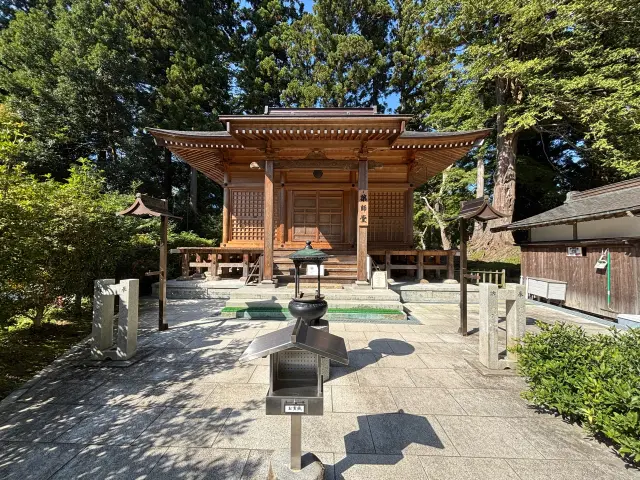
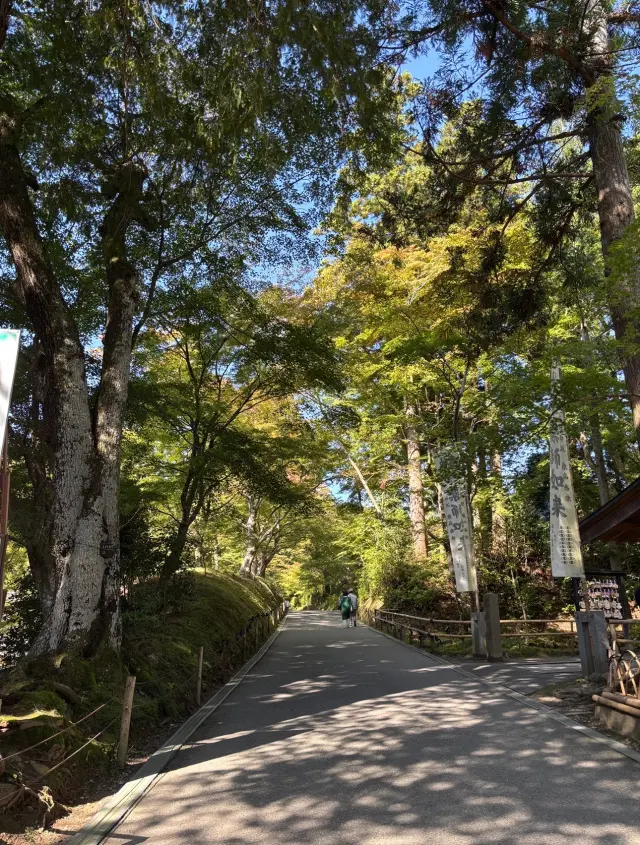
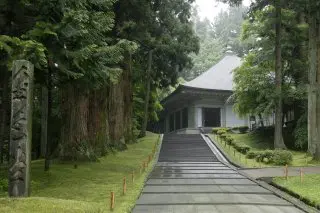
Located in Hiraizumi, Iwate Prefecture, Chuson-ji Temple is one of the Tohoku region's most iconic historic sites and a renowned World Heritage Site in Japan. Walking along the approach through lush woods, the solemnity of the ancient temple intertwines with the tranquility of nature to create a unique atmosphere, making you feel as though you've stepped into a thousand years of history.
The most anticipated sight is Konjikido, or the Golden Hall. Decorated with lavish craftsmanship using gold leaf and mother-of-pearl inlay, it is exquisite and dazzling, and is Chuson-ji Temple's most precious cultural treasure. In addition to admiring the beauty of the architecture, you can experience the distinctive Zen atmosphere and tranquility of a Japanese temple amid the mountain forests as they change with the seasons.
When visiting Chuson-ji Temple, take your time and appreciate the traces of history woven together by the old trees, stone steps, and temple buildings. This is more than just a sightseeing trip; it's a cultural stroll through a thousand years of history.
-