If you're visiting Nagasaki, I highly recommend making a trip to Shikairou. It's near Oura Cathedral and about a 2-minute walk from the Oura Cathedral streetcar stop, so it's pretty easy to find. The restaurant has an elevator that takes you directly to the dining room on the fifth floor, so you don't have to climb the stairs. That's really convenient for anyone who's been walking all day while traveling.
I highly recommend getting a window seat, where you can eat while looking out at the ocean. The atmosphere is very relaxing and has a bit of Nagasaki's distinctive port-city charm.
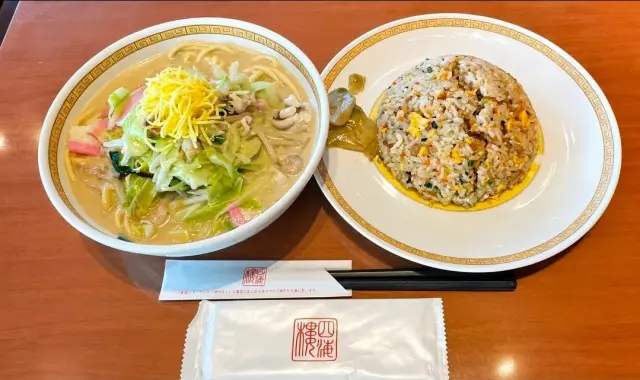
My first thought when the champon arrived was, “This is loaded!” It was packed with vegetables, seafood, and other toppings, and the portion was quite generous. I thought I'd be really full after finishing it, but even after eating the whole bowl, I still wanted a little more.
If you want to try one of Nagasaki's signature local dishes, champon is definitely worth adding to your itinerary!
And taking your time eating by a window with an ocean view makes the whole dining experience even better.
Shikairou Chinese Restaurant | Review by 王小鈞
Other Reviews by 王小鈞
-
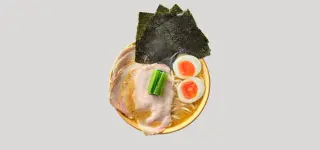
Iekei Ramen Kakushinka TOKYO
Iekei Ramen Kakushinka TOKYO is run by the owner behind SORANOIRO, whose original restaurant received a Bib Gourmand in the MICHELIN Guide Tokyo on three occasions. The shop specializes in Iekei ramen, a Yokohama-style ramen with a pork-bone and soy sauce broth, and operates on Tokyo Ramen Street under the concept of “bringing innovation to Iekei ramen.”
A new style of Iekei ramen created by an owner who has received the Bib Gourmand distinction three times.
Walking into the restaurant, the first thing you see is the familiar counter seating of a Japanese ramen shop. Sitting there and watching bowl after bowl of steaming ramen being served, along with the various seasonings provided on the counter, made me look forward to tasting the ramen.
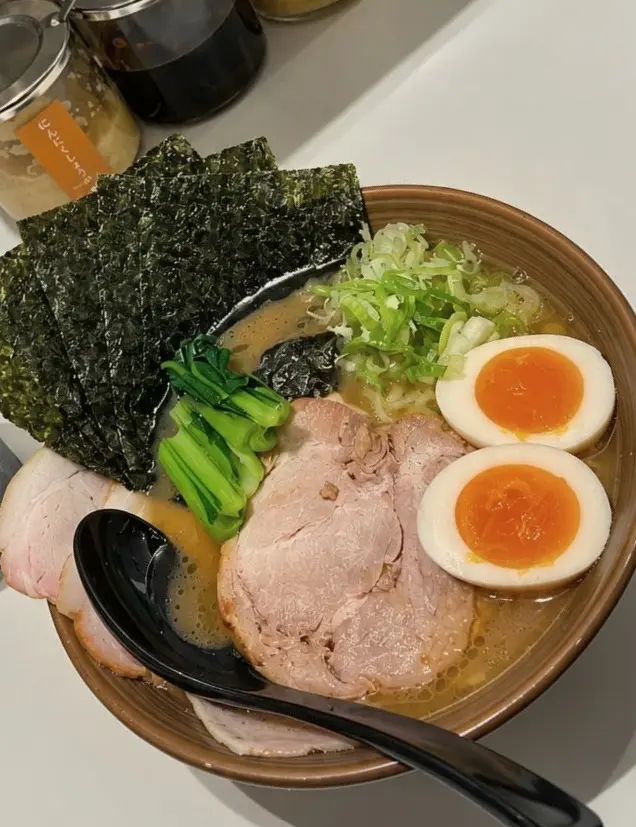
This time, I ordered a bowl of their signature Iekei ramen. When it arrived, the generous amount of toppings made it look quite substantial: chashu, nori, greens, chopped green onions, and a soft-boiled egg with a runny center. It was visually appealing. The broth had the rich flavor characteristic of Iekei ramen, and I also liked the texture of the noodles. They were neither too firm nor too soft, had a satisfying bite, and went well with the broth.
I also ordered a Nikutama rice bowl for JPY 350, and unexpectedly, this small bowl of rice left an even stronger impression on me! It came with a generous amount of diced chashu, and the portion was substantial. Grilling gave the meat an enticing charred aroma. Mixing it with the egg brought the flavors of the meat, egg, and rice together, and every bite was packed with chashu. It was really delicious!
However, as I continued eating, I noticed something that was harder for me to get used to: everything was quite salty. Both the ramen broth and the sauce on the Nikutama rice bowl were noticeably salty. It was fine at first, but the more I ate, the heavier it tasted, and I couldn’t help drinking water to cut through the richness.
Overall, the noodles had a nice texture, and the chashu Nikutama rice bowl is especially worth recommending. People who enjoy the aroma of grilled chashu will probably love it. For me, though, it was simply too salty. If the broth and sauce were a little lighter, the overall dining experience would be even better!
-
-
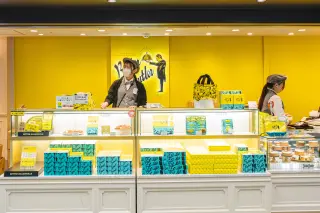
Butter Butler TOKYO GIFT PALETTE
Butter Butler is a sweets brand built around the idea of butter as the star ingredient, made with carefully selected butter sourced from around the world. In addition to signature favorites such as Butter Financier and Butter Galette, the most popular item is Butter Millefeuille, sold exclusively at the Tokyo Gift Palette store.
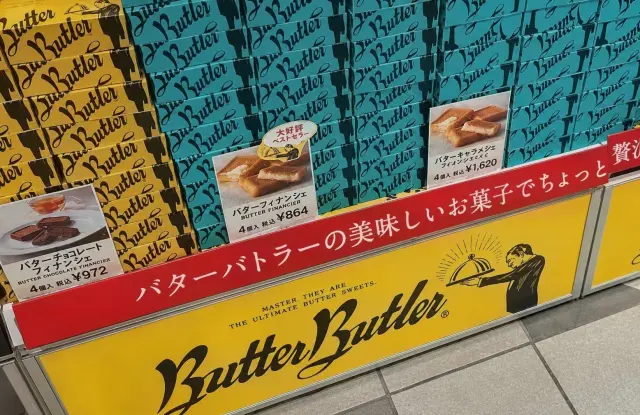
A dessert shop that puts carefully selected butter front and center, best known for its Butter Financier. While browsing the souvenir area at Tokyo Station, I was drawn to Butter Butler’s bright yellow and teal packaging. An entire wall was filled with neatly stacked gift boxes, making the brand instantly recognizable. The packaging had me sold before I even tried anything!
Their Butter Financier really left a strong impression on me! What I love most is its rich, irresistible buttery aroma. The outside is baked until slightly crisp, while the inside stays moist and delicate. Every bite is full of rich butter flavor with a subtle hint of maple, and the sweetness is just right.
I especially love how the buttery flavor slowly spreads through your mouth. It makes it hard to stop eating one bite after another.
Although they aren’t exactly cheap, the elegant, high-quality packaging and delicious Butter Financiers make them perfect as gifts or souvenirs.
This time, I bought several boxes to take back to Taiwan for friends and family. I wanted to share something I love with the people around me!
-
-
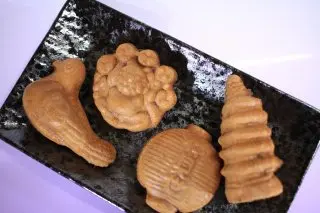
Kimuraya Honten
Kimuraya Honten is one of the oldest shops in Asakusa, boasting the longest history among the numerous doll-shaped cake shops in the area, having been founded in the 4th year of the Keio era (1868). Located at the very end of Nakamise Street, just before the treasure house gate of Sensoji Temple, the shop is always bustling with many tourists.
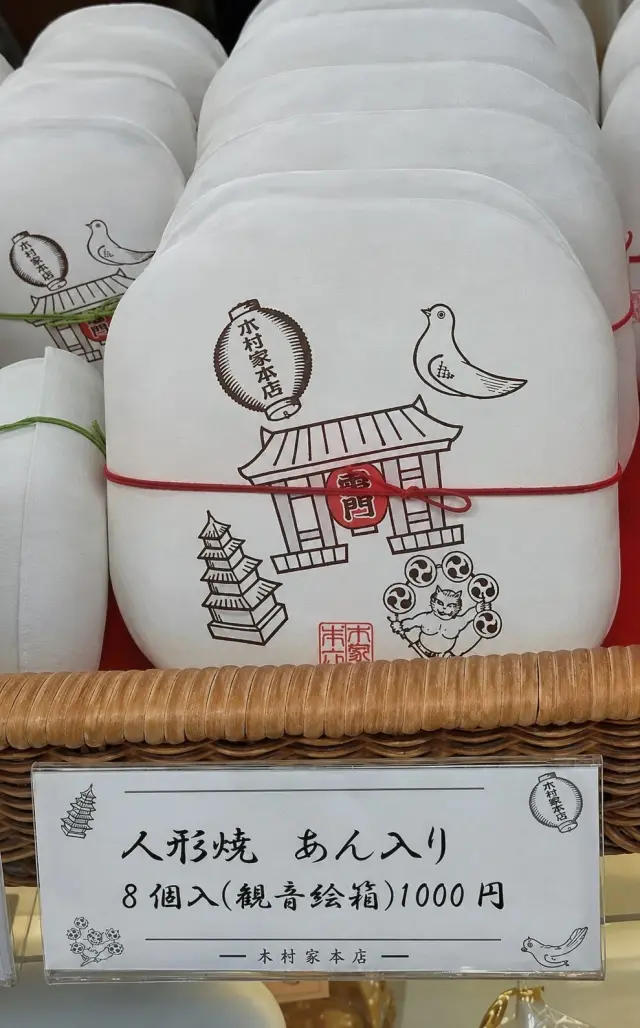
When visiting Nakamise Street in Asakusa, you can’t miss the historic Kimuraya Honten! The shop is best known for its ningyo-yaki shaped like famous Asakusa landmarks. They’re very cute and filled with red bean paste, kind of like a Japanese, shaped version of a red bean egg cake.
When I passed by, I saw quite a few people lined up to buy them. The lively crowd made me stop and join everyone else in trying some.
The cake had a light egg aroma, and the texture was soft and fluffy, like a slightly denser traditional egg cake. The red bean filling was smooth and delicate, and together with the cake, it had the flavor of a Japanese wagashi sweet.
However, the red bean filling was still a little too sweet for me. People who enjoy Japanese sweets would probably really like it.
When visiting Asakusa, besides seeing Kaminarimon and the lively streetscape of Nakamise Street, it’s also worth buying some to experience this traditional local treat. For me, trying it once made for a memorable experience, but I’m not that likely to buy it again!
-