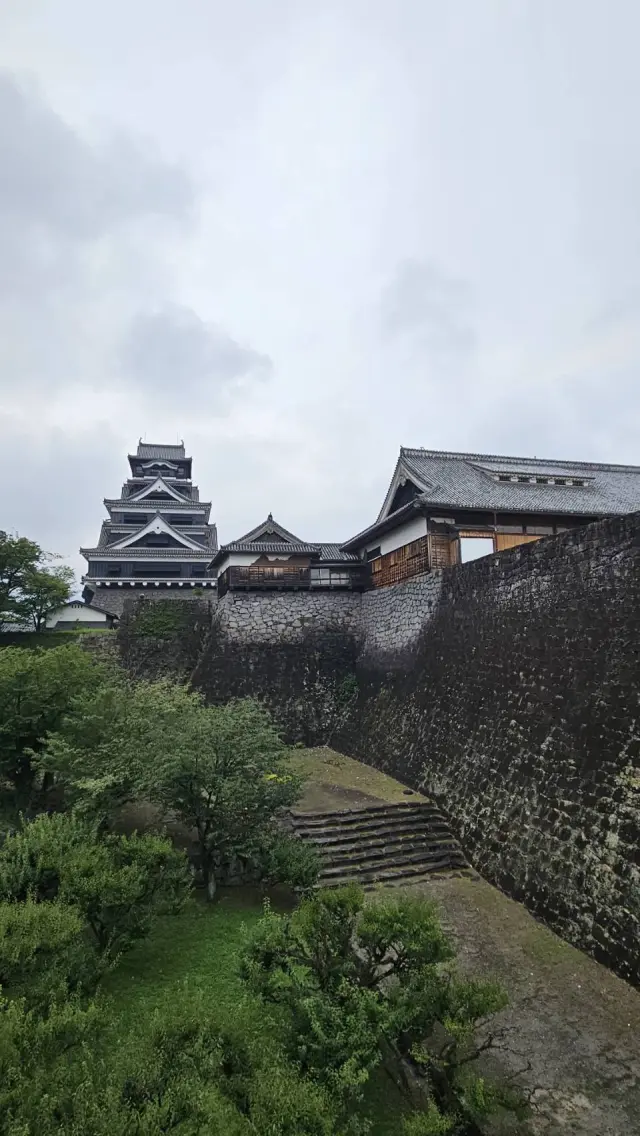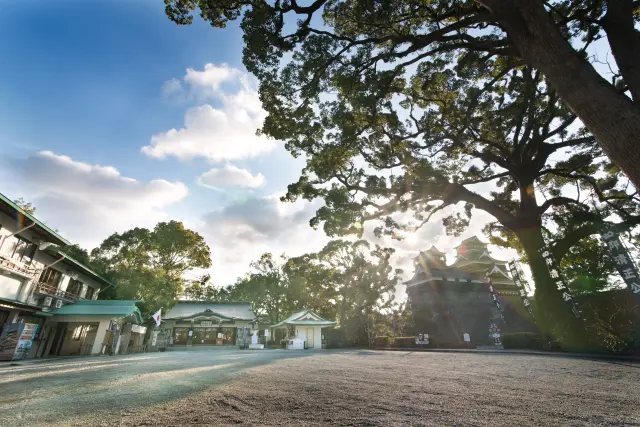
Kumamoto · Kumamoto Castle (Ginkgo Castle)
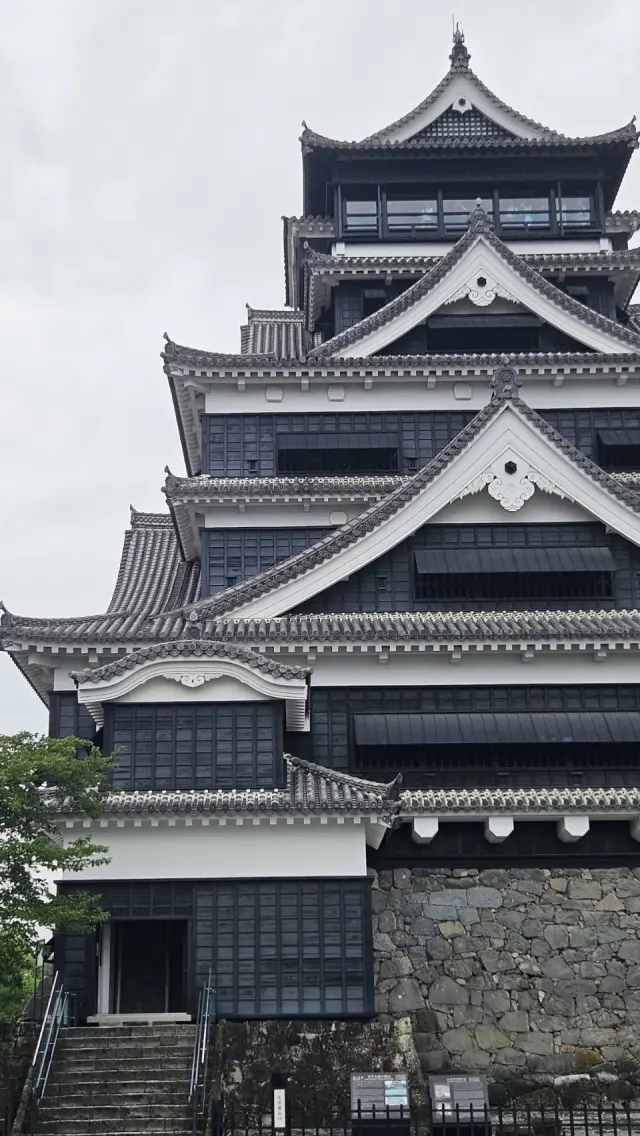
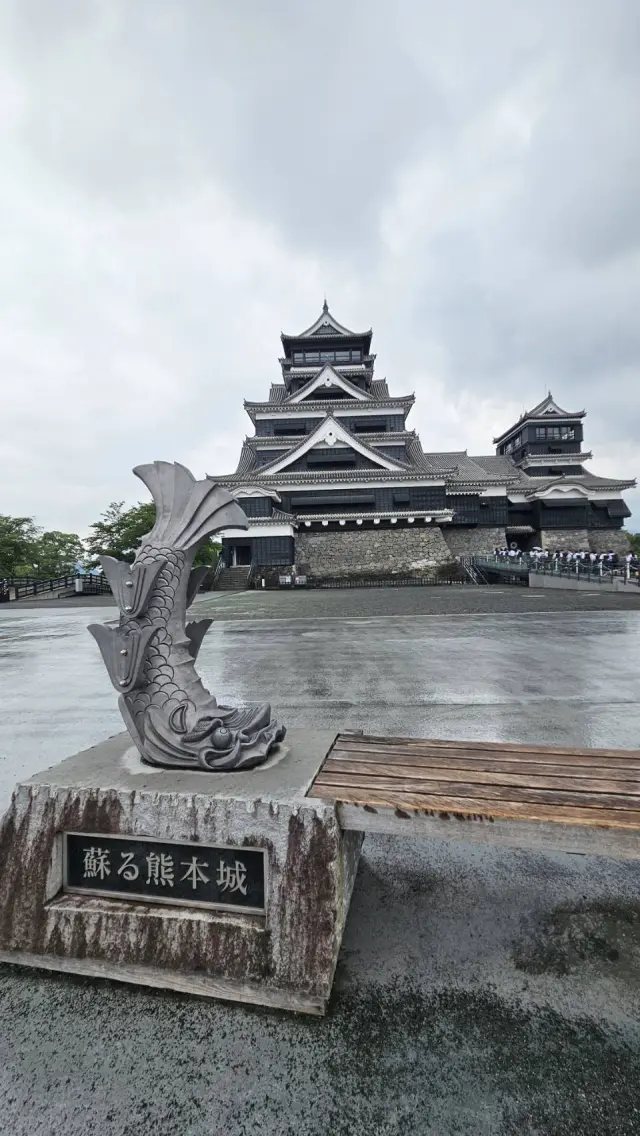
The journey began in Kumamoto and also came to an end there. Standing in front of Kumamoto Castle, looking at the black-and-white keep, the massive stone walls, and the traces of history still being restored, I truly understood that even the strongest fortress is no match for the power of nature. Kato Kiyomasa built this famous castle, which remained standing through wars and fires but was severely damaged in the 2016 Kumamoto Earthquake. Today, it is being rebuilt step by step using historical construction methods so that its cultural legacy can continue.
On this journey, I saw not only a magnificent old castle, but also the Japanese people's respect for cultural heritage and their indomitable spirit in the face of disaster. History is not just words in a book, but stories that truly remain in every roof tile, every stone, and every wooden structure. A person's life will eventually become a page in history, and the value of travel lies in broadening one's horizons and gaining knowledge with every stop, making life richer by visiting more places and witnessing more stories.
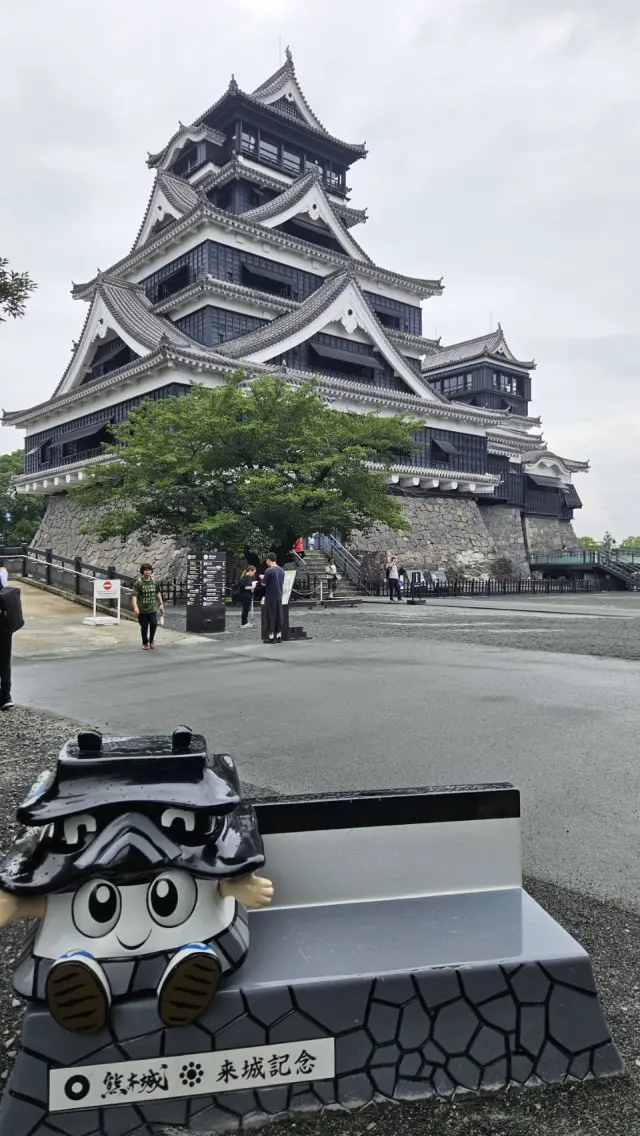
Kato Shrine at Kumamoto Castle | Review by 陳泰任
Other Reviews by 陳泰任
-
SAKURA MACHI Kumamoto
Opened in 2019, "SAKURA MACHI Kumamoto" is a large multi-complex facility featuring approximately 150 stores, including fashion, cosmetics, and restaurants. It also houses a major event venue, "Kumamoto-jo Hall," a 9-screen cinema complex, "TOHO Cinemas," "KOKO HOTEL Premier Kumamoto," as well as offices and condominiums.
SAKURA MACHI Kumamoto—Between the Historic Castle and the Future, Bringing the Journey to a Close
At the end of our trip, we arrived at SAKURA MACHI Kumamoto. The glass curtain walls reflected the drifting clouds, modern streetcars traveled through the streets, and department stores, the transit center, and urban green spaces came together to create a new way of life. Not far away, Kumamoto Castle still stood quietly, preserving centuries of historical memory.
The new and the old may seem at odds, yet they find the most natural balance in this city. The historic castle reminds people not to forget where they came from, while modern architecture leads the city toward the future. Technology makes life more convenient, but it cannot replace the warmth left by history; nor should the marks carved by time hinder the steps of progress.
Our five-day, four-night trip through Kyushu came to an end amid this contrast. Perhaps what we truly take away from travel is not just the scenery captured by our cameras, but an understanding of a city—progress and old-world simplicity have never been an either-or choice, but rather complement each other through the passage of time. As the train departed once again, I left with this feeling, looking forward to returning to Kumamoto someday to see how the city will write its next chapter. -
-
Koinoki Shrine
Located within the precincts of Mizuta Tenmangu Shrine, which was built in 1226 to worship Sugawara Michizane, the god of learning, this is the only rare shrine in all of Japan dedicated to Koinomikoto, the god of love. This shrine is popularly known as the "god of good marriage and happiness" and the "god of love.
Fukuoka, Chikugo | Koinoki Shrine—Discovering Love in Its Purest Form Amid the Ordinary
Located in Chikugo, Fukuoka Prefecture, Koinoki Shrine is the only shrine in Japan dedicated to Koinomikoto, the deity of love. It is also one of the few shrines in the country devoted specifically to prayers for good relationships and success in love. From the approach and amulets to the ema plaques and shrine crest, hearts are everywhere, making it feel like a sanctuary filled with happiness and hope.
Unexpectedly, there were no other visitors when I went. The only sounds were cicadas, the breeze, and the quiet warmth of the sunshine. There was none of the romance of Tanabata or the bustle of Valentine’s Day, which made it easier to appreciate the shrine’s true charm. From Lovers’ Bridge and the sacred Koinoki tree to the guardian statues of the 12 zodiac animals, every detail carries blessings for love, destiny, and happiness.
Perhaps I’m already past the age of butterflies, but in this peaceful setting, I was reminded that love does not have to be dramatic. It can simply mean cherishing the person beside you and continuing to walk hand in hand through ordinary days. Koinoki Shrine watches over more than romance—it celebrates the kind of bond that lasts a lifetime. Among all the heart-shaped symbols, this visit helped me rediscover the simplest joy of happiness. -
-
Yanagawa River Boating
Yanagawa, also known as the city of water, is located in the south of Fukuoka Prefecture. Here you’ll find old-world streetscapes that still keep the lattice-like waterways from the Edo period. When you’re here, the absolute must-see is the inter-city river boating experience. No matter what season, you’re guaranteed for a fun and relaxing time as the boat captain serenades and shares stories around the area.
Yanagawa: The Boatman’s Song
After enjoying authentic grilled eel rice and shrimp tempura in Yanagawa, Fukuoka, we boarded a flat-bottomed boat for the famous river cruise. Using only a bamboo pole, the boatman skillfully navigated the old waterways and stone bridges, showing remarkable expertise. The intense summer heat quietly faded amid the shade along the banks, the breeze over the water, and the tranquil scenery.
Most memorable was the boatman’s warm, resonant voice. He sang everything from “Nada Soso” and classic Teresa Teng songs to tunes from “My Neighbor Totoro” and “Doraemon.” As our boat drifted along, his singing filled the journey with joy and emotion. Yanagawa’s beauty lies not only in its picturesque waterways, but also in how the boatman transformed an ordinary cruise into a treasured travel memory with his songs and smile. It became one of the most unforgettable moments of our trip to Kyushu. -