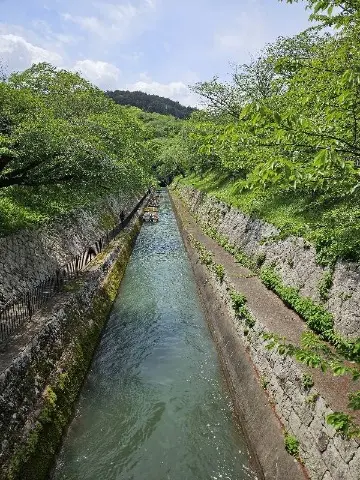
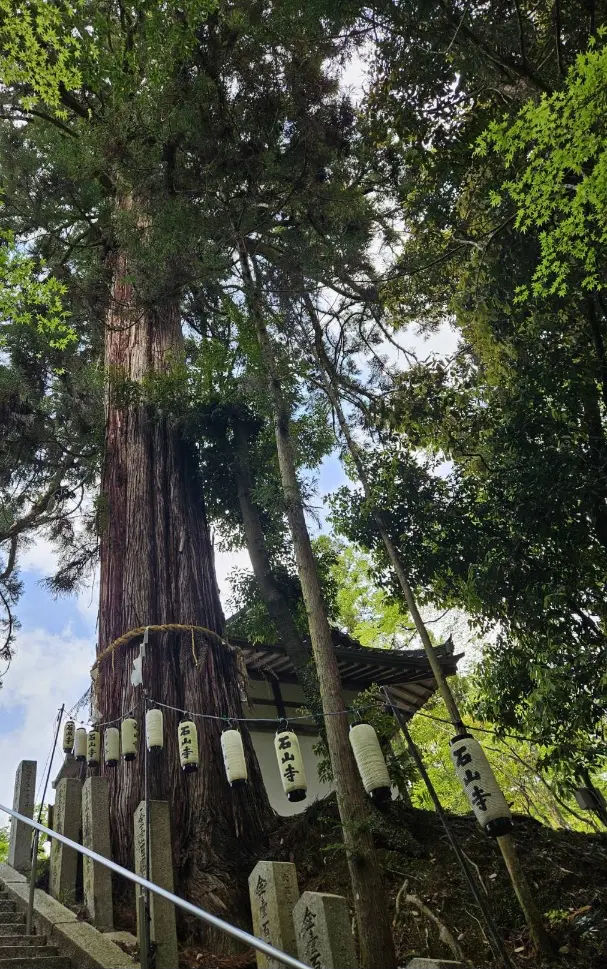
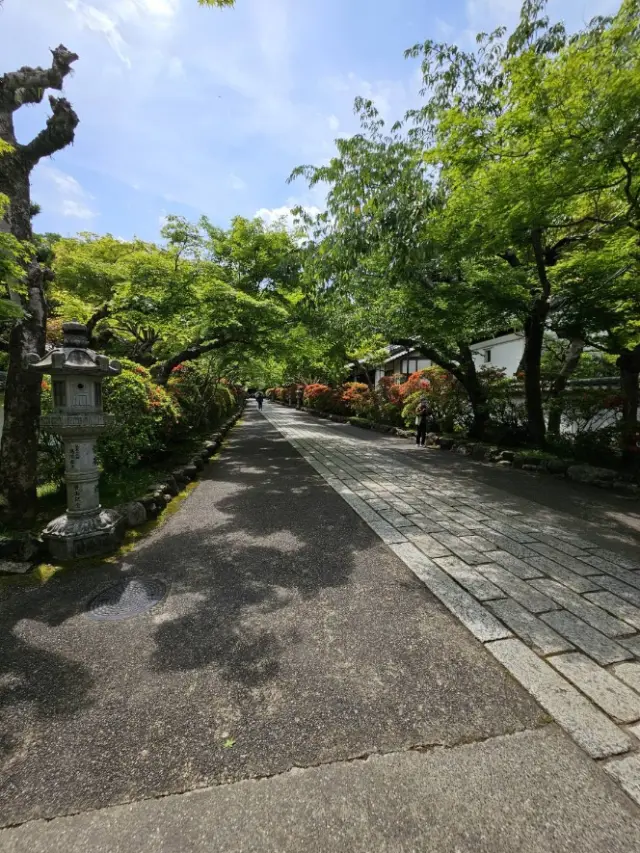
Take the Keihan Ishiyama-Sakamoto Line and get off at Miidera Station. As you follow the walking path, you can see Mii-dera Temple standing on the hill in the distance. Along the way, you pass the Lake Biwa Canal, where visitors leisurely cruise in boats.
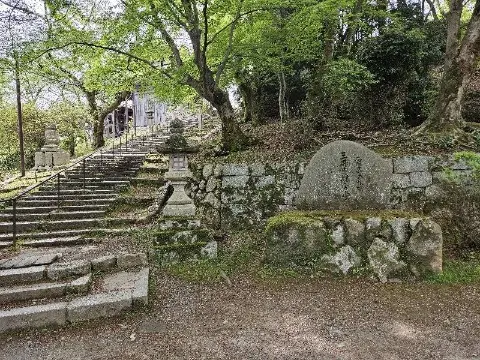
The temple grounds are vast. Stepping inside, you feel an old-fashioned simplicity and tranquility that is difficult to put into words. There are many different goshuin available at the entrance, drawing the attention of travelers. Walking up the stone steps surrounded by the refreshing scent of the trees, I surprisingly did not feel tired at all. The wooden temple buildings truly seem to have the magical power to cleanse away the troubles of the world. Looking down from the high ground beside the main hall, the breathtaking beauty of Lake Biwa fills your view like a magnificent landscape painting.
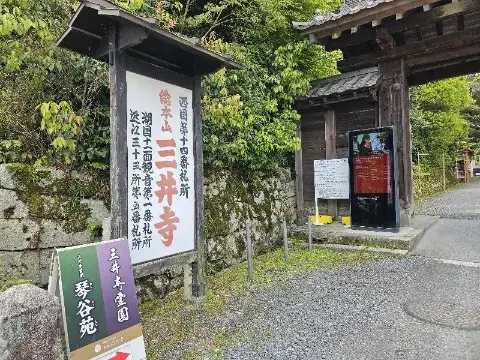
Mii-dera (Onjoji) Temple | Review by Rita
Other Reviews by Rita
-
Ishiyamadera Temple
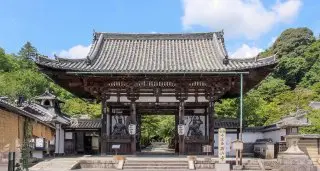
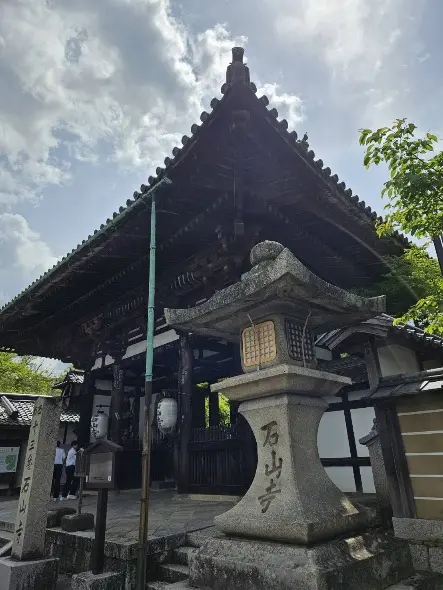
This is the head temple of the Shingon school on the bank of the Seta River, which flows from Lake Biwa, the largest lake in Japan. There are strange rocks erected all over the precincts, including the large rock towering in front of the Hondo (main shrine).
Ishiyamadera Temple sits on a massive natural wollastonite rock formation. It is the 13th temple on the Saigoku 33 Kannon Pilgrimage, and its principal deity is Nyoirin Kannon. Its “Autumn Moon at Ishiyama” is also one of the famous Eight Views of Omi.
When the long path into the temple grounds is lined with fresh greenery, waves of freshness automatically put you into a relaxed state of mind. There were not many visitors on the day I went, and everything felt peaceful and timeless. Throughout the grounds, the main hall, Genji Room, Tahoto Pagoda, and pond in front of Ishiyama were all impressive and full of surprises. -