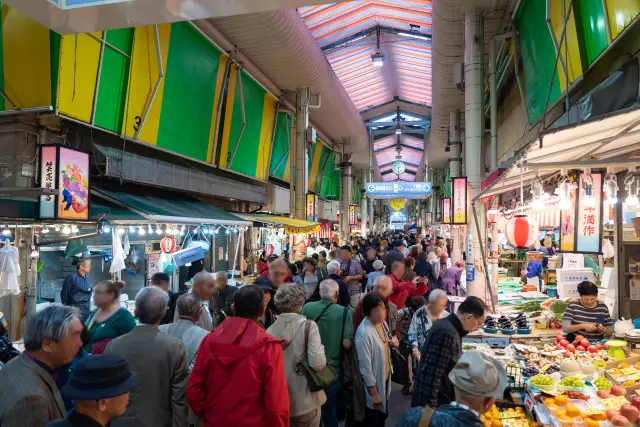
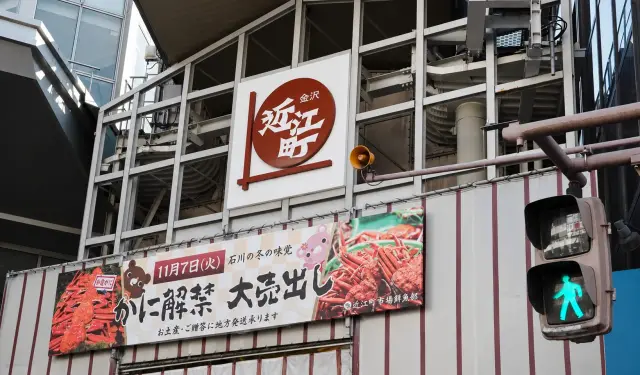
I made a point of visiting the seafood market on this trip to Kanazawa, and it was really worth it! The market is incredibly lively, with a dazzling variety of fresh seafood, sushi, scallops, crab, sea urchin, and local snacks. Just walking around and looking at everything works up an appetite. Although there are quite a few tourists, the market is clean and easy to navigate. Many stalls prepare food to order, so you can enjoy seafood at its freshest and sweetest. The vendors are also very friendly and will enthusiastically explain things even if there's a language barrier. The prices are a little high, but the freshness and quality are both very good. It's a must on any trip to Kanazawa!
Omicho Market | Review by 楊雅雯
Other Reviews by 楊雅雯
-
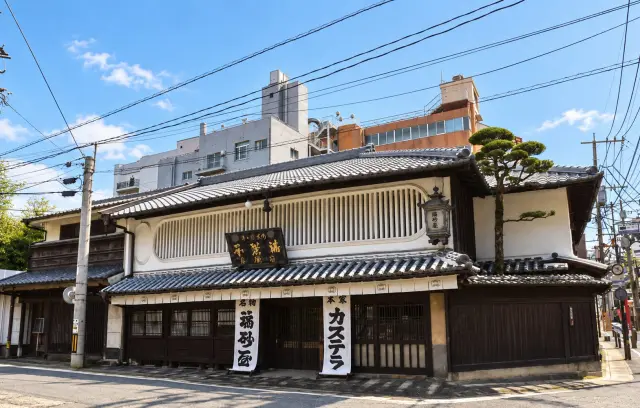
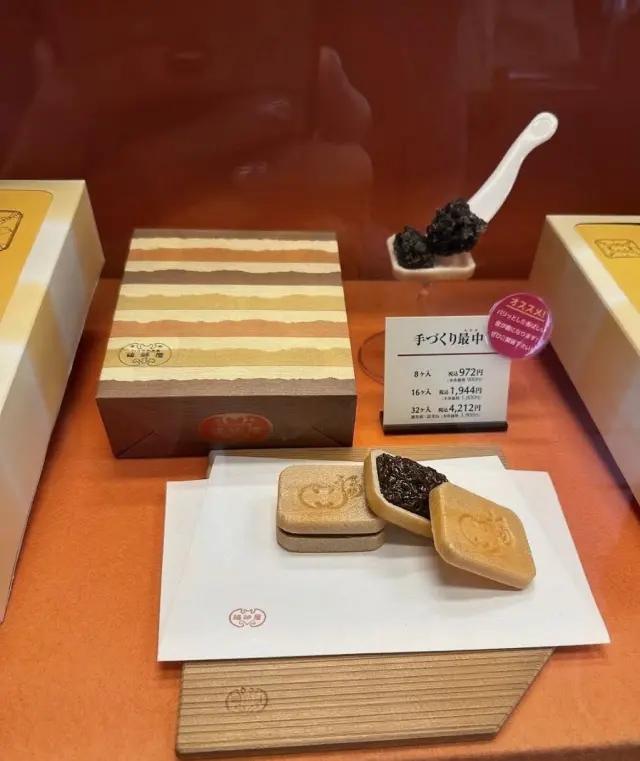
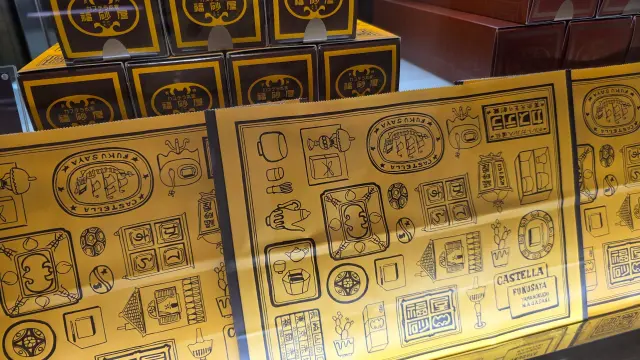
Fukusaya Nagasaki main store
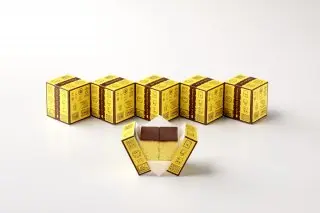
Castella, a sponge cake brought to Nagasaki in the mid-16th century along with Nanban trade, quickly became a favorite across Japan thanks to its fluffy deliciousness and high nutritional value. It was particularly embraced by students who came to Nagasaki from all over Japan to study medicine and Dutch studies.
When visiting Nagasaki, how could you miss its most iconic classic dessert, Nagasaki castella? Founded in 1624, Fukusaya is a long-established castella shop that embodies Nagasaki's traditions and flavors.
The castella is delicate and moist, sweet but not overly so, with delightful sugar crystals on the bottom that add a unique texture. Every bite makes you want another!
All I can say is, it's so delicious! It truly deserves its reputation as a classic Nagasaki castella shop! Even a simple slice lets you experience the appeal of flavors passed down for centuries.
If you're visiting Nagasaki and enjoy Japanese sweets, this place is definitely worth adding to your food list! It's perfect for enjoying yourself or giving as a souvenir to friends and family.
-
-

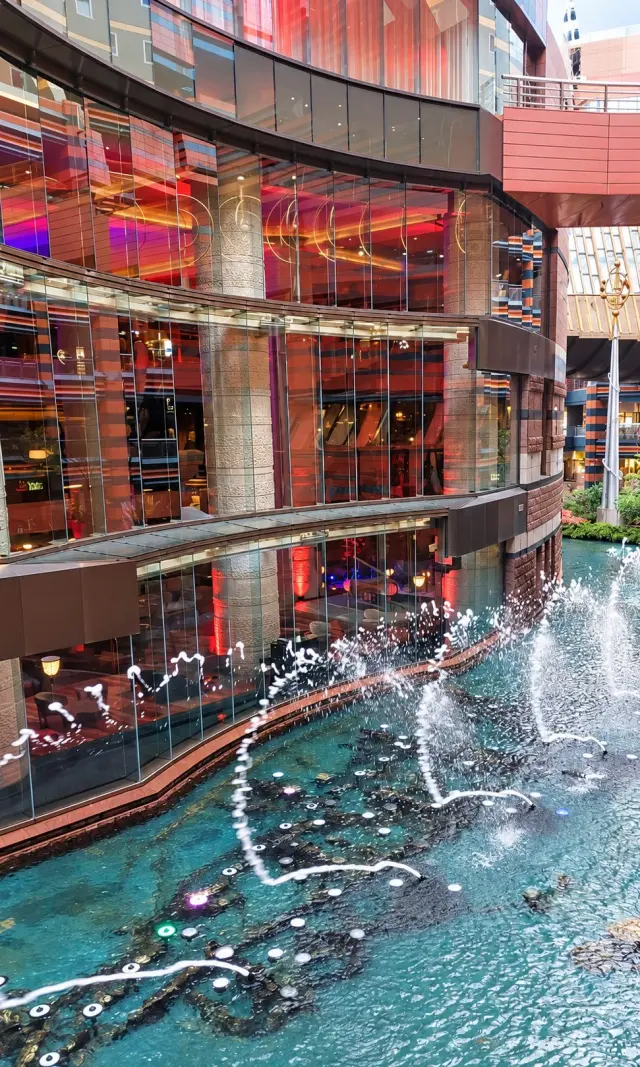
Canal City Hakata
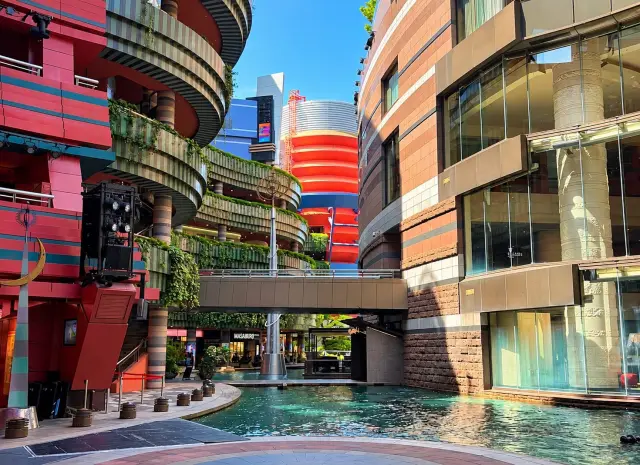
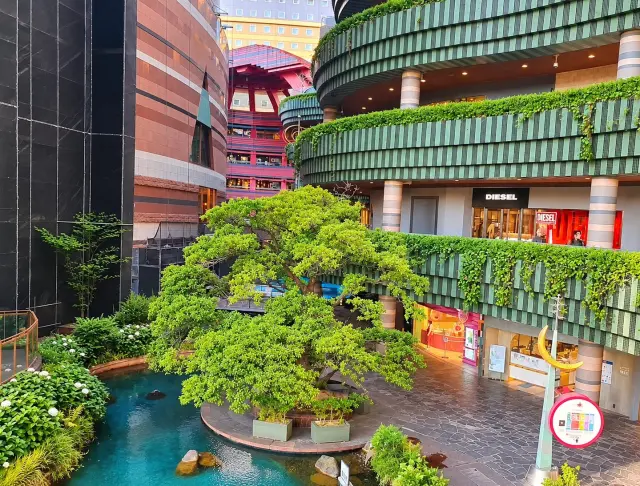
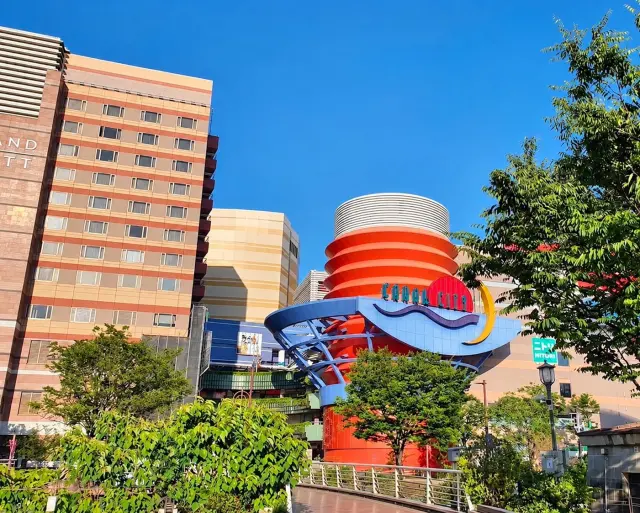
On the vast 43,500m² premises, a shopping mall, movie complex, theater, amusement park and two hotels cluster. Its symbol, a 180m-long canal, crosses along the center of the space lined with colorful buildings.
When visiting Fukuoka, how could you miss this huge shopping and entertainment complex that's so much fun to explore? Canal City Hakata brings together shopping, food, hotels, and entertainment facilities. The mall is enormous, and you can always discover something new as you walk around!
It's also very convenient to get here from the subway station. Whether you want to shop, look for good food, or simply take a stroll and enjoy the lively mall atmosphere, it's a great place to visit. There are also plenty of good restaurants nearby, so when you get tired from walking around, you can find a place to sit down and enjoy a nice meal.
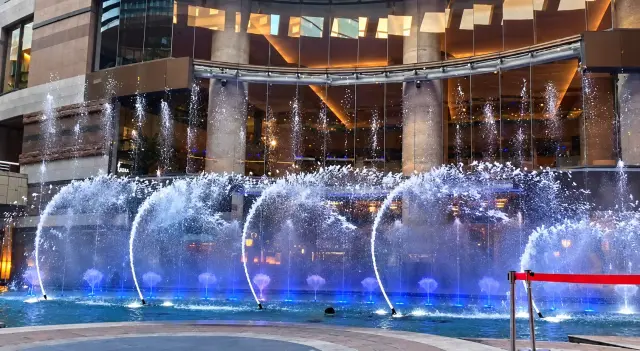
Best of all, there are sometimes spectacular fountain shows with lights and music, adding a touch of romance and excitement to the shopping center!
If you enjoy shopping, food, and performances, it's definitely worth stopping by. You can easily spend half a day here without getting bored〜
-
-
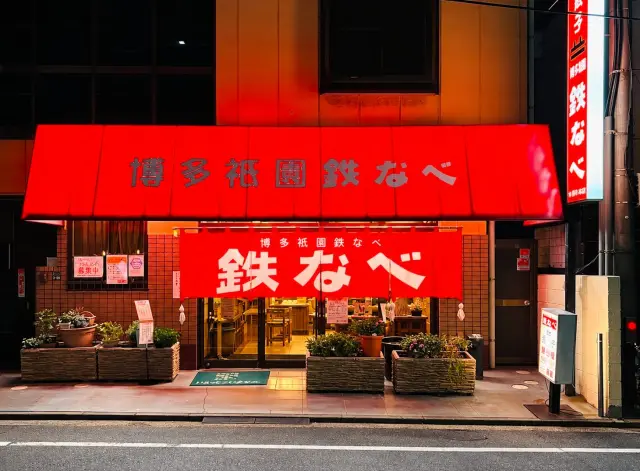
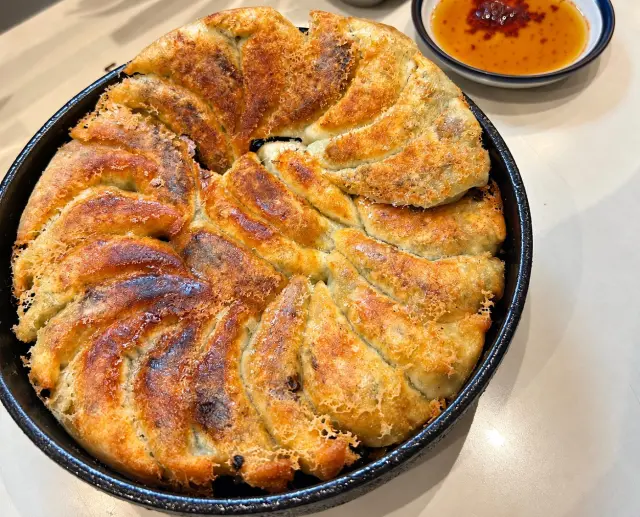
Hakata Gion Tetsunabe
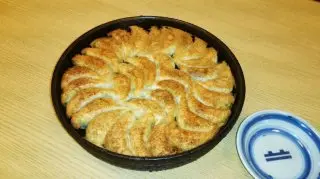
A popular store selling a Fukuoka favorite,“Tetsunabe Gyoza”, which is said to have originated in a yatai stall in Hakata. On a hot pot, small gyozas are packed in a circle, grilling all pieces equally.
When visiting Hakata in Fukuoka, you can't miss this famous local favorite—Hakata Gion Tetsunabe's pan-fried gyoza! When the sizzling hot iron pan arrives at the table, the golden, crispy gyoza immediately make your mouth water! The wrappers are fried until crisp and fragrant, while the filling is flavorful and juicy. Every bite makes you want another one.
Although the restaurant is crowded and you need to wait patiently, and the smell of cooking oil and smoke is a little strong, plus photography isn't allowed inside, so you can't capture what the food looks like, none of that changes how much I like this place. All I can say is, it's worth the wait!
-