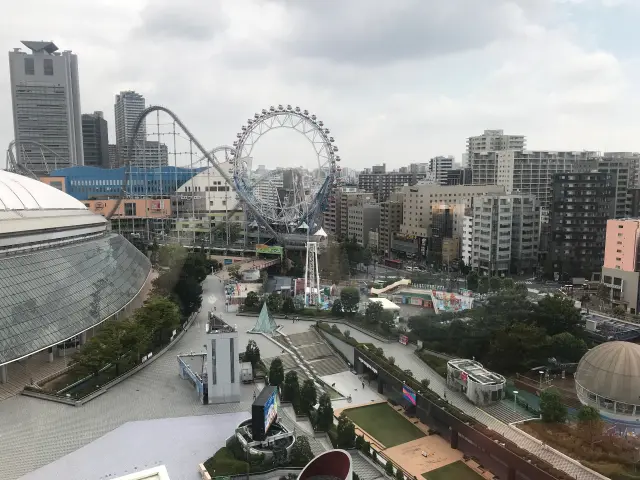
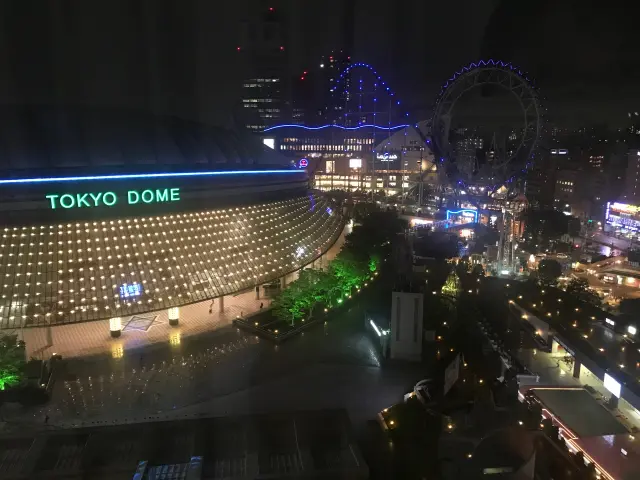
Tokyo Dome City has more to see and do than I expected! Besides Tokyo Dome itself, there are amusement rides, shops, and restaurants nearby. You can stroll around, browse, and stop to buy anything that catches your eye. The rides are fun too, and the whole place has a lively atmosphere. For me, the best part is that there’s no need to rush through an itinerary. You can shop, eat, and have fun all in one place and easily spend half a day here.
Tokyo Dome City | Review by 汪汪妮
Other Reviews by 汪汪妮
-
Sapporo Odori Park
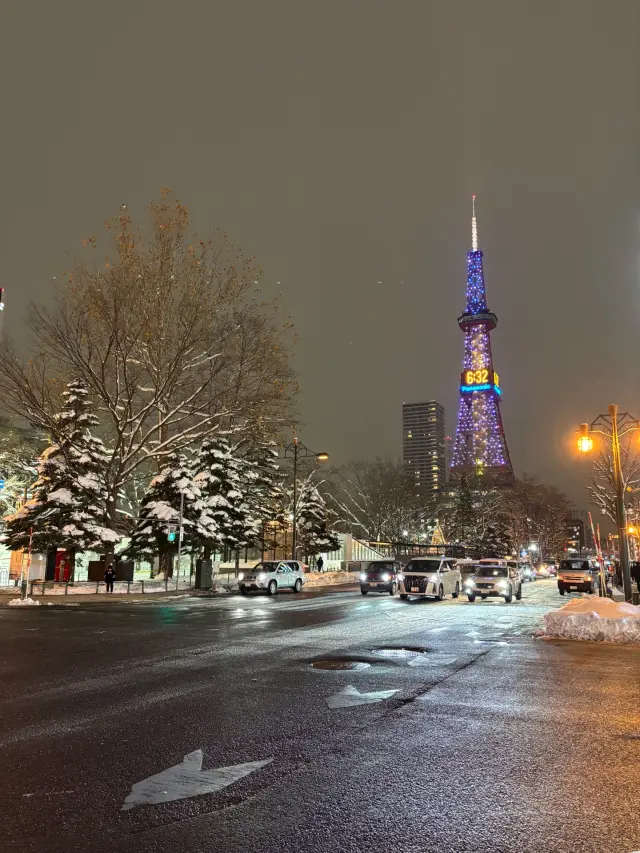
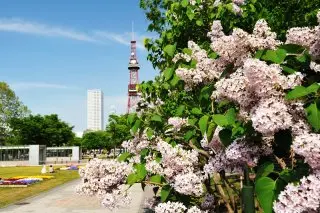
Odori Park is located in the center of Sapporo City. Surrounded by approximately 4,700 trees of 92 species, including lilacs and harunire (elms), as well as lawns and fountains for relaxation, the park is loved by tourists and citizens as a place to relax in the office district.
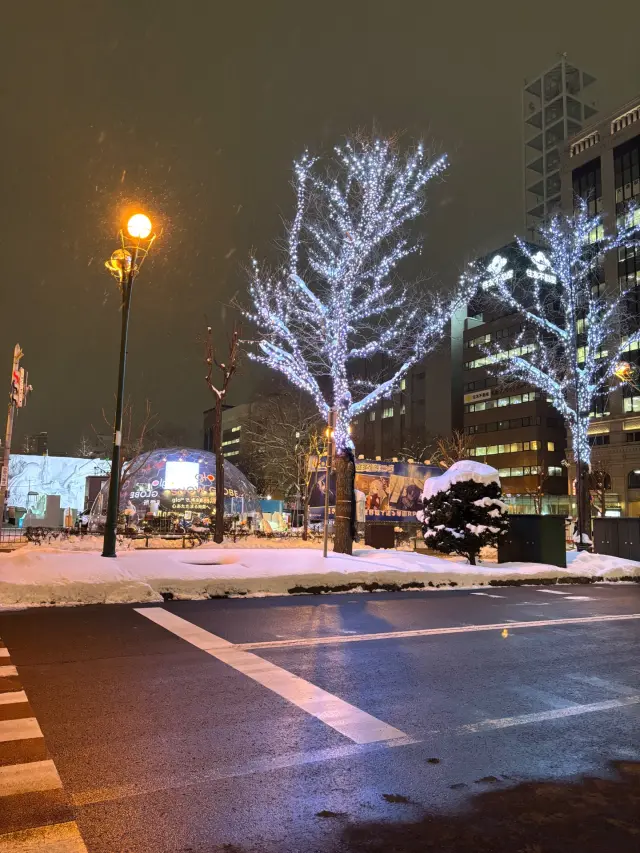
Visiting Sapporo, Hokkaido, in winter, Odori Park seems to be dressed in a silvery-white winter outfit. Strolling through the park, you're greeted by crisp yet refreshing air. Pure white snow blankets the ground, giving the entire city a romantic and peaceful northern atmosphere.
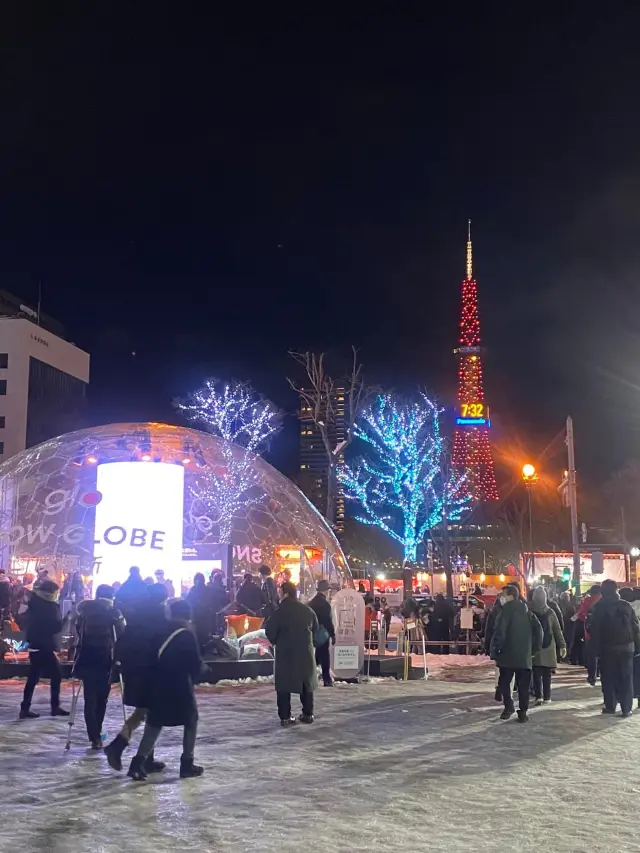
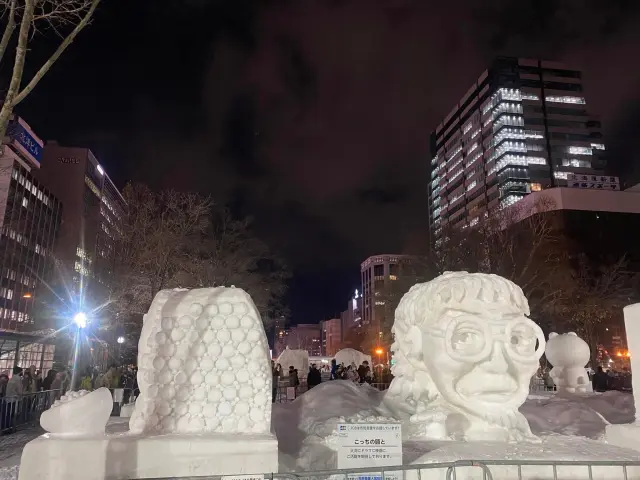
The most exciting part was happening to be there during the Sapporo Snow Festival. The normally spacious Odori Park is transformed into a massive stage of ice and snow, with intricately carved snow and ice sculptures standing throughout the park. Some are grand and imposing, while others feature exquisite details, and they look even more magical under the lights. Walking among them at night, with colorful lights reflected on the sparkling ice and snow, even the cold weather can't dampen the lively atmosphere.
As you admire the spectacular snow sculptures and hear the crunch of snow beneath your feet, everything you see is filled with a charm unique to winter. This visit to Odori Park wasn't just about enjoying the snowy scenery—it felt more like stepping into a magical exhibition that appears only in winter.
-
-

Onuma Quasi National Park
In July 1958, Onuma Quasi-National Park was designated as the 13th in the nation and the only quasi-national park in southern Hokkaido.
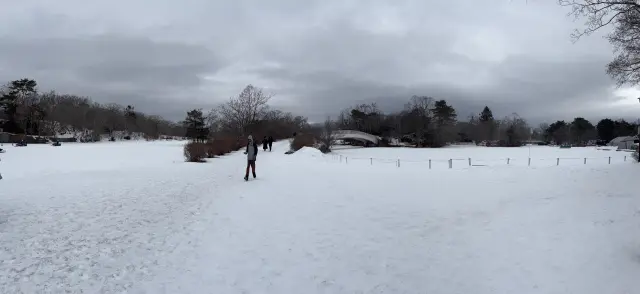
Onuma Quasi-National Park in winter feels as if the snow has gently pressed the mute button. Here in southern Hokkaido, the lake is covered in a layer of pristine ice and snow, while Mount Komagatake in the distance is draped in silvery-white peaks. The lake and mountain scenery is less lively than in summer, but it has a breathtaking tranquility instead.
Walking along the lakeshore, I stepped through soft snow, hearing only the faint crunch of footsteps and feeling the frigid air blowing toward me. Small islands of various sizes are connected by wooden bridges, and the winter snow outlines the bridges, treetops, and shoreline like a natural watercolor painting. Every so often, I looked up at Mount Komagatake. The magnificent mountain scenery set against the pure white snowfield made me stop and quietly admire the beautiful view before me.
Onuma Quasi-National Park in winter may not have the colorful cherry blossoms of spring, greenery of summer, or maple leaves of fall, but its unique snow-country charm reveals Hokkaido at its purest. A walk along the lakeshore in the cold wind lets you feel more than just the chill of the ice and snow—it also brings a sense of ease, far from the noise of the city and close to nature.
If winter in Hokkaido is a journey in white, then Onuma Quasi-National Park is one of its most memorable pages.
-
-
Towada Shrine
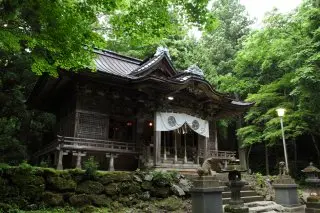
Located on Nakayama Peninsula, which juts into Lake Towada, this ancient shrine is said to have been founded in 807 by Sakanoue no Tamuramaro, a shogun who enshrined Prince Yamato Takeru as a warrior deity. During the Edo period, Towada Shrine was revered alongside Mount Osore as one of the two great sacred sites of the region, flourishing as a place of ascetic practice.
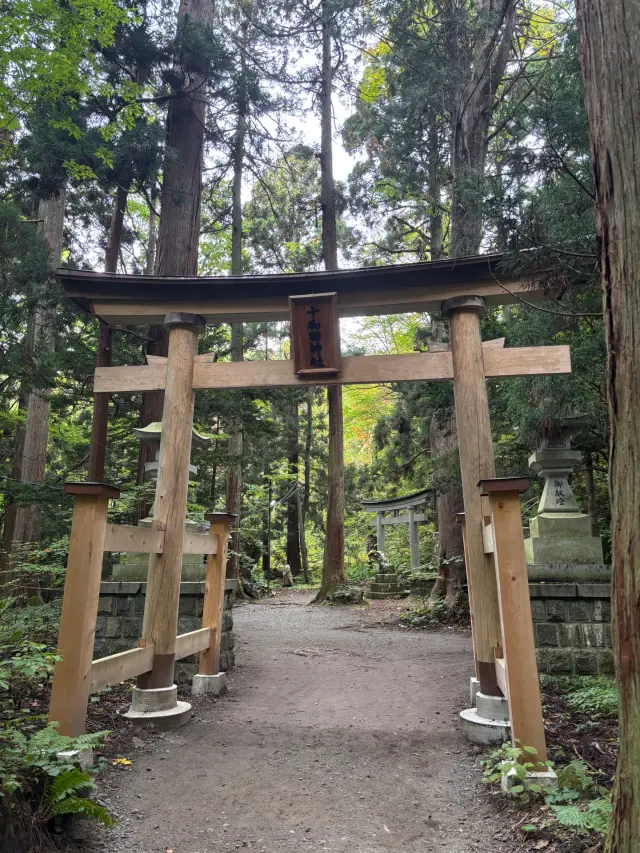
Walking into Towada Shrine on the shores of Lake Towada in Aomori Prefecture feels like entering a mysterious place protected by the forest. Following the approach, towering cedar trees block the sunlight, the fresh scent of trees fills the air, and all you can hear is the wind blowing through the treetops, making you slow down without realizing it. Compared with typical bustling tourist attractions, Towada Shrine feels more secluded and solemn, which makes it even more memorable.
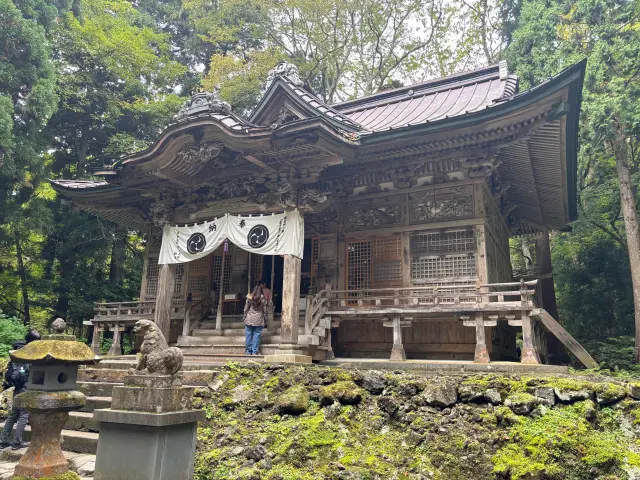
After climbing the stone steps, the old shrine buildings sit quietly deep in the forest. Their simple appearance blends into the surrounding natural scenery, revealing the distinctive, unspoiled beauty of northeastern Japan. Standing before the shrine and taking in the tranquility of the surrounding forest, it feels as though time itself has slowed down. After praying, returning to the shores of Lake Towada to admire the deep-blue water and mountain scenery gives you an even greater appreciation for the area's deep connection to nature and its culture of faith.
This visit to Towada Shrine wasn't flashy or lively, but it left me with profound and peaceful memories. If you're looking for a place to escape the noise of the city and experience Japan's ancient culture and natural beauty, Towada Shrine is definitely worth visiting in person.
-