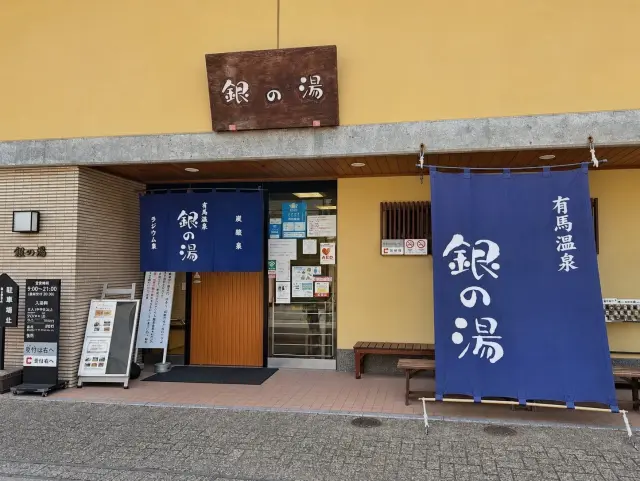
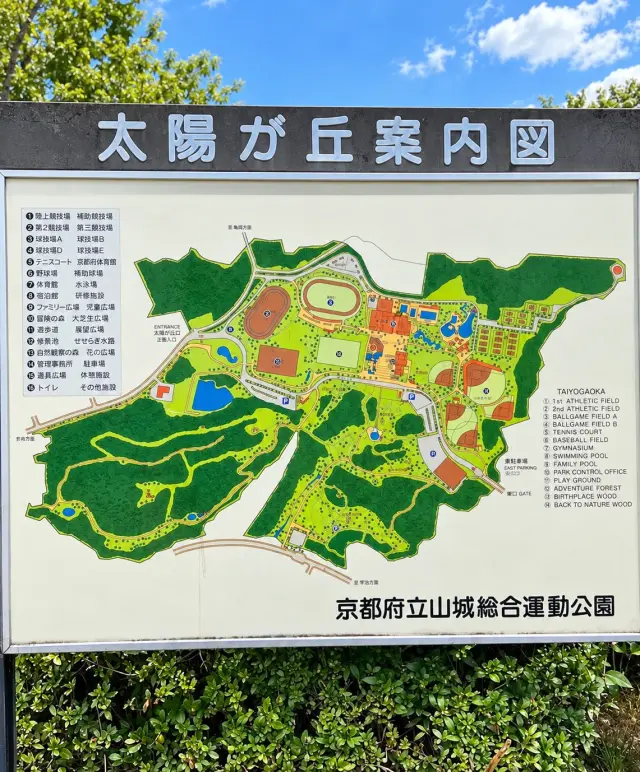
Besides temples and historic sites, Kyoto also has a large park that's perfect for families! Taiyogaoka is located in the hills of Uji. The grounds are very spacious, with shady trees and peaceful surroundings, making it especially pleasant to walk around. The park has all kinds of play equipment where children can run, jump, try different activities, and enjoy plenty of adventure. In summer, there's also a family pool where you can splash around and cool off. It's a great place to spend anywhere from half a day to a full day. If you enjoy nature and outdoor activities, it's well worth a visit!
Kyoto Prefectural Yamashiro General Sports Park (Taiyogaoka) | Review by wendy
Other Reviews by wendy
-

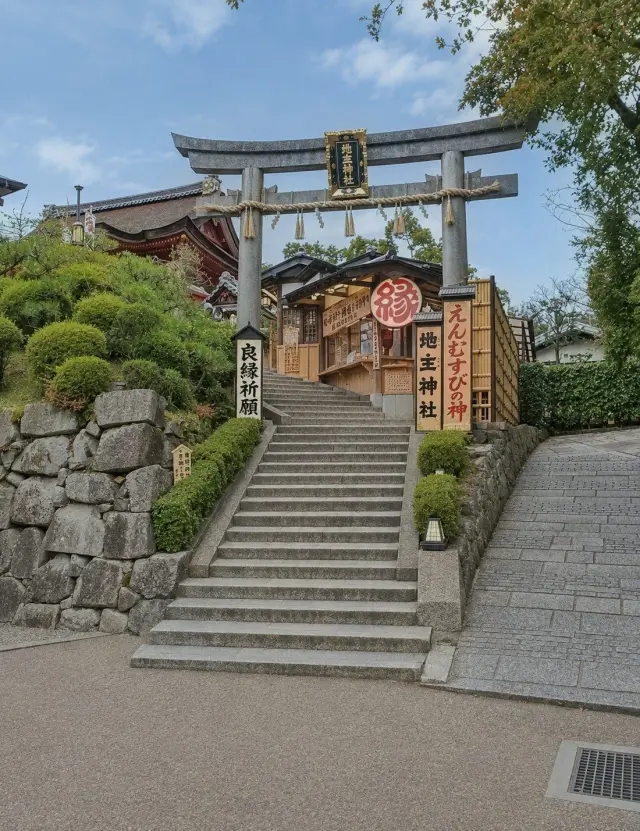
Jishu Jinja (Kyoto, Kiyomizu)
Kyoto’s famous tourist spot in Kiyomizu Temple near the Stage of Kiyomizu. It is said to have been built before the country of Japan was established while Kyoto Valley was still a lake. The shrine was worshipped as the place for longevity. The halls and the ground are designated as national important cultural properties and the world cultural heritage site.
When visiting Kiyomizu-dera, you also can’t miss Jishu Shrine, which is famous for prayers for good matches and luck in love! Jishu Shrine is said to have been built in the age of the gods. It’s a very famous matchmaking shrine in Kyoto and is also part of a World Heritage Site. The shrine is located to the left of the Kiyomizu Stage at Kiyomizu-dera. Although it isn’t very large, it’s filled with an atmosphere of prayers for love.
The most famous attraction here is the “love fortune-telling stones.” It’s said that if you close your eyes and successfully walk from one stone to the other, your luck in love will go UP UP! You can also see quite a few people seriously trying it with their eyes closed, which is pretty amusing to watch.
The shrine’s main deity is Okuninushi-no-Mikoto, and there are also cute rabbit statues nearby. They are said to represent the White Rabbit of Inaba, a messenger of Okuninushi-no-Mikoto. Behind them is a mallet bearing the character for “bond,” so everywhere you look is filled with symbols of prayers for a good match. There is also water fortune-telling to try, which makes you want to test your own luck too.
-
-
Fushimi Inari Taisha
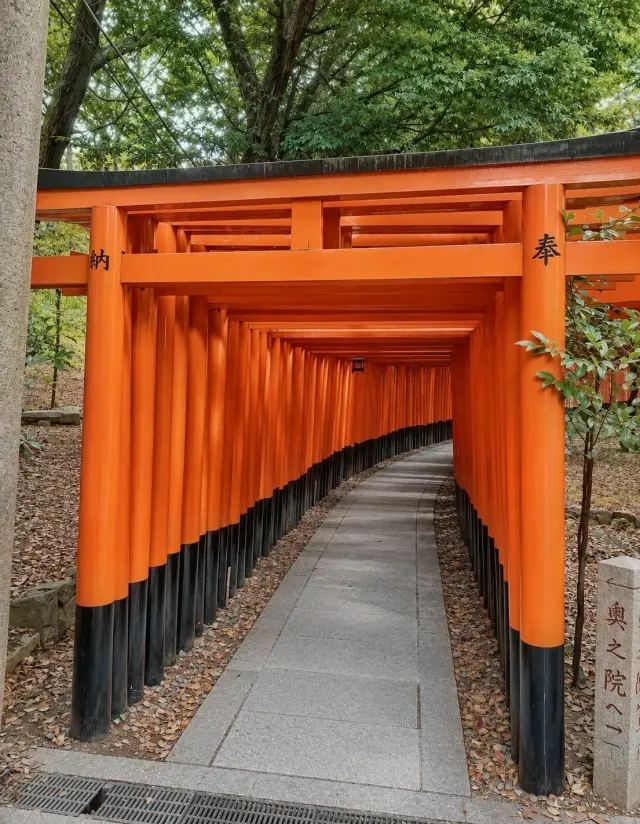
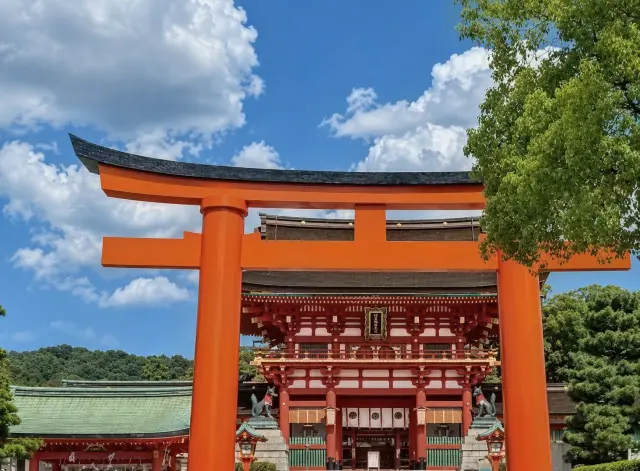
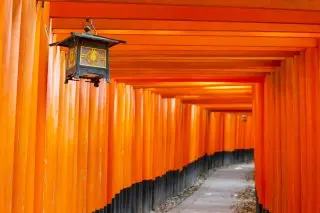
The head shrine of the approximately 30,000 Inari shrines found throughout Japan, Fushimi Inari Taisha is worshiped for blessings including abundant harvests, business prosperity, household safety, recovery from illness, and the fulfillment of wishes. It was founded in 711. Its best-known attraction is the Senbon Torii, a tunnel-like pathway of vermilion torii gates behind the main shrine.
When visiting Kyoto, of course you can't miss the hugely popular Fushimi Inari Taisha! It's best known for its seemingly endless vermilion Senbon Torii gates, a classic photo spot for many visitors to Kyoto.
Once you actually step into the tunnel of torii gates, the sight before you is truly captivating! One vermilion torii gate after another lines the mountain path. Whether you look up or straight ahead, the gates stretch as far as you can see. It's a spectacular sight, with a mysterious and solemn atmosphere.
We slowly made our way up, taking photos as we walked and often stopping to admire the unique scenery. Partway up, we came to a fork where turning left would take us farther up the mountain. We considered challenging ourselves a little more, but we were worried that if we kept going, it would be like hiking in Taiwan and just get more and more tiring〜
In the end, we decided not to put too much strain on our feet. We bought some omamori charms midway, then turned and headed back down. Since we don't get to come here often, taking it easy, strolling around slowly, and soaking in the experience felt more important!
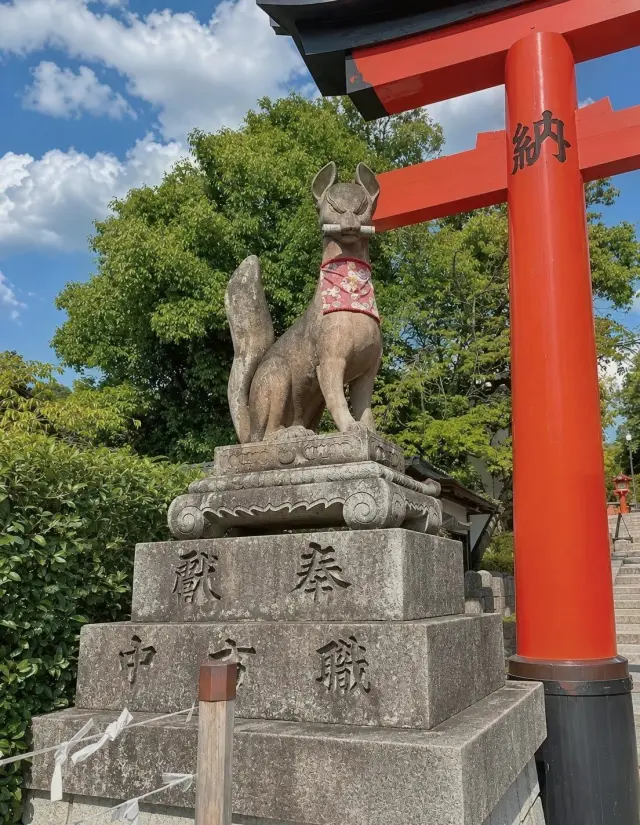
Along the way, you can also see many fox statues, some holding objects in their mouths, quietly guarding different parts of the shrine. It turns out that foxes are the messengers of Inari Okami. Seeing the foxes in their various forms was quite interesting and added even more mystery to the shrine.
This place is definitely worth experiencing in person, especially the feeling of walking among the Senbon Torii gates, which is completely different from simply looking at photos! Although we didn't make it all the way to the summit, even this part of the journey left a very deep impression on us.
-
-
Gin no Yu
Arima Onsen, one of Japan's three oldest hot springs, was beloved by Toyotomi Hideyoshi. Make your way here for a time of ease in the "Ginsen” silver sourced springs known as one of Arima Onsen's two types of hot springs, with the other being the reddish-brown "Kinsen”. The silver Ginsen spring is rich in carbonic acid and radium, said to alleviate ailments such as nerve and joint pain, while leaving the skin smooth and hydrated after bathing.
When visiting Arima Onsen, of course you can't miss the experience of bathing at one of Japan's three oldest hot springs! Arima Onsen has a long history and is said to have been beloved by Toyotomi Hideyoshi. Its most distinctive features are the reddish-brown Kinsen, or Gold Spring, and the clear, colorless Ginsen, or Silver Spring, each with its own unique qualities.
This time, we specifically planned to bathe in the Silver Spring during the day and experience the Gold Spring at night, enjoying both types of hot springs in a single day! We visited Gin no Yu during the day. From the outside, it had the atmosphere of a traditional Japanese bathhouse, with a blue noren curtain hanging at the entrance. Even before going in, it already put us in the mood for a hot spring bath.
The interior was a little smaller than expected, without any luxurious or elaborate decor. It felt more like a public bathhouse that locals would visit in their daily lives. The changing room and baths weren't very large either, so it can feel a little crowded when there are a lot of people.
The Silver Spring water is clear and colorless, completely different from the reddish-brown Gold Spring. After entering the bathing area, I first let my body slowly adjust to the water temperature, then soaked comfortably in the bath. It felt like the fatigue built up from walking all day gradually faded away.
Since I wasn't in any particular hurry, I let myself fully enjoy those 20 minutes. After getting out, my whole body felt much more relaxed, and both my body and mind got a brief rest. Although Gin no Yu isn't very large, it's very convenient for travelers taking a day trip to Arima Onsen. With the Silver Spring during the day and the Gold Spring at night, we were able to experience two different types of hot springs, making this a memorable part of our trip to Arima Onsen!
-