• See More

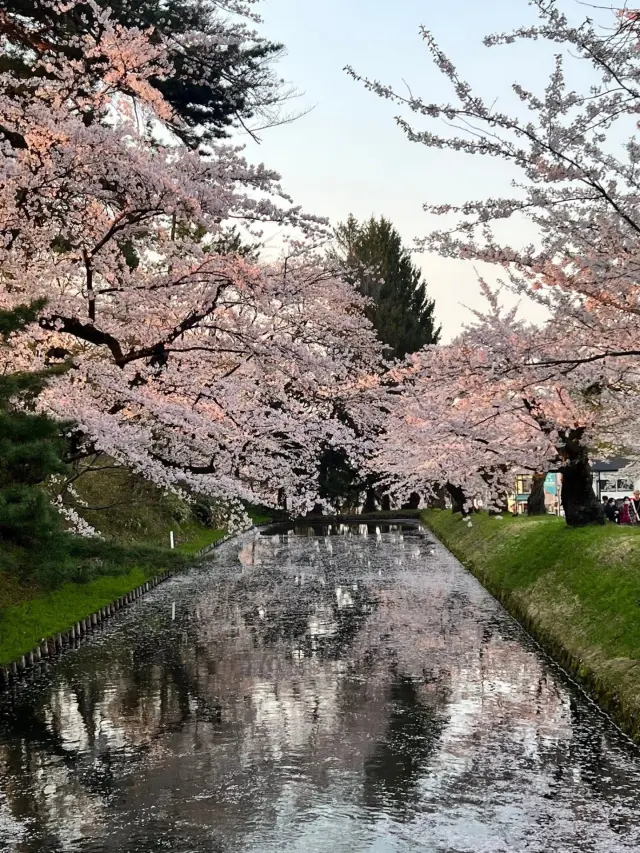
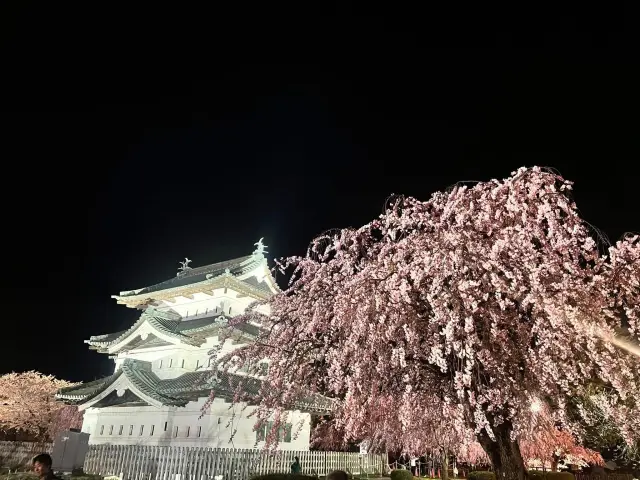
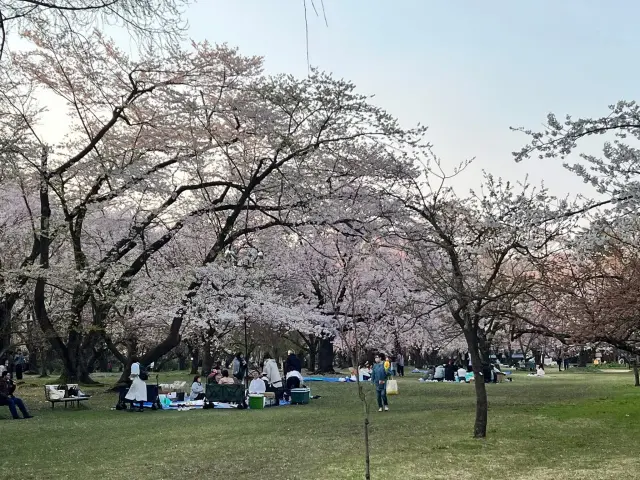
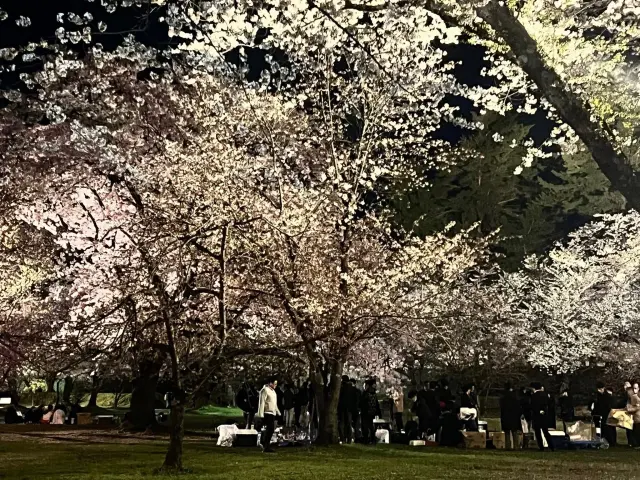
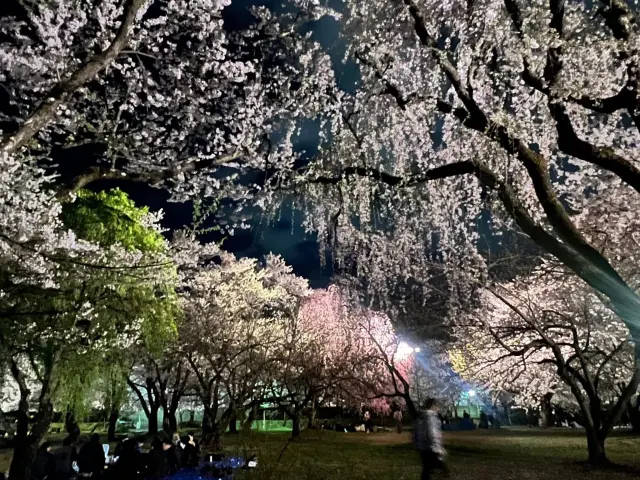
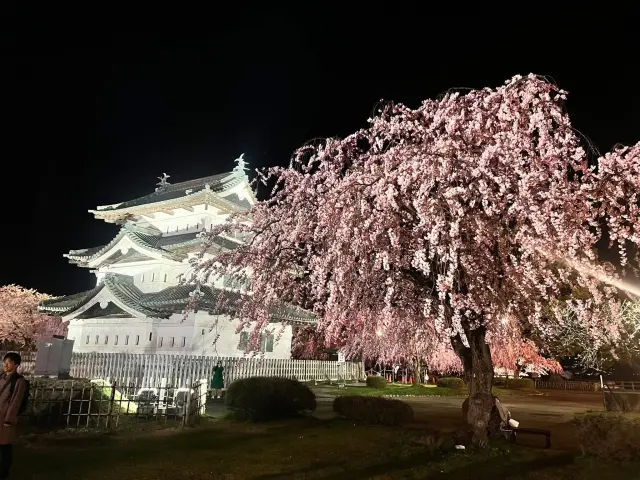
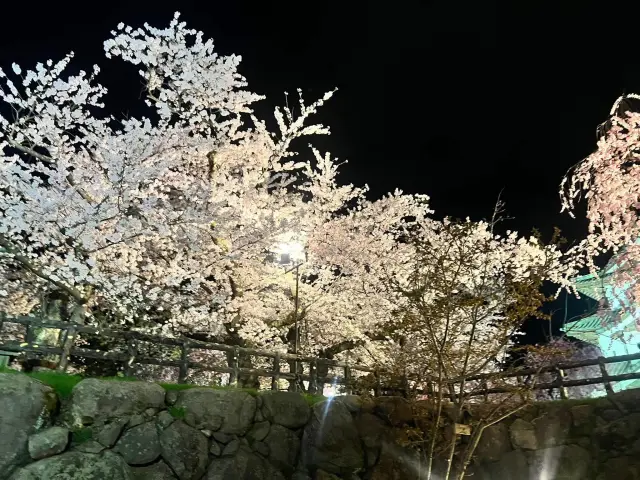
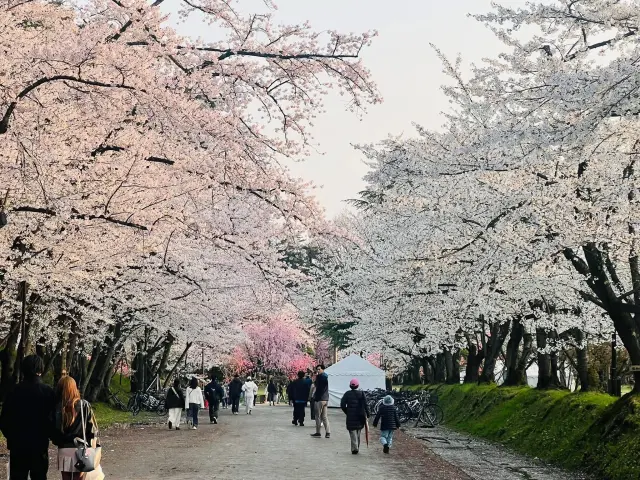
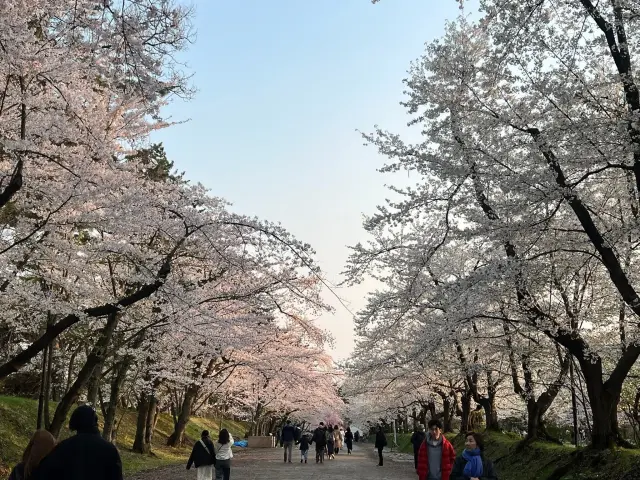
    Hirosaki Park (Hirosaki Castle), located in Aomori Prefecture, Japan, is one of Japan’s most famous cherry blossom viewing spots, known for its beautiful combination of a magnificent historic castle and a sea of pink blossoms.

    Highlights and Features

    • Cherry blossoms: The park has more than 2,600 cherry trees of approximately 52 varieties, including Japan’s oldest Somei Yoshino cherry tree, planted in 1882, as well as trees over 100 years old.
    • Major event: The Hirosaki Cherry Blossom Festival is held every spring (from April 10 to May 5 in 2026).
    • Three must-see sights:
    • Cherry Blossom Tunnel along the West Moat: You can stroll or ride in a rowboat beneath the soft pink canopy of cherry blossoms.
    • Illuminated cherry blossoms at night: After dark, the castle keep and cherry blossoms are illuminated, creating a dreamlike scene.
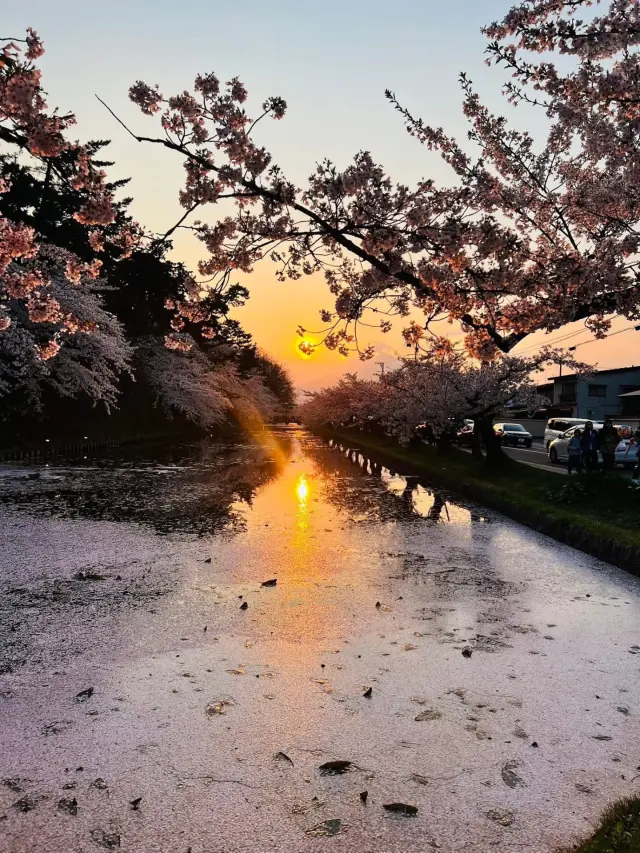
    • Pink petal rafts: Fallen cherry blossom petals cover the surface of the outer moat, forming a spectacular “cherry blossom carpet.”
    • Admission and hours:
    • Hirosaki Castle (Honmaru and Kita no Kuruwa): Adults JPY 320, children JPY 100.
    • Hours: Usually 9:00–17:00; during the Cherry Blossom Festival, 7:00–21:00.

    Getting There

    • Public transportation: From JR Hirosaki Station, take the Hirosaki City JPY 100 Loop Bus and get off at Shiyakusho-mae. It is about a 4-minute walk from there.
Other Reviews by Norton Liang

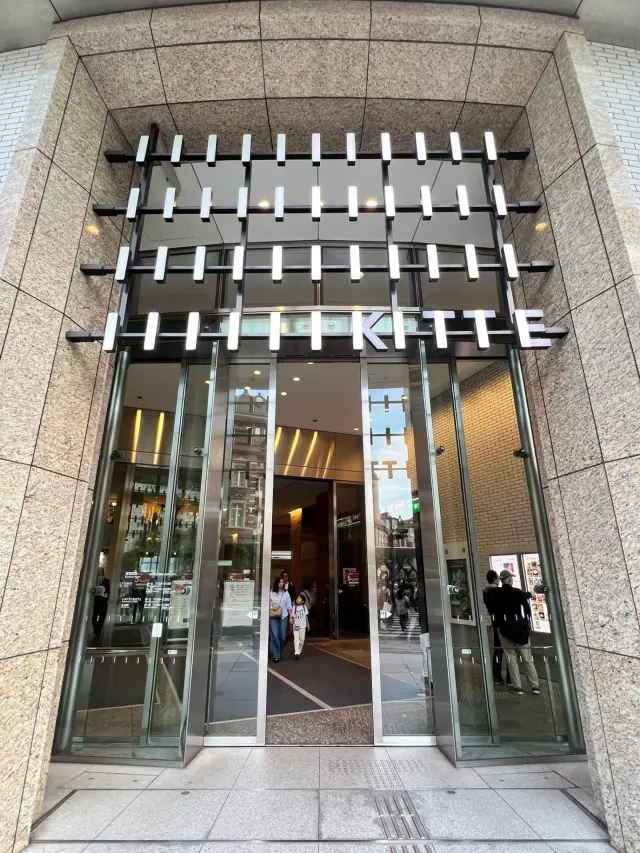
  • KITTE

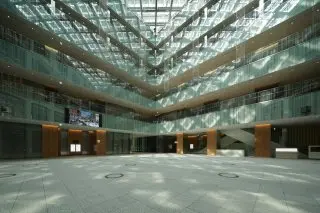
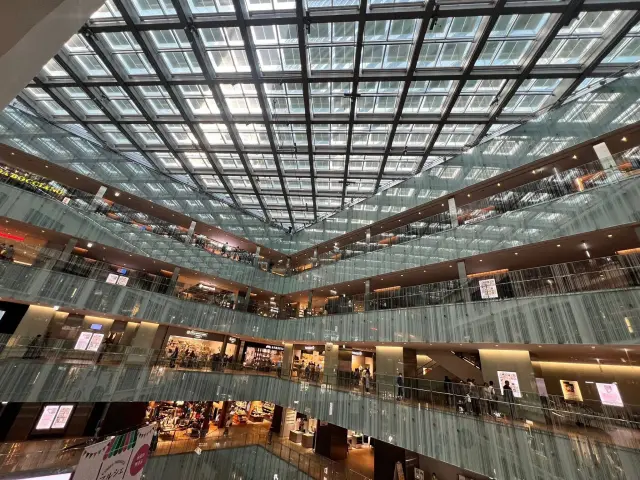
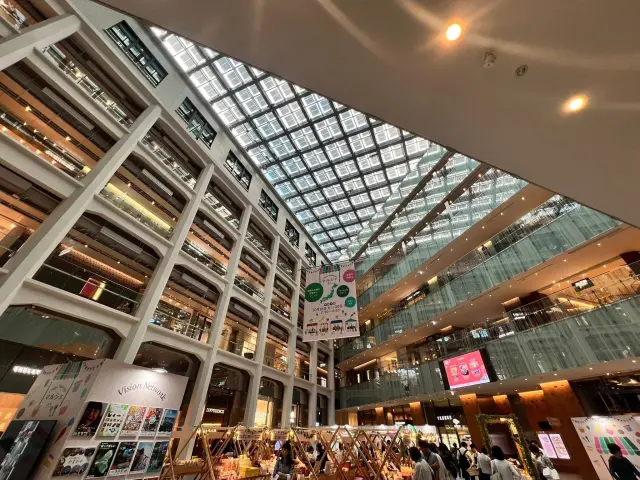
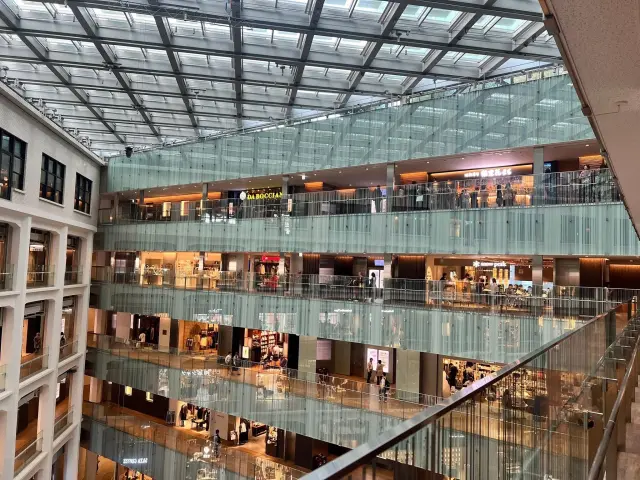
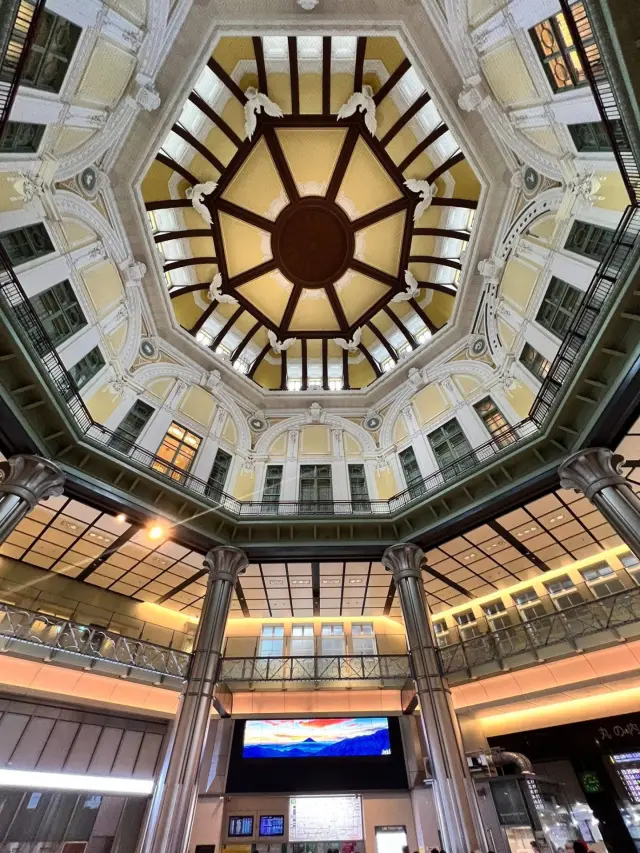
    Unique shops and eateries line this commercial complex, managed by Japan Post. The atrium on the first floor is striking with its open space, from which you can overlook the shops on each floor.

    • Tokyo Station, Nihonbashi, Marunouchi
    • Commercial Buildings
    See More

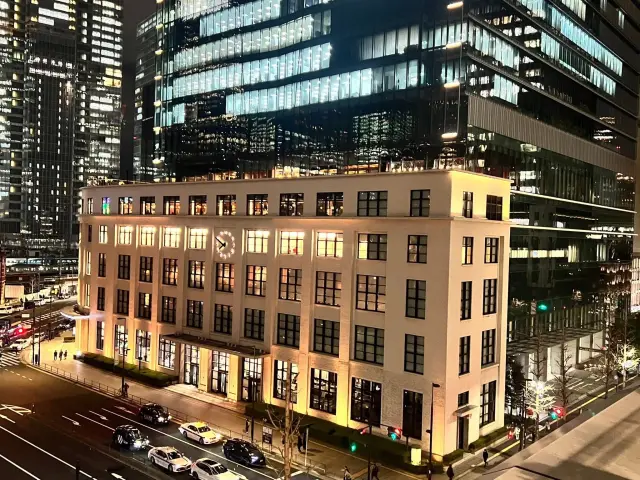
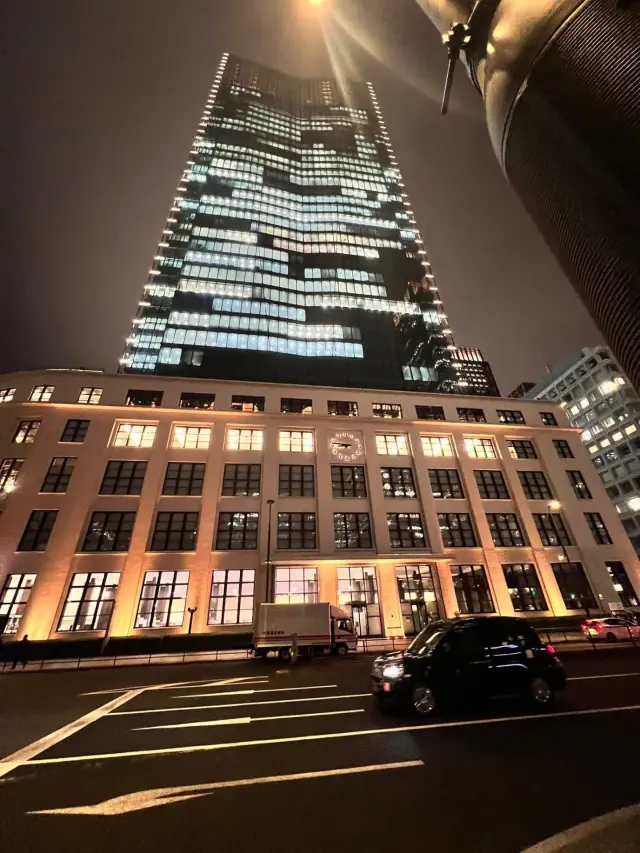
    The design of KITTE, especially KITTE Tokyo, was handled by master architect Kengo Kuma. Based on preserving the original appearance of the former Tokyo Central Post Office building, it was transformed into a mixed-use commercial complex that combines nostalgia with innovation.

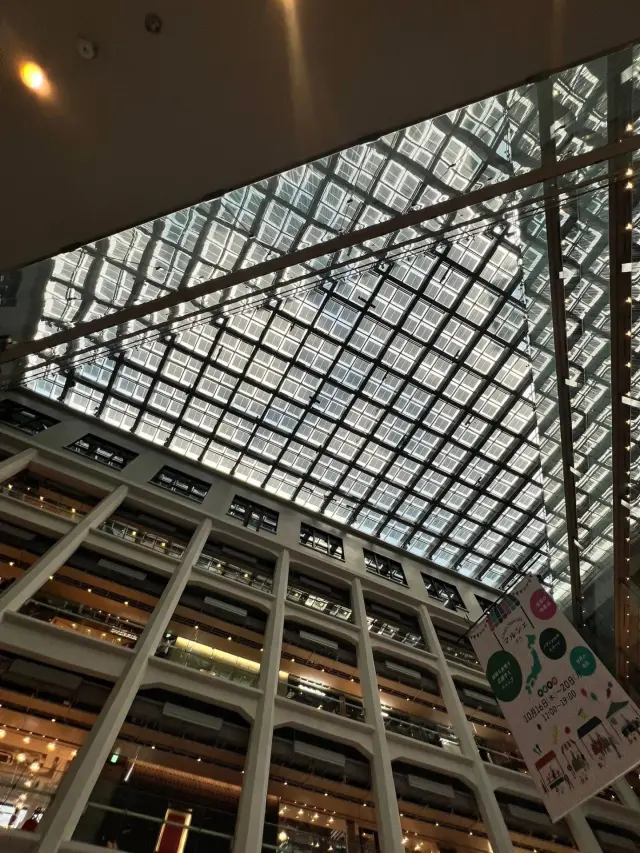
    The interior design makes extensive use of materials such as natural wood and brick. A triangular atrium was carved out of the pure white building to bring in natural light, giving the old structure new life.

    Key design features of KITTE Tokyo

    Preservation of the old building: Based on the former Tokyo Central Post Office building, completed in 1931 and designed by Tetsuro Yoshida, its exterior was preserved and integrated with the newly built JP Tower.

    Interior space and materials: Designed by Kengo Kuma, it uses Japanese materials such as natural wood, brick, and washi paper to create an atmosphere that is both nostalgic and stylish.
    Distinctive atrium: The building has a triangular atrium with decorative lighting that brings light indoors, making the space feel more open and comfortable.

    Nostalgia and innovation: The meaning of “postage stamp (kitte)” is combined with the sound of “come (kite).” Modern creativity is displayed beneath the retro exterior while preserving the spirit of the post office and offering uniquely themed floors and products.

    The design of KITTE Hakata
    Exterior design: The glass curtain wall and louvered panels feature a checkered pattern inspired by Hakata-ori textiles, presenting different looks as the light changes throughout the day.

    Pedestrian flow: The first- and second-floor circulation design uses single-support frames and curved louvered ceilings to create an open and visually expressive space, guiding people from the station to the surrounding area.

  • Tokyo Station: Marunouchi Station Building

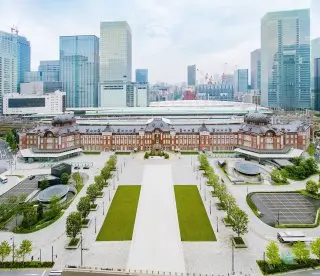
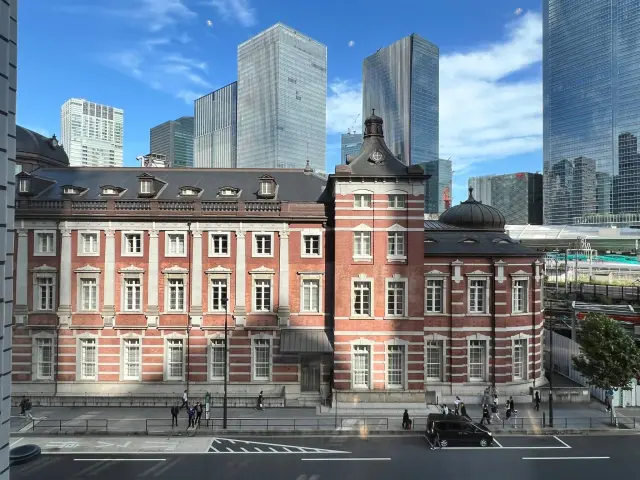
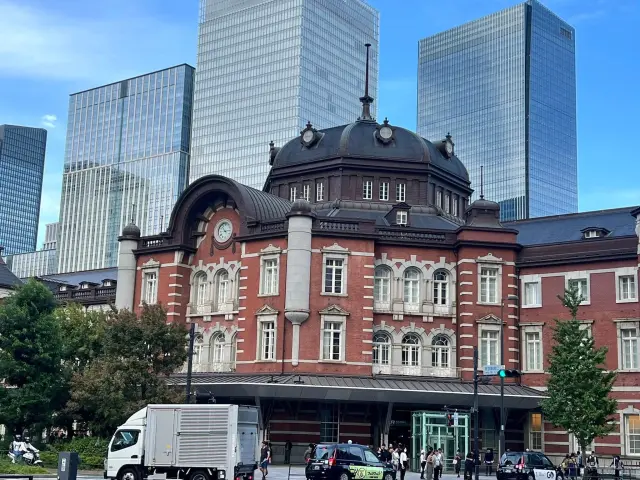
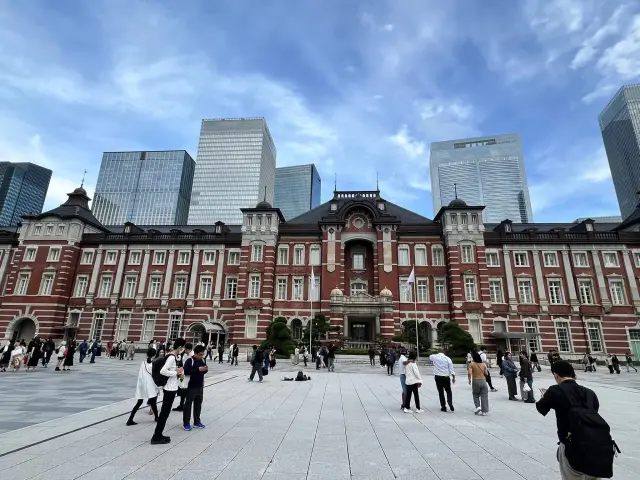
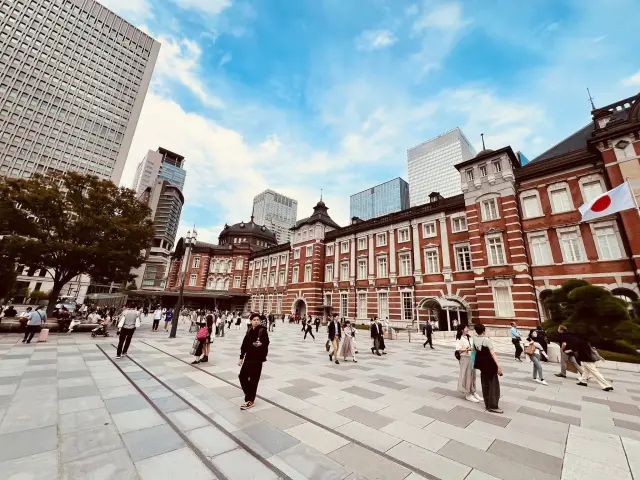
    The construction of Japan’s front gate, Tokyo Station, began in March, 1908 and it was opened in December, 1914. Kingo Tatsuno, the pioneer of modern architecture in Japan, designed it. The steel-framed, brick Marunouchi Station building was burned on the roof and interior in the 1945 air raid.

    • Tokyo Station, Nihonbashi, Marunouchi
    • Tourist Attractions
    See More

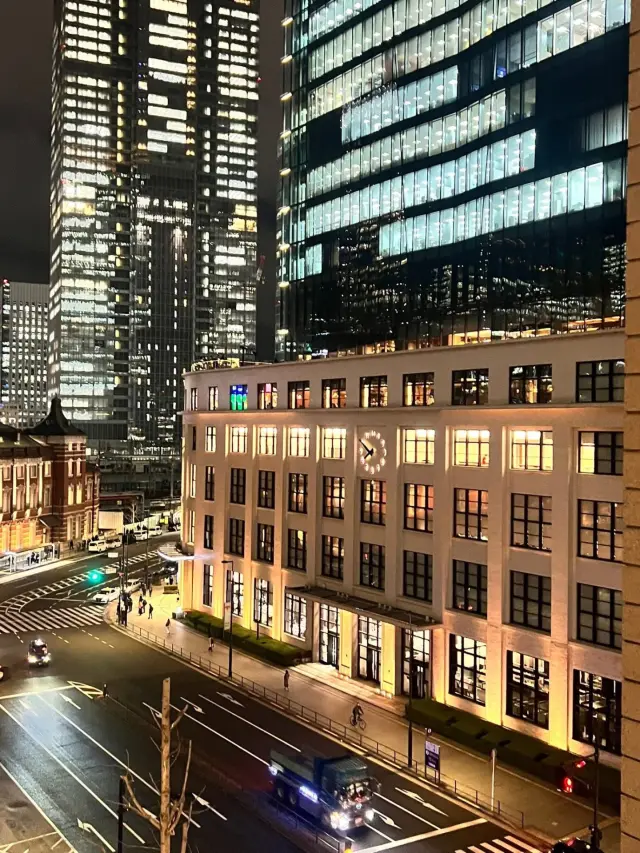
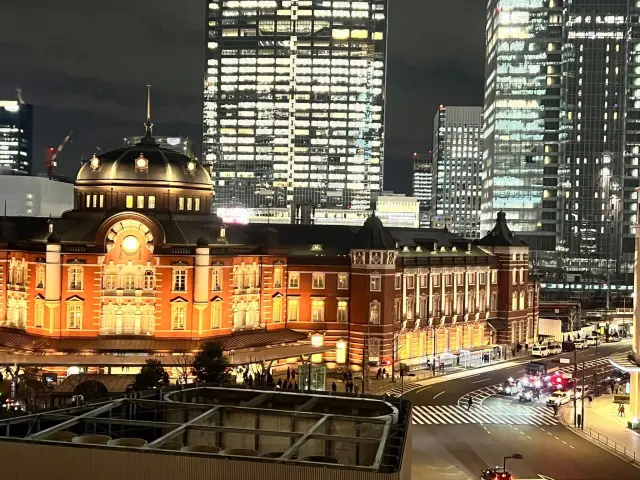
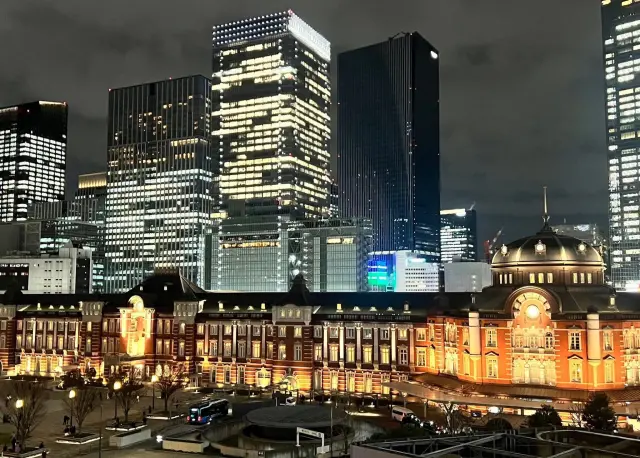
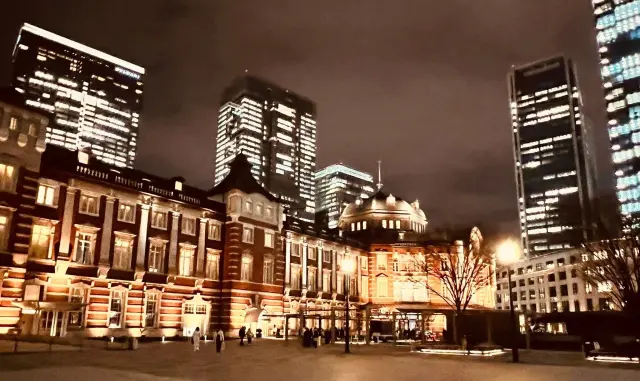
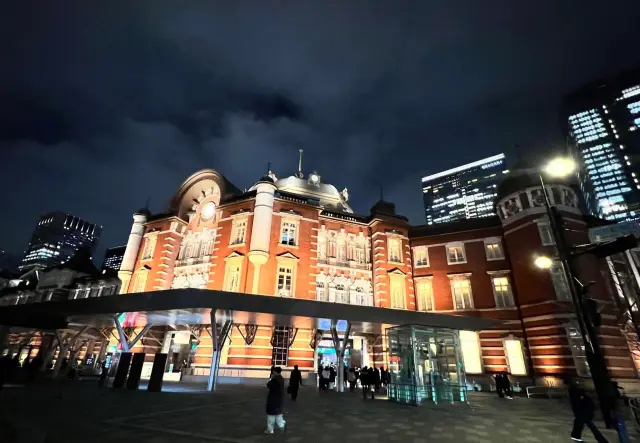
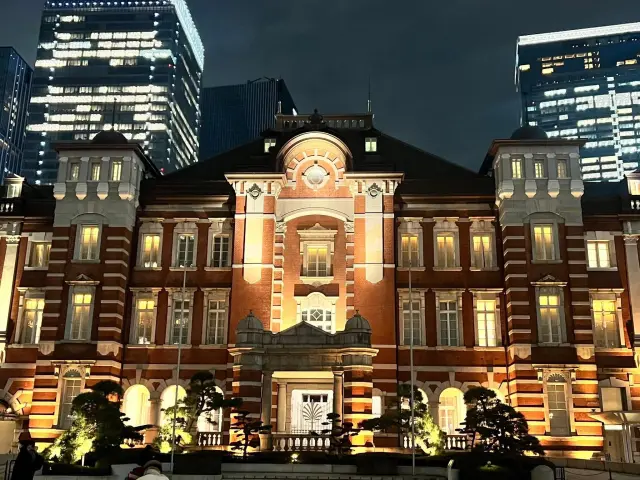
    At night, Tokyo Station displays a blend of classical and modern beauty that is completely different from the daytime. Here are some key points for nighttime photography and viewing:
    📸 Best free nighttime viewpoints
    If you want to capture a panoramic view of the station, these three free spots are the top choices:
    KITTE Rooftop Garden (6F): Located in the former Tokyo Central Post Office building, it offers an excellent close-up view of the red-brick building at the station’s south entrance. You can also see the busy sight of multiple Shinkansen trains arriving and departing.
    Shin-Marunouchi Building (7F) Terrace: This outdoor terrace directly overlooks Tokyo Station and the plaza in front of it, creating a very romantic atmosphere.
    Marunouchi Building (5F) Observation Deck: Its moderate height makes it suitable for photographing the station entrance straight on.

    💡 Lighting and lights-out times
    Weekday lighting: The nighttime illumination of the station’s red-brick exterior usually continues until 21:00. It is best to arrive before the lights are turned off so you don’t end up photographing complete darkness.
    Seasonal: During winter, nearby Marunouchi Naka-dori hosts the Marunouchi Illumination, with the entire street covered in champagne-gold LED lights, creating a very Christmas-like atmosphere.
    🚶 Recommended walking route
    Marunouchi Station Plaza: This is the classic spot for photographing the station’s symmetrical beauty. If it has just rained, puddles on the ground reflect the red-brick station and the high-rise buildings behind it, creating another popular photography angle.
    Wadakura Fountain Park: About a 10-minute walk from the station toward the Imperial Palace, this is where you can photograph a dreamy night view of the surrounding modern office buildings reflected in the water.
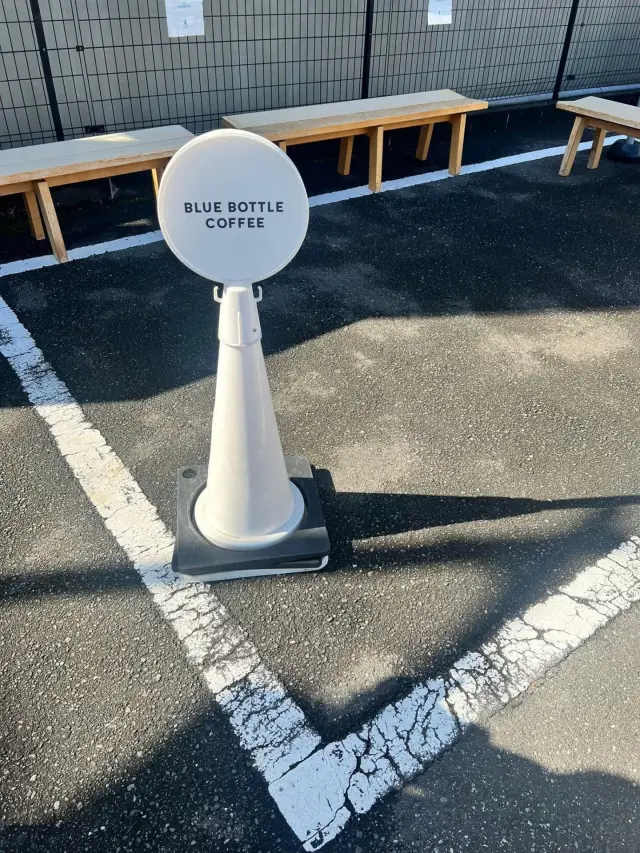
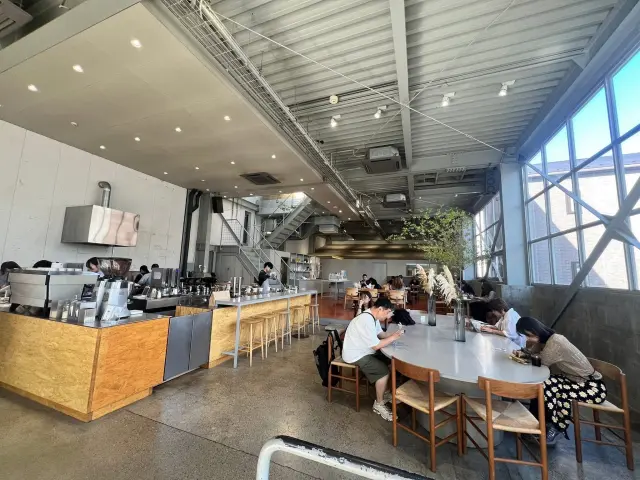
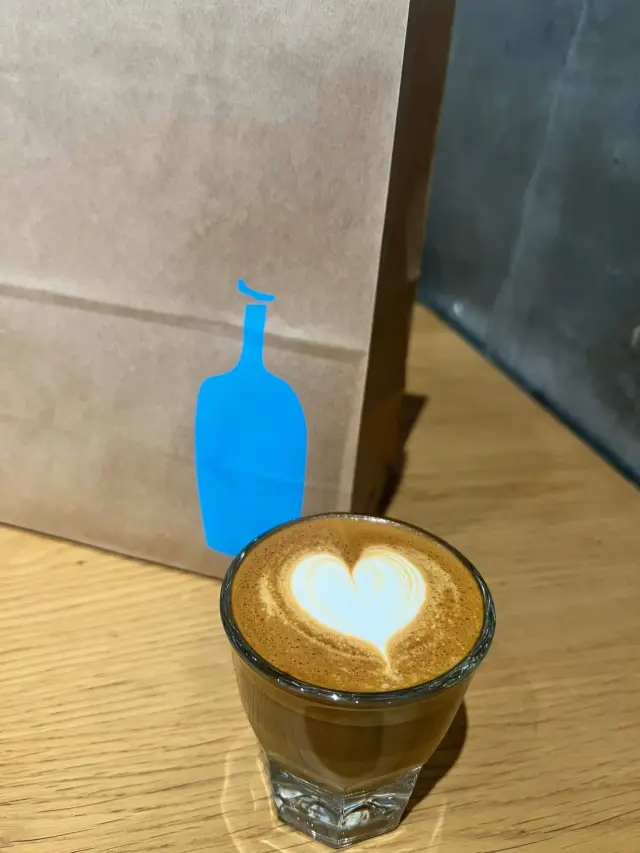
  • Blue Bottle Coffee Kiyosumi Shirakawa Flagship Cafe

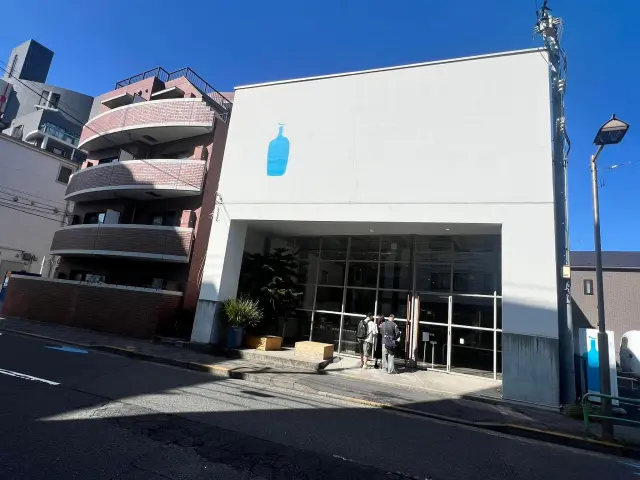
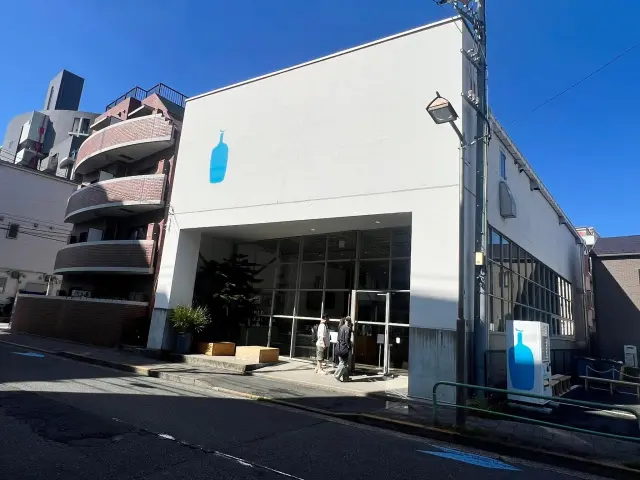
    The popular coffee shop born in California, USA opened the first shop in Japan in October, 2019, as Kiyosumi Shirakawa Flagship Cafe.

    • Ryogoku, Ningyocho, Kiyosumi-Shirakawa, Kinshicho
    • Cafés
    See More

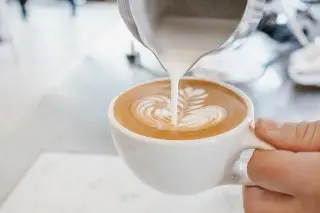
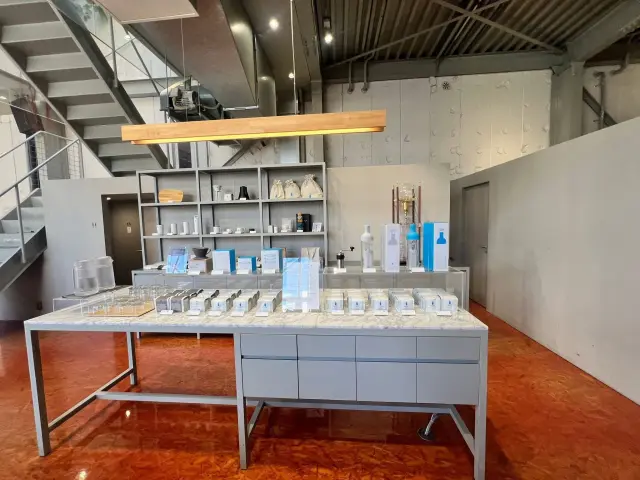
    Blue Bottle Coffee Kiyosumi-Shirakawa Flagship Cafe is Blue Bottle Coffee's first location opened outside the United States and is known as a “pilgrimage site” for the specialty coffee wave in Tokyo's old downtown neighborhoods. Converted from an old lumber warehouse, this high-ceilinged industrial-style space gets excellent natural light and perfectly blends California minimalist aesthetics with Japanese craftsmanship.

Hokkaido Tohoku Kanto Chubu Hokuriku Kansai Chugoku Shikoku Kyushu Okinawa