KITTE | Review by Norton Liang

Norton Liang’s Profile Page
  • See More

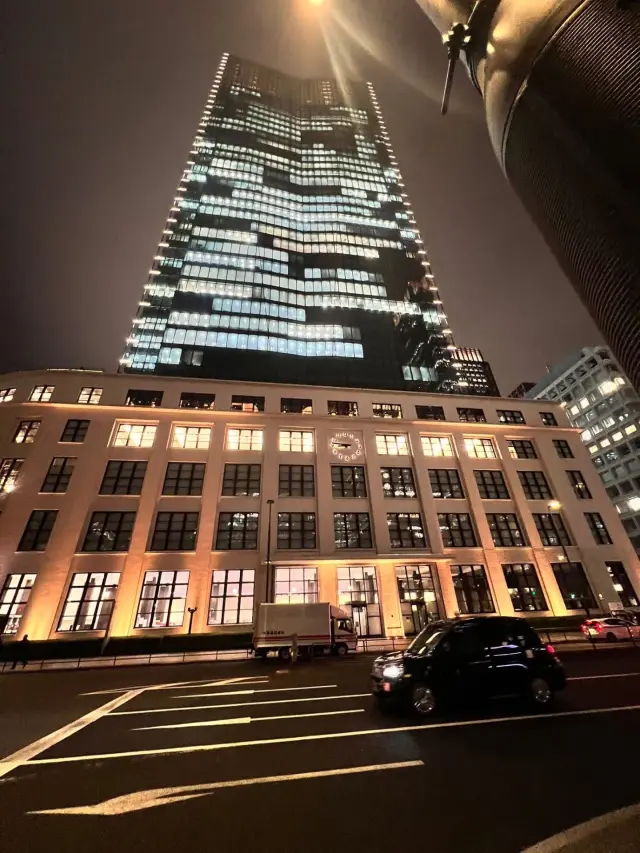
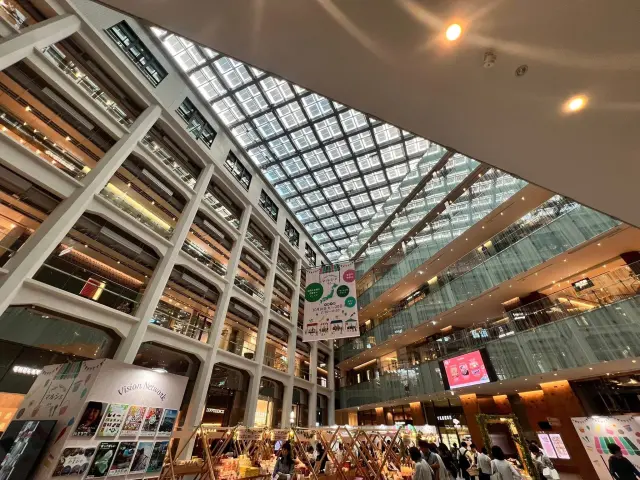
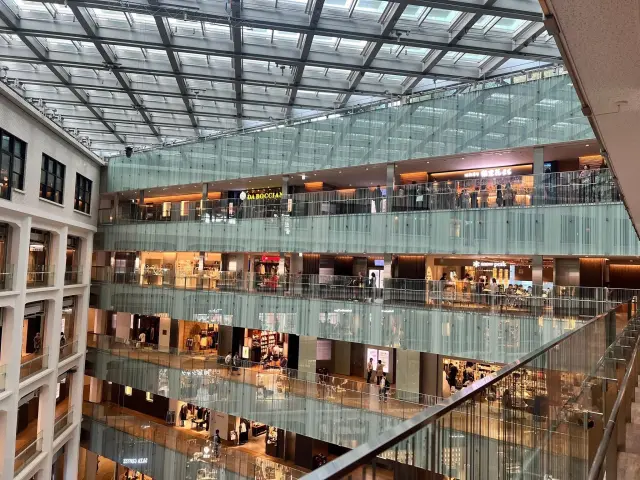
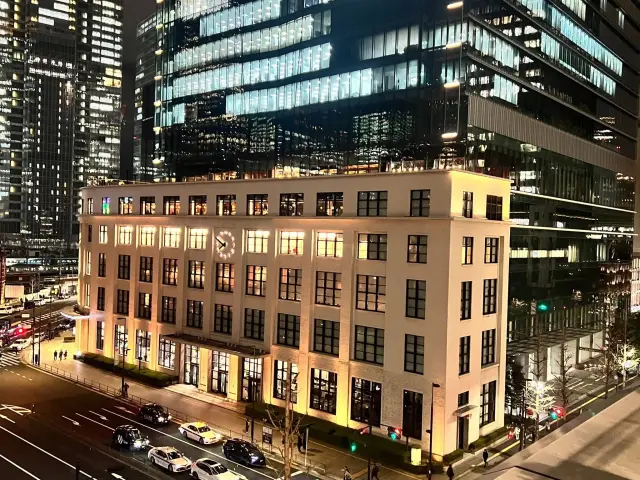
    The design of KITTE, especially KITTE Tokyo, was handled by master architect Kengo Kuma. Based on preserving the original appearance of the former Tokyo Central Post Office building, it was transformed into a mixed-use commercial complex that combines nostalgia with innovation.

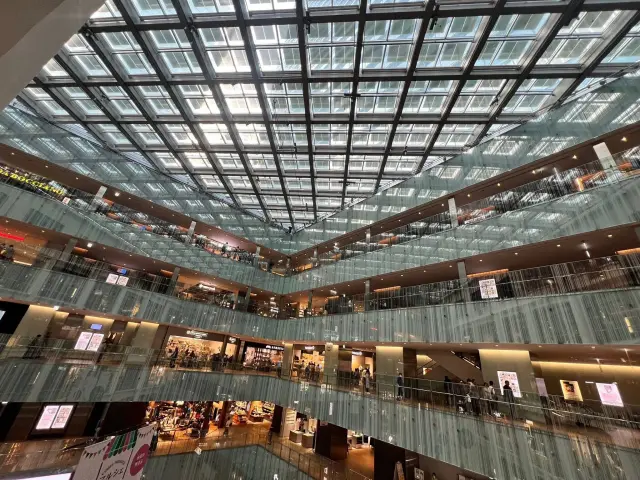
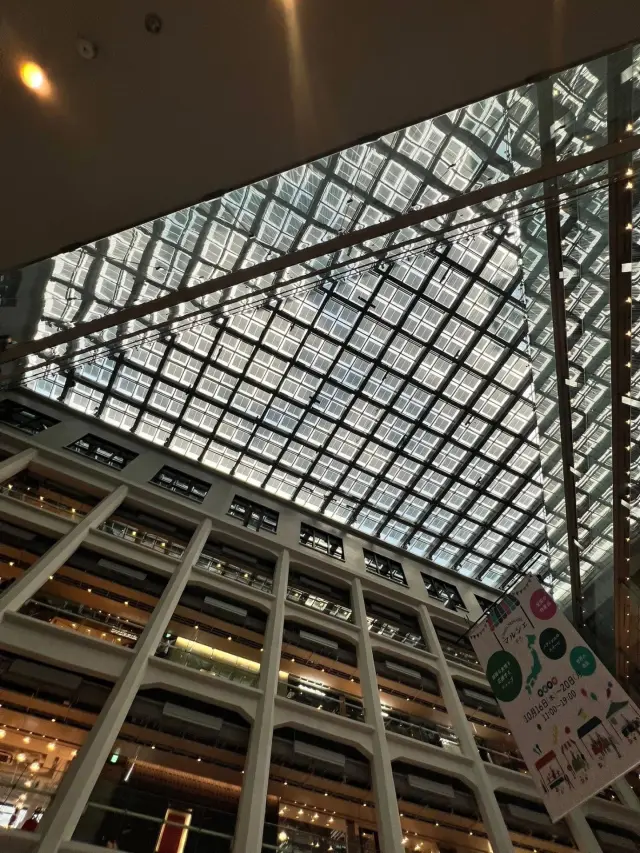
    The interior design makes extensive use of materials such as natural wood and brick. A triangular atrium was carved out of the pure white building to bring in natural light, giving the old structure new life.

    Key design features of KITTE Tokyo

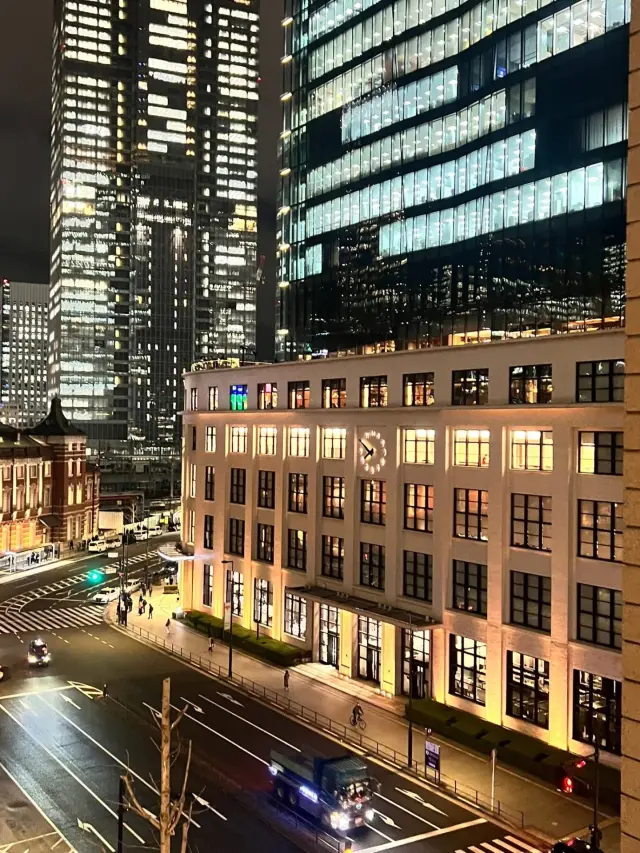
    Preservation of the old building: Based on the former Tokyo Central Post Office building, completed in 1931 and designed by Tetsuro Yoshida, its exterior was preserved and integrated with the newly built JP Tower.

    Interior space and materials: Designed by Kengo Kuma, it uses Japanese materials such as natural wood, brick, and washi paper to create an atmosphere that is both nostalgic and stylish.
    Distinctive atrium: The building has a triangular atrium with decorative lighting that brings light indoors, making the space feel more open and comfortable.

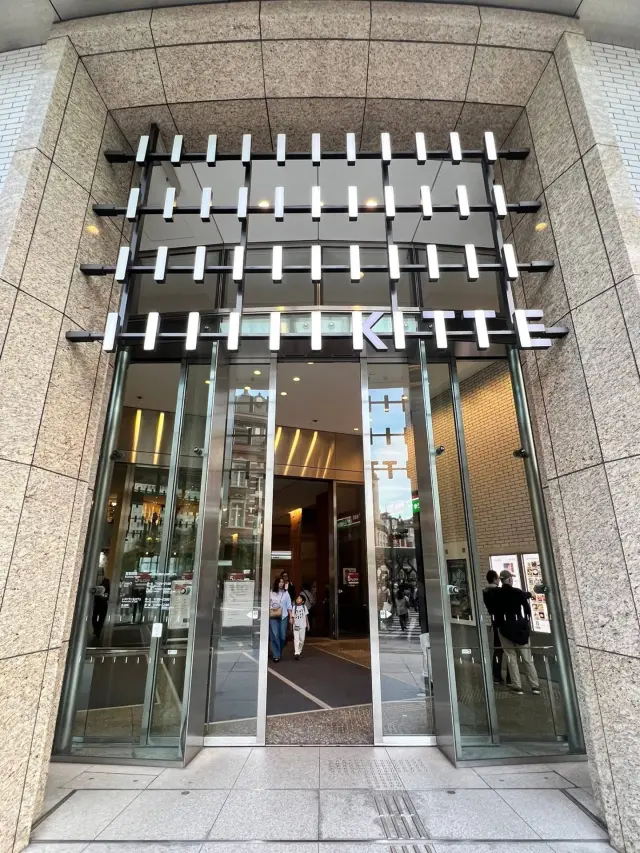
    Nostalgia and innovation: The meaning of “postage stamp (kitte)” is combined with the sound of “come (kite).” Modern creativity is displayed beneath the retro exterior while preserving the spirit of the post office and offering uniquely themed floors and products.

    The design of KITTE Hakata
    Exterior design: The glass curtain wall and louvered panels feature a checkered pattern inspired by Hakata-ori textiles, presenting different looks as the light changes throughout the day.

    Pedestrian flow: The first- and second-floor circulation design uses single-support frames and curved louvered ceilings to create an open and visually expressive space, guiding people from the station to the surrounding area.
Other Reviews by Norton Liang

  • Former Japan National Railways Temiya Line

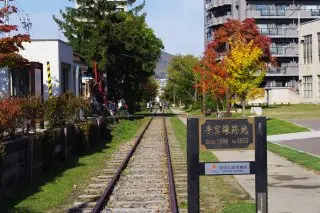
    Part of the first railway in Hokkaido, the "Government-Operated Horonai Railway," was laid to transport coal mined from the Horonai coal mine in the current Mikasa City to the port city of Otaru. It was in operation from its opening in 1880 until its closure in 1985.

    • Otaru and Niseko
    • Tourist Attractions
    See More

    I also highly recommend this
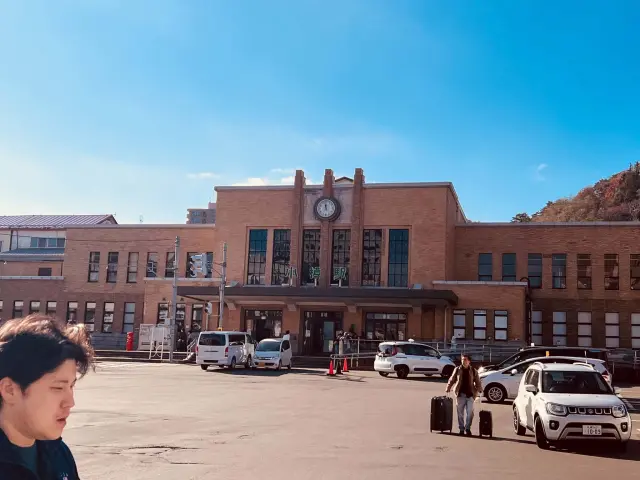
    #小樽站 was built in 1903, and the current, third-generation station building was completed in 1934 (Showa 9). It’s one of the oldest reinforced concrete train stations in Hokkaido (#北海道最古老的鋼筋混凝土車站之一), and the entire station is listed as one of Japan’s nationally registered tangible cultural properties (#國家登錄有形文化財).

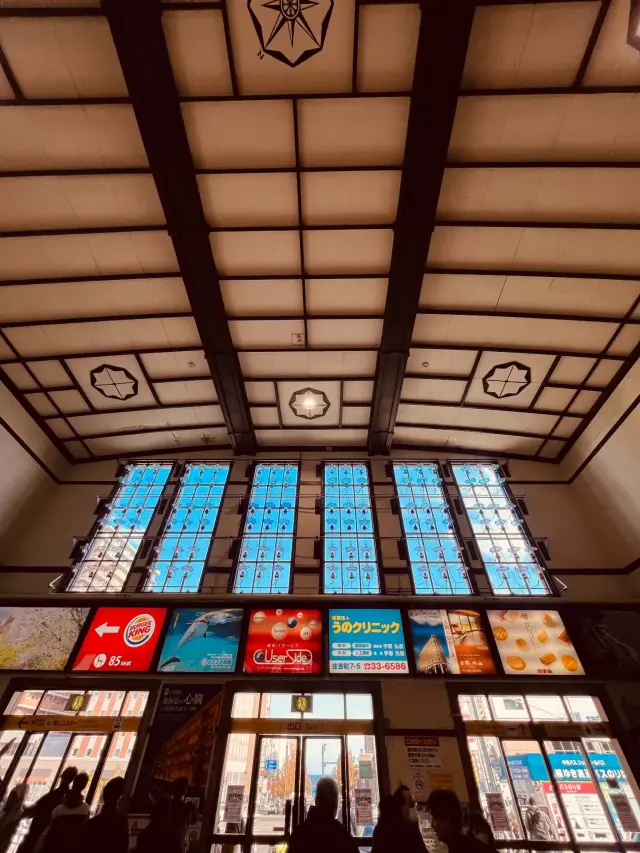
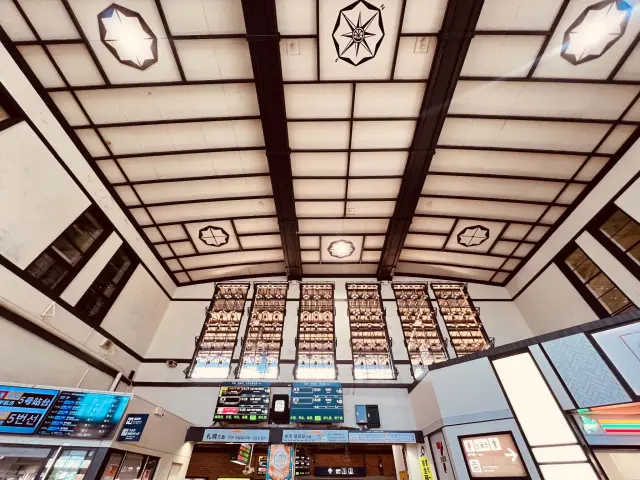
    💡1. The station lobby and its high windows with 333 kerosene lamps
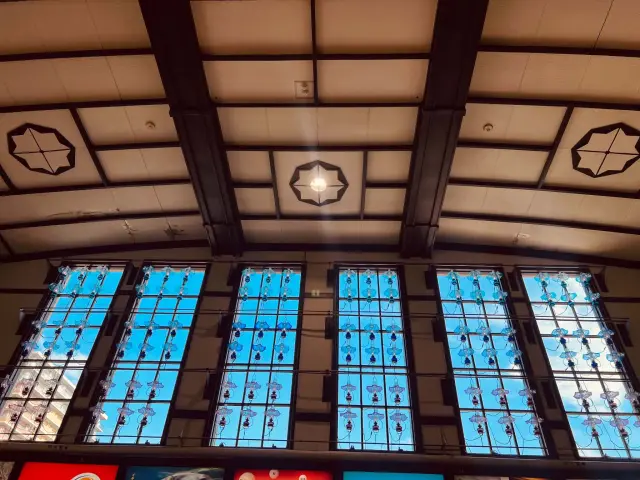
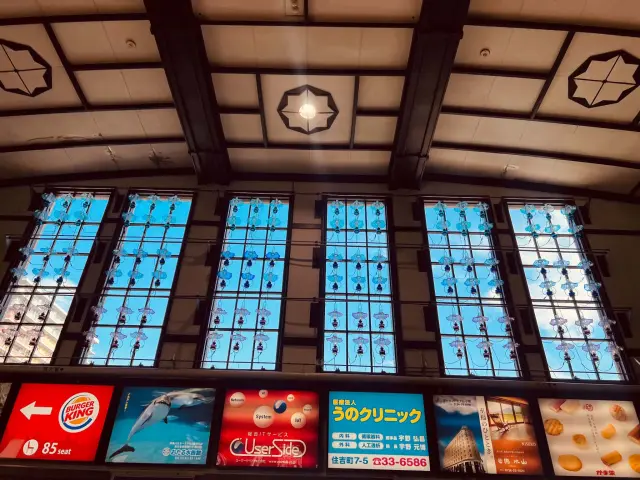
    * A symbol of a city known for its glasswork: Otaru is famous for its glasswork, and as many as 333 kerosene lamps made by Kitaichi Glass (#北一硝子) hang in neat rows across the six large windows high up in the lobby. They were donated by local residents and businesses and installed in 1987, when Japanese National Railways was privatized.

    * The interplay of light and shadow: Like you said, when sunlight streams through the high windows, the clear and slightly blue-tinted glass shades sparkle against the blue sky. The way the light refracts through them really does look like the mosaic stained glass in a church. Then at dusk, when the lamps come on, the whole lobby takes on a warm, nostalgic orange-yellow glow.

    * High grid-patterned ceiling: The lobby has a dark wood lattice ceiling, with symmetrical octagonal light fixtures and a compass motif in the center that nods to Otaru’s history as an important port in Hokkaido.

    💡2. Retro details on the platforms (Platforms 4 and 5 / Yujiro Platform)
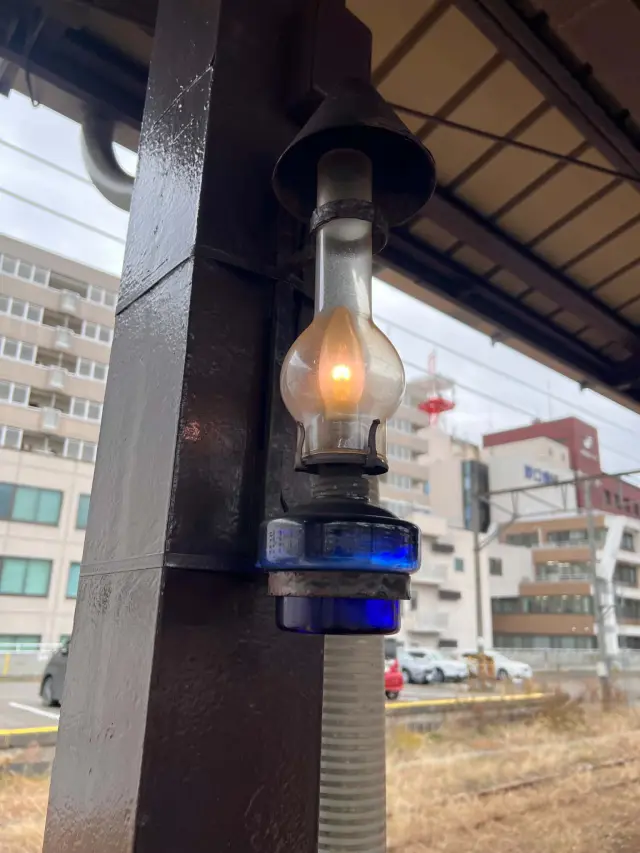
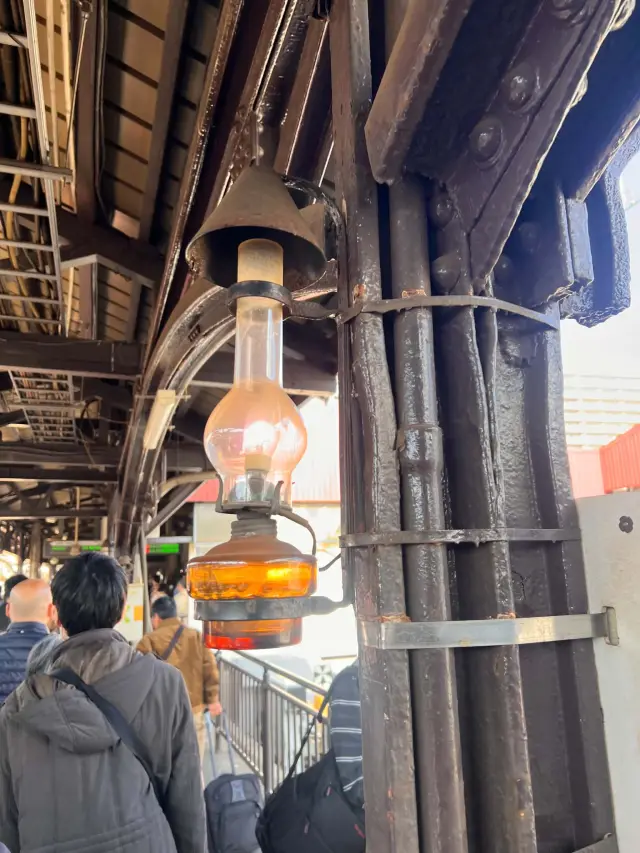
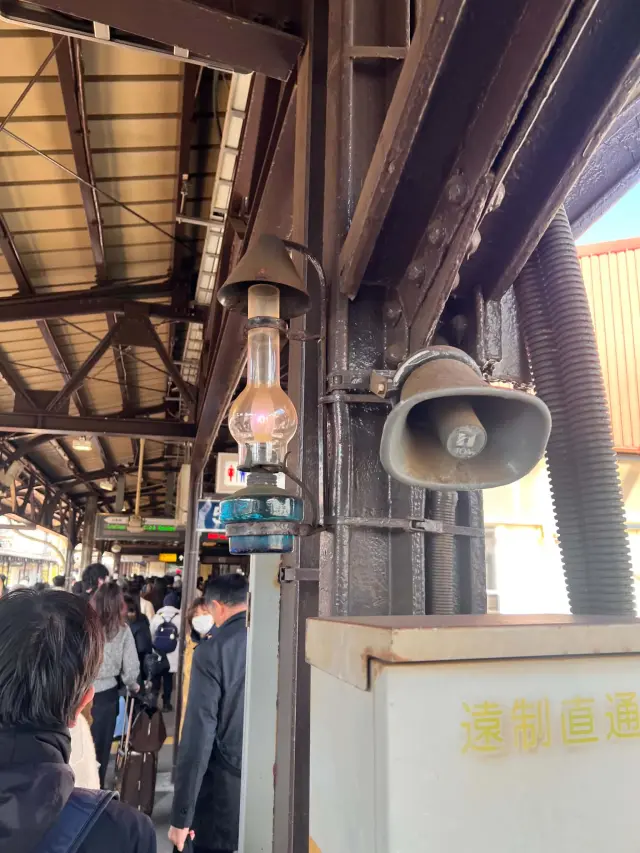
    * Kerosene lamps with two colors of glass: Lit kerosene lamps still hang from the cast-iron columns on the platforms (they now use electric bulbs to mimic candlelight). Their glass bases come in amber and deep blue, and they give off a soft glow beside the timeworn ironwork. It’s a favorite spot for travelers to take photos.

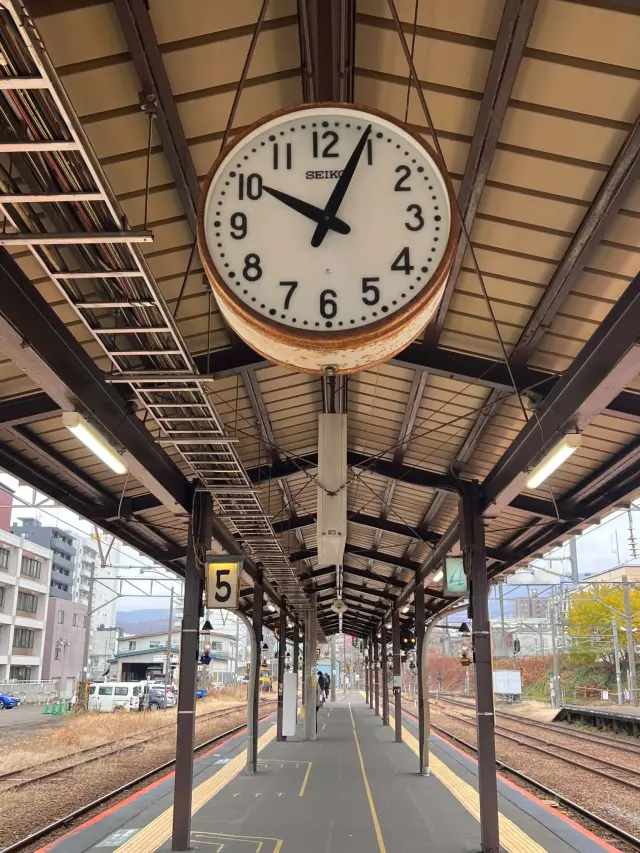
    * Rusty SEIKO clock: The round, double-sided clock hanging under the platform canopy has a naturally rusted, weathered casing. Together with the old canopy supports overhead, made from bent, repurposed rails, it makes you feel like you’ve stepped straight into a Showa-era movie.

    * Yujiro Platform: Platform 4 at Otaru Station is also known as Yujiro Platform, named in honor of Showa-era superstar Yujiro Ishihara, who spent his childhood in Otaru.

    💡3. The station exterior and stained-glass station sign
    * Symmetrical Showa Modern architecture: Seen from the plaza out front, the light brown tile facade, three projecting vertical columns, and large round clock in the center show the transition from Art Deco to modernism in the 1930s. It has a dignified, elegant look.
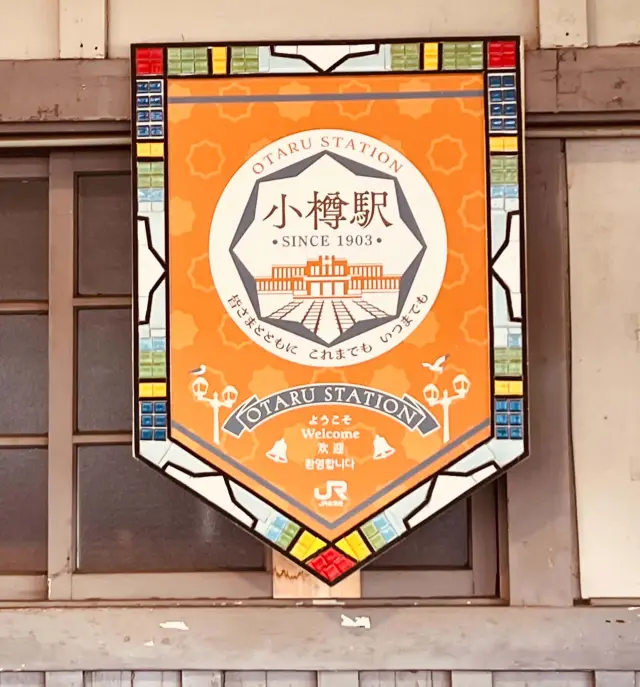
    * Stained-glass welcome sign: The banner-shaped sign on the station wall that reads “#小樽駅 SINCE 1903” is framed with colorful pieces of red, yellow, blue, and green stained glass. The center shows the station building and tracks stretching away, perfectly bringing together Otaru’s railroad history and glass art.

    💡This station isn’t just a transportation hub. It’s a living museum of architecture and craftsmanship in its own right!

  • Sapporo Stellar Place

    Inside JR Tower is one of Japan’s largest shopping malls, the “Sapporo Stellar Place”. With more than 200 shops, various genres are lined up including fashion, sundries, restaurants, and cafes. The mall is connected to the station, making it easy to access for tourists, and locals who stop by daily. It is Sapporo’s hottest spot.

    • Sapporo Station, Odori, Susukino
    • Commercial Buildings
    See More

    The most iconic architectural landmarks, public art, and Hokkaido winter scenery at the South Exit Plaza of #札幌車站 (#JRSapporoStation):
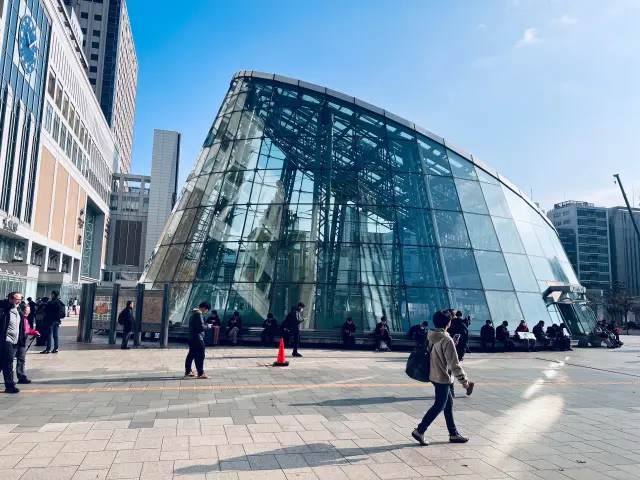
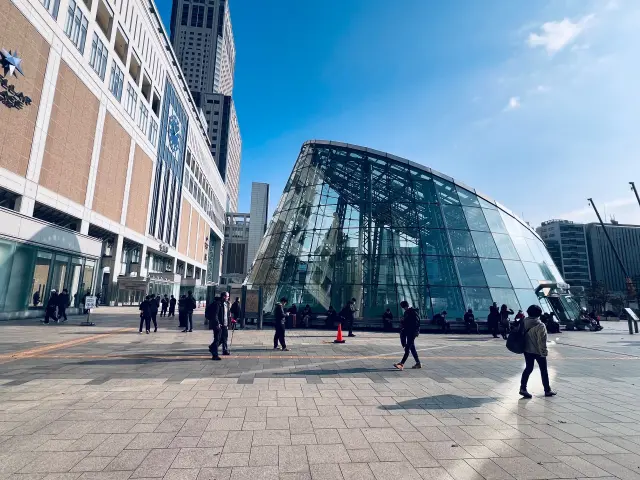
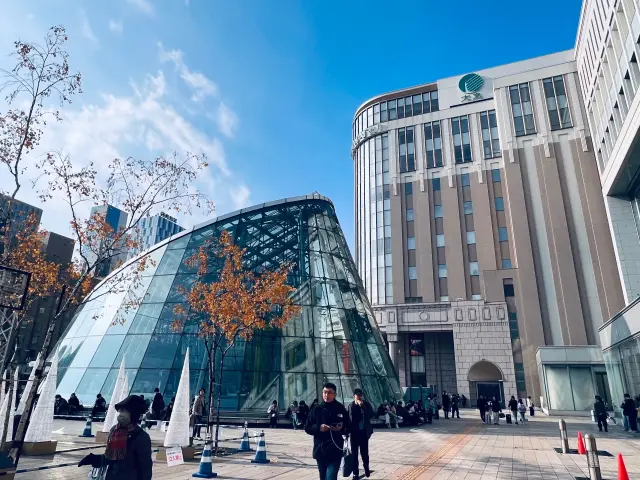
    1. Glass structure in front of the station: the “#玻璃巨蛋” (Sapporo Station South Exit Glass Dome) at the #札幌車站 South Exit Plaza
    This striking, modern sloping glass structure in the center of Sapporo Station’s South Exit Plaza serves as an important skylight and entrance connecting the aboveground plaza with the underground shopping area (APIA, the Namboku Subway Line, and the Toho Subway Line).
    * Architectural design and function: Built with expansive transparent glass curtain walls and a steel framework, its streamlined, angled design not only has a modern appearance but also brings natural light directly into the underground passageways, making the underground space bright and open. During winter snowstorms, it also effectively keeps wind and snow from blowing into the underground shopping area.
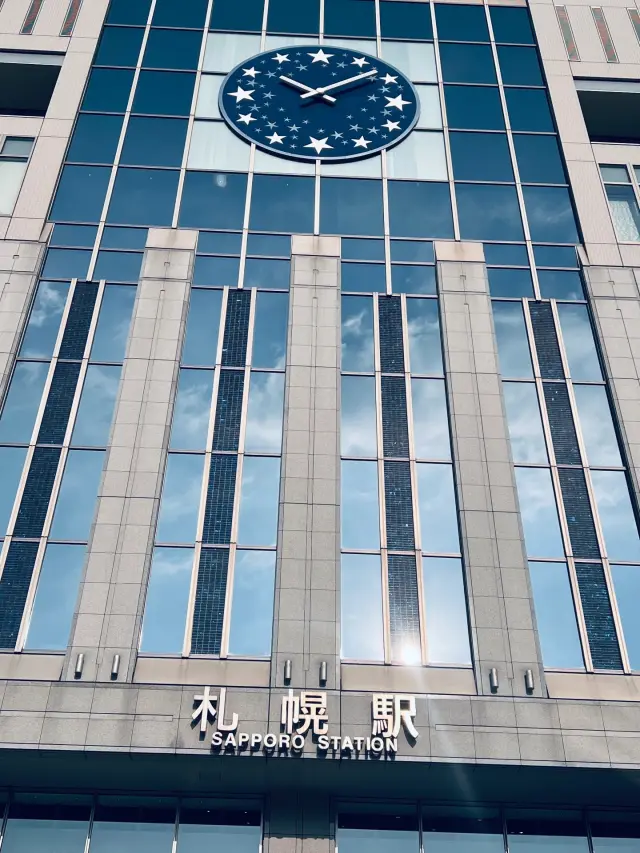
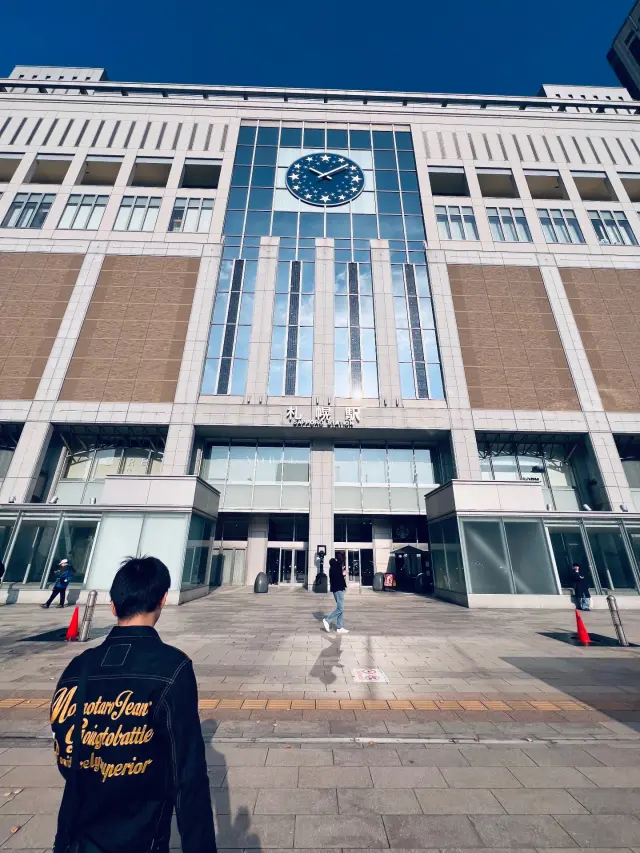
    * A landmark where people gather: A continuous ring of benches surrounds the base of the glass structure. Together with JR Tower’s famous “#星之大時鐘” (#星の大時計), designed by architect Takenobu Igarashi, this has become a classic meeting spot (待ち合わせ) for Sapporo residents and visitors.
    2. The hollow white sculpture inside: “#妙夢” (#Myomu)
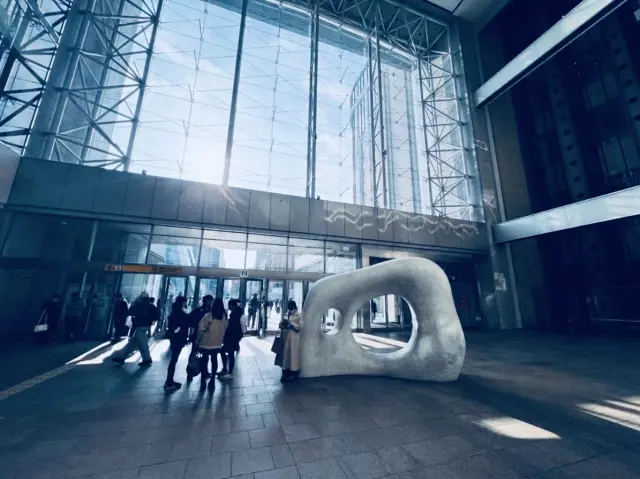
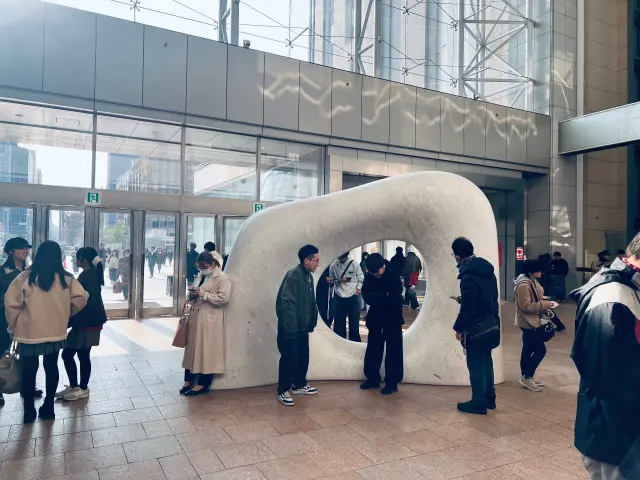
    When you enter the South Exit concourse of Sapporo Station, in the west concourse near #大丸百貨, you’ll see this highly recognizable pure-white marble sculpture. It is the most popular meeting landmark inside Sapporo Station, similar in status to the Hachiko statue in Shibuya, Tokyo.
    * Artist and background: The work is titled Myomu and was created in 2003, when JR Tower opened, by internationally renowned sculptor Kan Yasuda, who is from Bibai, Hokkaido.
    * Material and meaning: The sculpture is carved from premium white marble from Carrara, Italy, with a smooth, gently polished surface. There are two circular openings of different sizes running through the center—from one side, it looks like one large opening, while from the other, you can see one large and one small opening. Through its soft curves and hollow form, Kan Yasuda sought to evoke images of a “dreamscape” and a “gateway through space and time.” Many travelers enjoy sitting inside the openings for photos or touching the cool, smooth marble.
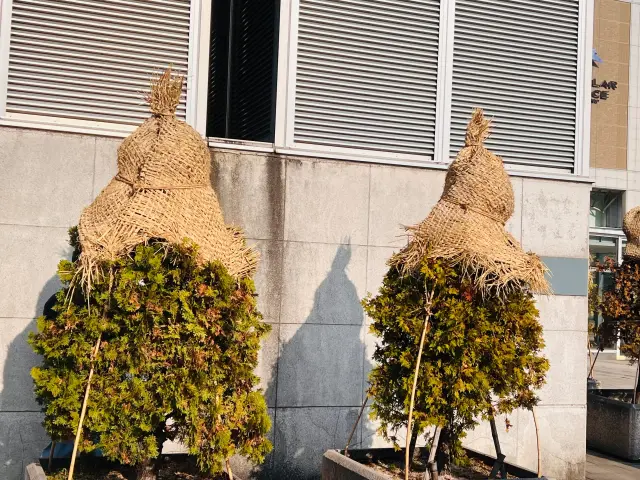
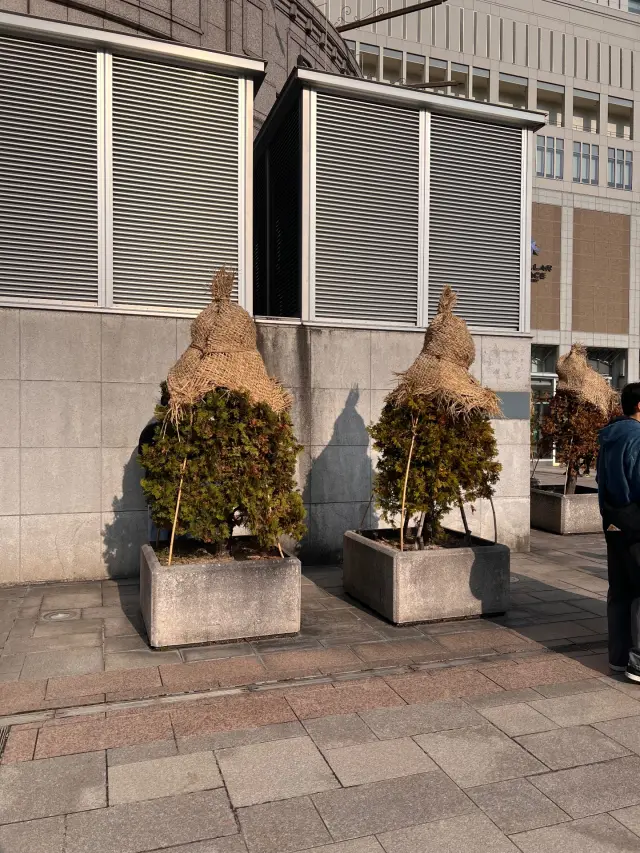
    3. The cute Christmas trees “wearing straw hats”: Hokkaido’s traditional winter protection, “#冬圍” (雪吊り / #菰巻き)
    The cute little trees in the first photo that look like they’re wearing straw hats and getting ready for Christmas are actually not Christmas decorations. They are a type of winter protection unique to Japan’s snowy regions called “冬圍” (#冬囲い, #Fuyugakoi)!
    * Why do they wear “straw hats”? Hokkaido receives extremely heavy snowfall in winter. When heavy snow piles up on evergreen shrubs such as cypress and azaleas, it can easily break their branches, while the bitterly cold wind can damage tender buds. So every year before winter begins, around November, gardeners weave straw into cone-shaped mats called “菰” or “わらぼっち,” place them over the tops of the trees like hats, and secure them with bamboo poles around the sides. This allows snow to slide down the sloped straw hats and protects the trees through the harsh winter.
    * Cute seasonal scenery: With their woven straw cones and bundles of straw tied at the top, they look from a distance like little elves in straw hats or rows of Christmas trees wearing straw hats. They have become one of the most heartwarming sights unique to Sapporo’s streets in early winter.

  • AOAO SAPPORO

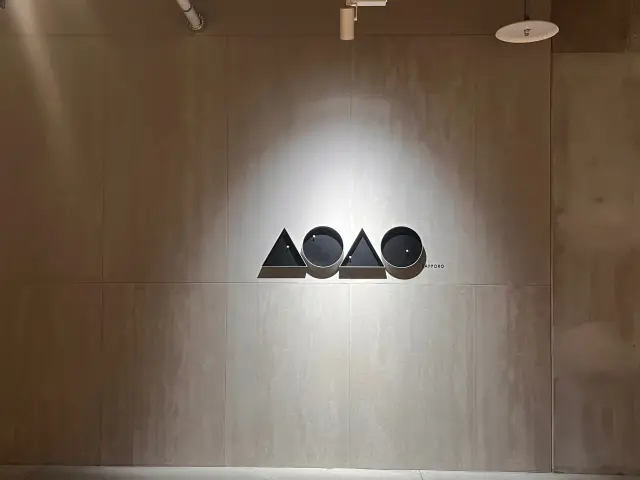
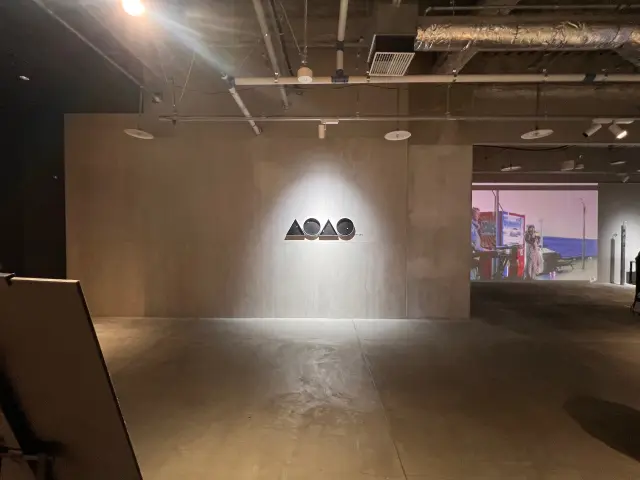
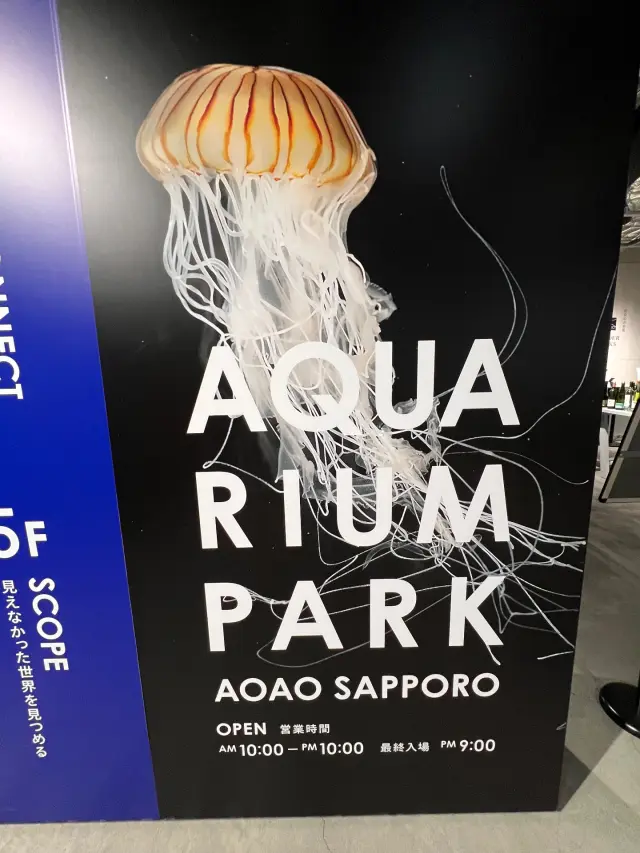
    Doors opened on July 2023 over at AOAO SAPPORO, the urban aquarium destination themed for "Wonders of Life: Seeing the Unseen”. The space is divided into three distinct zones, each with its own underwater world of hybrid-media areas that ponder the link between humans and water via live animal exhibits, backstage tours and immersive digital art.

    • Sapporo Station, Odori, Susukino
    • Zoos & Aquariums
    See More

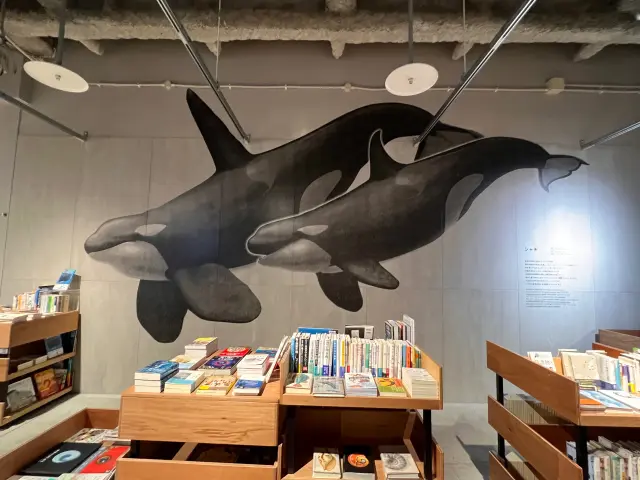
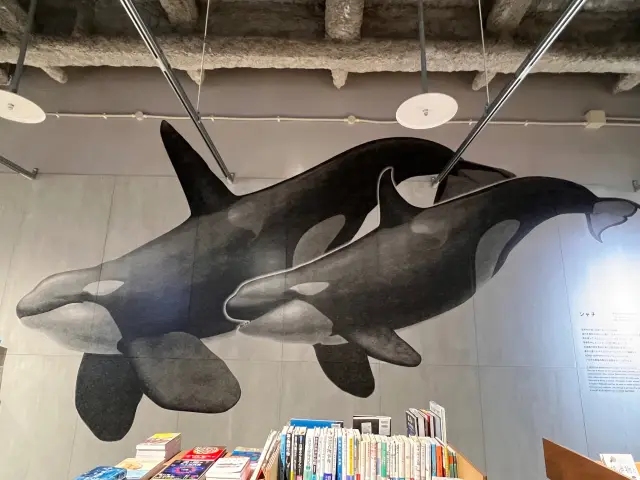
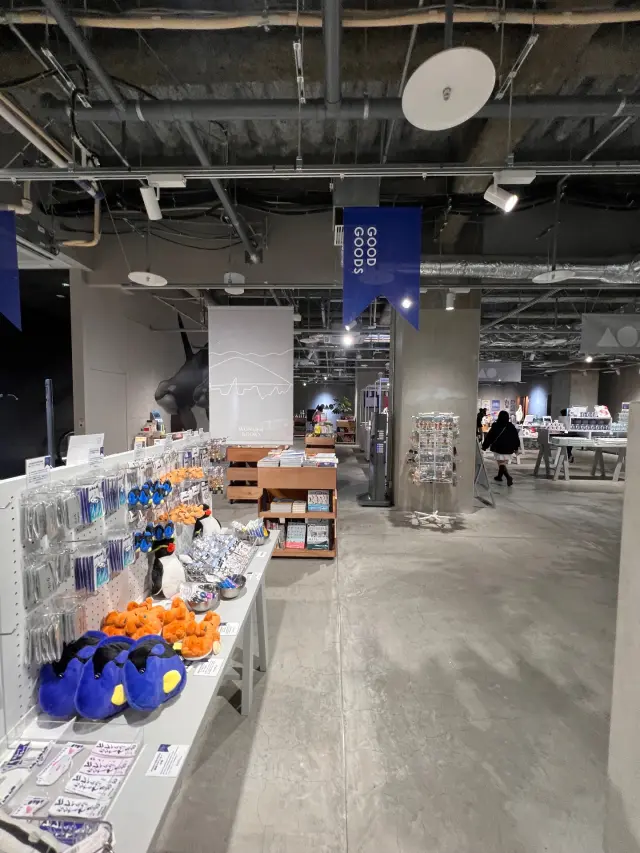
    #AOAOSAPPORO is an urban aquarium located on floors 4 through 6 of a mixed-use shopping complex next to Tanukikoji in central Sapporo. It blends exposed concrete, aesthetic lighting, natural ecosystems, and curated creative goods. The overall atmosphere is quiet and design-focused, making it perfect for travelers who enjoy stylish surroundings and exploring exhibits at a slower pace. 🐳

    ⭐️⭐️⭐️⭐️⭐️The aquarium combines marine life exhibits, curated books, art posters, and distinctive creative goods, giving it the refined feel of a lifestyle boutique. 🌟

    Highlights: Forest exhibits and stylish creative goods
    * Nature aquariums and a forest ecosystem experience: The 5th-floor “NATURE AQUARIUM (#自然水族箱)” and tropical plant exhibit layer aquatic plants, driftwood, stones, moss, and ferns to create a tranquil space that feels like a miniature forest and a Zen landscape painting. Together with the lighting and mist effects, it’s a place where you can sit down and slowly take in the breathing rhythm of the plants and the water cycle.

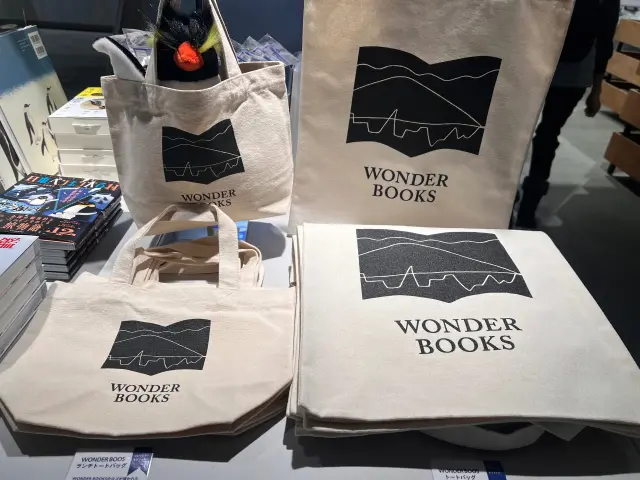
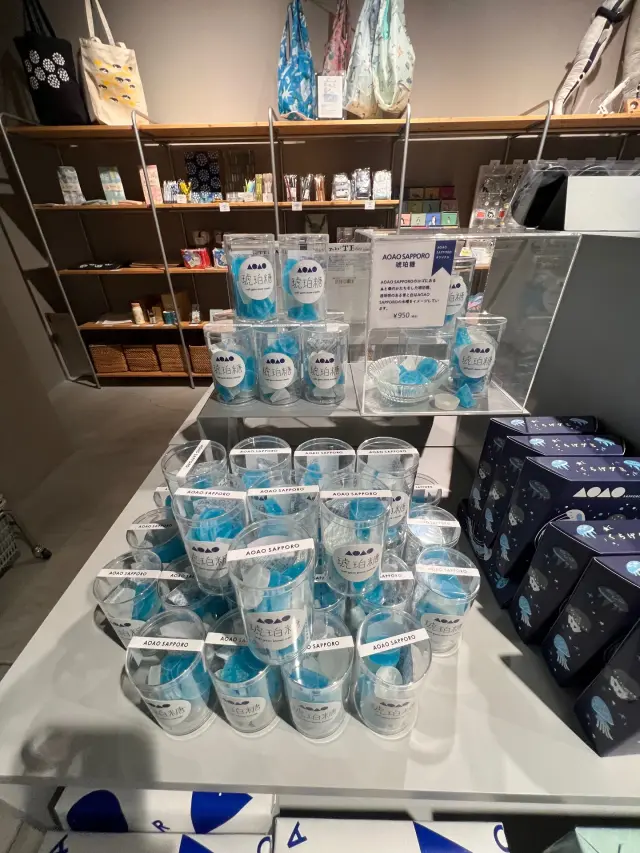
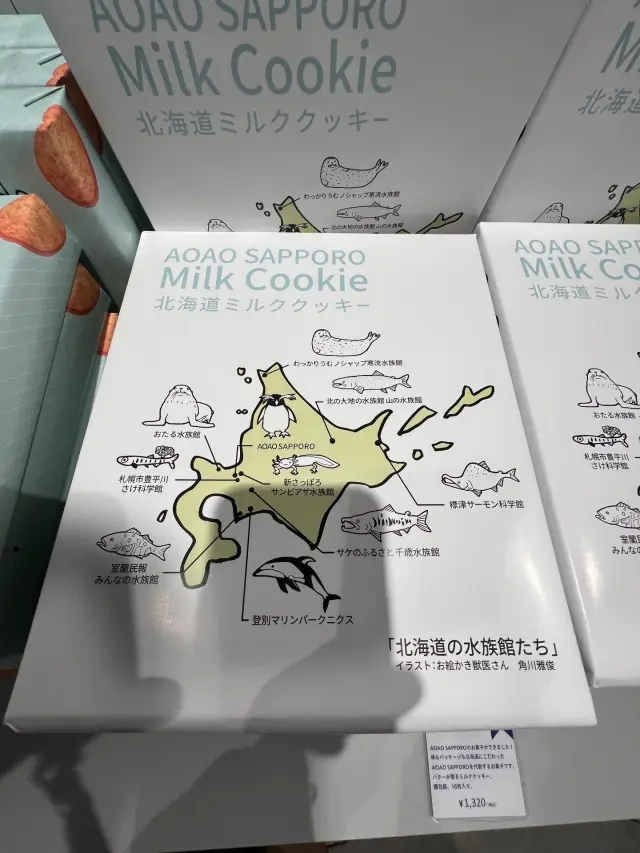
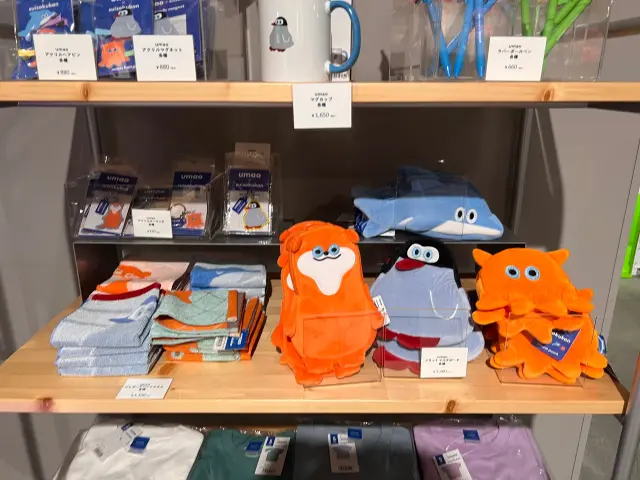
    * High-quality creative goods and original merchandise: The aquarium offers many beautifully designed products, including canvas tote bags and lunch bags featuring the mountain-and-sea line art of “#WONDERBOOKS,” marine animal plush toys and towels, acrylic accessories, mugs, and clothing. The overall color palette and displays have a stylish, artsy feel.

    * Book and art corners: Wooden shelves beside the exhibits display books related to the ocean, ecology, and travel. There are also illustrated posters and an interactive doodling area, making the visit more than just looking at fish—it feels more like a sensory experience combining reading and visual aesthetics.

    * An unobstructed penguin exhibit and food and drinks allowed throughout: The aquarium has a northern rockhopper penguin exhibit with hexagonal platforms. Visitors can move around freely without being forced to follow a one-way route, and there are seats in many areas where you can enjoy drinks or light snacks while watching the animals. The atmosphere becomes even more peaceful when the lights dim at night.

    🛍️Suggested nearby shopping route🛍️
    Starting from #moyukSAPPORO is the most convenient way to shop. The complex itself is next to Tanukikoji 3-chome, so you can easily walk straight into the surrounding shopping district.
    * Starting point | moyuk SAPPORO and Tanukikoji 3-chome: After visiting the aquarium, you can browse the other floors of the complex and the surrounding streets. This area has many drugstores and lifestyle shops, and it’s easy to get around even on rainy or snowy days.
    * Middle stop | #狸小路 4-chome for souvenirs and everyday essentials: Head west to 4-chome to visit #MEGA唐吉訶德 Sapporo Tanukikoji Main Store. It has a wide selection and long business hours, making it convenient for picking up snacks, beauty products, daily necessities, and travel items all at once.

    * One-stop souvenir shopping: The long-established #TanukiyaSouvenirShop is also in the 4-chome area, making it easy to shop for representative Hokkaido sweets and souvenirs without having to visit multiple stores.
    * Extended route | Head east to Tanukikoji 2-chome and the food alleys: If you also want snacks or distinctive little shops, walk east toward the Tanuki COMICHI area for restaurants and desserts. You can continue along the Tanukikoji Shopping Street all the way to 1-chome and the nearby Nijo Market.

Hokkaido Tohoku Kanto Chubu Hokuriku Kansai Chugoku Shikoku Kyushu Okinawa