• See More

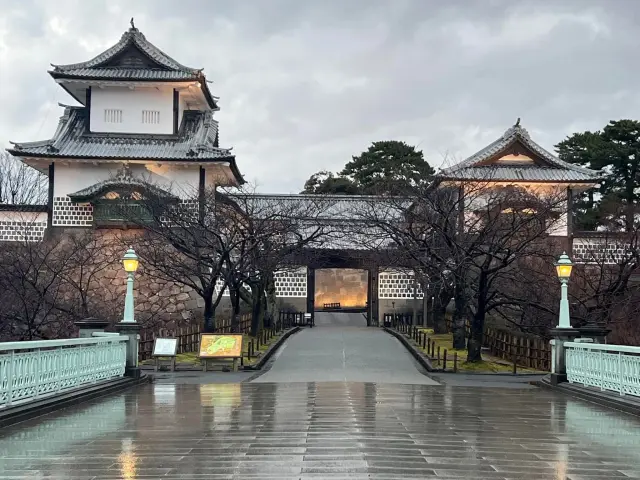
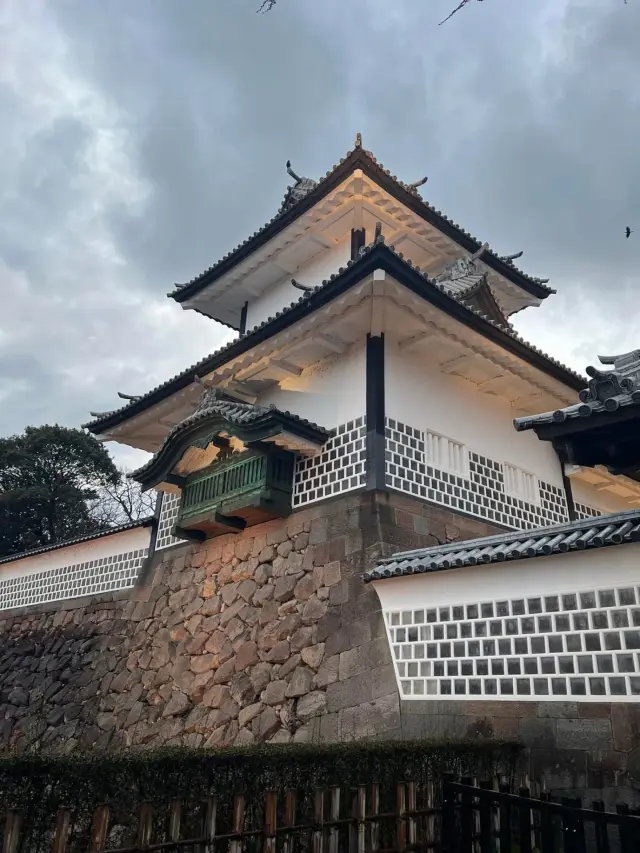
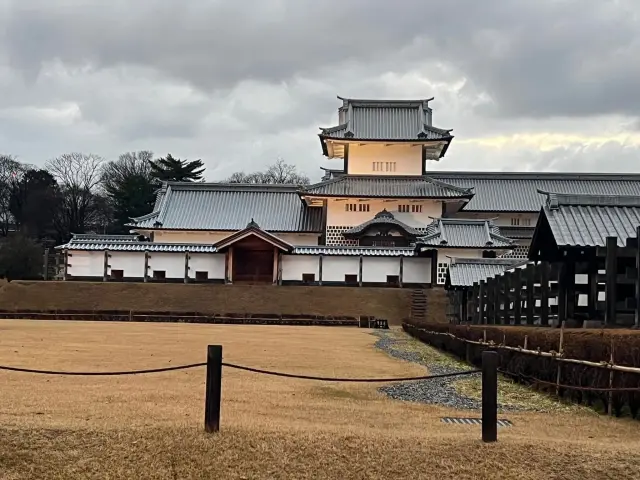
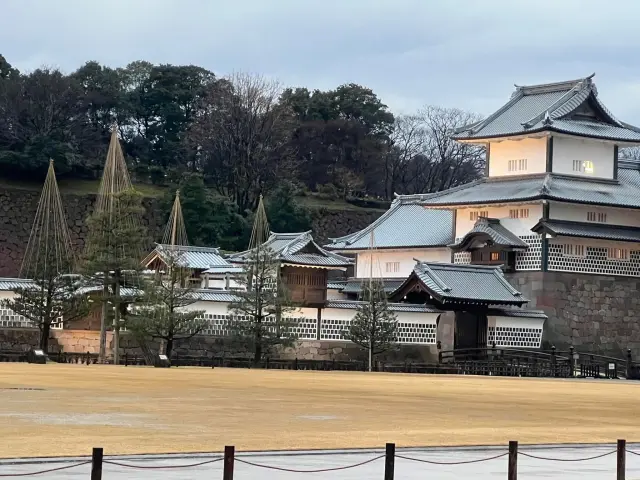
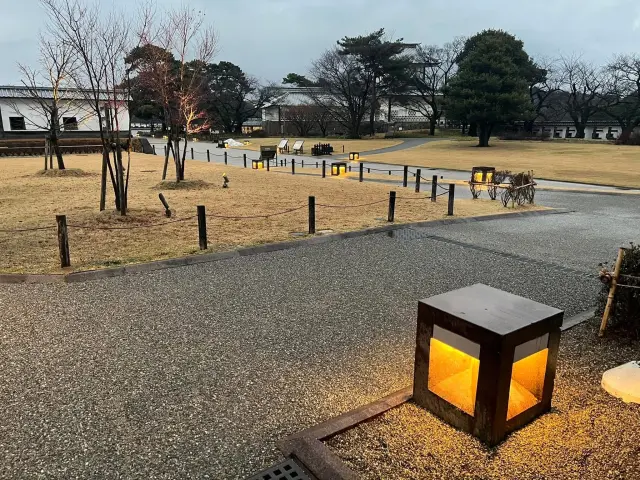
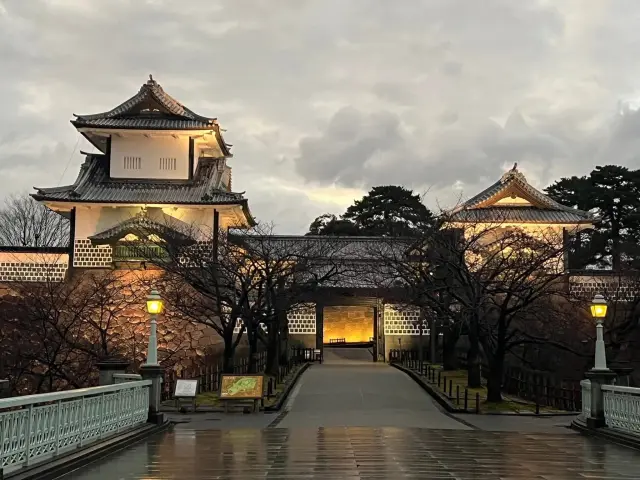
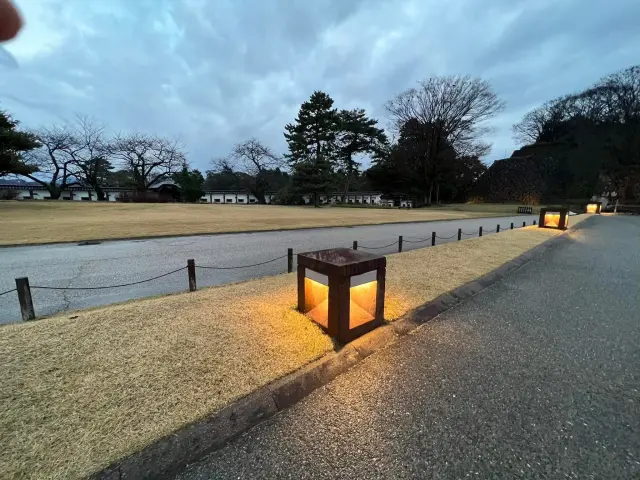
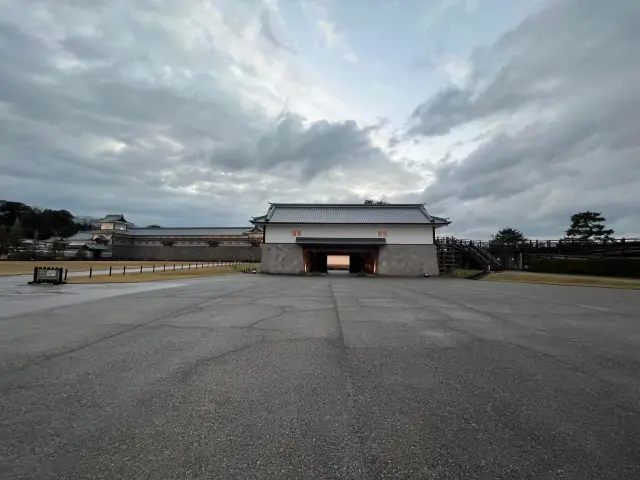
    Kanazawa Castle Park

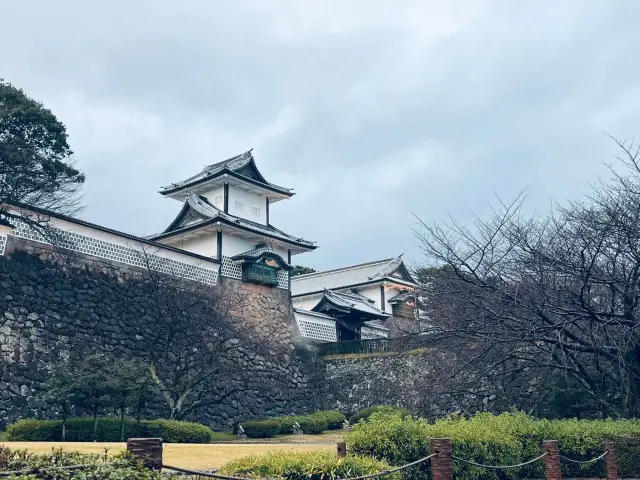
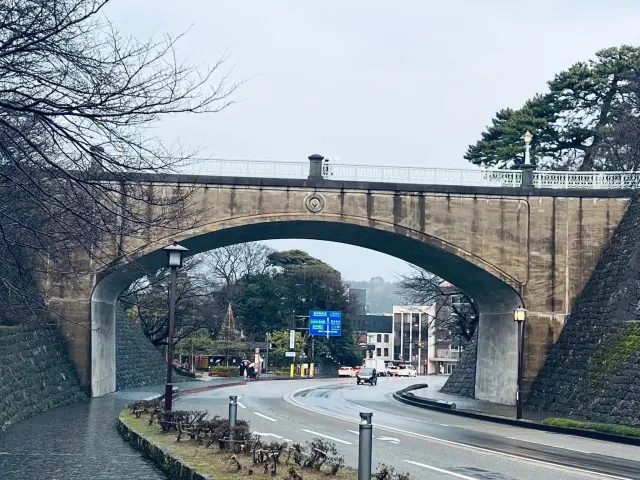
    In Tensho 11 (1583), Maeda Toshiie entered Kanazawa Castle and then began formally constructing the castle. It is said that Toshiie invited the famous Christian daimyo Takayama Ukon to oversee the construction. The Otemon Gate was also moved from Nishichoguchi to Osakaguchi around this time. However, the residences of senior retainers were located within the castle grounds at the time, so the castle itself was not very spacious. After the keep was destroyed by lightning in Keicho 7 (1602), it was never rebuilt. A three-story turret was later built in the Honmaru, while a palace was built in the Ninomaru.
    After a fire in Kan'ei 8 (1631), the castle's layout changed as the Ninomaru was expanded and water was brought in through the Tatsumi Canal, among other projects. The samurai residences were also moved outside the castle. The inner moat was then excavated, and the soil removed from it was used to form the various baileys.
    The fire of Horeki 9 (1759) destroyed nearly the entire castle. The subsequent reconstruction emphasized practicality and focused on the Ninomaru, while the turrets in the Honmaru were not rebuilt. The Saikusho workshops were also moved from Shinmaru to Dogata during this period. The existing Ishikawamon Gate was later rebuilt in Tenmei 8 (1788).
    The Hishi Yagura, Gojikken Nagaya, and Hashizumemon Tsuzuki Yagura, restored in Heisei 13 (2001), recreate the castle's appearance during the Ansei era. The original structures had been rebuilt after the Ninomaru fire of Bunka 5 (1808) and were then destroyed in the fire of Meiji 14 (1881).
Other Reviews by Norton Liang

  • Deai Bridge

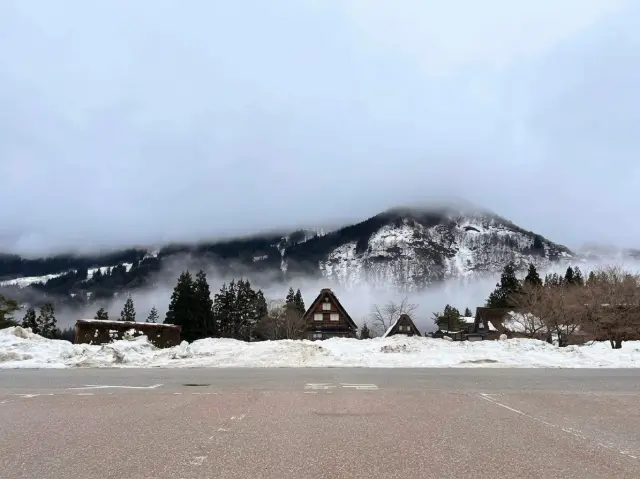
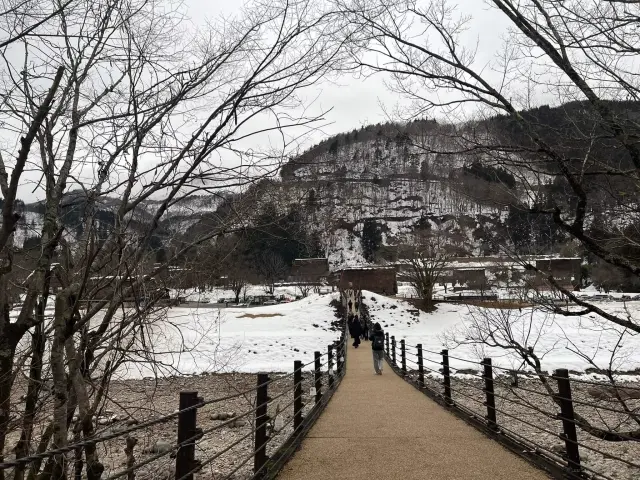
    Deai Bridge is a 107-meter-long suspension bridge that leads to the Shirakawa-go gassho-zukuri village, a registered World Heritage site. The bridge connects the convenient public parking area, 'Village-Operated Sesaragi Park Parking Lot', to the village, and crossing the bridge brings you to the entrance of the village.
    • Gifu
    • Tourist Attractions
    See More

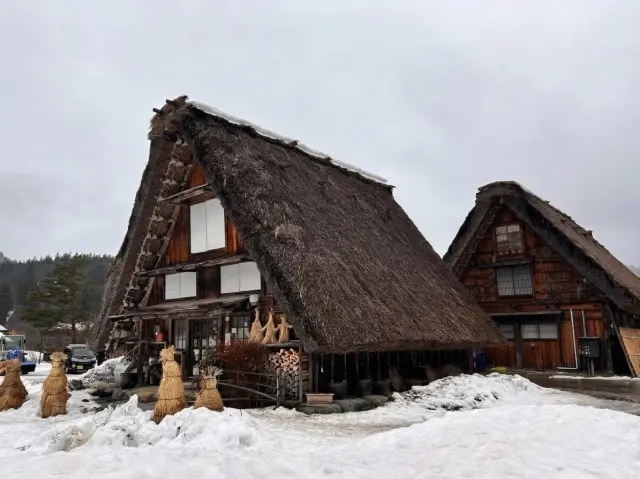
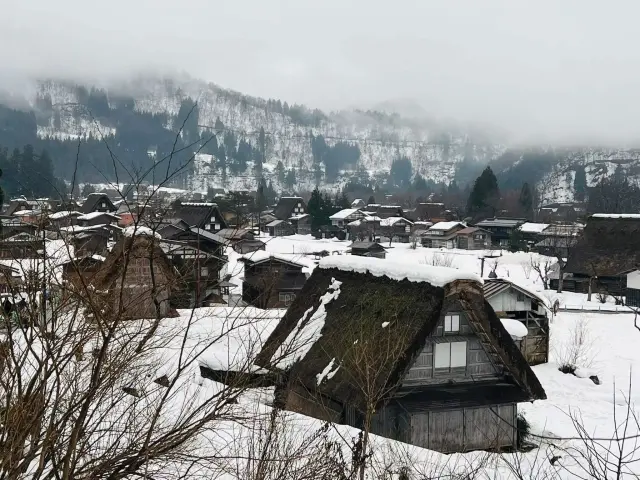
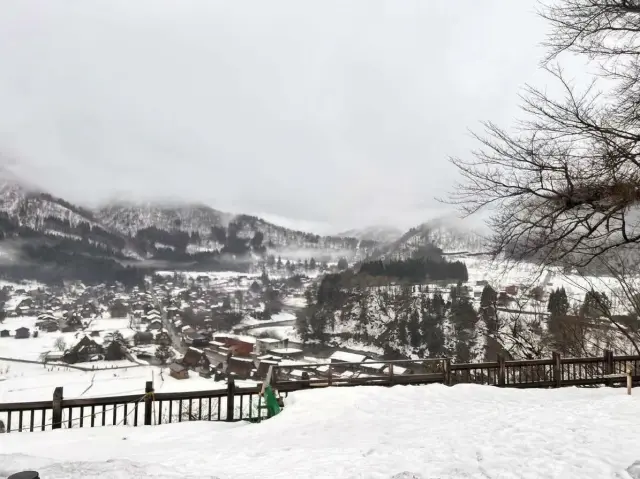
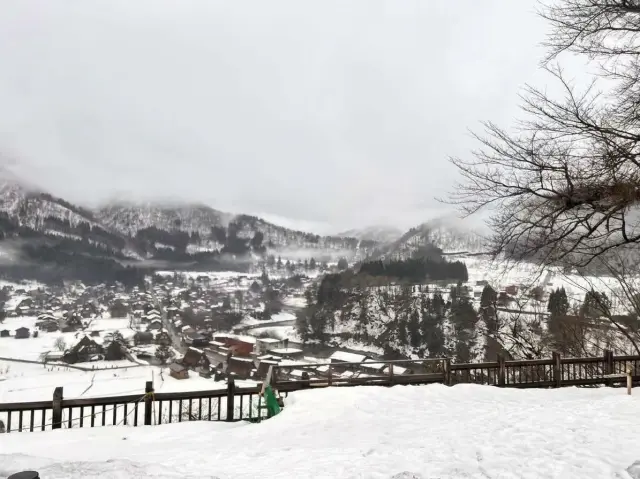
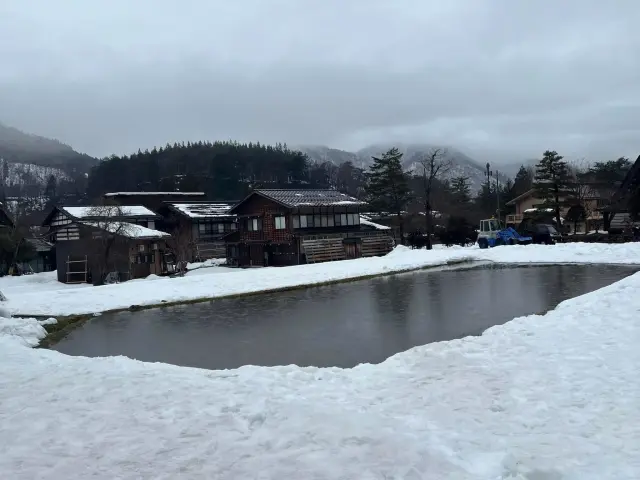
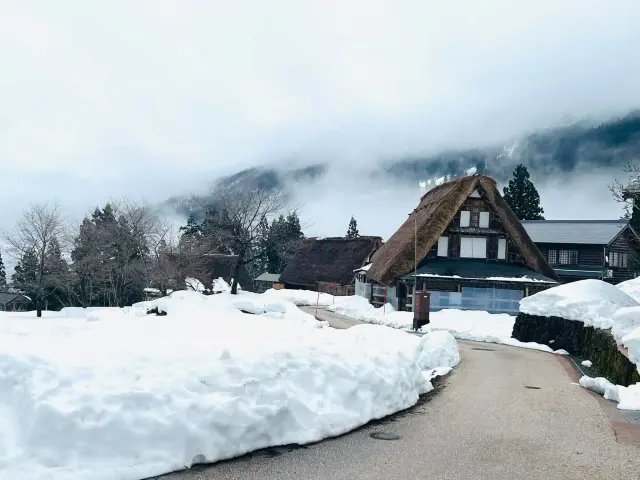
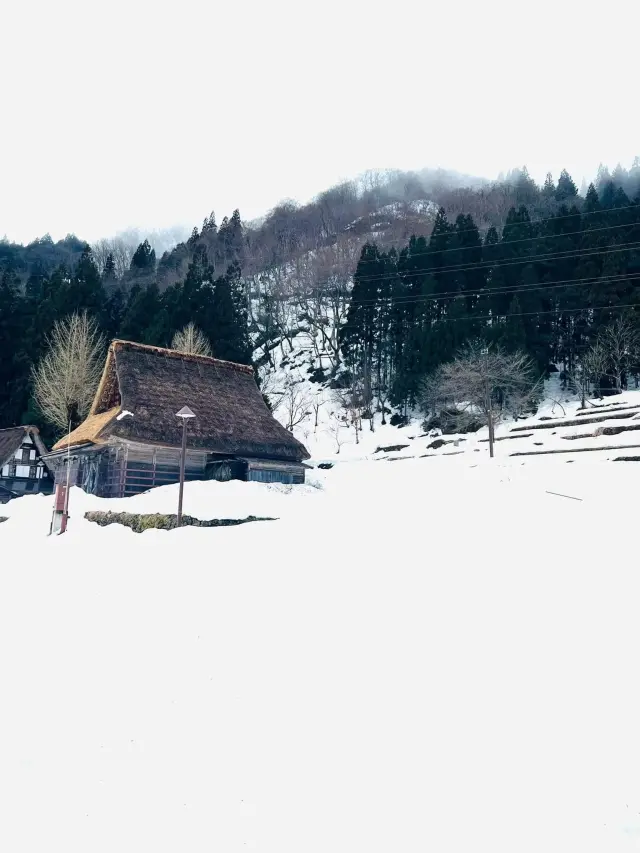
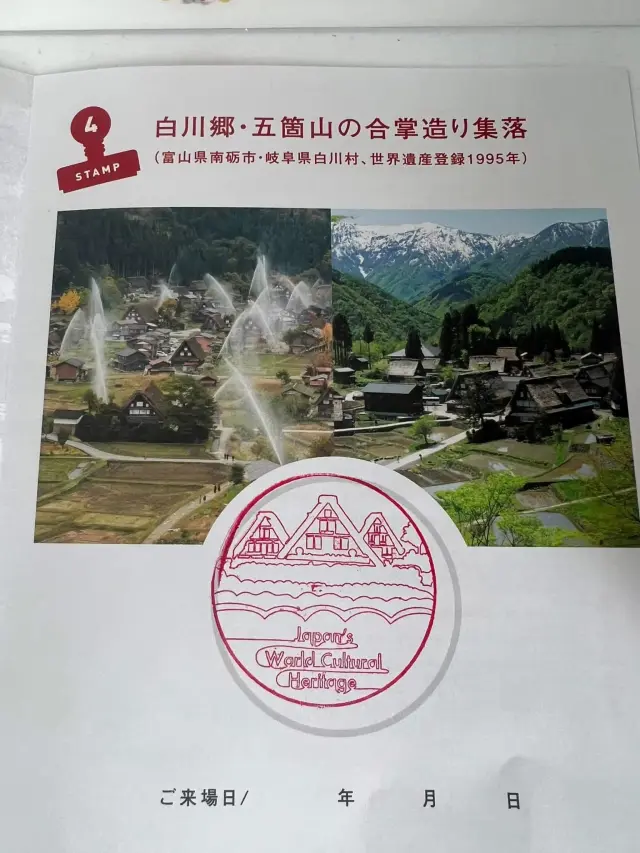
    “Gassho Village” usually refers to the “Shirakawa-go Gassho-Zukuri Village” (Shirakawa-go Gassho-Zukuri Minka-en) in Shirakawa Village, Ono District, Gifu Prefecture, Japan, commonly known as Shirakawa-go. The village is famous for its distinctive gassho-zukuri architecture and was designated a UNESCO World Cultural Heritage Site in 1995 along with the gassho-style villages of Gokayama in Toyama Prefecture.
    Main Features
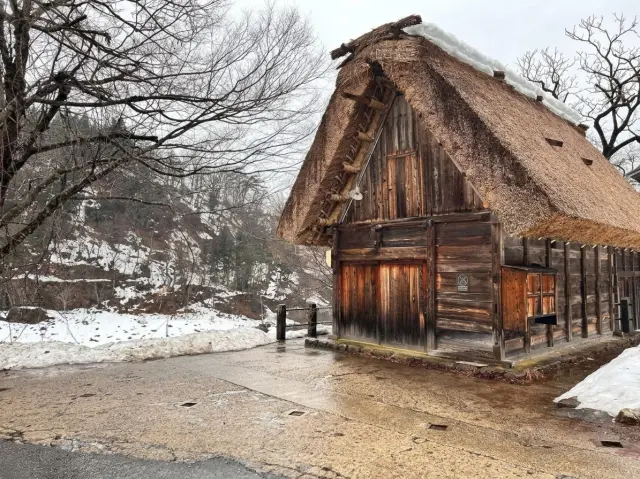
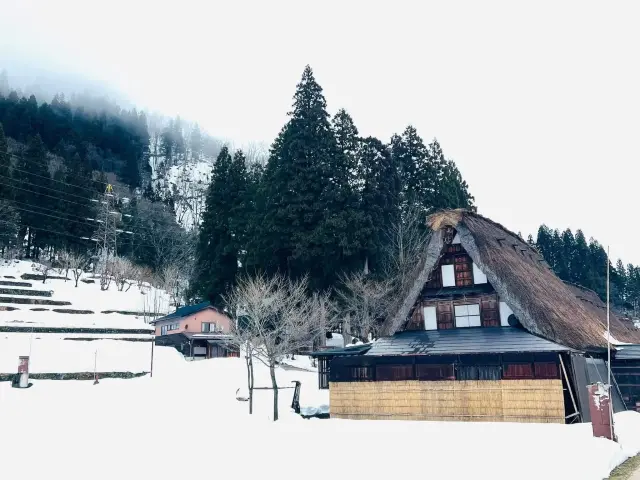
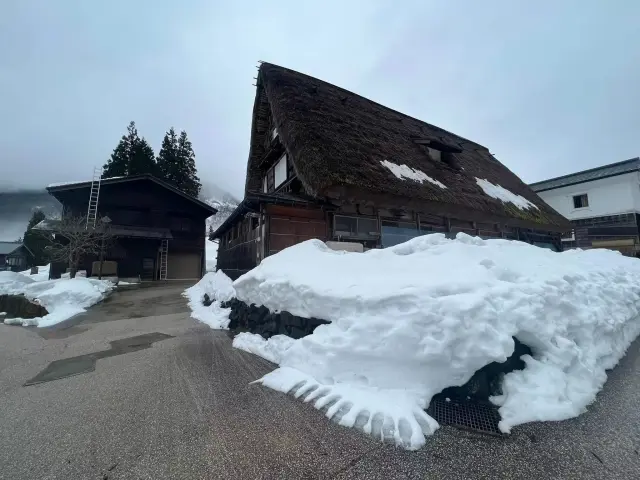
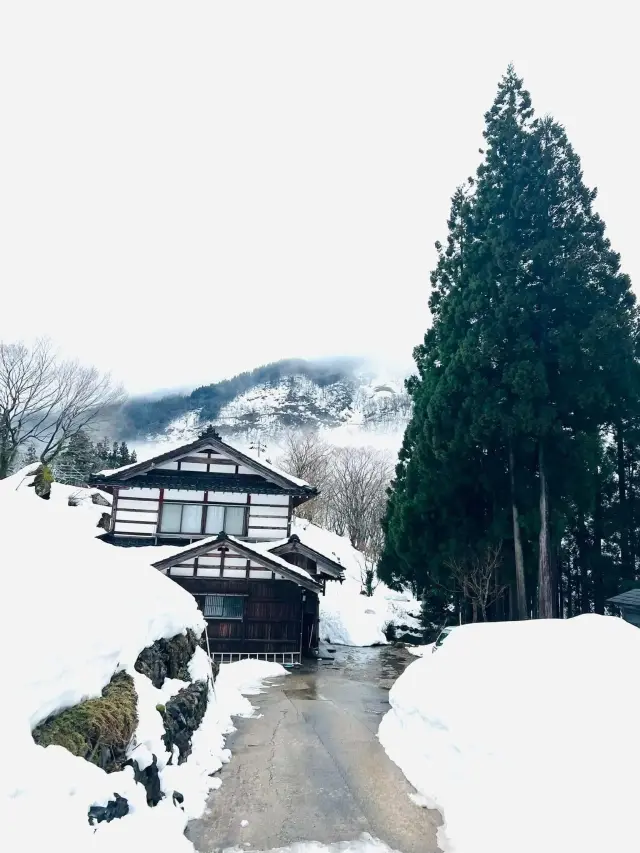
    Architectural style: Gassho-zukuri is a type of traditional Japanese house characterized by thick thatched roofs with steep, triangular slopes resembling hands pressed together in prayer.
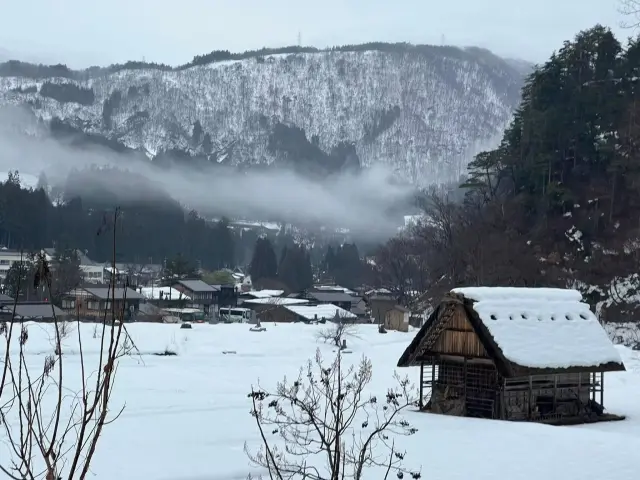
    Functional design: This distinctive roof design was developed to accommodate the area's heavy winter snowfall, helping snow slide off efficiently. The attic space was also used for activities such as silkworm farming. The roof thatch needs to be replaced every 30 to 40 years.
    World Heritage Site: The Ogimachi area of Shirakawa-go preserves a large number of gassho-zukuri buildings and is currently the largest and most famous gassho-style village in Japan.
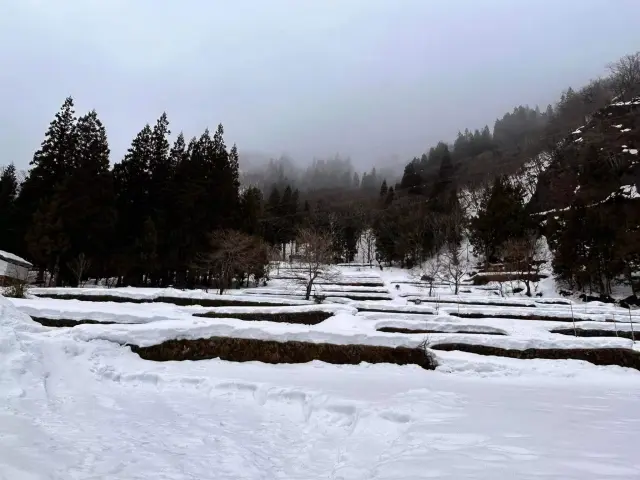
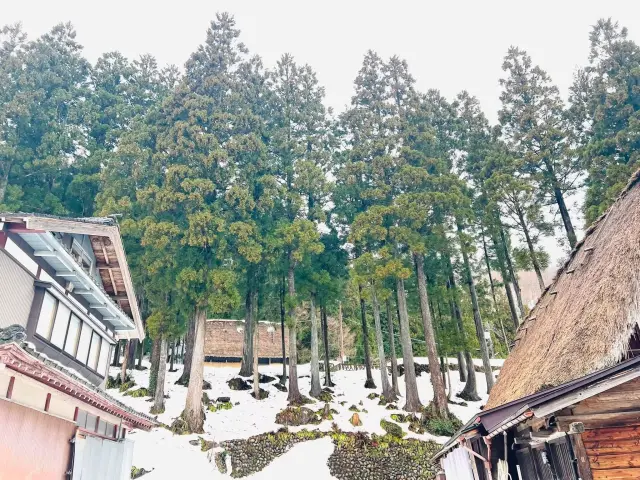
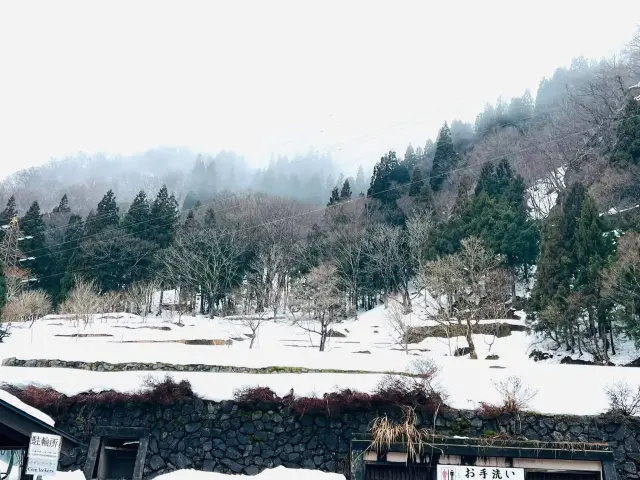
    Beautiful scenery in every season: Gassho Village has a different charm in each season, from fresh greenery in spring and cool weather in summer to red maple leaves in fall and snowy white scenery in winter, attracting large numbers of visitors.
    Winter illumination: A limited-time illumination event is held every winter. The snow-covered gassho-style houses lit up at night create a magical, fairy-tale-like scene. It is an extremely popular tourist event, and reservations are required.

  • Gokayama Ainokura/Suganuma Gassho-Zukuri Village

    In the southwestern tip of Toyama Prefecture, Gokayama consists of 40 small villages scattered across five valleys.

    • Toyama
    • Famous Places
    See More

    Gokayama is a group of gassho-style villages located in Nanto City, Toyama Prefecture, Japan. Together with Shirakawa-go, it is registered as a World Cultural Heritage Site.
    It includes two main settlements, Ainokura and Suganuma, characterized by their preserved thatched-roof gassho-zukuri houses with steeply pitched roofs. This architectural style was developed to cope with heavy winter snowfall. Compared with the larger Shirakawa-go, Gokayama has relatively fewer visitors and feels more peaceful.
    Main features
    World Heritage Site: In 1995, the Gokayama gassho-style villages and Shirakawa-go in Gifu Prefecture were jointly designated a UNESCO World Cultural Heritage Site.
    Gassho-zukuri architecture: There are many historic thatched-roof houses whose roofs resemble hands pressed together in prayer. This design allows snow to slide off effectively and is well suited to the area's snowy climate.
    Two main settlements:
    Ainokura: The larger settlement, with about 23 gassho-style houses, making it the largest gassho-style village in Gokayama.
    Suganuma: The smaller settlement, with about 9 gassho-style houses, and even more tranquil.
    Relaxed atmosphere: Since there are relatively fewer visitors, Gokayama offers a more peaceful travel experience.
    Beautiful scenery in every season: Each season has its own beauty, such as spring greenery, red maple leaves in fall, and snowy winter scenery.
    Recommended places to visit
    Ainokura Folklore Museum: A place to learn more about life in the village.
    Iwase Residence: About 300 years old, it is one of the largest gassho-zukuri buildings in Gokayama and Shirakawa-go. It is also designated as a National Important Cultural Property, and visitors can tour the interior and learn more about it.
    Haba Residence: It preserves the early style of gassho-zukuri architecture, and its exterior is currently open for viewing.

  • Shirayama Hime Jinja Shrine

    This is the head shrine of nealy 3,000 Shiraishi / Hakusan Shrines scattered nationwide. Mt. Hakusan provides “Water of Life,” which is vital to all life, and residents at the foot of the mountain have reverenced it as the seat of a god and a holy area. In time, the mountain faith turned into a climbing worship style.

    • Ishikawa
    • Shrines & Temples
    See More

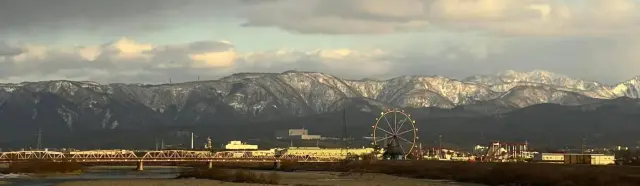
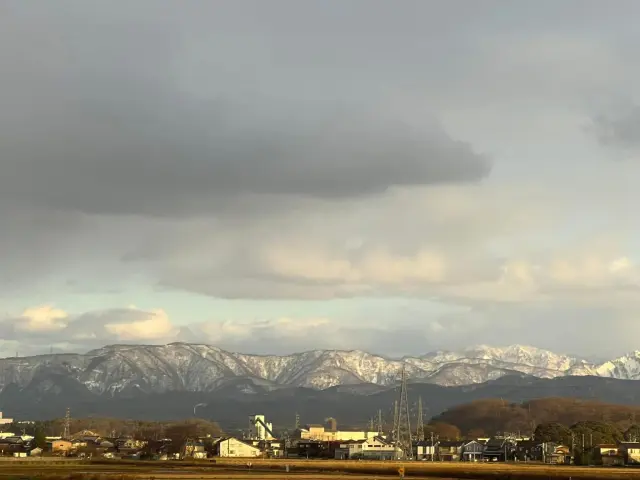
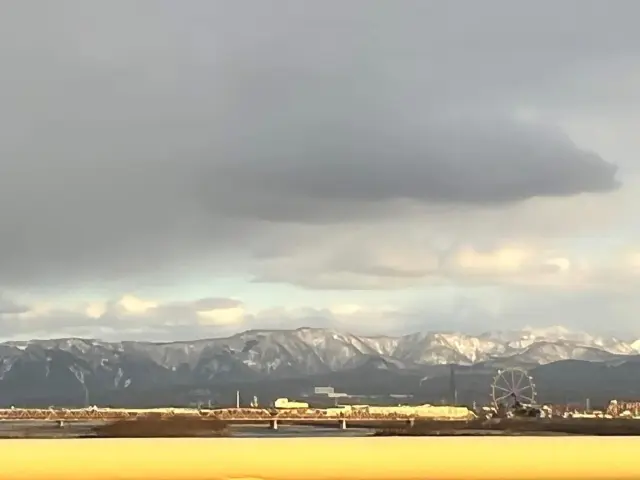
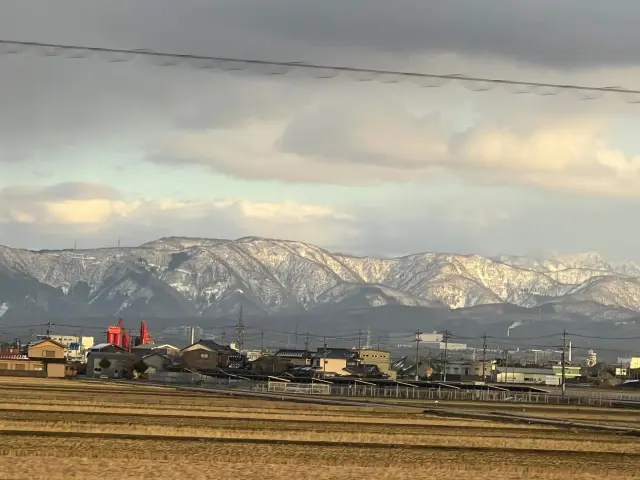
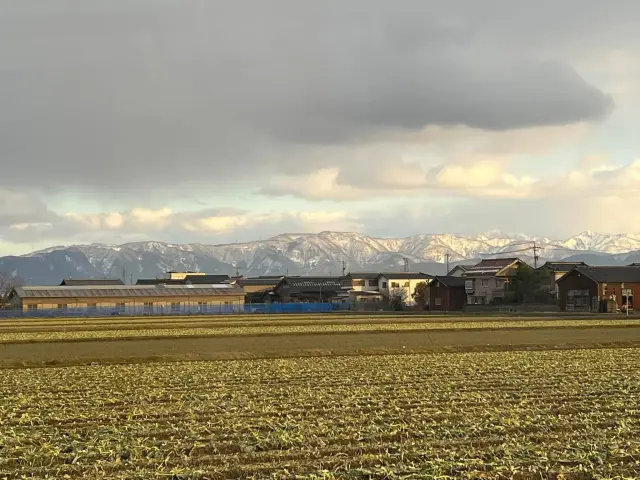
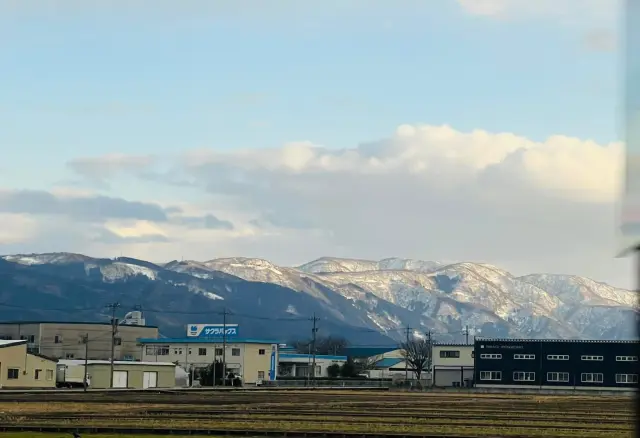
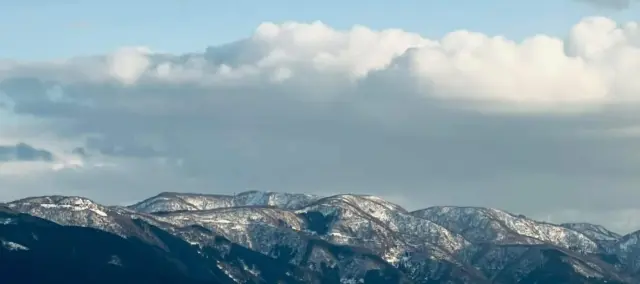
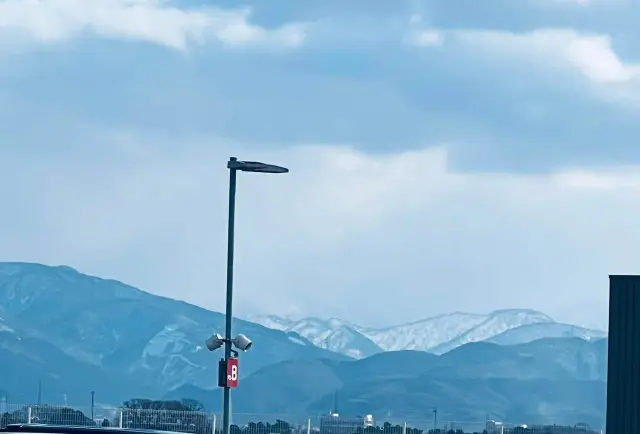
    “Hakusan” is actually not a single mountain, but a mountain range. Its highest peak, Gozengamine, stands at 2,702 meters above sea level. Beautiful alpine plants are scattered across the rugged volcanic terrain, with spectacular views everywhere. Why is it called “Hakusan,” or “White Mountain”? Of course, it’s because this is an area with heavy snowfall, and the summit is often covered in snow. In ancient times, Japan’s Hokuriku region was called the Province of Koshi, so Hakusan was known as “Koshi no Hakusan.” Since white was regarded as a sacred color, Koshi no Hakusan has long been a mountain admired by the Japanese and frequently appeared in waka poetry. Of Japan’s three famous mountains, if you’ve already visited Mount Fuji and Mount Tate, you should make a trip to Hakusan too!

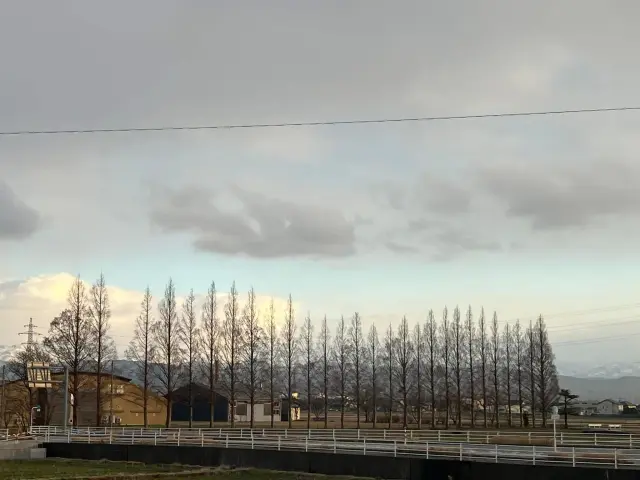
    The photos show the Hakusan range as seen from Kanazawa (January) and from the rooftop parking lot at Costco Kanazawa.

Hokkaido Tohoku Kanto Chubu Hokuriku Kansai Chugoku Shikoku Kyushu Okinawa