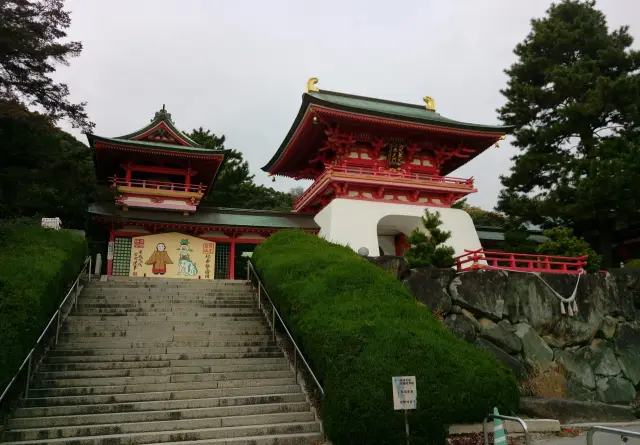
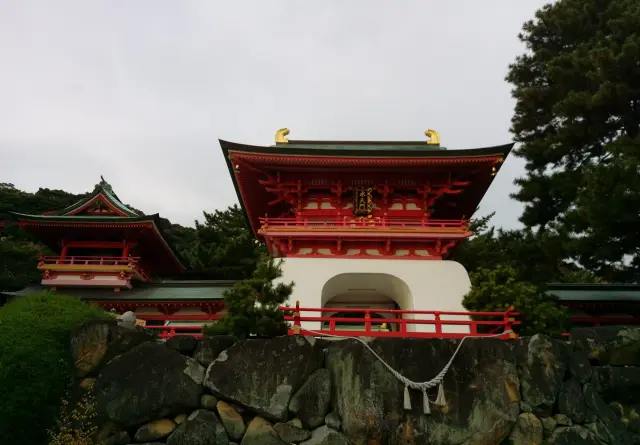
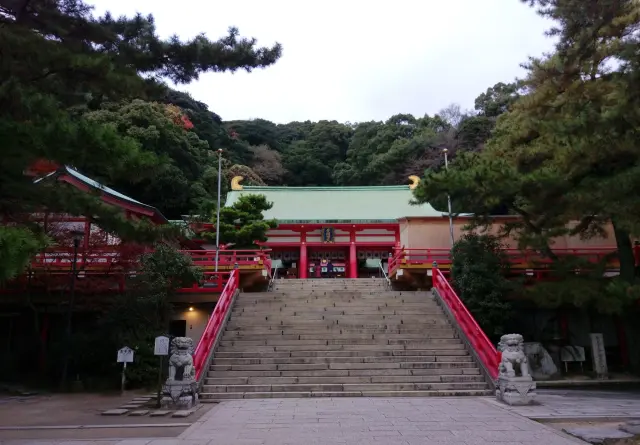
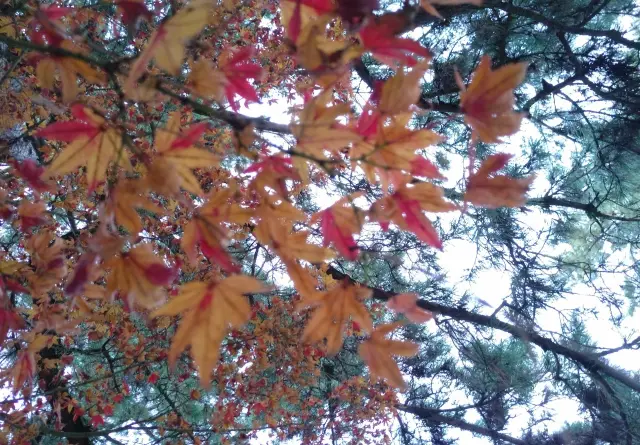
After visiting the Nisshin Peace Memorial Hall in Shimonoseki, I still had some time, so I took a walk along the road to Akama Shrine. The bright vermilion Suitenmon gate has a dreamy, Dragon Palace-like feel, and its design is quite eye-catching. I visited in late fall, just as winter was beginning, when the maple leaves had turned shades of red and orange, adding a touch of poetry to the solemn shrine. However, Emperor Antoku, who is enshrined here, has a sad history: in the 1185 Battle of Dan-no-ura, the emperor, only eight years old, drowned at sea along with the Taira clan. Thinking about this history brings a faint sense of sorrow.
Akama Shrine | Review by Linda Liao
Other Reviews by Linda Liao
-
REAL DRIP COFFEE No.12 by Ueshima Coffee House
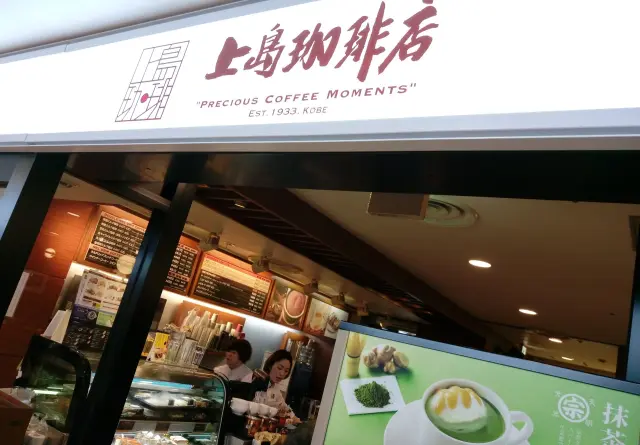
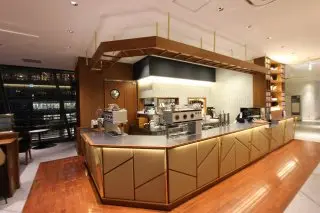
A new concept by Ueshima Coffee House, a brand that carries on Japan’s kissaten (coffeehouse) culture, REAL DRIP COFFEE No.12 opened in 2019 on the 5th floor of Shibuya Scramble Square Shops & Restaurants. It retains the refined atmosphere of Ueshima Coffee House, while offering an even more evolved coffee experience.
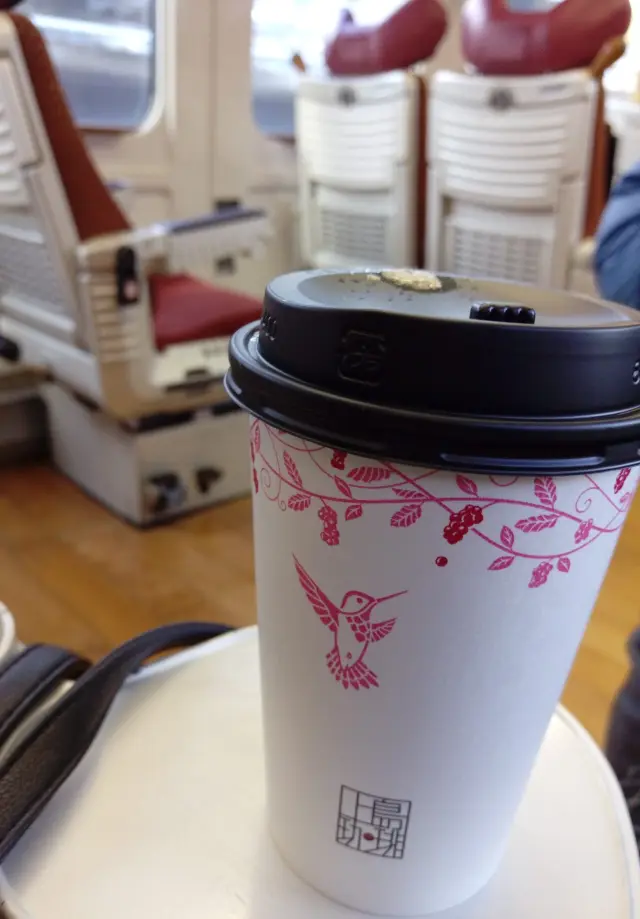
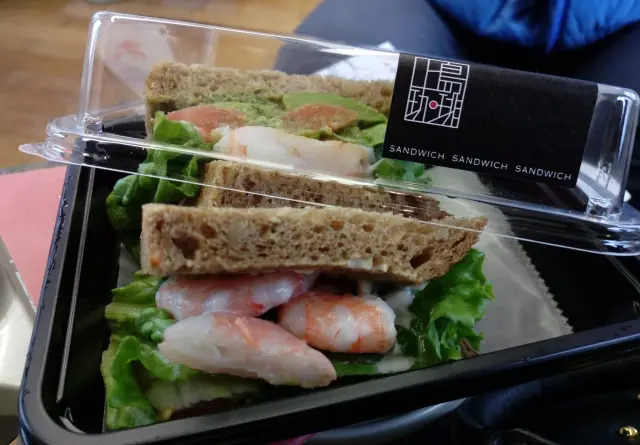
While traveling, I sometimes skip booking hotel breakfast to keep up with my itinerary. Instead, I look for a café along the way, buy a coffee to wake myself up, and get a sandwich to go to fill my stomach. Once, I stopped by Ueshima Coffee House and ordered a latte. The coffee was rich and aromatic, the milk flavor was mellow, and overall it was quite good—somewhere above average. Ueshima Coffee House is a coffee brand owned by Japan's UCC. It combines the charm of traditional kissaten with modern coffee culture, with a particular focus on coffee's rich, full-bodied flavor. The atmosphere inside is also a bit calmer and more nostalgic than at a typical fast-food coffee shop. If you have time, I also recommend sitting down and enjoying it at a leisurely pace.
-
-

Peko-chan
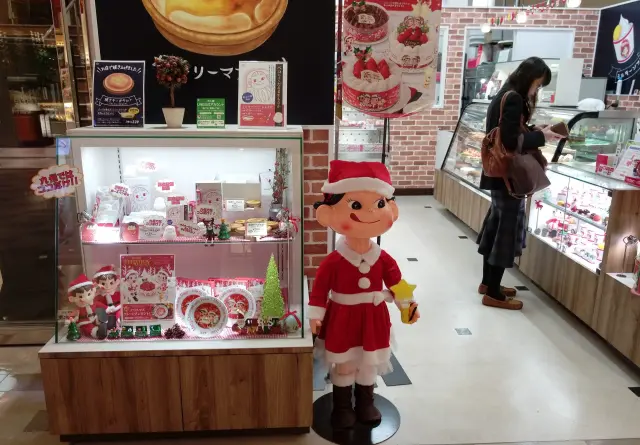
Peko-chan appears on the packaging of Milky, a longtime favorite among Fujiya’s candies. She is forever six, and her name is a Western-style adaptation of beko, an affectionate Japanese term for a calf. She loves sweets and helps spread the word about Fujiya’s treats.
When it comes to classic Japanese snacks, you can't leave out Fujiya's Peko-chan! This adorable girl with pigtails and her tongue sticking out has been part of many people's childhoods and remains a familiar, classic character today. As a child, my favorite treat was Fujiya's milk candy. Its rich milky aroma and sweet flavor still bring back so many memories. In addition to snacks, Fujiya also offers all kinds of Peko-chan merchandise, from desserts to everyday items that are hard to resist. I've visited Peko-chan specialty stores in Fukuoka and Kagurazaka, Tokyo. Every time I see all these cute products, I can't help but stop and look, as if I've rediscovered the happiness of childhood~
-
-

Mojiko Retro Tourist Souvenir Hall “Minato House”
Mojiko Retro, one of Kitakyushu City’s most iconic sightseeing areas, preserves the atmosphere of the port town that once thrived on international trade. The area is lined with historic buildings designated as Registered Tangible Cultural Properties of Japan, such as the Former Moji Mitsui Club-where Einstein once stayed-and JR Mojiko Station, built in 1914. Nearby, you’ll also find the Blue Wing Moji, one of the largest pedestrian drawbridges in Japan, making the area full of fascinating sights.
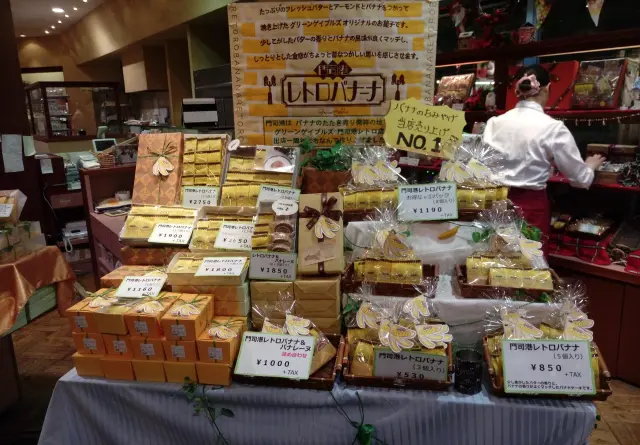
The Mojiko Retro Tourist Souvenir Hall “Minato House” has a food court and a variety of local souvenirs to choose from. I was just casually browsing when some banana-shaped treats caught my eye, and that’s when I discovered the special connection between bananas and Mojiko Port! Starting in the Meiji era, large quantities of Taiwanese bananas were imported to Japan through Mojiko Port. To quickly sell bananas that had been damaged or become overripe during transport, a unique culture of “banana hawking” gradually developed and became one of Mojiko Port’s signature features. When you visit Mojiko Port, don’t forget to take home a few banana treats to try〜
-