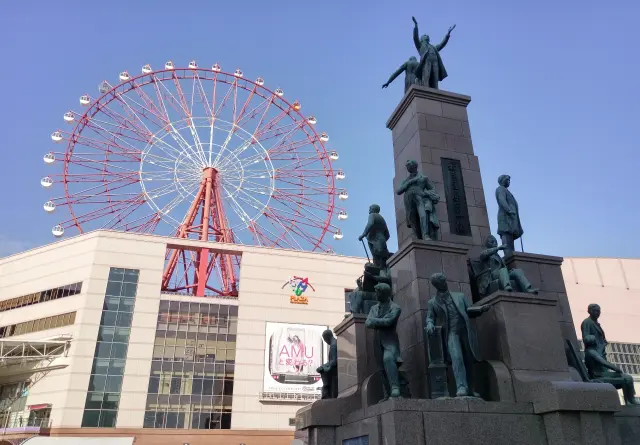
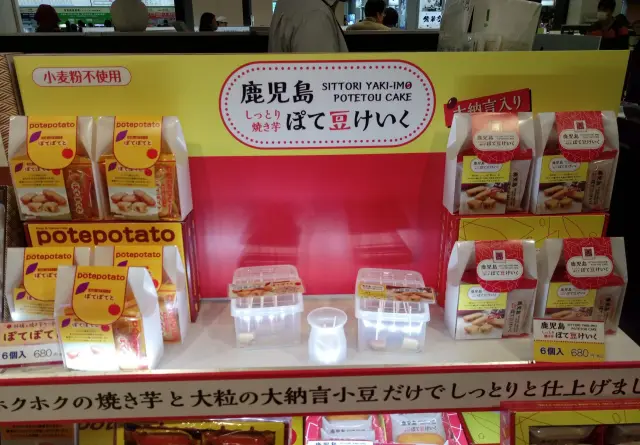
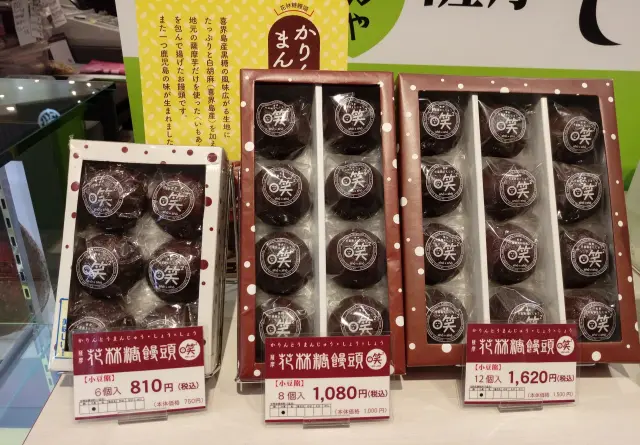
Whenever I travel to a new city, browsing the souvenir shops inside the station has long been a regular part of my trip. This place brings together all kinds of Kagoshima specialty souvenirs, from famous local sweets and Kurobuta pork products to other regional specialties, all in one place. When you get tired of shopping, there are also restaurants where you can sit down and enjoy a proper meal. My usual routine is to finish visiting the day's attractions, return to the station, and then browse around to see if there is anything good I missed. If you still haven't bought enough, you can come back to stock up before leaving Kagoshima! It's convenient to get to and has plenty of choices, so you don't have to worry about missing any classic souvenirs.
Satsumachi Kagoshima-Chuo Station – Miyage-Yokocho/Gourmet-Yokocho | Review by Linda Liao
Other Reviews by Linda Liao
-

Yufudake
Located northeast of one of Japan's premier hot spring resorts, Yufuin Onsen, Yufudake stands at an elevation of 1,583 meters. This twin-peaked active volcano is known for its sheer majestic grandeur and often referred to as the "Mt. Fuji of Bungo”. Legeng here traces back to ancient times when the peak was revered as sacred mountain, appearing in texts as early as the "Bungo Fudoki" and Japan's oldest poetry collection, the "Manyoshu”.
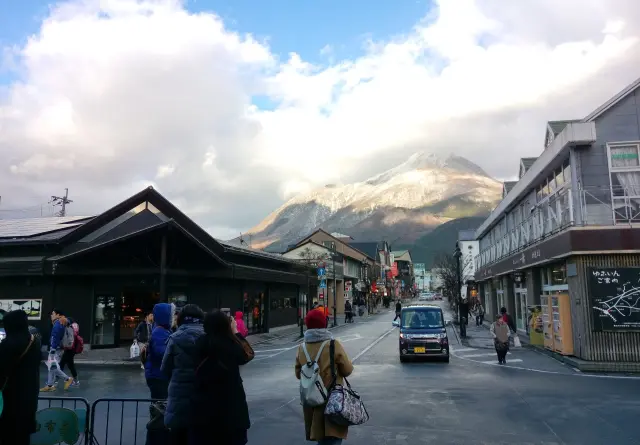
The first time I saw Mount Yufu in a travel photo, I was deeply captivated by its scenery. In summer, its slopes are covered in lush greenery and full of life. This time, I visited in early winter. From a distance, Mount Yufu had already changed into its fall and winter attire, with a thin layer of white snow covering the summit like a dusting of frosting. It lacked the liveliness of summer, but had a more solitary and mysterious beauty. Mount Yufu stands about 1,583 meters above sea level and is one of Yufuin's most iconic mountains. Because of the silhouette of its two side-by-side peaks, it is also affectionately known as the “Mt. Fuji of Bungo.” Its appearance changes with the seasons, and whether it is covered in verdant forests, fall foliage, or winter snow, each view has its own charm.
-
-
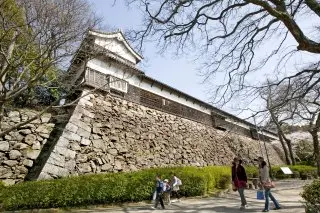
Fukuoka Castle Ruins
The castle was built by Yoshitaka (Kanbei) Kuroda and his father Nagamasa over a seven-year period beginning in 1601. It is known as “Maizuru Castle,” the residence of the Kuroda clan of the Fukuoka domain, which reigned throughout the Edo period.
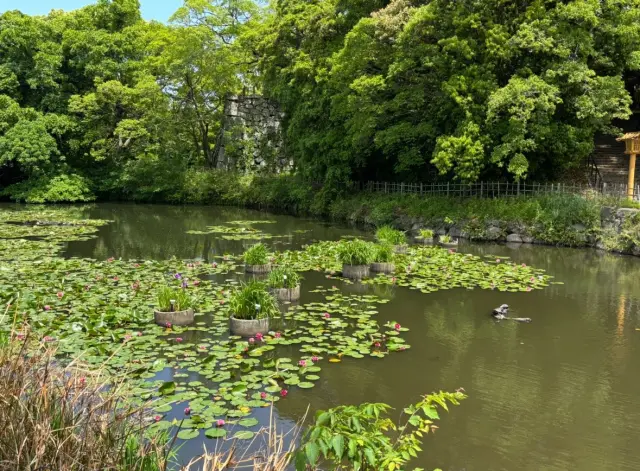
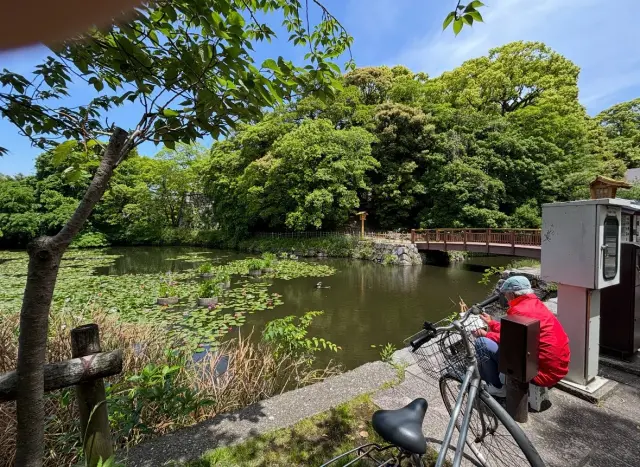
Whenever I have some free time during a business trip to Fukuoka, I always enjoy taking a walk around the Fukuoka Castle Ruins and Ohori Park, stealing away half a day of leisure. That time, while strolling around the moat, I happened upon a man focused on sketching outdoors beside the rustic Shiomi Turret. Following the tip of his brush with my eyes, I saw a pond full of water lilies blooming gracefully, their small, delicate flowers floating gently on the green surface, creating an especially serene and elegant scene. I quietly stood behind him, admiring the delicate reflections of the lilies in the pond while watching him capture this beauty on canvas. At that moment, the man absorbed in his painting and the pond full of water lilies were also a beautiful scene in my heart.
-
-

Kiyomizu Junsei Okabeya
Kiyomizu Junsei Okabeya is ideally located along the bustling approach to Kyoto’s iconic Kiyomizu-dera Temple, famous for its specialty, Yudofu (tofu hot-pot). Designed in the style of a traditional Kyoto townhouse, the restaurant offers spacious, barrier-free seating areas as well as an on-site gift shop. Particularly appealing is the view from its upper terrace, accessible via external stairs, overlooking the adjacent Goryukaku, a nationally registered tangible cultural property, and its picturesque fountain.
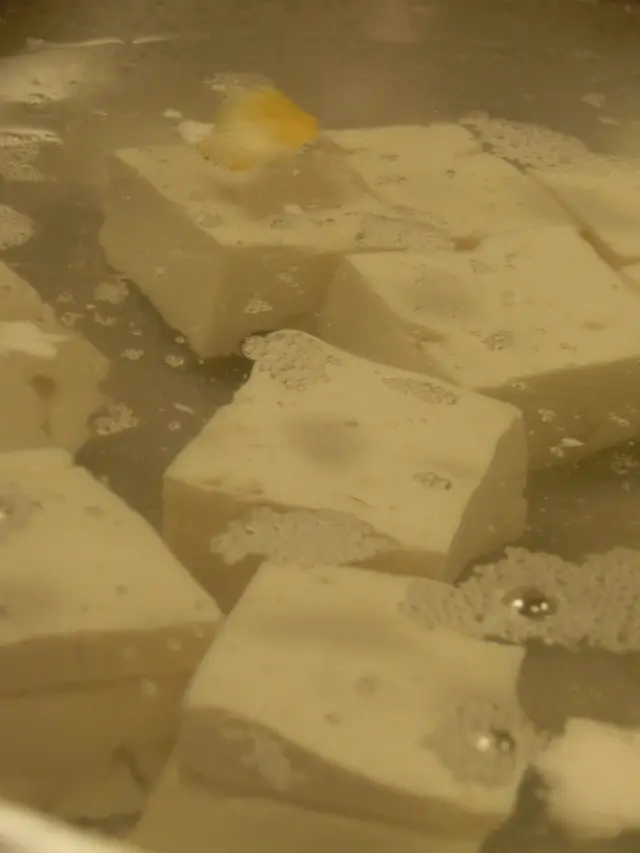
Yudofu is one of Kyoto's signature dishes, and after wrapping up this business trip, I finally got to try it with my colleagues! Kiyomizu Junsei Okabeya is located near Kiyomizu-dera Temple, and enjoying a steaming pot of yudofu after sightseeing was especially comforting. The soft, white tofu arrived steaming hot and looked appetizing right away. It had a delicate, silky texture and a subtle soybean aroma. With minimal seasoning, the tofu's natural sweetness came through even more, making it light and pleasant to eat. I originally thought tofu dishes might be rather plain, but I was impressed after actually trying it. If I get the chance to visit Kyoto again, I'd also like to try the restaurant's yuba set meal and experience a different soybean flavor.
-