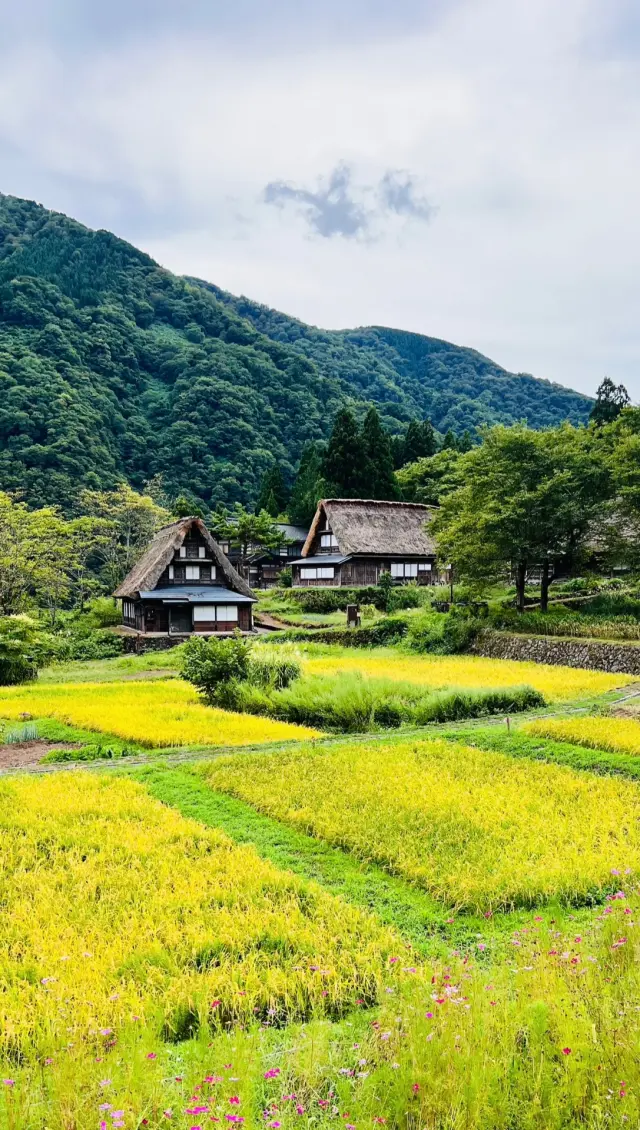
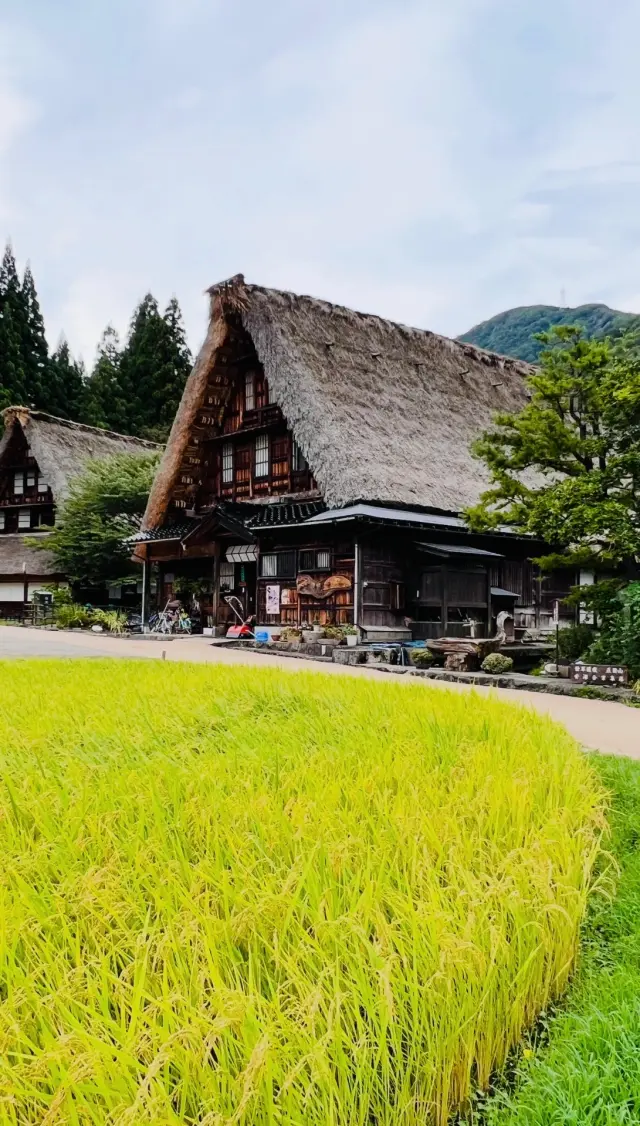
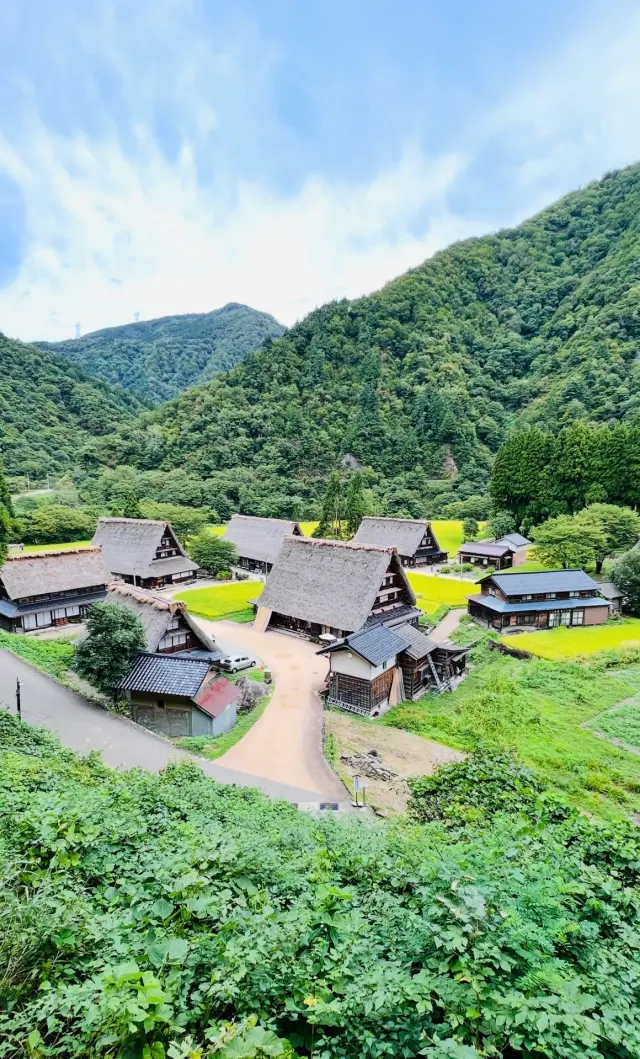
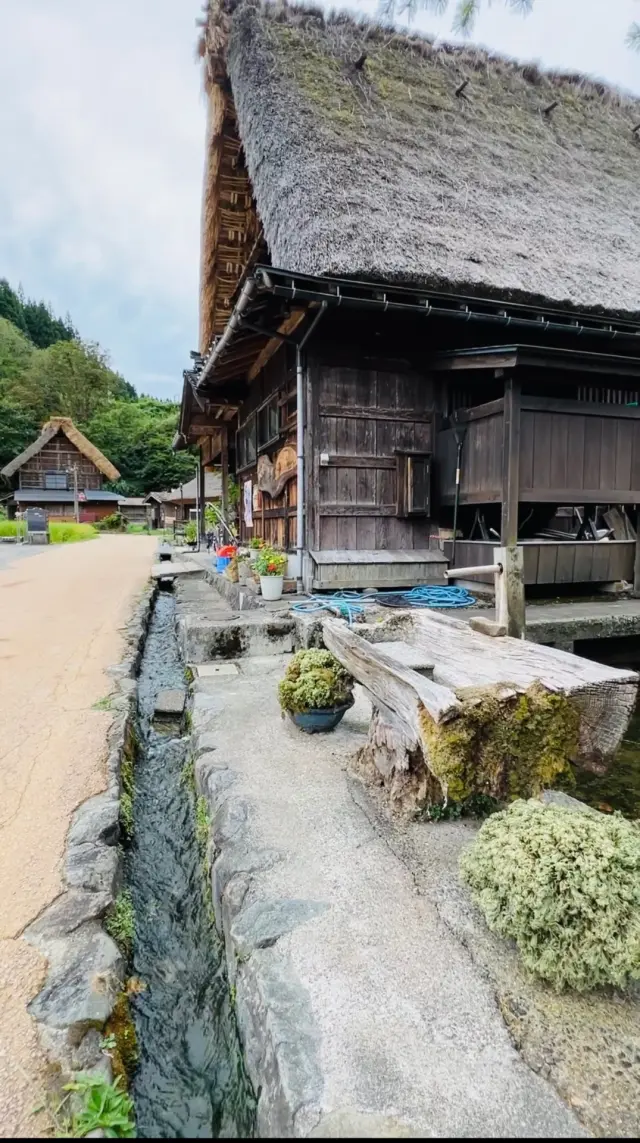
I'm sure many people have already experienced the charm of Shirakawa-go's gassho-style village. But if you go a little farther, you can experience a simpler, quieter, and more authentic gassho-style village. This is Ainokura in Gokayama, which, like Shirakawa-go, is also a World Heritage Site. No matter the season, the face of this quiet village is sure to move you!
Gokayama Ainokura/Suganuma Gassho-Zukuri Village | Review by 蘇自強
Other Reviews by 蘇自強
-
Tottori Sand Dunes
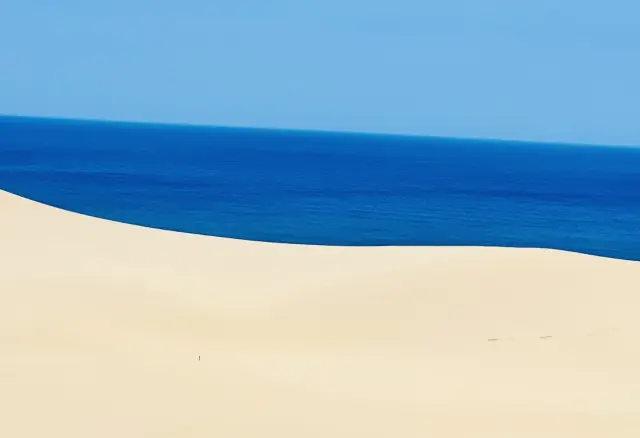
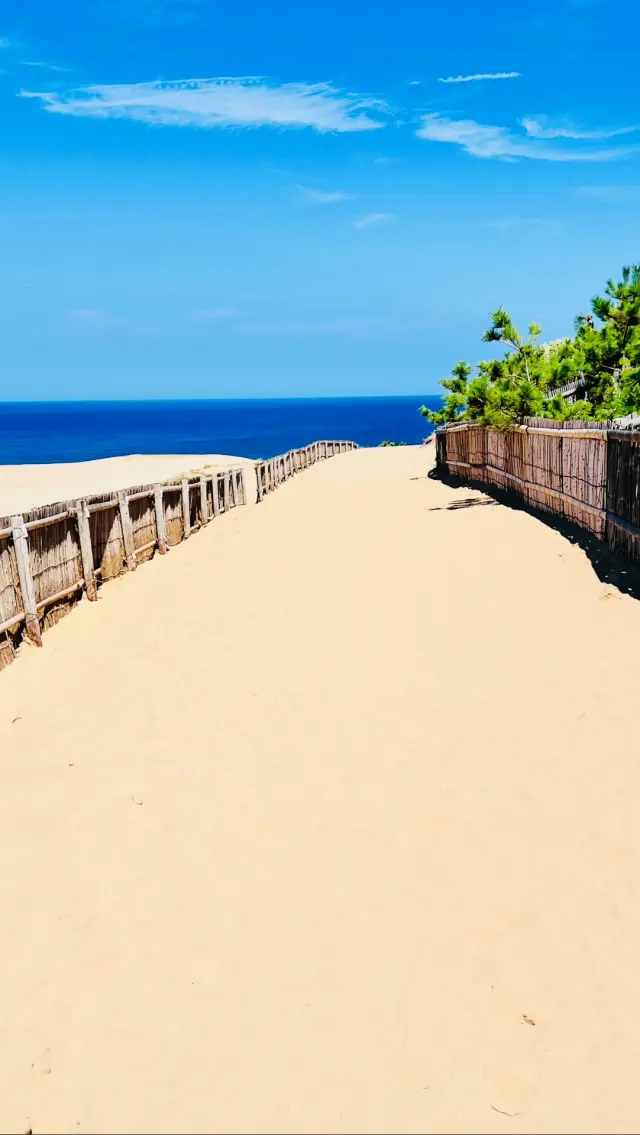
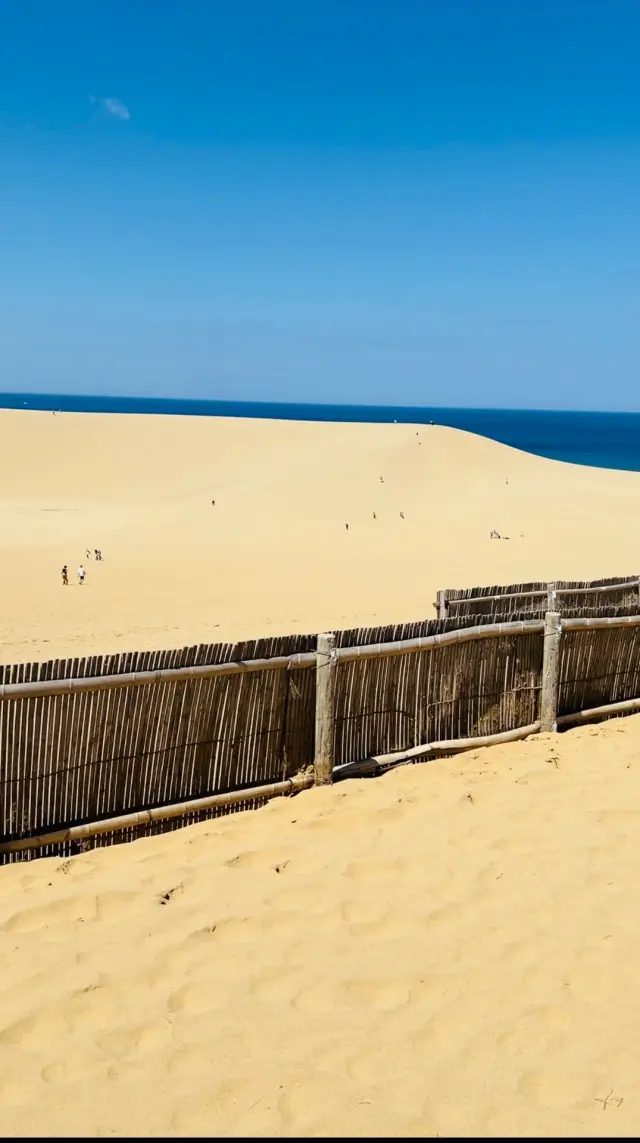
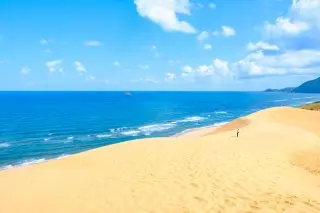
Located on the Sea of Japan side of Tottori City in Tottori Prefecture, the Tottori Sand Dunes stretch 16 km from east to west and 2.4 km from north to south, making them one of the largest dune systems in Japan. These dunes, designated as a special protected area and a Natural Monument of Japan, are a major tourist attraction representing Tottori Prefecture.
My first time visiting the long-awaited Tottori Sand Dunes.
After transferring to a bus at Tottori Station, I arrived at the destination with ease. Even though it was already September, the weather here was still just as hot as in Taiwan.
After crossing the main road, a vast ocean view and a “desert” appeared before my eyes. It was truly breathtaking! At that moment, I forgot all about the intense heat and only wanted to walk into the “desert” and experience the feeling of roaming across the frontier. With the sea and sky blending into one and stretching as far as the eye could see, this scenery unlike anything I had ever seen left a deep impression on me! -
-

Narai-juku
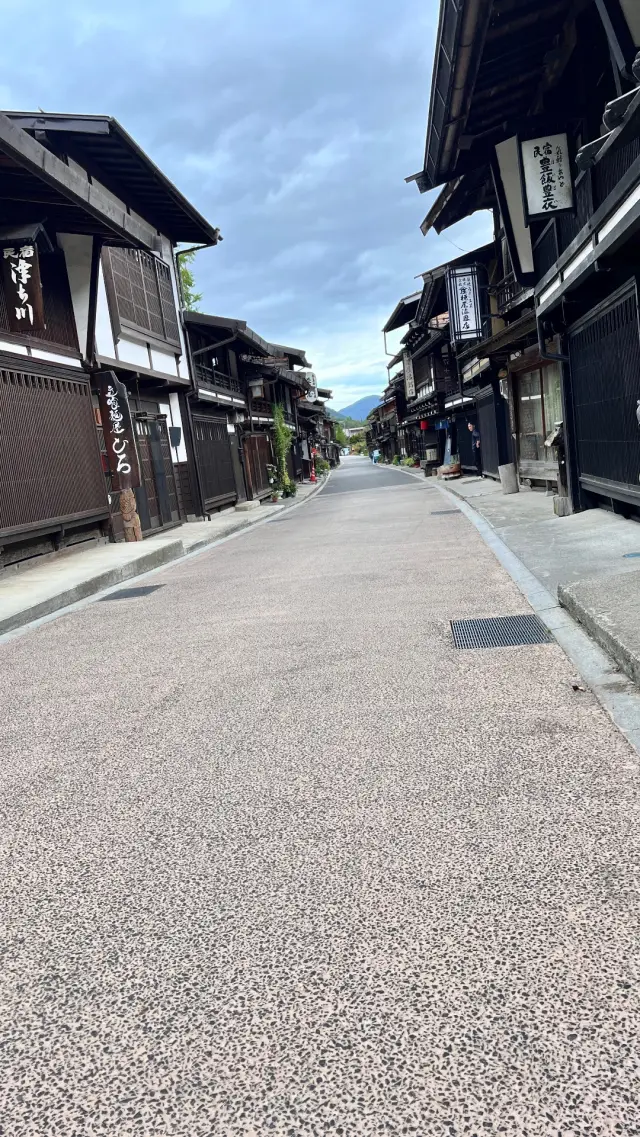
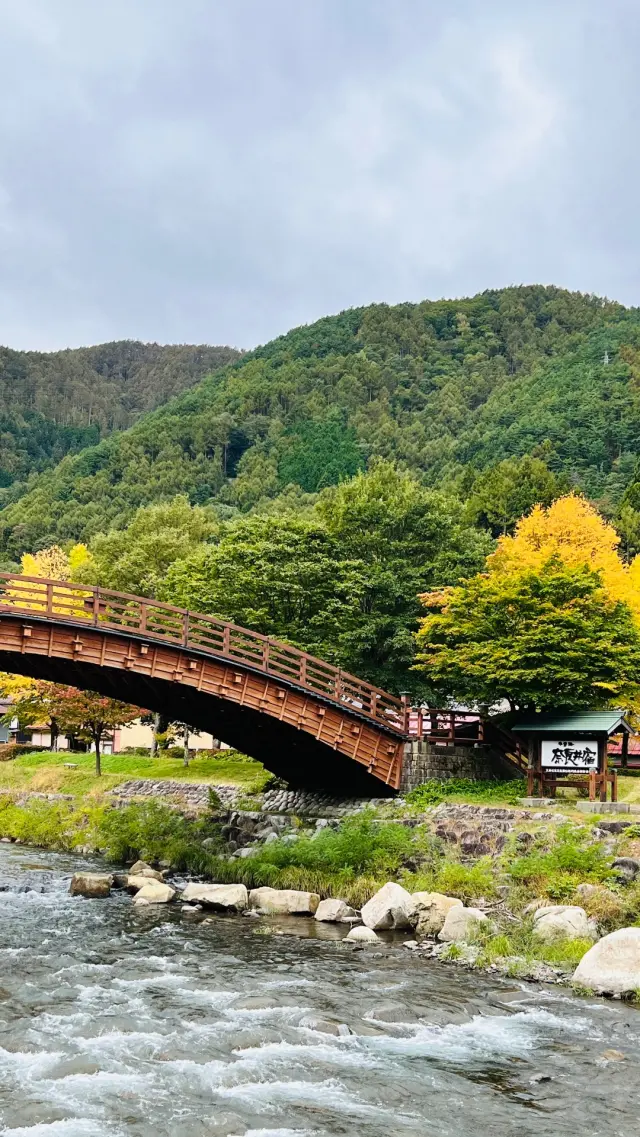
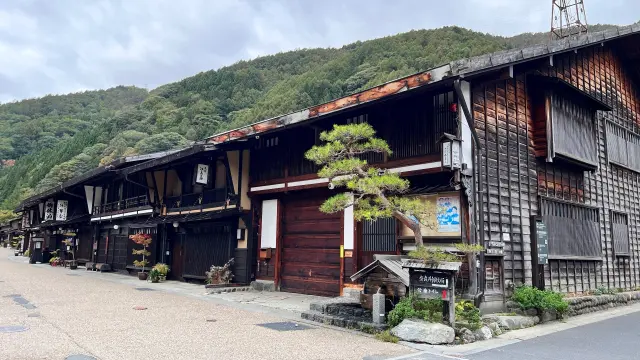
It is Japan's longest post town, stretching about 1 km along the old Nakasendo Route. Located at the highest elevation among the 11 inns on the Kisoji Route, which is known for its perilous passes, the town used to be so crowded with travelers that it was called "Narai Senken (Narai of One Thousand Buildings)”.
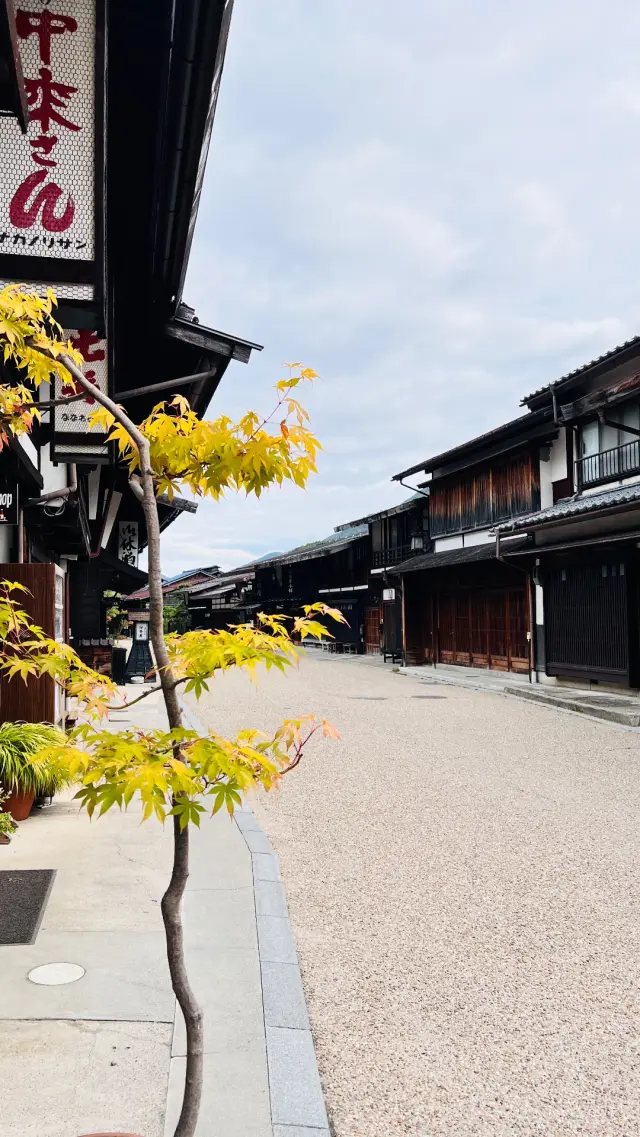
I arrived at Narai-juku early in the morning, before any tourists had shown up. This quaint historic street is perfect for a quiet, leisurely stroll while taking a close look at the carefully maintained, well-preserved buildings, which are simple and stately. The peaceful atmosphere makes it easier to experience the charm of the Edo period.
This is an in-depth destination worth visiting in any season, and one you'll want to return to after your first visit! -
-
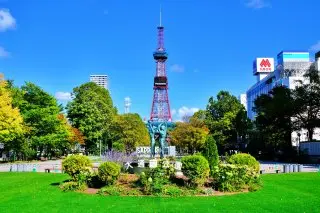
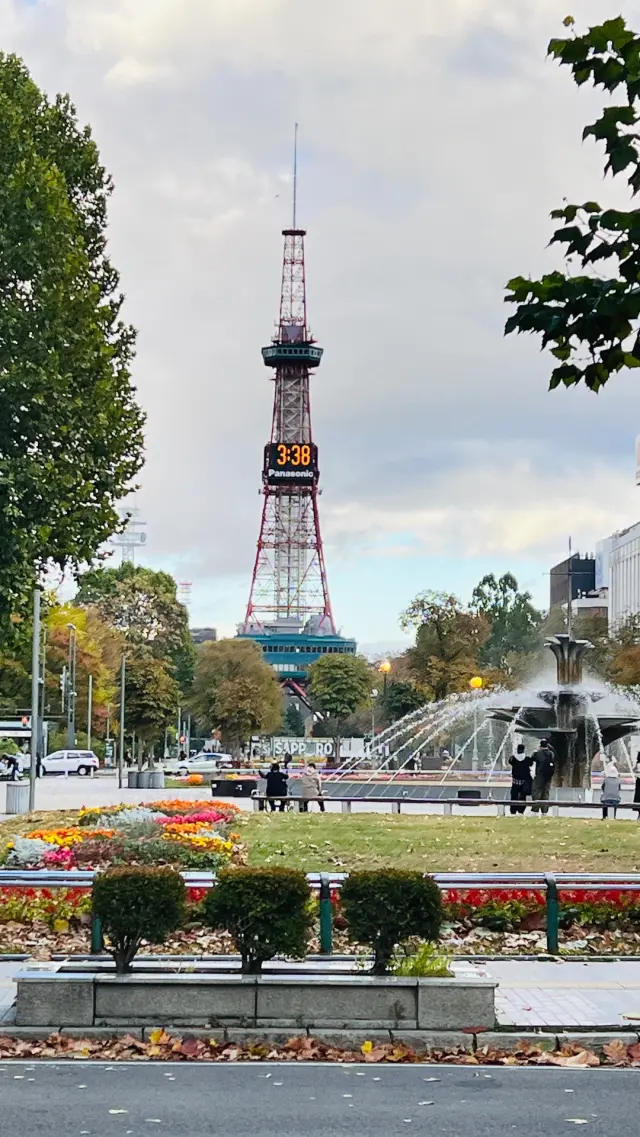
Sapporo TV Tower
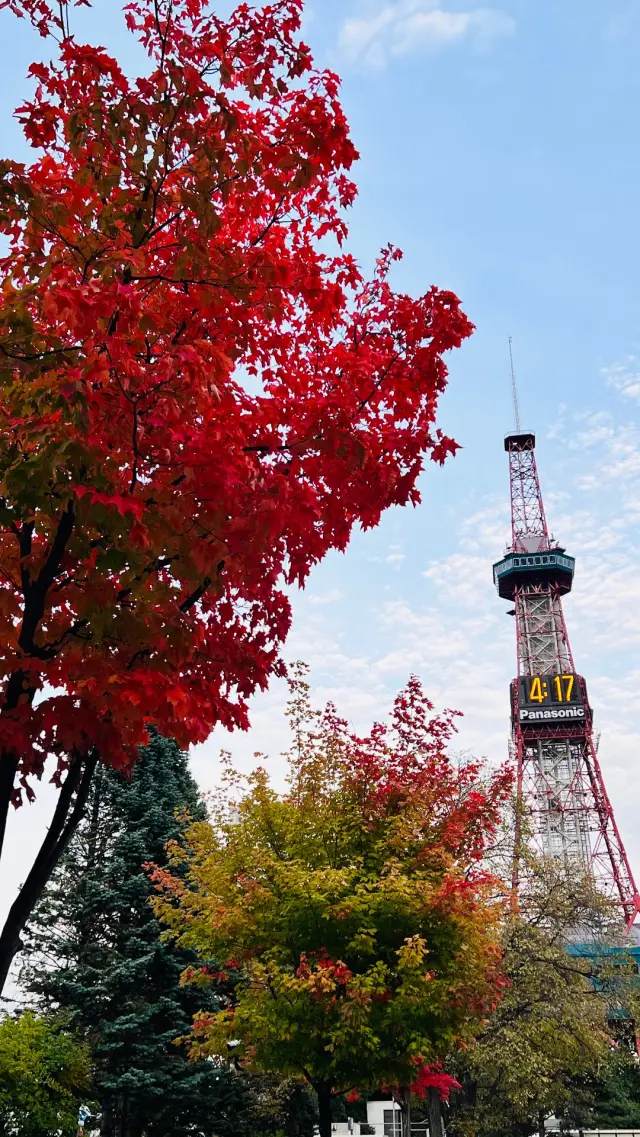
Built in 1956 on Nishi 1-chome, the starting point of Odori Park, the Sapporo TV Tower is well known to locals and tourists alike as a landmark of Sapporo that has witnessed the city's development since its completion.
After arriving in Sapporo from New Chitose Airport, all I knew was that my hotel was next to Odori Park. I had no idea where exactly it was.
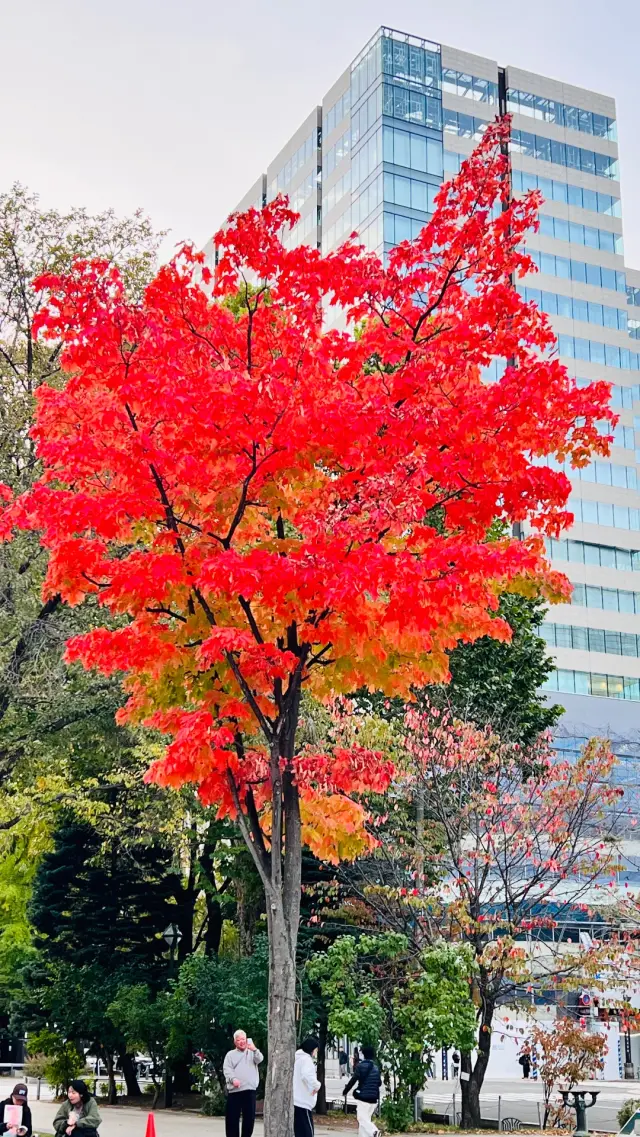
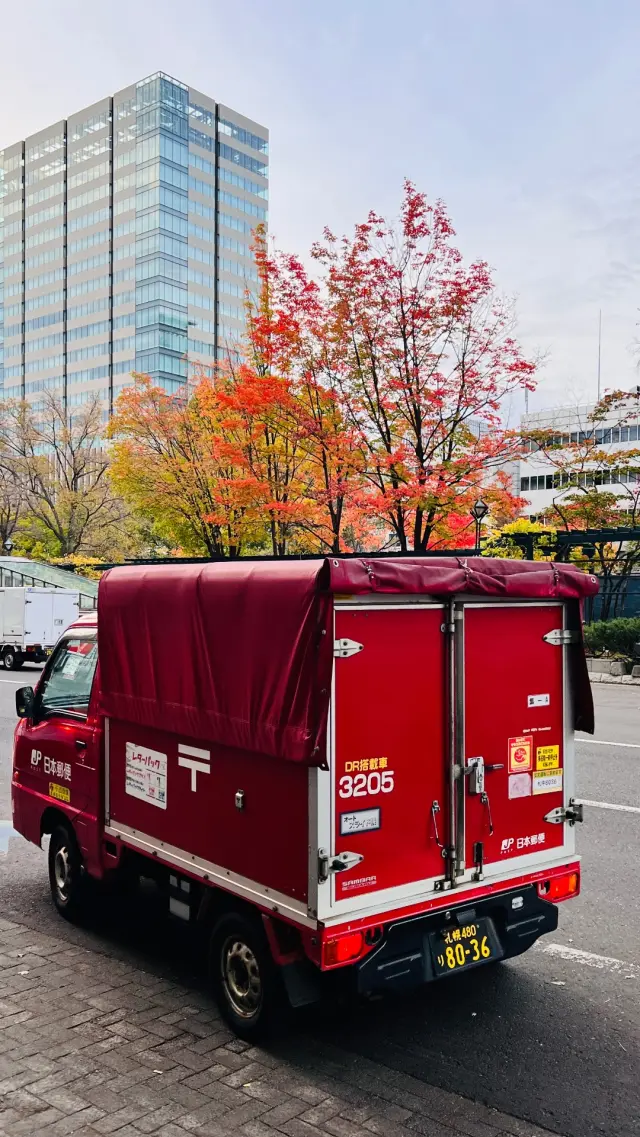
Dragging my heavy luggage, I came out of the subway station and was immediately captivated by the red maple leaves in front of me. I dropped my luggage and started taking pictures. A Japan Post driver quickly ran over and anxiously asked, “What’s wrong with my truck?” I hurriedly explained, “There’s nothing wrong with your truck—the maple leaves are the problem!”
He laughed as he got back in his truck and drove away. I kept taking picture after picture after picture.
Only then did I remember my luggage and that I still had to find my hotel...! -