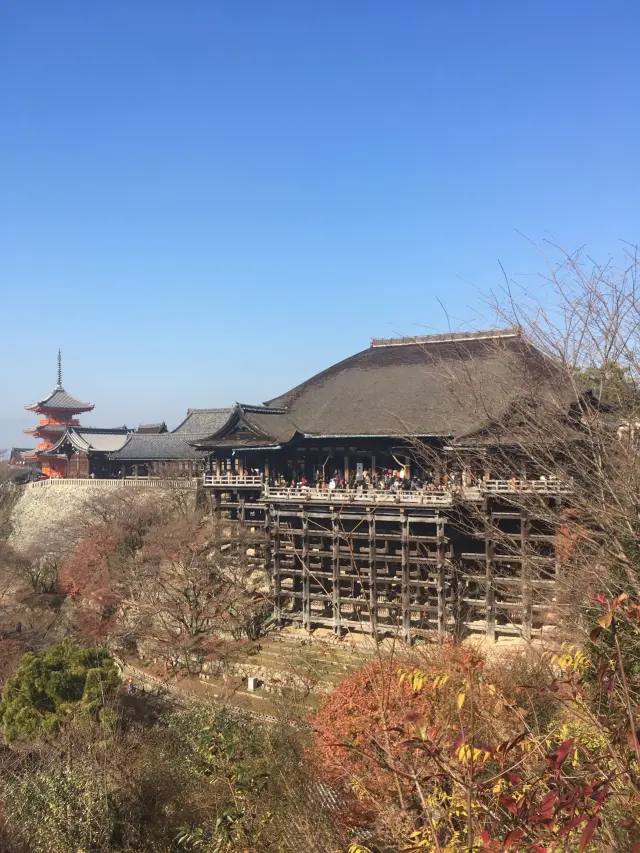
This is a must-visit attraction when you come to Kyoto. The most iconic highlight is the Kiyomizu Stage, which was built without using a single nail and is supported solely by 139 massive interlocking zelkova pillars. Seeing it in person is truly breathtaking〜 If you visit in the right season, you can also enjoy the autumn leaves or cherry blossoms.
Otowa-san Kiyomizu-dera Temple | Review by Lucas L.
Other Reviews by Lucas L.
-

Yasaka Shrine
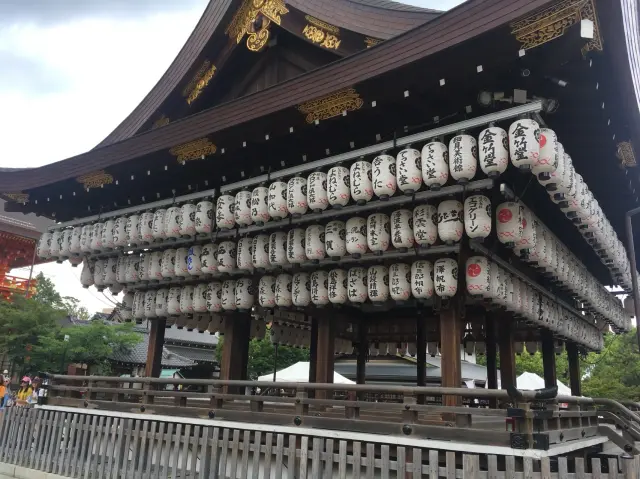
Yasaka Shrine enshrines Susanoo-no-Mikoto, Kushiinadahime-no-Mikoto, and Yahashira-no-Mikoto. It is the head shrine of approximately 2,300 Yasaka shrines and other related shrines throughout Japan that enshrine Susanoo-no-Mikoto. The shrine is said to have originated in 656, when a deity from Mount Gozu in the ancient Korean kingdom of Silla was enshrined here.
Located at the end of Shijo Street in Gion, Yasaka Shrine is the head shrine of more than 3,000 Yasaka shrines across Japan. It is also within walking distance of Gion and Hanamikoji Street. There is a bus stop right in front, making it very convenient to get there by bus, and you can also catch buses from here to other attractions such as Kinkaku-ji and Ginkaku-ji.
-
-
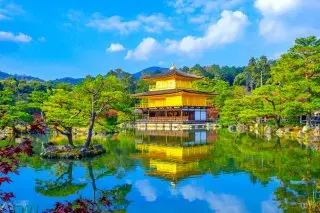
Kinkaku-ji
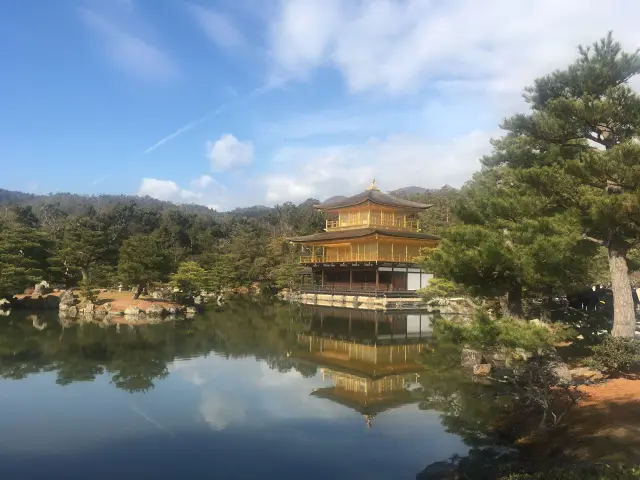
During the Muromachi Period, the 3rd Ashikaga shogun, Yoshimitsu, made an abode in this temple called Kitayamadono. It was named as Rokuon-ji after the posthumous name of Yoshimitsu. He had also built Shokoku-ji Temple, and Rokuon-ji, his retirement home, was turned into a branch temple of Shokoku-ji.
The biggest highlight of Kinkaku-ji, officially known as Rokuon-ji, is the Shariden, whose second- and third-floor exterior walls are completely covered in pure gold leaf. It sparkles in the sunlight, and with its reflection on the water, it looks almost unreal〜 It’s also very convenient to get there by Kyoto city bus!
-
-

Ine Town Tourism Exchange Facility Funaya Biyori
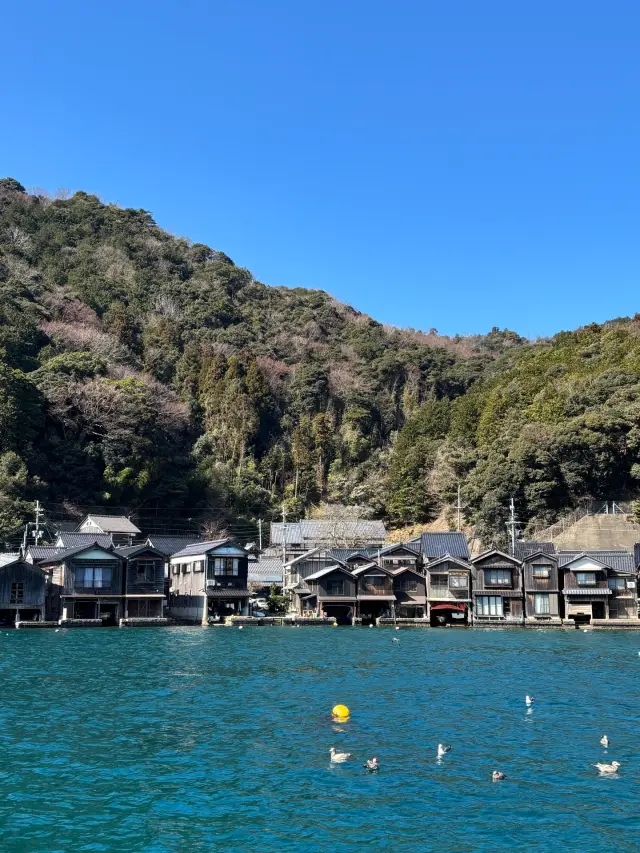
Located in Ine Town on the Tango Peninsula in northern Kyoto Prefecture, Funaya Biyori is a tourism and exchange facility where visitors can enjoy local food and culture while gazing out at the famous “funaya” boat houses along Ine Bay. Since opening in 2017, it has become a lively base for exploring the area, with a seaside café (INE CAFE), a dining spot (Wadatsumi), seasonal pop-up shops, and even a boathouse for festival ships.
Located in “Kyoto by the Sea,” the Ine Funaya are one of Japan’s most unique traditional fishing village landscapes. Viewed from the water, the distinctive wooden boathouses look like a dreamy little town floating on the sea. It’s very beautiful for photos when the weather is nice〜 Driving there is more convenient, and there are plenty of parking lots, but I don’t recommend going during Japanese holiday weekends because this is also a popular attraction among Japanese people, and the traffic can be terrifying⋯
-